Archive | August 2019

DID FRENCH CARIBBEAN SERVE AS PALESTINIAN TERRORISTS’ ARMS ROUTE?

DID FRENCH CARIBBEAN SERVE AS PALESTINIAN TERRORISTS’ ARMS ROUTE?

SHIMON SAMUELS


That attack was described by then-French prime minister Raymond Barre as “a bomb set for Jews that killed four innocent Frenchmen.”

Jo Goldenberg’s restaurant in Paris, site of a 1982 terrorist attack.. (photo credit: Wikimedia Commons)

August 9 marked the 37th anniversary of the Rue des Rosiers terrorist attack in the Paris Jewish Quarter – known as the Goldenberg Restaurant Massacre – which left six dead and 22 wounded. The attack was carried out by the notorious Abu Nidal Organization, the most common name for the Palestinian nationalist militant group Fatah-Revolutionary Council.

Goldenberg’s was the tail-end of 73 shootings and bombings across Western Europe that began with the October 3, 1980, bombing of the Synagogue of Rue Copernic in Paris. This writer accompanied Aliza Shagrir, who was visiting Paris from Israel, to the corner of Copernic. I walked on as she entered the street where she met her death. That attack was described by then-French prime minister Raymond Barre as “a bomb set for Jews that killed four innocent Frenchmen.”

The victims were a Spanish chauffeur, a Portuguese concierge, Aliza and an “innocent Frenchman” passing by on a scooter, plus 46 wounded, many of whom were French Jewish worshipers inside the synagogue.

Then-president Giscard d’Estaing was quoted as saying, “I lost my reelection at Rue Copernic,” as he had refused to return to Paris from a hunting weekend.

The Copernic suspect was identified in Canada and extradited to France for trial. After two years of detention with appeals still pending he was spirited back to Ottawa.

Three Goldenberg suspects were identified – one in Amman, a second in Norway, a third in Ramallah. All these respective jurisdictions have refused extradition.

The Israeli incursion into southern Lebanon in August 1982, in response to several terrorist attacks including the explosion of a bus on the coast, revealed Palestinian training camps for European terrorist groups. On one base, extreme-left French Action Directe had apparently complained against the presence of extreme-right FANE, created by neo-Nazi Marc Fredericksen. All fled back to Europe, where they suspended targeting Jews and, in need of money, began attacking banks, then businesses, political figures, embassies and military bases. Governments cracked down until groups such as French Action Directe, German RAF/Baader-Meinhoff and Italian Red Brigades were neutralized.

Now we learn from the French daily Le Parisien of August 8, of a scandalous revelation that following Goldenberg, the then-head of French Intelligence cut a deal with Palestinian terrorists, reportedly with the most brutal Abu Nidal, the very murderer of Goldenberg’s. The deal was apparently freedom of movement in France in exchange for a moratorium on violence on French territory.

THE SCOOP by Le Parisien has also re-awakened a dormant, closely related issue. After our public condemnation of the Goldenberg atrocity, I received a call from a French commercial pilot. We met. He described how Palestinian arms were reaching Europe.

He claimed that materiel was assembled off the coast of Venezuela, on Isla Margarita – today a free-trade zone controlled by Hezbollah – with a growing presence of Hamas, al-Qaeda and ISIS fugitives among an Arab community of some 12,000. Isla Margarita appeared in a report by the assassinated Argentine prosecutor Alberto Nisman as part of what is now called “Latin Arabia,” from Surinam to Venezuela, Bolivia, Chile, the Argentine-Brazil-Paraguay Triple Frontier Region and Trinidad-Tobago.

The arms would be sent by boat to the French Caribbean islands of Guadeloupe or Martinique, also hosting communities of Lebanese, Syrians and Palestinians, especially those who had fled the Lebanon civil war in the 1970s and ‘80s.

“From these French territories, flights considered as domestic could freely arrive in Paris without security or customs controls,” claimed the pilot.

At the time, we turned to the Élysée Palace and were assured that president François Mitterand himself knew nothing of this deal.

A few days later, we learned that the “delegate general of Palestine” (aka “ambassador of Palestine”) to France, Ibrahim Souss – considered a master concert pianist rather than an agent of terror – was hauled into the Quai d’Orsay Foreign Office, allegedly to discuss the islands’ “traffic” issue.

If Le Parisien and our pilot source are correct, the arms supply to Abu Nidal through France into Europe could have been used in his terrorist organization’s subsequent deadly itinerary resulting in at least 400 murdered victims and many more wounded:

• November 23, 1985: EgyptAir Flight 648 hijacking and stand-off in Malta, 58 killed.

• December 27, 1985: Simultaneous shootings at the El Al ticket counters in Rome and Vienna airports, 20 killed, 138 wounded.

• September 5, 1986: Pan American flight 73 hijacking, 20 killed, 120 wounded.

• September 6, 1986: Attack against the Neve Shalom synagogue in Istanbul, 22 killed.

• July 11, 1988: Attack on a Greek cruise ship, 10 killed, 98 wounded.

• December 21, 1988: Pan American flight 103 explosion over Lockerbie, Scotland, claimed by Abu Nidal among other suspects, 270 killed.

We salute Le Parisien and hope that its investigation will also include the arms-supply route with a call on the appropriate French authorities to consider punitive measures for such deals as a memorial gesture to the victims and their families.


The writer is director for international relations of the Simon Wiesenthal Center.


Zawartość publikowanych artykułów i materiałów nie reprezentuje poglądów ani opinii Reunion’68,
ani też webmastera Blogu Reunion’68, chyba ze jest to wyraźnie zaznaczone.
Twoje uwagi, linki, własne artykuły lub wiadomości prześlij na adres:
webmaster@reunion68.com


BACK TO SCHOOL: WHAT WE TEACH OUR CHILDREN

BACK TO SCHOOL: WHAT WE TEACH OUR CHILDREN

GERSHON BASKIN


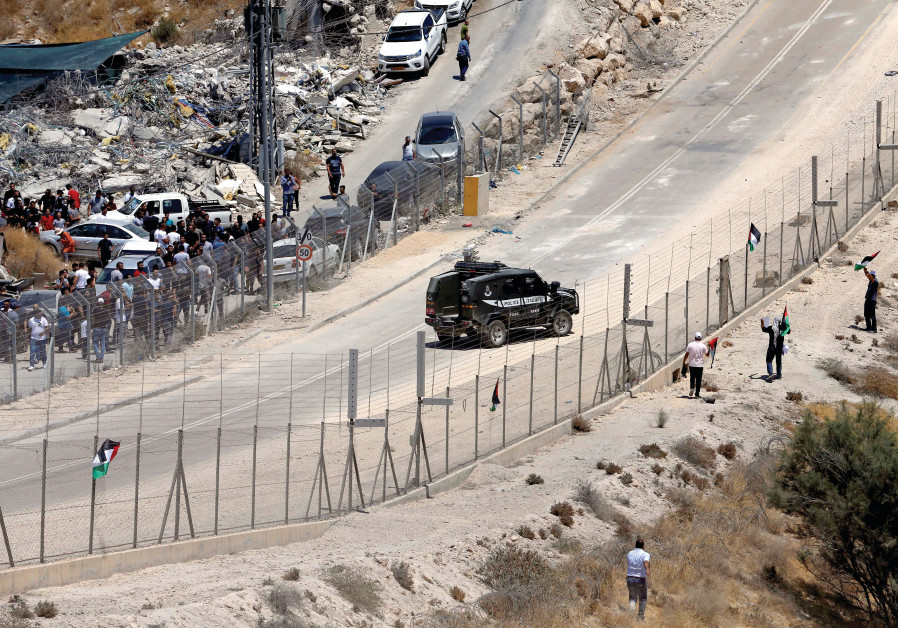
Both Israel and Palestine are guilty of the crime of omission. We teach almost nothing about the other people living on this land.

BOTH ISRAEL and Palestine are guilty of the crime of omission. We teach almost nothing about the other people living on this land.’. (photo credit: REUTERS)

This is directed to parents and to educators in Israel and Palestine. Parents and educators should be aware of the far-reaching effect of education in the promotion of reconciliation, tolerance and peace, or in the promotion of hatred, violence and fear. They should be aware of the effect of education to incite and encourage violence and how that will continue to impact our future in which these two peoples are intertwined.

One of the best ways to assess the values of a society is to look at their textbooks. The values and lessons that we choose to pass on to our children are a good litmus test of what is really important to us. Regarding the relations between Israel and Palestine, our histories, narratives and most importantly, our view toward the future in our educational systems present a very worrisome view.

Both Israel and Palestine are guilty of the crime of omission. We teach almost nothing about the other people living on this land. Some Israeli textbooks, particularly in the ultra-Orthodox educational system, are guilty of teaching xenophobia and hatred. Palestinian textbooks have gone from bad to worse, with the latest editions published in 2018 containing some of the worst examples of inciting to violence, racism against Jews and hatred of everything Israeli.

This subject has been written about extensively and I do not want to add to the bandwagon and grandstanding against the Palestinian Authority. I am truly concerned from my conversations with both young Israelis and young Palestinians about what they learn in school, what they don’t learn in school, and the enormous misconceptions and mistruths they hold about themselves and about the other people with whom they are sharing this land.

Over the years I have attempted to encourage both education ministries – in Israel and in Palestine – to engage in objective self-evaluation and introspection regarding the messages and values we teach regarding “the other.” It is clear that if each side conducted an evaluation of the curricula and textbooks of the other, the results would be automatically rejected. I laid down a challenge that both sides use internationally accepted criteria for the evaluation of textbooks, but they conduct their own internal evaluation. My conclusion is that the education ministries are not prepared to pick up the challenge.

One Palestinian education official once said to me: “They [the Israelis] have taken our land, they destroy our homes, they have determined our future, and the only thing we can hold onto as our own is our identity and our past. Now they want to take that as well.” Most Israeli education officials believe that Israel’s textbooks are far better than the Palestinians’ so we have no problem.

I have recommended in the past that the Israeli government and the PA appoint a national advisory committee on textbooks empowered to review the textbooks taking into account the critiques that have been raised over the past years. Both sides should progress on this issue without regard for what the other side does. This is not a question of negotiations, mutuality or reciprocity. Each side must demonstrate the values that it holds dear without regard for what the other side does. The true test of the ability of both sides to make peace will be to degree to which both sides take positive action in educating the next generation in a true spirit of pursuing peace.

Beyond the main task of the Palestinian Ministry of Education to provide the young people of Palestine with international standards and high levels of academic education, the Palestinian ministry must face the significant task of providing the children of Palestine with a strong values-based education aimed at building a healthy Palestinian society and the future Palestinian state.

AN ESSENTIAL aspect of values-based education is imparting and building the Palestinian national identity with all of is many facets. This kind of task is complicated under the best circumstances, and when faced with a 100-year violent conflict with the neighbors, it becomes extremely problematic and difficult.

As the PA has witnessed over the past years, Palestinian textbooks are under great international scrutiny, and every word and picture is weighed and judged by reviewers from all corners of the world. The books are not only evaluated by their pedagogical content and context but also, and perhaps mainly, by the interpretations of the political messages they deliver to the readers. There is a need for a great deal of care with the selection of every text and every picture, but more so, there is a need for the messages that are being delivered to be clear and based on firm moral ground.

Palestine is embroiled in a struggle for national existence. The conflict and struggle for achieving freedom, liberation and sovereignty has been very bloody and filled with great suffering. Every Palestinian is aware of the context of the struggle and of the price that Palestinians have had to pay in this struggle. The messages delivered by the Palestinian textbooks have thus far failed to impart a clear and decisive message that the Palestinian people wish to live in peace with their neighbor, their enemy and hopefully future peace partner. There is no contradiction in teaching the students to need to struggle for their just rights and at the same time to state unequivocally that they wish to live in peace with the people they are fighting against.

The Palestinian textbooks contain confused messages, however, it is not difficult to understand the main political theme imparted to the students is that Israel should not exist and that this is essentially the Palestinian goal. Assuming this is not the political message the PA adheres to, there is a need to make real revisions and amendments in the Palestinian textbooks.

Palestinian Authority senior personnel have avoided dealing with much of the criticism by stating two main issues:

1) Israeli textbooks don’t make mention of Palestine, the Palestinian Authority, Palestinian political rights or recognition of them; and

2) The issues which are raised are political in nature and the PA’s Education Ministry does not have the mandate to deal with them.

Neither of these reasons appropriately answers the obligation of the PA and its Education Ministry to do a better job in educating the young people of Palestine toward peace and reconciliation and not toward further fostering of the conflict and violence.

On the Israeli side, almost all maps in Israeli textbooks do not designate the PAu areas or even the “green line.” History books in Israel do not cover the decision of past Israeli governments to recognize Palestinian political rights. Israeli textbooks teach too little about their Arab and Palestinian neighbors. If Israel is calling for the Palestinians to revise and reform their textbooks in the spirit of making peace, Israel must also look inside its own classrooms and do the same. This would also be a serious indication of Israeli intentions to make peace with the Palestinians.

Part 2 of this series will present specific recommendations for textbook amendments in Israel and Palestine.


The writer is a political and social entrepreneur who has dedicated his life to the State of Israel and to peace between Israel and her neighbors. His latest book In Pursuit of Peace in Israel and Palestine was published by Vanderbilt University Press and is now available in Israel and Palestine.


Zawartość publikowanych artykułów i materiałów nie reprezentuje poglądów ani opinii Reunion’68,
ani też webmastera Blogu Reunion’68, chyba ze jest to wyraźnie zaznaczone.
Twoje uwagi, linki, własne artykuły lub wiadomości prześlij na adres:
webmaster@reunion68.com


Czy Izrael jest państwem bliskowschodnim?

Czy Izrael jest państwem bliskowschodnim?

Andrzej Koraszewski


Pytanie ciekawe, bo niby mapa mogłaby na to wskazywać, ale okazuje się, że zdaniem jednych Izrael to jakaś europejska kolonia, w arabskich mediach można wyczytać, że to rasistowska forpoczta amerykańskich interesów, a jak się okazuje, sami Żydzi też mają różne opinie na ten temat.

Na początku lat 90. ubiegłego wieku pewnego dnia siedziałem sobie w moim pokoju w redakcji Polskiej Sekcji BBC, rozmawiając z izraelskim prawnikiem i dziennikarzem Uri Huppertem, który często występował na naszej antenie, jako że maleńki Izrael z jakiegoś powodu zawsze interesował ludzi bardziej niż jakikolwiek inny kraj na świecie.

Huppert w pewnym momencie powiedział coś, co wydawało mi się dość niesmaczne, a może wręcz obrzydliwe. Powiedział, że jak ci orientalni Żydzi staną się większością, to będzie po Izraelu, a oni rozmnażają się jak króliki. Ugryzłem się wtedy w język i nie zadałem złośliwego pytania, czy przypadkiem wcześniej Żydzi z Wiednia, z Paryża czy Berlina nie byli w Izraelu tego samego zdania o Żydach z Polski? Z jakiegoś powodu straciłem całą sympatię do tego człowieka.

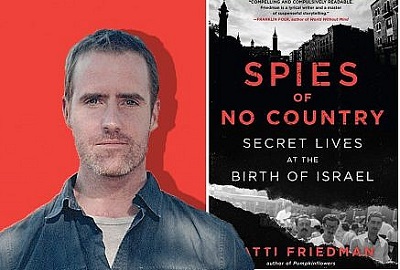
Ta scena sprzed z górą ćwierćwiecza stanęła mi przed oczyma, kiedy czytając książkę Matti Friedmana Spies of No Country natrafiłem na historię reportażu w „Haaretz”, gdzie w 1949 roku dziennikarz tej gazety, Aryech Goldblum, odwiedził obóz dla uchodźców z krajów arabskich i napisał, że to dzicz, która nic nie rozumie, gorsza od miejscowych Arabów. Odpowiedziano mu, że jest rasistą, co nie znaczy, że redakcja „Haaretz” czegokolwiek od tamtych czasów się nauczyła.

Książka Matti Friedmana jest fascynująca właśnie tym, że pokazuje, do jakiego stopnia Izrael po prostu jest jednym z  krajów Bliskiego Wschodu i jak bardzo jest to ważne, żeby zrozumieć dzisiejszy Izrael i uwolnić się od fałszywego obrazu na poły europejskiego kraju zbudowanego przez ocalałych z Warszawy, Białegostoku, Wilna, Łodzi i Otwocka.

To przekonanie, że Izrael to Żydzi z Europy, wyciska dominujące piętno na całym dyskursie o tym kraju. Nie tylko arabska propaganda trzyma się twierdzenia, że „Europa stworzyła Izrael w poczucia winy za Holokaust”, że Izraelczycy to obcy przybysze, którzy mają wrócić do swoich krajów, że „ci ludzie nie mają nic wspólnego z Bliskim Wschodem”, że europejscy Żydzi zabrali ziemię Arabom. Te twierdzenia powtarzają nie tylko europejscy i amerykańscy antysemici, ale i bardzo wielu Żydów z diaspory. Nic dziwnego, że telewidzowie, słuchacze radia, czytelnicy prasy zazwyczaj nie mają zielonego pojęcia, że połowa żydowskiej populacji Izraela to potomkowie Żydów z Bliskiego Wschodu. Nic dziwnego, że w 1967 roku warszawska ulica cieszyła się, że „nasi Żydzi dali w dupę ruskim Arabom”, nic dziwnego, że jeśli czytelnik poważnej prasy czyta jakieś wzmianki o orientalnych Żydach w Izraelu, to brzmi to tak:

Do Izraela w znakomitej większości emigrowali więc Żydzi z krajów autorytarnych, Żydzi orientalni, religijnie ortodoksyjni. Siłą rzeczy popierali partie religijne i narodowo-ortodoksyjne. A ponieważ złożyło się tak, że niemal od początku Izraelem rządzą koalicje, nawet w rządach lewicowych partie religijne były języczkiem u wagi, od ich postawy zależała trwałość gabinetów. Mogły sporo żądać od silniejszych koalicjantów.

Słowem – Holocaust, emigracja z krajów orientalnych, bomba demograficzna społeczności ortodoksyjnej oraz błędy lewicy pozwoliły wzrosnąć politycznej prawicy i narracji państwa wyznaniowego.

Ten cytat z ”Gazety Wyborczej” z września 2018 roku to wspomniany już wcześniej Uri Huppert, który po latach trzyma się dzielnie swoich rasistowskich poglądów i nie jest w stanie wyjść z zakleszczenia w swojej ideologicznej utopii. Matti Friedman, urodzony w Kanadzie lewicowy dziennikarz izraelski, widzi to nieco inaczej, jego opowieść o szpiegach bez kraju, to nie tylko książka, której nie należy zaczynać czytać wieczorem, bo grozi zarwaniem nocy, ale książka pozwalająca zrozumieć, dlaczego te dyskusje o Izraelu są tak odległe od rzeczywistości.

Te mądrości Hupperta przypomniały mi relację Tuvii Tenenboma z wizyty w redakcji „Haaretz”, szczycącej się namiętną obroną praw palestyńskich Arabów, gdzie nikt w całej redakcji nie potrafi sklecić trzech zdań po arabsku, a o arabskiej rzeczywistości ci obrońcy dowiadują się rozmawiając po angielsku, po hebrajsku lub przez tłumacza z bardzo specyficznymi arabskimi rozmówcami. Nic dziwnego, że wyobrażają sobie Arabów mniej więcej tak jak polscy dziennikarze izraelskich Żydów.

W pewnym sensie Friedman jakby przyznawał Huppertowi rację, oddając bowiem honor jakże wiedeńskiej idei syjonizmu Hertzla, oraz oddanym socjalistycznym koncepcjom założycielom państwa, pokazuje jakim błędem (i moralnym zaślepieniem) było lekceważenie, a często wręcz pogarda dla żydowskich ocalałych z muzułmańskiego świata. Jeśli mowa o błędach lewicy, to Friedman pokazuje, do jakiego stopnia to lekceważenie było kardynalnym błędem.

Literacki zabieg pokazania tego problemu przez szpiegów bez kraju jest genialny. Matti Friedman pisze o czasach sprzed powstania Izraela i o ludziach, którzy „byli jak Arabowie” i którzy mogli zbierać informacje o nastrojach i działaniach w krajach arabskich. Byli nie tylko „jak Arabowie”, arabski był ich pierwszym językiem, kultura arabska była ich kulturą, współtworzyli zręby izraelskiego wywiadu, dostarczając bezcennych informacji dla kraju, którego jeszcze nie było. Dla Friedmana jest to okazja do pokazanie niezwykle ważnej rzeczy, która umknęła niemal wszystkim obserwatorom Bliskiego Wschodu, wsiadającym do pociągu Orient Express z wyobrażeniami kompletnie wypaczającymi orientalny charakter kraju, o którym informują świat i okolice.

Inny autor, izraelski dziennikarz, Hen Mazzig, odpowiada na wynurzenia ludzi w rodzaju Hupperta nieco inaczej:

Moi północnoafrykańscy dziadkowie przyjechali do Izraela z Dżerby (w Tunezji) na początku 1950 roku. Gdybyś ich wtedy zapytał o nazwisko, zapewne sądziliby, że pytasz o ich plemię i odpowiedzieliby ‘Amazigh’ (dosłownie Berber, czyli ‘wolny człowiek’).

Żydzi mieszkali wśród Berberów od tysięcy lat, ale historia Żydów z Północnej Afryki jest ignorowana, bo nie pasuje do stereotypów pasażerów z pociągu Orient Express. Rodzice matki Mazziga przyjechali do Izraela z Bagdadu w rok później. Ich też zmuszono do wyjazdu, a żydowska społeczność była obecna w Iraku od czasów babilońskich. Kiedy przyjechali — pisze Hen Mazzig — ich przeszłość została wymazana między innymi w próbie stworzenia jednolitej izraelskiej tożsamości. W nowym społeczeństwie byli zaledwie tolerowani lub wręcz pogardzani.        

Izraelski dziennikarz przypomina, że ponad 850 tysięcy bliskowschodnich i północnoafrykańskich Żydów zostało wyrzuconych z krajów muzułmańskich. Nie czuli się komfortowo w Izraelu, ale nie było drogi odwrotu.

Nie tylko ich językiem był arabski, język wroga, ale ich kultura, ubiór i mentalność  były podobne jak w społeczeństwach, które chciały zniszczyć nowo narodzony Izrael.

W tej sytuacji próbowali zamazać swoją przeszłość i przystosować się do tego nowego świata, z którym, w odróżnieniu od arabskich uchodźców z terenów dzisiejszego Izraela (którzy znaleźli się w krajach arabskich), wiązali teraz całą swoją przyszłość.

Mazzig uświadomił sobie, że świat nie zauważył istnienia prawie miliona orientalnych uchodźców żydowskich. Kiedy pojechał do Stanów Zjednoczonych i zetknął się z tamtejszą żydowską diasporą, praktycznie w całości pochodzącą z Europy i świadomie (lub podświadomie) przekłamującą obraz izraelskiego społeczeństwa, zrozumiał, że nadal jednakowo w angielskojęzycznym świecie, we Francji, w Niemczech (w słowiańskim świecie również), obraz żydowskiego świata to wyłącznie Żydzi z Europy.      

W swoim artykule Hen Mazzig nawiązuje do pochodzącego z Palestyny Edwarda Saida (którego twórczość wpłynęła niesłychanie silnie na zachodnią lewicę). Mazzig pisze, że w niewielu sprawach zgadza się z Saidem, ale jego opis „orientalistów” jest poprawny. Said twierdzi, że zajmujący się Bliskim Wschodem badacze i dziennikarze zachodni nawet nie próbują zrozumieć kultur, którymi się zajmują. Powielają wymyślone na Zachodzie „fakty” i występują jako samozwańczy znawcy Orientu. W efekcie produkują bzdurne stereotypy i przedstawiają fałszywe analizy.

Te bzdurne stereotypy i fałszywe analizy dotyczą zarówno społeczeństw arabskich, jak i społeczeństwa izraelskiego. Przypominając, że grubo ponad połowa społeczeństwa to potomkowie uchodźców z krajów muzułmańskich (około 30 procent młodego pokolenia to dzieci z małżeństw mieszanych), Mazzig pisze:

Niezależnie od naszego pochodzenia, powinniśmy być zjednoczeni w nieustannej walce o równość na świecie i w walce z antysemityzmem. Musimy jednak również pamiętać, że żydowski świat ma swoje centrum na Wschodzie, że to na Wschodzie narodził się naród żydowski i że dziś nasze państwo w Izraelu, rozwija się i kwitnie.

Bogate dziedzictwo orientalnych społeczności żydowskich nie może być wymazywane  przez powierzchownych i uprzedzonych badaczy – kończy swój artykuł Hen Mazzig.

Matti Friedman na marginesie opowieści o żydowskich szpiegach, którzy byli „jak Arabowie”, pokazuje, jak i dlaczego dzisiejsi pasażerowie Orient Express wsiadają do samolotu z gotową wizją tego, co mają zobaczyć i po przyjeździe widzą tylko to, co chcieli zobaczyć, ale Tel Awiw nie jest przedłużeniem Wiednia czy Warszawy, jest mu bliżej do Aleksandrii czy Bejrutu, nie tylko leży na Bliskim Wschodzie, ale jest częścią Bliskiego Wschodu. Nie jest ani tak religijny, ani tak laicki, jak wielu chce to widzieć, nie jest ani lewicowy, ani prawicowy, jest orientalny, świadomy tożsamości własnej i sąsiadów. Arabski jest tu językiem obcym dla ludzi takich jak Uri Huppert czy Gideon Levy z „Haaretz”, ale w autobusie więcej niż połowa pasażerów będzie znała ten język, przy czym nie zawsze będzie wiadomo czy mówi Arab, czy Żyd. 

Fałszywe wyobrażenia o Izraelu prowadzą do fałszywych analiz i wniosków. Dziennikarze w Warszawie, Londynie czy Nowym Jorku czują się z jakiegoś powodu zobowiązani do pomijania faktu, że połowa izraelskiego społeczeństwa to ludzie, których rodzice lub dziadkowie pozostawili swoją własność w krajach arabskich. Jedni zostawili za sobą sklepy, fabryki, własność ziemską (której łączny obszar był dużo większy niż Izrael), inni zostawili nędzny, ale cały swój dobytek i całą swoją historię.

Podczas dwudziestolecia międzywojennego żydowska populacja Palestyny wzrosła o 470 tysięcy, w tym samym czasie populacja arabska wzrosła o 588 tysięcy. Szybko rozwijająca się dzięki imigracji żydowskiej gospodarka była magnesem dla Arabów z sąsiednich krajów, a władze Mandatu Palestyńskiego robiły co w ich mocy, by ograniczyć możliwość ucieczki Żydów z Europy. W tym czasie imigracja Żydów z krajów islamu była ograniczona do syjonistów z Orientu i stanowiła mało znaczący ułamek.

Prześladowani byli zawsze, ale mordercze prześladowania Żydów w krajach arabskich urosły do dramatycznych rozmiarów po rozpoczęciu nazistowskiej eksterminacji Żydów w Europie. Arabowie oczyścili swoje kraje z Żydów, większość z tych, którzy musieli opuścić kraje, w których ich przodkowie mieszkali od dziesiątków pokoleń, trafiła do Izraela. Asymilacja nie była dla nich łatwa, a pogarda ze strony marzących o socjalistycznym Izraelu przybyszów z innych części świata nie była specjalnie pomocna. Matti Friedman podkreśla, że oni rozumieli i nadal rozumieją lepiej otaczający ich muzułmański świat niż przybysze z Polski lub Holandii. To prawda, że częściej głosują na prawicę niż na lewicę. Dlaczego? Matti Friedman w swojej książce pisze:

Pierwotne zasady syjonistycznej wiary… obejmowały wspólną ideę kibucu, pragnienie „nowego Żyda”, wolnego od judaizmu, jak też wiarę, że w końcu świat arabski zawrze pokój z państwem żydowskim w miarę jak świat posuwa się ku większej zgodzie. To były idee z Europy i one są martwe… W wynikłej próżni ideologicznej bliskowschodnia dusza Izraela wyszła z piwnicy.

rozmowie z Davidem Horovitzem o tej książce Matti Friedman mówił:

Przybyłem z Zachodu z europejskimi opowieściami o Izraelu – kibuc, Holocaust… Im dłużej tu jesteś, tym lepiej rozumiesz, że te opowieści nie w pełni reprezentują Izrael. Połowa kraju pochodzi ze świata muzułmańskiego i to wpływa na wszystko w Izraelu – na kuchnię, zachowanie, muzykę, religię, politykę. Wielu Izraelczyków uważa, że podstawą kraju jest świat europejskich Żydów — Herzl i Ben-Gurion — i że Żydzi z Bliskiego Wschodu przyszli potem i przyłączyli się. Ja sądzę, że jest odwrotnie: Izrael jest częścią kontinuum judaizmu w świecie muzułmańskim, razem z resztkami europejskich Żydów.

Friedman przypomina, że długo istniała koncepcja terytorialnego kompromisu, wierzono, że zbliżenie jest możliwe. Horovitz pyta, czy żadne porozumienie nie jest możliwe, na co Friedman odpowiada, że oczywiście, że nie, że w regionie jest kocioł, w którym toczy się wojna, a Izrael jest tu tylko małym graczem. Wyjaśnia, że Izraelczycy z korzeniami na Bliskim Wschodzie zawsze to wiedzieli i zawsze byli podejrzliwi wobec naiwnych i utopijnych pomysłów lewicy.

Twierdzi, że nigdy nie głosowałby na Benjamina Netanjahu, że jest to człowiek, który manipuluje ludźmi, ale to polityk najbardziej kompetentny. To człowiek, który otwarcie mówi: Wyobraźcie sobie, że macie w jednym pokoju ludzi takich jak Putin, Assad, Chamenei i kogo chcecie tam posłać, dobrodusznego naiwniaka, czy kogoś, kto rozumie w co ci faceci grają? Więc Friedman zaklina się, że głosować na niego nie będzie, ale stwierdza, że to jest najbardziej kompetentny człowiek, jeśli idzie o obronę życia Izraelczyków.    

Izrael leży na Bliskim Wschodzie, jest częścią Bliskiego Wschodu i jest coraz bardziej bliskowschodni. 

Czy to ważne i czy powinniśmy to zrozumieć? 

Matti Friedman to nie tylko autor kilku znakomitych książek, ale również człowiek, który był przez kilka lat dziennikarzem w biurze Associated Press w Jerozolimie i ponad pięć lat temu zdobył rozgłos w świecie pokazując jak tendencyjne są zachodnie media operujące na Bliskim Wschodzie. Obowiązuje niemal żelazna zasada – żadna informacja rzucająca negatywne światło na Palestyńczyków nie jest warta publikacji, każda informacja rzucająca złe światło na Izrael jest na wagę złota. Jak pisał wówczas: „Rurociąg wiadomości z Izraela jest nie tylko pordzewiały i przeciekający, ale jest celowo zapychany”. Budowa 100 mieszkań w osiedlu żydowskim jest zawsze wiadomością na czołówki, przeszmuglowanie 100 rakiet do Gazy przez Hamas, nie jest żadną wiadomością.

Friedman podawał dziesiątki konkretnych przykładów. Jednym z nich była historia wiecu (wiecu, w którym uczestniczyły setki studentów) na uniwersytecie Al-Kuds w Jerozolimie, na którym umundurowani i uzbrojeni bojownicy Islamskiego Dżihadu oddawali nazistowski salut. Zdjęcie z tego wiecu dotarło do jerozolimskiego biura AP, ale zdecydowano, że nie jest warte publikacji. O tym wiecu nie poinformował również żaden inny zachodni dziennikarz, a są ich w Jerozolimie setki. Ten sposób pomijania wiadomość jest rutyną, a tym samym jest metodą.  

Pomijane są wiadomości bieżące, rutynowo cenzurowana jest również historia. Nic zatem dziwnego, że wiedza o tym, w jak wielkim stopniu Izrael jest państwem bliskowschodnim, z ludnością pochodzącą z Bliskiego Wschodu, wygnaną z krajów muzułmańskich i ograbioną w tych krajach z wszelkiej własności, nie przedziera się przez barykady zbudowane przez ludzi zajmujących się dostarczaniem informacji.   

Książkę o szpiegach bez kraju czyta się z zapartym tchem i przy okazji otwiera nam ona oczy na rzeczy, o których inni milczą zacięcie, bo rzeczywistość psuje obraz, na który czekają redakcje.
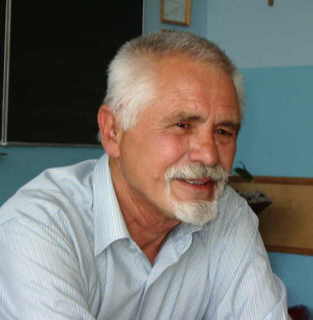

Andrzej Koraszewski

Ur. 26 marca 1940 w Szymbarku, były dziennikarz BBC, wiceszef polskiej sekcji BBC, i publicysta paryskiej „Kultury”.


Zawartość publikowanych artykułów i materiałów nie reprezentuje poglądów ani opinii Reunion’68,
ani też webmastera Blogu Reunion’68, chyba ze jest to wyraźnie zaznaczone.
Twoje uwagi, linki, własne artykuły lub wiadomości prześlij na adres:
webmaster@reunion68.com


The implosion of American Jewry

The implosion of American Jewry

ISI LEIBLER


FlickR photo by ESMiller59

Over the past decade, the Jewish establishment leadership in America – with the exception of the Orthodox, the Zionist Organization of America, and other small groups – has failed to speak up in defense of Israel and imposed a curtain of silence. This became blatantly evident during the presidency of Barack Obama, who diplomatically related to Israel as a rogue state, employing moral equivalence toward Israeli defenders and victims and Palestinian terrorists.

Much of the hostility to Israel within the Democratic Party can be attributed to the passiveness of non-Orthodox American Jews – a byproduct of the Jewish illiteracy of younger generations. Many of these consider support for social radicalism to be a far higher priority than support for Israel.

Mainstream Jewish leadership has of late failed to castigate those “non-Jewish Jews” who misrepresent Judaism by assuming leading roles in the hysterical partisan war against US President Donald Trump. Some even assert that Jewish groups endorsing the right of their members to promote anti-Israel boycotts, divestment and sanctions should not necessarily be left out of the “big tent.”

Anti-Jewish and anti-Israel agitation has become endemic on most university campuses, discouraging Jews from identifying themselves and disrupting the few pro-Israel spokesmen from presenting their case.

With the election of Trump, these trends accelerated to such an extent that support for Israel by the majority of Jews can no longer be taken for granted.

Despite his weaknesses and a tendency to be confrontationist, Trump has supported Israel more than any past American president. He has also adopted Prime Minister Benjamin Netanyahu’s determination to prevent Iran becoming a nuclear power.

Even considering that the majority of American Jews have traditionally supported the Democrats, it is incomprehensible that they stand out as the most anti-Trump minority in the nation. The fact that Trump’s daughter converted and is an observant Jew and that he has surrounded himself with Jews has not inhibited Jewish Democrats from defaming him with false claims of anti-Semitism and racism.

Compounding this, non-Orthodox Jews tend not to convey their partisan hysteria as individual Americans but rather frame their protests in a Jewish context, employing distorted ideological rationales such as comparing Trump’s restrictive immigration rules to Nazi policies and migrant detention centers to concentration camps, and using Holocaust-related slogans like “Never again.”

Jewish organizations such as the Anti-Defamation League and non-Orthodox religious leaders, which in the past avoided adopting partisan political positions, openly display bias against Trump, concentrating on right-wing anti-Jewish outbursts for which they blame him and downplay widespread leftist and Islamic anti-Semitism.

One byproduct of this has been the dramatic erosion of bipartisan congressional support for Israel. Democratic radicals sense weakness and division among Jews, who now tolerate those within their own ranks who condemn Israel’s ongoing “occupation” and promote BDS.

Three extreme anti-Israel radicals – Ilhan Omar, Rashida Tlaib, and Alexandria Ocasio-Cortez – won office in the recent congressional elections. In addition to intense anti-Israel rhetoric, their outright anti-Semitic outbursts include justifications of terrorism, support for BDS, allegations that American Jews held dual loyalties, and denunciations of Israel for “evil doings” and having “hypnotized the world.”

Despite this, US House Speaker Nancy Pelosi appointed Ocasio-Cortez and Tlaib to both the House Oversight Committee – the most important investigative body – and the Financial Services Committee. Omar was given a spot on the influential House Foreign Affairs Committee. The protest against these appointments was led by Trump with the Jewish establishment initially remaining silent.

The issue exploded when, a day after having passionately promoted BDS, Tlaib and Omar requested entry visas to Israel. Initially, Israeli Ambassador Ron Dermer indicated that their requests would be approved, but two weeks later, the government flip-flopped and rejected their applications.

The subsequent tension with the Democrats was only partially eased when Tlaib’s appeal on humanitarian grounds to visit her 90-year-old grandmother was granted, subject to her not engaging in BDS activities during her visit. But after receiving approval, following her written undertaking not to engage in such activities, she decided not to accept, citing humiliating conditions.

One cannot refute that Israel had the right to implement its own laws and deny entry to two congresswomen who had been promoting BDS, meeting with Hamas and Hezbollah supporters, engaging in anti-Semitic rhetoric, and displaying an itinerary of their “Palestine” trip geared to defame Israel. And if they truly wanted to visit Israel, they could have joined their 41 Democratic colleagues in Congress who, along with 31 Republican congressmen, did so this month.

It should be noted that the sponsor of their proposed visit, Miftah, headed by Palestinian Hanan Ashrawi, is an extremist Palestinian group that has praised suicide bombers, supports BDS and accuses Israel of massacring children. Its website even published an article written by staff member Nawaf al-Zaru alleging that Jews drink the blood of Christians on Passover.

The denial of entry to undesirable foreign government officials by democratic countries has many precedents. The UK denied entry to Menachem Begin in the early 1950s, when he was a Knesset member. Narendra Modi was denied a visa to the US in 2005, when he was chief minister of the Indian state of Gujarat. In 2002, Tarek William Saab, then a member of Venezuela’s National Assembly, was refused entry to the US. Austrian President Kurt Waldheim was banned from entering the US from 1987 until his death in 2007. More to the point, in 2012 the US denied an entry visa to far-right MK Michael Ben-Ari.

It is doubtful if American officials – including Democrats – would agree to grant an entry visa to a parliamentarian who openly supported terrorism against them and was engaged in activity to delegitimize the American government. As far as Israel is concerned, Tlaib and Omar’s pro-BDS sentiments amount to support for Israel’s destruction and their sympathy for terrorists such as Rasmea Odeh is support for terror.

After Israel rejected their visa requests, they falsely accused Netanyahu and Trump of silencing them, sharing an image by the infamous cartoonist Carlos Latuff, who placed second in Iran’s “Holocaust Cartoon Competition.”

It is alleged that Israel’s reversal was influenced by Trump, who tweeted that Israel would be displaying weakness if it granted entry to the congresswomen.

Whatever the rationale justifying their exclusion, reversing the initial approval inevitably resulted in a no-win situation. In addition to the excluded pair misrepresenting themselves as martyrs, accusing Israel of racism and denial of freedom of expression, it provided a vehicle for the radicals to unite the Democrats against Israel.

In contrast to previous occasions, most of the 23 contenders for the Democratic presidential nomination are already on record appeasing the radicals and at best avoiding any reference to Israel.

Even former Vice President Joe Biden, currently the leading contender and considered a moderate, stated, “I will insist on Israel, which I’ve done, to stop the occupation of those territories, period.”

Vermont Senator Bernie Sanders, currently second in the polls, is Jewish and a former kibbutz volunteer. Yet he boycotts AIPAC, condemns Israel for maintaining the “ongoing humanitarian crisis in Gaza,” rails against the “occupation,” and sees Netanyahu as part of a “new authoritarian axis.” He undertakes, if elected president, to cut military aid and support from Israel unless it changes its policies.

Senator Elizabeth Warren, third in the polls, clearly stated she was opposed to the “occupation.” More disconcerting is the fact that she appointed Max Berger as her director for progressive partnerships. Berger was a cofounder of the virulent anti-Israel organization IfNotNow and spearheaded Ocasio-Cortez’s 2018 defeat of Joe Crowley in the Democratic primary for New York’s 14th congressional district. It is unprecedented for a major aspirant to the presidency to have chosen such a rabid anti-Zionist as a key aide.

Nearly all Democratic leaders, and even some Republican friends, condemned Israel’s refusal to grant the visas. A group of Democrats bizarrely sought to initiate a congressional resolution censuring the American and Israeli ambassadors, demonstrating the extent to which even congressional friends of Israel were succumbing to pressure by the radicals.

This also applies to Jews. Almost all the establishment groups, including the Conference of Presidents of Major American Jewish Organizations, AIPAC, and the American Jewish Committee, joined the pack criticizing Israel. Whether Israel was right or wrong, this was an improper intervention by Jewish mainstream organizations which should have remained silent or at least pointed out the historical precedents.

Although the media has exaggerated and inflamed the situation, the majority of Democrats would still support Israel. Yet wide segments of American Jewry remain silent while the Democratic Party radicals gain increasing influence. Should this trend continue and result in bipartisanship breaking down, this would unquestionably undermine one of the principal pillars of Israeli security.

This is a challenge to American Jewry.

There are still large groups of Orthodox and even secular Jews who remain passionately committed to the Jewish state. What they lack is a national leadership willing to stand up and be counted and not seek to appease the radicals by ignoring the deviants distorting Judaism to promote their political agendas.

Jewish leaders and especially AIPAC must intensify their activities in the Democratic Party, the bulk of which remains supportive of Israel. The party last month explicitly condemned BDS. Even Pelosi, after condemning the Israeli government, stressed that the bipartisan relationship based on shared values and common interests must take priority over temporary political differences.

More importantly, polls show that Israel’s standing with the American public – and not only among evangelical Christians who have emerged as the most powerful political lobby for the Jewish state – is currently at an all-time high.


This column was originally published in the Jerusalem Post and Israel Hayom.


Zawartość publikowanych artykułów i materiałów nie reprezentuje poglądów ani opinii Reunion’68,
ani też webmastera Blogu Reunion’68, chyba ze jest to wyraźnie zaznaczone.
Twoje uwagi, linki, własne artykuły lub wiadomości prześlij na adres:
webmaster@reunion68.com


Learn how to make Red Cabbage Mustard Flowers salad

earn how to make Red Cabbage Mustard Flowers salad

   21see


Zawartość publikowanych artykułów i materiałów nie reprezentuje poglądów ani opinii Reunion’68,
ani też webmastera Blogu Reunion’68, chyba ze jest to wyraźnie zaznaczone.
Twoje uwagi, linki, własne artykuły lub wiadomości prześlij na adres:
webmaster@reunion68.com