Archive | December 2019

Nine inspiring Jews who died in 2019

Nine inspiring Jews who died in 2019

JTA STAFF


This year, there were victims of violence and old age, survivors who made it through the Holocaust to tell their fateful stories, and others who revolutionized their fields.

A memorial candle / (photo credit: Wikimedia Commons)

The end of each year offers the opportunity to remember the Jewish figures who we lost over the past 12 months who left outsized impressions on our world.

This year, there were victims of violence and old age, survivors who made it through the Holocaust to tell their fateful stories, and others who revolutionized their fields.

Here are some whose stories inspired us the most.

Harold Bloom

Born to Yiddish-speaking Orthodox Jewish immigrants in New York City, Harold Bloom didn’t learn to speak English until age 5. He would grow up to become one of the most influential American literary critics of all time, a fierce defender of the Western literary canon and perhaps the leading authority of his time on what belongs in it. But he never shook his affinity for Yiddish, telling an interviewer shortly before his death that he still dreamed in the language of his youth. Bloom died on Oct. 14 at 89.

Lori Gilbert-Kaye

When a gunman burst into the Chabad of Poway synagogue on April 27, Lori Gilbert-Kaye reportedly leapt in front of the rabbi to shield him from the bullets. Gilbert-Kaye, 60, was the only fatality in the attack on the San Diego-area congregation. Remembered as a pillar of the community and a regular hostess of Shabbat meals filled with guests, Gilbert-Kaye was survived by her husband, Dr. Howard Kaye, and their daughter, Hannah.

Robert Frank

Robert Frank was among the most influential photographers of the 20th century. His groundbreaking book “The Americans” was produced from 28,000 photos he took on road trips across the United States in the 1950s. According to The New York Times, the Nazi threat raging in neighboring Germany during his youth formed his understanding of oppression. Frank died on Sept. 9 at 94.

Peggy Lipton

Actress Peggy Lipton was descended from Russian-Jewish immigrants and raised in a heavily Jewish enclave on Long Island, New York, but she became the quintessential American flower child as the star of the crime drama “The Mod Squad.” In 1974, she married the legendary music producer Quincy Jones, with whom she had two daughters — including Rashida Jones, the actress and writer. She died of cancer in May at 72.

Moshe Arens

Over the course of his three decades in Israeli public life, Moshe Arens served as a lawmaker, ambassador and defense minister under three prime ministers. Born in Lithuania, Arens immigrated to the United States in 1939 and served in the U.S. Army Corps of Engineers during World War II. Prior to entering politics, he was a professor of aeronautics and an executive in the Israeli aerospace industry. Arens died on Jan. 7 at 93.

Herman Wouk

When Time put Herman Wouk on its cover in 1955, it found the Orthodox novelist’s blend of literary achievement and religious practice to be paradoxical. But over the course of his nearly seven-decade career, Wouk would help usher Judaism into the American mainstream through more than two dozen novels and works of nonfiction, several of which were adapted for the screen. He died on May 17 at 103.

Barbra Siperstein

On Feb. 1, the Babs Siperstein law went into effect in New Jersey, allowing residents to change their gender identity without proof they had undergone gender reassignment surgery. Two days later, the law’s namesake died at 76. Barbra Siperstein was a fierce advocate for gender equality and transgender rights. In 2009, after completing sex reassignment surgery, she officially changed her Hebrew name from Eliezer Banish to Baila Chaya at a ceremony at her Conservative synagogue in Freehold.

Yechiel Eckstein

History will remember Yechiel Eckstein as the man who raised hundreds of millions of dollars, mostly from Christians, to benefit needy Jews in Israel and beyond. But to thousands of Jews in conflict zones who he helped bring to Israel, Eckstein was something of a guardian angel. Eckstein founded the International Fellowship of Christians and Jews in 1983, and through a combination of pluck, charisma and tireless legwork made unprecedented progress in raising money for Jewish causes from evangelicals. In February, he died of heart failure in Jerusalem at 67.

Eva Mozes Kor

Eva Mozes Kor was born in Romania and, along with her twin sister, sent to Auschwitz in 1944. At the concentration camp, they underwent medical experiments at the hands of the infamous Nazi doctor Josef Mengele. But Kor was not the type to hold grudges, even against Nazis. She publicly forgave Mengele and made headlines in Germany for embracing Auschwitz guard Oskar Groening at his trial in 2015. Kor died in July in Poland while on a trip organized by the Candles Holocaust Museum and Education Center, which she founded in Terre Haute, Indiana, in 1995.


Zawartość publikowanych artykułów i materiałów nie reprezentuje poglądów ani opinii Reunion’68,
ani też webmastera Blogu Reunion’68, chyba ze jest to wyraźnie zaznaczone.
Twoje uwagi, linki, własne artykuły lub wiadomości prześlij na adres:
webmaster@reunion68.com


Your News From Israel – Dec. 5, 2019

Your News From Israel – Dec. 5, 2019

ILTV Israel News


ILTV is an independent English-language media company based in Tel Aviv that provides daily news and entertainment to its viewers.

Launched in 2015, ILTV is committed to producing high quality content in a broad array of subjects, from reporting news and current events to programming which highlights technology, art and entertainment, sports and culture.

In today’s media, biased reporting and anti-Israel agendas are prevalent, as the State of Israel is under relentless attack.
From the “spinning” of unfolding political events in order to display Israel in a negative light, to the misrepresenting facts, media outlets are providing the fuel which shapes negative public opinion and contributes to the Delegitimization of the State of Israel.


Zawartość publikowanych artykułów i materiałów nie reprezentuje poglądów ani opinii Reunion’68,
ani też webmastera Blogu Reunion’68, chyba ze jest to wyraźnie zaznaczone.
Twoje uwagi, linki, własne artykuły lub wiadomości prześlij na adres:
webmaster@reunion68.com


NAJWIERNIEJSZA PRZYJACIÓŁKA ŻYDOWSKIEGO DZIECKA

NAJWIERNIEJSZA PRZYJACIÓŁKA ŻYDOWSKIEGO DZIECKA

ANNA MAJCHROWSKA


Roza Simchowicz była pedagogiem i działaczką społeczną. Całe swoje życie oddała dziecku żydowskiemu. W getcie warszawskim, gdzie zajmowała się dziećmi ulicy, dotarła do dna dziecięcej nędzy. Nie godząc się na ustawienie barierki oddzielającej ją od chorych, w końcu sama zaraziła się tyfusem. Nie chciała skorzystać z pomocy Jointu, uważając, że „są ważniejsi od niej, którzy mają więcej zasług dla społeczeństwa”. Zmarła pod koniec listopada 1941 r., została pochowana 2 grudnia na cmentarzu żydowskim.

Krzysztof Henisz Pod murem / 1942 / Zbiory ŻIH

Emanuel Ringelblum w jednym z esejów nazwał ją aniołem na ziemikrystalicznie czystą postaciąuosobieniem dobroci, a Rachela Auerbach wspominała, że Roza była jedną z najjaśniejszych indywidualności getta warszawskiego, jednym z najpiękniejszych ludzi, jakich spotkała w swoim życiu. [1] Lea Rotkop nazwała ją natomiast najwierniejszą przyjaciółką żydowskiego dziecka, własny los mierzącą losem cierpiących i potrzebujących natychmiastowej pomocy najmłodszych mieszkańców getta. [2]

Kim była zatem Roza Simchowicz, która, mimo że skromna, cicha jak mysz i zamyślona, tak mocno zapisała się w sercach osób, które ją znały i z nią współpracowały? [3]

Roza Simchowicz (także Roza Symchowicz, Róża Simchowicz, Rozalia Simchowicz) urodziła się w 1887 r. w Słucku (Białoruś). Pochodziła ze znanej, bogatej żydowskiej rodziny z Rosji. Jej ojciec – rosyjski Żyd, uczony w piśmie i oświecony „maskil” – pisał artykuły o prawie żydowskim w rosyjskojęzycznych czasopismach. Matka pochodziła ze Lwowa, prowadziła dom na modłę szlacheckiego dworku. [4] Brat Rozy – Jakub Simchowicz – był historykiem i tłumaczem z jęz. hebrajskiego, uczył w gimnazjum hebrajskim w Łodzi. Zmarł w 1926 roku.

Po śmierci ojca rodzina przeprowadzili się w 1896 r. do Mińska. Tam Roza uczęszczała do szkoły, matka wysłała ją też na tzw. wyższe kursy do Petersburga. Mając 17 lat Roza przyłączyła się do ruchu socjalistycznego, wkrótce została aresztowana. W więzieniu, jak pisze jej przyjaciółka Lea Rotkop, nie chciała korzystać z żadnych przywilejów i troszczyła się o współtowarzyszki z celi. [5] Odzyskała wolność pod warunkiem wyjazdu za granicę, zatem udała się do Szwajcarii, gdzie zapisała się do Instytutu Pedagogicznego im. Jeana-Jacquesa Rousseau w Genewie. Jednocześnie podjęła naukę na wydziale filozoficznym Uniwersytetu Genewskiego.

Lata I wojny światowej spędziła w Wiedniu, gdzie pracowała z dziećmi żydowskich uchodźców. W 1919 r. przeniosła się do Wilna. Tam prowadziła kursy organizowane m.in. przez Towarzystwo Ochrony Zdrowia Ludności Żydowskiej w Polsce i Krajowy Komitet Żydowski Pomocy Ofiarom Wojny w Wilnie.

Była współzałożycielką, a następnie kierowała Żydowskim Seminarium Nauczycielskim w Wilnie (1921 r.). Działała też w strukturach wileńskiego JIWO – odegrała znaczącą rolę w ruchu szkolnym propagującym nauczanie w języku jidysz.

Po odzyskaniu przez Polskę niepodległości potrzeba utworzenia wyższej żydowskiej szkoły pedagogicznej stała się kwestią priorytetową. W działania te mocno zaangażowała się Roza, która bierze udział we wszystkich tych działaniach, bywa wszędzie, wszędzie występuje, wszędzie rozlega się jej głos, wszędzie słuchają jej ważkich słów. [6] Wzięła też udział w pierwszym zjeździe świeckich szkół żydowskich w Rzeczypospolitej Polskiej w 1921 r.

Była współredaktorką miesięcznika pedagogicznego Di naye shul (Nowa szkoła), w którym publikowała eseje o tematyce pedagogicznej, a także czasopisma dla dorosłych Shul un heym (Szkoła i dom). W 1923 r. z powodu swojej narodowości została zmuszona do opuszczenia Wilna. Przez pewien czas mieszkała w Wiedniu, później przeniosła się do Berlina. Po trzech latach wróciła do Polski, osiedliła się w Warszawie, gdzie rozpoczęła współpracę z CISZO (Centralną Żydowską Organizacją Szkolną), w ramach której kierowała szkolnictwem świeckim na terenie Polski. Nadal współpracowała z sekcją pedagogiczną JIWO w Wilnie. Angażowała się w liczne inicjatywy społeczne, m.in. kierowała zbiórką pieniędzy na rzecz wileńskiego zakładu dla osób specjalnej troski. [7]

Wspomina ją Emanuel Ringelblum: Wysoka, szczupła, o miłej i serdecznej, przyjaznej twarzy, z głową przyprószoną srebrem, lat około pięćdziesięciu. Dzięki swym zdolnościom pedagogicznym była przez długie lata inspektorką CISzO. Jeździła z miasta do miasta i uczyła nauczycieli żydowskich kochać dziecko żydowskie i wychowywać je w duchu świeckości i humanitaryzmu. Rozmiłowana w żydowskiej przeszłości, chciała powiązać przeszłość ze współczesnością. Skromna, cicha jak mysz, chodziła zamyślona, jak człowiek z innej planety. Niepodobna wprost opisać, jak wiele zawdzięcza jej świeckie szkolnictwo żydowskie w Polsce, zwłaszcza na prowincji, gdzie nauczyciele pełnymi garściami skorzystali z jej bogatego doświadczenia pedagogicznego, z jej wybitnej wiedzy w zakresie problemów wychowawczych, a przede wszystkim z bogatej intuicji tego urodzonego pedagoga. Mizerna, samotna, uosobienie dobroci, oddała się bez reszty światu dzieci. [8]

W 1937 r. reprezentowała CISZO na Światowym Zjeździe Nauczycieli w Paryżu; wygłosiła referat o żydowskim szkolnictwie w Polsce, który wzbudził entuzjazm wśród delegatów. W tym czasie aktywnie organizowała także pawilon żydowski na Światowych Targach w Paryżu.

Mimo wszystkich zasług i wielkiego doświadczenia, z powodu braku funduszy CISZO na utrzymanie specjalnej instruktorki, jeszcze przed wybuchem wojny musiała odejść ze szkolnictwa. Utrzymywała się z udzielania lekcji języków obcych. [9] Sytuacja życiowa Rozy Simchowicz pogorszyła się drastycznie po wybuchu wojny. Według relacji Poli wręcz żyła w wielkiej nędzy. [10] Została przesiedlona do getta, gdzie podjęła pracę w Centosie. Wybuchła II wojna światowa. Roza Symchowicz wraca do swej „pierwszej miłości”, do dziecka żydowskiego. Pracuje w Centosie. Wespół z wieloma żydowskimi aktorami usiłuje wprowadzić do zakładów Centosu naukę języka żydowskiego. [11]

Roza objęła nadzór nad prowadzonymi przez komitety domowe „kącikami dla dzieci”, gdzie najmłodsi otrzymywali posiłek i organizowano im zabawy. Kierowała kursem dla wychowawców kącików, prowadziła wykłady o wychowaniu w jęz. jidysz. Centos zlecił jej również przygotowanie materiałów dydaktycznych i lektur dla placówek opieki nad dziećmi. Nie ma ona na ten cel funduszy, pozyskuje jednak ludzi dzięki miłemu i przyjaznemu usposobieniu. Promienieje radością, gdy udaje jej się zdobyć odpowiednią książkę, czytankę, poszukiwany wierszyk. (…) Pragnie zaszczepić w sercach miłość do języka żydowskiego. (…) Wykonuje tę swoją pracę cicho, skromnie, bezgłośnie, bez szumu, hałasu i reklamy. [12]

Kierując referatem pracy kulturalnej w jidysz (w kierownictwie Centralnego Komitetu Imprez dla dzieci była odpowiedzialna za imprezy w jęz. żydowskim), prowadziła również centralną bibliotekę dla dzieci. Wraz z Barbarą Berman brała udział w akcji popularyzowania wśród dzieci książki żydowskiej. Z ramienia JIKOR (Żydowskiej Organizacji Kulturalnej) prowadziła kurs języka i literatury jidysz.

Raporty opiekunów obwodowych Rozy Simchowicz i Ch. Bendera o stanie rodzin Blumenkranców i Wyszegrodzkich  / Archiwum Ringelbluma

W końcu, na zlecenie Centosu przejęła referat ds. dzieci ulicy i podjęła się największego i najtrudniejszego zadania: kwalifikowania dzieci do półinternatów.

W jednej z sal Centosu, przy jednym z biurek siedziała wysoka, smukła kobiet, siwowłosa, o ogromnych oczach, promieniejących dobrocią i serdecznością, i miłym, przyjaznym uśmiechu. (…) Szczęśliwy przypadek sprawił, że z powodu braku miejsca, biurko, przy którym pracowała, postawiono w poczekalni Centosu. Tu gromadzą się matki z dziećmi, zgłaszające się po pomoc, tu widzi ona własnymi oczami całe ubóstwo i nędzę żydowskiego dziecka. [13]

Ringelblum pisał: Towarzyszka Symchowicz kwalifikuje kandydatów, przyjmuje każde dziecko z osobna, wysłuchuje je, zapoznaje się z nim i wyznacza, do którego internatu należy dane dziecko kierować. Dzieci ulicy są brudne, zawszone, większość z nich jest zarażona tyfusem. [14] Lea Rotkop wpominała, że mimo dręczącego głodu oddawała dzieciom swoje śniadanie. Obdarza je szczególną miłością, rozmawia z nimi jak kochająca matka. [15] Roza, chcąc być jak najbliżej udręczonych dzieci, nie zgodziła się na ustawienie barierki oddzielającej ją od chorych na tyfus.

Urzędnicy (…) ustawiają w biurach barierki, żeby się bezpośrednio nie stykać z dziećmi ulicy i uniknąć groźnej, zarażonej wszy, głównej roznosicielki tyfusu. Wielka przyjaciółka dzieci, anioł na ziemi, współczująca i współcierpiąca z nimi Roza Symchowicz nie rozumie, jak można z ludzkiego i pedagogicznego punktu widzenia odsuwać się od dzieci, od biednych owieczek, które szukają pomocy w Centosie. Nie godzi się na umieszczenie przegrody między sobą a dziećmi ulicy. Gdy te załamane, nieszczęśliwe dzieci przychodziły do Rozy, ta głaskała je po główkach, pocieszała i pomagała, jak tylko potrafiła. [16]

W końcu i ona zaraziła się tyfusem. Nie chciała skorzystać z pomocy Jointu, uważając, że są ważniejsi od niej, którzy mają więcej zasług dla społeczeństwa. [17] Zmarła w listopadzie 1941 r. Nie znamy dokładnej daty jej śmierci. Została pochowana 2 grudnia 1941 r. Jak pisze Ringelblum, miała imponujący pogrzeb.

Nekrolog Rozy Simchowicz: „Z głębokim żalem zawiadamiamy o przedwczesnej śmierci Rozy Simchowicz. W Jej osobie nowoczesna kultura żydowska straciła jednego ze swych najwspanialszych twórców. Cześć Jej pamięci. Pogrzeb odbędzie się we wtorek, 2 b.m. (grudzień 1941 r.) z domu, pl. Grzybowski 10. Rodzina i przyjaciele”. / Archiwum Ringelbluma

Setki przyjaciół i znajomych przyszły oddać jej ostatni hołd. Dziwne fatum chciało, że karawan z nieboszczką uciekł przed nami. Skromna Roza krępowała się wielkiego pogrzebu, jakiśmy jej urządzili, i uciekła przed nami. A stało się to tak: zebraliśmy się w „małym getcie” przed jej domem i szliśmy razem z karawanem. „Małe getto” miało dwa rodzaje połączenia z „dużym gettem”. Ciąg pieszy odbywał się przez drewniany most, nad ul. Chłodną, która była aryjską ulicą i oddzielała „małe getto” od dużego. Wozy zaś jechały stroną aryjską przez Chłodną. Umówiliśmy się z powożącym karawanem, żeby czekał na nas po drugiej stronie Chłodnej. Stało się jednak inaczej. Pojechał prosto na cmentarz, nie czekając na nas w umówionym miejscu. Pogrzeb Rozy był prawdopodobnie ostatnim pogrzebem, na którym przemawiano. Mała grupa przyjaciół przedostała się przez wachę przy cmentarzu, który znajdował się już po stronie aryjskiej. Stowarzyszenie JIKOR wydało hektografową publikację poświęconą Rozie. [18]

Od jesieni 1941 r. imię Rozy Simchowicz nadano dziecięcej bibliotece na ul. Leszno 67.

w sali, gdzie pracowała Roza Simchowicz, przez wiele dni po jej śmierci rozlegał się płacz. [19]


Przypisy:

[1] Warszewer cawoes. Bagegeniszn, aktiwitetn, gojroles 1933–1943, Tel Awiw 1974, s.254 [za:] Rachela Auerbach, Pisma z getta warszawskiego, przekł. Karolina Szymaniak, Anna Ciałowicz, Wyd. ŻIH, Warszawa 2015, s. 118.

[2] Lea Rotkop, Roza Simchowicz, Archiwum Ringelbluma, tom 2, s. 240, s. 245.

[3] Jedyne zdjęcie, najprawdopodobniej przedstawiające Rozę Simchowicz, dostępne jest w internecie na stronie http://eng.thepartisan.org/document/68521,0,6795.aspx

[4] Lea Rotkop, Roza Simchowicz, op. cit, str. 241.

[5] Ibidem, s. 242.

[6] Ibidem.

[7] W Lerer Yizker Bukh (Tom Pamięci dla nauczycieli) wydanym w Nowym Jorku w 1954 r. zachowało się kilka wypowiedzi uczniów na jej temat: To była piękna, czysta, religijna dusza, skromna i z głęboką inteligencją, z pięknym sercem i talentem do doceniania ludzi… Tylko niektóre osoby wiedziały, że jest głęboko religijna. W czasie Wielkiego Święta można ją było zobaczyć w synagodze z świątecznym modlitewnikiem w dłoniach i twarzą naświetloną świętością modlitwy. Nie wstydziła się modlić jak wszystkie żydowskie żony. Czyste dusze nie mają się czego wstydzić. (…) Spotkałem towarzyszkę Simchowicz po raz pierwszy w 1921 r., diedy przybyłem jako uczeń do wileńskiego seminarium dla nauczycieli żydowskich. Zauważyłem szczupłą, młodą kobietę o podłużnej twarzy, dumnej głowie, krótko przystrzyżonych włosach i parze płonących, dużych, mądrych oczu. Nigdy w życiu nie zapomniałem tych oczu… Za każdym razem, gdy wchodziłem do jej pokoju, moje serce biło ze szczególną porywczością. To nie był strach. To było poczucie czci, poczucie powagi, które przeżywałeś za każdym razem, gdy spotkałeś się oko w oko z Rozą Simchowicz. [za:] http://yleksikon.blogspot.com/2018/04/roze-simkhovitsh-roza-simchowicz.html

[8] Archiwum Ringelbluma, Pisma Emanuela Ringelbluma z bunkra, tom 29a, s. 231–233.

[9] Ibidem.

[10] Lea Rotkop, Roza Simchowicz, op. cit, s. 243.

[11] Archiwum Ringelbluma, Pisma Emanuela Ringelbluma z bunkra, op. cit., s. 231–233.

[12] Lea Rotkop, Roza Simchowicz, op. cit, s. 244.

[13] Ibidem, s. 240–243.

[14] Archiwum Ringelbluma, Pisma Emanuela Ringelbluma z bunkra, op. cit., s. 231–233.

[15] Lea Rotkop, Roza Simchowicz, op. cit, s. 245.

[16] Archiwum Ringelbluma, Pisma Emanuela Ringelbluma z bunkra, op. cit., s. 231–233.

[17] Ibidem.

[18] Ibidem.

[19] Lea Rotkop, Roza Simchowicz, op. cit, s. 246.

Bibliografia:
Archiwum Ringelbluma, Dzieci – tajne nauczanie w getcie warszawskim, tom 2, opr. Ruta Sakowska, ŻIH, Warszawa 2000.
Archiwum Ringelbluma, Pisma Emanuela Ringelbluma z bunkra, tom 29a, opr. Joanna Nalewajko-Kulikov, ŻIH, Warszawa 2018.
Rachela Auerbach, Pisma z getta warszawskiego, przekł. Karolina Szymaniak, Anna Ciałowicz, Wyd. ŻIH, Warszawa 2015.
http://yleksikon.blogspot.com/2018/04/roze-simkhovitsh-roza-simchowicz.html
Zdjęcie: http://eng.thepartisan.org/document/68521,0,6795.aspx


Zawartość publikowanych artykułów i materiałów nie reprezentuje poglądów ani opinii Reunion’68,
ani też webmastera Blogu Reunion’68, chyba ze jest to wyraźnie zaznaczone.
Twoje uwagi, linki, własne artykuły lub wiadomości prześlij na adres:
webmaster@reunion68.com


The War of the Curls

The War of the Curls

Flora Tsapovsky


In Israel, female politicians, models, and celebrities are pressured to straighten their hair. But a curly haired rebellion is taking root.

(Illustration: Shutterstock)

Walk down the streets of Tel Aviv or Haifa, and you’ll see many women with naturally curly hair. But turn on Israeli TV news, and you’ll be hard pressed to find a female anchor who hasn’t pressed her hair flat. And this isn’t just a trend among news anchors. In Israel, female politicians, entrepreneurs, and celebrities who step into the limelight are soon found featuring straight, shiny locks, no matter their hair’s original texture.

Male politicians and celebrities with curly hair exist in Israel, but since they tend to keep their hair short, it’s been less of an issue; women, who more often keep their hair long, are in the eye of this cultural storm. But recently, there’s been a cultural uprising brewing, as curls take center stage in the national conversation.

Four years ago, a tech worker named Orian Paz decided to start a conversation about natural hair, and founded the Facebook community Metultalot (“curly women,” in Hebrew). What happened next exceeded all expectations: currently, the group has 77,500 members, and Paz had since added a website, YouTube channel, and Instagram account to the mix. “Many public figures in Israel are asked to straighten their hair when facing the camera,” said Paz. “And watching them makes curly women feel out of place.”

With daily discussions on anything from self-acceptance and curl maintenance to raising curly daughters, the Facebook group is challenging Israel’s mainstream perception of beautiful hair. Last spring, on March 3 (3/3 reminds her of the shape of curls, Paz says) the group celebrated the second National Curls Day, a holiday Paz invented to bring awareness to her cause. The event included women’s empowerment circles, concerts by curly haired performers, workshops by hairdressers, and a marketplace. “We had amazing feedback—600 women came, and we were entirely booked,” she said, adding that her dream is a large-scale curl festival sometime in the future. Paz points to the fact that the natural hair movement is not unique to Israel. “In the U.S. I see the movement primarily among women of color, who take pride in their heritage and talk about the complex history around hair,” she said. “In Israel, the problem is that hair types vary significantly, and no one is leading a single discussion.”

As a curly haired blonde myself, I watched as Stav Shaffir, my former colleague at a women’s website, rose to fame as a promising young politician, while her fiery, kinky mane was slowly turned into tamed waves. Shelly Yachimovich, a former colleague of Shaffir’s in the Israeli Labor Party, has been public about her transformation from curls to straightened hair, led by TV producers and advisers who pushed her toward a cleaner, more “organized” look. “When I first came on screen with curls, it was an unusual sight, since many female broadcasters were already loyal soldiers in the army of the blow-dry,” Yachimovich said on a TV show in 2014. Eventually, she decided to straighten her hair, “so at least on this topic I don’t evoke controversy.” A genetically curly nation has come to remove curls from the spotlight, providing a hotbed for Paz’s curly rebellion.

Instagram, however, has become a battlefield for natural hair positivity. A couple of social media influencers, Eden Fines and Yulia Plotkin Oz, have emerged on the platform in recent years, sporting voluminous curls. In 2019, two influential models, Daniel Greenberg and Shlomit Malka Levi, had announced a “comeback” to their naturally curly hair, after years of invasive treatments. “My curls aren’t new, what’s new is the fact I started loving them,” Malka Levi wrote in a formative post in August, after an Israeli media outlet ran an online survey asking readers to choose between a curly and a straight look for the supermodel (most voted for the latter). Similarly, the goal of Metultalot’s Instagram page, Paz said, is “to bring back the confidence to curly women, by showing there’s a large community around them.”

But for curly hair to make a comeback, people like Paz have to go beyond social media and get directly into hair salons. “For many years, the straightener and blow-dry industry in Israel has been booming,” said Paz. “These are expensive procedures that put a lot of money in hairdressers’ pockets, so they push women to get in line.” Having recently quit her day job to entirely devote herself to the community and its activities, Paz is hard at work on My Curly Way, her own line of products designed for curly hair, with feedback from her group’s members in mind.

Benyamin (Benon) Toledano, a hairdresser (with curly hair in his pre-shaved-head past) who has years of experience treating curly hair, has always been drawn to the texture. So a few years into his career, he decided to cut back on straightening treatments for curly clients. Instead, for the past 12 years, he’s been running the hair salon Metultalot Shel Benon (Benon’s curly girls) in the suburban town of Ganei Tikva. Clients flock from all over the county. “The Metultalot group has definitely brought a change, a real revolution,” he said. Being one of the few Israeli hairdressers who strongly identify themselves with curly haired clientele, Toledano had seen plenty of sad stories. “Many clients come scarred by previous experiences, in which their hair was mistreated, cut wrong, or someone persuaded them to straighten it,” he said. “For them, embracing curls is almost like coming out of the closet.”

It’s especially hard, added Toledano, given the psychological aspects of having straight or curly hair—so many of them are at play, he’s currently collecting materials to write a book about curls. “There’s a lot of certainty and peace of mind in having straight hair,” he said. “You know exactly how you’ll look like after a shower, in the rain, in London or Jamaica, waking up or going to bed. You don’t need to worry.” Perhaps, in a country ridden with summertime humidity, social and ethnic divides, and an unpredictable political and social climate, going curly is a braver move than it may seem at first. Or, as Malka Levi put it in an Instagram post: “Forgoing curls is just a symptom of something deeper, of our tendency to minimize ourselves, conform, not confront. Set yourself free of all the conditioning that prevents you being your fullest, most wonderful version.” Fittingly, her words were accompanied by a selfie, with a head full of big, rebellious curls.


Zawartość publikowanych artykułów i materiałów nie reprezentuje poglądów ani opinii Reunion’68,
ani też webmastera Blogu Reunion’68, chyba ze jest to wyraźnie zaznaczone.
Twoje uwagi, linki, własne artykuły lub wiadomości prześlij na adres:
webmaster@reunion68.com


Norway Threatens Palestinian Aid Cut Over Racism, Violence in Textbooks

Norway Threatens Palestinian Aid Cut Over Racism, Violence in Textbooks

Algemeiner Staff


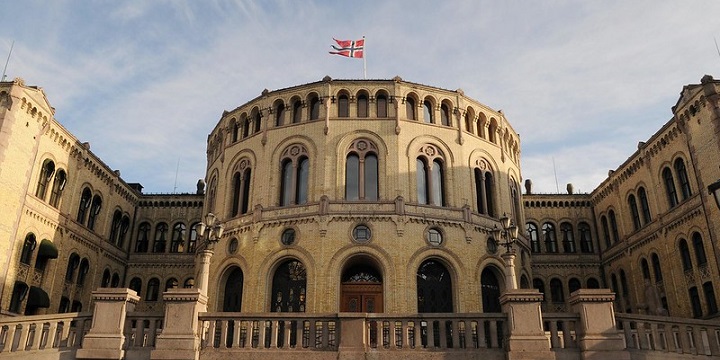
The Storting in Oslo, Norway. Photo: Stortinget / CC BY-ND 2.0.

The Norwegian parliament called on the Palestinian Authority on Thursday to remove violent, racist and antisemitic materials from its school curriculum, or else face a drop or cessation in funding.

A majority in the Storting’s 16-member Standing Committee on Foreign Affairs and Defense agreed that financial support to the Palestinian Authority should be cut or reduced “if they do not provide satisfactory improvements to the school materials,” the Aftenposten, Norway’s largest circulation newspaper, reported.

“We can no longer sit still and watch Norwegian money contribute to a teaching system that encourages children to violence and promotes racism and antisemitism,” Hans Andreas Limi, parliamentary leader of the libertarian Progress Party, was quoted as saying.

The move follows a November report in Aftenposten that featured examples of incitement to violence and racial hate in Palestinian school materials, based on findings by the Jerusalem-based Institute for Monitoring Peace and Cultural Tolerance in School Education (IMPACT-se).

The article, as well as IMPACT-se briefings to legislators and other officials, “unleashed a major public debate in Norway about the country’s funding of the extremist Palestinian Ministry of Education textbooks,” the research group said on Thursday.

Minister of Foreign Affairs Ine Eriksen Søreide weighed in, indicating that successive Norwegian governments broached the topic of the school curriculum with the Palestinian Authority, and that some changes to the syllabus have taken place — a claim contested by IMPACT-se.

“On one hand, they tell foreign governments that are horrified by what they have seen that changes are possible,” IMPACT-se CEO Marcus Sheff told The Algemeiner on Thursday. “On the other hand, in Arabic, they tell their own people, ‘Over our dead bodies. It’s not going to happen.‘ The question is which narrative is going to emerge victorious.”

“Nobody wants to be taken for a chump,” added Sheff. “Nobody wants their hard-earned tax money — which is supposed to be used for development and helping children — to instead radicalize children to commit violence and sacrifice themselves.”

The Palestinian Authority has faced continued criticism over its educational curriculum, with a 2018 report by IMPACT-se noting that grade 1-12 textbooks routinely describe Israel as the “Zionist Occupation,” refer to United Nations-recognized Israeli territory as Palestinian, and in some cases praise acts of Palestinian violence against civilians. A September review by the watchdog group of new educational materials used in the 2019–20 academic year found “a systematic insertion of violence, martyrdom and jihad across all grades and subjects.”

In an unprecedented move in August, the UN Committee on the Elimination of Racial Discrimination criticized the Palestinian Authority over “the existence of hate speech in … school curricula and textbooks, which fuels hatred and may incite violence, particularly hate speech against Israelis, which at times also fuels antisemitism.”

Norway committed this year to granting the Palestinian Ministry of Education and Higher Education 220 million krone (some $24 million) by 2022, with annual installments of 55 million krone ($6 million).

IMPACT-se indicated that Thursday’s announcement may affect future disbursement of funds.

In her comments last month, Søreide said Norwegian support did not go to the development of school curriculum or textbook printing, but rather school construction and furnishing, student transportation and teacher training.

She pointed to the ongoing review of Palestinian textbooks being carried out by the Germany-based Georg Eckert Institute, with support from the European Union. “Norway has been actively involved in the preparation of the study and is participating in further follow-up,” she said.


Zawartość publikowanych artykułów i materiałów nie reprezentuje poglądów ani opinii Reunion’68,
ani też webmastera Blogu Reunion’68, chyba ze jest to wyraźnie zaznaczone.
Twoje uwagi, linki, własne artykuły lub wiadomości prześlij na adres:
webmaster@reunion68.com