Archive | June 2022

Norwegian Foreign Minister Defends Decision to Place Warning Labels on Israeli Products from ‘Occupied Territories’

Norwegian Foreign Minister Defends Decision to Place Warning Labels on Israeli Products from ‘Occupied Territories’

Ben Cohen


A view of the Israeli community of Ma’ale Adumim in the West Bank. Photo: Reuters/Ammar Awad

Norway’s foreign minister has defended her country’s announcement on Friday that goods imported from the West Bank, the Golan Heights and eastern Jerusalem must be labeled accordingly, sparking the ire of the Israeli government.

“Norwegian consumers have the right to know whether a product sold in Norway is produced in Israel or in an area occupied by Israel,” Norwegian Foreign Minister Anniken Huitfeldt stated on Friday in an email to the NTB news agency, following the government’s decision to introduce a labeling policy for goods imported from areas considered to be under Israeli occupation following the 1967 war.

The government explained that the decision was taken in accordance with a European Court of Justice ruling in 2019 requiring products from these territories to be labeled as originating from an “Israeli settlement.” According to its guidelines, “foodstuffs originating in areas occupied by Israel must be marked with the area from which the product comes, and that it comes from an Israeli settlement if that is the case, especially wine, olive oil, fruit, vegetables and potatoes.”

Huitfeldt stressed that the decision did not mean that Norway had endorsed a boycott of Israel.

“This is by no means a boycott of Israel. We believe that boycott is the wrong policy,” she said. “Norway has a good relationship with Israel. We will continue to have that.”

Israel condemned the move, with the Israeli foreign ministry asserting that the labeling decision “will not contribute to the promotion of Israeli-Palestinian ties and will adversely affect bilateral relations between Israel and Norway, as well as Norway’s relevance in promoting relations between Israel and the Palestinians.”

While Norway is not a member of the EU, it is a participant in the European Free Trade Association (EFTA), which promotes economic integration with the bloc. Defending the labeling decision, Huitfeldt cited Denmark, Finland and Sweden as three EU member states which had introduced similar policies regarding the labeling of Israeli exports.

In Nov. 2021, Belgium also introduced a labeling policy to “prevent consumers from being misled as to the fact that the State of Israel is present in the territories concerned as an occupying power and not as a sovereign entity.” As a result of that decision, Israel’s deputy foreign minister canceled a round of meetings with his counterparts in Brussels in protest.

The Belgian move “harms Israelis and Palestinians alike and is inconsistent with Israeli government policy focused on improving Palestinian lives and strengthening the [Palestinian Authority] and improving Israel’s relations with other European countries,” the Israeli foreign ministry said at the time.


Zawartość publikowanych artykułów i materiałów nie reprezentuje poglądów ani opinii Reunion’68,
ani też webmastera Blogu Reunion’68, chyba ze jest to wyraźnie zaznaczone.
Twoje uwagi, linki, własne artykuły lub wiadomości prześlij na adres:
webmaster@reunion68.com


Rozwiane iluzje

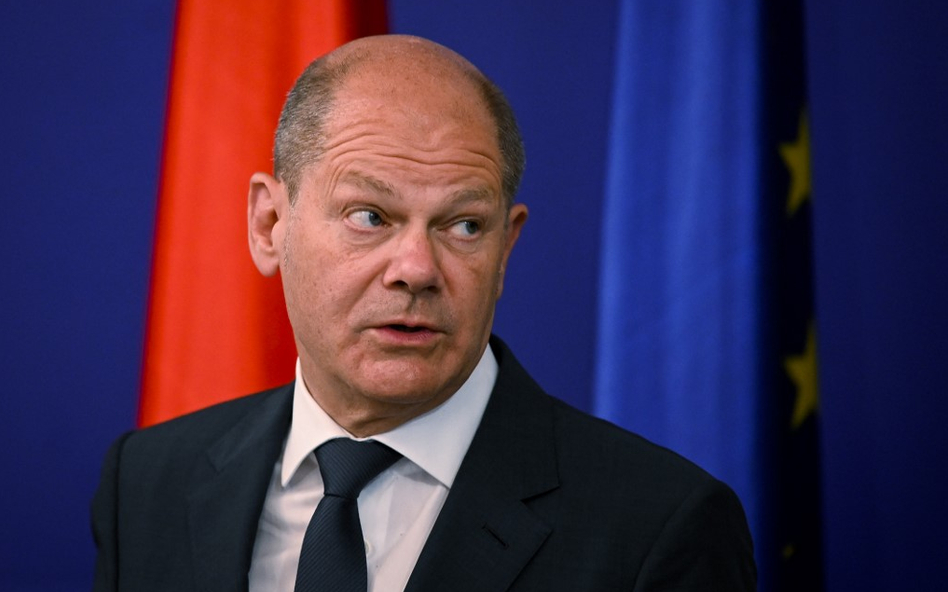
Kanclerz Olaf Scholz


Rozwiane iluzje

Maciej Strzembosz


Berlin i Paryż zrobią wszystko, by Ukraina nie weszła ani do NATO, ani do UE i by nie pokonała Rosji przy wsparciu zjednoczonego Zachodu – pisze publicysta.

.

Gdy najbogatszy kraj w Europie udziela najniższej procentowo w porównaniu z jego PKB pomocy Ukrainie, to nie może być w tym przypadku. Kanclerz Olaf Scholz z fanfarami obiecuje nowoczesne wyrzutnie, których wcale nie ma i które dopiero trzeba wyprodukować, a równocześnie przekazuje Grecji wozy bojowe, o które prosi Kijów.

Gdy prezydent Francji Emmanuel Macron spędza na telefonach do Putina ponad 100 godzin, co z satysfakcją ujawnił Kreml, to też trudno mówić o przypadku. Jeśli po raz kolejny powtarza, że Rosji nie należy upokarzać, a Putin musi wyjść z konfliktu z twarzą, czyli że Ukraina powinna oddać część swego terytorium, to znaczy, że jest to trwała polityka, a nie przejęzyczenie.

Poszukajmy więc racjonalnych powodów tego zachowania.

Czas na dozbrojenie

Po pierwsze Europa Zachodnia uświadomiła sobie właśnie, że jest bezbronna. Francja nie ma artylerii. „Le Monde”cytuje eksperta wojskowego, że w wypadku pełnoskalowego konfliktu Paryż nie przetrwa dłużej niż parę dni. Sytuacja militarna Niemiec jest jeszcze gorsza, bo nawet nie mają straszaka atomowego. Przez dziesiątki lat rozwijali gospodarkę, oszukując jednocześnie NATO i nie wypełniając zobowiązań traktatowych. Od neutralnej Austrii, która otwarcie liczy na otoczenie przez państwa NATO jako wystarczającą gwarancję bezpieczeństwa, różni ich naprawdę niewiele. Sytuacja w pozostałych krajach zachodniej Europy zakrawa o kabaret. Belgowie, jak się właśnie okazało, rozsprzedali swoje haubice – najpierw krajom trzeciego świata, a to co zostało prywatnej firmie po 15 tys. euro za sztukę! Nie wspomogą więc obiecaną bronią Ukrainy, bo prywatna firma chce sprzedać te haubice państwu belgijskiemu po rynkowej cenie. A to za drogo.

Świadomość bezbronności powoduje, że liderzy tzw. starej Unii gotowi są odwlec konflikt z Rosją kosztem ukraińskiej suwerenności, by mieć czas na dozbrojenie. Wydawałoby się na pozór, że zwycięstwo Ukrainy jest lepszą opcją, ale tu dochodzi punkt drugi.

Niechęć do USA

Jeśli nie liczyć Wielkiej Brytanii, to elity zachodnie w tzw. wielkich krajach patologicznie nienawidzą Ameryki. Dla byłych imperiów to ciągle nieznośni parweniusze, przedstawiciele niecywilizowanego kapitalizmu, którzy uzurpują sobie prawo bycia światowym hegemonem, na dodatek pouczającym wszystkich w irytujący sposób o swej moralnej wyższości. Silna Rosja, jak podejrzewam, jest im na rękę, bo w wypadku dogadania się z nią pozwala nadal pławić się w dobrobycie, bez ponoszenia kosztów zbrojenia, a równocześnie odgrywać istotną rolę geostrategiczną. To dlatego Angela Merkel przekonała Baracka Obamę, prezydenta słabego i pozbawionego geostrategicznej wyobraźni, że najlepiej będzie, jak sprawami rosyjskimi po inwazji na Krym zajmą się Niemcy. A zajęły się tak, by tę inwazję zminimalizować. Gwarancje, które udzielały Ukrainie w ramach porozumień mińskich, okazały się mniej warte niż papier na którym były spisane.

Ale jest jeszcze trzeci powód, dla którego Niemcy i Francja nie życzą Ukrainie zwycięstwa na ukraińskich warunkach.

Nowy kształt UE

Odbudowana Ukraina będzie najbardziej proamerykańskim krajem w regionie. Wojna uświadomiła wszystkim, że Ukraina jako spichlerz świata i posiadacz 90 proc. światowych zasobów neonu, grający w ścisłym sojuszu z USA i Polską, dla Francji i Niemiec wcale nie jest pożądanym członkiem Unii Europejskiej. Zmieni bowiem proporcje, wzmocni frakcję proamerykańską i antyrosyjską, sprawi, że oś Berlin–Paryż nie będzie już jedyną możliwą osią Unii Europejskiej.

Macron i Scholz z pewnością umieją liczyć. I doskonale rozumieją konsekwencje listu 14 państw przeciw zmianom traktatu pod pretekstem konsultacji europejskich w innej sprawie. List zainicjowany przez Danię podpisała cała Skandynawia i Europa Środkowo-Wschodnia, co charakterystyczne – bez Węgier. Ta czternastka jest też w znakomitej większości antyrosyjska, bo doskonale rozumie zagrożenie putinowskim imperializmem. Wzmocnienie tego rysującego się coraz wyraźniej sojuszu odbudowaną, antyrosyjską i proamerykańską Ukrainą niweczy sny Berlina i Paryża o dominacji w Unii Europejskiej i roli języczka u wagi w starciu gigantów czyli USA, Chin i Rosji.

Dlatego – co dziś widać bardzo wyraźnie – Scholz i Macron zrobią wszystko, by Ukraina nie weszła ani do NATO, ani do UE i by nie pokonała Rosji przy wsparciu zjednoczonego Zachodu.


Zawartość publikowanych artykułów i materiałów nie reprezentuje poglądów ani opinii Reunion’68,
ani też webmastera Blogu Reunion’68, chyba ze jest to wyraźnie zaznaczone.
Twoje uwagi, linki, własne artykuły lub wiadomości prześlij na adres:
webmaster@reunion68.com


You Need a Poem

You Need a Poem


JAKE MARMER


In the first installment of a monthly poetry column, words of unrequited revelation for Shavuot

.
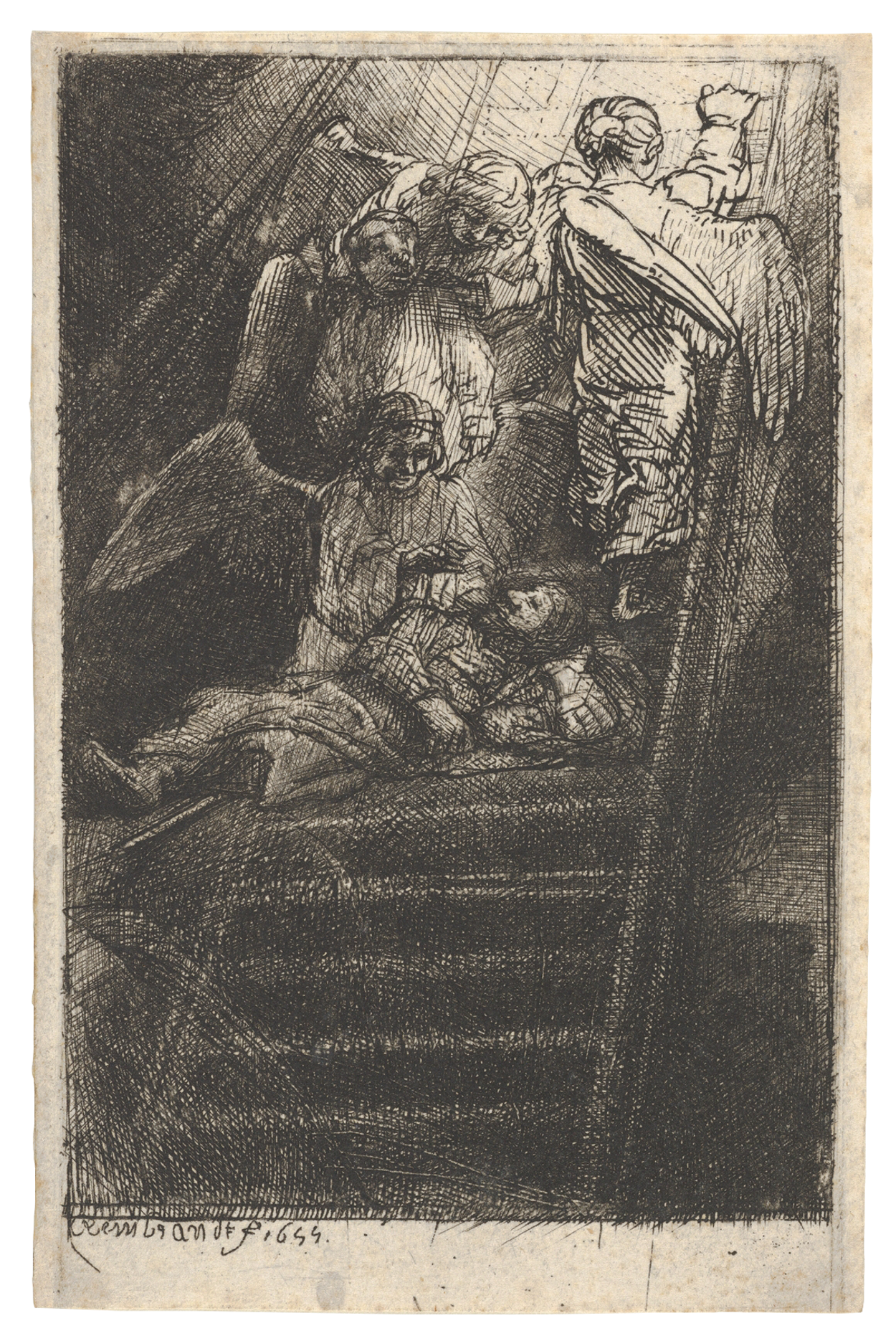
Rembrandt (Rembrandt van Rijn), ‘Jacob’s Ladder,’ 1655THE METROPOLITAN MUSEUM OF ART

Eerybody needs poetry, all the time. I am sure of it, sure enough to spend my life writing and teaching it, and even writing about it, often in these very pages. More than anything, though, the life in poetry, for me, is about reading poems—in books and off innumerable screens, quietly alone and with my partner, in coffee shops and at the dinner table, with my children and my friends, on the beach and at shul. And while most of the time, I read poems for pleasure, curiosity, and insight, there are times when my need for them becomes acute.

I remember how much I needed poems when my children were born. Or, on the other side of life’s swing, I needed poems when the war in Ukraine started, and I was lost for words, trying to turn the chaos in my head into thoughts, if not into a balm. I also feel the deep need for poems when seasons change, on birthdays, at celebrations, and during holidays. Like nothing else in the world, poems allow us to hold onto life’s pivotal, liminal points: we may feel speechless, but a poem’s words ring out, bring sense and beauty to the moment, and perhaps even sanctify it, as a ritual might. In this column, which I have entitled “You Need a Poem,” and further installments, I will feature poems the moment is calling for: the poems I need, which you might need as well.

Tikkun Leil Shavuot—the tradition of staying up all night reading and studying Jewish texts on the eve of Shavuot—might just be the one Jewish ritual I adore without any reservations. It involves unstructured, community-led learning, staying up late talking and thinking about the transcendent. (Drinking coffee and eating cheesecake at all hours doesn’t hurt either.) The theme of revelation, which the holiday commemorates, is spiritual and esoteric but it gets enacted in an intellectual manner as texts are received, discussed, and internalized. “Revelation”, admittedly, is a prohibitive, difficult word, but the learning and the convivial atmosphere bring it down to earth a bit.

Denise Levertov, a poet who has written extensively on spiritual experience and often draws from Biblical and Hasidic teachings, sees revelation as both transcendent and dream-like yet oddly concrete. In her 1961 poem “The Jacob’s Ladder,” (from the New Directions collection with the same name) she envisions the transcendent path:

The stairway is not
a thing of gleaming strands
a radiant evanescence
for angels’ feet that only glance in their tread, and
need not touch the stone.

It is of stone.
A rosy stone that takes
a glowing tone of softness
only because behind it the sky is a doubtful,
a doubting night gray.

A stairway of sharp
angles, solidly built.
One sees that the angels must spring
down from one step to the next, giving a little
lift of the wings:

and a man climbing
must scrape his knees, and bring
the grip of his hands into play. The cut stone
consoles his groping feet. Wings brush past him.
The poem ascends.

Perhaps the most striking image of the poem is the “doubtful, / a doubting night gray” sky. Rather than the “pitch black” darkness that is often invoked in poems and myths, the sky here is of a far more realistic shade, one we are most accustomed to actually seeing: that liminal dark-gray color, in which shapes and people might be discerned but are easily misidentified. Levertov’s night-sky is both “doubtful” and “doubting”, as if given the agency to think on its own. Through that thinking, it comes to question its own existence—the same way a human staring at the sky might. The “doubt” here is endemic to the spiritual experience itself: the skepticism that comes, almost inevitably, by way of talking and thinking, about such an experience.

Levertov imagines the stairway as “solidly built”, which is puzzling: the poem suggests the existence of a well-worn spiritual path, one that has been walked by others, and that is always there, honed and furnished, waiting for us. The sky around it may be fraught with doubt, but the stairway is solid. Can the spiritual experience be quite so defined? Or is the poem suggesting that the ancestral text, the story of Jacob’s ladder, is itself a passage upwards? Is this about the act of reading the tradition, struggling with its sharp edges, step by step, and making it one’s own—just as Levertov is doing here, creating her own midrashic reimagining?

There is a kind of faith in this poem—not only in the spiritual quest but also in the meaning-making. The year Levertov wrote “The Jacob’s Ladder” was also the year of a well-known trial in Jerusalem, which Levertov reflected on in her poem “Eichmann Trial”, describing the heinous criminal as “an apparition // telling us something he / does not know: we are members // one of another.” It is a poet’s verdict: sharp, scintillant, and brave. Clearly, Levertov believes that it is possible to find words for the unspeakable and respond to life’s most impossible moments; that the poetic contemplation of history, just like her contemplation of the sacred myth, can culminate in an insight.

After all, the culmination of the “Jacob’s Ladder” is the poem, as the final line attests. But it isn’t the writing: the poem “ascends” rather than descends, it is neither given nor revealed. Rather, it moves higher than the person “climbing” can reach—as a prayer might, or at least hopes to.

Rachel Mennies, a contemporary poet, whose incredible book “The Naomi Letters” was published last year by BOA Editions, has a very different approach to spiritual moments. “The Naomi Letters” is a set of epistolary fragments, addressed to the poet’s muse named Naomi. These letters are laced with desire—sometimes it is a desire for human companionship, other times it is explicitly erotic, other times it is numinous. We do not know whether Naomi is a real person or a textual mirage. References to Jewish holidays and Hebrew texts appear throughout the book, and Naomi’s name itself can’t be read without the Biblical resonance it carries. Yet, if Biblical Naomi was the addressee of the famous “Wherever you go, I go” phrase, the Naomi of Mennies’s poems moves in the opposite direction. She seems to be everywhere the poet’s imagination goes: whenever the poem appears, it finds Naomi there.

In one such letter, with a date for its title, “February 20, 2017”, the poem describes an ascent, radically different from Levertov’s:

A stack of books sits to my right and another to my left at my writing desk.
One stack reads Wrecks.
The other reads Odes.
Beyond the window our god will write nothing until the sun rises.
I do not understand my role at this desk, Naomi.
The ritual unchanged for years, the streets beyond the window unchanged.
I once thought aging was more like climbing a mountain than unfolding your unread letter.
I thought the view evolved the higher my legs took me.
That the air cooled you at certain altitudes – might easy the body, lull the limbs.
Instead I wake with a turning fist between my legs, another in my teeth.
The wind beyond the window disordering my pages.

Here, instead of a single, well-crafted ladder, we see two stacks of books, rising upwards: one is the collection of praise, the otherInenumerates destructions. But which is the right pathway for the poet, seated at her desk between them? “I do not understand my role,” she confesses. Unlike Levertov’s protagonist, she does not climb, but is stuck, paralyzed in her place. Her own book, one that we find ourselves inside of, is lyrical, and personal: she neither joins the ode’s chorus, nor speaks of the world’s wreckage. Her praise is for Naomi’s shadow; her wreckage is her own.

Rachel Mennies NASTASIA MORA

As with many tropes of ascent, this one also involves a mountain where revelations are given, which is how the narrator conceives of the process of getting older—being able to see more, to understand more. To receive the relief of “higher altitudes” is to attain the wisdom of aging, by acquiring more context, which, however, seems to remain “unchanged”. Yet even as she unfolds this vision, the narrator questions its viability. Could it be, she posits, that the revelation feels like the “unfolding your unread letter”? Here, the poem is at its most ambiguous. What letter are we talking about? Is it the letter from Naomi—a new letter, which simply has not yet been read or shared with the reader? Or is it a letter to Naomi, which is unread, and never will be, because Naomi does not exist? Or is it, perhaps, a letter to Naomi, which, like Naomi herself, exists in the recesses of the poet’s imagination, and is only still being composed, is if unfolded, and revealed? If so, it is not revealed with clarity, but with the intensity of some profound inward stirring.

While the first part of the poem occurs at the desk, as the letter is being unfolded, the poet suddenly finds herself in her bed. The penultimate line of the poem is its most haunting. It may be erotic, but it is also pained, fraught with loneliness and longing, with something stifled or silenced, and unresolved. It is a very private confession, and it is not here for Naomi’s benefit only: it is here for the poet herself, and all of us, too. If anything is revealed here, it is the speaker herself, who is now at her most vulnerable. Immediately, in the last line, we’re transported again, from the bed back to the desk by the window, where the wind is given a free reign. In Hebrew, the word for the wind is also the word the for the “spirit”, ruach: it is an unpredictable and disorienting power.

Many of the poems in “The Naomi Letters” address the matters of mental health, and more precisely, anxiety. As the “November 15, 2016” entry in the collection has it, “The doctor says my anxiety is situationally extreme, but I believe it’s just a good student of history.” Given the poem’s date, it is hard for me not to contextualize it against the backdrop of the election result that occurred only a week prior. But it could reference any number of reasons, past or future, that the poet may feel anxious. And is it not the role of the poet to be the lightning rod, the voice that finds pained words which intertwine historical and psychological? Writing and reading these words is the ritual of healing the poem offers. If, at the end of Levertov’s work, the poem-prayer ascends, Rachel Mennies’s “February 20, 2017” ends up with pages, scrambled and undone—but witnessing them as such may be a kind of ascent, too.

The “Book of Ruth” is chanted in synagogues on Shavuot. With Naomi’s guidance, Ruth comes into the fold of Jewish practices. I am reading Rachel Mennies’s book this Shavuot because it feels like a gradual revelation of the self at its most unreadable, using poetry as the only medium strong enough to hold the confusion. And I will be reading Levertov’s “Jacob’s Ladder”, because, like Levertov I know that against the backdrop of the sky of doubt, there are texts, ancient and contemporary, that feel to me like mythic ladders. Where do these ladders take us? For that, I think, we need a different poem yet: perhaps another time, in this very column.


The Jacob’s Ladder,” by Denise Levertov, from POEMS 1960-1967, copyright ©1961 by Denise Levertov. Reprinted by permission of New Directions Publishing Corp.”


Jake Marmer is Tablet’s poetry critic. He is the author of The Neighbor Out of Sound (2018) and Jazz Talmud (2012). His jazz-klezmer-poetry record Hermeneutic Stomp was released by Blue Thread Music in 2013.


Zawartość publikowanych artykułów i materiałów nie reprezentuje poglądów ani opinii Reunion’68,
ani też webmastera Blogu Reunion’68, chyba ze jest to wyraźnie zaznaczone.
Twoje uwagi, linki, własne artykuły lub wiadomości prześlij na adres:
webmaster@reunion68.com


‘Enough With the Bias’: 22 Countries Sign Declaration Against UN Probe Into Israel

‘Enough With the Bias’: 22 Countries Sign Declaration Against UN Probe Into Israel

Sharon Wrobel


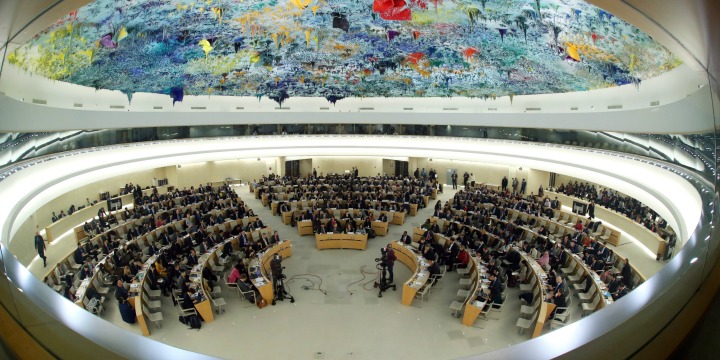
The Human Rights and Alliance of Civilizations Room of the Palace of Nations, in Geneva, Switzerland. The room is the meeting place of the United Nations Human Rights Council. Photo: Ludovic Courtès via Wikimedia Commons.

A group of 22 countries, led by the US, have signed a declaration criticizing an open-ended probe established by the UN Human Rights Council into alleged human rights abuses committed by Israel.

“We believe the nature of the COI [Commission of Inquiry] established last May is further demonstration of long-standing, disproportionate attention given to Israel in the Council and must stop,” US Ambassador Michèle Taylor stated at the 50th session of the HRC in Geneva, where the first report of the commission was presented on Monday. “We continue to believe that this long-standing disproportionate scrutiny should end, and that the Council should address all human rights concerns, regardless of country, in an even-handed manner.”

“Regrettably, we are concerned that the Commission of Inquiry will further contribute to the polarization of a situation about which so many of us are concerned,” Taylor cautioned.

Among the countries signing the statement are Austria, Bulgaria, Brazil, Canada, Cameroon, Colombia, Croatia, Eswatini, Germany, Guatemala, Hungary, Israel, Liberia, Marshall Islands, Micronesia, Nauru, North Macedonia, Holland, Palau, Togo, and the United Kingdom.

Israel dismissed the findings of the first report released last week by the COI which blamed the country’s “perpetual occupation” of Palestinian territory as the “key root” of recurring tensions and cycles of violence in the conflict. The COI was created last year by the UN Human Rights Council following the 11-day war in May between Israel and the Hamas terror group in the Gaza Strip.

The resolution calling for its creation was introduced by Pakistan on behalf of the Organization of Islamic Conference, and passed with a vote of 24 in favor, nine against, and 14 abstentions.

COI’s mandate as a permanent and open-ended entity dedicated solely to investigate alleged Israeli abuse of Palestinians has in the past been attacked for being unusually broad. Meanwhile, the UNHRC has been criticized for approving more condemnatory resolutions on Israel than on Iran, Syria, and North Korea combined.

Israeli Foreign Minister Yair Lapid thanked the US and Secretary of State Antony Blinken for leading the signatories of the declaration.

“Today is a day of change at the Human Rights Council. A day on which morality is overcoming hypocrisy,” Lapid said. “Enough with the bias. Enough with the obsession with Israel.”

“I hope the Hunan Rights Council will understand the clear message delivered by this statement and cancel the COI which was born in sin, and will start dealing with human rights as it was supposed to from the day of its establishment,” he added.

In the past, some UNHRC investigations against Israel have been partially discredited by their own authors. Justice Richard Goldstone, who chaired the UNHRC’s fact-finding-mission into Israel’s military operations during the 2008 Gaza war, ultimately distanced himself from some of its conclusions.


Zawartość publikowanych artykułów i materiałów nie reprezentuje poglądów ani opinii Reunion’68,
ani też webmastera Blogu Reunion’68, chyba ze jest to wyraźnie zaznaczone.
Twoje uwagi, linki, własne artykuły lub wiadomości prześlij na adres:
webmaster@reunion68.com


Kwestia żydowska w wielkim świecie

Kwestia żydowska w wielkim świecie

Andrzej Koraszewski


Demonstracja w Londynie 2011 r. (Zródlo: Facebook – Shah Arifur Rahman Arifi)

„Pan to chyba jakiś Żyd”, zastanawia się stały czytelnik i trudno mu się dziwić, bo kwestia żydowska pojawia się na naszej stronie internetowej równie często, jak na forum ONZ. Właśnie najnowsza komisja Rady Praw Człowieka ONZ wydała swój pierwszy raport  stwierdzający stanowczo, że wszystkiemu winni są Żydzi. Rada, jak pamiętamy, nazywała się kiedyś Komisją, ale Komisja była tak skoncentrowana na sprawie ostatecznego rozwiązania kwestii żydowskiej, że w końcu zażenowani posiadacze oenzetowskich synekur postanowili wymienić tabliczkę i rada w radę nazwali ją Radą Praw Człowieka, niepomni, że Organizacja Narodów Zjednoczonych jest instytucją demokratyczną, w której dyktatury mają większość, a demokracje pamięć i tożsamość.

Czy ta walka o ostateczne rozwiązanie kwestii żydowskiej powinna również niepokoić ludzi bez podejrzanych genetycznych korzeni? Wśród arabskich dysydentów spotyka się głosy, że być może ta walka powinna niepokoić ludzi bez żydowskich korzeni jeszcze bardziej niż tych, którzy takie korzenie posiadają, bo to dążenie do ostatecznego rozwiązania kwestii żydowskiej zdumiewająco skutecznie blokuje wszelki rozwój, tragicznie redukuje konkurencyjność i szkodzi zdolności logicznego myślenia. Mało jest jednak tak myślących arabskich dysydentów i to nie oni zasiadają w Radzie (Praw Człowieka), nie są również atrakcyjnymi kandydatami do pracy w zachodnich redakcjach i w zachodnich organizacjach obrony praw człowieka, więc pewnie nie warto zwracać na nich uwagi.     

Amerykański Departament Stanu zareagował na wspomniany raport ostrożnie, czyli starając się nie urazić uczuć religijnych autorów i ich mocodawców. Jak powiedział rzecznik Departamentu Ned Price:

Podczas gdy Stany Zjednoczone uważają, że Rada Praw Człowieka ONZ odgrywa kluczową rolę w promowaniu poszanowania praw człowieka i podstawowych wolności na całym świecie, Niezależna Międzynarodowa Komisja Śledcza ONZ w sprawie okupowanych terytoriów palestyńskich, w tym Wschodniej Jerozolimy i Izraela i jej raport nie służą realizacji tego celu.  

Jak zauważył brytyjski komentator, pułkownik Richard Kemp, istnieje zdumiewające podobieństwo między wojną Putina z Ukrainą i wojną świata z Izraelem. Putin odmawia Ukrainie prawa do istnienia w roli samodzielnego państwa, a jego operacja specjalna ma na celu położenie kresu temu absurdalnemu zjawisku, które jego zdaniem jest sprzeczne z prawami człowieka i ma nazistowski charakter.      

Amerykański Departament Stanu może nie być świadomy, że jest świadomy, iż Rada Praw Człowieka ONZ nie odgrywa kluczowej roli w promowaniu praw człowieka, ale postronny obserwator może odnieść wrażenie, że odgrywa kluczową rolę w  promowaniu operacji specjalnej i Departament dobrze o tym wie.

W tym samym obwieszczeniu rzecznik Departamentu powiedział:      

Jak wielokrotnie oświadczaliśmy, stanowczo sprzeciwiamy się otwartemu i niejasno zdefiniowanemu charakterowi Komisji Śledczej Rady Praw Człowieka ONZ w sprawie sytuacji w Izraelu, na Zachodnim Brzegu i w Gazie, która stanowi jednostronne, stronnicze podejście, które nie sprzyja perspektywom pokoju.

Być może Departament ma wrażenie, że jego własne działania sprzyjają perspektywom pokoju, ale ma pełną świadomość, że wspierana przez niego Rada Praw Człowieka ONZ tego nie robi. Rzecznik w tym samym wystąpieniu mówił:

Chociaż żaden kraj nie jest poza kontrolą, istnienie tej komisji w jej obecnej formie jest kontynuacją długotrwałego wzorca niesprawiedliwego wyróżniania Izraela.

Price przypomniał, że USA zrezygnowały z uczestnictwa (i finansowania) Rady Praw Człowieka ONZ i powróciły, wyjaśniając to pragnieniem naprawienia jej wad.   

Przedstawiciel Departamentu Stanu zapewnił, że Stany Zjednoczone są zaangażowane w szerzenie praw człowieka w Izraelu, na Zachodnim Brzegu i w Gazie, dodając, że „Izraelczycy i Palestyńczycy zasługują na równe miary wolności, bezpieczeństwa i dobrobytu”.

Ktokolwiek uważnie obserwuje przebieg operacji specjalnej w Ukrainie może w tym miejscy wybuchnąć homeryckim śmiechem. Może również zacząć zastanawiać się, czy przedstawiciel Departamentu Stanu jest kompletnym idiotą i nie zdaje sobie sprawy z tego, co mówi, czy traktuje cały świat jak idiotów i zakłada, że nikt nie rozumie, co on właściwie powiedział, czy wreszcie daje nam do zrozumienia, że on wie, że my wiemy, że on wie, ale to taka dyplomacja, która sprzyja perspektywom pokoju. Rzecznik Departamentu Stanu USA mógł równie dobrze wypowiedzieć zdanie: „Ukraińcy i Rosjanie zasługują na równe miary wolności, bezpieczeństwa i dobrobytu”.

Amerykański badacz pochodzenia iracko-libańskiego Hussain Abdul-Hussain stwierdził kiedyś, że:

Dla wielu Amerykanów, którzy mają kłopoty z odróżnieniem Szwecji od Sudanu, Palestyna stała się łatwym sposobem na wsiadanie na wysokiego konia moralności i wykazanie się  świadomością w sprawach globalnych.

Ten sam autor napisał krótką recenzję z książki amerykańsko-palestyńskiego historyka Rahida Khalidiego, The Hundred Years’ War on Palestine. Dla Hussaina Abdul-Hussaina sprawa uznania prawa Izraela do istnienia i suwerenności jest kluczowa, bez tego nie da się rozmawiać o żadnej perspektywie pokoju. Autor pisze, że Kahalid przypomina, iż brat jego pradziadka, Jusuf Dia Khalidi, wysłał list do założyciela syjonizmu, Theodora Herzla, w którym określił syjonizm jako „naturalny, piękny i sprawiedliwy” i dodał, że „kto mógłby kwestionować prawa Żydów w Palestynie? Mój Boże, historycznie to jest wasz kraj!”

Młodszy Khalidi utrzymuje, że syjoniści używają tego cytatu ‘w izolacji, bez reszty listu’, w którym starszy Khalidi ostrzega ‘przed konsekwencjami syjonistycznego projektu’. Tu jednak młodszy Khalidi popełnia błąd logiczny. Uznanie prawa syjonistów do Palestyny jest jedną rzeczą, ostrzeganie przed problemami wykonalności ich projektu jest czymś innym. Kiedy Izraelczycy cytują ten list jako uznanie ich prawa do ziemi Palestyny, nie wyjmują niczego z kontekstu.

Hussain Abdul-Hussain wielokrotnie pokazywał, że nie ma żadnych przeszkód, żeby Palestyńczycy mieli własne państwo, jedynym warunkiem jest to, żeby tego chcieli bardziej niż ostatecznego rozwiązania kwestii żydowskiej.

Żaden pracownik amerykańskiego Departamentu Stanu nie może być nieświadomy faktu, że we wszystkich większych i średnich miastach USA raz za razem pojawiają się demonstranci z hasłem: „From the river to the sea, Palestine will be free”. Czy ci demonstranci mogą nie kojarzyć, że jest to wezwanie do likwidacji Izraela? Tego akurat nie wiem, ale mądrość rzecznika Departamentu, że „Izraelczycy i Palestyńczycy zasługują na równe miary wolności, bezpieczeństwa i dobrobytu” może pomijać kamień węgielny tego, co uważamy za miarę wolności, bezpieczeństwa i dobrobytu. Ukraina nie kwestionuje rosyjskiej suwerenności, nie zagraża wolności Rosjan, nie kradnie rosyjskiego zboża, ani w żaden inny sposób nie utrudnia Rosjanom budowy dobrobytu rosyjskiego społeczeństwa. Jednak Putin i jego propagandyści przekonują nas, że jest odwrotnie.    

Rada Praw Człowieka ONZ, która była niegdyś Komisją Praw Człowieka ONZ, ma komisję ONZ, na której czele stoi prawniczka z Afryki Południowej, Navi Pillay. Patrząc na jej biogram w Wikipedii możemy mieć wrażenie, że wybrano najbardziej właściwą osobę, gwarantującą kompetencję i bezstronność. Była sędziną Sądu Najwyższego w Południowej Afryce, potem była sędziną w Międzynarodowym Trybunale Karnym, pełniła przez 6 lat funkcję Wysokiego Komisarza Narodów Zjednoczonych ds. Praw Człowieka. Kiedy rok temu objęła swoją funkcję przewodniczącej Komisji do badania wszystkich win Izraela, organizacja UNWatch przedstawiła władzom ONZ powody, dla których powinna poddać się natychmiast do dymisji. Liczący 34 strony dokument ma następujące rozdziały:

A. Komisja śledcza została stworzona do atakowania Izraela

  • B. Pillay ogłosiła z góry, że Izrael jest winny walkom w 2021 roku, którą to sprawę właśnie bada
  • C. Pillay wielokrotnie oskarżała Izrael o „Apartheid”
  • D. Pillay określiła działania Izraela jako „nieludzkie”
  • E. Pillay broniła antysemickiego „procesu Durban”
  • F. Pillay broniła stałego punktu obrad Rady, którego celem jest atakowanie Izraela
  • G. Pillay z góry uznała Izrael za winnego w poprzednich konfliktach z Gazą
  • Pillay z góry uznała Izrael za winnego konfliktu Hamas-Izrael w 2009 roku
  • Pillay uznała Izrael za winnego w kilka godzin po incydencie flotylli w 2010 roku
  • Pillay z góry uznała Izrael za winnego za wojnę Hamas-Izrael w 2014 roku

Na stronie 11 tego przeglądu stronniczości Navi Pillay czytamy:   

Prezentowanie Izraela jako opresyjnego państwa apartheidu, jej obrona bojkotów i sankcji przeciw Izraelowi układa się w ciągły wzór charakteryzujący jej pracę na stanowisku Wysokiego Komisarza Narodów Zjednoczonych ds. Praw Człowieka w latach 2008-2014. Po objęciu stanowiska w 2008 roku, jednym z pierwszych jej działań była organizacja konferencji Durban II, która miała zatwierdzić postanowienia Światowej Konferencji na temat Rasizmu, która odbyła się w Durban (Południowa Afryka) w 2001 roku i była skażona wściekłym antysemityzmem.

Navi Pillay nie była nieświadoma tego, co działo się w jej rodzinnym mieście Durban w 2001 roku. W przeddzień konferencji Durban II w Genewie pisała o szczytnych celach tej konferencji dodając: 

A jednak od ponad roku liczne głosy wzywają do bojkotu tej przeglądowej konferencji, zanim cokolwiek zostało przelane na papier. Ta opozycja opiera się na obawach, że spotkanie w Genewie będzie powtórką wściekłej antysemickiej aktywności pewnych pozarządowych organizacji [jaka miała miejsce] na marginesie Światowej Konferencji w Durban w 2001 roku. Wstrętne działania nielicznych skaziły reputację całego procesu konferencji w Durban w 2001 roku i konferencji w Genewie w 2009 roku.

Krótko mówiąc, Navi Pillay odcinała się od tych, którzy w Durban rozdawali  przed budynkiem, w którym odbywała się konferencja, ulotki z hasłem „Hitler miał rację” i podpisywała się oburącz pod wypowiedziami tych, którzy na sali obrad powtarzali radziecką propagandę, że antysyjonizm to nie antysemityzm, że syjonizm jest rasizmem, a Izraelczycy to naziści.

Departament Stanu USA ma rację, Rada Praw Człowieka „odgrywa kluczową rolę w promowaniu poszanowania praw człowieka i podstawowych wolności na całym świecie” i to jest powód, dla którego bardzo starannie dobiera się ludzi na stanowiska centralnych obrońców praw człowieka w ONZ. To musi być człowiek świadomy, że badanie zbrodni Putina i jego armii w Ukrainie, badanie zbrodni chińskiego rządu na Tybecie, wobec Ujgurów, czy wobec dysydentów, badanie zbrodni irańskiej teokracji, Hamasu lub Hezbollahu, badanie zbrodni w Nigerii lub Wenezueli, to wszystko mogłoby powodować komplikację procesów promujących pokój.  

Komisja do badania wszystkich win Izraela opublikowała swój pierwszy raport, który został już skrytykowany nie tylko przez amerykański Departament Stanu. Wśród licznych głosów szczególnie ciekawy wydaje mi się głos kanadyjskiej prawniczki, profesor Anne Bayefsky, tym razem z ramienia izraelskiego Institute for Contemporary Affairs, która informuje, o czym komisja została poinformowana. Bayefsky nazywa działania komisji przy Radzie „Ćwiczeniami z rewizjonizmu historycznego”. We wstępie Bayefsky pisze, iż komisja otrzymała od Instytutu w Jerozolimie nazwiska 600 tysięcy żydowskich uchodźców z krajów Bliskiego Wschodu, nazwiska 4220 izraelskich cywilów zabitych przez arabskich terrorystów, nazwiska 24 092 izraelskich żołnierzy, którzy polegli w wojnach, mających na celu likwidację Izraela i eksterminację jego mieszkańców, przedstawiono komisji dokumentację, że autonomia Palestyńska płaci za zabijanie Żydów.

Anne Bayefsky pisze:

W raporcie nie znaleziono żadnego palestyńskiego terrorysty, palestyńskich organizacji terrorystycznych ani palestyńskiego terroryzmu. Najdalszymi określeniami, na jakie zdobyli się wielcy inkwizytorzy, było spekulowanie o działaniach „de facto władz” Gazy i anonimowych „palestyńskich grup zbrojnych” „mogących szerzyć terror wśród ludności cywilnej w Izraelu”. Co się tyczy „Hamasu”, definiuje się tę organizację tylko jako angażującą się w „wykonywanie funkcji podobnych do rządowych”. 

Trudno o wątpliwości, że raport komisji dostarczył Radzie tego, co Rada zamówiła. Anne Bayefsky zwraca uwagę na cykliczność tych deklaracji o winie Izraela.

Nadrzędny standard raportu dotyczący „dowodu”, że państwo żydowskie jest rzekomo moralną zniewagą dla ludzkości, ogranicza się do stwierdzenia: ONZ tak powiedziała. Raport nie tylko opiera się na systemie zakorzenionych uprzedzeń, ale Navi Pillay w dużym stopniu polegała na wcześniejszych pracach ONZ, w których sama odgrywała kluczową rolę.

Krótko mówiąc, kwestia żydowska jest dla świata ważnym, może nawet kluczowym elementem walki o prawa człowieka.

„Pan to chyba jakiś Żyd”, pisze czytelnik, który nie jest antysemitą, dziwi się tylko, dlaczego tak często wracam do kwestii żydowskiej. Jeśli odpowiem, że nie, i właśnie dlatego, może mieć kłopoty ze zrozumieniem równie wielkie, jak rzecznik amerykańskiego Departamentu Stanu, jak Sekretarz Generalny ONZ, jak wszyscy, którzy kochają Palestyńczyków tylko za to, że są biednymi ofiarami tych nazistów Żydów. Instrukcje rosyjskiej propagandy pozostają aktualne od czasów Ochrany. Protokoły mędrców Syjonu nadal są wznawiane, ale przecież nawet pani Pillay uważa, że to wstrętna literatura i tak przecież nie można.
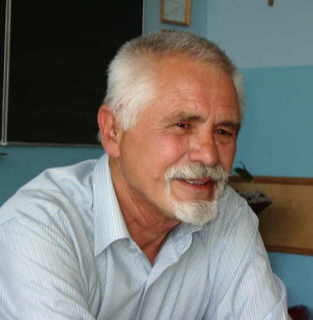

Andrzej Koraszewski – Publicysta i pisarz ekonomiczno-społeczny. Ur. 26 marca 1940 w Szymbarku, były dziennikarz BBC, wiceszef polskiej sekcji BBC, i publicysta paryskiej „Kultury”. Więcej w Wikipedii.


Zawartość publikowanych artykułów i materiałów nie reprezentuje poglądów ani opinii Reunion’68,
ani też webmastera Blogu Reunion’68, chyba ze jest to wyraźnie zaznaczone.
Twoje uwagi, linki, własne artykuły lub wiadomości prześlij na adres:
webmaster@reunion68.com