Archive | August 2020

Instytut Polski w Sztokholmie wesprze przenosiny muzeum na Gotlandii

Instytut Polski w Sztokholmie wesprze przenosiny muzeum na Gotlandii

Daniel Zyśk


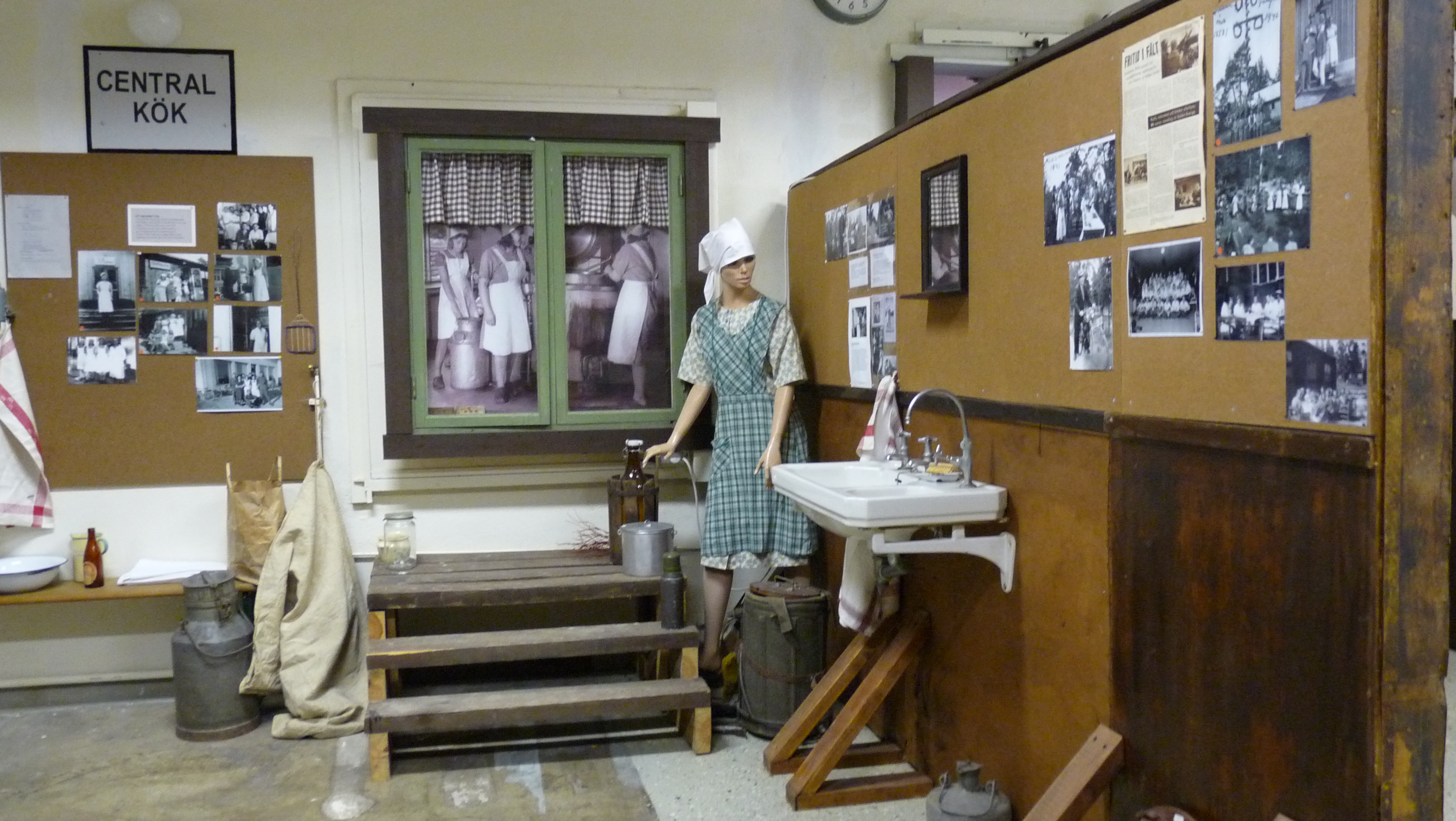
Instytut Polski w Sztokholmie wesprze przenosiny muzeum szpitala w Laerbro(Lärbro) na Gotlandii, w którym znajdują się m.in. pamiątki po polskich obywatelach przybyłych do Szwecji w 1945 roku w ramach akcji tzw. białych autobusów. Zbiory mają trafić do oryginalnego baraku, w którym istniał szpital.

Muzeum szpitala w Laerbro, właściwe niewielka izba muzealna została otwarta w 2008 roku z inicjatywy mieszkańców, w większości byłych pracowników szpitala. Jak wskazywali niejednokrotnie zwiedzający placówkę, obiekt znajduje się w niewłaściwym miejscu, bezpośrednio sąsiaduje z siłownią, skąd dochodzi głośna muzyka.

“W kwietniu otrzymałem pismo od przewodniczącego lokalnego stowarzyszenia historycznego Berha Linbloma, że jest decyzja o nowej lokalizacji i czy polska strona jest w stanie partycypować. Ja oceniam tę inicjatywę pozytywnie. Cenny jest fakt, że placówka jest prowadzona wyłącznie przez szwedzkich wolontariuszy.” – powiedział PAP dyrektor Instytutu Polskiego Paweł Ruszkiewicz, który niedawno wrócił z Laerbro.

Nowe miejsce, oryginalny barak, w którym do 1946 roku znajdował się szpital, znajduje się nieopodal innej placówki muzealnej, prezentującej historię Laerbro. “To zwiększa szansę, że muzeum szpitala będzie częściej odwiedzane” – uważa Ruszkiewicz.

Na razie za wcześnie na szczegóły dotyczące wsparcia ze strony polskich władz. Jesienią na Gotlandię ma udać się ambasador RP w Sztokholmie Joanna Hofman by kontynuować rozmowy w tej sprawie.

Muzeum szpitala w Laerbro prezentuje historię lecznicy, jej personelu oraz pacjentów. Do dziś zachowały się oryginalne meble, wyposażenie medyczne oraz stroje pielęgniarek. Prezentowane są dokumenty i zdjęcia.

Pod koniec II wojny światowej do Laerbro trafiło ok. 500 byłych więźniów niemieckich nazistowskich obozów koncentracyjnych pochodzących z 17 krajów, uratowanych przez szwedzki Czerwony Krzyż. Wielu wycieńczonych pacjentów pochodziło z Polski, część z nich nie przeżyło i zostało pochowanych na miejscowym cmentarzu. Szwedzcy wolontariusze opiekują się również grobami.

W 2004 roku z inicjatywy polskiej dyplomacji na cmentarzu odsłonięto tablicę pamiątkową.

Akcja białych autobusów Szwedzkiego Czerwonego Krzyża została zapoczątkowana w marcu 1945 przez szwedzkiego hrabiego Folke Bernadotte, który wynegocjował w Berlinie z Heinrichem Himmlerem możliwość ewakuacji z niemieckich nazistowskich obozów koncentracyjnych więźniów skandynawskiego pochodzenia. Hrabia nalegał na ewakuację z obawy przed planowaną przez Niemców masową egzekucją i likwidacją obozów przed nadejściem frontu.

W praktyce na leczenie do mającej status państwa neutralnego Szwecji białymi autobusami z namalowanym czerwonym krzyżem (tak, aby nie zostały pomylone z celami militarnymi), pociągami oraz statkami trafiło ok. 15 tys. osób wielu różnych narodowości, w tym Polaków. Jednym z miejsc, do którego trafili ocaleni więźniowe był szpital w Laerbro.


Zawartość publikowanych artykułów i materiałów nie reprezentuje poglądów ani opinii Reunion’68,
ani też webmastera Blogu Reunion’68, chyba ze jest to wyraźnie zaznaczone.
Twoje uwagi, linki, własne artykuły lub wiadomości prześlij na adres:
webmaster@reunion68.com


Palestinians’ Chief Negotiator or Chief Liar?

Palestinians’ Chief Negotiator or Chief Liar?

Bassam Tawil


  • Saeb Erekat’s continued lies and fabrications about Israel promote anti-Semitism and embolden terrorists.
  • As a veteran negotiator, it would be a good idea for him to use his experience to persuade the Hamas terrorists to release the remains of the two soldiers instead of waging a propaganda campaign on behalf of a terrorist who woke up one morning and decided to kill Jews.
  • With negotiators like Erekat, one can understand why the Israeli-Palestinian peace process has been stalled for so many years.
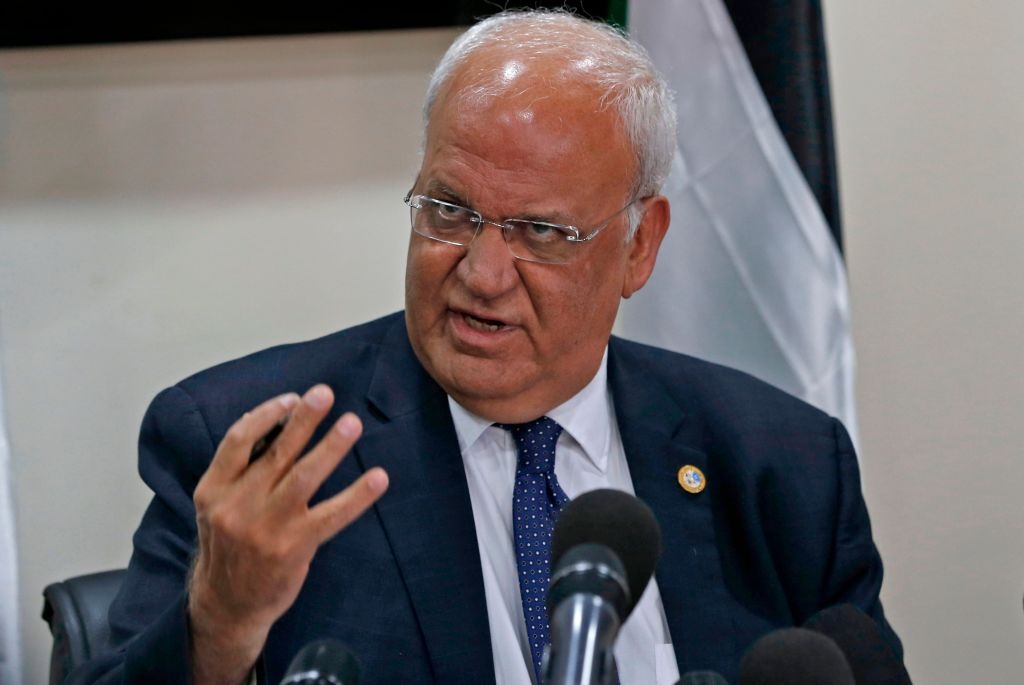
PLO secretary general Saeb Erekat’s continued lies and fabrications about Israel promote anti-Semitism and embolden terrorists. (Photo by Abbas Momani/AFP via Getty Images)

Ahmed Erekat, a 26-year-old Palestinian from the village of Abu Dis, south of Jerusalem, was shot dead by Israeli soldiers on June 23 after ramming his car into an Israeli military checkpoint. One soldier was lightly wounded in the attack.

Footage released by the Israeli authorities leaves no room for doubt that Erekat was on a mission to kill soldiers. The footage shows Erekat deliberately turning his car as he waited in line, driving directly at the soldiers, hitting one female soldier and then crashing into a guard booth. Erekat then got out of the vehicle and started walking towards the soldiers, who fired a number of bullets at him, killing him instantly.

Such terrorist attacks are not uncommon in the West Bank, where Palestinian terrorists have carried out dozens of car-rammings against Israeli soldiers and civilians in the past few years.

This attack, however, caught the attention of the international media because the terrorist happens to be a relative of Saeb Erekat, the former Palestinian chief negotiator with Israel who currently serves as secretary general of the PLO.

Since the car-ramming, Saeb Erekat has been waging a campaign of incitement and lies against Israel. He has accused it of “cold-blooded murder” and now of the “extrajudicial execution” of his cousin.

The senior PLO official is deliberately ignoring the video that clearly shows his cousin using his car in an attempt to kill Israeli soldiers. He is also, perhaps not surprisingly, ignoring the testimonies of the soldiers his cousin tried to kill.

Shani Orr Hama Kados, the soldier struck in the attack, told Israel’s Channel 13 that “he looked me in the eye, turned the steering wheel and rammed into me.”

Saeb Erekat’s ranting over the death of his terrorist relative has attracted the attention of many Israel-haters around the world, some of whom have been repeating the PLO official’s libels and lies.

One of them is Nihad Awad, co-founder and Executive Director of the Council on American-Islamic Relations (CAIR). Both Awad and CAIR were part of a Muslim Brotherhood-run Hamas support network in the US.

“Israel has murdered thousands of Palestinians,” Awad claimed in a June 23 post on Twitter. “Total silence and unwavering support is our [US] government’s response.”

Awad was responding to a Twitter post by Noura Erekat, another relative of the terrorist, who describes herself as a “human rights attorney and assistant professor at Rutgers University.”

“Israeli soldiers shot to kill my baby cousin, Ahmed,” she wrote. “Israeli cowards claim it was a car ramming incident – he was on his way to pick up his sister from the salon for her wedding tonight!”

The “human rights attorney” made her false accusation before the Israeli authorities released the video that proves that her cousin had planned to carry out a terrorist attack. Yet like her other relative, Saeb Erekat, Noura Erekat refuses to accept the fact that her “baby cousin” was a bloodthirsty terrorist.

As a former “chief negotiator” with Israel, Saeb Erekat is seen by many Palestinians as a veteran diplomat and politician. As such, one would expect him to be more cautious and restrained when it comes to making serious accusations about any party, particularly Israel.

Saeb Erekat’s record, however, shows that this was not the first time that he had made a false accusation against Israel.

In an interview with CNN on April 10, 2002, Saeb Erekat falsely claimed that Israeli troops had killed “more than 500 people” during a counter-terrorist operation in the West Bank city of Jenin. Two days later, he repeated the charge on CNN: “A real massacre was committed in the Jenin refugee camp.” He added that 300 Palestinians were being buried in mass graves. On April 15, 2002, Erekat continued his charges: “And I stand by the term ‘massacres’ were committed in the refugee camps.”

The truth is that “hundreds” of Palestinians were not killed during the anti-terrorist Israeli military operation in the West Bank in 2002. The Israeli military confirmed that there were 54 bodies found in Jenin, and Palestinian officials have verified the Israeli numbers. Mousa Kadoura, director of the Palestinian ruling Fatah faction in the northern West Bank, said that 56 Palestinians died in Jenin.

The Washington Times later commented on the false accusations that Israel had committed a “massacre” in Jenin:

“It is not strange that many Jews have started to suggest the world is seeing a resurgence of anti-Semitism. Take, for instance, the so-called ‘Jenin massacre.’ Remember the screaming headlines and the front-page pictures of devastation as Israeli troops fought their way through the Palestinian refugee camps in early April? Bad as it looked, the evidence is now clear evidence presented to the United Nations, no less that the operation in now justified the accusations of genocide and crimes against humanity that were being flung at Israel. There was no mass murder of Palestinian civilians at Jenin.”

Has Saeb Erekat since apologized or retracted his false accusation? No. Not only has Erekat failed to apologize for his fabrications, but he has continued to spread more lies about Israel. One of Erekat’s famous lies: “Israel has effectively interfered with and changed the status quo of Christian and Muslim prayer sites and institutions in Occupied East Jerusalem.”

“Exactly the opposite is true, given Israel’s scrupulous respect for the existing religious practices in Jerusalem, ” commented Dr. Eran Lerman, former deputy for foreign policy and international affairs at the National Security Council in the Israeli Prime Minister’s Office, on Erekat’s lie.

Referring to another claim by Erekat that “Israel has effectively changed Al-Aqsa [Mosque] Status Quo,” Lerman noted:

“Here Erekat’s shameless campaign of lies, apparently aimed at journalists who will not bother to check the verbiage they are fed, reached new heights. No respect is paid to the Jewish heritage and patrimony on the Temple Mount. Nor has such respect been evidenced on the Mount, where the [Islamic] Waqf has deliberately destroyed archeological evidence of the ancient Jewish temples.”

Lerman, commenting on a document published in 2015 by the PLO official’s “Negotiations Affairs Department,” concluded:

“Saeb Erekat is a unique phenomenon in the Palestinian orbit. For years, he has played the dual role of negotiator-in-chief for Palestinian-Israeli peace talks and propaganda par excellence for the regimes of Yasser Arafat and Mahmoud Abbas. His record of lies and dissimulations is legion, and seems to be getting worse as he ages. History will yet record his abysmal diplomatic role in the many mistakes of the Palestinian national movement.”

Erekat is now using the killing of his relative to step up his incitement and spread more lies about Israel. He is now demanding that Israel unconditionally hand over the terrorist’s body to his family. He wants the body so that the family would be able to honor the terrorist by holding a large funeral for him. The former Palestinian “chief negotiator” would, apparently, love to attend the funeral of the terrorist together with Palestinians chanting “Death to Israel.”

Erekat is demanding that Israel release the body of a terrorist, while ignoring that his Hamas brothers in the Gaza Strip have been holding the remains of Israeli soldiers Oron Shaul and Hadar Goldin since 2014. Erekat does not care that the families of the Israeli soldiers have not been able to bury their beloved ones. He is more concerned about the body of a terrorist than about the ongoing suffering of the families of Shaul and Goldin.

Saeb Erekat’s continued lies and fabrications about Israel promote anti-Semitism and embolden terrorists.

As a veteran negotiator, it would be a good idea for him to use his experience to persuade the Hamas terrorists to release the remains of the two soldiers instead of waging a propaganda campaign on behalf of a terrorist who woke up one morning and decided to kill Jews.

With negotiators like Erekat, one can understand why the Israeli-Palestinian peace process has been stalled for so many years.


Bassam Tawil, a Muslim Arab, is based in the Middle East.


Zawartość publikowanych artykułów i materiałów nie reprezentuje poglądów ani opinii Reunion’68,
ani też webmastera Blogu Reunion’68, chyba ze jest to wyraźnie zaznaczone.
Twoje uwagi, linki, własne artykuły lub wiadomości prześlij na adres:
webmaster@reunion68.com


Netflix’s ‘The Umbrella Academy’ Accused of Promoting Antisemitic Stereotypes

Netflix’s ‘The Umbrella Academy’ Accused of Promoting Antisemitic Stereotypes by Continuing to Feature Yiddish-Speaking Villain

Shiryn Ghermezian


Actress Kate Walsh. Photo: Vikram Valluri / BFA.com

A show on Netflix is being criticized for continuing to feature a Yiddish-speaking villain in its recently-released second season.

“The Umbrella Academy,” starring Ellen Page, follows a family of adopted sibling superheroes who reunite to save the world from an apocalypse.

The show’s second season began streaming on July 31, and it includes an evil organization called the Commission whose boss, known as the Handler, speaks primarily Yiddish, a language spoken nearly exclusively by Ashkenazi Jews.

The character, played by former “Grey’s Anatomy” star Kate Walsh, also spoke Yiddish in the show’s first season, which sparked outrage when it first aired in 2019 and resulted in the Board of Deputies of British Jews denouncing the series.

“The use of a Yiddish saying by the evil boss of an organization which controls the world’s timeline is clearly an anti-Semitic trope,” Amanda Bowman, the Jewish group’s vice president of the board, told The Sun last year. “Whether intentional or not, this makes for very uncomfortable viewing. Netflix should take action to remove the racism from this scene.”

Some viewers accused the series of promoting antisemitic stereotypes and deliberately including the Yiddish-speaking character in season two.

“Idk what to tell you the umbrella academy having the ‘secret world domination cult’ speaking Yiddish is definitely, intentionally antisemitic,” a Twitter user wrote, adding that “the jewish people trying to get world domination is such an old and widely known anti semitic trope there is just no way it’s a coincidence.


A Jewish TikTok user accused the show of “antisemitic dog whistling” in a video about the series, saying, “Yiddish is a language spoken almost entirely by Ashkenazi Jews. Having the villains speak that language is showing, ‘Look at these big Jewish villains, aren’t they vile, look at their gross language. Look how evil it sounds.’ That is what it is. That is what it’s always been, because society is built on believing that Jewish people control everything. That is antisemitism.”

The series has also come under fire for depicting an underground society of “lizard people” who control the world from the shadows. As reported by The Jerusalem Post, the “lizard people” stems from a conspiracy theory “deeply rooted in antisemitic tropes” that was initiated by David Icke, a former BBC sports reporter who released a series of books that included conspiracies revolving around The Protocols of the Elders of Zion and his belief that Earth was controlled by shape-shifting lizards he called the “Babylonian Brotherhood.”

“The Umbrella Academy” is based on a comic book series of the same name written by My Chemical Romance singer Gerard Way.

Yiddish is not used in the comic book series, but the two assassins written by Way, named Hazel and Cha-cha, do wear swastika armbands, suggesting that they are part of a Nazi organization, according to The Sun.


Zawartość publikowanych artykułów i materiałów nie reprezentuje poglądów ani opinii Reunion’68,
ani też webmastera Blogu Reunion’68, chyba ze jest to wyraźnie zaznaczone.
Twoje uwagi, linki, własne artykuły lub wiadomości prześlij na adres:
webmaster@reunion68.com


W okopach świętej niechęci

W okopach świętej niechęci

Andrzej Koraszewski


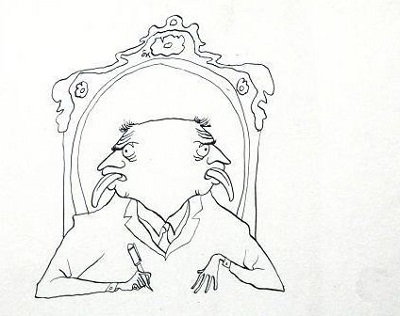
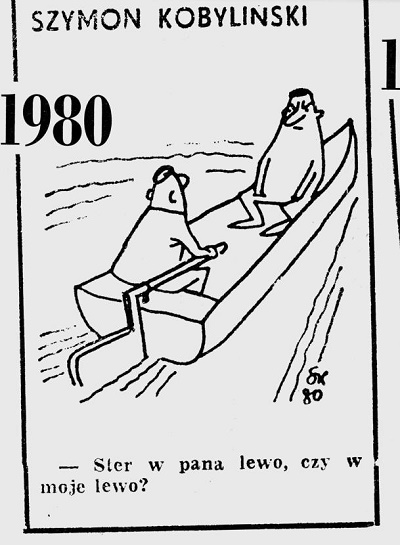
Z teki rysunków Szymona Kobylińskiego

Do najczęściej spotykanych publicystycznych diagnoz sytuacji należy odkrycie, że polskie społeczeństwo jest podzielone. Nie można wykluczyć, że ta diagnoza jest poprawna, ale wymaga to jeszcze dalszych badań. Ciekawe, kiedy też ono zaczęło być takie podzielone i dlaczego tak trudno je zjednoczyć? Chętnych do jednoczenia nigdy nie brakowało, sztandarów zjednoczeniowych też nie, a jak już mieliśmy jedną partię i to w dodatku zjednoczoną, to też polskie społeczeństwo było podzielone, tylko mówiło się o tym na boku, teatralnym szeptem, bo o donosy sąsiadów nie było trudno.

Przed wojną społeczeństwo też było podzielone, pod zaborami również, a przyczyną zaborów była nie tyle siła państw ościennych, co nasza słabość z wiadomych przyczyn.

Inni też są podzieleni, ale wygląda na to, że my bardziej, chociaż tylko od niektórych, bo są tacy, co to nawet bardziej od nas. Ostatnią solidną wojnę domową mieliśmy tuż przed rozbiorami, konfederaci patrzyli rozmarzonym wzrokiem na pijaczynę w sutannie, który obiecywał, że z pomocą Matki Boskiej ojczyzna będzie wolna, wierna tradycji niewolnictwa i bez obciążania Kościoła jakimiś podatkami na obronę. Jak takiemu nie zaufać, kiedy takie piękne rzeczy obiecuje?

Zostawmy jednak prehistorię, której nawet IPN nie dotyka. Mówi się, że wróg jednoczy, ale jak silny, to kiepsko mu to idzie. Osłabł wróg nagle w związku z śmiercią tyrana, więc w pacholęctwie poczułem powiew jedności narodowej, kiedy lud wyszedł na ulice wołając „chleba i wolności”. Chleb właściwie był, chociaż trzeba było postać w kolejce, ale kolejek po wolność nie było, bo nie dowieźli.

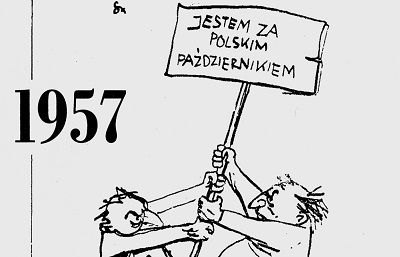
Była potem próba wypuszczenia na rynek produktu zastępczego pod nazwa „polska droga do socjalizmu”, więc się znowu jakieś nadzieje na jedność narodową pojawiły, ale też nie na długo. Podziały jakieś ujawniły się na górze i na dole i niebawem kolejne poronienie nastąpiło.

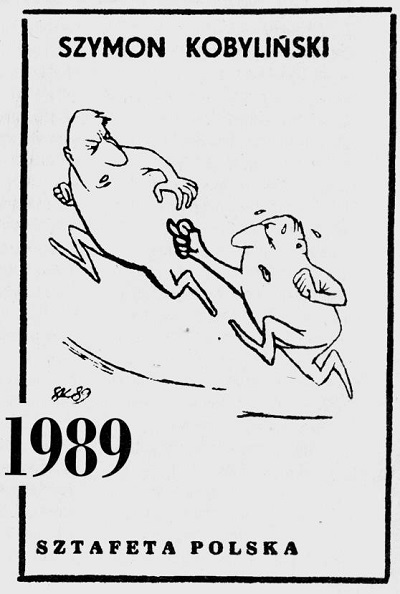
Z teki rysunków Szymona Kobylińskiego

Niektórzy doceniali, że postęp był jednak ogromny, bo się te podziały mogły nieco lepiej ujawniać, chociaż nadal bezpiecznej było o sytuacji bieżącej pisać z uwzględnieniem wrażliwości żołnierzy frontu jedności narodowej i najlepiej się łajdactwa miłującej władzy socjalistycznej opisywało w powieściach o starych zbrodniach katolickiego Kościła. Trzeba przyznać, że ludzie wspaniale się uczyli tego, że można bardzo dużo o tym powiedzieć, mówiąc o czym innym. Kłopot tylko, bo te kolejki po chleb ciągle się wydłużały, co wszystkim przeszkadało, ale z jakiegoś powodu klasie robotniczej bardziej i jakieś podziały się wytworzyły między Zjednoczoną Robotniczą i robotnikami, którzy też się czasem jednoczyli, ale jakby nie w takt.

To z tego powodu nowy Pierwszy Sekretarz zwróci się do robotników z zasadniczym pytaniem: „Towarzysze, pomożecie?”

Trudno o wątpliwości, że chęć pomocy była i kto wie, jakby to wszystko wyszło, gdyby wyszło, ale z różnych względów wyszło inaczej i znów trzeba było Pierwszego zmieniać, żeby podziały przełamać, bo społeczeństwo było bardzo podzielone i Polska Zjednoczona Partia Robotnicza już nikogo nie jednoczyła i nikt nie wiedział jak się z tymi robotnikami dogadać, a i internacjonalnej jedności się nie narazić. Nowości w tych podziałach było sporo, a już jak Papież-Polak przyjechał i beton ojczysty ucałował, to całkiem nie było wiadomo jak tu odgórnie jakiś kurs wyznaczyć.

Próbowano coś ustalić, ale wszyscy byli za, a nawet przeciw, więc gdyby ktoś pytał, to stół był okrągły, a wszyscy mieli nadzieję, że będą przewodzić przezwyciężaniu podziałów, więc wojna na górze od pierwszej chwili wisiała w powietrzu. Najgorszy wróg wypadł z gry, więc można się było uzbroić w niecierpliwość i ruszyć do boju. Od tego momentu nawet młodsi czytelnicy mogą pamiętać sztafetę niwelujących podziały

W wieczornym programie TOK-FM pani profesor socjologii (której nazwiska nie usłyszałem) objaśniała narodowi, że takich podziałów jak w polskim społeczeństwie to nigdzie nie ma. Synapsa jakaś w moim mózgu odpaliła nerwowo i pomyśłałem, że takich idiotów jak nasi, to nigdzie nie ma, ale machnąłem lekceważąco szczoteczką do zębów, dobrze wiedząc, że głupstwo pomyślałem, bo przecież wcale nie jesteśmy tacy wyjątkowi i nie tylko w wielu miesjcach podziały są takie, że z miast kamień na kamieniu nie zostaje, a ludzie giną setkami tysięcy, ale i idiotów mają znakomitych, znacznie większych niż ci nasi krajowi.

Dymiący piecyk przepowiadałem sobie w drodze na spoczynek, zastanawiając się nad głupim pytaniem, czemu z wszystkich sportów upodobaliśmy sobie najbardziej bicie osiołka Porfiriona?

Niby pytanie jest jakoś zasadne, ale i bezzasadne. Chór Polaków woła cudu, piecyk dymi, w okopach świętej niechęci ksiądz proboszcz podpaski święci, wzywając do bezgrzeszności.

A ja, jako członek tak nadzwyczajnego narodu zgłaszam zdanie odrębne, tyle, że jak je głośno powiem, to się wszystkim narażę i podziały budujące wspólnoty nasze naruszę.


Zawartość publikowanych artykułów i materiałów nie reprezentuje poglądów ani opinii Reunion’68,
ani też webmastera Blogu Reunion’68, chyba ze jest to wyraźnie zaznaczone.
Twoje uwagi, linki, własne artykuły lub wiadomości prześlij na adres:
webmaster@reunion68.com


Israel pilots AI lifeguard tech for safer beaches

Israel pilots AI lifeguard tech for safer beaches

Abigail Klein Leichman


Israeli startup Sightbit provides lifeguards with a current picture of swimmer whereabouts and real-time data on changing winds, waves and hazards.

Lifeguard photo by Sergi Lopez Roig via Shutterstock.com

In the summer of 2019, Israeli friends Adam Bismut and Netanel Eliav were enjoying a day at the beach. As they watched a lifeguard peering out over the Mediterranean through a pair of binoculars, they looked at each other in disbelief.

In a country with advanced computer-vision technologies such as Mobileye, why should lifeguards have to rely on naked eyes or binoculars to keep swimmers safe?

A year later, their artificial-intelligence and image-recognition solution is poised to revolutionize ocean rescue.

Sightbit provides lifeguards with a current picture of swimmer whereabouts and real-time data on changing winds, waves and hazards.

“It’s about features and accuracy,” says Sightbit CMO and cofounder Minna Shezaf.

“We warn of real-time hazards when swimmers enter potentially dangerous situations such as deep water by themselves; when children are alone in or near the water; and when swimmers enter areas defined as dangerous, like near a breakwater structure where currents could sweep the swimmer into that structure.”

Sightbit also provides crowd-management solutions, updates on weather conditions, and estimates of how many lifeguards are needed on a given day.

On May 20, Sightbit began a full-scale pilot of the technology at the popular Palmahim Beach near Rishon LeZion in collaboration with the Israel Nature and Parks Authority.

“The lifeguards and INPA are really design partners for us to perfect the product,” Shezaf tells ISRAEL21c.

“There are AI lifeguard systems for swimming pools, and they’ve received rave reviews. But a more complex technology is needed to keep swimmers safe at the beach. You usually have many more people– an average of 10,000 per day in high season at Palmahim — plus wind and weather conditions like rip currents, a leading cause of ocean rescue.”

Ultimately, it’s about saving lives, Shezaf adds. Drowning is the third leading cause of accidental death worldwide, and near drownings result in many serious injuries.

“We all identify strongly with this really important public health need,” says Shezaf.

“All” includes her three co-founders COO Bismut, CEO Eliav and CTO Gadi Kovler, who are Ben-Gurion University graduates.

Like the university, the startup is based in Beersheva, a city that is, ironically enough, nowhere near a beach.

Pre-seed funding for Sightbit came from the university’s Cactus Capital, Israel’s first student-run venture capital firm.

Shezaf says the founders are aware of several other early-stage startups working on similar technologies for beach lifeguards but so far none has been deployed.

The development stage of the Sightbit project involved creating new technological features and adapting existing person-identification capability for an ocean setting.

“It started as a part-time project for all of us and now it’s become our whole lives.”

For more information, click here


Zawartość publikowanych artykułów i materiałów nie reprezentuje poglądów ani opinii Reunion’68,
ani też webmastera Blogu Reunion’68, chyba ze jest to wyraźnie zaznaczone.
Twoje uwagi, linki, własne artykuły lub wiadomości prześlij na adres:
webmaster@reunion68.com