Archive | October 2021

Klęska w Afganistanie i problem uchodźców

Klęska w Afganistanie i problem uchodźców

Burak Bekdil
Tłumaczenie: Małgorzata Koraszewska


Afgańczycy stoją w obliczu prawdopodobnie najbardziej brutalnej na świecie armii fanatycznych muzułmanów, uzbrojonej w to, co prezydent USA Joe Biden określił, że jest “narzędziami… i wyposażeniem każdej nowoczesnej armii. Dostarczyliśmy najnowocześniejszej broni “, którą przejął Taliban od rozpadającej się Afgańskiej Armii Narodowej. W rzeczywistości Biden dzięki uprzejmości amerykańskich podatników, obdarzył “zaawansowaną bronią” nie tylko talibów, Al-Kaidę i ISIS, ale także Rosję, Chiny i Iran, które bez wątpienia teraz dokonają inżynierii wstecznej porzuconego sprzętu. Na zdjęciu: bojownicy talibów stoją na dostarczonym przez USA wojskowym pojeździe Humvee, który zdobyli w Heracie w Afganistanie 13 sierpnia 2021 r. (Zdjęcie: AFP via Getty Images)

Mieszkańcy Stambułu byli ostatnio zszokowani, widząc hordy młodych Afgańczyków w znoszonych mundurach, przechadzających się bez celu po dzielnicach, które już wcześniej były domem dla tysięcy syryjskich uchodźców. Policja turecka zatrzymała i wydaliła dziewięciu mężczyzn. Setki innych osób pospiesznie komunikuje się ze swoimi krewnymi i przyjaciółmi w Afganistanie i Iranie i najprawdopodobniej informuje ich o szlakach nielegalnej migracji do Turcji – Afgańczycy zazwyczaj płacili przemytnikom 1000 dolarów za podróż z Kabulu do Van we wschodniej Turcji. Wraz ze zwycięstwem talibów i upadkiem afgańskiego rządu setki tysięcy osób mogą przedostać się przez Iran do wschodniej Turcji, szukając wreszcie najmniej niebezpiecznej (i najmniej kosztownej) drogi na terytorium Unii Europejskiej.

Po całkowitym wycofaniu się Stanów Zjednoczonych z Afganistanu przez granicę Turcji z Iranem będzie przechodzić tysiące ludzi chcących dostać się do Turcji. Ale w Turcji nie ma jasnej drogi prawnej do uzyskania statusu uchodźcy i żadnych organizacji wspierających rodziny potrzebujące jedzenia i schronienia. Wysoki Komisarz Narodów Zjednoczonych ds. Uchodźców (UNHCR) nie rozpatruje już wniosków o azyl w Turcji, a wnioski składane do urzędów państwowych mogą być rozpatrywane latami.

Turcja stoi w obliczu nowej fali nielegalnych imigrantów, kiedy już ma 3,6 miliona zarejestrowanych syryjskich imigrantów, co stanowi 4,37% całkowitej populacji Turcji. Obecnie ponad milion syryjskich dzieci w wieku 5-17 lat, czyli 63% ogółu, uczęszcza do tureckich szkół. W ciągu ostatnich trzech lat 120 000 Syryjczyków zostało obywatelami tureckimi. Są właścicielami sklepów, prowadzą interesy i mieszkają głównie w syryjskich gettach w Ankarze i w Stambule.

W trzech tureckich prowincjach (Gaziantep, Hatay i Şanlıurfa) Syryjczycy stanowią ponad 20% populacji. W tureckiej prowincji Kilis stanowią 74,3% populacji.

Turcy, z niskim dochodem na mieszkańca wynoszącym 8000 dolarów rocznie, są zmęczeni, nielegalnymi syryjskimi robotnikami, którzy zabierają im pracę. Teraz, gdy zagrożenie ze strony afgańskich imigrantów jest tak widoczne na tureckich ulicach, Turcy skłaniają się do i tak silnego w ich kraju nacjonalizmu. Istnieją już sygnały, że ten nacjonalizm może przybrać gwałtowne formy.

12 sierpnia, po tym jak turecki nastolatek zginął w walce z grupą migrantów z Syrii, policja w Ankarze zatrzymała 76 osób w związku z atakami na domy i firmy, które prawdopodobnie należały do Syryjczyków. Kilkusetosobowy tłum wyszedł na ulice dzielnicy Altında. Obrzucali kamieniami domy syryjskich migrantów, plądrowali sklepy i skandowali antysyryjskie hasła. Scena wyglądała jak pogrom muzułmanów przez muzułmanów.

W ciągu pierwszych 10 lat wojny domowej w Syrii z 22 milionów populacji tego kraju, 6,5 miliona ludzi zostało uchodźcami ubiegającymi się o azyl w innych krajach. Populacja Afganistanu jest o 75% większa niż Syrii na początku ich wojny domowej. W dodatku Afgańczycy mają do czynienia z prawdopodobnie najbardziej brutalną na świecie armią fanatycznych muzułmanów, teraz obecną już w Kabulu i uzbrojoną w to, co prezydent USA Joe Biden określił, że jest “narzędziami… i wyposażeniem każdej nowoczesnej armii. Dostarczyliśmy najnowocześniejszej broni “, którą przejął taliban od rozpadającej się Afgańskiej Armii Narodowej.

W rzeczywistości Biden, dzięki uprzejmości amerykańskich podatników, obdarzył “zaawansowaną bronią”, nie tylko talibów, Al-Kaidę i ISIS, ale także Rosję, Chiny i Iran, które bez wątpienia teraz dokonają inżynierii wstecznej porzuconego sprzętu.

Afgańczycy mają powód, by masowo uciekać ze swojego kraju. Iran jest ich najłatwiej osiągalnym pierwszym przystankiem.

Po dotarciu do Iranu będą mieli łatwy i stosunkowo bezpieczny przejazd do Turcji – to “dar” Iranu dla prezydenta Recepa Tayyipa Erdoğana. Turcja jest już domem dla prawie pięciu milionów migrantów. Przybycie kolejnych pięciu milionów z biegiem lat sparaliżuje Turcję, jej gospodarkę, politykę i względne bezpieczeństwo. Ale imigranci afgańscy będą nie tylko problemem Turcji.

W szczytowym momencie syryjskiego kryzysu 1,3 miliona Syryjczyków złożyło wniosek o azyl w Europie. Pod względem narodowości w 2015 roku stanowili największą grupę wśród migrantów różnych narodowości przybywających z Turcji na terytorium Grecji. Pięć lat później Afgańczycy przejęli prowadzenie. I to jeszcze zanim zaczęła się największa fala afgańskich uchodźców.

W 2020 roku Erdoğan zagroził zalaniem krajów UE milionami Syryjczyków. Jego rząd przetransportował tysiące Syryjczyków do granicy turecko-greckiej w Tracji, otworzył bramy i wepchnął ich na ziemię niczyją. Rząd turecki twierdził, że w ciągu pierwszego tygodnia do Grecji wjechało prawie 200 000 Syryjczyków. Rzeczywista liczba wynosiła zaledwie kilka tysięcy. Blef Erdoğana nie powiódł się. Od tego czasu nie ponawiał już kolejnych prób tworzenia sponsorowanej przez rząd turecki rzeki migrantów płynącej do Europy przez Grecję. Niemniej jednak, jeśli greckie i unijne straże graniczne nie chcą ponownie przeżywać kryzysu migracyjnego z 2015 r., powinny dokonać przeglądu swoich planów ochrony terytorium Grecji przed migrantami i przygotować się na kolejny napływ uchodźców w tym roku.


Burak Bekdil: Wieloletni publicysta wychodzącej w języku angielskim gazety tureckiej “Hurriyet Daily News”, w 2017 zwolniony za publikowanie artykułów na Zachodzie, wyemigrował z Turcji w obawie przed aresztowaniem.


Zawartość publikowanych artykułów i materiałów nie reprezentuje poglądów ani opinii Reunion’68,
ani też webmastera Blogu Reunion’68, chyba ze jest to wyraźnie zaznaczone.
Twoje uwagi, linki, własne artykuły lub wiadomości prześlij na adres:
webmaster@reunion68.com



Sally Rooney’s novels don’t deserve to be translated into Hebrew

Sally Rooney’s novels don’t deserve to be translated into Hebrew

Julie Burchill


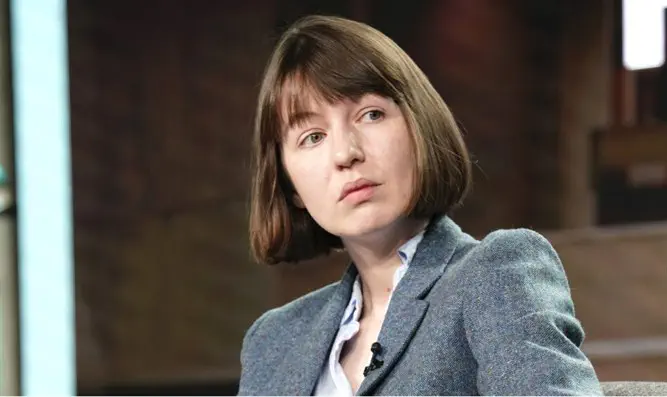
Sally Rooney (photo: Getty)

Irecently had to read a book by Sally Rooney in a work capacity, and my goodness that was half an hour of my life I’ll never get back. Come on, how could I be expected to read the whole darn thing when I’d already had the pleasure of Conversations with Friends and come to the conclusion that once you’ve read one book about people getting naked and saying stuff about the pointlessness of life, you’ve read them all?

Her writing is so blank that in parts it reads like a children’s starter book — Janet and John Get Naked and Say Stuff about the Pointlessness of Existence. Rooney describes herself as a Marxist and she doesn’t use speech marks. Is the concept of ‘a plot’ itself a bourgeois construct? Reading Rooney, you might think so.

So, despite being such a fan of the excellent state of Israel and its gorgeous people, I wasn’t as cross as many of my mates — Jews and allies alike — when the Israeli newspaper Haaretz reported that Rooney would not allow her latest gem, Beautiful World, Where Are You, to be translated into Hebrew.

Little Miss Sunshine is, predictably, a follower of the profoundly joyless and hypocritical Boycott, Divestment, Sanctions movement which appears to believe that a nation’s rough treatment of certain sections of society only counts as a crime against humanity if Israelis do it: about as logical as believing that there are no calories in food if you eat standing up, with the fridge door open.

In the interests of consistency, I do hope that Miss Rooney will be forgoing the massive Chinese market by refusing to be translated by a regime which sterilises and enslaves its minorities; and that she will also boycott an Arabic translation, considering how many Arab countries treat women as a cross between children and chattels and enjoy executing homosexuals.

The problem may be partly down to the fact that Rooney comes from Ireland. It’s not nice to single out one little country for scolding — but she started it, Miss!

My own Protestant faith has committed great crimes against the Jewish people, but the Catholic countries beat us bloody hands down. Despite modern Ireland’s woke blather, its history with persecuted foreigners is an ugly one. In a speech to the Dáil in 1943, the politician Oliver J. Flanagan advocated ‘routing the Jews out of’ Ireland. In 1976, he was minister for defence.

Just last week a report from the respected investigative journalist David Collier, after analysing Irish social media, stated ‘In Ireland, anti-Jewish racism spreads within the corridors of power and unlike in the UK or US, appears to be as much driven from the top down as the reverse.’ Dublin has an actual statue of someone who collaborated with the Nazis, Seán Russell, who was given a lovely rainbow make-over during Pride Week.

The Israeli publisher Modan translated Rooney’s first two books, making the situation even less straightforward — and more predictable, as boycotting Israel is never done at the start of showbiz careers (whether the moping Marxist miss likes it or not, she is in showbiz after the phenomenon of the TV adaptation of her second novel Normal People). It happens once the artist is established and in the position to pick (on) and choose.

Boycotting Israel is also the fashionable position for rich and famous cry-bullies to take to the tiny state, so as to show they’re down wit da kidz. Da kidz, that is, who are amusingly ignorant about this issue: in 2019 a survey of students at the University of Berkeley in California found that while most claimed to ‘care deeply’ about the Palestinian plight, ‘75 per cent of those students cannot locate those territories on a map and 84 per cent cannot name the decade (let alone the year) in which that occupation began,’ the academic Ron Hassner concluded.

Rooney insists her issue is not with Hebrew or the Jews, but with Modan. A statement from her smarms:

“‘It would be an honour for me to have my latest novel translated into Hebrew and available to Hebrew-language readers. But for the moment, I have chosen not to sell these translation rights to an Israeli-based publishing house. I understand that not everyone will agree with my decision, but I simply do not feel it would be right for me under the present circumstances to accept a new contract with an Israeli company that does not publicly distance itself from apartheid and support the UN-stipulated rights of the Palestinian people. The Hebrew language translation rights to my new novel are still available, and if I can find a way to sell these rights that is compliant with the BDS movement’s institutional boycott guidelines, I will be very pleased and proud to do so. In the meantime I would like to express once again my solidarity with the Palestinian people in their struggle for freedom, justice and equality.’

That’s even worse than her novels in terms of banality and boo-hoo. Whatever the ins and outs, after two decades of Hebrew study my conclusion is that Rooney’s banal words are not worthy of this ancient and beautiful language.


Zawartość publikowanych artykułów i materiałów nie reprezentuje poglądów ani opinii Reunion’68,
ani też webmastera Blogu Reunion’68, chyba ze jest to wyraźnie zaznaczone.
Twoje uwagi, linki, własne artykuły lub wiadomości prześlij na adres:
webmaster@reunion68.com


Beautiful World, Where Are You? Best-Selling Author’s Israel Boycott Is Hypocritical and Antisemitic

Beautiful World, Where Are You? Best-Selling Author’s Israel Boycott Is Hypocritical and Antisemitic

Rachel O’Donoghue


Author Sally Rooney in an interview with “PBS NewsHour.” Photo: Screenshot

Sally Rooney is undoubtedly one of the biggest names in the literary scene right now.

The 30-year-old Irish author’s 2017 debut novel, “Conversations With Friends,” was an international success and is currently being turned into a TV series that will air on the BBC and the streaming platform Hulu.

Her second book, “Normal People,” debuted at number 3 on The New York Times bestseller list; it was also long-listed for the prestigious Man Booker Prize, and its 2020 television adaptation received critical acclaim.

Rooney’s first two novels sold more than one million copies in the United States alone.

Her latest offering — “Beautiful World, Where Are You?” — was released in September, and promptly became one of this year’s best-selling novels.

But if Israelis were hoping to read it in their native language, and printed at home, they will be sorely disappointed, if not angered.

Modan Publishing House, which released Rooney’s first two novels in Hebrew, revealed that she will not allow her third book to be published there, because she advocates a boycott of the Jewish state.

The decision by Rooney, who is publicly supportive of the racist BDS movement and signed an open letter alongside other artists this year that denounced Israel as an “apartheid” state and claimed “unarmed and unprotected Palestinians” were being lynched — has been widely reported in the UK press (see here, here and here).

Such news reports have characterized her position as a boycott of Israel. However, it is more than that. And little has been said about the sheer hypocrisy of the move.

Rooney’s moral stance, it seems, does not extend to preventing her works from being published in Communist China, which, among other things, has been accused of human rights abuses, including operating internment camps for Uyghur Muslims.

Chinese language versions of “Conversations With Friends” and “Normal People” have both been released by the Shanghai Translation Publishing House, but her agent has yet to announce that she will boycott this lucrative market in protest against the actions of Xi Jinping’s government.

In Russia, a translation of her latest novel is already in the pipeline; Moscow-based Sindbad publishers distributed her earlier works. Again, Rooney appears not to mind her books being released in a country that illegally annexed the Crimean peninsula from Ukraine in 2014 and has been accused by Amnesty International of persecuting religious and sexual minorities, along with other human rights abuses.

In a statement released by Rooney on Tuesday, after details of her boycott had already been widely disseminated, she acknowledged this double-standard:

Of course, many states other than Israel are guilty of grievous human rights abuses. This was also true of South Africa during the campaign against apartheid there. In this particular case, I am responding to the call from Palestinian civil society, including all major Palestinian trade unions and writers’ unions.

She also claimed that when she can find a BDS-compliant way to publish in Hebrew, she will be “pleased and proud to do so.”

However, whether Rooney admits it or not, her decision not to publish in Israel is antisemitic. There is no other explanation — because she singles out the Jewish state and holds it to a standard of behavior that is not expected of any other nation.

And her promises that she will release her novel in Hebrew — once she has found a publisher that satisfies “the BDS movement’s institutional boycott guidelines” — ring hollow.

It would be surprising if any Hebrew-language publisher would ever be BDS-compliant, because — to its core — the movement is antisemitic and Hebrew is the language of the Jewish people.


The author is a contributor to HonestReporting, a Jerusalem-based media watchdog with a focus on antisemitism and anti-Israel bias — where a version of this article first appeared.

Zawartość publikowanych artykułów i materiałów nie reprezentuje poglądów ani opinii Reunion’68,
ani też webmastera Blogu Reunion’68, chyba ze jest to wyraźnie zaznaczone.
Twoje uwagi, linki, własne artykuły lub wiadomości prześlij na adres:
webmaster@reunion68.com


Żydoteka, czyli dlaczego warto czytać literaturę żydowską.

Żydoteka, czyli dlaczego warto czytać literaturę żydowską.

Maja Chitro


foto: Grzegorz Gołębiowski

Literatura żydowska, szczególnie ta historyczna, wzbudza w Polsce wciąż wiele emocji. A co z literaturą piękną? Tu sprawa się komplikuje. Ale wtedy na pomoc przychodzi Urszyla Rybicka – znana w sieci jako Żydoteka.

„Bo nie ma nic tak gorzkiego albo tak słodkiego jak prawda”, pisał Isaac Bashevis Singer w „Opowieści o Królu Pól”. O niego m.in. pytam Urszulę Rybicką, publicystkę, tłumaczkę i założycielkę Żydoteki. Stamtąd czerpię wiedzę na temat literatury żydowskiej, która w Polsce, mam wrażenie, wciąż nie jest wystarczająco popularna. Dlaczego?

W moim domu literatura żydowska była obecna od zawsze. Amosa Oza podsunęła mi jeszcze w dzieciństwie mama. Tata streszczał mi przez telefon „Zaczarowanego krawca i inne humoreski” Szolema Alejchema. Potem sama już czytałam autorów o żydowskich korzeniach: Paula Celana, Waltera Benjamina, Franza Kafkę. A Ty od kogo radziłabyś zacząć?
URSZULA RYBICKA: Trudno o lepszych nauczycieli niż Kafka czy Celan, choć są wymagający. Z autorów izraelskich zawsze polecam klasyków – Amosa Oza i Dawida Grosmana, wyśmienite powieści piszą Zeruya Shalev czy Eshkol Nevo. Wart odnotowania jest Sayed Kashua, jeden z niewielu Palestyńczyków tworzących po hebrajsku.

Zauważ, że wśród moich pierwszych kontaktów z tą literaturą nie ma żadnych kobiet. Betty Friedan czy Gertrude Stein poznałam w okolicznościach związanych z feminizmem lub historią sztuki.
Brak lub mała reprezentacja kobiet jest typowa dla każdej kultury zdominowanej przez mężczyzn. Dobrze, że mamy dziś świadomość tego, jak ważne w patriarchalnym świecie są głosy artystek takich jak poetka Zuzanna Ginczanka czy nowelistka Ester Singer Kreitman – starsza siostra pisarzy Isaaca i Israela Singerów. Poruszającą lekturą z czasów wojny są także dzienniki Anne Frank i Reni Spiegel.

A co z pisarkami współczesnymi?
Odważne głosy Dorit Rabinyan, Ayelet Gundar-Goshen i Sary Shilo są niezwykle celne, a ich opisy Izraela pokazują, jak skomplikowany i wielowarstwowy jest dziś żydowski świat.

Który z tych autorów zrobił na Tobie szczególne wrażenie?
Momentem przełomowym była dla mnie lektura opowiadania Etgara Kereta „Rury”, które chwyciło mnie za serce. Postanowiłam dowiedzieć się wszystkiego o tym pisarzu, pomyślałam też, że skoro tak dobrze pisze, to kto wie, może w tym Izraelu jest więcej takich jak on?

O tym wszystkim opowiadasz na profilu Żydoteki.
Profil powstał kilka lat temu – już od jakiegoś czasu recenzowałam żydowską literaturę, dlatego postanowiłam robić zdjęcia okładkom, by publikować je na Instagramie i Facebooku. Szybko się okazało, że wiele osób interesuje ta kultura, więc rozwinęłam profil tak, żeby były to też opowieści o książkach. Ostatecznie Żydoteka stała się tym, czego sama kiedyś szukałam – miejscem, gdzie można znaleźć nie tylko informacje o nowościach, ale też poznać klasykę i najważniejszych pisarzy, kulisy żydowskiego świata literackiego czy wciąż nie do końca odkrytą współczesną literaturę Izraela. Pokazuję życie, które odrodziło się po Zagładzie i ma swoją kontynuację. Jest to już kultura odmienna od tego, co znamy choćby z opowiadań Singera, ale wciąż czerpie z historycznego dorobku.

Na czym skupiają się obecnie izraelscy pisarze?
Głównie na życiu codziennym na Bliskim Wschodzie, poruszają temat konfliktu izraelsko-palestyńskiego czy militaryzacji kraju. Wątek Zagłady podejmują wtedy, gdy ten horror bezpośrednio dotknął ich przodków. Intrygującą książką, która zdaje się redefiniować nasze postrzeganie pamięci historycznej, jest powieść Yishaia Sarida „Potwór pamięci”. Pokazuje, że być może nauczanie o Zagładzie ma braki. Autor zadaje pytania, czy o historii lepiej opowiadać z perspektywy oprawcy, czy ofiary.

Czy literatura żydowska poradziła sobie z Holocaustem? Bo na przykład w twórczości hiszpańskich pisarzy nadal są silne nawiązania do terroru frankistowskiego, o czym piszą Jaume Cabré i Manuel Rivas.
Tu jest podobnie. Zagłada nie została jeszcze przepracowana ani w świadomości społecznej, ani w literaturze. W książkach izraelskich pisarzy te wątki nie pojawiają się tak często, jak mogłoby się wydawać. Mierzenie się z historią wojenną to specyfika utworów powstających w Europie.

Jakie jeszcze książki Cię ukształtowały?
Poza tymi autorstwa Kereta bezgraniczne pokochałam „Księgę gramatyki intymnej” Dawida Grosmana i „Wśród swoich” Amosa Oza. Później duże wrażenie zrobiły na mnie te mniej oczywiste lektury, jak komiksy Rutu Modan czy mikroopowiadania Alexa Epsteina. Patrząc na nie z perspektywy czasu, widzę, że te książki kształtowały nie tylko moje myślenie o świecie żydowskim, ale też o świecie w ogóle. To uniwersalne historie o zagubionym człowieku, który próbuje znaleźć dla siebie najlepsze miejsce.

To dlatego, ze względu na jej uniwersalizm, warto czytać literaturę żydowską?
Warto ją czytać, by poznać drugiego człowieka, którego być może nie mielibyśmy okazji spotkać w codziennym życiu. To dobry punkt wyjścia do walki z uprzedzeniami lub ze stereotypami. Lekcja empatii i zrozumienia. Literatura żydowska to też wątki dotyczące tradycyjnego życia religijnego, rytuałów, świąt. Każdy znajdzie tu coś dla siebie. Świetną rozrywką są izraelskie kryminały lub powieści graficzne wspomnianej Modan. Warto pamiętać, że literatura Żydów to istotna część polskiej literatury, np. utwory Juliana Tuwima towarzyszą nam od najmłodszych lat.

Dlaczego w takim razie Isaac Bashevis Singer, laureat literackiego Nobla, nie jest zaliczany do grona polskich noblistów, choć wyjechał z kraju dopiero, gdy miał 33 lata?
Mówi się, że ojczyzną pisarza jest język. Dlatego potrafię zrozumieć to, że Singer nie jest zaliczany do grona polskich noblistów, bo de facto nie tworzył literatury polskiej. Jednak jego przypadek to bardziej złożona kwestia – pokazuje, na ile jesteśmy otwarci na wpływy odmienne od naszego tradycyjnego, narodowo-katolickiego rozumienia świata. Myślę też, że dla wielu Polaków, szczególnie ze starszego pokolenia, kultura Żydów może być pewnego rodzaju wyrzutem sumienia lub niezagojoną raną. Dla niektórych to wciąż trudny temat, którego łatwiej unikać. Za to młodzi są często zafascynowani tym nieznanym „rajem utraconym”, amputowaną częścią polskiej kultury.

Wymazanie polskiej inteligencji pochodzenia żydowskiego z naszej świadomości to pokłosie wojny, powojnia i Marca ’68. Dlaczego tak ważne jest przywrócenie ich pamięci?
Celem dwóch totalitaryzmów było całkowite usunięcie Żydów i nie dotyczyło to tylko świata kultury czy życia społecznego. Ci, których nie zamordowano, zostali zmuszeni do opuszczenia kraju po wojnie. Pamięć o przeszłości jest ważna z punktu widzenia naszej przyszłości. Czy będziemy mądrzejsi od poprzednich pokoleń? To szczególnie paląca kwestia, gdy jesteśmy świadkami odradzających się ruchów neofaszystowskich w wielu europejskich krajach.

Zdarza się, że tematy, które podejmujesz w Żydotece, wzbudzają skrajne emocje, że walczysz z hejtem?
Rzadko, ale ataki się zdarzają, szczególnie w momentach kryzysowych, jak w czasie ostatniego nasilenia konfliktu izraelsko-palestyńskiego. W takich chwilach rośnie przyzwolenie na jawnie antysemickie wypowiedzi, więc ludzie dają upust agresji.

W Polsce filosemityzm miesza się z antysemityzmem.
Uważam, że im większy kontakt będziemy mieli z wartościowymi lekturami czy filmami, tym odporniejsi będziemy na manipulacje i fake newsy. Nauczymy się odróżniać prawdę od antysemickiego żargonu, a tym samym zyskamy narzędzia, by z nim walczyć.

Jakim, ważnym dla Ciebie cytatem, podsumowałabyś tę rozmowę?
Słowami Etgara Kereta w tłumaczeniu Agnieszki Maciejowskiej, ponieważ doskonale oddają ducha współczesnych czasów: „Znasz to uczucie, że jesteś w jakimś miejscu i pytasz sam siebie, co tu robisz? Ze mną jest tak cały czas, skręca mnie, żeby sobie pójść. Z każdego miejsca, w którym jestem, do innego. To nie ma końca”.


*Wywiad ukazał się pierwotnie w sierpniowym wydaniu magazynu ELLE.


Zawartość publikowanych artykułów i materiałów nie reprezentuje poglądów ani opinii Reunion’68,
ani też webmastera Blogu Reunion’68, chyba ze jest to wyraźnie zaznaczone.
Twoje uwagi, linki, własne artykuły lub wiadomości prześlij na adres:
webmaster@reunion68.com

The Sally Rooney episode: BDS proves once again that it’s all about the anti-Semitism

The Sally Rooney episode: BDS proves once again that it’s all about the anti-Semitism

Jonathan S. Tobin


A novelist’s refusal to have her work translated into Hebrew, and Ben & Jerry’s inability to explain why they want to single out Israel for boycotts, tell us all we need to know about how Jew-hatred is justified. Op-ed.
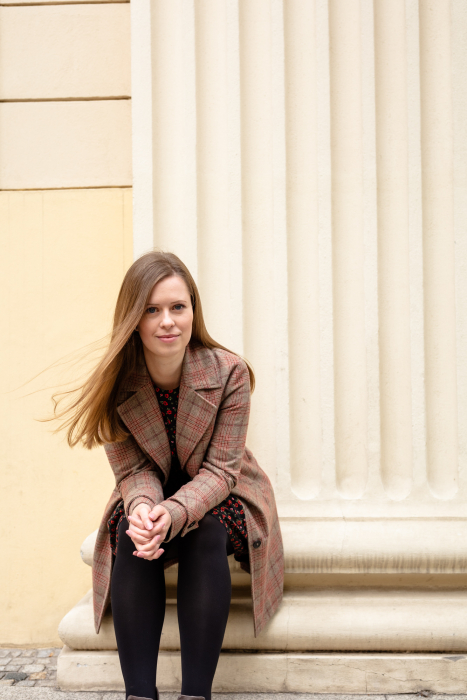
.Erik Voake/Getty Images for Hulu

(JNS) Irish novelist Sally Rooney thinks that she’s an advocate for human rights, and that prejudice and hate have nothing to do with her work or her various political stands. As far as Ben Cohen and Jerry Greenfield—the Ben and Jerry who founded the eponymous ice-cream brand—are concerned, they are among the nation’s foremost progressives. The pair believe that they are righteous advocates for social justice.

Yet despite their well-advertised good intentions and enormous self-regard, Rooney, Cohen and Greenfield are promoting hatred against Jews. What makes it so infuriating is that none of them—and others who also support the BDS movement that targets Israel—are honest enough to own up to the consequences of their actions.

By refusing to acknowledge that backing a movement that seeks Israel’s destruction is itself inherently anti-Semitic, they are not only in denial about what they are doing but demonstrating the way contemporary intellectual fashions on the left are enabling hatred that singles out Jews.

Rooney’s case is pretty straightforward, despite her attempts to cling to the illusion that she has the moral high ground.

The novelist, whose third book, Beautiful World, Where Are You, has just been released, has told the Israeli publishing house that handled her two previous works of fiction that she would not allow them to put out the new one. According to the company, Modan Publishing, she told them that she wasn’t interested in having her book published in Hebrew or in Israel.

Subsequently, she said that prompted by a libelous report put out by Human Rights Watch that falsely labeled Israel as an “apartheid state,” she supported the BDS movement, which calls for an end to all commerce and contacts with the Jewish state.

She told The New York Times in an email that while she had nothing against having her writing appear in Hebrew, “I simply do not feel it would be right for me under the present circumstances to accept a new contract with an Israeli company that does not publicly distance itself from apartheid and support the U.N.-stipulated rights of the Palestinian people.”

In a further clarification, she said she was “responding to the call from Palestinian civil society” and expressing solidarity with “their struggle for freedom, justice and equality.”

Two things about her position need to be understood clearly.

One is that the goal of BDS isn’t to adjust Israel’s policies towards the ‘West Bank’ and Hamas terrorist state in Gaza or to advocate for Palestinian Arab independence as part of a two-state solution. Its aim is the eradication of Israel, the one Jewish state on the planet. The talk about apartheid isn’t merely a distortion of the anomalous situation in the territories where Palestinian Arabs have repeatedly rejected peace offers; it’s their false description of life inside the only democracy in the Middle East.

As The Guardian reported, Rooney was one of many literary types who signed a “letter against apartheid” published in May which spoke of 1948 (and not 1967, when Israel came into possession of the ‘West Bank’ as part of a defensive war) as the beginning of “Israeli settler colonial rule” and referred to Israel’s attempts to defend its citizens—Jew and Arab alike—against more than 4,000 terrorist rockets and missiles fired from Hamas in the Gaza Strip as a “massacre of Palestinians.”

Simply put, the letter is not only a compendium of anti-Israel lies and anti-Semitic stereotypes but incompatible with any notion of peace that doesn’t involve Israel’s destruction.

That means that in order to comply with Rooney’s definition of an Israeli company that distances itself from “apartheid,” they would have to join that call for their nation’s elimination.

Somewhat more subtle but no less damning was Cohen and Greenfield’s explanation for the partial boycott of Israel that is being carried out by the company they founded but subsequently sold to the Unilever Corporation.

In an interview with Axios broadcast on HBO, the pair sought to defend the decision of the woke independent board that they insisted on putting in place when they sold their company. They consider the decision to drop their Israeli partner and ban the sale of its products in parts of Jerusalem illegally occupied by Jordan from 1949 to 1967, as well as in the ‘West Bank’, to be a protest against what they claim are Israel’s illegal policies.

But when Axios reporter Alexi McCammond asked them why they thought it was right to boycott Israel but not other places whose policies they disagree with, the pair was stumped.

McCammond wanted to know why they weren’t halting the sale of ice-cream in Texas, which has passed a law against abortion after a fetal heartbeat is detected and which all progressives oppose. She also asked why they weren’t boycotting the state of Georgia, which has an election integrity law that liberals blasted and that motivated Major League Baseball to move its 2021 All-Star Game from Atlanta to Denver.

The answer to these queries was stunned silence followed by a nervous laugh. As Axios reported: “I don’t know,” Cohen said with a laugh. “It’s an interesting question. I don’t know what that would accomplish. We’re working on those issues, of voting rights. … I think you ask a really good question. And I think I’d have to sit down and think about it for a bit.”

When he was pressed about Texas and the new abortion laws, he replied “by that reasoning, we should not sell any ice-cream anywhere. I’ve got issues with what’s being done in almost every state and country.”

Of course, Ben & Jerry’s isn’t going to stop selling its products in Texas and Georgia. Virtue-signaling their support for environmentalism and other fashionable leftist causes has proven profitable for their company. They’re not going to endanger their bottom line by pulling out of areas where they make big money.

It’s no accident that Israel is the country that is always singled out by so-called human-rights advocates for its alleged crimes even though other nations, which are actually tyrannies, get ignored. Israel is the only nation in the world that has spawned a worldwide movement that aims at its destruction. Only Jews and Jewish rights are treated in this manner, which is to say that BDS, in whatever form it takes, is, like anti-Zionism itself—inherently anti-Semitic. And the fact that some Jews, like Cohen and Greenfield, or groups with Jewish names like Jewish Voices for Peace, which promotes anti-Semitic blood libels, support it doesn’t give them a pass for a movement that targets their own people for hate and discrimination.

That’s why laws being pushed in states all around the country to punish those companies that engage in discriminatory commercial conduct against Israel and Jews are not only not a violation of free speech but desperately needed.

In much of the mainstream media and polite liberal society, BDS is still treated like a legitimate protest rather than anti-Semitism. The growing acceptance of critical race theory and intersectionality is part of the reason for this since those toxic ideas provide a permission slip to anti-Semitism so long as it is cloaked in the rhetoric of the left.

But the actions of people like Rooney and Ben & Jerry’s rip the veil from this subterfuge. Those who think that only Israel’s efforts to defend itself against the Palestinian war on its existence or to assert Jewish rights are the most intolerable acts happening anywhere on the planet mustn’t be allowed to pose as do-gooders. Whether actively or passively, they are complicit in a hate campaign with an anti-Semitic goal that essentially justifies terrorist violence. Those who engage in such despicable behavior deserve the same opprobrium and boycotts that they would use against Israel and the Jews.


Jonathan S. Tobin is editor in chief of JNS—Jewish News Syndicate. Follow him on Twitter at: @jonathans_tobin.


Zawartość publikowanych artykułów i materiałów nie reprezentuje poglądów ani opinii Reunion’68,
ani też webmastera Blogu Reunion’68, chyba ze jest to wyraźnie zaznaczone.
Twoje uwagi, linki, własne artykuły lub wiadomości prześlij na adres:
webmaster@reunion68.com