Archive | June 2022

Mam kłopot z “Babim Jarem” Siergieja Łoźnicy

‘Babi Jar. Konteksty’. Reżyseria Siergiej Łoźnica (Fot. materiały prasowe / Docs Against Gravity)


Mam kłopot z “Babim Jarem” Siergieja Łoźnicy

Grzegorz Motyka


W filmie Siergieja Łoźnicy “Babi Jar. Konteksty” nie ma mowy o represjach sowieckich, a bez informacji o nich nie sposób zrozumieć ludzi witających radośnie oddziały Wehrmachtu.

.
Mam kłopot z dokumentalnym obrazem znanego reżysera Siergieja Łoźnicy „Babi Jar. Konteksty”. Film odnosi się do rozstrzelania we wrześniu 1941 r. w kijowskim Babim Jarze prawie 34 tysięcy Żydów. Była to największa egzekucja II wojny światowej.

„Babi Jar. Konteksty”

Łoźnica słusznie jest dumny z dotarcia do nieznanych taśm filmowych. Istnieją, jak się okazuje, filmowe migawki pokazujące serię wybuchów niszczących kijowski Chreszczatyk. Niemcy wykorzystali wysadzenie tej centralnej arterii miasta przez sowieckie grupy dywersyjne jako pretekst do rozprawy z ludnością żydowską. Mocne wrażenie robi publiczna egzekucja 12 Niemców straconych w 1946 r. w Kijowie za popełnione zbrodnie wojenne. Łoźnica pokazuje ją w tak naturalistyczny sposób, że można bez mała ulec złudzeniu, iż samemu stoi się w tłumie gapiów. Skazańców dopada ręka sprawiedliwości, jednak jest ona na tyle okrutna, że pamięć o tych kadrach kładę na półkę z argumentami przeciwko karze śmierci. Po raz pierwszy mogłem też zobaczyć, jak wyglądał Babi Jar po zalaniu go wodą i mułem w czasie powojennej sowieckiej rozbudowy miasta. Jednak już sceny pogromu we Lwowie są od lat znane i nie do końca jest zrozumiałe, czemu akurat one zostały wykorzystane w filmie. Albo co wspólnego z mordem w Babim Jarze dokonanym przez Sonderkommando IVa Paula Blobela mają galicyjscy Ukraińcy witający we Lwowie Hansa Franka?

.


„Babi Jar. Konteksty” – zwiastun

.

Podobnych pytań można postawić więcej, bo film jest dość hermetyczny. Za wysadzenie Chreszczatyka odpowiadali Sowieci, ale czy widzowie to zrozumieją, czy też raczej przypiszą winę Niemcom? Podobnie pokazanie wzburzonej błotnistej mazi, którą wypełniono Babi Jar, nie mówi, co stało się z tym sztucznym zbiornikiem. Tymczasem napierająca woda przerwała zabezpieczenia i zalała część miasta, zabijając setki mieszkańców Kijowa. Tragedię odebrano jako niemal metafizyczną przestrogę przed naruszaniem spokoju ciał pomordowanych. Łoźnica o tym wszystkim wie, wychował się wszak koło Babiego Jaru, ale jak mają się tego domyślić widzowie?

Najsłabszą stroną filmu jest jednak… kontekst. Łoźnica zaczyna opowieść 22 czerwca 1941 r. uderzeniem Niemiec na ZSRS, a kończy momentem powrotu Armii Czerwonej do Kijowa i Lwowa, wymierzeniem sprawiedliwości w 1946 r. oraz powojenną budową nowych osiedli.

Siłą rzeczy mamy więc do czynienia z poradzieckim punktem widzenia na historię regionu. Filmowe kadry sugerują, iż napad Niemców przerwał zgoła radosną sielankę, która powróciła wraz ze zwycięstwem wojsk sowieckich.

Sceny mityngu we Lwowie z lata 1944 r., kiedy Nikita Chruszczow zapewnia, iż nastąpił kres waśni narodowościowych, nic nam nie mówi o polityce komunistów. Ten sam Chruszczow parę dni po pokazanym w filmie przemówieniu poprosił Stalina o zgodę na wywózkę wszystkich Polaków ze Lwowa do Donbasu. Lwowiacy ocaleli, ponieważ Stalin nie wyraził na to zgody. W filmie nie ma mowy o represjach sowieckich z lat 1939-41, a bez informacji o nich nie sposób zrozumieć ludzi witających radośnie oddziały Wehrmachtu w czerwcu 1941 r.

Niepełny kontekst tragedii w Babim Jarze

Poradziecką wizję pamięci podkreśla w filmie nieobecność głównego egzekutora – Paula Blobela. Rozstrzeliwania dziesiątek tysięcy kobiet i dzieci doprowadziły go do rozstroju nerwowego. Gdy z prośbą o skierowanie do innych zadań dotarł przed oblicze szefa Głównego Urząd Bezpieczeństwa Rzeszy Reinharda Heydricha, ten nie uwierzył w jego kłopoty zdrowotne. Zwolnił go co prawda z obowiązku kierowania mordami, lecz karząc za próbę uchylenia się od obowiązków, polecił stworzenie komanda niszczącego ciała ofiar masowych mordów. Blobel kierował więc i egzekucjami, i późniejszym paleniem zwłok, jego obecność w filmie byłaby zatem czymś naturalnym. A ponieważ został skazany w 1948 r. przez międzynarodowy trybunał na karę śmierci i w 1951 r. stracony, reżyser nie miałby kłopotu ze zdobyciem materiału filmowego na jego temat. Tyle że pokazanie zachodnich aliantów wymierzających sprawiedliwość zbrodniarzowi rozbijałoby osadzoną w poradzieckiej pamięci narrację reżysera. Choć to nie ZSRS w pojedynkę, ale cała antyhitlerowska koalicja pokonała Niemcy i zatrzymała zagładę Żydów.

Pokazany przez Łoźnicę kontekst tragedii w Babim Jarze jest więc dość niepełny i w dodatku dyskusyjny. Ale czyż zmuszenie widzów do myślenia nie jest cechą charakteryzującą dzieła wybitnych twórców?


Prof. Grzegorz Motyka – historyk, politolog, pracownik Instytutu Studiów Politycznych PAN


Zawartość publikowanych artykułów i materiałów nie reprezentuje poglądów ani opinii Reunion’68,
ani też webmastera Blogu Reunion’68, chyba ze jest to wyraźnie zaznaczone.
Twoje uwagi, linki, własne artykuły lub wiadomości prześlij na adres:
webmaster@reunion68.com


The Spielberg Jewish Film Archive – The Land of Promise

The Spielberg Jewish Film Archive – The Land of Promise

Hebrew University of Jerusalem   Hebrew University of Jerusalem


Name: The Land of Promise
Year: 1935
Duration: 00:58:26
Language: English

Abstract: The definitive pre-state portrayal of the developing Jewish national home.

The Spielberg Jewish Film Archive –
The 500 films, selected for the virtual cinema, reflect the vast scope of documentary material collected in the Spielberg Archive. The films range from 1911 to the present and include home movies, short films and full length features.

שם: לחיים חדשים
שנה: 1935
אורך: 00:58:26
שפה: אנגלית

תקציר: אחד הסרטים רבי ההשפעה ביותר מהתקופה שלפני קום המדינה, הסוקר את התפתחותו של הבית הלאומי היהודי בארץ.

ארכיון הסרטים היהודיים על שם סטיבן שפילברג –
חמש מאות הסרטים שנבחרו עבור הקולנוע הווירטואלי משקפים את ההיקף הנרחב של החומר התיעודי בארכיון שפילברג. באתר ישנם סרטים משנת 1911 ועד ימינו אלה ביתיים, קצרים ובאורך מלא.

כל הזכויות שמורות לארכיון הסרטים היהודיים על שם סטיבן שפילברג ולאוניברסיטה העברית בירושלים 2010; דף הבית; www.spielbergfilmarchive.org.il
http://multimedia.huji.ac.il/


Zawartość publikowanych artykułów i materiałów nie reprezentuje poglądów ani opinii Reunion’68,
ani też webmastera Blogu Reunion’68, chyba ze jest to wyraźnie zaznaczone.
Twoje uwagi, linki, własne artykuły lub wiadomości prześlij na adres:
webmaster@reunion68.com



MSW Izraela o wyjazdach do Polski: Nie będą nam mówić, jak mamy nauczać izraelskie dzieci

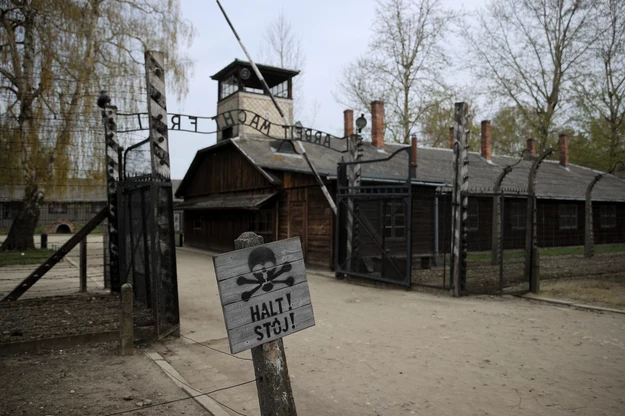
Były hitlerowski obóz Auschwitz w Oświęcimiu/ Łukasz Gągulski /PAP


MSW Izraela o wyjazdach do Polski: Nie będą nam mówić, jak mamy nauczać izraelskie dzieci

Urszula Gwiazda


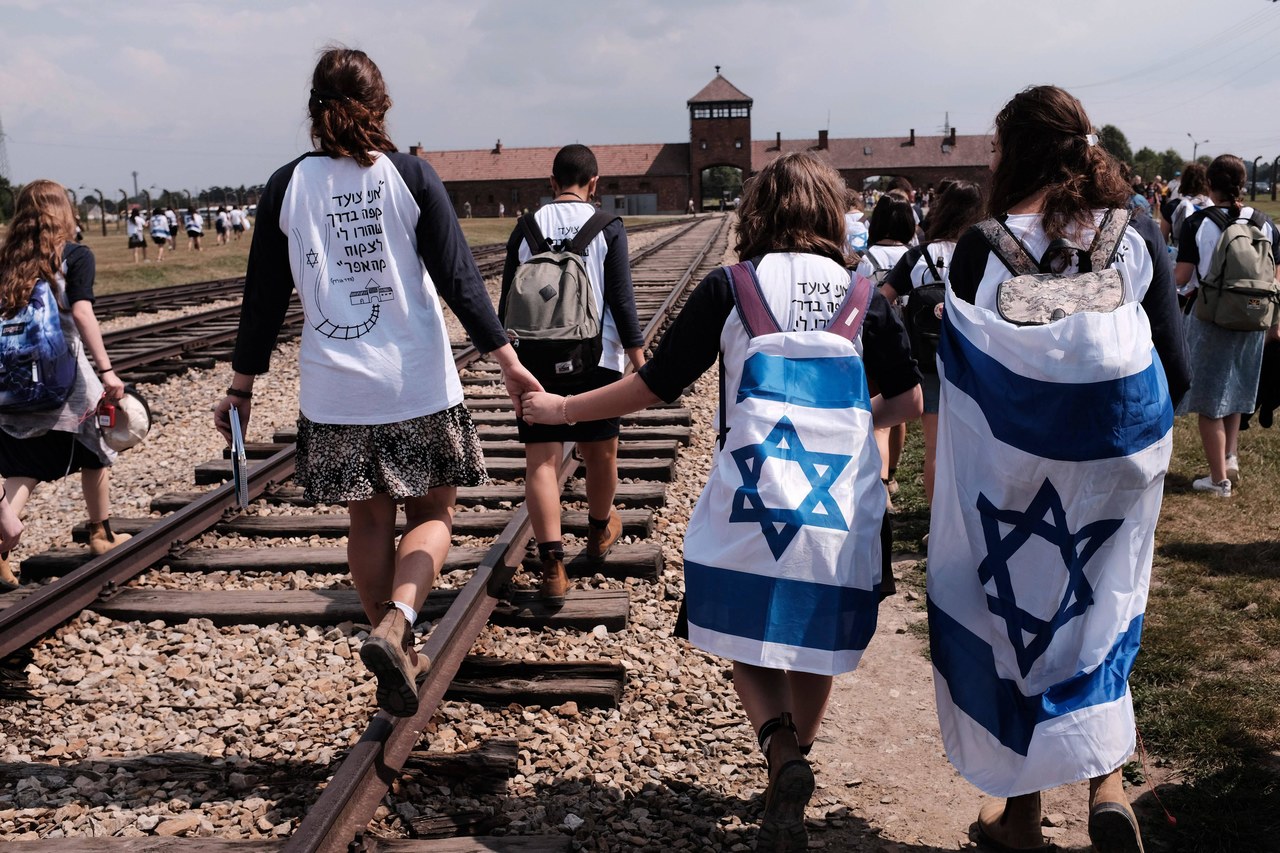
Izrael odwołał tego lata wyjazdy edukacyjne do Polski dla tysięcy uczniów szkół średnich, twierdząc, że polski rząd próbuje kontrolować program nauczania izraelskich dzieci o Holokauście.

.

Strona polska zaczęła w grudniu 2021 r. rozmowy na temat zreformowania formuły wyjazdów młodych ludzi z Izraela do Polski. Wyjazdy zostały zawieszone od 2020 roku z powodu ograniczeń pandemicznych.


O odwołaniu delegacji młodzieży do Polski ministerstwo edukacji Izraela poinformowało we wtorek w oficjalnym liście wysłanym do dyrektorów szkół średnich. Ministerstwo uzasadniło swoją decyzję tym, że pojawiły się problemy, które uniemożliwiły właściwe i bezpieczne informowanie uczniów podczas podróży. “Istnieją kwestie, które nie zostały jeszcze rozwiązane. Są to kwestie, które nie zależą od ministerstwa (edukacji)” – czytamy w komunikacie.

W środę izraelski minister spraw zagranicznych Yair Lapid na konferencji prasowej oświadczył, że mimo iż “minister edukacji podjął decyzję”, ma ona “konsekwencje dyplomatyczne” i dodał: “nie mogą nam mówić, czego mamy uczyć izraelskie dzieci”. W swoim wystąpieniu Lapid stwierdził, że Polska zabroniła izraelskim delegacjom uczyć o roli polskich obywateli w kolaboracji z nazistami w czasie Holokaustu. Pomimo to Lapid stwierdził, że stosunki między Izraelem a Polską “poprawiły się”, ponieważ “współpracowaliśmy na granicy z Ukrainą, wyprowadzając Żydów”. Lapid, którego ojciec ocalał z Holokaustu, podziękował w czasie konferencji Polsce za pomoc w ratowaniu żydowskich uchodźców z Ukrainy.

Izraelski portal “The Times of Israel” podaje, że władze polskie odmówiły zgody na to, by agenci Szin Bet (izraelska służba specjalna, odpowiedzialna za kontrwywiad i bezpieczeństwo wewnętrzne) ochraniający wycieczki mogli nosić broń na terytorium Polski.

Polskie MSZ komentuje sprawę

Polski wiceminister spraw zagranicznych Paweł Jabłoński napisał w środę na Twitterze, że “obecna formuła organizowanych wyjazdów młodzieży izraelskiej do Polski wymaga zmian ze względu na problemy systemowe prowadzące do umacniania fałszywych stereotypów, co negatywnie wpływa na stosunki polsko-izraelskie”. Według wiceministra obecna formuła wizyt młodzieży izraelskiej w Polsce prowadzi do tego, że młodzi Izraelczycy wracają z tych wyjazdów z negatywnymi odczuciami wobec dzisiejszej Polski i Polaków i postrzegają nasz kraj, wyłącznie przez pryzmat niemieckich nazistowskich obozów koncentracyjnych, nie zapoznając się z całokształtem ponadtysiącletnich stosunków polsko-żydowskich. Ponadto w czasie wizyt, zdaniem polskiego dyplomaty, izraelska młodzież jest w zauważalnym stopniu izolowana od kontaktów z polskimi rówieśnikami. Intencją Polski, zaznaczył, nie jest blokowanie możliwości przyjazdów młodzieży izraelskiej (ani jakiejkolwiek innej) do naszego kraju – ale nadanie tym wizytom innej formuły, która będzie przyczyniać się do poprawy stosunków polsko-izraelskich, a nie ich długofalowego pogarszania.


https://twitter.com/i/status/1537519049080463361

Wiceminister Jabłoński zaznaczył również w swoim tweecie, że problemem są również “aroganckie zachowania uzbrojonej ochrony wobec innych odwiedzających miejsca pamięci, a także przypadkowych przechodniów”. Sama obecność uzbrojonej ochrony w czasie wizyty izraelskiej młodzieży “wzbudza u ich uczestników fałszywe przekonanie, że Polska jest niebezpiecznym miejscem”.

Młodzi ludzie z Izraela do tej pory przyjeżdżali do Polski latem, by zwiedzić byłe obozy nazistowskie. Przed wybuchem pandemii co roku w wyjazdach brało udział około 40 000 izraelskich uczniów. Według danych ministerstwa edukacji Izraela, w tym roku chęć przyjazdu do Polski wyraziło około 7000 osób.


Zawartość publikowanych artykułów i materiałów nie reprezentuje poglądów ani opinii Reunion’68,
ani też webmastera Blogu Reunion’68, chyba ze jest to wyraźnie zaznaczone.
Twoje uwagi, linki, własne artykuły lub wiadomości prześlij na adres:
webmaster@reunion68.com

Palestinians: The House Demolitions and Land-Grabs No One Talks About

Palestinians: The House Demolitions and Land-Grabs No One Talks About

Khaled Abu Toameh


  • The raid on the village came after the Hamas-controlled Land Authority in the Gaza Strip ruled that the residents must be evacuated because they had built their homes on “state-owned” lands.

  • Sources in the Gaza Strip said that there are 28 more villages slated for demolition by Hamas on the pretext that they were illegally built on public lands.

  • “The Hamas security forces prevented the ambulances from entering the village…. That’s why we had to take the injured to hospital in our cars.” — Yahya Abu Thariyeh, a resident of Umm al-Nasr, independentarabia.com, June 11, 2022

  • While Hamas has been trying to present itself as the defender of the Bedouin citizens of Israel, it is targeting the Palestinian Bedouin living under its control in the Gaza Strip by demolishing their homes and confiscating their lands, according to Egyptian author Ali Rajab.

  • Hamas’s ongoing efforts to raze entire villages in the Gaza Strip is seen by many Palestinians as…. part of widespread corruption in Hamas, whose leaders want to seize lands for their personal use.

  • By turning a blind eye to the atrocities of Hamas, the journalists and human rights organizations are once again engaging in a dangerous double standard. Their obsession with Israel allows Hamas to persist in committing violent crimes against the Palestinians without receiving negative media coverage — much less being held accountable for pillaging and devastating Palestinian communities.


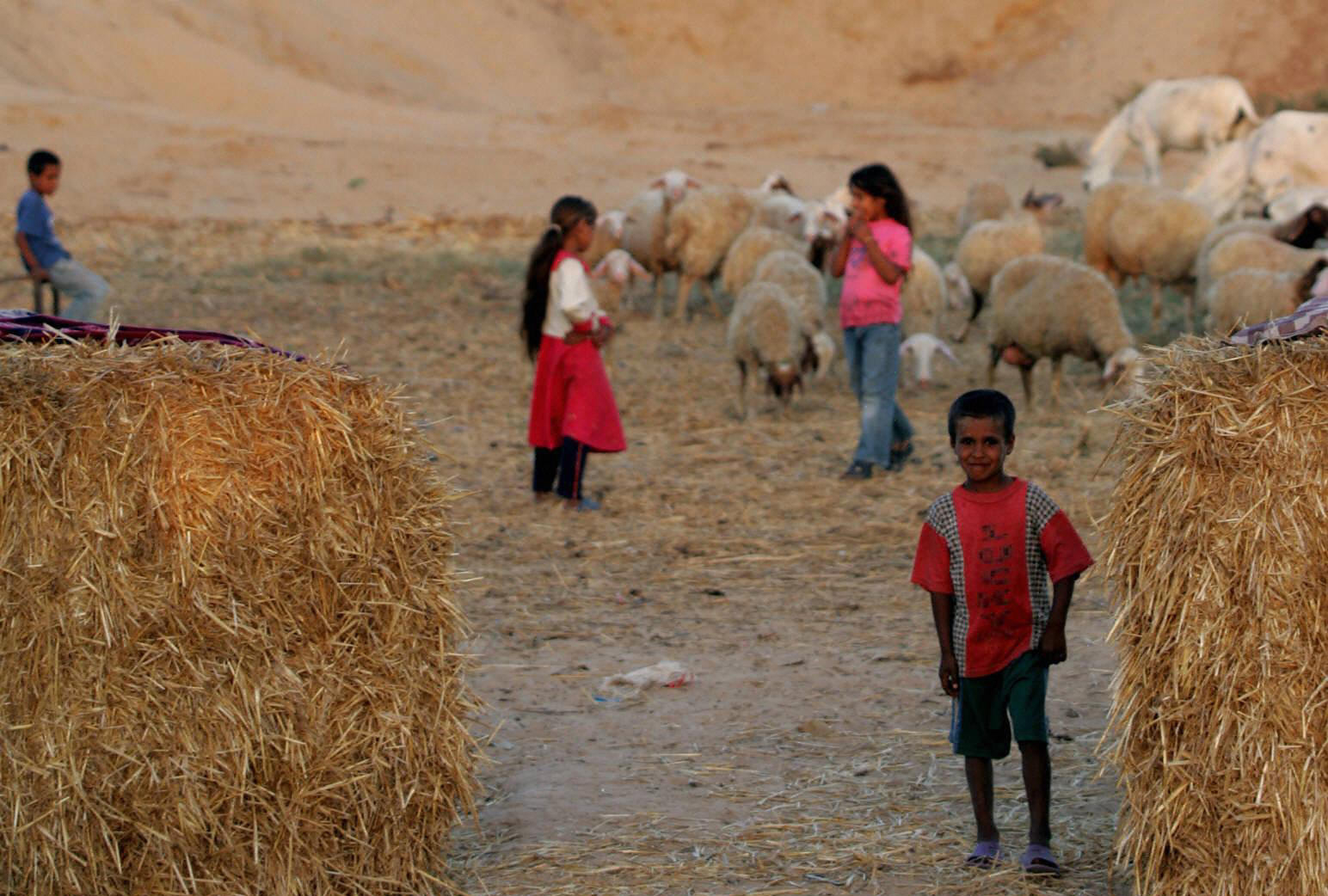
On June 9, hundreds of Hamas security officers raided the village of Umm al-Nasr to destroy several houses, as part of the terror group’s attempt to evict the residents from the area. Hamas claims that the village was illegally built on “state-owned” land. The village was established nearly 80 years ago, long before Hamas was founded in 1988. Pictured: Bedouin children in Umm al-Nasr, in the Gaza Strip, on August 25, 2005. (Photo by Awad Awad/AFP via Getty Images)

While the international community and media continue to condemn Israel day in and day out about a host of grievances, including the demolition of houses built without proper permits, no one seems to be interested in the ongoing human rights violations against Palestinians by the Palestinian Islamist group Hamas.

The United Nations and many foreign journalists are so obsessed with Israel that they have paid no attention to the latest crime committed by Hamas against residents of the Bedouin village of Umm al-Nasr in the northern Gaza Strip. The village was established nearly 80 years ago, long before Hamas was founded in 1988.

On June 9, hundreds of Hamas security officers raided the village to destroy several houses, as part of the terror group’s attempt to evict the residents from the area. Hamas claims that the village was illegally built on “state-owned” land.

The raid on the village, the first of its kind since Hamas’s violent takeover of the Gaza Strip in 2007, triggered clashes between the residents and the officers. The residents threw stones at the officers, who responded by firing live ammunition at the protesters.

At least 25 villagers were injured during the clashes, eight of them from gunfire. Sources in the Gaza Strip said that at least one Hamas officer was injured.

After the violent clashes, Hamas security forces arrested 85 villagers.

The raid on the village came after the Hamas-controlled Land Authority in the Gaza Strip ruled that the residents must be evacuated because they had built their homes on “state-owned” lands. Emad al-Baz, head of the Land Authority, accused the villagers of “transgression” on the disputed land.

Sources in the Gaza Strip said that there are 28 more villages slated for demolition by Hamas on the pretext that they were illegally built on public lands.

Yahya Abu Thariyeh, a resident of Umm al-Nasr, said that dozens of Hamas officers in uniform and civilian clothes who raided the village managed to demolish one house before the violent clashes erupted there. He accused the Hamas officers of using excessive force and raiding several houses without a court order, intimidating the residents, including women and disabled children. “The Hamas security forces prevented the ambulances from entering the village,” Abu Thariyeh recounted.

“Although the [Hamas] security forces brought with them an ambulance, its team refused to provide medical treatment to the injured. That’s why we had to take the injured to hospital in our cars.”

The Palestinian Independent Commission for Human Rights (ICHR) said that it views with great concern the events that took place in the village of Umm al-Nasr, “which led to the injury of a number of citizens and damage to a number of houses.”

The human rights group revealed that members of Hamas’s military wing, Ezaddin al-Qassam, took part in the raid on the village. The force also stormed several houses in the village and arrested 40 civilians, according to ICHR.

An investigation conducted by the human rights group concluded that the Hamas security personnel used excessive force during the confrontations with the villagers.

The group stressed that it is not acceptable for Hamas officers in civilian clothes to participate in such raids.

ICHR called for the immediate release of all the detainees and for launching an investigation into the actions of the Hamas security forces. It also called for holding accountable the security personnel who fired shots and gave instructions to deal with the incident in a violent manner.

While the international community remains silent towards this latest assault by Hamas on its own people, many Palestinians have denounced the terror group.

Hussein Hamayel, a senior official with the Palestinian Authority’s ruling Fatah faction, condemned the raid on the village as a “crime.” He accused Hamas leaders of seeking to lay their hands on lands in the Gaza Strip and divide them among themselves and their loyalists. “Hamas’s actions are aggravating the humanitarian and social crises in the Gaza Strip,” Hamayel said.

Palestinian journalist Hisham Sakallah pointed out that “the violence and oppression perpetrated against the Bedouin villagers reflect a small part portion of what happened 16 years ago when Hamas carried out a coup against the Palestinian Authority and seized control of the Gaza Strip.

Sakallah was referring to the violent clashes that erupted in the Gaza Strip in 2007, during which Hamas men executed Fatah rivals, blew up homes and dragged the body of a senior Fatah member through the streets. They also threw Fatah gunmen from the roofs of tall buildings.

Sakallah praised social media users for shedding light on the Hamas crimes against the residents of Umm al-Nasr. “What bothered and provoked me the most was that the official spokesmen for Hamas did not issue statements,” he remarked.

An unnamed resident of Umm al-Nasr was quoted as saying:

“What happened is a barbaric and brutal Hamas-Iranian attack on the poor people in the Gaza Strip, who have been very patient with the killings, poverty, and hunger resulting from the policies of Hamas. The people of the Gaza Strip have paid with their blood as a result of the policies and practices of Hamas.”

Egyptian writer Ali Rajab pointed out the hypocrisy of Hamas in dealing with the Bedouin communities in Israel and the Gaza Strip. Rajab said that while Hamas has been trying to present itself as the defender of the Bedouin citizens of Israel, it is targeting the Bedouin living under its control in the Gaza Strip by demolishing their homes and confiscating their lands.

Hamas’s ongoing efforts to raze entire villages in the Gaza Strip is seen by many Palestinians as the terror group tightening its grip on the coastal enclave, home to some two million Palestinians. It is also seen by many Palestinians as part of widespread corruption in Hamas, whose leaders want to seize lands for their personal use.

“Hamas is trying to control all the public lands in the Gaza Strip,” said Mahmoud al-Zaq, Secretary-General of the National Work Commission in the Gaza Strip. “Hamas wants the lands in order to carry out its own projects. These lands, however, should be allocated to building hospitals for the Palestinians.”

Hamas’s practices against the Palestinians do not come as a surprise to many Palestinians, especially those who have been living under its repressive regime in the Gaza Strip since 2007. What does continue to surprise many Palestinians, however, is the ongoing silence of the international community, human rights groups, the United Nations, and many mainstream media organizations towards the Hamas crimes.

Had the raid on the Bedouin village in the Gaza Strip been carried out by Israel, we would have seen scores of foreign journalists and the United Nations rush to the area to report about Israeli “crimes” and “ethnic cleansing.”

The residents of the village are unfortunate: they are Palestinians who were attacked by a Palestinian government and Palestinian security forces. The international media, whose representatives often report about the demolition of illegal houses by Israel, are unlikely to report about the plight of the Umm al-Nasr villagers because this is a story lacking an anti-Israel angle — no Jew was involved in the attack on the village in the Gaza Strip.

The foreign journalists and human rights organizations who continue to ignore such oppressive practices by Hamas are doing a massive injustice to the Palestinians living in the Gaza Strip.

By turning a blind eye to the atrocities of Hamas, the journalists and human rights organizations are once again engaging in a dangerous double standard. Their obsession with Israel allows Hamas to persist in committing violent crimes against the Palestinians without receiving negative media coverage — much less being held accountable for pillaging and devastating Palestinian communities.


Khaled Abu Toameh is an award-winning journalist based in Jerusalem.


Zawartość publikowanych artykułów i materiałów nie reprezentuje poglądów ani opinii Reunion’68,
ani też webmastera Blogu Reunion’68, chyba ze jest to wyraźnie zaznaczone.
Twoje uwagi, linki, własne artykuły lub wiadomości prześlij na adres:
webmaster@reunion68.com


U.S. seeks Mideast architecture vs Iran; Israel-Saudi ties expected to improve TV7 Israel News 16.06

U.S. seeks Mideast architecture vs Iran; Israel-Saudi ties expected to improve TV7 Israel News 16.06

TV7 Israel News


1) Foreign Minister Yair Lapid vaguely acknowledges Israel’s warming of ties with the Kingdom of Saudi Arabia.
2) The United States highlights its efforts to broaden regional cooperation to confront the Islamic Republic of Iran.
3) The European Union pledges support for Egypt to tackle growing concerns over food security.


Zawartość publikowanych artykułów i materiałów nie reprezentuje poglądów ani opinii Reunion’68,
ani też webmastera Blogu Reunion’68, chyba ze jest to wyraźnie zaznaczone.
Twoje uwagi, linki, własne artykuły lub wiadomości prześlij na adres:
webmaster@reunion68.com