Archives

Netanyahu: Bible is the ‘foundation for Israel’s eternity’ – TV7 Israel News 29.01.19

Netanyahu: Bible is the ‘foundation for Israel’s eternity’ – TV7 Israel News 29.01.19

  TV7 Israel News


Zawartość publikowanych artykułów i materiałów nie reprezentuje poglądów ani opinii Reunion’68,
ani też webmastera Blogu Reunion’68, chyba ze jest to wyraźnie zaznaczone.
Twoje uwagi, linki, własne artykuły lub wiadomości prześlij na adres:
webmaster@reunion68.com


ANTISEMITISM IS ANTI-AMERICAN

ANTISEMITISM IS ANTI-AMERICAN

ADAM MILSTEIN


Now is the time to go on the offense against hate.

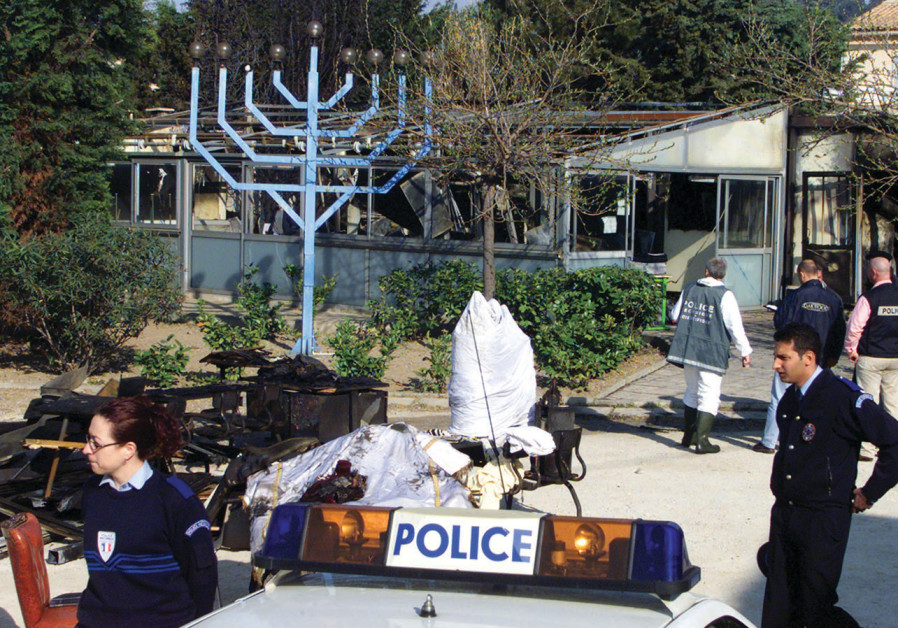
‘IN EUROPE, Jews increasingly experience hate and violence from radical Islamists and their allies.’ French police stand guard as investigators inspect damage to a synagogue after an arsonist set it ablaze overnight in the southern city of Marseille in 2002. (photo credit: REUTERS)

Antisemitism is the world’s oldest hatred, cultivated across cultures, continents and centuries by people with many different agendas. It led to enslavement of Jews in Egypt, forced expulsion during the Spanish Inquisition, pogroms in Poland and Russia, genocide in Nazi Germany, and near extinction in the Muslim world.

This history raises the question: Why do so many people over so many centuries hate Jews? What makes Jewish communities such vulnerable targets?

Many books, documentaries, articles and encyclopedias have been written about the origins of, and reasons for, antisemitism. But the real questions that we must ask today are whether this hatred is exclusively a problem for Jews, and what can the Jewish people do to fight back against and stop this evil.

The answers begin with understanding who antisemites are and what they ultimately want.

Today, antisemitism manifests globally like a monster with three faces, coming from the radical Right, the radical Left and radical Islamists. But a closer look reveals that Jews are not the only, or even the main, target of these extremists. Each one of these radical movements has a bigger vision for our civilization, and their hatred doesn’t discriminate just against the Jews.

In Europe, Jews increasingly experience hate and violence from radical Islamists and their allies – from the French-Syrian jihadist who shot and killed four Jews at a Brussels Jewish museum, to the random zealot, who happened to be a French ISIS member, who murdered Jews in a kosher Paris supermarket in the wake of the Charlie Hebdo shooting by his two close friends, which itself was lethal violence against a European satirical newspaper – a literal attack on freedom of speech.

In Alexandria, Virginia, James Hodgkinson, a radical leftist, attacked a group of congressmen during a baseball practice, seriously wounding US Rep. Steve Scalise, several police officers and bystanders.

At the same time, extremism on the radical Right in America has led to Nazi posters targeting Jewish students, and drove Robert Bowers, a white supremacist terrorist, to gun down 11 Jews at a Pittsburgh synagogue. Pursuant to the just released 2018 ADL Center on Extremism report, domestic right-wing extremists murdered 50 Americans, more people than in any year since 1995. Only one-third of these Americans were Jews.

ANTISEMITES, WHETHER on the far Right, on the far Left or among the radical Muslims, hate Jews for different reasons. However, and most importantly, their hatred is a threat to the core values of American society: democracy, free speech and freedom of religion.

We cannot sit idly by in the face of this imminent threat to not only the well-being of the Jewish people but the values at the heart of Western society.

Understanding, researching and documenting these radical movements are not enough to alert the American people and to motivate them to combat the threat. To stop the growing movements of hate, we need to switch from defense to offense.

In the past, Jews were not able to fight back. This time around, we Jews are better equipped to join our American brothers and sisters and go on the offensive to defeat these radical movements.

From a historical perspective, Jews today have three comparative advantages in the fight against those radical movements: the existence of a Jewish homeland – the State of Israel; the unique strength and resources of the Jewish community in America; and the opportunity to establish a large coalition of many communities that share American values and recognize common enemies.

First, the Start-Up Nation is the most dynamic and powerful shield that the Jewish people has ever known, dedicated to safeguard the Jewish people around the world. Israel is a strong American ally and shares American common values, at the same time that it faces common enemies. The US can draw on Israel’s knowledge and strength to combat radical movements at home.

Second, the Jewish-American community is the most successful immigrant community in the history of the US. Yet we are hesitant to utilize our resources and influence to fight against antisemitism. Jewish leaders must transform our mind-set from risk-averse to going on the offensive. We can use our leadership and resources to become a real game changer to put antisemites on the defensive.

Third, we must educate Jewish-Americans about our personal responsibility to seriously fight hate. The Jews in America need to become active members of the coalitions to fight hate. The Jewish people, better than any other, understands the horrific repercussions of hate, and as a result American Jews have the opportunity to build partnerships and fight shoulder to shoulder with others facing racism, discrimination and bigotry in America.

To combat these radical movements, we must use all legal resources at our disposal to research, analyze, document and act against extremist individuals and organizations that pose serious dangers to our community. We need to be familiar with their agenda, goals and objectives. We need to expose their illegal activities, learn about their plans, and alert the appropriate authorities, organizations and the media. We must create real-time tools to prevent and stop extremist attacks.

The Center for Combating Hate in America (C4CHA.org), a newly founded watchdog group and action center, is bringing these strategies together, leading the charge against violent radical movements in America. It will diminish the influence of hate groups and bigots by researching their members, networks and activities, exposing their work to the public, and alerting authorities to imminent threats stemming from radicals and extremists.

It’s about time we stop being passive and risk-averse. We must respond to all violent hate attacks with strength and unity. We should go on offense and join forces with other allies to combat this evil at all costs.


The writer is an Israeli-American philanthropist. adam@milsteinff.org


Zawartość publikowanych artykułów i materiałów nie reprezentuje poglądów ani opinii Reunion’68,
ani też webmastera Blogu Reunion’68, chyba ze jest to wyraźnie zaznaczone.
Twoje uwagi, linki, własne artykuły lub wiadomości prześlij na adres:
webmaster@reunion68.com


Tniyeleh | שלום למר – תנועה’לה

Tniyeleh | שלום למר – תנועה’לה

Shulem Lemmer


Tniyeleh is the last track off Shulem Lemmer’s widely received debut album, Shulem. Composed and written by Hershy Rottenberg, this track takes listeners through the individual moments of reflection and spiritual yearning felt during the times spent in the presence of a Rebbe. In this piece, Shulem’s vocals and poignant lyricism truly evoke a sense of finality, peace, closure, and remembrance during this special time. The music for this track was arranged by the album producer Yochi Briskman and is accompanied by the Shira Choir arranged by Yoely Horowitz. Shulem partnered with GCNY Marketing and Sharp Productions to create a music video that can be universally appreciated, honoring each listener’s unique, individual journey.

Lyrics:

אויפן וועג אהיים, צוזאמען ביים רבי’ן פארברענגט,
אויפן וועג אהיים, השפעות אונז געשענקט,
יעצט בין איך איינער אליין, אוי מיין הארץ עס בענקט,
יעצט בין איך איינער אליין, אבער דעם תנועה איך געדענק.

אה אה…שלו’

קומט א שווערע צייט, פון באשעפער אזוי ווייט
קומט א שווערע צייט, נסיונות פון יעדער זייט
ביים עמוד איינער אליין, זעה איך מיין רבי שטיין
ביים עמוד איינער אליין, זינגט זיך דעם תנועה מלא חן.

אה אה …שלו’

איי איי איי דעם תנועה’לע, אפילו ווען איך בין ווייט
איי איי איי דעם תנועה’לע ס’ווארעמט אן מיין הארץ.

אה אה …שלו’

Translation:

On the way home from the Rebbe together
On the way home, we got so many positive influences
Now I am alone and my heart pines
Now I am alone but I remember the tniyeleh*

Ah, ah…

When a hard time comes, from the Creator Who seems so far
When a hard time comes, tests from every side
I see the Rebbe standing himself by the lectern
I see the Rebbe alone, singing the tniyeh, so beautifully

Ah, ah…

Ay, ay, ay, the tniyeleh, even when I’m far away
Ay, ay, ay, the tniyeleh warms my heart

Ah, ah…

*A Tniyeleh is a short soulful tune sung without words.


Zawartość publikowanych artykułów i materiałów nie reprezentuje poglądów ani opinii Reunion’68,
ani też webmastera Blogu Reunion’68, chyba ze jest to wyraźnie zaznaczone.
Twoje uwagi, linki, własne artykuły lub wiadomości prześlij na adres:
webmaster@reunion68.com


Could an immunotherapy treatment from Israel cure cancer?

Israel21cCould an immunotherapy treatment from Israel cure cancer?

Brian Blum


Purified, activated immune cells from a healthy donor are injected into the recipient until the immune system can hunt down cancer cells on its own.
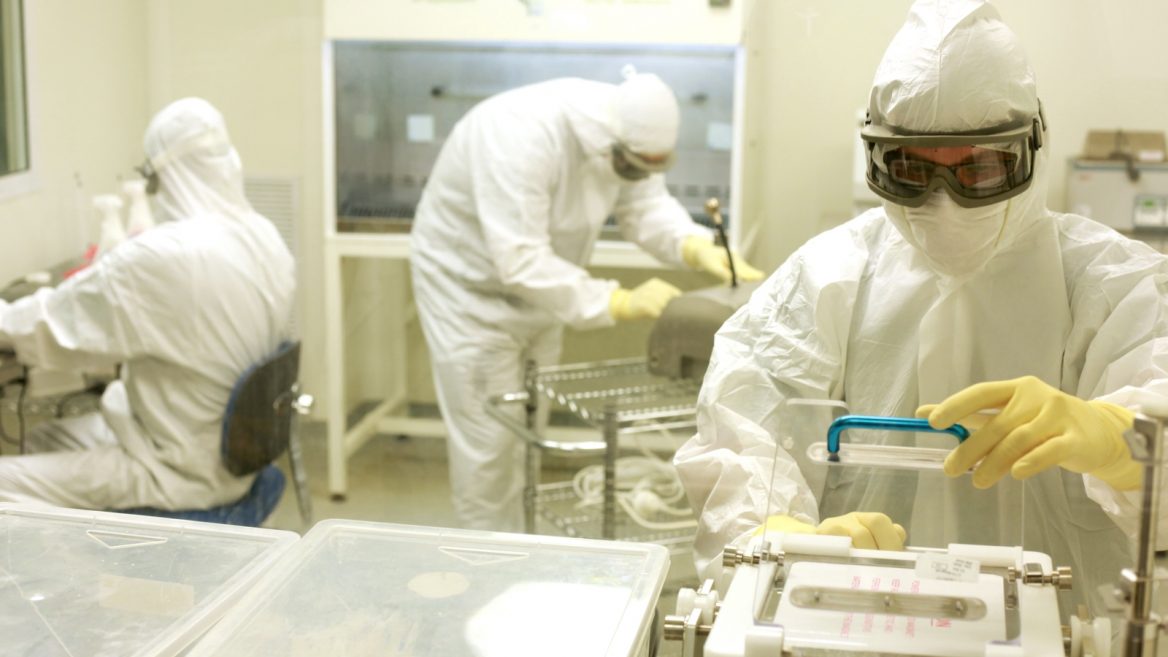
The “clean room” at Immunovative. Photo: courtesy

Ten years ago, Dr. Michael Har-Noy, founder and CEO of a Jerusalem-based startup developing an immunotherapy treatment that could potentially cure cancer, lamented that the fight against the dreaded disease “is a battle we are losing.” Today, Har-Noy’s company is getting closer to turning the tide.

In the past decade, Immunovative Therapies has conducted dozens of clinical trials, opened branches in California, Arizona and Thailand, and raised $35 million.

But the biggest boost came from the publicity surrounding immunotherapy pioneer Jim Allison, who won this year’s Nobel Prize in chemistry.

Ten years ago, “We couldn’t get a venture capitalist to open a business plan if they saw the words ‘immunotherapy.’ They’d say, ‘That doesn’t work in cancer,’” Har-Noy tells ISRAEL21c.

Following Allison’s work that proved immunotherapy’s efficacy, “anyone with ‘immune’ in their name is now able to raise funds,” Har-Noy says.

Indeed, consulting firm Transparency Market Research predicts that the global market value of cancer immunotherapy drugs will reach $124 billion by 2024.

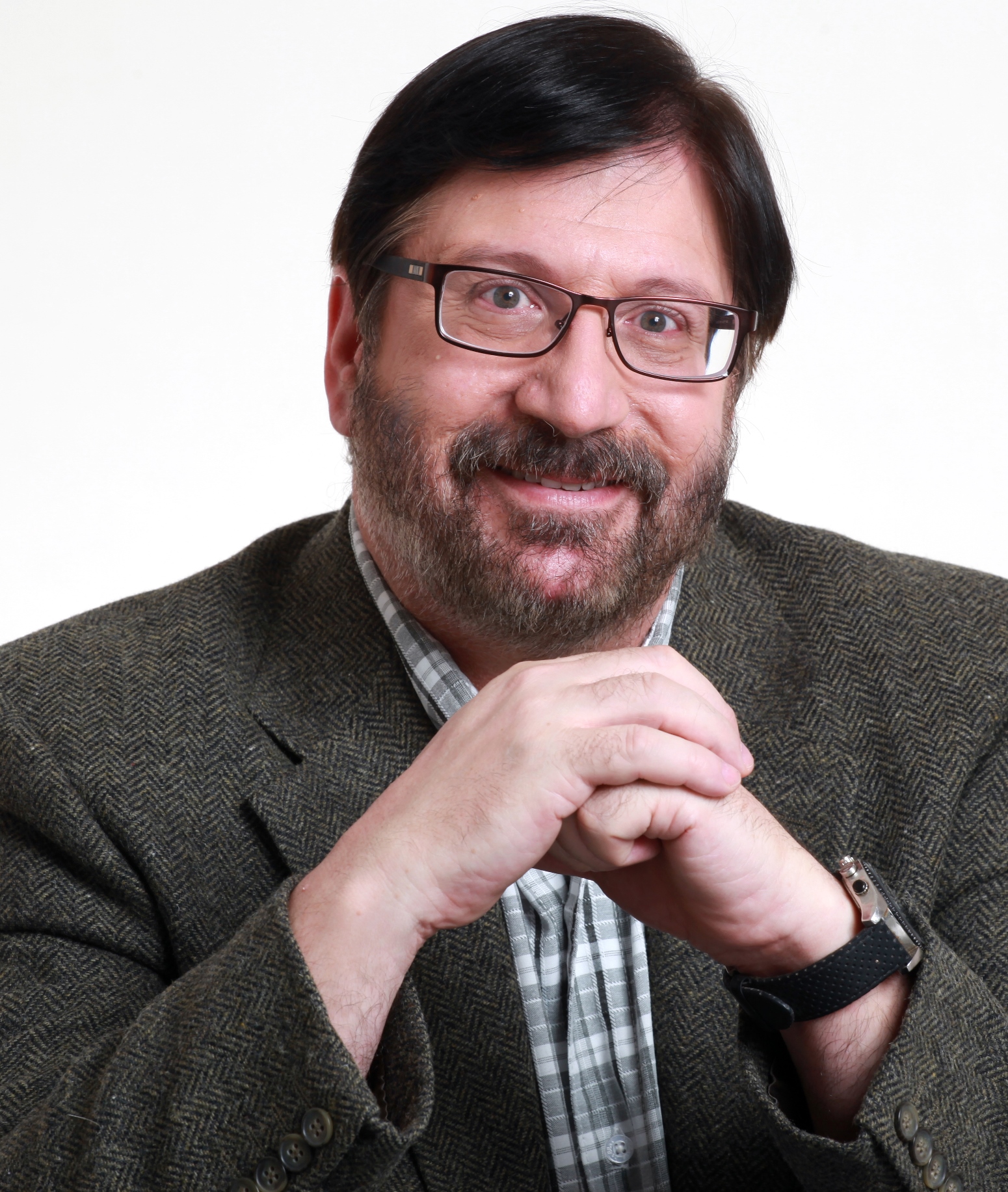
Dr. Michael Har-Noy, founder
of Immunovative Therapies. Photo: courtesy
Is the excitement warranted? After all, science is filled with promising approaches that don’t pan out in the end. In the case of immunotherapy, the answer seems to be yes. Immunotherapy is the only current mode of treatment that could actually cure cancer, Har-Noy says.

Unlike chemotherapy, which as its name implies uses noxious chemicals to kill cancer cells (along with a lot of healthy ones), immunotherapy enlists the body’s own immune system to do the heavy lifting.

Moreover, while chemotherapy is often effective, it’s not always permanent. If even a single cancer cell survives, it can begin to replicate and start the process of tumor-building all over again.

The goal with immunotherapy is to “train” the immune system to hunt down and destroy every last cancer cell, including those in metastatic tumors resistant to chemotherapy.

However, today’s immunotherapy drugs “only work in 20 percent of patients,” Har-Noy says. “And they’re still toxic. That means 80 percent of patients get no clinical benefit but they get the toxicity.”

Nor does immunotherapy work in some cancers – including colorectal cancer, which is among the three biggest killers worldwide. That’s one reason Immunovative is focusing first on tackling bowel, colon and liver cancers.

There are relatively few drugs to treat colorectal cancer and “the ones that exist are relatively ineffective, only extending life by a matter of months, not years,” explains Har-Noy.

Immune cells from a healthy donor

The Immunovative process starts by collecting immune cells from a normal, healthy donor. There’s no need to “match” the donor cells to the recipient.

Immunovative technicians purify and culture the donor’s healthy T-cells in a bioreactor, which causes them to multiply and activate without any genetic engineering or manipulation. Immunovation has a patent on the new immune cells, which it calls AlloStim.

The AlloStim cells are next injected into the cancer patient. While the body will reject these alien cells, subsequent injections lead the patient to develop immunity to the foreign cells and to create more of a particular type of immune cell called “memory Th1,” which is normally suppressed in cancer patients.
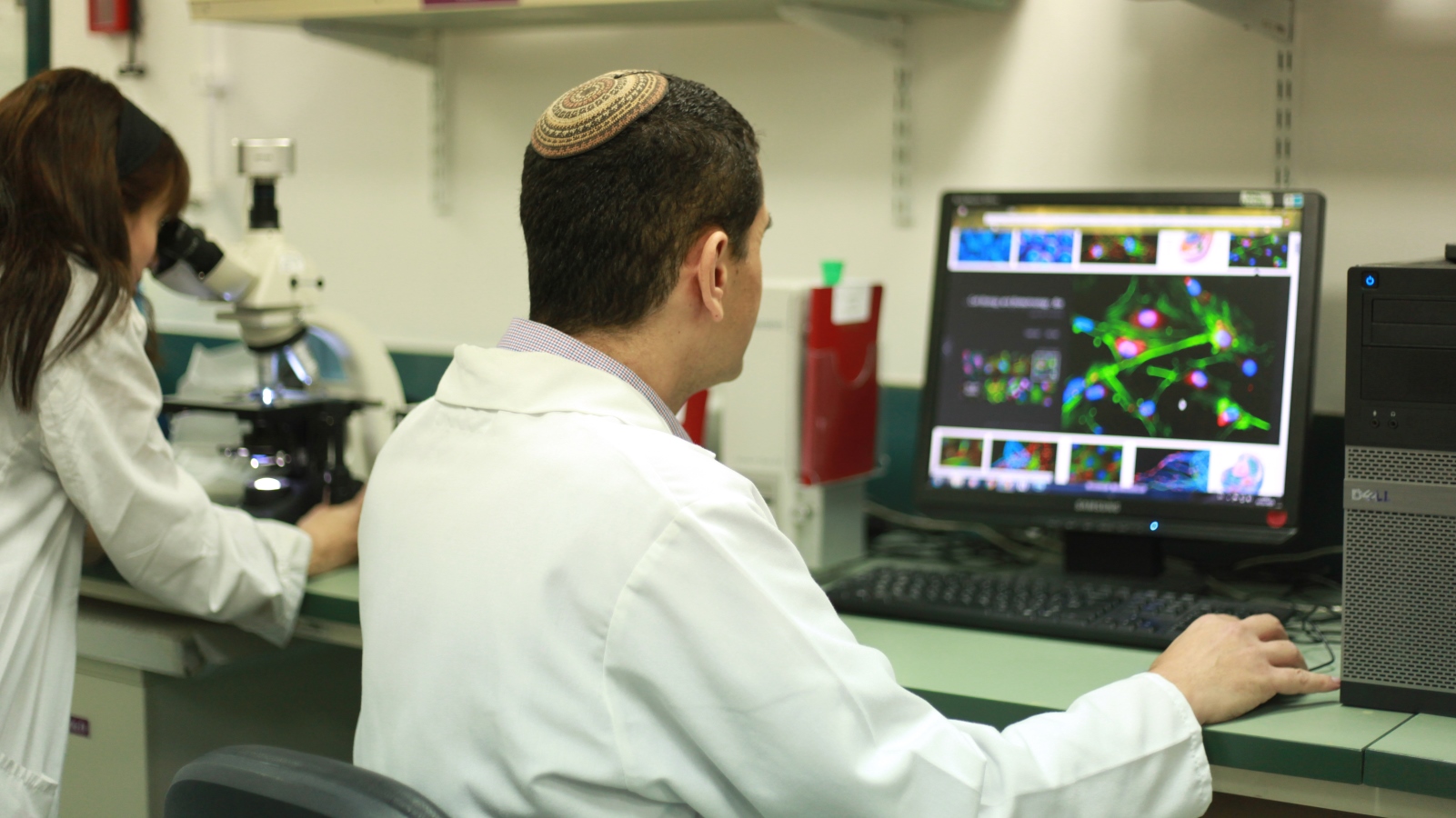
Immunovative lab technicians at work in Jerusalem. Photo: courtesy

The final step is injection of AlloStim intravenously. The body’s new abundance of Th1 cells rush to the tumors and, in conjunction with existing “natural killer” cells, begin decimating the tumors. As more AlloStim is injected, the body creates its own tumor-specific Th1 immune cells, essentially vaccinating itself against the cancer.

The AlloStim process also “teaches” the immune system to seek out similar cancerous tumors throughout the body. This means it will spring into action any time it detects the same type of cance, even years after treatment.

One donor can potentially produce enough cells to treat up to 1,000 patients, making the resulting drug affordable even to economically disadvantaged patients.

In addition to AlloStim, Har-Noy and his team are working on a cancer vaccine called CryoVax that combines AlloStim with cryoablation (a process where a tumor is killed inside the body using extreme cold) for tumors that resist initial treatment, as well as a personalized cancer vaccine dubbed AlloVax.

In addition to cancer, Immunovative’s treatment is now being tested on five HIV-positive patients. While the clinical trial is small, “the results are very promising,” Har-Noy says.

Do no harm

Har-Noy became interested in the immunology of cancer while in medical school, when he saw patients getting chemotherapy and doctors spending a lot of their time treating the side effects of the chemo. Seeing patients suffer so horribly didn’t square with his understanding of the Hippocratic Oath of physicians to “do no harm.”

Science understands how the immune system works with certain viruses and bacteria. “So I thought if we could harness and control it, why not with cancer, too?” he wondered. “That became my life’s work.”

Har-Noy immigrated to Israel in 2003, and launched Immunovative in 2004 at Hadassah Medical Center in Jerusalem. A $300,000 grant from Israel’s Chief Scientist allowed Har-Noy to do trials on monkeys.

In 2009, the US Food and Drug Administration (FDA) gave Immunovative permission to begin human trials. Har-Noy opened a clinic in the San Diego area.

“But just before the first patients arrived, we hit a regulatory glitch,” Har-Noy recalls. “The FDA said we needed preclinical data from not one but two animal models.”

Immunovative’s California lab had signed up some “very sick patients with very high tumor burdens, most of them bedridden.” Har-Noy didn’t want to start all over again in animals. That’s how the company got to Thailand.

“A colleague of mine from medical school was appointed as head of the clinical trial unit at the National Cancer Institute of Thailand,” Har-Noy explains. The Thai government gave Har-Noy permission to treat seven patients in California and the FDA agreed to use that data in lieu of the second animal model.

The Southeast Asia connection was not just opportunistic. According to the World Health Organization, almost half of all new liver cancer cases occur in China.

“Liver cancer is endemic in that part of the world,” Har-Noy says. “It’s four times the frequency of the US, probably because of hepatitis B infections in young people who are now aging.”

Of the 42 patients in the San Diego clinical trial for Immunovative, 11 survived for a year, nine were still alive after two years and four are still with us after four years.

“These patients had about a 60-day life expectancy,” Har-Noy points out. “The data was pretty surprising.”

Immunovative now has a facility in Phoenix, opened to collaborate with a leading researcher who lives in Arizona and is associated with MD Anderson Cancer Center. Har-Noy divides his time between Jerusalem, Phoenix and Thailand.
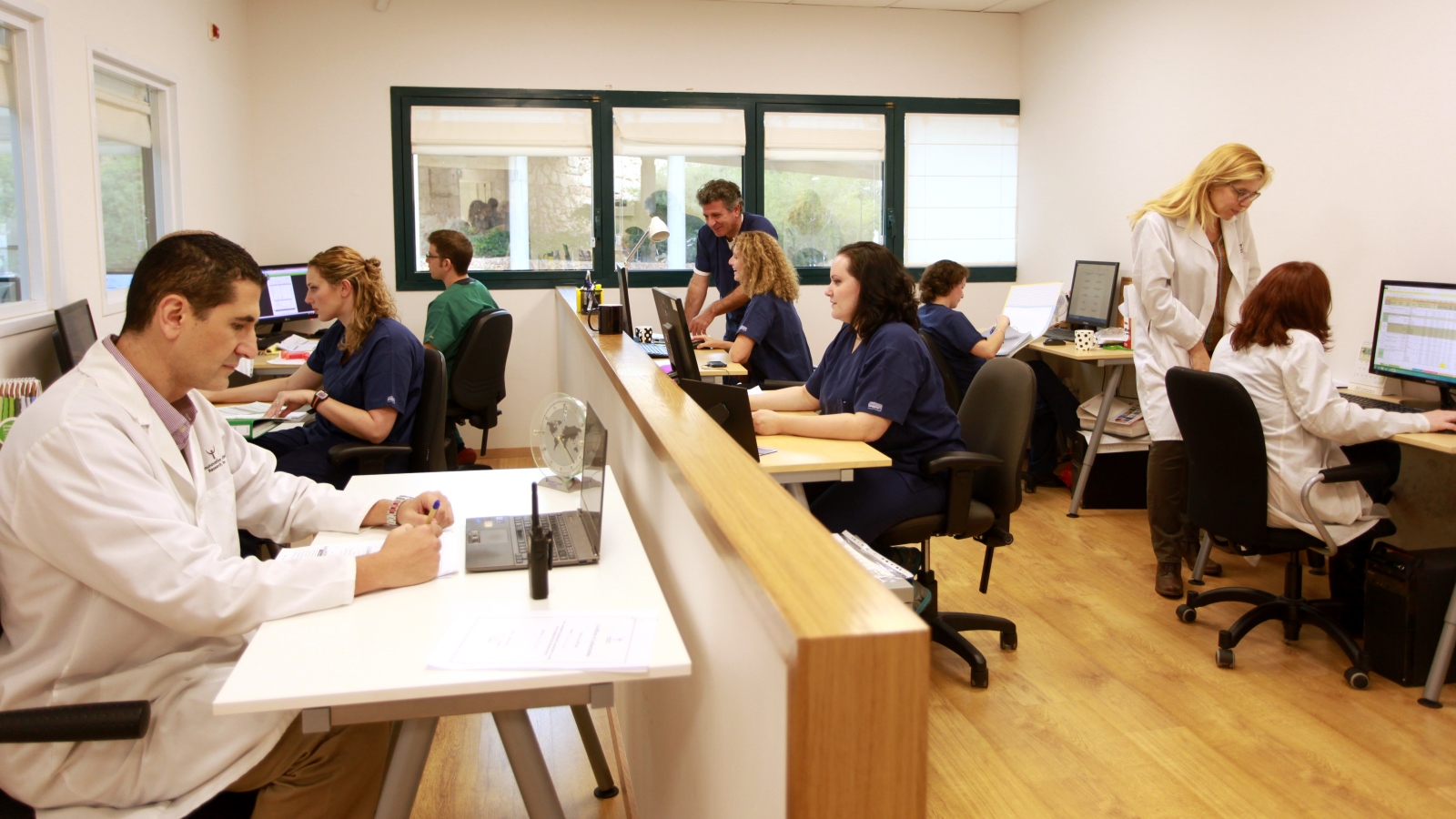
Immunovative employs teams in Jerusalem, Phoenix and Thailand. Photo: courtesy

“I have 1.4 million frequent flyer miles on United and another 800,000 on El Al,” he quips. The company employs 25 in Jerusalem’s Malcha Technology Park, 12 in Phoenix and eight in Thailand.

Immunovative has 200 people currently enrolled in clinical trials. In 2019, the company will be looking to raise up to $30 million to launch phase III studies, hire a professional pharmaceutical management team and develop an automated production system. An IPO in the next few years is also on Har-Noy’s radar.

For more information, click here


Zawartość publikowanych artykułów i materiałów nie reprezentuje poglądów ani opinii Reunion’68,
ani też webmastera Blogu Reunion’68, chyba ze jest to wyraźnie zaznaczone.
Twoje uwagi, linki, własne artykuły lub wiadomości prześlij na adres:
webmaster@reunion68.com


PM Netanyahu Meets with Leaders in the Arab World

PM Netanyahu Meets with Leaders in the Arab World

  ILTV ISRAEL DAILY


ILTV ISRAEL DAILY Publicerades den 14 feb. 2019


Dr. Mordechai Kedar, Begin-Sadat Center for Strategic Studies, Bar Ilan University is in ILTV studios speaking about Prime Minister Netanyahu and his statements that the meetings in Warsaw have been hailed as nothing less than historic.
Kategori


Zawartość publikowanych artykułów i materiałów nie reprezentuje poglądów ani opinii Reunion’68,
ani też webmastera Blogu Reunion’68, chyba ze jest to wyraźnie zaznaczone.
Twoje uwagi, linki, własne artykuły lub wiadomości prześlij na adres:
webmaster@reunion68.com