Archives

Newly found Dead Sea Scrolls cave was plundered in 1950s

Newly found Dead Sea Scrolls cave was plundered in 1950s

Yori Yalon


Small cave near Qumran contained parchment scroll dating back to Second Temple era, organic matter, and the tools thieves used to break the clay jugs that held scrolls • Scroll called “one of the most significant Qumran cave finds in the past 60 years.”

An archaeological excavation at a cave near Qumran, in the Dead Sea region, in January has turned up the first evidence of a store of Second Temple-era scrolls that were cached in the cave and apparently stolen by local Bedouin at some point in the 1950s. The findings make the cave the 12th such cache of Dead Sea scrolls.

The dig unearthed a large clay scroll jar from the time of the Second Temple that contained a piece of parchment that had been turned about three times. The discovery made waves as the first new evidence of scrolls found in clay jars to be unearthed in some 60 years. In a niche near the jug that contained the scroll, archaeologists found two pickaxe heads that had been used to steal the rest of the scrolls from the jugs six decades ago.

“Although at the end of the day no scroll was found, and instead we ‘only’ found a piece of parchment rolled up in a jug that was being processed for writing, the findings indicate beyond any doubt that the cave contained scrolls that were stolen. The findings include the jars in which the scrolls and their covering were hidden, a leather strap for binding the scroll, a cloth that wrapped the scrolls, tendons and pieces of skin connecting fragments, and more,” said Dr. Oren Gutfeld.

The parchment scroll was taken to the restoration and conservation laboratory at the Institute of Archaeology at the Hebrew University of Jerusalem, from where it was transferred to the Israel Antiquities Authority’s scroll preservation laboratory. The IAA examination of the scroll revealed that it was blank, and researchers think the parchment had been in the process of being prepared to be used as a writing surface.

Gutfeld and Ahiad Ovadia from the Hebrew University of Jerusalem directed the excavation with the help of Dr. Randall Price and students from Liberty University in Virginia; Hanania Hizmi, head of the Judea and Samaria archaeology branch of the Civil Administration; the IAA; and the Israel Nature and Parks Authority.

Gutfeld said that “this exciting excavation is the closest we’ve come to discovering new Dead Sea scrolls in 60 years. Until now, it was accepted that Dead Sea scrolls were found only in 11 caves at Qumran, but now there is no doubt that this is the 12th cave.”

Other findings included organic matter that had been well-preserved thanks to the area’s dry climate conditions, such as olive pits, dates, and nuts of different varieties.

Israel Hasson, director general of the IAA, said, “The important discovery of another scroll cave attests to the fact that a lot of work remains to be done in the Judean Desert and finds of huge importance are still waiting to be discovered.

“We are in a race against time as antiquities thieves steal heritage assets worldwide for financial gain. The State of Israel needs to mobilize and allocate the necessary resources in order to launch a historic operation, together with the public, to carry out a systematic excavation of all the caves of the Judean Desert.”


twoje uwagi, linki, wlasne artykuly, lub wiadomosci przeslij do: webmaster@reunion68.com



Dlaczego organizacje pokojowe polegają na “alternatywnych faktach”?

Dlaczego organizacje pokojowe polegają na “alternatywnych faktach”?

Emanuel Miller
Tłumaczenie: Małgorzata Koraszewska


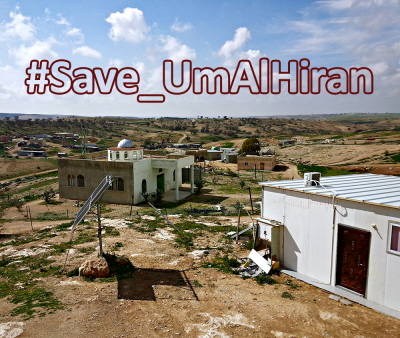
W zeszłym tygodniu zaproszono mnie do Al Dżaziry, żebym opowiedział o wsi beduińskiej, Umm al-Hiran. Zaszokowało mnie to, co odkryłem, przygotowując się do tego programu.

Z “Haaretz” dowiedziałem się, że mieszkańcy Umm al-Hiran zostali tam przeniesieni przez Izraelskie Siły Obronne (IDF) w 1956 r. Niemniej, według znanej izraelskiej organizacji praw człowieka, Adalah, ponad 60 lat później Izrael nie uznaje tej wsi i stara się przesiedlić Beduinów, zniszczyć budynki i zbudować w tym miejscu “żydowskie miasto”.

Brzmi strasznie, prawda?

Wstrząsnęła mną ta lektura. Czy mój kraj naprawdę może być tak bezduszny? Czy jest możliwe, że ci ludzie są bezlitośnie wyrzucani ze swoich domów, a reszta populacji pozostaje obojętna? Przez moment zamartwiałem się, że zgodziłem się bronić czegoś, co jest nie do obrony.

W miarę jednak jak znajdowałem więcej informacji, wyłaniał się radykalnie odmienny obraz. Okazuje się, że opowieść szerzona przez Adalah i powtarzana przez „Haaretz” wprowadza w błąd, ujmując to najbardziej łagodnie. Choć Beduini zostali istotnie przeniesieni do Um al-Hiran w 1956 r., ziemia została im wydzierżawiona. Nigdy nie była ich ziemią. Ponadto Izrael wybudował dla tego plemienia permanentne domy w pobliskiej miejscowości Hura i zaoferował mieszkańcom Ummal-Hitan możliwość przeniesienia się tam za darmo, jak również otrzymania rekompensaty za spowodowaną niewygodę. Jak dotąd dwie trzecie populacji zaakceptowało to rozwiązanie i przeniosło się do Hura.

Dalej jest jeszcze ciekawiej. Rzekomo “żydowskie” miasto budowane na miejscu Umm al-Hiran będzie w rzeczywistości otwarte dla ludzi wszystkich, bez względu na przynależność etniczną, kolor skóry czy wyznanie. Obecna ludność Umm al-Hiran będzie mogła mieszkać w tym mieście, jeśli będą mieli na to ochotę. Naturalnie, w wersji podawanej przez Adalah nikt o tym wszystkim nie wspomina.

W związku z obroną Izraela powiedziano, że uprawiam hasbarę, nazywano mnie propagandzistą i kłamcą. W rzeczywistości, kiedykolwiek mówię o Izraelu, staram się mówić prawdę zamiast odruchowo wszystko usprawiedliwiać. Nie mam zamiaru wybielać win Izraela. Traktuję poważnie twierdzenia przeciwko Izraelowi i nie zbywam ich automatycznie. Jako człowiek przekonany, że najlepszym adwokatem jest uczciwy adwokat, uważam, że ważne jest rozpoznanie błędów i wad. Tak więc, kiedy przedstawiono mi poważne oskarżenia dotyczące zachowania Izraela wobec jego populacji beduińskiej, potraktowałem je poważnie.

Proszę sobie wyobrazić moją frustrację, kiedy zrozumiałem, że zostałem oszukany. Twierdzenie, że Beduinów wyrzuca się z „ich” ziemi, jest zwyczajnie nieprawdą. I żadne „żydowskie” miasto nie jest budowane zamiast Umm al-Hiran. Jest w najwyższym stopniu irytujące, kiedy traktujesz kogoś poważnie, a potem odkrywasz, że ten ktoś próbuje cię omamić.

Przez ostatni rok zainwestowałem wiele godzin na wysłuchanie organizacji “zwalczających okupację”. Zeszłego lata dołączyłem do wielu wypraw organizowanych przez czołowe lewicowe grupy izraelskie, włącznie z Machsom Watch, Breaking the Silence i Ir Amim. Raz za razem słyszałem, jak te organizacje opowiadały niepokojące historie i fakty próbując przekonać łatwowiernych turystów europejskich i amerykańskich o prawości ich sprawy. I raz za razem odkrywałem, że te opowieści były zwyczajnym oszustwem.

Znakomitym przykładem są wyprawy organizowane przez Breaking the Silence na górzysty teren Południowego Hebronu. W Susija zabierają turystów do studni – otworu w ziemi o powierzchni około metra kwadratowego. Kiedy stałem tam, przewodnik wyjaśniał, że Izraelskie Siły Obronne wepchnęły do studni cały pojazd. „Tutaj, jeśli spojrzycie, głęboko w środku jest samochód subaru – twierdził. – Wepchnęli go do środka, żeby zatruć studnię”. Oderwane drzwi białego samochodu leżały na ziemi przy otworze.

Brzmiało to okropnie. Początkowo byłem zaszokowany. Jest tylko jeden problem: jak zaświadczy każdy, kto tam był, nie widać żadnego samochodu. A to dlatego, że nie ma tam żadnego samochodu. Wspomniane drzwi to tylko oszukańczy, strategicznie umieszczony rekwizyt. Kiedy zastanowiłem się przez moment, zrozumiałem całkowitą niemożliwość wepchnięcia całego samochodu przez otwór o powierzchni jednego metra kwadratowego. Jednak wielu ludzi po prostu ślepo akceptuje tę historię.

Innym razem Breaking the Silence zamieściła na swojej stronie Facebooka opowieść o rodzinie palestyńskiej, która osiem razy w ciągu jednego roku dostała nakaz opuszczenia swojego domu, żeby armia mogła przeprowadzać w pobliżu ćwiczenia. W tym czasie byłem częścią My Truth, organizacji, która obaliła wiele kłamstw Breaking the Silence. Chociaż już wtedy nie miałem cienia zaufania do tej organizacji, to twierdzenie było zbyt mocne, by je zignorować. Niepokoiła mnie możliwość, że IDF działała tak bezwzględnie.

Chcąc zweryfikować sprawę, powiedziałem mojemu szefowi o moim niepokoju i o tym, że powinniśmy zachować ostrożność, bo armia mogła rzeczywiście oznaczyć ziemię tej rodziny jako część poligonu. Doradzałem, że sprawę należy zbadać. I zrobiliśmy to. Zdobyliśmy fotografie lotnicze tego terenu od 1999 do 2016 r. Odkryliśmy, co naprawdę się zdarzyło: podczas gdy fotografia z 2016 r. wyraźnie pokazuje stojące tam domy, zdjęcia z 1999 r. pokazują niezamieszkałą ziemię. Był to rok, kiedy teren ogłoszono zamkniętą strefą militarną i nie było tam wówczas żadnej wsi palestyńskiej. Ta rodzina świadomie postanowiła zamieszkać na poligonie, wbrew zarówno prawu, jak zdrowemu rozsądkowi. Mówiąc po prostu: twierdzenie Breaking the Silence o manewrach i używaniu tego jako pretekstu do wysiedlenia rodziny, było bezczelnym kłamstwem.

Al Dżazira była ostatnią kroplą. Raz za razem przez ostatni rok stykałem się z szokującymi opowieściami lewicowych organizacji „pokojowych”. Raz za razem odkrywałem, że choć niektóre z nich wymagały wzięcia pod uwagę, wiele było wyraźnie zmanipulowanych lub fikcyjnych. Poza faktem, że te oszukańcze opowieści są obrazą dla naszej inteligencji, podsycają one nieufność i nienawiść do Izraela.

Kiedy zaproszono mnie do Al Dżaziry, martwiłem się, że będę musiał bronić tego, co nie jest do obrony. Ale im więcej dowiadywałem się, tym większe ogarniało mnie obrzydzenie. Kiedy Izrael jest atakowany nieustannie w salach ONZ i w światowych mediach, przynajmniej organizacje „pokojowe” mogłyby ograniczyć swoją krytykę Izraela do rzetelnych relacji.

Kłamstwa, szkalowanie i krokodyle łzy Adalah i Breaking the Silence utrudniają osiągnięcie pokoju. Zamiast podsycać dialog, pogłębiają podziały. Pora, by wyrzekły się swoich alternatywnych faktów.


Emanuel Miller
Izraelski bloger, działacz w pozarządowej organizacji My Truth, skupiającej żołnierzy i byłych żołnierzy izraelskich i dokumentującej fałszywe informacje o izraelskiej armii.
Autora można również obserwować na jego stronie Facebooka: www.facebook.com


twoje uwagi, linki, wlasne artykuly, lub wiadomosci przeslij do: webmaster@reunion68.com


Moving the US Embassy to Jerusalem May Save the Temple Mount

Moving the US Embassy to Jerusalem May Save the Temple Mount

  Pini Dunner


The Temple Mount in Jerusalem. Photo: Wikipedia.The Temple Mount in Jerusalem. Photo: Wikipedia.

This past Monday, I arrived in Israel to begin a whirlwind tour with 30 millennial Evangelical pastors from across the United States. All but two of them were on their first trip to Israel. The experience was both breathtaking and heartwarming. None of the pastors on the mission was a seasoned “Christian Zionist,” but all had a passion for the Bible, for the land of the Bible and for the People of the Book that puts our own religious feelings about Israel to shame. We have a lot to learn from our Christian brethren.

There were many highlights of the trip — too many to fit into this short dispatch. Instead, I would like to use the limited space to focus on Jerusalem, and particularly our visit to the Temple Mount. I would also like to reflect on the ongoing debate and discussion in diplomatic circles and the media about moving the United States Embassy from Tel Aviv to Jerusalem.

You can hardly swing a cat in Jerusalem without hitting a holy shrine or an archaeological dig that is deeply meaningful to one religion or another — or, indeed, to all of them. We visited many such holy sites, and must have certainly passed many others unknowingly — seemingly meaningless piles of collapsed masonry covered in moss.

There was only one site that we visited that made us all angry. On Wednesday morning, we patiently waited in line at the security booth next to the Western Wall, and after a few minutes walked up the temporary wooden walkway onto the Temple Mount. Our hour-long visit was an exercise in frustration and disillusionment. We were all immediately struck by the shabby condition of this ancient site. Wherever you look it is dirty and grubby, and all the buildings are in an absolutely dreadful condition — including, shockingly, the two mosques, which are ostensibly the third holiest prayer shrines of the Islamic faith.

I have seen the Temple Mount from afar thousands of times, but this was my first-ever visit, and it was the first time that I was able to take a closer look at the holiest geographic location of Judaism. What a disappointment it turned out to be.

I must admit: I had always imagined the Temple Mount to be an awesome and impressive place. Over the years, I have had the privilege to visit many well-known national heritage sites all over the world — in countries such as Italy, France, Greece, China and of course countless sites in Israel — all of them revered and cherished, protected and lovingly treated by their national or religious patrons, who clearly see their own collective dignity and beauty reflected in the way their precious monuments appear to visitors and outsiders.

Like you, I have seen pictures of Mecca and Medina, the two holiest shrines of Islam. In Mecca, the Masjid al-Haram — the “Great Mosque of Mecca” — has gone through numerous facelifts, and is purported to be one of the most beautiful and well-maintained religious shrines in the world. In Medina, the Al-Masjid an-Nabawi — the “Prophet’s Mosque” — although more modest than its Mecca counterpart, is a wonderful prayer space, visited by most of the annual Hajj pilgrims after their time in Mecca.

Considering that the Al-Aqsa Mosque on Temple Mount is the third holiest shrine on the Muslim holy shrine shortlist, one would imagine that its treatment and appearance would reflect the care and attention devoted to the two primary mosques of Islam. I expected the same of the Mosque of Omar, or the “Dome of the Rock”, whose copper cupola dominates the Jerusalem skyline. How shocking it was, therefore, that these two ancient shrines are so dilapidated, and the plaza on which they stand is so badly maintained. As one of the pastors put it to me, how hard would it be to pressure-wash the flagstone floor of the Temple Mount plaza once a week so that it looked clean and fresh? And why are there discarded chairs and sun umbrella stands standing abandoned in a Muslim holy site?

The Western Wall may represent the sad remnant of our destructed Temple, but the depth of spirituality and dignity of this diminished spot far outshines the atmosphere on the Temple Mount. Spiritually the place seems dead. No joy. No love. No warmth. Everywhere else, Jerusalem is a bustling city, full of spiritual yearning and religious longing. The Temple Mount is the opposite — stagnant and negative.

For me, it hammered home the point of how important it is for the world to recognize Jerusalem as the capital of Israel, and for the US Embassy to move there as soon as possible. This is not and has never been about Islamic claims on Temple Mount. This is all about the forces of evil trying to thwart God’s plan for humanity under the fraudulent guise of religious respect.

So as not to end on such a sour note, let me conclude by saying that since I have been to the Temple Mount and seen it so decrepit, and so devoid of God’s presence, actually I feel elated and happy rather. This is just like Rabbi Akiva, who the Talmud records told his friends after they had all observed the desolation of the Temple Mount, that he felt joyous knowing that the prophecies of destruction had come to pass, and that consequently, so too would the prophecies of salvation, liberation, redemption and resurrection become reality.


twoje uwagi, linki, wlasne artykuly, lub wiadomosci przeslij do: webmaster@reunion68.com