Archive | November 2019

HIGH COURT APPROVES ALEXEI BURKOV’S EXTRADITION TO U.S

HIGH COURT APPROVES ALEXEI BURKOV’S EXTRADITION TO U.S

YONAH JEREMY BOB


Last week, the Russian hacker and Naama Issachar had both requested the High Court to block the hackers’ extradition to the US.
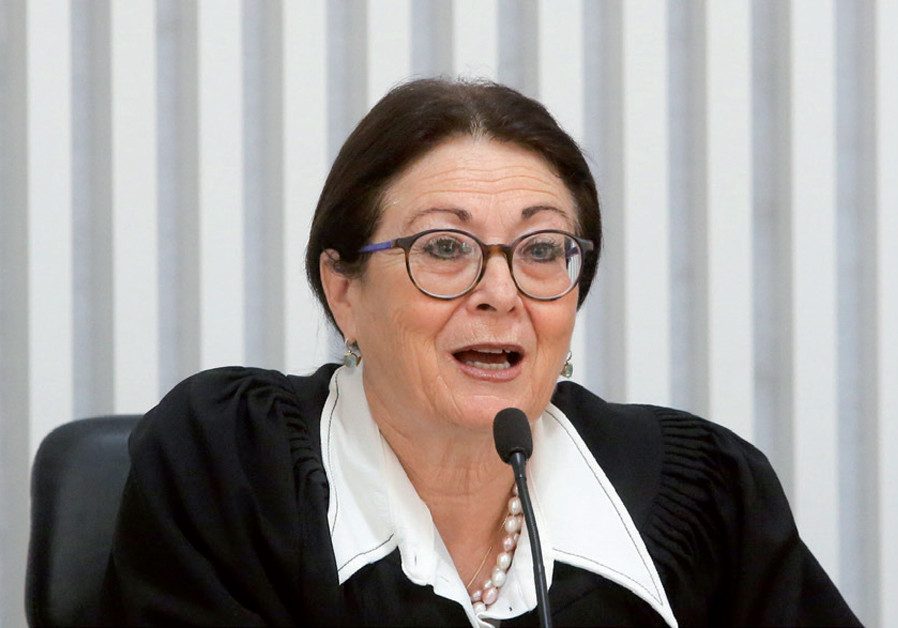
Supreme Court President Esther Hayut. (photo credit: MARC ISRAEL SELLEM)

The High Court of Justice approved on Sunday the extradition of a Russian hacker to the US, rejecting his request to be extradited or to serve his potential jail sentence in Russia.

Last week, the Russian hacker and an Israeli woman in a Russian prison for cannabis possession had both requested the High Court to block the hackers’ extradition to the US.

The family of Naama Issachar, serving a seven-and-a-half-year sentence in Russia, had filed their petition two weeks ago, while the hacker, Alexei Burkov, filed last week. Later last week, Issachar’s family had already withdrawn their petition.

These moves follow Acting Justice Minister Amir Ohana’s signing off on extraditing Burkov to the US for perpetrating cyber fraud and earlier rulings by the Jerusalem District Court and the Supreme Court to extradite him.

Generally, the petitioners oppose any extradition, but given the state of legal play, they were pushing for extradition to Russia in place of the US, and as part of a deal for Russia to return Issachar to Israel.

Israelis generally view Issachar as having violated the law, but that the violation was minor and that the heavy Russian jail sentence was a political move to try to press Israel to return Burkov to Moscow.

In a bizarre legal twist unique to the extradition process, though the Supreme Court already ordered Burkov’s extradition, he had a chance to try a redo after the justice minister signed the extradition order by addressing his petition to the same body, but in its capacity as the High Court of Justice.

Essentially the idea is that extradition has both a criminal and constitutional component and that the initial Supreme Court ruling addresses the criminal obstacles, while the later High Court ruling addresses any constitutional obstacles.

In theory, the High Court could have overturned the earlier Supreme Court ruling, and in fact, the High Court had frozen the extradition until it could issue a decision.

In practice, cases where the High Court vetoes an extradition that its – in their capacity as the Supreme Court – already approved, are extraordinarily rare.

The two main arguments that Burkov seemed to be basing the latest petition to the High Court on were: that earlier court decisions were to extradite him, but not necessarily to extradite him to the US over Russia, and that Burkov was not physically in the US.

In a classic extradition case, one person commits an individual crime in his home country and flees to a foreign country to escape the law.

Usually the criminal is in it for personal gain, and none of the governments involve particularly care what happens to the criminal.

If there is an extradition treaty between the country of origin and the country where the criminal fled, he is usually extradited back home, and if not, often not.

And then there is when diplomatic considerations break into the fold.

Here, Burkov has been on “extradition row” since 2015 when the US filed a serious and well-grounded evidentiary request for extraditing him to the US for perpetrating the cyber fraud scheme.

In the age of globalized crime, physically residing in a country is not required if the main harm of your criminal actions were felt in that country.

So normally his extradition to the US would be a done deal.

Russia’s harsh sentence of Issachar sparked speculation that Burkov has value to Moscow and might have been involved in cyber intelligence activities. Otherwise, it would be unclear why Russia would care if one citizen gets sent to jail for fraud.

There are many political reasons why Prime Minister Benjamin Netanyahu would want to please Russian President Vladimir Putin even if there might be few legal ones.

But ultimately the extradition was always expected to go through due to these legal arguments and because Israel would be even more concerned about upsetting the US by failing to extradite Burkov than it would be concerned about alienating Russia.

The High Court said that arguments to extradite Burkov to Russia or to have him serve his potential jail sentence there had no real legal basis.


Zawartość publikowanych artykułów i materiałów nie reprezentuje poglądów ani opinii Reunion’68,
ani też webmastera Blogu Reunion’68, chyba ze jest to wyraźnie zaznaczone.
Twoje uwagi, linki, własne artykuły lub wiadomości prześlij na adres:
webmaster@reunion68.com


Israel exposes Iran’s lies about its nuclear ambitions – TV7 Israel News 08.11.19

Israel exposes Iran’s lies about its nuclear ambitions – TV7 Israel News 08.11.19

   TV7 Israel News


1) The Islamic Republic of Iran refuses to cooperate with the International Atomic Energy Agency, IAEA, vis-à-vis a warehouse that is situated on the outskirts of Tehran, which according to Israeli allegations, stored nuclear materials related to the Mullah’s aspiration to develop nuclear weapons.
2) Senior Israeli officials reinforced a statement made by U.S. Secretary of State Mike Pompeo, and warned that Iran would be able to reach a nuclear bomb within less than a year if it decided to take swift action in this direction.
3) Germany Chancellor Angela Merkel reiterated her countries concerns over the latest nuclear-related developments in Iran, yet noted that Berlin has not made its final decision about how to confront Tehran’s latest activities.


Zawartość publikowanych artykułów i materiałów nie reprezentuje poglądów ani opinii Reunion’68,
ani też webmastera Blogu Reunion’68, chyba ze jest to wyraźnie zaznaczone.
Twoje uwagi, linki, własne artykuły lub wiadomości prześlij na adres:
webmaster@reunion68.com


80. rocznica Kristallnacht – zapowiedź fizycznej rozprawy z Żydami

80. rocznica Kristallnacht – zapowiedź fizycznej rozprawy z Żydami

lep/ res/ ls/


Płonąca synagoga w Eisenach. 09.11,1938. Źródło: Wikimedia Commons

0 lat temu, 9 listopada 1938 r., w Niemczech doszło do masowego pogromu ludności żydowskiej, zorganizowanego przez nazistów – tzw. Kristallnacht („Noc Kryształowa”). W jego wyniku zamordowano 91 Żydów, spalono 171 synagog, splądrowano 8 tys. sklepów, a ok. 30 tys. Żydów deportowano do obozów koncentracyjnych.

Kristallnacht była pierwszym tak widomym znakiem fizycznej rozprawy z Żydami. Grunt przygotowały wcześniej rasistowskie ustawy norymberskie wprowadzone 15 września 1935 r. – „o obywatelstwie Rzeszy” i “o ochronie czci i krwi niemieckiej”, które pozbawiły Żydów podstawowych praw i rozpoczęły proces oddzielania Żydów od reszty społeczeństwa. Ustawy norymberskie całkowicie odrzuciły obowiązujące od XIX wieku akty prawne o równouprawnieniu Żydów na terenie Niemiec. Ustawa “o ochronie krwi niemieckiej i honoru niemieckiego” zabraniała m.in.: zawierania małżeństw między Żydami a obywatelami “krwi niemieckiej lub pokrewnej”, współżycia pozamałżeńskiego między Żydami a “obywatelami krwi niemieckiej lub pokrewnej”. Na mocy ustawy “o barwach i fladze Rzeszy” Żydzi nie mogli wywieszać flag Rzeszy i flag narodowych.

Za pretekst do wywołania pogromu znanego jako Kristallnacht posłużył nazistom zamach dokonany przez Herszela Grynszpana na niemieckiego dyplomatę Ernsta vom Ratha. 17-letni Grynszpan dostał się do budynku ambasady Niemiec w Paryżu rano 7 listopada 1938 roku pod pretekstem przekazania ważnego dokumentu. Zaprowadzony przez woźnego do sekretarza ambasady Ernsta vom Ratha, oddał do siedzącego za biurkiem dyplomaty pięć strzałów z rewolweru, wołając, że działa w imieniu prześladowanych Żydów. Dwie kule trafiły 29-letniego dyplomatę w ramię i żołądek. Po zamachu Grynszpan odrzucił broń i dał się obezwładnić pracownikom ambasady, nie stawiając oporu.

Do zamachu popchnęła Grynszpana wiadomość, którą otrzymał 3 listopada od swej siostry. Dowiedział się z niej, że cała jego rodzina ze względu na brak niemieckiego obywatelstwa została deportowana przez władze niemieckie z Hanoweru do Polski. Między 27 a 29 października naziści odstawili do granicy z Polską blisko 17 tys. Żydów mających polskie obywatelstwo.

Szef hitlerowskiej propagandy Joseph Goebbels natychmiast zorientował się, że zamach na vom Ratha, który zmarł 9 listopada po południu, może stanowić wymarzony pretekst do rozprawy z Żydami.

Gdy wieczorem wiadomość o śmierci vom Ratha dotarła do Niemiec, uznano go natychmiast za nazistowskiego męczennika. W Monachium naziści obchodzili akurat w tym dniu rocznicę nieudanego puczu z 1923 roku. W przemówieniu do funkcjonariuszy NSDAP Goebbels dał wyraźnie do zrozumienia, że partia nie będzie się sprzeciwiała “spontanicznym” wybuchom gniewu ludu. W Rzeszy mieszkało wówczas jeszcze około pół miliona Żydów.

W nocy z 9 na 10 listopada zamordowano 91 Żydów, spalono i splądrowano 171 synagog. Co najmniej 8 tys. żydowskich sklepów zostało obrabowanych i zniszczonych przez motłoch. Ulice wielu miast pokryły się szkłem stłuczonych witryn sklepowych. Około 30 tys. Żydów deportowano do obozów koncentracyjnych.

Jedna ze spalonych synagog stała przy ul. Grune Schanze (obecnie Dworcowa) w niemieckim wówczas Szczecinie. Świadek wydarzeń, ośmioletni wtedy Bodo Andree urodzony w Szczecinie syn Żydówki i niemieckiego żołnierza, wspominał: “Przed synagogą usypano górę książek, które zostały wyniesione przez esesmanów z synagogi. Ta góra książek została podpalona – to był ogromny płomień. Z synagogi wynoszono też inne przedmioty, które wrzucano w płomienie. – Stało tutaj 500, 600 a może nawet tysiąc osób, wielu z nich było bardzo zadowolonych z tego, co się tutaj działo”.

Podpaloną w nocy szczecińską synagogę udało się ugasić 10 listopada w południe. Straż pożarna dostała wcześniej wytyczne, które mówiły, żeby zabezpieczać budynki sąsiadujące z synagogami i innymi żydowskimi zabudowaniami, natomiast powstrzymać się od ich gaszenia. Szczecińska policja porządkowa zamknęła jedynie ruch uliczny w rejonie palącej się synagogi oraz skierowała ruch tramwajów objazdem.

Tej samej nocy, obok szczecińskiej synagogi, podpalono także inne budynki należące do gminy żydowskiej: dom przedpogrzebowy cmentarza żydowskiego oraz zabudowania żydowskich klubów wioślarskiego i tenisowego. Ruiny szczecińskiej synagogi stały do 1941 r., kiedy wysadzono je w powietrze.

Ostatni, najtragiczniejszy rozdział „ostatecznego rozwiązania kwestii żydowskiej” rozpoczął się po wybuchu wojny w 1939 r. Na terenach okupowanych Niemcy tworzyli getta, zamknięte dzielnice, których od jesieni 1941 r. Żydzi nie mogli opuszczać pod karą śmierci. Największe z nich znajdowało się w Warszawie, gdzie na niewielkim obszarze w straszliwych warunkach skupiono około 450 tys. ludzi. W gettach Żydzi masowo umierali z głodu i chorób.

Konsekwencją ataku Niemiec na Związek Sowiecki 22 czerwca 1941 r. były kolejne zbrodnie popełnianie na ludności żydowskiej przez nazistów i ich sojuszników. Na obszarach zajętych przez Niemców specjalne oddziały – Einsatzgruppen – wspólnie z oddziałami SS zamordowały około miliona Żydów.

20 stycznia 1942 r. na konferencji w Wannsee pod Berlinem Główny Urząd Bezpieczeństwa Rzeszy (RSHA) przedstawił plan „ostatecznego rozwiązania kwestii żydowskiej”, którego konsekwencją miała być eksterminacja europejskich Żydów. Według protokołu konferencji, zagładzie miało ulec 11 milionów europejskich Żydów, w tym 5 milionów na terenach ZSRR i ponad 3 miliony w Generalnym Gubernatorstwie.

Po konferencji w Wannsee, w celu przyspieszenia działań eksterminacyjnych, naziści rozpoczęli budowę obozów zagłady, w których Żydzi mieli być mordowani w komorach gazowych. Pierwszy taki obóz powstał jeszcze w grudniu 1941 r. w Chełmnie nad Nerem. W ciągu następnych miesięcy powstały obozy w Bełżcu, Sobiborze, Treblince, na Majdanku i Auschwitz-Birkenau.

Liczbę Żydów zamordowanych przez nazistów i ich sojuszników w czasie II wojny światowej ocenia się łącznie na około 6 milionów. Prawie 5 milionów z nich zgładzono na ziemiach polskich okupowanych przez III Rzeszę. Blisko 3 miliony ofiar to polscy Żydzi. (PAP)


Zawartość publikowanych artykułów i materiałów nie reprezentuje poglądów ani opinii Reunion’68,
ani też webmastera Blogu Reunion’68, chyba ze jest to wyraźnie zaznaczone.
Twoje uwagi, linki, własne artykuły lub wiadomości prześlij na adres:
webmaster@reunion68.com


THANKS BRAZIL SOCCER TEAM FOR WEARING STAR OF DAVID

MIRI REGEV THANKS BRAZIL SOCCER TEAM FOR WEARING STAR OF DAVID ON KRISTALLNACHT ANNIVERSARY

TAMAR BEERI


Miri Regev stated that she hopes “that many will adopt your most moving campaign against Holocaust denial, hatred, prejudice, racism and antisemitism.”

Arena Corinthians of the Sports Club Corinthians Paulista in Sao Paulo, Brazil.. (photo credit: FLICKR)

Culture and Sports Minister Miri Regev wrote to Brazilian soccer team Sports Club Corinthians Paulista to thank them for wearing yellow Stars of David in memory of the Jews killed in the Kristallnacht pogrom in Nazi Germany.

“On behalf of the State of Israel and myself, I would like to praise you for your inspiring decision that your team will wear this week a yellow Star of David on their shirts like those of our Jewish brothers and sisters were forced to carry by the Nazis,” Regev wrote in her letter to Corinthians president Andrés Navarro Sánchez.

“You have chosen to initiate this act of good will and solidarity on a very special date, commemorating the horrible pogrom against the Jewish people, known as Kristallnacht, the ‘Night of Broken Glass,’ taking place in Nazi Germany exactly 81 years ago,” she continued.

Regev concluding by stating that she hopes “that many will adopt your most moving campaign against Holocaust denial, hatred, prejudice, racism and antisemitism.”

Corinthians is a soccer team located in Sao Paulo, Brazil, which plays in Campeonato Brasileiro Serie A, the highest level of Brazilian soccer, with a particularly large Jewish following.

A Ynet report earlier this year explained that the “hardcore” Corinthians fans call themselves “Bando do Meshiganes,” a Portuguese-Yiddish combination meaning “band of crazies.”

“We have two religions,” the Jewish Brazilians told Ynet. “Judaism and Corinthians!”


Zawartość publikowanych artykułów i materiałów nie reprezentuje poglądów ani opinii Reunion’68,
ani też webmastera Blogu Reunion’68, chyba ze jest to wyraźnie zaznaczone.
Twoje uwagi, linki, własne artykuły lub wiadomości prześlij na adres:
webmaster@reunion68.com


Israeli Series ‘Fauda’ Set to Get an Indian Remake Focusing on India, Pakistan Tensions

Israeli Series ‘Fauda’ Set to Get an Indian Remake Focusing on India, Pakistan Tensions

Shiryn Ghermezian


Actors and filming crew members work on the set of Israeli television series ‘Fauda’ in Tel Aviv, May 30, 2019. Photo: Reuters / Amir Cohen.

The hit Israeli TV series “Fauda,” which streams worldwide on Netflix, will get an Indian remake set against the tense relations between India and Pakistan, The Hollywood Reporter revealed on Wednesday.

The Mumbai-based studio Applause Entertainment has partnered with Israel’s Yes Studios for the Indian adaptation, which is expected to go into production by 2020 and be released toward the end of next year.

“‘Fauda’ has the potential to be well-developed in the context of India and Pakistan as the show is about people on both sides of the conflict,” said Applause Entertainment CEO Sameer Nair, “Reality is often stranger than fiction, and is rarely black and white. ‘Fauda’ is an effort to represent this gray state of conflict.”

The original political thriller follows an undercover Israeli counter-terrorism unit that fights Palestinian terrorists. “Fauda,” which means “chaos” in Arabic, was developed by Israelis Avi Issacharoff and Lior Raz, based on their real-life experiences in the Israel Defense Forces.

Raz, who plays the show’s lead character, Doron Kavillio, said about the adaptation, “‘Fauda’ is extremely authentic and real. I’m sure Indian audiences will be enthralled by the realistic and detailed world created in this carefully thought-out adaptation. I’m also excited to know who will play Doron.”

Issacharoff added, “‘Fauda’ has been an integral part of our professional and personal lives and we’re extremely excited that it is being remade for another country and language. India is creating some exciting digital content and this association with Applause Entertainment will help take ‘Fauda’ to a different territory and wider audience base.”

Yes Studios managing director Danna Stern said the adaptation process would “stay true to the original material while making the story relevant to [Applause Entertainment] local viewers — which they know so well; we are certain that they will do complete justice with the Indian version.”

Applause has already done remakes of the Israeli shows “Hostages,” “Honey Badgers” and “Your Honor,” and has also produced the comedy show “Mind the Malhotras,” based on Israeli show “La Famiglia,” for Amazon.

The third season of the Israeli version of “Fauda” finished shooting in June.


Zawartość publikowanych artykułów i materiałów nie reprezentuje poglądów ani opinii Reunion’68,
ani też webmastera Blogu Reunion’68, chyba ze jest to wyraźnie zaznaczone.
Twoje uwagi, linki, własne artykuły lub wiadomości prześlij na adres:
webmaster@reunion68.com