Archive | July 2020

The capital of Palestine – just 50 meters from a Jewish neighborhood

The capital of Palestine – just 50 meters from a Jewish neighborhood

SHIMON COHEN
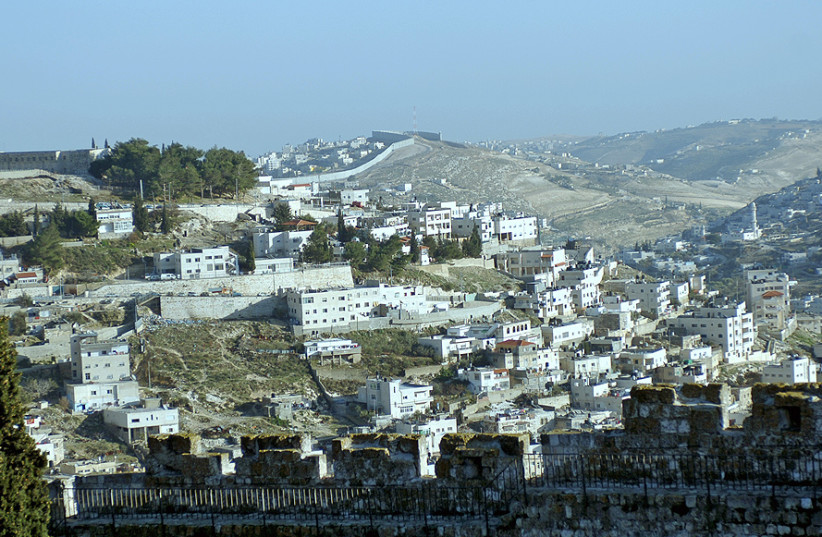

A PANORAMIC view of east Jerusalem. /  (photo credit: Wikimedia Commons)

Jerusalem Deputy Mayor Arieh King reads the “Jerusalem” clauses in the Trump plan, and discovers a tragedy that is being played down.

Included in the “Deal of the Century” plan of the president of the United States, is a plan for the future of Jerusalem. Public attention is less focused on this issue, but when Arieh King, deputy mayor of Jerusalem studies US President Donald Trump’s outline of his plan for the capital of Israel, he is shocked.

According to the plan, the neighborhoods of Shuafat, Kafr Akab, Anata and environs will be designated as the capital of the Palestinian state, which is being planned. King views the concept of delivering these areas as the first stage of a moral – and conceptual – collapse. He totally rejects the argument, often put forward, “We are not there anyway,” adding “We are also not in Umm el-Fahm – but when we want to be there, we are there! Whoever talks about moving any borders of Jerusalem is on a slippery downward slope which will subsequently lead to discussions involving the surrender of more and more territory.”

In his remarks, King emphasizes that this involves handing over sovereign areas of the State of Israel and the political significance is to permit, and consent, to the opening of negotiations relating to anywhere in the country, including the Galilee or the Negev.

“Remember that Likud, and Netanyahu, were initially elected under the slogan ‘Peres will divide Jerusalem.’ It is now becoming clear that the Likud delivered Sinai, Likud supported and participated in the expulsion from Gush Katif and parts of Samaria – today, Likud is already dividing Jerusalem.”

He details the security implications of the decision to deliver these eastern Jerusalem neighborhoods to Arab sovereignty: “Whereas in Gaza, the distance between houses in Gaza and Jewish homes is a mile or a half to Nahal Oz, Erez and Kissufim, the reality involving the distance between Neveh Ya’acov, a neighborhood of 25,000 residents and the first home in what would be a Palestinian state is fifty meters. The distance between Eliyahu Meridor Street in Pisgat Ze’ev, with its 150,000 residents, and the neighboring Arab houses in what would be called a ‘Palestinian State,’ is just 120 meters. “Today, when there is a shooting in the air, or ‘fireworks,’ the police handle the situation. However, in the event of an independent Palestinian state, the police or the army cannot enter, because such an entry is actually a ‘declaration’ of war.”

KING REFERRED to his conversations with politicians from various parties when he revealed this simple data to them. “I talked to 12 supporters of this program, politicians from different parties, and not one single person was aware of these facts. They just refused to believe me. I was told I was a ‘demagogue’ at which point I told them to open their maps and see the facts for themselves. After checking out the facts they realized I was right, but what do they do? Nothing. They remain silent or, at best, say ‘We will not reach that stage.’ I remember those same words at the time of Oslo when they said, ‘We we will not reach Jericho and Abu Dis’ – but in the end we did!”

Is it possible that those who draw out the maps do not know the realities of the landscape? King presents examples in which he himself was involved in proving that this is indeed the case and that sometimes the agenda blurs reality:

“Two months ago, a message was issued by the Prime Minister’s Office to the Jerusalem Municipality that, due to the novel coronavirus and a concern that the illness could erupt in those areas that were not under Israeli scrutiny, Arabs were not to enter the neighborhoods beyond the fence into Jerusalem. The mayor of Jerusalem updated us on the subject and I asked him, ‘What are they talking about? What outbreak? There is no outbreak.’ But the mayor claimed that these were the instructions of the National Security Council. Two months passed and it turned out to be nonsense. In the presence of a few other people I asked the mayor, “This is our National Security Council? How can they prevent a citizen of Israel, with a blue identity card, who lives in Kafr Akab from entering? They obviously do not know their maps, for if the National Security Council did know their maps they would know that, the same Arab who lived in Kafr Akab, can drive, in his car, to Adam, to Beit El or to Ma’aleh Adumim through Hizma, throgh Azun or through any other crossing. With all due respect, they just don’t know what they’re talking about!”

KING REMEMBERS: “In 2000, while Barak was talking about dividing Jerusalem at Camp David. I was called to a meeting together with Matti Dan, the head of the General Security Services and others at the Intercontinental Hotel in Tel Aviv. We went up to the suite while Barak was at Camp David talking about Jerusalem. Also present was the IDF regional commander. I asked him if he knew what it was about. He scolded me for questioning him saying that he was the regional commander – and he knew everything. I asked him how they travel from the Knesset to Abu Dis, which they were discussing at the time. He knew nothing! The problem with the ‘right wing’ is that they regard anything from the military as sacred and indisputable. But these military men are politicians who have been ‘brainwashed’ throughout their military journey, without which, they would not have advanced. With a few exceptions, they have an agenda, and without the agenda involving ‘handing over land,’ they would have gone nowhere. We rely upon them to know what they’re talking about – but they don’t know. When they speak about a Palestinian State fifty meters from Neveh Ya’acov they know the significance as they know what is happening in the Gaza Strip and the Gaza envelope. But they do not say anything to the politicians as it does not fit the ‘Land for Peace’ agenda.” King says, adding: “In the Shuafat Refugee Camp and in Anata there are weapons that are plainly on view. They shoot at each other and they shoot in the air. That’s the way it is today, in Jerusalem under Israeli control. And when the Palestinians rule under the power of a state… ?

I know what will happen. Pisgat Ze’ev will empty out, as will French Hill and Neveh Ya’acov. The neighborhoods will be deserted as people will not stay there.”

He recalls the days of shooting into Gilo from Beit Jala, just 500-800 meters away – when it was not a state. “When it is a state you cannot call in the Duvdevan army unit or the police.”

Arieh King – who has for many years been fighting for the settlement of Jews in all parts of the city – has criticized Prime Minister Benjamin Netanyahu on a number of occasions and says directly and emphatically: “That’s Bibi. For the last twenty five years Netanyahu has been a danger to Jerusalem and its residents. I have been saying this about Bibi since 1997. From his very beginning he was against Jewish presence in East Jerusalem and all he did was either through lack of choice, or by lying. On Jerusalem Day I was in Mercaz Harav Yeshiva, and Bibi announced that we have started building in Givat Hamatos. It’s a lie. A week and a half before the election, he announced that he had issued tenders for Givat Hamatos.” Which tenders? There are no tenders. But the public believes him and he is the head of the right-wing camp.

There are a slew of politicians on the right who are far better than he is. As we face difficult decisions, it is imperative that every one of us remains informed and aware of the repercussions that can result from the “Deal of a Century” – as it stands at present.

The writer is the editor of the sovereignty journal, Ribonut. He also writes for Israel National News/Arutz 7


Zawartość publikowanych artykułów i materiałów nie reprezentuje poglądów ani opinii Reunion’68,
ani też webmastera Blogu Reunion’68, chyba ze jest to wyraźnie zaznaczone.
Twoje uwagi, linki, własne artykuły lub wiadomości prześlij na adres:
webmaster@reunion68.com


11 Things NOT to do in ISRAEL – MUST SEE BEFORE YOU GO!

11 Things NOT to do in ISRAEL – MUST SEE BEFORE YOU GO!


Cal McKinley


Israel is one of the most fascinating countries in the world. The food, the culture, the history… it’s an amazing place. That being said there are a few things to watch out for while you’re there. Here are 11 things not to do in Israel.


Zawartość publikowanych artykułów i materiałów nie reprezentuje poglądów ani opinii Reunion’68,
ani też webmastera Blogu Reunion’68, chyba ze jest to wyraźnie zaznaczone.
Twoje uwagi, linki, własne artykuły lub wiadomości prześlij na adres:
webmaster@reunion68.com



Współczesne niewolnictwo i “przebudzona” hipokryzja

Współczesne niewolnictwo i “przebudzona” hipokryzja

Judith Bergman< Tłumaczenie: Małgorzata Koraszewska/strong>


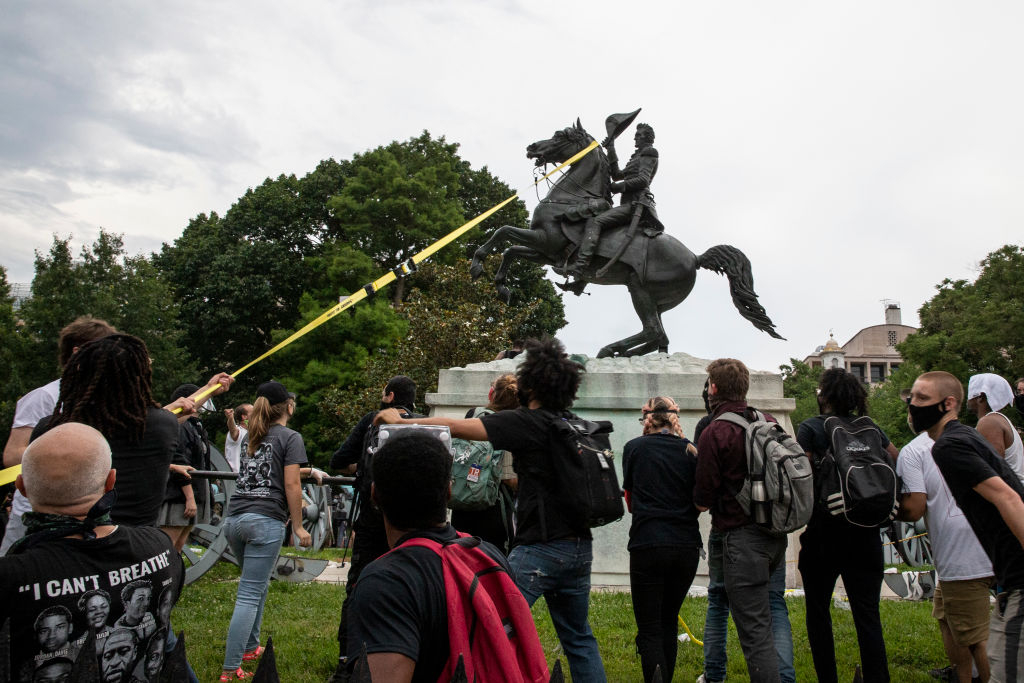
Podczas gdy Black Lives Matter (BLM) i jego sykofanci bez końca debatują o zmianach nazw ulic i usuwaniu pomników, ignorują osłupiające 40 milionów ofiar rzeczywistego niewolnictwa w dzisiejszym świecie, włącznie z oszacowanymi 9,2 milionami mężczyzn, kobiet i dzieci obecnie żyjącym jako niewolnicy w Afryce. Na zdjęciu: Wandale próbują obalić pomnik prezydenta USA, Andrew Jackson na Lafayette Square, 22 czerwca 2020, w pobliżu Białego Domu w Waszyngtonie. (Zdjęcie: Tasos Katopodis/Getty Images)

Wiadomości pełne są informacji o zwolennikach Black Lives Matter (BLM), którzy dewastują i demolują pomniki handlarzy niewolnikami, właścicieli niewolników i każdego, kogo uważają za historycznie związanego z niewolnictwem. W Bristolu w Anglii obalono pomnik handlarza niewolnikami, Edwarda Colstona i wrzucono go do morza. W Belgii wymalowano graffiti na pomnikach króla Leopolda .

Z powodu tych akcji część władz lokalnych zaczęła rozważać, czy wszystkie pomniki, postrzegane jako obraźliwe dla obecnej wrażliwości, powinny zostać usunięte. Burmistrz Londynu, Sadiq Khan ogłosił decyzję o ustanowieniu komisji, która zbada pomniki i nazwy ulic w stolicy Wielkiej Brytanii.

Zupełnie nie jest oczywiste, jak atakowanie starych pomników dawno zmarłych ludzi ma pomóc komukolwiek, szczególnie milionom czarnych i nie czarnych ludzi, którzy są nadal niewolnikami dzisiaj. Wydaje się, że “przebudzeni” aktywiści BLM i ich klękający zwolennicy nie dbają o los nowoczesnych niewolników, których liczbę ocenia się na gigantyczne 40 milionów. Najwyraźniej jest znacznie łatwiej i przypuszczalnie również przyjemniej, niszczenie historycznych pomników Zachodu niż zajęcie się trudną pracą rzeczywistego likwidowania nowoczesnego niewolnictwa.

W samej Wielkiej Brytanii jest wiele nowoczesnego niewolnictwa, coś co miejscowi “przebudzeni” radośnie ignorują, kiedy odważnie atakują pomniki z kamienia i metalu. Według raportu rządu brytyjskiego z 2019 roku, Annual Report on Modern Slavery, W Wielkiej Brytanii jest co najmniej 13 tysięcy potencjalnych ofiar niewolnictwa, chociaż ta liczba jest wątpliwa, bo dane są za rok 2014. Według Global Slavery Index z 2018 roku 136 tysięcy ludzi żyje w warunkach nowoczesnego niewolnictwa w samej Wielkiej Brytanii.

Niewolnictwo w Wielkiej Brytanii ma postać pracy przymusowej oraz wykorzystywania seksualnego. Albańczycy i Wietnamczycy należą do grup, które stanowią większość wśród niewolników. Brytyjskie media publikowały wiele artykułów o ocenianych na tysiące Wietnamczykach, z których połowa jest poniżej 18 lat, którzy są porywani i sprzedawani do Wielkiej Brytanii, gdzie zmusza się ich do pracy na farmach marihuany. Tworzą tam małą część “olbrzymiej machiny przestępczej, która zaopatruje brytyjski rynek marihuany, wart 2,6 miliarda funtów”. Ci, którzy nie trafiają do przemysłu marihuany, są zmuszani do pracy w “salonach pielęgnacji paznokci, burdelach i restauracjach lub trzymani jako służba domowa za drzwiami prywatnych rezydencji”. W styczniu BBC nadała historię wietnamskiego chłopca o imieniu Ba, którego porwał chiński gang i sprzedał do Wielkiej Brytanii, gdzie jego chiński boss głodził go i bił, kiedy tylko jakaś roślina marihuany zwiędła.

Życie Wietnamczyków w Wielkiej Brytanii może niezbyt obchodzić BLM – w końcu chodzi im tylko o życie czarnych, co więc z czarnymi niewolnikami w Afryce? Obecnie ocenia się, że 9,2 miliona mężczyzn, kobiet i dzieci żyje w Afryce w nowoczesnym niewolnictwie, jak podaje Global Slavery Index, co obejmuje przymusową pracę, przymusowe wykorzystywanie seksualne i przymusowe małżeństwa.

“Według Międzynarodowej Organizacji Pracy ONZ (ILO), jest dzisiaj ponad trzykrotnie więcej ludzi zmuszanych do pracy przymusowej niż porwano i sprzedano przez 350 lat transatlantyckiego handlu niewolnikami” – informował “Time Magazine” w marcu 2019. Według ILO, nowoczesne niewolnictwo obejmuje 25 milionów ludzi w niewolnictwie za długi i 15 milionów w przymusowym małżeństwie.

Szacuje się, że nowoczesne niewolnictwo zarabia dla sieci przestępczych 150 miliardów dolarów rocznie, tylko nieco mniej niż szmuglowanie narkotyków i handel bronią. “Nowoczesne niewolnictwo przynosi obecnie dużo większe zyski niż kiedykolwiek w historii ludzkości” – powiedział Siddharth Kara, ekonomista z Carr Center for Human Rights Policy. Według Global Slavery Index z 2018 roku, “kraje G-20 importują co roku produkty wartości około 354 miliardy dolarów, które mogą być produkowane przez nowoczesnych niewolników”.

W 2017 roku pojawił się szokujący materiał filmowy z aukcji niewolników w Libii: CNN udokumentowała wydarzenie, w którym arabskojęzyczny mężczyzna sprzedawał dwunastu Nigeryjczyków. W 2019 roku “Time Magazine” przeprowadziła wywiad z afrykańskim migrantem, o nazwisku Iabarot, którego sprzedano do niewoli, kiedy był w drodze do Europy:

“Kiedy Iabarot dotarł do południowej granicy Libii, spotkał pozornie przyjaznego taksówkarza, który zaoferował, że zawiezie go do stolicy, Trypolisu, za darmo. Tam sprzedał go ‘białemu Libijczykowi’, czyli Arabowi, za 200 dolarów. Musiał odpracować ten ‘dług’ na budowie, a ten wzór powtarzał się za każdym razem, kiedy sprzedawano go ponownie”.

Handel kobietami stanowi znaczącą część nowoczesnego niewolnictwa. Na przykład, nigeryjska mafia, według doniesienia “Washington Post” z 2019 roku, sprzedaje kobiety dziesiątkami tysięcy:

“Niektórzy eksperci mówią, że aż 20 tysięcy nigeryjskich kobiet, z których część jest nieletnia, przybyła na Sycylię między 2016 a 2018 rokiem, sprzedane we współpracy między Nigeryjczykami we Włoszech, a Nigeryjczykami w kraju”.

Według raportu International Organization for Migration ONZ (IOM) z lipca 2017 roku:

“Przez ostatnie trzy lata IOM Italy zanotowała 600 procentowy wzrost liczby potencjalnych ofiar handlu kobietami, przewożonymi do Włoch drogą morską. Ten rosnący trend trwał przez pierwszych sześć miesięcy 2017 roku, z większością ofiar przybywajacych z Nigerii”. W raporcie IOM ocenia, że 80 procent dziewcząt, często nieletnich, przybywających z Nigerii – których liczby radykalnie poszybowały w górę od 1454 w 2014 roku do 11009 w 2016 roku — były “potencjalnymi ofiarami handlu do wykorzystania seksualnego”.

W częściach afrykańskiego kontynentu, szczególnie w Sahelu, niewolnictwo jest nadal zakorzenione w tradycyjnej kulturze, mimo że oficjalnie niewolnictwo zostało zdelegalizowane. W krajach takich jak Mali i Mauritania jest nadal praktykowane tak zwane niewolnictwo z pochodzenia lub niewolnictwo “oparte na kaście” – w którym status niewolnika jest przekazywany z pokolenia na pokolenie, tak że niewolnicy rodzą się do swojego losu.

W 2013 roku oceniano, że około 250 tysięcy ludzi żyje w niewolniczych warunkach w Mali, gdzie niewolnictwo jest nielegalne. Pewna malijska niewolnica, Raichatou, powiedziała gazecie “Guardian” w 2013 roku, że została niewolnicą w wieku siedmiu lat, kiedy umarła jej matka. “Mój ojciec mógł tylko patrzeć bezradnie, kiedy pan mojej matki przyszedł i zażądał mnie i moich braci” – powiedziała. Pracowała bez zapłaty dla tej rodziny przez 20 lat i zmuszono ją do małżeństwa z innym niewolnikiem, którego nie znała, żeby mogła dostarczyć swojemu panu więcej niewolników.


Ocenia się
, że w Mauretanii do 20% populacji jest zniewolona, chociaż niewolnictwo zostało oficjalnie zdelegalizowane w 1981 roku. Niewolnicy pochodzą głównie z mniejszości Haratine, którzy są czarnymi Afrykanami, w odróżnieniu od niemal połowy populacji, którzy są Arabami lub Berberami. Według artykułu w “Guardianie” z 2018 roku:

“Niewolnictwo ma długą historię w tym północno afrykańskim, pustynnym kraju. Przez stulecia arabskojęzyczni Maurowie najeżdżali afrykańskie wioski, czego wynikiem jest sztywny system kastowy, który istnieje do dzisiaj, z ciemnoskórymi mieszkańcami podporządkowanymi ich “panom” o jaśniejszej skórze. Status niewolnika przechodzi z matki na dziecko, a działacze przeciwko niewolnictwu są regularnie aresztowani i torturowani. Niemniej rząd konsekwentnie zaprzecza, by niewolnictwo istniało w Mauretanii, chwaląc się wyplenieniem tej praktyki”.

Artykuł opisuje także koszmarny los niewolników Haratine:

“Aichetou Mint M’barack była niewolnicą z pochodzenia w okręgu Rosso. Podobnie jak jej siostrę, zabrano ją matce i dano członkowi rodziny pana na służącą. Wyszła za mąż w domu swojego pana i miała ośmioro dzieci, z których dwoje zabrano jej, by były niewolnikami w innych rodzinach. W 2010 roku starszej siostrze Aichetou udało się ją uwolnić… po tym, jak sama uciekła od swoich panów, kiedy rzucili żarzące się popioły na jej niemowlę, zabijając je”.

BLM i wielu dyrektorów korporacji, profesorów uniwersytetów, mediów, osobistości ze sportu i kultury, którzy klękają dziś przed BLM i przepraszają, wydają się całkowicie, obojętni na los ludzi takich jak Aichetou. Co bardziej prawdopodobne, nigdy nie słyszeli o niej ani o wielu innych ofiarach takich jak ona. Są to najwyraźniej czarni, których życie nie liczy się – dla nikogo, poza odważnymi ludźmi, którzy pracują w miejscowych organizacjach przeciwko niewolnictwu.

Zamiast tego Black Lives Matter (BLM) i jego sykofanci bez końca debatują o zmianach nazw ulic i usuwaniu pomników, a wszystko to jest niczym więcej jak infantylnym sygnalizowaniem cnoty. Marnują czas na debaty, czy ludzie, którzy nigdy nie byli niewolnikami, powinni otrzymać reparacje od ludzi, którzy nigdy nie mieli niewolników

Angażowanie się w całe to pozerstwo przy równoczesnym ignorowaniu osłupiających 40 milionów obecnych ofiar rzeczywistego niewolnictwa, nie tylko pokazuje niezmierną głębię hipokryzji “przebudzonych” , ale stanowi skrajną obrazę dla tych, którzy w milczeniu cierpią w niewolnictwie, powoli umierając z powodu fizycznego, seksualnego i emocjonalnego maltretowania, jakie muszą znosić. Jeśli cokolwiek jest “obraźliwe”, to właśnie ta hipokryzja.


Zawartość publikowanych artykułów i materiałów nie reprezentuje poglądów ani opinii Reunion’68,
ani też webmastera Blogu Reunion’68, chyba ze jest to wyraźnie zaznaczone.
Twoje uwagi, linki, własne artykuły lub wiadomości prześlij na adres:
webmaster@reunion68.com


Virtual trainer keeps you fit even when stuck at home

Virtual trainer keeps you fit even when stuck at home

Brian Blum


Israeli tech startup Kemtai brings a personal trainer into your home even when you’re in lockdown.

Kemtai uses computer vision to customize home workouts. Photo: courtesy

In the new normal of lockdowns and quarantines, home exercise videos provide a way to move your body while maintaining social distance.

Israeli startup Kemtai is adding an extra dimension of interactivity to a format that’s been a hit since Jane Fonda popularized the home workout in the 1980s.

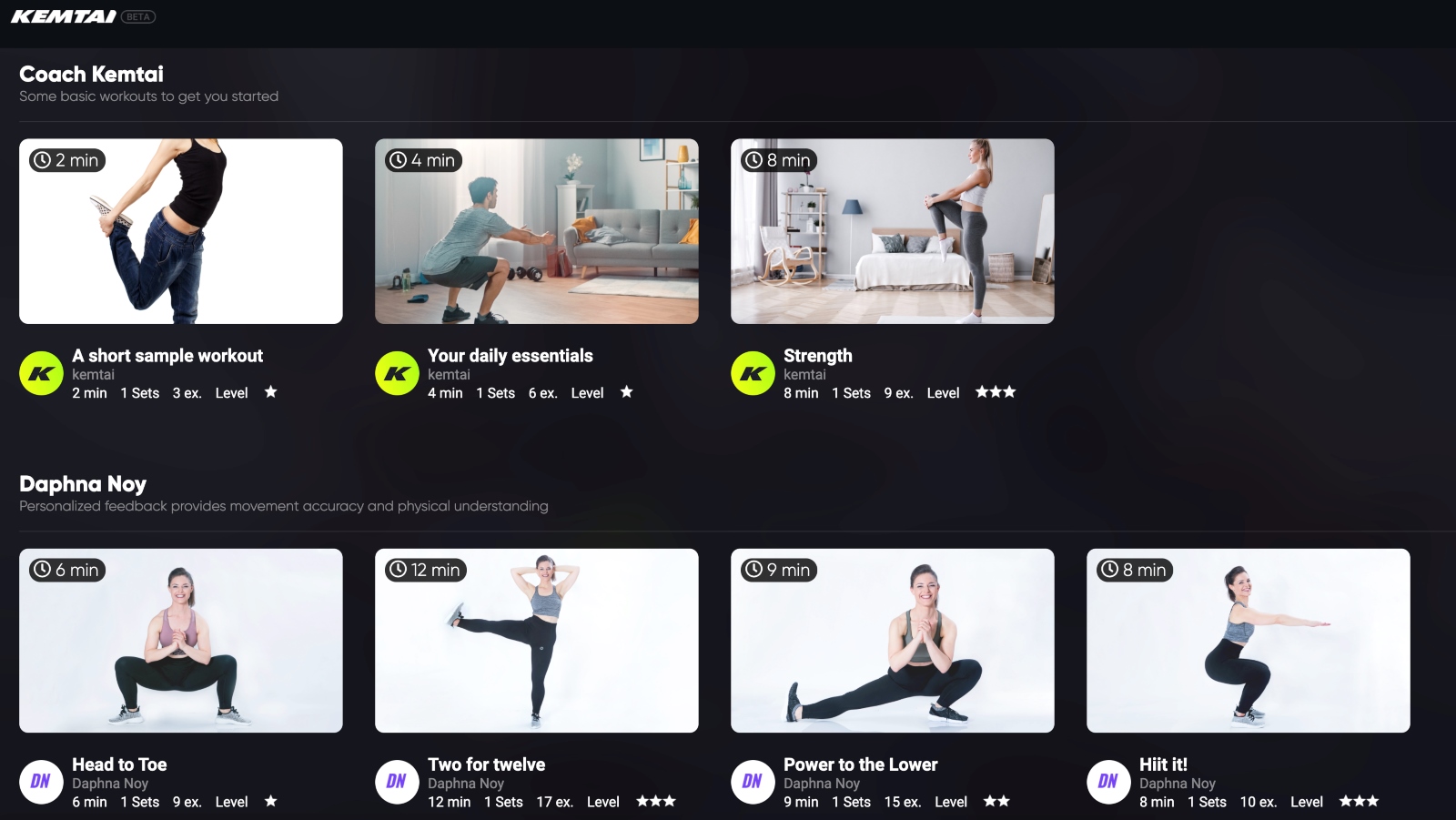
Kemtai is more akin to a personal trainer. Using the camera on your computer, Kemtai employs computer vision to scan your body. You can then choose one of the dozens of workout routines on the Kemtai website.

As you exercise, Kemtai’s virtual “trainer” compares what it sees you doing with the exercise routine previously input into the Kemtai system, then nudges you in the right direction. The trainer will give you real-time instructions and feedback, telling you to bend this way or that, squat lower, straighten your back or hold your elbows at more of a 90-degree angle – all based on what you’re actually doing.

The Kemtai system watches you exercise and gives you feedback to improve your routines. Photo: courtesy

All the processing is done on your desktop or laptop computer. The software doesn’t yet work on iPhones, iPads or smart TVs. (An iPad can’t handle the real-time comparisons, and smart TVs lack a camera.)

The Kemtai system was officially launched May 19, sooner than originally expected.

Kemtai Chief Business Officer Mike Telem. Photo: courtesy

“The plan was to do small user testing for a few months,” Mike Telem, Kemtai’s chief business officer, tells ISRAEL21c.

“But when people started getting quarantined, we thought we have something that’s ‘good enough’ to help people right now. We felt, let’s let people use and enjoy it.”

During the initial beta period, Kemtai conducted a feedback survey, Telem told ISRAEL21c.

“Of the random 400 people polled, 82 percent of the respondents said they felt Kemtai’s feedback helped them to improve their home workouts and more than 90% said they would recommend Kemtai to a friend,” reports Telem.

The company’s long-term goal is to become a platform for personal trainers to connect with their clients when they can’t be there in person. That will also free trainers post-Covid crisis from the limitation of how many hours they have in a day to work with their clients.

Kemtai has been adding trainers and workouts during its beta period, so that users can choose a style that appeals to them most. The latest trainers hail from Israel, New York and Tokyo. At the time of its official launch, Kemtai already had 10,000 registered users in 20 different countries.

Kemtai software is available on a “freemium” model — the basics come at no cost, but you pay for extras such as specific workouts (marked clearly as “premium.”). A month-to-month subscription costs $20 with a discount for an annual plan. Fees are shared between Kemtai and the participating trainers.

Kemtai’s system guides you through choosing fitness routines. Photo: courtesy

Telem emphasizes that Kemtai’s interactivity, as well as its scoring functionality – you get a “grade” at the end of each session so you can see how well you’re improving session by session – “are essential for having an effective and fun workout. It feels like there’s someone out there with you.”

Kemtai shows each exercise step by step. Photo: courtesy

The six-person company that Telem launched with cofounders Naomi Keren (chief product officer) and Mor Amitai (CEO) only opened shop last year. Kemtai is raising money through the Jerusalem-based online crowd investing platform OurCrowd.

That goal may just have become a bit easier, given the dramatically increased interest in being able to stay active while sheltering in place.

You can try out Kemtai by signing up for a free account here 

Other Israeli workout technologies

While Kemtai doesn’t have any direct competition using computer vision to customize a workout, it is not the only Israeli startup aiming to keep us fit during the pandemic and beyond.

Fitness22 offers a suite of apps to guide conditioning and training workouts with the help of a digital personal trainer.

EyeClick’s BEAM interactive projector game system converts any space into a virtual playground on which kids can engage in the system’s 200 interactive movement activities.

MoonRun has a sling trainer device embedded with movement sensors for at-home aerobic exercises such as walking, running, sprinting, turning, jumping, and squatting.

FitMyTime facilitates live, online, one-on-one or group fitness and yoga workouts on a pay-by-the-hour basis.


Zawartość publikowanych artykułów i materiałów nie reprezentuje poglądów ani opinii Reunion’68,
ani też webmastera Blogu Reunion’68, chyba ze jest to wyraźnie zaznaczone.
Twoje uwagi, linki, własne artykuły lub wiadomości prześlij na adres:
webmaster@reunion68.com


Monthly Recap – December 2019 Top10, TV7 Israel News

Monthly Recap – December 2019 Top10, TV7 Israel News

TV7 Israel News


Zawartość publikowanych artykułów i materiałów nie reprezentuje poglądów ani opinii Reunion’68,
ani też webmastera Blogu Reunion’68, chyba ze jest to wyraźnie zaznaczone.
Twoje uwagi, linki, własne artykuły lub wiadomości prześlij na adres:
webmaster@reunion68.com