
Archive | October 2021

The Holocaust That Never Happened

The Holocaust That Never Happened


IZABELLA TABAROVSKY


A woman passes by the portrait of a Babi Yar survivor, 2016SERGII KHARCHENKO/NURPHOTO VIA GETTY IMAGES

On the 80th anniversary of the Babi Yar massacre, hearing rare stories of survival from the Holocaust-era Soviet territories

Why is it so hard to communicate the experience of Jews in Soviet territories during the Holocaust? It’s because there are so few stories.

Countless films have been made to help us relate to the experience of Western European and Polish Jewry. The images of the Warsaw Ghetto and Auschwitz are burned into our minds. But I have yet to see a feature film treating the experience of a Jewish woman in the Janowska concentration camp in Lwów or a Jewish child trying to survive the extermination of Odessa’s Jewry at the hands of the Romanians.

In the run-up to the 80th anniversary of the Babi Yar massacre, we asked several young Russian-speaking North American Jews to interview Holocaust survivors from the Soviet Union.

The stories they brought back are unlike most of what American Jews’ collective memory of the Holocaust contains. Most take place in the summer and fall of 1941—the chaotic first months of the German-Soviet war and occupation, and the early stage of the Jewish genocide. The Holocaust at this point is far from the well-oiled machine we remember it as. At this point, the most high-tech solution to the “Jewish problem” is still Einsatzgruppen commander Friedrich Jeckeln’s “sardine method” of packing people as tightly as possible in the shooting pits before murdering them.

The absence of streamlined mass murder solutions, however, did not prevent the Germans, their allies, and local collaborators from murdering 2.7 million Jews in these territories. Fewer than 120,000 Jews are estimated to have survived the genocide here

With the exception of one, all of the people we interviewed experienced the Holocaust in Transnistria, an administrative entity established by the Romanians in southeastern Ukraine between the rivers Dniester and Southern Bug, with Odessa as its capital, and studded with ghettos and concentration camps.

Some 250,000 Jews were murdered here by starvation, brutal forced marches, disease, forced labor, and mass executions. And yet, this horrific place offered an ever-so-slightly higher chance of survival if one was, perhaps, a bit stronger and healthier, a bit more resourceful, and much, much luckier than most. By contrast, virtually no one survived mass shooting events such as Babi Yar in the German-occupied Soviet territories.

Some of our interlocutors were very young children during the war. Their Holocaust stories are the stories that their parents and grandparents told them. Others were old enough to not only remember but to help save the adults in their lives. All but one live in Israel today.

-Izabella Tabarovsky

“The Holocaust That Never Happened”

Hannah Baron (20, Los Angeles) interviews Efraim Donitz (83, Los Angeles)

“I hear you want to know about the Holocaust that never happened.”

This was Efraim Donitz calling me back to respond to my request for an interview. I arrived at his house in Los Angeles the next day and sat across from him in his living room.

He was only 3 when his family moved to a ghetto in Transnistria some 80 years ago. I doubted he would remember much. But I was wrong. “I remember everything,” he said. “That’s the problem.”

Despite his vivid memories, he spoke of the period like he was giving a history lecture, rather than relaying personal experience. But there were brief moments in which Efraim was overcome with emotion. They happened most frequently when he spoke about how the world remembers—or, rather, doesn’t remember—those events rather than the events themselves.

A few years ago, he and his wife embarked on a pilgrimage through the sites of the occupation. He wanted to show these places to his children and grandchildren because he had been there: “I lost my mother there, and I lost my sister. It’s a part of my life.”

When they were looking for Babi Yar in Kyiv, their tour guide took them to the wrong memorial. For a long time, they couldn’t find a driver who would be willing to take them to the actual site of the massacres. When they finally got there, they found it desecrated. Later, they were told that their tour guide and the drivers likely knew exactly where Babi Yar was, but refused to take them. It made them angry.

Back home in Los Angeles, Efraim tried to get others to hear about it. “I’ve tried everywhere, nobody wants to listen,” he said. He volunteered to teach at the Holocaust museum, and though the museum’s donors appeared very enthusiastic about the idea, he never got a call back.

“I’m just disappointed in the whole thing.” This time, the crack in his demeanor was almost a sob.

Most of the world didn’t have an obligation to remember Babi Yar, he said. But Jews do.

“That is why this is the Holocaust that never happened.”

On Foot Through Belarus in the Midst of the Shoah

Natalie Arbatman (17, Mountain View, Calif.) interviews Victor Gin (82, Jerusalem)

When the German bombs began to fall on the USSR on June 22, 1941, the 2-year-old Victor Gin (then Ginzbursky) was living in Bialystok, a Polish city that the Soviets had annexed and attached to Belarus in September of 1939. Within days, the Germans were there, murdering the Jews by the thousands. Victor’s mother Sophia, a German teacher, was lucky to get on an eastbound train with her 2- and 4-year old boys just in time to escape. Her destination was Gomel—a Belarussian town 600 kilometers east, where her family lived.

Her train was bombed some time after leaving Bialystok. She continued on foot. Hunger was a constant threat. She survived by begging for bread in villages and taking on menial jobs to keep the children alive. She walked through one Belarussian city after another, witnessing atrocities that the Jews were subjected to. In the city of Baranoviche, she destroyed her Soviet documents identifying her as a Jew. In an office that managed Polish-Jewish refugees who had flooded the city, she managed to get a new document with a Russified name. Then she continued walking.

Sofia and the toddlers reached Gomel in late August. They were once again lucky: They had just missed the rounding up of Gomel’s Jews into ghettos by the Germans. She chose to remain outside the ghetto walls. They wandered through Gomel like nomads, squatting in abandoned houses—strangers in their own hometown. When the Germans wiped out the ghetto and started combing the city for hidden Jews like herself, she got on the first eastbound train and ended up in the occupied Russian city of Oryol.

She had no family in the city. She cleaned floors, sawed wood, and washed the Germans’ clothes in exchange for bread. For weeks, they squatted in unheated basements and frantically changed addresses when the locals betrayed them to the authorities. “Every unexpected knock on the door, every rustle, every look instinctively spoke: today is the death,” Sophia wrote in 1945 in a letter to the famous Soviet writer Ilya Ehrenburg, who was collecting testimonies of the German atrocities. They lived this way until Aug. 4, 1943, when the Soviet troops entered Oryol.

Sophia never sent her letter to Ehrenburg. She wrote it, Victor said, in order “to free herself from the memories that overwhelmed her, from the nightmares that tormented her.” This letter is what informs much of his personal memory about the Holocaust. That, and a small aluminum cross that his mother had put around his neck to save him.

After the war, Victor became a poet and a lyricist, writing under the last name of Gin. His song, “Talk to Me, Mom,” performed by the popular Soviet singer Valentina Tolkunova, became a national hit. It remains popular to this day.

“God Saved Me and Took Me Out of the Ghetto”

Ruty Korotaev (23, Toronto) interviews Mikhail Grimberg (85, Jerusalem)

Mikhail Grimberg remembers standing with other Jews in the center of his village of Krasne, in Ukraine’s Vinnitsa province, in 1941 and watching a man by the name of Chashka (“cup” in Russian) being called to step out of the crowd. Chashka, an old, devout Jew, stepped forward to face a group of German and Romanian soldiers when suddenly his pants dropped to his knees. He had shoved a Shabbat tablecloth underneath his clothes and it must have weighed down his pants. Despite the fear reverberating through the crowd, Chashka’s predicament brought out a few grins. Realizing that this tablecloth was Mr. Chashka’s most expensive possession—and one that would be of no use to them—the Nazis let him go.

The Germans soon handed control over the small ghetto they established in the village to the Romanians. That was one of the happiest moments of Grimberg’s life: “This is how we stayed alive.” The moment they saw the Germans leaving, “we started kissing and hugging one another because we were so relieved. The Romanians may have robbed us and beat us, but we were allowed to stay alive.”

Just 6 years old at the start of the war, Grimberg describes his prewar life as something straight out of Fiddler on the Roof. Despite this being well into the Soviet years, the Grimbergs celebrated all the Jewish holidays and clung to their belief in God, state-imposed atheism be damned.

Grimberg said that every time he talks about his experiences during the war, he feels sick for days. I was holding back tears as he told me harrowing stories of sexual assault that he witnessed in the ghetto, hearing fathers wailing as their daughters were stolen away into the night. He described his days during the war as “cold and hungry,” and how, if he and his brother were lucky enough to find a rotten potato in the snow, he would savor it for as long as possible. “I would chew my food for a long time because I didn’t want to swallow it. I knew that as soon as I did, I’d be hungry again.”

When he moved to Israel in 1993, he found a job as a janitor in a Jerusalem yeshiva. He was thrilled that the Yiddish-speaking students—many of them from the United States—wanted to hear him sing in Yiddish. “The way I look at it is, God saved me and took me out of the ghetto. So many others were shot and killed, and for some reason I was spared.”

“When You Grow Up, You’ll Understand Everything”

Shayna Levin (15, New York) interviews Gita Koyfman (82, Kiryat Yam, Israel)

Before the war, Gita Koyfman’s family lived in Briceni, Bessarabia (today’s Moldova). They were a well-to-do family. When the Soviets annexed the area from Romania in 1940, they confiscated their property and prepared to exile them to Siberia along with other wealthy Jewish families. But in 1941, the Germans and their Romanian allies entered the town. They gathered the Jews in the town square and told them to pack a small number of belongings.

That evening, the pogroms began. The locals knew where everything was. Gita’s house was spared because—according to the villagers—Gita’s family were “good kikes.”

Soon the family was put on a death march to Transnistria. They were forced to walk from June to October, often through the same places. The goal was to exhaust and kill as many Jews as possible before they got to the destination.

The weather was especially harsh that year. “Autumn came early, there were rains and it was cold,” Gita said. Her parents were only able to take some jewelry, money, and a few loaves of bread. They brought no clothes with them. They were made to march in columns. Those who couldn’t keep up fell and were left in the road. Her grandmother got stomped into the mud. Her mother died from typhus. Her father’s family vanished altogether. “We lost 50 family members in the Holocaust,” said Gita.

Gita doesn’t remember the march to the ghetto, but she remembers the road back. Upon their release in the winter of 1944, her father walked home for six weeks, carrying the 4-year-old Gita in his arms. “I wonder to this day: Where did we sleep? What did we eat? How did we survive these six weeks?” said Gita. “Father never talked to me about this. He told me, when you grow up, you’ll understand everything.”

“People Were Simply Left to Die of Hunger”

Aviya Kleiman (17, Toronto) interviews Lev Muchnik (89, Jerusalem)

On Dec. 31, 1941, the Romanians, who were occupying the city of Bratslav in southeastern Ukraine, ordered all of the city’s Jewish inhabitants to gather in the town square. Nine-year-old Lev Muchnik and his family were among them. The following day, they were marched to the Romanian-run Pechora concentration camp in Transnistria.

Pechora was different from other, better-known death camps such as Auschwitz and Treblinka, Lev said. In those camps, people were exterminated by mechanical means. In Pechora, they were put in an abandoned tuberculosis sanitarium and simply left to die of hunger.

Those who had things they could trade for food lived. Those who had nothing died. Twenty-five to 30 people died per night. New arrivals replaced them every day.

Lev’s younger brother died quickly. Then a passing German brigade took his father and older sister to work on a construction site outside the camp. They were shot after they finished. Lev was now responsible for feeding himself and his mother—his last remaining family member. In the summer, he would sneak out, dive into the Bug River, swim under the barriers, and go begging for food in nearby villages. In the winter, the Bug froze and he had to find other escape routes. He would bring the food to his mother.

“Hunger has a different effect on people,” Lev said. “Some turn into skeletons. Others swell and their faces look like soccer balls. Many go insane.” One memory keeps tormenting him to this day: a young man in his mid-20s, who was already losing his mind and walking around half-naked. Lev brought him warm water. One morning he saw him dead next to the entrance of the camp. “The most terrifying thing is, he was holding a woman’s breast next to his mouth. Where and how he cut it off, I don’t know.”

This picture sometimes pops into his mind unexpectedly. “The most terrifying thing is, these 25 to 30 people dying every day,” he said. “You wake up and you are surrounded by corpses. I helped to load them.”

A Childhood Trauma That Never Went Away

Noah Lyakhovetsky (15, Brooklyn, N.Y.) interviews Yakov Grinberg (82, Haifa)

Yakov was 2 years old and living in a small town near Odessa when the German forces occupied Ukraine. His father enlisted. His mother managed to evacuate with Yakov’s younger brother. They wedged themselves among wood barrels in the back of a truck. The Germans shot at the truck and killed one of the two Soviet soldiers who drove it and wounded the other. His mother got wounded too. Her suitcase fell overboard with all their documents, but they escaped and got to Central Asia, where they spent the war.

Yakov remained under the occupation with his grandparents. Soon Romanians, who were in charge of the area, began to transfer the Jews to the ghettos in Transnistria. Yakov and his grandparents ended up in the Balta ghetto. Romanians issued an order—to surrender all Jewish children. Some Russian took Yakov and hid him. “Then a new order came out—whoever is hiding Jewish children will be shot. The Russian brought me back and returned me to my grandmother,” said Yakov.

One day the Germans were force-marching a column of prisoners to a worksite and tried to pull his grandmother in. “I grabbed onto her skirt, cried, and screamed,” said Yakov, recalling his grandmother’s stories. “They let her go. And the column didn’t come back.” Another time, his grandfather was gathering broken window glass after a bombing. The Germans picked him up to join another column of prisoners. “They said they were taking them to work. But no one in that column came back,” Yakov said. They never learned what happened to his grandfather.

Yakov doesn’t have conscious memories of those events, but he continues to feel their impact to this day. The bombings that shook him awake at night shattered his nervous system. As a child, he had nightmares and would jump awake, crying and screaming in fright. He still sometimes wakes up in the middle of the night in a panic. Then he remembers where he is.

“Future Generations Should Never Have to Live Through War”

Eva Trakhtman (18, Houston) interviews Lyuba Geller (88 years old)

Lyuba Geller wore a matching sky-blue dress and a delicate pearl necklace for the interview. She had her hair secured neatly in a matching aqua polka-dot hairband. This delicate woman’s positivity painted even the most dreadful moments of her story with hopeful light.

She was born in 1932 in Vinnitsa, Ukraine, where her father worked as a judge. When the war broke out, Lyuba’s father left for the front, and she moved into her grandfather’s house in a small village of Chernevtsi. When the German troops came looking for them, their village’s Ukrainian foreman told them that the Jews were long gone. The Germans left and massacred all the Jews in the three nearby villages.

Then came the Romanians. They surrounded the village with barbed wire, went around the houses, and took everything. “Romanians, thank God, did not kill us. They said—go, earn a living however you want,” said Lyuba. She went to work with her mother, cleaning stables and working in the fields in exchange for food. Her grandfather made shoes, and she and her sister sold them in the market. They used dried horse manure for fuel and collected bran from a local mill to bake flat bread. In this way, they survived for four years.

In 1944, Soviet soldiers liberated the ghetto, but the painful events were not over yet. Lyuba recalls the village celebrating, with the villagers inviting soldiers into their homes. Her grandparents did as well, to treat the soldiers to a meager celebratory meal. Suddenly they heard planes fly overhead. When the soldiers stepped outside to check on what was going on, they were blown up by shells that began dropping from the sky. “I walked outside, and he is already dead … Everyone started to run,” she said. She recalls the screams and wails that filled the village. That was Lyuba’s last day in the ghetto.

Lyuba loves to sing, and in the end, she sang Tum Balalaika and A Yiddishe Mame for me. She had a message to share with the world. She wishes that future generations never have to live through war.


We are grateful to the Association of Concentration Camps and Ghetto Survivors in Israel and its founding chairman, Gita Koyfman, and Deputy Chairman Michael Steimberg for help with connecting us to the survivors.


Izabella Tabarovsky is a contributing writer at Tablet and a researcher with the Kennan Institute at the Wilson Center focusing on the politics of historical memory in the former Soviet Union. Follow her at @IzaTabaro.


Zawartość publikowanych artykułów i materiałów nie reprezentuje poglądów ani opinii Reunion’68,
ani też webmastera Blogu Reunion’68, chyba ze jest to wyraźnie zaznaczone.
Twoje uwagi, linki, własne artykuły lub wiadomości prześlij na adres:
webmaster@reunion68.com

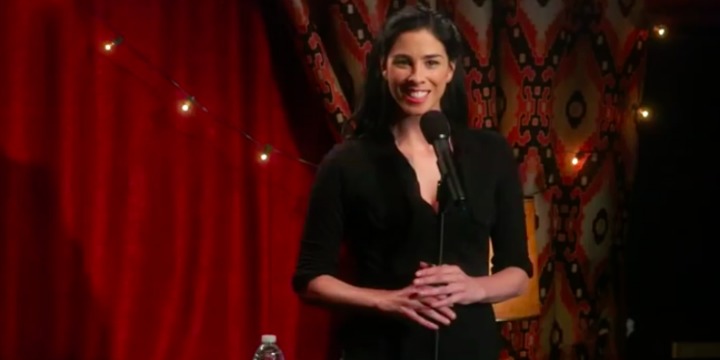
Sarah Silverman Criticizes ‘Jewface’ Casting in Hollywood After Kathryn Hahn Hired to Play Jewish Icon Joan Rivers

Sarah Silverman Criticizes ‘Jewface’ Casting in Hollywood After Kathryn Hahn Hired to Play Jewish Icon Joan Rivers

Shiryn Ghermezian


Sarah Silverman. Photo: YouTube screenshot.

Actress and comedian Sarah Silverman slammed Hollywood last week for what she called its long-standing practice of “Jewface” after non-Jewish actress Kathryn Hahn was cast to play the late Jewish-American comedian and actress Joan Rivers in a new limited series.

“Kathryn Hahn did absolutely nothing wrong. She’s a brilliant actor … She’ll be great as Joan and singularly I have zero problem with it,” Silverman began by saying on the Sept. 30 episode of her podcast. “[But] there’s this long tradition of non-Jews playing Jews, and not just playing people who happen to be Jewish, but people whose Jewishness is their whole being.”

“One could argue, for instance, that a Gentile playing Joan Rivers correctly would be doing what is actually called ‘Jewface,’” she added, referencing the act of casting non-Jews to portray Jewish characters and having them enact Jewish stereotypes, such as wearing a large fake nose or long beard and speaking with a Yiddish accent.

Silverman further discussed antisemitic tropes that she said make people “unsympathetic towards Jews,” such as claims that “Jews run Hollywood” and  “Jews are rich and powerful.” She argued that Hahn playing Rivers in Showtime’s limited series “The Comeback Girl” is only the most recent example of “Jewface” casting decisions, noting other instances where strong Jewish characters were played by non-Jewish actresses in film or television, including Felicity Jones as Ruth Bader Ginsburg in “On the Basis of Sex,” Rachel Brosnahan in “The Marvelous Mrs. Maisel,” Tracey Ullman as Betty Friedan in “Mrs. America” and Rachel McAdams in “Disobedience.”

Hahn previously played a rabbi in the Amazon series “Transparent.”

“None of these actresses are doing anything wrong, but collectively it’s f***ed up,” Silverman said. “In a time when the importance of representation is seen as so essential and so front and center why does ours constantly get breached? … It has to also finally matter for Jews as well. Especially Jewish women. The pattern in film is just undeniable and the pattern is: if the Jewish woman character is courageous or deserves love, she is never played by a Jew.”

Discussion in Hollywood has been ongoing for years regarding the hiring of non-Jewish actors to portray Jewish characters. In 2018, Jen Rudin, an award-winning casting director and author, defended the practice by saying “acting is a profession and our goal and job as casting directors is to hire the most qualified actor for the role … If we are only casting Jewish actors for Jewish roles, it feeds into a racist or religious stereotype that Jews all look a certain way and then we are not open-minded in our casting searches.”


Zawartość publikowanych artykułów i materiałów nie reprezentuje poglądów ani opinii Reunion’68,
ani też webmastera Blogu Reunion’68, chyba ze jest to wyraźnie zaznaczone.
Twoje uwagi, linki, własne artykuły lub wiadomości prześlij na adres:
webmaster@reunion68.com


Współczucie dla zwierząt

Edwin Henry Landseer, Isaac van Amburgh ze swoimi zwierzętami


Współczucie dla zwierząt

RABIN DAVID SEARS
Tłumaczenie: Jolanta Różyło


WSPÓŁCZUCIE DLA ZWIERZĄT JEST MIARĄ DUCHOWEJ DOSKONAŁOŚCI. W KLASYCZNYM DZIELE O ŻYDOWSKIEJ ETYCE MESILAS JESZARIM (ŚCIEŻKA PRAWOŚCI) RABIN MOSZE CHAIM LUZZATTO (1707-1746) ZAPEWNIA, ŻE JEST TO JEDNA Z PODSTAWOWYCH CECH OSOBY NAZYWANEJ CHASID – TAKIEJ, KTÓRA DĄŻY DO DUCHOWEJ PERFEKCJI. RZECZYWIŚCIE, W MIDRASZU CZYTAMY, ŻE ZARÓWNO MOJŻESZ, JAK I KRÓL DAWID ZOSTALI WYZNACZENI PRZEZ BOGA NA PRZYWÓDCÓW IZRAELA ZE WZGLĘDU NA TROSKĘ, Z JAKĄ OPIEKOWALI SIĘ SWOJĄ TRZODĄ (SZEMOS RABA 2:2). 

„Dobry Bóg dla wszystkich, i miłosierdzie jego nad wszystkiemi tworami Jego” (Ks. Psalmów 145:9). Ten wers jest podstawą rabinicznego stosunku do traktowania zwierząt, tematu pojawiającego się w różnych kontekstach w literaturze biblijnej. Tora opowiada się za etyką miłosierdzia wobec wszystkiego, co żyje, i podkreśla świętość każdego istnienia. Wartości te materializują się w prawach zakazujących okrucieństwa wobec zwierząt (caar baalej chajim) i tych zobowiązujących ludzi do opiekowania się nimi.

Na pierwszy rzut oka istotność cytowanego wersetu może wydawać się nieco niejasna – mowa w nim o Bogu, nie o człowieku. Podstawą żydowskiej etyki jest jednak naśladowanie Bożych poczynań. Jak mówili mędrcy Talmudu: „Tak jak On odziewał nagich, ty będziesz odziewał nagich. Tak jak On jest miłosierny, i ty miłosiernym będziesz…” (tr. Sota, Sifrej do Dwarim 11:22). Dlatego współczucie dla wszystkich żywych stworzeń to nie tylko sprawa Boga – to cnota, którą musimy naśladować. Ponadto w tradycji rabinicznej miłosierdzie jest najważniejszym ze wszystkich Bożych atrybutów. Współczucie nie może być zatem uważane tylko za jedną z wielu cech wartych pielęgnowania – powinno być podstawą naszego stosunku do życia w ogóle. 

Życzliwość wiąże się z działaniem. Poza subiektywnym pielęgnowaniem moralności prawo religijne judaizmu (halacha) nakazuje bycie dobrym dla zwierząt, zabrania znęcania się nad nimi, chwali ich pożyteczność i zobowiązuje właścicieli do dbania o ich interes. W tym artykule pochylimy się nad naszymi zobowiązaniami wobec zwierząt jako Bożych istot, zasługujących na współczucie i szacunek.

WSPÓŁCZUCIE DLA ZWIERZĄT

„Należy szanować wszystkie stworzenia, widząc w nich wielkość Stwórcy, który ukształtował człowieka mądrze”, twierdzi rabin Moshe Cordovero. „Wszystkie stworzenia przesycone są mądrością Stwórcy, co czyni je same wielce godnymi poszanowania. Bóg, nasz Mędrzec, który przenika wszystko, połączony jest ze swoimi stworzeniami poprzez proces kreacji. Gdyby ktoś chciał, broń Boże, je znieważyć, odbiłoby się to na szacunku wobec ich Stwórcy” (Sefer Tomer Dewora 2:1).

Współczucie dla zwierząt jest miarą duchowej doskonałości. W klasycznym dziele o żydowskiej etyce Mesilas jeszarim (Ścieżka prawości) rabin Mosze Chaim Luzzatto (1707-1746) zapewnia, że jest to jedna z podstawowych cech osoby nazywanej chasid – takiej, która dąży do duchowej perfekcji (r. 19). Rzeczywiście, w midraszu czytamy, że zarówno Mojżesz, jak i król Dawid zostali wyznaczeni przez Boga na przywódców Izraela ze względu na troskę, z jaką opiekowali się swoją trzodą (Szemos Raba 2:2). Istnieje wiele historii o cadikim (prawych) i ich serdeczności wobec zwierząt. Ta troska rozciąga się czasami nawet na dzikie zwierzęta, za które nie odpowiadamy bezpośrednio. 

Maharal z Pragi (rabin Jehuda Löw ben Becalel, 1512-1609) zauważa, że „miłość do wszystkiego, co żyje, jest również miłością do Boga; kto bowiem kocha Jedynego, darzy miłością wszystko, co On stworzył” (Nesiwos olam, Ahawas Rej 1). Uświadomienie sobie tej prawdy jest centralnym założeniem żydowskiego mistycyzmu. Stąd też wyrasta żydowska etyka współczucia dla wszystkich stworzeń.

PRAWA CAAR BAALEJ CHAJIM – ZAPOBIEGANIE OKRUCIEŃSTWU WOBEC ZWIERZĄT

Na jakiej podstawie zakazuje się okrucieństwa wobec istot żywych? Nigdzie w Torze nie jest napisane: nie dręcz zwierząt. Wszyscy rabini Talmudu bez słowa akceptują, że jest to zabronione na mocy nieprzerwanej tradycji, która rozpoczęła się od historii Mojżesza na górze Synaj. Mędrcy czasami kwestionują jedynie konkretne przesłanki dotyczące podstaw i następstw zakazu[1]. Talmud przywołuje spór o to, czy caar baalej chajim zakazane jest przez prawo biblijne, czy dekret rabiniczny (tr. Bawa Mecija 32b). Dyskusja dotyczy przypadku, kiedy wędrowiec napotyka zwierzę wroga, które „legło pod swoim brzemieniem” (Szemot 23:5), a Tora nakazuje mu interweniować,[2]. Choć talmudyczna dyskusja nie jest rozstrzygająca, a niektóre późniejsze źródła uznają zakaz za decyzję rabinów[3], Majmonides (Mosze ben Majmon, 1135-1204) i większość autorytetów rabinicznych uważają go za prawo biblijne[4].

Co to w rzeczywistości zmienia? Otóż jeśli uznamy, że caar baalej chajim jest zakazem płynącym z Biblii, oznaczać to będzie, że powinniśmy nie tylko nie krzywdzić zwierząt, ale też aktywnie zapobiegać sprawianiu im bólu. Według niektórych autorytetów rabinicznych wynika to ze wspomnianego wcześniej fragmentu Tory, w którym czytamy: „ale przyjdziesz mu z pomocą”[5]. Inne praktyczne następstwo dotyczy praw związanych z szabatem. Jeśli uznamy, że zakaz wynika z Biblii, niektóre obostrzenia dotyczące szabatu mogą zostać uchylone, aby zapobiec cierpieniu zwierzęcia[6]. Jeszcze inną zmienną jest kara za złamanie prawa biblijnego – bardziej surowa niż w przypadku prawa rabinicznego. W prawie halachicznym dominuje przekonanie, że caar baalej chajim to zakaz wynikający z Tory[7]. Dlatego jesteśmy zobowiązani pomóc zwierzęciu, a w szabat obowiązek ten ma pierwszeństwo przed wszystkimi innymi rabinicznymi obostrzeniami[8].

Rabin Tyson Herberger: Czy Bóg chce, abyśmy jedli zwierzęta?

ZWIERZĘTA JAKO ŹRÓDŁO POŻYWIENIA

Jedną kwestią, w której judaizm nie zgadza się z ruchem na rzecz praw zwierząt (a przynajmniej jednym z jego odłamów), jest filozofia stawiania zwierzęcia na równi z człowiekiem[9]. Zakaz caar baalej chajim nie obowiązuje w sytuacji, w której człowiek ma prawo wykorzystać zwierzę do zaspokojenia uzasadnionej potrzeby. Jednym z najlepiej znanych przykładów jest fragment, w którym Tora – ustępując ludzkiemu pragnieniu spożywania mięsa – zezwala Noemu i jego potomkom na ubój zwierząt[10].

Zezwoleniu temu towarzyszy jednak cały szereg złożonych ograniczeń, z których duża część dotyczy zapobiegania cierpieniu stworzeń, które mają utracić dla nas życie[11]. Żydowskie prawo wymaga humanitarnego traktowania każdego zwierzęcia przed dokonaniem uboju. Nie powinno być ono na przykład zabijane w obecności innych zwierząt[12], a krępowanie go powinno odbywać się z największą ostrożnością[13]. Od wieków dodatkowo wymagano również, aby szochet (osoba dokonująca uboju religijnego) był człowiekiem uczonym w Torze.

Ponieważ przy zachowaniu tych ograniczeń ubój jest dozwolony, wiążące się z nim cierpienie zwierzęcia nie podlega halachicznemu zakazowi caar baalej chajim[14]. Według większości rabinicznych autorytetów wyjątek ten rozciąga się również na ubój zwierząt w celu zaspokojenia innych niż uzyskanie pożywienia potrzeb człowieka, takich jak produkcja odzieży czy wyrobów medycznych.

Celem szchity, oprócz pobudek związanych z wypełnieniem odpowiedniego rytuału, jest również zminimalizowanie cierpienia zwierzęcia[15]. Przez ponad trzy tysiące lat od nadania Tory nie wymyślono żadnej innej, lepszej formy uboju. Rabin J. David Bleich, współczesny autorytet w kwestii prawa żydowskiego, twierdzi, że „szchita jest najbardziej humanitarną metodą uboju znaną człowiekowi. Procedura polega na przecięciu w poprzek gardła zwierzęcia niezwykle ostrym i gładkim nożem. Ze względu na ostrość narzędzia i brak zakończeń nerwowych na skórze pokrywającej gardło samo nacięcie nie powoduje bólu (…). Następująca po nim utrata znacznej ilości krwi sprawia, że zwierzę traci przytomność w kilka sekund po jego wykonaniu”[16]. Twierdzenie to poparte jest wieloma naukowymi dowodami[17].

PRZED UBOJEM

Po omówieniu pewnych religijnych i etycznych aspektów samej szchity musimy również rozważyć kwestię sposobu traktowania zwierząt przed faktycznym ubojem. Niestety współczesna hodowla zwierząt w celach spożywczych nastręcza w tej kwestii wielu problemów.

Niegdyś zwierzęta należące do Żydów hodowane były w niewielkich, prywatnych gospodarstwach, w relatywnie humanitarnych warunkach (choć bez wątpienia istniały farmy, na których traktowano je źle). Szochet był osobą znaną wśród członków wspólnoty. Pracował na zlecenie pojedynczych klientów, a większe zwierzęta zabijał prawdopodobnie stosunkowo rzadko. Współcześnie wszystko uległo zmianie. Produkcja masowa zaczęła stopniowo dominować w przemyśle spożywczym, począwszy od wielkich hodowli bydła w Chicago po wojnie secesyjnej i rozpowszechnienia się supermarketów w latach trzydziestych ubiegłego wieku. Od lat czterdziestych jesteśmy świadkami powstawania licznych „farm przemysłowych” hodujących miliony sztuk bydła i miliardy sztuk drobiu na potrzeby konsumpcji[18]. Biorąc pod uwagę ekonomiczne realia przemysłu spożywczego, społeczność żydowska nieuchronnie stała się częścią nowego systemu. Hodowla własnego bydła w celach komercyjnych jest dla dostawców koszernego mięsa w ogóle nieopłacalna, nikt więc już tego nie robi (niewielki odsetek pracuje z hodowcami kontraktowymi, mając dzięki temu nikły głos w sprawie warunków, w jakich żyją zwierzęta).

W hodowlach przemysłowych zwierzęta przetrzymywane są w bardzo zatłoczonej przestrzeni, nie mającej nic wspólnego z naturalnym środowiskiem. Ich potrzeby emocjonalne są zwykle ignorowane. Spod ustawy o ochronie zwierząt jednoznacznie wyłączone są te przeznaczone na żywność. Dzięki temu branża wykształciła nowe systemy hodowli, które pozwoliły gwałtownie zwiększyć produkcję i zmaksymalizować zyski. Istnieją zapewne farmy przemysłowe stanowiące wyjątek od tej reguły[19], jednak aktywiści na rzecz praw zwierząt przekonują, że znacząca większość hodowców wykazuje minimalną troskę o dobrostan swojego bydła. Nowoczesne systemy produkcji zostają jednak ostatnio poddawane coraz większej kontroli ze strony zarówno konsumentów, jak i organów regulacyjnych.

Z żydowskiego punktu widzenia przemysłowe metody hodowli zwierząt są wysoce wątpliwe. Rabin Aryeh Carmell, założyciel Association of Orthodox Scientists of Great Britain, będący przez wiele lat członkiem wydziału izraelskiej Yeshivat Dvar Yerushalayim, pisał: „Wątpliwe (…), żeby Tora popierała hodowle przemysłowe, w których zwierzęta traktuje się jak maszyny, a ich naturalne potrzeby i instynkty są wyraźnie ignorowane. Jest to kwestia, którą muszą rozstrzygnąć autorytety halachiczne”[20]. 

W sprawie obchodzenia się ze zwierzętami przed i w trakcie uboju pionierką okazała się dr Temple Grandin z Colorado State University, która zapoczątkowała działania na rzecz poprawy warunków hodowli i pod egidą American Meat Institute stworzyła przewodnik humanitarnych standardów traktowania zwierząt. Wiele z zaproponowanych przez nią norm zostało przyjętych przez amerykańskie rzeźnie, mimo że nie wymagało tego prawo[21]. 

Amerykański przemysł spożywczy ma długą, mroczną historię, za którą nie można winić Żydów. Ze względu jednak na znaczenie odpowiedniego traktowania zwierząt w żydowskim prawie i tradycji nie możemy całkowicie zaakceptować takiego stanu rzeczy i czerpać z niego korzyści, uzasadniając to stwierdzeniem, że nie złamaliśmy bezpośrednio zakazu caar baalej chajim. Ustanawianie wyższych humanitarnych standardów dla naszego globalnego społeczeństwa to moralne przedsięwzięcie, za które jako aktywni członkowie społeczeństwa jesteśmy odpowiedzialni. Kwestia właściwego traktowania zwierząt może dla wielu Żydów wydawać się czymś nowym, ale tradycyjne żydowskie wartości zdecydowanie się za nią opowiadają.

W ostatnich latach pojawili się producenci koszernego mięsa dążący do utrzymywania wyższych standardów hodowli. Za przykład mogę podać produkujące mięso glat koszer firmy KOL Foods and Grow i Behold Foods. Należącym do nich zwierzętom nie podaje się antybiotyków, hodowane są na małych rodzinnych farmach na wolnym wybiegu, gdzie karmi się je trawą. Ubój dokonywany jest pod nadzorem pracowników organizacji Orthodox Union lub Star-K. Tego rodzaju firm powstaje więcej, a ich misją jest uszanowanie zakazu caar baalej chajim. Należy jednak zaznaczyć, że dodatkowe koszty wiążące się z taką produkcją mięsa znacząco wpływają na jego cenę, zawężając rynek zbytu do małej grupy osób, które na nie stać lub które chcą ograniczyć jego jedzenie.

WSPÓŁCZUCIE DLA ZWIERZĄT W INNYCH KONTEKSTACH

Tora opowiada się za wrażliwością na uczucia zwierząt nie tylko w kwestii niesprawiania im cierpienia. Przykładem jest historia rabiego Judy Ha-Nasiego (tworzącego w II wieku mędrca odpowiedzialnego za redakcję Miszny). W Talmudzie czytamy o tym, jak rabi Juda został ukarany przez Niebiosa za bezduszne potraktowanie przestraszonego cielaka, który szukał schronienia u jego stóp, gdy zabierano go na rzeź (Bawa Mecija 85a). Wielu komentatorów kwestionuje grzeszny charakter zachowania Judy – w końcu nie skrzywdził zwierzęcia. Jedno wyjaśnienie głosi, że ze względu na swoją duchową rangę powinien on wykazać się większym współczuciem, wychodzącym ponad literę prawa[22].

Dlatego też wielu z naszych największych mędrców brało aktywny udział w ratowaniu zwierząt od cierpienia, nawet jeśli nie wymagała tego halacha. Rabin Israel Salanter (1810-1883, zapoczątkował ruch religijny zwany musaryzmem) spędził raz wieczór Jom Kipur, najświętszy czas w roku, na poszukiwaniach zaginionego cielaka swojego chrześcijańskiego sąsiada, podczas gdy członkowie jego wspólnoty, niczego nieświadomi, czekali na jego przybycie. Poważany rabin Elijahu Lopian (1876-1970) osobiście opiekował się bezpańskim kotem, który szukał schronienia w jego jesziwie. W młodości Chazon Isz (rabin Awraham Jeszaja Karelic, 1878-1953) zszedł do głębokiego dołu, aby uratować zwierzę niekoszernego gatunku.

Wezwanie do głębokiej wrażliwości na cierpienie zwierząt nie jest skierowane wyłącznie do cadikim jak rabi Juda ha-Nasi, ale do każdego z nas. Przykład powszechnego charakteru takiego przekonania podaje Remu (rabin Mosze Isserles, 1530-1572) w swoich glosach do Szulchan Aruch. „Prawo zezwala wyrywać pióra z żywej gęsi, ale unikamy tego, bo jest to akt okrucieństwa”[23]. Widzimy zatem, że nawet pozaprawne działania ludu mogą stanowić powód halachiczny, a cierpienie zwierząt, wynikające z chęci zaspokojenia potrzeby człowieka, nie jest etycznie obojętne.

Ten wyższy poziom wrażliwości z pewnością powinien znaleźć zastosowanie w obszarach służących zaspokajaniu wątpliwych ludzkich potrzeb, na przykład w przypadku testowania na zwierzętach kosmetyków czy towarów luksusowych[24], tuczenia gęsi do produkcji foie gras[25], hodowli młodych krów na cielęcinę[26] czy tak popularnego hodowania zwierząt na futro[27]. Wiem, że istnieją producenci cielęciny i futer dbający o wysokie standardy humanitarnej hodowli, a więc możliwe musi być też podniesienie standardów dla całej branży. O owych ulepszeniach dyskutuje się jednak od lat – z niewielkim skutkiem.

W Talmudzie czytamy, że Żydzi są godni pochwały, ponieważ pragną służyć Bogu ponad literą prawa (tr. Brachot 20b). Ten wyraz pobożności stosowany był w przypadku wielu rytualnych nakazów. Czy nie powinniśmy więc zastosować go z podobną starannością do nauk dotyczących życia innych stworzeń? Jest to bezpośredni akt dbania o dzieło Bożej kreacji i służba światu. Angażując się w akty współczucia, stajemy się godni błogosławieństwa naszych mędrców: Bóg okaże miłosierdzie tym, którzy są miłosierni[28].

PRZEKAŻ DAROWIZNĘ

[1] W Szearim mecujanim be-halacha (s. 191) pojawia się opinia z Tszuwos haraszba (s. 252, 257), zgodnie z którą zakaz caar baalej chajim dotyczy zarówno ludzi, jak i zwierząt. Jednak w Tszuwos chawas jair (s.191) jest ona odrzucona.

[2] Gemara rozważa następujące niuanse w tekście: „Czy to, że zwierzę «legło», wskazuje na stan przejściowy, wykluczając zwierzę, które ma w zwyczaju leżeć pod własnym ciężarem? Czy «legło» wyklucza zwierzę, które stoi? Gemara argumentuje, że rozróżnienia te mają zastosowanie wyłącznie wtedy, gdy uznamy nakaz za (mniej surowe) prawo rabiniczne. Od prawa biblijnego nie istnieją żadne wyjątki.

[3] Niektóre autorytety rabiniczne interpretują zdanie Majmonidesa z Hilchos roceach 13:9 jako zgodne z poglądem, że nakaz jest rabiniczny (Pnej Jehoszua, Bawa mecija 32b, Hagahos ha-gra al ha-rosz, Bawa mecija, r. 2). Patrz: Beur ha-gra, Choszen miszpat 272:11, Minchas chinuch 80. Zgodnie z Chasam sofer, mimo że Biblia zabrania zadawania bólu wszelkim stworzeniom, obowiązek ratowania zwierząt dotyczy tylko tych, które należą do nas (Tszuwos chasam sofer, Jore dea, nr 314, 318, Choszen miszpat, nr 185). Wydaje się to być zgodne ze zdaniem Maharama Schicka (Tarjag micwos 80). Autorytety rabiniczne, które nie stosują tego rozróżnienia, to m.in.: Noda Bijehuda, Mahadura kama, Jore dea, nr 81-83; Szulchan Aruch ha-Raw t. 6, Caar baalej chajim 4; Kicur Szulchan Aruch 191:1; Drach majsharim 15:1. Neciw w Haamek dawar (Dwarim 22) utrzymuje, że człowiek nie jest zobowiązany przez prawo biblijne, ale powinien działać zgodnie z prawem rabinicznym. W Eszel Awraham (Tinjana, Jore dea 305:20) rabin Awraham z Buczacza twierdzi, że pośrednie lub bezpośrednie ukrócenie cierpienia zwierzęcia jest obowiązkiem każdego Żyda zdolnego interweniować na mocy prawa biblijnego. Patrz: Rabin Icchak Nachman Eszkoli, Caar baalej chajim (2002), r. 11.

[4] Majmonides, Miszne Tora, Hilchos roceach 13:9. Potwierdza to Miszne Tora, Hilchos szabos 25:26 i komentarz Majmonidesa do Bejca 3:4. Większość żydowskich autorytetów zgadza się, że caar baalej chajim jest zakazem wynikającym z Biblii, np.: Rif w komentarzu do Szabos 128b; Sefer ha-chinuch 450, 451; Rosz, kom. do Bawa mecija 2:29 i do Szabos 3:18; Nimukej Josef, Bawa mecija 32b; Meiri, Bawa mecija 32b; Szita mekubecet, Bawa mecija 33a; Sefer Jereim 272:9; Lewusz, Orach chajim 305:18; Megen Awraham, Orach chajim 305:11 (za: David Bleich, Vegetarianism and Judaism, Contemporary Halakhic Problems, t. III).

[5] Raszi, kom. do Szabos 128b. Rabad, Szita mekubecet, Bawa mecija 32b; Lewusz, Orach chajim 305:18.

[6] Precyzując, Żyd może złamać zakaz rabiniczny w celu złagodzenia cierpienia zwierzęcia, a w przypadku, kiedy złamane ma być przykazanie biblijne, powinien o pomoc poprosić nie-Żyda (Ritwa, Bawa mecija 32b; Rosz, Bawa mecija 2:29, Szabos 18:3; Magen Awraham, Orach chajim 305:11; Korban Nesanel, Szabos 18:3). Jeśli pośrednia interwencja nie jest możliwa lub nie przynosi skutków, Sziltej Giborim w kom. do kom. Rifa do Szabos 51a (3) zezwala na udzielenie bezpośredniej pomocy zwierzęciu.

[7] Raszi w komentarzu do Szabos 128b cytuje wers: „ale razem z nim przyjdziesz mu z pomocą” (Szemot 23:5). Ponieważ zakaz caar baalej chajim jest tu tylko domniemany, starożytni szukali jego podstaw w innych źródłach. Zarówno Majmonides (Przewodnik błądzących 3:17), jak i rabi Jehuda he-Chasid (1150-1217, Sefer chasidim 666) znajdują je w historii Balaama, który bije w gniewie osła. Anonimowy autor Sefer ha-Chinuch (XIII w.) łączy to prawo z zakazem zjadania kończyny żyjącego zwierzęcia. Ten sam autor wspomina również o caar baalej chajim w dyskusji na temat zakazu orki z dwoma różnymi gatunkami zwierząt zaprzężonymi razem. Rabin Menachem Meiri z Perpignan łączy go z zakazem krępowania żuchwy „wołu, który młóci”.

[8] Istnieją jednak czynniki łagodzące. Zgodnie ze zdaniem Josefa ibn Habiba, który cytuje kom. do Bawa mecija 32b Rabenu Nisima z Girony, uczony w Torze, osoba starsza albo taka, która zajmuje honorowe miejsce w społeczności, zwolniona jest z obowiązku interweniowania. Ponadto zakaz caar baalej chajim może być unieważniony w przypadku rzeczywistego zaspokojenia podstawowych potrzeb człowieka (Ramban, Awoda zara, Bawa mecija 32b).

[9] Najbardziej znanym zwolennikiem tej idei jest Peter Singer, autor Wyzwolenia zwierząt i napisanej wspólnie z Jimem Masonem książki Fabryki zwierząt (Animal Factories). Trudno znaleźć przykład takiego podejścia w filozofiach Zachodu, ale spotykane jest ono w niektórych religiach Wschodu (Animal Life in Jewish Tradition, r. 14).

[10] Patrz: Judaism and Vegetarianism, r. 6, A Vision of Eden: Animal Welfare and Vegetarianism in Jewish Law and Mysticism (op. cit.).

[11] Galja raza, s. 209-210. Według kabały dusze zwierząt protestują przed Tronem Bożym przeciwko zarówno Żydom, jak i nie-Żydom, którzy brutalnie lub bez wyraźnej przyczyny odebrali im życie.

[12] Szulchan Aruch, Jore dea 36:14.

[13] Szulchan Aruch, Jore dea 58.

[14] Rabin Bleich (op. cit.) nie zalicza uboju zwierząt do caar baalej chajim (Tszuwos awoda ha-gerszuni, Noda be-Jehuda, Jore dea, Seridej Ejsz). Z Tosafot do tr. Sanhedryn 80a wyraźnie wynika, że niekarmienie i niepojenie zwierząt należy do kategorii caar baalej chajim, ale szybkie i bezpośrednie spowodowanie śmierci już nie. Inne zdania zawarte są w: Szita mekubeces do Bawa basra 20s, Tszuwos szoel u-mesziw, Mahadura tinjana, Sefer ha-chinuch. Późniejsi komentatorzy, którzy uważają, że każde zabicie zwierzęcia to caar baalej chajim, to rabin Bach, Jaawec, Szewus Jaakow.

[15] Tomer Dewora, r. 3.

[16] R. Bleich, op. cit., s. 205.

[17] Sprzeciw wobec szchity nie jest niczym nowym. Na przestrzeni lat wykorzystywany był przez antysemickie władze w różnych miejscach na świecie. Na temat uboju religijnego opublikowano setki badań, poczynając od książek dr. Isaaca Dembowa Ha-chana szchita (Przygotowanie do uboju religijnego, 1892) i Żydowski ubój religijny (1894). Najobszerniejszym chyba dziełem na ten temat adresowanym do osób niereligijnych jest Szchita w świetle roku 2000 autorstwa dr. I. M. Levingera (1995). W rozdziale jedenastym Levinger porusza kwestię cierpienia zwierząt podczas szchity: „W 8 do 10 sekund [po szchicie] ośrodki odpowiedzialne za równowagę przestają działać. W przypadku mniejszych zwierząt zanika odruch rogówkowy, w przypadku większych zajmuje to nieco więcej czasu. Można założyć, że kora mózgowa przestaje funkcjonować w mniej niż 10 sekund po szchicie. Ponieważ zwierzę nie porusza się w ciągu tych 10 sekund, można założyć, że nie odczuwa bólu…”. Inne badanie, które przywołuje Levinger, to Badanie elektroencefalografem przeżuwaczy w celu ustalenia reakcji kory mózgowej po uboju religijnym (1979), wykonane przez L. I. Nangeroniego i P. O. Kennetta. Według ostatniego raportu owce, cielęta i kozy tracą przytomność w ciągu 3,3 do 6,9 sekund po zadanym cięciu. Badacze twierdzą, że w normalnych okolicznościach szchita powinna być bezbolesna albo prawie bezbolesna. Dr Temple Grandin przebadała, przy zmiennych warunkach, pięć wytwórni koszernego mięsa używających zagród do ogłuszania. Najkrótszy czas ich działania wyniósł osiem sekund, podczas gdy najdłuższy aż sto dwadzieścia sekund. We wszystkich jednak pięciu wytwórniach średni czas, w którym zwierzę traci świadomość, wyniósł poniżej trzydziestu sekund (Ubój religijny, www.grandin.com). Choć Grandin ogólnie opowiada się za ubojem religijnym, zaznacza też, że nie we wszystkich przypadkach jest on dokonywany humanitarnie.

[18] United States Department of Agriculture Livestock Slaughter 2010 Summary, United States Department of Agriculture National Agricultural Statistics Service, kwiecień 2011.

[19] W wymianie wiadomości między dr. Joe Regensteinem z Uniwersytetu Cornella, doświadczonym naukowcem zajmującym się żywnością i działaczem na rzecz praw zwierząt, a jego długoletnią współpracownicą dr Temple Grandin ten pierwszy przekonywał, że humanitarna przemysłowa hodowla zwierząt jest możliwa i że zdarzało mu się odwiedzać takie farmy.

[20] Aryeh Carmell, Masterplan: Judaism, It’s Programs, Meanings, Goals, s. 69.

[21] American Meat Institute, Recommended Handling and Stunning Guidelines, www.grandin.com.

[22] Rabin Jehuda Lejb Zirelson, Maarchej Lew.

[23] Rama do Szulchan Aruch, Ewen ha-ezer 5:14. Stwierdzenie to, cytowane w Isur we-heter 59:36, poparte zostaje w Tosefos do Bawa mecija 32b. Także: Kicur Szulchan Aruch 191:1; Szulchan Aruch Haraw, Owrej drachim we-caat baalej chajim 4.

[24] Rabin Bleich cytuje Pri Megadim do Orach chajim 468:2, gdzie rozróżnione są „duże” i „małe” potrzeby człowieka. W responsie z 1992 roku rabin Chaim HaLevi mówił o pozyskiwaniu futer ze zwierząt jako o corech chijuni, rzeczywistej ludzkiej potrzebie. Rabin Ovadia Yosef, były sefardyjski naczelny rabin Izraela, zakazał eksperymentowania na zwierzętach w celu badania kosmetyków (responsa z dnia 3 adar 5762). Aszkenazyjski rabin Hajfy Shear Yashuv Cohen w prywatnym liście zapewnił mnie, że zakazuje eksperymentowania na zwierzętach i przygotowuje responsę na ten temat.

[25] Przeciwni takim praktykom są m.in.: Bach, Jore dea 33:9; Chochmas Adam 16:10; Szaarej Cedek, Jore dea 33; Diwrej Menachem (Diwrej Szalom), s. 143.

[26] Biorąc pod uwagę, w jak brutalny sposób pozyskuje się futro foki (bijąc zwierzę pałkami) oraz nieludzkie warunki, w jakich przetrzymywane są zwierzęta na wielu fermach futrzarskich, nieżyjący już Raw Chaim David HaLevi, sefardyjski rabin Tel Awiwu, ogłosił, że producenci futer, pozyskujący je w okrutny sposób, powinni być bojkotowani.

[27] Trudno oszacować, ile zwierząt rocznie zabijanych jest w Stanach Zjednoczonych na futro. The Humane Society szacuje tę liczbę na około 30 milionów. Według komisji do spraw futra w USA około połowa zwierząt zabijanych dla skór jest hodowana w zamknięciu na fermach futrzarskich. Są one duszone dwutlenkiem lub czystym tlenkiem węgla albo zabijane zastrzykiem. Według American Veterinary Medical Association i Geulph University Research Facility in Canada są to metody humanitarne. Ze względu jednak na niewielki nadzór, jakiemu podlega ten przemysł, znaczna część hodowanych w klatkach zwierząt nie jest zabijana przy pomocy tych środków, ale poprzez użycie tlenku węgla znajdującego się w spalinach samochodu, porażenie prądem odbytu lub genitaliów albo skręcenie karku. Dzięki działaniom aktywistów w 89 krajach zakazano korzystania z metalowych pułapek.

[28] Szabos 151b; Bawa Mecija 85a; Megila 12b; Jeruszalmi Bawa Karma 8:7; Zohar Ill, 92b; Likutej Moharan I. 119.


Zawartość publikowanych artykułów i materiałów nie reprezentuje poglądów ani opinii Reunion’68,
ani też webmastera Blogu Reunion’68, chyba ze jest to wyraźnie zaznaczone.
Twoje uwagi, linki, własne artykuły lub wiadomości prześlij na adres:
webmaster@reunion68.com


‘This is epic’: Global outage affects Facebook, WhatsApp, Instagram

‘This is epic’: Global outage affects Facebook, WhatsApp, Instagram

AP and ILH Sאשככ


Facebook’s social media plaftorm were offline on Monday night, with no definitve reason.

.
Faceook’s social media platforms suffered from a major outage well into Monday night | Photo: AFP / Chris Delmas

Facebook and its Instagram and WhatsApp platforms suffered a worldwide outage that has lasting more than three hours on Monday. Facebook’s internal systems used by employees also went down. Service has not yet been restored.

The company did not say what might be causing the outage, which began around 11:40 ET. Websites and apps often suffer outages of varying size and duration, but hours-long global disruptions are rare.

“This is epic,” said Doug Madory, director of internet analysis for Kentik Inc. The last major internet outage, which knocked many of the world’s top websites offline in June, lasted less than an hour. The stricken content delivery company in that case, Fastly, blamed it on a software but triggered by a customer who changed a setting.

Facebook’s only public comment so far was a tweet in which it acknowledged that “some people are having trouble accessing (the) Facebook app” and that it was working on restoring access. Regarding the internal failures, Instagram head Adam Mosseri tweeted that it feels like a “snow day.”

So many people are reliant on Facebook, WhatsApp or Instagram as a primary mode of communication that losing access for so long can make them vulnerable to criminals taking advantage of the outage, said Rachel Tobac, a hacker and CEO of SocialProof Security.

“They don’t know how to contact the people in their lives without it,” she said. “They’re more susceptible to social engineering because they’re so desperate to communicate,” Tobac said during previous outages, some people have received emails promising to restore their social media account by clicking on a malicious link that can expose their personal data.

The cause of the outage remains unclear. Madory said it appears that Facebook withdrew “authoritative DNS routes” that let the rest of the internet communicate with its properties.

Such routes are part of the internet’s Domain Name System, a key structure that determines where internet traffic needs to go. DNS translates an address like “facebook.com” to an IP address like 123.45.67.890. If Facebook’s DNS records disappeared, apps and web addresses would be unable to locate it.

Jake Williams, chief technical officer of the cybersecurity firm BreachQuest, said that while foul play cannot be completely ruled out, chances were good that the outage is “an operational issue” caused by human error.

Madory said there was no sign that anyone but Facebook was responsible and discounted the possibility that another major internet player, such as a telecom company, might have inadvertently rewritten major routing tables that affect Facebook. “No one else announced these routes,” said Madory.

Facebook is going through a separate major crisis after whistleblower Frances Haugen, a former Facebook product manager, provided The Wall Street Journal with internal documents that exposed the company’s awareness of harms caused by of its products and decisions. Haugen went public on “60 Minutes” on Sunday and is scheduled to testify before a Senate subcommittee on Tuesday.

Haugen had also anonymously filed complaints with federal law enforcement alleging that Facebook’s own research shows how it magnifies hate and misinformation, leads to increased polarization and that Instagram, specifically, can harm teenage girls’ mental health.

The Journal’s stories, called “The Facebook Files,” painted a picture of a company focused on growth and its own interests over the public good. Facebook has tried to play down the research. Nick Clegg, the company’s vice president of policy and public affairs, wrote to Facebook employees in a memo Friday that “social media has had a big impact on society in recent years, and Facebook is often a place where much of this debate plays out.”

Twitter, meanwhile, chimed in from the company’s main Twitter account, posting “hello literally everyone” as jokes and memes about the Facebook outage flooded the platform. Later, as an unverified screenshot suggesting that the facebook.com address was for sale circulated, Twitter CEO Jack Dorsey tweeted, “how much?”


Zawartość publikowanych artykułów i materiałów nie reprezentuje poglądów ani opinii Reunion’68,
ani też webmastera Blogu Reunion’68, chyba ze jest to wyraźnie zaznaczone.
Twoje uwagi, linki, własne artykuły lub wiadomości prześlij na adres:
webmaster@reunion68.com


News From Israel- October 04, 2021

News From Israel- October 04, 2021

ILTV Israel News


A pandora’s box of secret documents leaked to the public. And hundreds of Israelis implicated in the so called Pandora-Papers.
–
An assassination attempt in Cyprus gone awry. But who called for the hit?
–
Israel and Lebanon now set to come back to the negotiating table. The United States appointing a new mediator in their Mediterranean maritime border dispute.


Zawartość publikowanych artykułów i materiałów nie reprezentuje poglądów ani opinii Reunion’68,
ani też webmastera Blogu Reunion’68, chyba ze jest to wyraźnie zaznaczone.
Twoje uwagi, linki, własne artykuły lub wiadomości prześlij na adres:
webmaster@reunion68.com