Archive | October 2021

The Character of Nations and Failed Leadership


The Character of Nations and Failed Leadership

Lawrence Kadish
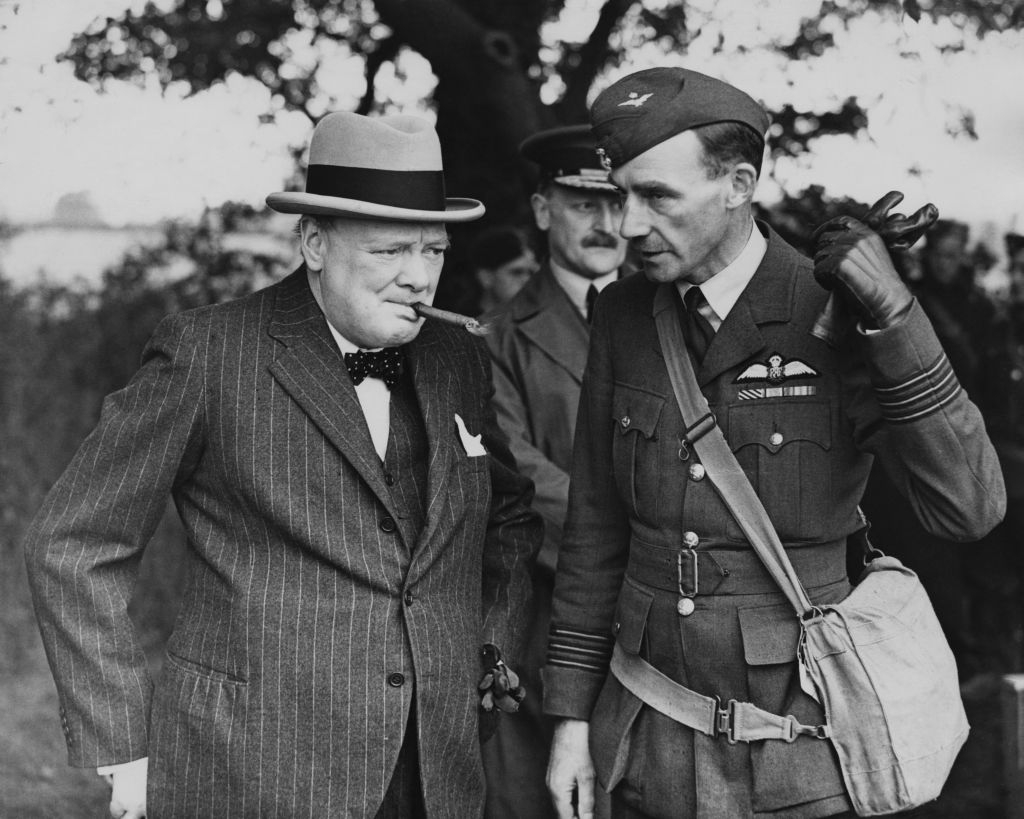

If anyone in the White House or its circling Obama attendants were conscious of history, they would recognize that political will, courage, and integrity forever define the character of nations. Consider the actions of British Prime Minister Winston Churchill who, when faced with a devastating military defeat in France, gave his military his full support in accomplishing the miracle of Dunkirk. Pictured: Churchill (left) in June 1940. (Photo by Central Press/Archive Photos/Getty Images)

  • If anyone in the White House or its circling Obama attendants were conscious of history, they would recognize that political will, courage, and integrity forever define the character of nations. Consider the actions of British Prime Minister Winston Churchill who, when faced with a devastating military defeat in France, gave his military his full support in accomplishing the miracle of Dunkirk.
  • And what is less known is that of the 338,000 men evacuated by British ships of all sizes were 100,000 French allies…. One can just imagine how America’s leading military men would have responded to Biden’s directives to abandon allies and weapons to the sworn enemies of democracy and freedom.
  • This President will have much to answer for as history records his catastrophic failure in how we left Afghanistan. The coming summary executions, the destruction of women’s rights, where even the joy of dancing is forbidden, will be as much part of the Biden legacy as the billions in sophisticated American military equipment now part of the Taliban arsenal.

Perhaps not since 1939, when this nation turned away over 900 German Jews seeking refuge from Nazi terror and certain death, has an American president acted as shamelessly as we approach President Biden’s unilateral deadline for evacuating our Afghan allies.

On the eve of World War II, the German transatlantic liner, the St. Louis, sought entry in the United States as well as Canada, and Cuba, its manifest filled with the names of German Jews who knew full well their fate if they were forced to return to the port city of Hamburg and the Third Reich. While the other two nations also denied its passengers entry visas, it was the moral authority of the United States that had collapsed, giving others the cover they needed to act accordingly. It has remained among the most shameful abdication of presidential leadership in our history.

Until now.

If anyone in the White House or its circling Obama attendants were conscious of history, they would recognize that political will, courage, and integrity forever define the character of nations. Consider the actions of British Prime Minister Winston Churchill who, when faced with a devastating military defeat in France, gave his military his full support in accomplishing the miracle of Dunkirk. And what is less known is that of the 338,000 men evacuated by British ships of all sizes were 100,000 French allies. They would not be allowed to be left on the beach to face the deprivations of the victorious Nazis. They should consider themselves fortunate that they were not allies of Joe Biden and his circle of advisors, lobbyists, and consultants.

One can just imagine how America’s leading military men would have responded to Biden’s directives to abandon allies and weapons to the sworn enemies of democracy and freedom. Recognizing the ruthless nature of Stalin’s bloodthirsty regime, at the end of World War II General Patton mused he was prepared to march on Moscow. U.S. Air Force General Curtis LeMay was in charge of the Strategic Air Command during the height of the Cold War and he too was prepared to do whatever was necessary to defend not just our nation but those Western European nations who stood with us in facing down the Communist Iron Curtain.

This President will have much to answer for as history records his catastrophic failure in how we left Afghanistan. The coming summary executions, the destruction of women’s rights, where even the joy of dancing is forbidden, will be as much part of the Biden legacy as the billions in sophisticated American military equipment now part of the Taliban arsenal.

But Biden will not stand alone in that coming judgment. His circle of apologists and enablers, including Vice President Harris, Washington’s shadow figures who are close to power but avoid disclosure, and the Progressive/socialists now strangely quiet in Congress will likely be viewed by historians as co-conspirators in allowing a global cancer to metastasize once more in Afghanistan, becoming far more powerful, more malignant and more deadly than before.

Patton would weep on LeMay’s shoulder.


Lawrence Kadish serves on the Board of Governors of Gatestone Institute.


Zawartość publikowanych artykułów i materiałów nie reprezentuje poglądów ani opinii Reunion’68,
ani też webmastera Blogu Reunion’68, chyba ze jest to wyraźnie zaznaczone.
Twoje uwagi, linki, własne artykuły lub wiadomości prześlij na adres:
webmaster@reunion68.com


Iran could have a nuclear weapon in 1 month – report

Iran could have a nuclear weapon in 1 month – report

ERUSALEM POST STAFF


Iran has reportedly not been this close to nuclear capability since before the nuclear accord in 2015.

.
AN IRANIAN FLAG is pictured near in a missile during a military drill, with the participation of Iran’s air defense units in October. (West Asia News Agency/Reuters) / (photo credit: WEST ASIA NEWS AGENCY/REUTERS)

Iran could have enough enriched uranium for a nuclear bomb within one month, according to a report published on Monday by the Institute for Science and International Security.

The institute estimated, in a worst-case scenario, that in as little as a month Iran could produce enough weapons-grade uranium for one nuclear weapon. In three months it could produce enough weapons-grade uranium for a second weapon and in five months a third.

Iran already has 200 grams of enriched uranium metal, which is a key element for the production of nuclear weapons.

The late Wednesday report by ISIS – also known as the “good ISIS” – would not mean the Islamic Republic could fire a nuclear weapon, as this requires additional tasks relating to detonation and delivery, but if correct, it would mean Tehran is at a new nuclear threshold where all that is needed is the political decision.

This dire prediction by the think tank came with criticism of the IAEA’S latest deal with Iran on Sunday in which a new dialogue was opened with Iran’s new government over nuclear issues, but without Tehran stopping its 60% enrichment violation of the 2015 JCPOA nuclear deal.
Since April, the Islamic Republic jumped its enrichment from 5% and 20% to the 60% level, which is considered only one level down from the 90% weaponized level.

At lower levels, Iran has in fact had sufficient quantity for multiple nuclear bombs for several months.

However, what was most significant about the report was that it was laid out in quantitative scientific terms based on IAEA reports itself, as opposed to the sometimes more vague statements by Israeli or other politicians.

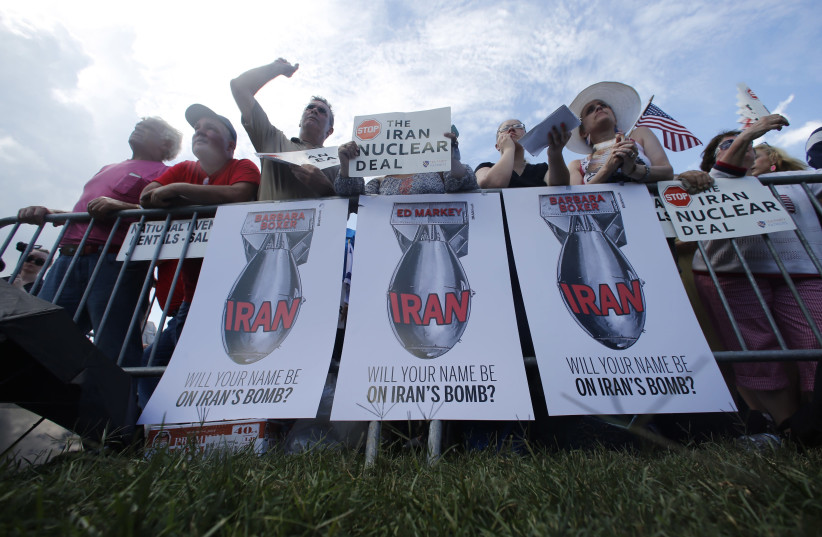
RALLYING AGAINST the Iran nuclear deal on Capitol Hill in Washington, 2015. (credit: JONATHAN ERNST / REUTERS)

Critics will note that the think tank’s founder David Albright is a hawk on Iran issues, but the report is based on IAEA data.

The report concluded that all Iranian moves are designed to pressure the US into concessions in the nuclear negotiations which broke down between May-June and have been totally frozen since new Iranian President Ebrahim Raisi was elected.

The current and former Israeli governments both oppose a return to the JCPOA without massive changes to fill holes whereas the Biden administration has moved aggressively to return to the deal.

To date, Biden administration officials have vaguely threatened that their patience for Iran to return to the negotiating table was not limitless, but have avoided any actual deadline.

Defense Minister Benny Gantz stated back in August that Iran was two months away from acquiring a nuclear weapon.


Zawartość publikowanych artykułów i materiałów nie reprezentuje poglądów ani opinii Reunion’68,
ani też webmastera Blogu Reunion’68, chyba ze jest to wyraźnie zaznaczone.
Twoje uwagi, linki, własne artykuły lub wiadomości prześlij na adres:
webmaster@reunion68.com


Książki najgorsze. Kryminały w PRL charakteryzowały się grafomaństwem i wazeliniarstwem wobec władzy

Okładki PRL-owskich kryminałów: ‘Strzał na dansingu (1975) Jerzego Edigeya i ‘Szukam tego człowieka’ (1979) Anny Kłodzińskiej (Fot. materiały prasowe)


Książki najgorsze. Kryminały w PRL charakteryzowały się grafomaństwem i wazeliniarstwem wobec władzy

Paweł Smoleński


Umiem sobie wyobrazić kryminał, w którym podwładny Jacka Kurskiego, niczym redaktor Maj, wyjaśnia, jak lewacki spisek wygnał z Białego Domu Trumpa

.

Wraz z latem naszła mnie chęć, by zamyślić się nad sensacją i kryminałem w wydaniu książkowym, filmowym i każdym innym. Osobliwie zaś nad polskoludową sensacją i kryminałem. I tak mi przyszło do głowy, że milenialsi – choć warczą, krzyczą i głoszą wszem i wobec, iż my, dziadygi, wszystko spieprzyliśmy – wiodą jednak anielskie życie. Jako że mają znikome szanse, by doświadczyć tego, co było moim udziałem. Na własną prośbę, lecz upatruję usprawiedliwienia w osobie tego, kto mnie do tak wyrafinowanego masochizmu skusił.

A był nim Stanisław Barańczak, poeta wielki, zamieszkały na najwyższym piętrze Parnasu, a może jeszcze większy tłumacz Szekspira i nie tylko; oceńcie sami. Barańczak wcielił się w duet autorski Trzymałko-Dzierżankiewicz. Opowiadał w sposób okrutny i złośliwy, nie zapominając wszakże o sprawiedliwości (z czego okrucieństwo i złośliwość wynikały), o książkach najgorszych (taki tytuł nosił wydany pod koniec lat 70. w drugim obiegu zbiór recenzji dzieł ilustrujących, że może istnieć bałwaństwo perfekcyjne). Tak oto zachęcił mnie do odkrywania źródeł swojego natchnienia.

Z treści tych książek autorstwa Anny Kłodzińskiej czy Jerzego Edigeya (mistrzów pióra ich klasy było znacznie więcej) prawie nic nie pamiętam. Prócz ogólnego klimatu wspierającego się na dwóch filarach: himalajach grafomanii, które winny być odnotowane w osobnym rozdziale Encyklopedii Britanniki, oraz nadzwyczajnym, cudownym i bezapelacyjnym wazeliniarstwie oraz służalczości wobec władzy. Kiedy Kłodzińska – za pieniądze wiadomych resortów – wychwalała pod niebiosa przymioty dziarskich oficerów Służby Bezpieczeństwa, serce czytelnika biło jak szalone w obliczu ich inteligencji, męskiej urody, wielkiego charakteru, zdolności dedukcyjnych oraz wierności ideałom realnego socjalizmu. Zaś po lekturze siłą rzeczy portretującej również paskudnych zbrodzieni, agentów obcych służb, polskich zdrajców, na dodatek obcych klasowo, moralny kręgosłup czytelnika sztywniał niczym stalowy pręt, twardszy niż stal z Huty Katowice.

Nie zdziwiło mnie więc, że takim wspominkom towarzyszył żal: dlaczego dzisiaj nie mamy tego, co się nam po prostu należy?

Umiem bowiem wyobrazić sobie książki, w których najbardziej zaufany agent obecnej władzy, po wyczerpującym, acz błyskotliwym śledztwie, często ryzykując życie, rozszyfrowuje tzw. układ, którego w realu do dzisiaj nie odkryto. Albo dzisiejszy podwładny Jacka Kurskiego – niczym hasający po wszystkich kontynentach telewizyjny redaktor Maj z kultowego „Życia na gorąco” (przypomnę, iż był wychowankiem Hansa Klossa, zaś jego wróg, doktor Gebhardt – samego Hermanna Brunnera) – wyjaśnia, jak lewacki spisek wygnał z Białego Domu Donalda Trumpa i czym Franciszek, papież, grzeszy przeciwko polskiemu Episkopatowi. Albo kto tak naprawdę stoi za Strajkiem Kobiet, bo przecież nie decyzje magister Przyłębskiej. I tak dalej.

Nie miałbym również trudności ze wskazaniem nazwisk kilku tuzinów pismaków, którzy – nawiązując do Kłodzińskiej i Edigeya – mogliby sobie fest dorobić.

Zważmy, jak takie książki ubogaciłyby nasze życie społeczne. Jak wzmocniłyby autorytet naszej policji. Jak dodawałyby blasku premierowi od bezpieczeństwa, ministrowi sprawiedliwości wraz z solidarnopolską drużyną hunwejbinów czy parze deblowej Kamiński/Wąsik z MSW i wszystkim innym nadzorcom polskich służb ścigających spiskowców, narodowych zaprzańców i szukających winy Tuska. Pomysł z konfetti rzucanym z helikoptera na byłego wiceszefa MSW Zielińskiego, tego od policji właśnie, był nadzwyczaj wyborny, lecz zblednie, kiedy właściwe czynniki państwowe wynajdą wreszcie literatów od sensacji RP trzy i pół.

Zyskałaby również szkolna dziatwa, gdyż bezapelacyjnie takie książki minister Czarnek wprowadziłby do kanonu lektur. Minister Gliński mógłby je hojnie dotować, zaś autorom wręczać nagrody pieniężne. Sądzę też, że Gliński dostałby pozycje, które przeczytałby z zaciekawieniem, jako że – wiemy to z jego ust – książki takiej Tokarczuk nudzą go do spodu. Czy zacząłby czytać poseł Suski? Nie wiem, ale przynajmniej dostałby szansę. I samo to warte jest największego wysiłku.


Paweł Smoleński – pisarz, publicysta, reporter „Gazety Wyborczej”


Zawartość publikowanych artykułów i materiałów nie reprezentuje poglądów ani opinii Reunion’68,
ani też webmastera Blogu Reunion’68, chyba ze jest to wyraźnie zaznaczone.
Twoje uwagi, linki, własne artykuły lub wiadomości prześlij na adres:
webmaster@reunion68.com

‘The Auschwitz Report’: Slovakian film follows real-life escapees who tried to warn the world

‘The Auschwitz Report’: Slovakian film follows real-life escapees who tried to warn the world

ANDREW LAPIN


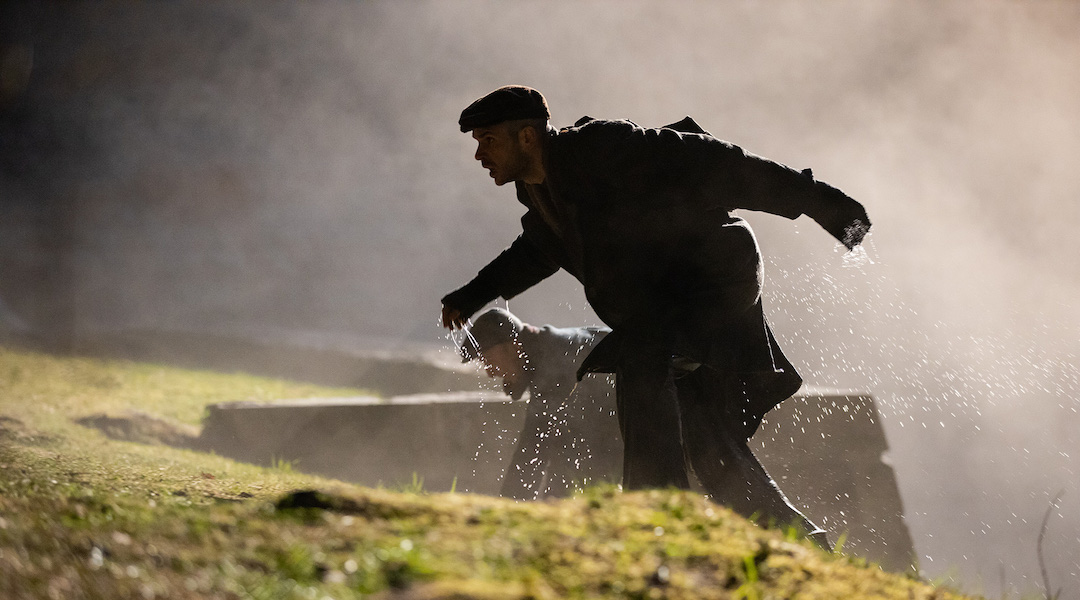
Two Auschwitz prisoners escape in a scene from “The Auschwitz Report.” (Samuel Goldwyn Films

(JTA) — Were it not for Rudolph Vrba and Alfréd Wexler, would the world today know the true extent of the mass murder the Nazis inflicted during the Holocaust? 

The two men, both Slovak Jews who escaped from Auschwitz, secretly recorded fastidious notes about details of the death camp unknown to the outside world. These included schematics of the gas chambers, the Nazis’ use of the deadly chemical Zyklon-B, the number of prisoners being brought in to their deaths every day and the planned construction of a new rail line for deporting Hungarian Jews directly to the camp. The information the men smuggled out of Auschwitz formed the basis for the Vrba-Wetzler Report — the first time the international community had heard of much of these horrors.

The new Slovakian film “The Auschwitz Report,” directed by Peter Bebjak, somewhat clunkily dramatizes Vrba and Wexler’s 1944 escape and attempt to get their message to an outside world still largely ignorant of what was transpiring at the camps. This being a Holocaust film, Bebjak also spends considerable time (a full half of his 94 minutes) re-enacting the hell of the camp itself. 

These early sequences — Nazis beating a man to death, shooting a father’s daughter in front of him, stacking naked dead bodies like meat — are stomach-churning in a familiar way, and serve as the film’s intent to align itself with more brutal siblings like “Son of Saul” rather than softer works like “Life is Beautiful.” Whether you find such scenes a necessary tool of the “never forget” philosophy will likely depend on how many Holocaust movies you’ve already seen, and how many more you feel like you can tolerate.

The escapees are referred to in the film as “Freddy” and “Walter” and played by Noel Czuczor and Peter Ondrejicka. In one of the movie’s bolder (or perhaps simply more economical) choices, there is nothing inherently heroic or special about these men. We know just as much about their backstories as we do about any of the other prisoners, which is to say, none — we only meet them in Auschwitz. This helps Bebjak and his co-screenwriters, Tomás Bombik and Jozef Pastéka, avoid the ugly yet typical Holocaust-movie misstep of casting the survivors in a more favorable light than everyone else, as though they simply had more strength of will than the ones who didn’t make it.

But this approach also has a downside. None of the Jewish prisoners in “The Auschwitz Report” come off as real people whose lives have value outside of their striped uniforms. In fact, the only prisoner who’s given a bit of individual backstory is pointedly referred to as a Franciscan. An early fake-out scene, in which one of the protagonists imagines himself being hanged by the camp’s gates, is meant to shock our senses; but the prisoners are so interchangeable that it has the opposite effect.

recommended by: Leon Rozenbaum
A 10-minute, unbroken sequence at the very end of the film seems to finally get at the moral concerns the filmmakers are after: Namely, how do you convince people of something so shocking that it defies belief? After they’ve fled the camp and spent several days trekking through the woods, Freddy and Walter finally reach the Polish-Slovak border (this being during the First Slovak Republic’s brief existence as a Nazi-aligned “free” state) and, with help from the burgeoning Slovak resistance, get themselves an audience with a British member of the International Red Cross. Only, he doesn’t believe their account. 

The aid worker (John Hannah) notes that reports from his colleagues who’ve visited the camps make no mention of death squads, and that everything he’s seen indicates the Nazis are treating their prisoners humanely — a reflection of the real-life deception the Nazis played on the international aid community. He only snaps out of it when told that his colleagues, too, had been murdered by the Nazis. “It’s not just Jews!” the Jewish men tell him, in one of the only lines of dialogue in the film that mentions Jews at all. 

It’s here, at the intersection of desperate pleas and uncaring bureaucracy, where we begin to understand why the Holocaust was allowed to continue for so long, while the world stood silent. The film’s provocative ending credits try to continue this theme; Bebjak underlays them with an audio montage of modern-day world leaders (including, yes, some familiar American voices) spouting hateful, nativist views. Some also traffic in Holocaust denial and Nazi appreciation. 

“The Auschwitz Report” is hardly the first film of our modern era to try to make these connections, and the unfortunate truth is that some artists concerned about fascism and Nazis can draw that link more convincingly than others. By focusing so much on the unimaginable nightmare of Auschwitz itself, and very little on the actual work of the protagonists trying to convince people those nightmares were real, the film comes up short in its plea for us to grapple with the facts of history.

The real-life Vrba became a significant figure in the post-Holocaust Jewish landscape, appearing in Claude Lanzmann’s “Shoah” and remaining intensely outspoken about what he saw as the moral failings of the international community that did not quickly act on his report. Though the report did help to save more than 100,000 Hungarian Jews from being deported to Auschwitz, many more perished at the camps before action was taken. “The Auschwitz Report” emphasizes this point, in its endless depictions of the camp’s horrors. And yet, it’s hard not to feel like this film’s real story — the psychological gap between those horrors and an uncaring outside world — has yet to be told.


Zawartość publikowanych artykułów i materiałów nie reprezentuje poglądów ani opinii Reunion’68,
ani też webmastera Blogu Reunion’68, chyba ze jest to wyraźnie zaznaczone.
Twoje uwagi, linki, własne artykuły lub wiadomości prześlij na adres:
webmaster@reunion68.com


Ten minutes of exciting Jewish Hasidic music in front of the walls of the Old City of Jerusalem

Ten minutes of exciting Jewish Hasidic music in front of the walls of the Old City of Jerusalem


Zahi Shaked. Israeli tour guide צחי שקד. מורה דרך


Information about Hasidic music itself will be provided after this announcement.

Unfortunately, I have not been able to work as a tour guide as from Feb 2020
Should you wish to support me and my videos please subscribe to my channel and let me guide you through the Holy Land via my videos. In this way, I will be able to continue to do my work of uploading to YouTube. Upon your request and in return I am very much happy to pray for you at the Western Wall and/or light a candle in your name at the Church of the Holy Sepulchre or anywhere else in the Holy Land of Israel.


Zawartość publikowanych artykułów i materiałów nie reprezentuje poglądów ani opinii Reunion’68,
ani też webmastera Blogu Reunion’68, chyba ze jest to wyraźnie zaznaczone.
Twoje uwagi, linki, własne artykuły lub wiadomości prześlij na adres:
webmaster@reunion68.com