Archives

GERMAN PUBLISHER CALLS ON MERKEL TO SANCTION IRAN’S REGIME FOR ISRAEL’S SECURITY

GERMAN PUBLISHER CALLS ON MERKEL TO SANCTION IRAN’S REGIME FOR ISRAEL’S SECURITY

BENJAMIN WEINTHAL


Major Berlin paper’s publisher says appeasement toward Iran not working.

German Chancellor Angela Merkel speaks during her visit of Herrenknecht AG in Schwanau, Germany, October 7, 2019. (photo credit: REUTERS/RALPH ORLOWSKI)

Stephan-Andreas Casdorff, the publisher of the prestigious Berlin daily Tagesspiegel newspaper, authored a rare commentary in the German media on Thursday, urging Chancellor Angela Merkel to impose sanctions on Iran’s regime because of its recent threat to obliterate the Jewish state.

In one of the few commentaries in a large German paper calling for sanctions targeting the Islamic Republic of Iran since the 2015 Iran nuclear deal was reached, Casdorff wrote that the foreign ministry’s condemnation of Iran’s declaration to wipe Israel off the map is “vague.”

“It would not be vague for Germany to take new practical steps together with the EU and the US to oppose this inhumane regime with tougher sanctions,” Casdorff wrote.

The Merkel administration has responded, according to critics, with a feeble statement to Hossein Salami, the commander of Iran’s Revolutionary Guards  Corps (IRGC), who said last week that destroying Israel is now an “achievable goal” thanks to the country’s technological advances.

“This sinister regime must be wiped off the map and this is no longer … a dream (but) it is an achievable goal,” Salami added.

Iran’s clerical regime has “managed to obtain the capacity to destroy the imposter Zionist regime,” Salami said, adding that “The second step of the revolution is the step that rearranges the constellation of power in favor of the revolution. Iran’s Islamic evolution will be on top of this constellation. In the second step, we will be thinking of the global mobilization of Islam.”

In his op-ed, Casdorff asked: “When is the EU, and first of all Germany, ready to admit that appeasement attempts do not work? Again and again, Iran threatens Israel’s destruction, just in the form of Hossein Salami, the new Commander in Chief of the Revolutionary Guards.”

Uwe Becker, commissioner of the Hessian federal state government for Jewish life and the fight against antisemitism, told The Jerusalem Post last week that “The current escalation with Israel should be reason enough for Germany to advocate the…. Iran nuclear agreement, which has been undermined by Iran… [as] dead, and for the necessary sanctions against Tehran to become effective again in their entirety.”

The United States government classified the IRGC as a foreign terrorist organization and designated Iran’s regime the leading state-sponsor of terrorism.
The Post repeatedly asked the Merkel administration if the chancellor believes Salami’s call to extinguish Israel is antisemitic.

A spokesman for Merkel’s government said her administration has nothing to add to the foreign ministry statement stating Salami’s comments are “anti-Israel rhetoric.”

Efraim Zuroff, the chief Nazi-hunter for the Simon Wiesenthal Center, told the Post last week that “The condemnation by the German foreign ministry of the recent threats to destroy Israel by Hossein Salami seems to ignore the starkly antisemitic dimensions of his comments. To reduce them to ‘anti-Israel rhetoric’ is to ignore the obvious antisemitic component and their genocidal intent.”

Zuroff, a widely acknowledged expert on antisemitism who oversees the Wiesenthal Center’s Jerusalem office, added that “The verbal condemnation of the German Foreign Ministry should be accompanied by practical steps to expel Iran from UN and to boycott all commerce with the fanatic fundamentalist Islamic regime, instead of [Germany] promoting business with Iran and seeking ways to circumvent sanctions against a terrorist regime in Tehran.”

Prof. Gerald Steinberg, founder and president of NGO Monitor and professor of Political Studies at Bar-Ilan University, told the Post that Germany and Merkel “should be the first to condemn Iran’s genocidal threats against the Jewish state as antisemitism.”

“Instead, by taking refuge behind the canard that ‘anti-Israel’ language can be distinguished from antisemitism, they undermine the international consensus behind the IHRA [The International Holocaust Remembrance Alliance] working definition,” he said.

Steinberg, an expert on contemporary antisemitism, added that “Every aspect of Iran’s campaign to destroy Israel is anchored in hatred of Jews and Jewish national self-determination, including many of the images that echo Nazi propaganda.”

“In the time she remains in office, Merkel should give high priority to undoing the damage she has done by failing to confront Iran,” Steinberg added.

Merkel has repeatedly refused to ban the entire Iranian-backed terrorist entity Hezbollah in Germany. According to German intelligence reports, there are 1,050 Hezbollah members and supports in Germany who recruit new members, raise funds and spread jihadi and antisemitic ideology.


Zawartość publikowanych artykułów i materiałów nie reprezentuje poglądów ani opinii Reunion’68,
ani też webmastera Blogu Reunion’68, chyba ze jest to wyraźnie zaznaczone.
Twoje uwagi, linki, własne artykuły lub wiadomości prześlij na adres:
webmaster@reunion68.com


Nazi Camp Guard, 93, Faces 5,230 Accessory-to-Murder Counts in Hamburg

Nazi Camp Guard, 93, Faces 5,230 Accessory-to-Murder Counts in Hamburg

David Israel


Concentration camp victim identifies an SS guard, 1945

Bruno Dey, 93, a former guard at Stutthof [Sztutowo kilka kilometrow od Katow Rybackich ] concentration camp near Danzig (Gdańsk) in northeastern Poland, goes on trial in Hamburg on Thursday, in what could be the last Holocaust-related criminal cases.

Dey was 17 when he joined the SS-Totenkopfverbände (literally: Death’s Head Units), the SS organization responsible for administering the Nazi concentration camps and extermination camps for Nazi Germany.

Dey is accused of being an accessory to the murder of 5,230 people between August 1944 and April 1945. This included 5,000 prisoners who died in a typhus epidemic after being denied food, water and medication, and being subjected to catastrophic hygiene conditions; 200 people who were gassed with Zyklon B; and 30 people executed using a device that executed victims with a shot in the neck.

An estimated 65,000 people died in Stutthof before the camp was liberated on May 10, 1945, by the Soviet Red Army.

Stutthof was the camp where Professor Rudolf Spanner, an SS officer and “scientist,” who owned a small soap factory in Danzig, in 1940, he invented a process to produce soap from human fat. It was called R.J.S., Reines Judische Fett (Pure Jewish Fat).

The main issue during Dey’s trial is expected to be whether or not he knew of the murders that were being carried out in the camp. The defendant claims he did not. Last year, Dey was questioned by state prosecutors who say he cooperated with his interrogators. He did not deny having served as a guard at Stutthof, but insisted he was in no way an accomplice to any murder.

The court must also determine whether Dey is healthy enough to stand trial. Several experts have argued that he is only partially capable of participating. It is therefore possible that the Hamburg court would throw out the case even before the trial begins.


Zawartość publikowanych artykułów i materiałów nie reprezentuje poglądów ani opinii Reunion’68,
ani też webmastera Blogu Reunion’68, chyba ze jest to wyraźnie zaznaczone.
Twoje uwagi, linki, własne artykuły lub wiadomości prześlij na adres:
webmaster@reunion68.com


EVANGELICAL ZIONISTS AND THE FEAST OF TABERNACLES

EVANGELICAL ZIONISTS AND THE FEAST OF TABERNACLES

MIKE EVANS


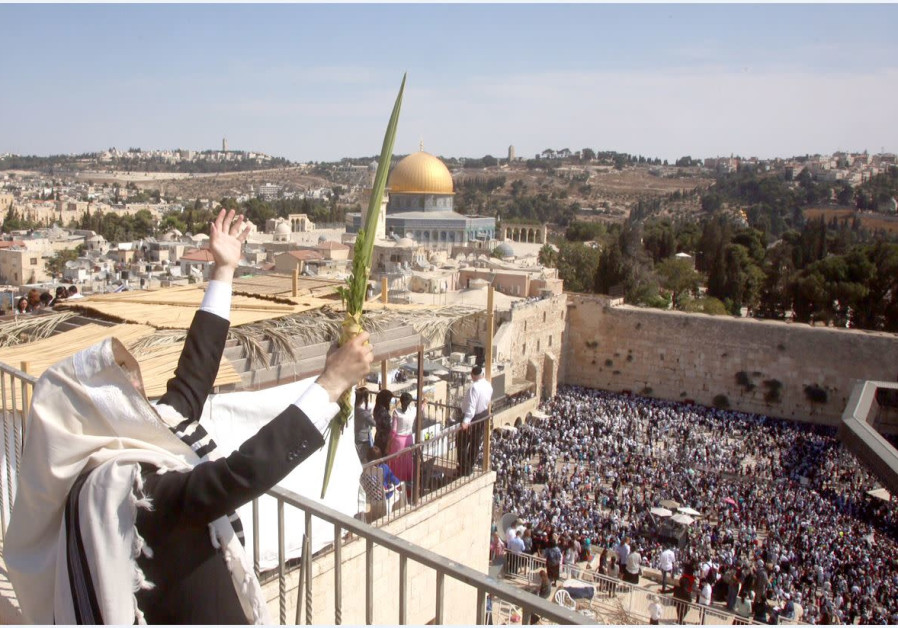
EXALTING IN Sukkot at the Western Wall. (photo credit: MARC ISRAEL SELLEM)

The Feast of Tabernacles, or in ancient Hebrew, Sukkot, is a week-long holiday that takes place in the early fall, at the start of the Jewish calendar year. This holiday commemorates the miraculous shelter and protection of the “Clouds of Glory” over the people of Israel as they traveled from Egypt to the Holy Land. As G-d protected his chosen people during these times, the Jewish people celebrate and reaffirm their trust in His providence by building and dwelling in a Sukkah –an outdoor hut of temporary construction with a roof covering of branches or leaves – for the duration of the holiday. This holiday was one of three occasions during biblical times that Jews from around the world would pilgrimage to Jerusalem for the festivities.

Today, the Feast of Tabernacles’ celebrations in Jerusalem has become a magnet for tens of thousands of Evangelical Friends of Zion from every continent. These pilgrims travel great distances to express their love for, and solidarity with, the Jewish people. During their visit to the Holy Land, these devoted Christians come to pray for peace in Jerusalem and extend their blessings to the State and People of Israel. It is truly a beautiful sight to see so many people from China, Germany, Russia, South Africa, Austria, Brazil, the United States, and other countries gathering in unity and happiness.

In addition to celebrating with the Jewish people, founders and CEOs of world-renowned Christian media outlets will gather in Israel for the Christian Media Summit. There, they will have a dialogue on key topics relevant to Israel and the Christian world. The Christian support of Israel and the Jewish people knows no bounds.

Evangelicals have become a dominant force of global support for Israel. They use their voices to actively fight for justice for the Jewish people and condemn the BDS community. The American Evangelical community, in particular, is unapologetically pro-Israel, Christian Zionist. In the 2016 United States elections, the Evangelical vote behind Trump’s pro-Israel stance was the largest turn-out in American history for any presidential candidate. It represented over 36 percent of the electorate. In addition, as a member of Trump’s Evangelical Faith Initiative (a group of Evangelical leaders who advise the president), I can personally attest to the everlasting support of the Evangelical community in building a prosperous US-Israel bond

In 2015, I had the privilege of founding and opening the Friends of Zion Museum with the late 9th President of Israel, Shimon Peres, as the International Chairman. The goal of the museum is to educate its hundreds of thousands of guests and 66 million global supporters about the Christian Zionists who assisted and supported the Zionist dream over the years.

The Museum is located in the very heart of Jerusalem and was built with state-of-the-art technology that is second-to-none. At the Friends of Zion Museum, guests participate on a tour through time, and experience a storytelling approach that illuminates the history of how much Christian Zionists have contributed to the Zionist dream. I would like to personally invite the pilgrims of the Evangelical community to join us in this time of celebration as people around the world observe the Feast of Tabernacles.

The Museum is more than just a recording and telling of significant events in history. It is the mission of the Friends of Zion Museum to also honor those who stand up for justice in defending Israel and the Jewish people today. In December 2017, US President Donald Trump received the “Friends of Zion Award” in the Oval Office at an event attended by Vice President Mike Pence, senior advisers Jared Kushner and Ivanka Trump, and faith leaders representing over 150 million Christians globally. The Friends of Zion Award, the FOZ Museum’s highest honor, is only given to world leaders who have gone ‘above & beyond’ for the Jewish people and the State of Israel. Some of the other honorary recipients include 43rd US President George W. Bush, Brazilian President Jair Bolsonaro of Brazil, Guatemalan President Jimmy Morales, the 4th Bulgarian President Rosen Plevneliev and more.

I am proud to say that on November 3rd, 2019, the Friends of Zion Museum will be tripling the size of its campus with the grand opening of the Friends of Zion Media Center. Attending the event will be 150+ reporters, politicians and delegations from around the world, and the Prime Minister of Israel. Under its newly expanded premise, FOZ will have a prestigious online university, a top-led think-tank, and a Start-Up Nation level communication center.

The online university will revolutionize how Zionism is taught and presented to the masses. The Friends of Zion University has even partnered with Blackboard, the world’s largest educational platform. Blackboard is a $2.3 billion organization that is dedicated to helping solve the most critical challenges in today’s ever-changing environment to increase student success. The joint mission will help millions fight anti-Semitism and distribute the necessary tools to defend the Jewish people and the State of Israel.

The Friends of Zion Think-Tank will focus on strategizing ways to spread the message for the need to support and protect the state of Israel. Its method will be one that adapts to the daily changes in the 21st Century; it will build a road map for decision-makers and enlighten the epicenters of politics, economics, and media for hundreds of millions.

There are thousands of guests that visit the Friends of Zion Museum and, in hearing the stories of non-Jewish Zionists, these guests have requested from us a means to broadcast their inspiration to the masses. This need has led the Friends of Zion to open up a technologically advanced communication center to reach its growing 66 million member community. This active community will now be able to hear from leaders and celebrities whom they look up to, and can hear about their personal experiences at the FOZ Museum.

The Friends of Zion Museum is thankful for all of its supporters and patrons and would like to express its gratitude on this holiday, the Feast of Tabernacles. Once again, I personally extend my invitation to all Evangelical Christians, and to everyone around the world who is celebrating this wondrous time, I wish you a Happy Holiday.


Mike Evans is a #1 New York Times bestselling author with 96 published books. He is the founder of Friends of Zion Museum in Jerusalem of which the late President Shimon Peres, Israel’s ninth president, was the chair. He also serves on the Trump Evangelical Faith Initiative.


Zawartość publikowanych artykułów i materiałów nie reprezentuje poglądów ani opinii Reunion’68,
ani też webmastera Blogu Reunion’68, chyba ze jest to wyraźnie zaznaczone.
Twoje uwagi, linki, własne artykuły lub wiadomości prześlij na adres:
webmaster@reunion68.com


SUKOT

SUKOT

opracowal: P. Jedrzejewski


14 października (niedziela) jest w roku 2019 (5780) pierwszym pełnym dniem siedmiodniowego święta Sukot. Święto rozpoczyna się po zachodzie słońca poprzedniego dnia (13 października, w niedzielę). Święto kończy się wieczorem, 20 października.

“Ale na piętnasty dzień siódmego miesiąca zbierzecie plon z ziemi, będziecie obchodzić obchód Boga przez siedem dni. Pierwszego dnia powstrzymacie się od pracy i ósmego dnia powstrzymacie się od pracy. I weźmiecie sobie pierwszego dnia owoc cytrusowego drzewa, liście palmy, gałązkę mirtu i wierzby znad potoku. I będziecie się radować przed Bogiem, waszym Bogiem, przez siedem dni. I będziecie je obchodzić, obchód dla Boga, przez siedem dni w roku. Jest to wieczny bezwzględny nakaz dla waszych pokoleń, że będziecie obchodzic go w siódmym miesiącu. Przez siedem dni będziecie żyć w sukot (szałasach). Każdy urodzony w Jisraelu i konwertyta będa żyć w sukot, po to, żeby twoje pokolenia wiedziały, że sprawiłem, iż synowie Jisraela będą w sukot, gdy ich wywiodłem z ziemi Micraim (Egiptu). Ja jestem Bóg, wasz Bóg” (Wajikra/ Ks. Kapłańska, 23:39-43).

close this window

Święto Sukot, nakazane w powyższych wersetach w Torze, zaczyna się pięć dni po Jom Kipur. O ile Jom Kipur jest świętem, podczas którego następuje zakończenie okresu duchowego zagłębienia się w analizie swojego postępowania i dokonywania teszuwy (skruchy), o tyle Sukot jest świętem powrotu ze świata wewnętrznego do świata fizycznego, a jednocześnie jest świętem radosnym. Jest to bowiem jedyne święto nazywane zman simchatenu – czyli “czasem naszej radości”.

Jest to jedno z trzech Świąt Pielgrzymich (Szalosz Regalim), więc w czasach przed zburzeniem Świątyni odbywały się w Jerozolimie wielkie uroczystości. Obchody te nazywane były simchat beit haszoewa (radością wydobywania wody), ponieważ każdego dnia wyciągano wodę ze studni Sziloach i polewano nią ołtarz. Przed Świątynią trwały tańce i zbiorowe śpiewy tysięcy pielgrzymów. W traktacie Suka (51b) czytamy: “kto nie widział simchat beit haszoewa, nie widział w swoim życiu prawdziwej radości“.

Fizyczność tego święta jest oczywista: przez 10 dni pomiędzy Rosz ha-Szana a Jom Kipur człowiek analizował siebie, swoje duchowe wnętrze, a teraz ma zbudować szałas pod gołym niebem. Wielki kontrast! Już nie zastanawianie się nad swoimi grzechami, ale nad tym, jakie gałęzie będą najbardziej użyteczne i skąd je zdobyć.

Widać w tym wyraźnie cel: powrót od skrajnej duchowości do pełnego – a więc realizującego się w praktycznym działaniu – człowieczeństwa i ociągnięcie wewnętrznej równowagi, bo przecież budowanie suki to tylko niezbędne zabiegi, aby wypełnić micwę: mieszkać w szałasie przez siedem dni. A mieszkając widzieć nad sobą świat: gwiazdy i planety i księżyc (przez dach szałasu musi dać się zobaczyć niebo!).

Sukot było pierwotnie świętem rolniczym: po zwiezieniu ostatnich zbiorów z pól (Szemot 23:16). Budowa szałasu, w którym trzeba mieszkać przez te dni, nie upamiętnia żadnego pojedynczego, historycznego wydarzenia, ale całe 40 lat, podczas których wędrujący po pustyni Izraelici mieszkali w szałasach. ( Wyjątkiem jest tu opinia Gaona z Wilna, który uważał, że 15 dnia tiszri Izraelici zaczęli budować Miszkan, czyli Namiot Wyznaczonych Czasów).

“Mieszkać” halachicznie oznacza “jeść i spać”. Szałas ma być wzniesiony pod gołym niebem, powinien mieć nie mniej niż trzy ściany (mogą być wykonane z drewna lub płótna), a dach (schach) musi być zrobiony z materiałów, które wyrastają z ziemi (gałęzie, sitowie, trzciny, liście palmowe) i są od niej oddzielone (odcięte). Pierwszej nocy trzeba koniecznie zjeść w suce nie mniej niż kawałek chleba (kezajit – wielkości dużej oliwki).

Mieszkanie w suce (szałasie) to jednak nie tylko przeżycie fizyczne. To także doświadczenie duchowe. Przypomina ludziom, że naturalny ludzki odruch przywiązywania się do miejsca, w którym się mieszka, jest błędem. Mieszkanie, dom, sprzęty i urządzenia domowe ułatwiające życie i dostarczające rozrywki – nie są warte naszego zaufania. Gdy Izraelici wędrowali przez pustynię, Bóg otaczał ich “Obłokiem Chwały”. Mieszkanie przez siedem dni w suce – prowizorycznym szałasie – ma postawić ważne pytanie: czy niezależnie, jak zadomowieni, bezpieczni i ustabilizowani jesteśmy w naszym codziennym życiu, nie powinniśmy postrzegać tych wszystkich jego aspektów, jako również czegoś prowizorycznego, a tylko opiekę Boga – jako rzecz naprawdę istotną i trwałą?

Ważną micwą (przykazaniem) w święto Sukot jest tzw. “branie lulawu“. Lulaw jest to gałąź palmy, ale określenie “branie lulawu” dotyczy owocu etrogu (podobny do cytryny) i gałęzi palmowej (palma daktylowa) powiązanej w bukiet z trzema gałązkami mirtu (hadasim) i dwiema gałązkami wierzby (arawot) ( w sumie są to tzw. cztery gatunki – arba minim). Micwa “brania lulawu” polega na wzięciu w prawą dłoń wiązanki gałązek, a w lewą – etrogu. Należy je trzymać tak, aby stykały się ze sobą i odmówić błogosławieństwo:

“Aszer kideszanu bemicwotaw weciwanual netilat lulaw” (Ten, który uświęcił nas Swoimi przykazaniami i który nakazał nam brać lulaw).

Następnie trzeba w specjalny, rytualny sposób potrząsnąć wszystkimi roślinami.
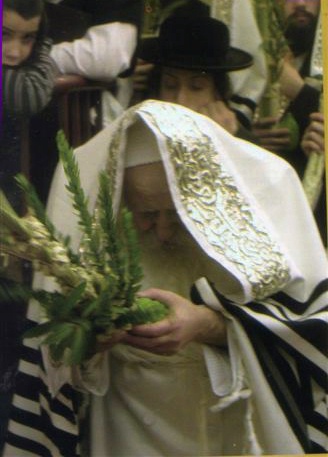
Symbolika czterech gatunków roślin jest wyjaśniana na wiele sposobów. Jedna z interpretacji widzi w nich symbol jedności narodu żydowskiego i indywidualnej jedności każdego człowieka: etrog reprezentuje serce, lulaw – kręgosłup, hadasim – oczy, awarot – usta. Inna koncepcja mówi o etrogu jako symbolu mędrców dokonujących dobrych czynów, lulawie – mędrców, którzy nie wcielają swoich nauk etycznych w życie, hadasim – niewykształconych sprawiedliwych, a awarot – niewykształconych ludzi, którzy nie czynią dobra. Te cztery symbole stanowią razem metaforę społeczności Izraela.

Święto Sukot trwa siedem dni, zaczyna się 15 dnia tiszri, kończy 21 dnia tego miesiąca. Pierwszy dzień jest jom tow (całkowite święto) w Izraelu, w diasporze jest nim również 16 dzień miesiąca tiszri. W te dni nie wolno wykonywać pracy. Pozostałe dni to chol chamoed (półświęta) – sześć dni w Izraelu i pięć poza Izraelem.

Następnego dnia po Sukot jest odrębne, pełne święto Szemini Aceret (w Izraelu obchodzi się także tego dnia Simchat Tora; w diasporze Radość Tory obchodzona jest dzień później).

Z czego powinien być zrobiony szałas na Sukot?

Zgodnie z żydowskim prawem religijnym, ściany szałasu (suki) mogą być zrobione z jakiegokolwiek materiału trwałego. Jeżeli jest to płótno, to musi być ono naciągnięte na pręty, pomiędzy którymi odległość nie powinna przekraczać trzech tefachim (ok. 24-27 cm)*. Natomiast schach (dach) suki musi być sporządzony z materiałów, które wyrastają z ziemi. Muszą być one trwale odłączone od swojego podłoża. Jednocześnie nie mogą być to te przedmioty “wyrastające z ziemi”, które mogą stać się rytualnie nieczyste (a więc do budowy dachu nie wolno stosować narzędzi drewnianych lub ich fragmentów, a także elementów mebli, skrzyń, drabin. Podobnie dach nie może być wykonany z owoców lub warzyw). Dach można sporządzić po prostu z gałęzi. Halachicznie każdy gatunek drzewa lub krzewu jest dopuszczalny, podobnie jak trzcina lub sitowie.

Szałas musi znajdować się pod gołym niebem. Musi mieć co najmniej trzy ściany, ale zalecane jest zbudowanie szałasu o czterech ścianach. Szałas musi mieć wymiary co najmniej siedem na siedem tefachim, a wysokość jego ścian nie może być mniejsza niż 10 tefachim. Dach musi być umieszczony także na co najmniej tej wysokości.

Dach musi pokrywać większość powierzchni szałasu tak, aby rzucany przez niego cień był zawsze większy od części oświetlonej słońcem.

* Tefach (szerokość pięści) wynosi 8 cm (według opinii Chajima Nae), 9 cm (według opinii Moszego Fensteina) lub 9.6 cm (według opinii Chazon Isz).
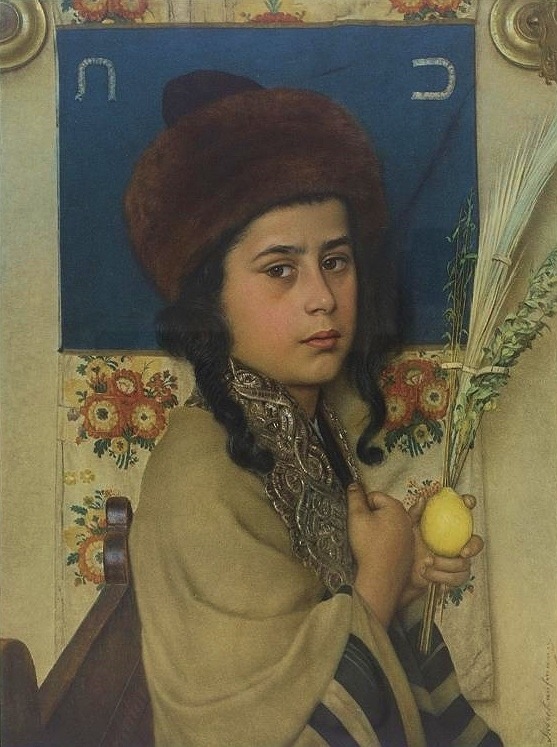
LulavChłopiec z lulawem.  / Autor: Isidor Kaufmann (1853-1921)

“Tymczasowe mieszkania“

Jesteśmy teraz w okresie w którym wypada wiele świąt. Zbliża się już kolejne – Sukot. Sukot znaczy po hebrajsku “szałasy” albo, jeśli ściślej, “tymczasowe mieszkania”. Dziwne, prawda? Dlaczego mamy święto, które nazywa się “tymczasowe mieszkania”?

W Talmudzie odnajdujemy dyskusję między Rabinami, na temat pierwotnej przyczyny obchodzenia święta Sukot. Według Rabina Eliezera jest to wspominanie “anenej kawod” – “chmur chwały”, które otaczały i chroniły naszych przodków w czasie wędrowania przez pustynię, po wyzwoleniu z niewoli w Egipcie. Według Rabina Akiwy u źródeł święta Sukkot leżą w istocie szałasy w których żyli nasi przodkowie w czasie wędrówki po pustyni.

Dyskusja naszych Rabinów dotyka głębszej kwestii, niż widać na pierwszy rzut oka. Rabin Eliezer i Rabin Akiwa tak naprawdę w swojej dyskusji zadają pytanie: czym jest cud? Według Rabina Eliezera odpowiedź jest prosta: cud to zjawisko nadprzyrodzone. Rabin Akiwa prawdopodobnie by się zgodził, że zjawisko nadprzyrodzone jest cudem, ale według niego największym cudem jest siła zaufania jakie żydowski naród pokłada w Bogu. Ten fakt, że nasi przodkowie, po 210 latach niewolnictwa, zaufali Bogu na tyle, że wyszli na Jego rozkaz na pustynię, do miejsca bez wody i bez życia i tam założyli tymczasowe szałasy. To wydarzenie jest według Rabina Akiwy największym cudem związanym z Sukkot.

Dyskusja naszych Rabinów pokazuje Ich odmienne poglądy na istotę judaizmu, sięgające głęboko i stanowiące znakomity materiał do przemyśleń.

Słowo suka przychodzi ze słowa s’chach. S’chach jest nazwą dachu suki. Dach suki musi być zrobiony z czegoś, co rośnie z ziemi: gałęzi, liści, itp. Z drugiej strony koszerny dach suki nie może być szczelny. Musi być przez niego widoczne niebo i gwiazdy. Musi dawać więcej cienia niż przepuszczać słońca, ale słońce i powietrze muszą mieć dostęp do wnętrza szałasu. Dach suki definiuje jego tymczasowość – ściany szałasu mogą być jednolite i szczelne. To tak jakby Bóg wymagał od nas, abyśmy na tydzień wyszli z naszych bezpiecznych domów i żyli pod niebem, żebyśmy odczuli jak bardzo jesteśmy od Niego bezpośrednio zależni.

Odnośnie ściany suki – w samym wyglądzie słowa po hebrajsku jest wskazówka, jak mają wyglądać ściany koszernej suki. W Biblii słowo suka pisze się następująco: samech, kaf, hej. Pierwsza literka, samech, ma cztery “ściany” (jest zamknięta z czterech stron). Tak więc najlepiej, jeśli suka będzie zbudowana z czterech ścian.

Następna literka, kaf, ma tylko trzy “ściany”. Suka z trzech ścian jest też koszerna. Ostatnia literka, hej, ma tylko dwie i pół “ściany”. W najgorszym wypadku, jeśli nie ma innej możliwości, istnieje możliwość zbudowania koszernej suki jedynie z dwóch i pół ściany. (Muszę podkreślić, że powyższy opis jest bardzo ogólny, w istocie jest dużo innych szczegółowych wskazówek na temat budowy koszernej suki. Osoba która chce sama ją zbudować, musi się skontaktować ze swoim Rabinem.) Można postulować, że powód stopniowego zmieszania poziomu koszerności szałasu razem ze stopniowym obniżeniem stabilności jego ścian jest związany z tym, że tymczasowość suki ma być wyrażona w jego dachu, a nie w ścianach.

Kolejną istotną kwestią jest czas obchodzenia Sukot. Logicznym byłoby świętować Sukot po Pesach, po święcie exodusu, kiedy nasz naród wyszedł z niewoli w Egipcie na pustynię. Dlaczego Tora nam każe świętować Sukot teraz a nie wcześniej? Talmud odpowiada, że w okresie Pesach (kwiecień/ maj) nie można by stwierdzić, czy siedzi się w szałasie dla wypełnienia micwy siedzenia w nim, czy się siedzi w szałasie dla przyjemności, bo jest gorąco na ulicy. Dlatego Tora “przeniosła” świętowanie Sukot na jesień, kiedy nikt dla przyjemności nie siedzi na zewnątrz, w szałasie.

Pokładam nadzieję i błogosławię nam wszystkim, abyśmy wszyscy znaleźli siłę, aby osiągnąć to co jest cudem według Rabina Akiwy – zaufanie do naszego Boskiego Ojca i w rezultacie otrzymać to, co jest cudem według Rabina Eliezera – “chmury chwały”, które ochronią nas przez całe życie.

Gut Szabes und Gut Jontef – Szabat Szalom WeHag Sameach!
Wszystkiego dobrego i najlepszego.
Rabin Jicchak Rapoport


Zawartość publikowanych artykułów i materiałów nie reprezentuje poglądów ani opinii Reunion’68,
ani też webmastera Blogu Reunion’68, chyba ze jest to wyraźnie zaznaczone.
Twoje uwagi, linki, własne artykuły lub wiadomości prześlij na adres:
webmaster@reunion68.com


Israeli Documentary About Hunting, Breeding, Wildlife Conservation Wins Emmy

Israeli Documentary About Hunting, Breeding, Wildlife Conservation Wins Emmy

JNS.org


A scene from the trailer for “Trophy.” Photo: Screenshot.

JNS.org – An Israeli documentary won an Emmy for Outstanding Nature Documentary at the 2019 News and Documentary Emmys, which were announced in New York earlier this week.

“Trophy” examines the controversial sport of animal hunting, breeding and wildlife conservation industries in the United States and Africa, and discusses whether the industry can ensure the survival of endangered species, according to The Jerusalem Post.

The documentary was produced by Israeli cable network, YES Docu, in association with other companies, and was distributed by CNN.

It was co-produced by Alon Schwarz, the brother of the film’s Israeli co-director, Shaul Schwarz, and edited by Halil Efrat.

YES previously won Emmy documentary awards for “Google Baby” in the Outstanding Science and Technology Programming category in 2011 and “Forever Pure,” about the Beitar Jerusalem soccer team’s extremist fans, for Outstanding Politics and Government Documentary in 2018.


Zawartość publikowanych artykułów i materiałów nie reprezentuje poglądów ani opinii Reunion’68,
ani też webmastera Blogu Reunion’68, chyba ze jest to wyraźnie zaznaczone.
Twoje uwagi, linki, własne artykuły lub wiadomości prześlij na adres:
webmaster@reunion68.com