
Archives

Palestyńczycy – poparcie czy negacja? Jest inna droga. Stawiam wam wyzwanie

Palestyńczycy – poparcie czy negacja? Jest inna droga. Stawiam wam wyzwanie

Sheri Oz
Tłumaczenie: Małgorzata Koraszewska
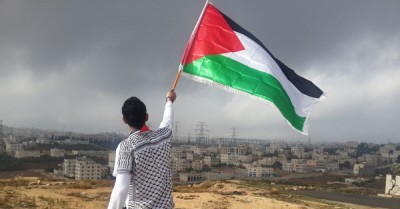

Oto wyjątkowa propozycja – stańcie się najnowszym rdzennym ludem na świecie. Innymi słowy, Arabowie palestyńscy, możecie napisać własną przyszłość. Stawiam wam wyzwanie. Albo też możecie kontynuować pławienie się w poświęcanej wam uwadze, kiedy trwacie w swojej roli ofiary, narzuconej wam dawno temu przez innych Arabów, w oparciu o wyimaginowaną przeszłość.

Pro-Palestyńczycy chcą widzieć jedno państwo “między rzeką a morzem”; innymi słowy, chcą, by Izrael przestał istnieć. Negujący-Palestyńczyków odmawiają Arabom palestyńskim prawa do definiowania własnej tożsamości. Dla mnie jednak jest w porządku, jeśli chcecie być Palestyńczykami, ale nie takimi jak teraz. Jeśli rzeczywiście chcecie nosić imię, które symbolizuje podporządkowanie i niepowodzenie, to wasze prawo; ale czy znaczy to, że naprawdę musicie być nieudanym Narodem?

Argument Pro-Palestyński

Pro-Palestyńczycy próbują przekonać świat, że Arabowie palestyńscy są rdzennym ludem w ziemi Izraela – poczynając od tego, że są potomkami pierwotnych Kananejczyków, że są pierwotnymi Filistynami lub nawet pierwotnymi Homo sapiens, którzy zasiedlili tę ziemię całe wieki zanim Abraham po raz pierwszy wciągnął powietrze tej Ziemi do płuc. To wszystko są absurdalne twierdzenia, które nie mają żadnego sensu.
Samo sugerowanie takich możliwości przez Arabów palestyńskich jest jak strzelanie sobie w stopę. Jeśli bowiem byłaby to prawda, to znaczyłoby to, że Arabowie żyjący na terytorium rządzonym przez Autonomię Palestyńską (AP) w ogóle nie są Arabami, a więc zanegowałoby to wszelkie ich roszczenia do bycia częścią świata arabskiego czyli „umma”. A nie sądzę, że naprawdę zamierzają oderwać się od ich pełnych chwały korzeni arabskich, ani odciąć od członkostwa w jednej z najbardziej wpływowych obecnie grup etnicznych na świecie, nawet jeśli ten wpływ jest dzisiaj na ogół destrukcyjny.

Argument negacji-Palestyńczyków

Negujący istnienie Palestyńczyków używają argumentu, że suwerenne państwo palestyńskie nie istniało nigdy w historii i dlatego nie ma prawa istnieć w przyszłości. Mówią o tym, że Palestyna była prowincją żydowską pod okupacją rzymską w czasach Imperium Rzymskiego, a później mandatem nadzorowanym przez Wielką Brytanię po I wojnie światowej. Anty-Palestyńczycy powtarzają ciągle, że nigdy nie było palestyńskich monet, flagi, gazet itp. poza tym, które tak zostały nazwane za Mandatu Brytyjskiego i ozdobione symbolami judaizmu z napisami po hebrajsku, arabsku i angielsku. To wszystko są rzeczywiste fakty, które pokazują, że początkowo nazwa Palestyna odnosiła się do regionu kojarzonego z Żydami.

Ta prawda historyczna ma jednak niewielki związek z współczesną sytuacją, poza stanowieniem tła, bo o przyszłości nie decyduje przeszłość, ale decyzje podejmowane teraz w oparciu albo o zrozumienie przeszłości, albo – diabolicznie – przez pisanie jej na nowo lub po prostu ignorowanie jej.

Stawiam wyzwanie Arabom palestyńskim, by napisali własną przyszłość

Arabowie, którzy żyją pod rządami AP mają dzisiaj wyjątkową okazję. Nie wiem, czy są wystarczająco odważni, by to wykorzystać, ale mają możliwość zamiany siebie w najnowszą (quasi-)rdzenną populację na Ziemi.

Rdzenna populacja to taka populacja, której kultura, duchowość, język i tradycje rozwijają się w określonej przestrzeni geograficznej, która ma dla niej święte znaczenie. Wyklucza to Arabów, którzy skolonizowali terytorium Mandatu Palestyńskiego, tak samo jak wyklucza Rzymian sprzed najazdu arabskiego i Osmanów, którzy przyszli po Arabach. Gdyby rzymski gołąb powrócił do gołębnika i twierdził, że Palestyna jest jego, można tylko mieć nadzieję, że zostałby wyśmiany. Arabowie jednak, podobnie jak Żydzi, byli przez bardzo długi czas obecni na tej ziemi (oczywiście, Arabowie byli tam znacznie krócej niż rdzenni Żydzi), co doprowadziło do obecnej dezorientacji tych, którzy nie znają historii tego regionu, lub rozmyślnie ignorują tę historię.

Stronice historii pełne są opowieści o powstaniu i upadku ludów rdzennych na całym globie. Jedne ludy wymarły całkowicie, inne, takie jak Sami w północnej Skandynawii, są zagrożone wymarciem. Wiele rdzennych ludów dzisiaj walczy o uznanie ich praw do samostanowienia w ich starożytnej ojczyźnie, z Izraelem jako wzorem tego, jak starożytny, rdzenny naród może odzyskać swoje ziemie. Przy tak zagmatwanej historii ludów rdzennych nie ma żadnego powodu, dla którego w czasach nowożytnych nie miałby powstać nowy lud rdzenny lub quasi-rdzenny.

Jak więc Arabowi palestyńscy, z których część jest stosunkowo niedawnymi migrantami, a inni potomkami kolonialnych najeźdźców, mogą zamienić się w populację rdzenną? Jedynym sposobem jest wykorzystanie tego, co spowodowało dla nich, że przegrana wojna stała się Nakbą: fakt, że inni Arabowie odrzucili ich, dając im rolą użytecznych idiotów.

Przywódcy arabscy w swoich wojnach przeciwko Izraelowi użyli ludzi uznanych przez UNRWA za uchodźców palestyńskich jako pionki. Odmówili im prawa osiedlenia się w ziemiach arabskich, woląc, by gnili w obozach dla uchodźców w Jordanii, Syrii, Libanie – a także w Gazie i Judei i Samarii (J&S znanych także jako Zachodni Brzeg) nawet po przejęciu administracji na terenach spornych przez AP. W ten sposób kraje arabskie użyły i nadal używają część ludności swojej Umma jako ludzkiej broni przeciwko znienawidzonym Żydom. (Ich własne kierownictwo AP używa ich jako krów dojnych, kierując fundusze pomocy międzynarodowej na swoje osobiste konta.) Tym samym Arabowie spoza regionu zamienili Arabów z byłego Brytyjskiego Mandatu Palestyny w odrębną populację i narodziła się nowa tożsamość Araba palestyńskiego.

Gdyby jednak Arabowie palestyńscy dobrze rozegrali swoje karty, to złe traktowanie może otworzyć im drogę do życia w szacunku dla samego siebie i w godności… a może też w suwerenności. Jest także możliwe, że Arabowie palestyńscy do teraz stali się dwoma ludami – jednym w Gazie i drugim w J&S.

Choć Arabowie palestyńscy mają wspólną z arabską Umma religię i język (odsetek chrześcijan jest maleńki dzisiaj – jest to inna kwestia, ale wykraczająca poza ten artykuł), nie znaczy to, że nie mogą scementować swojej tożsamości jako czegoś odrębnego od reszty Arabów. Muszą zdecydować o naturze swojego przywiązania do ziemi: czy polega ono na dalszym widzeniu tej ziemi jak strefy wojny do wchłaniania krwi zabitych Żydów, czy też potrafią rozwinąć unikatowy związek z ziemią, który nie ma nic wspólnego z kimkolwiek innym poza nimi?

Znaczy to uważanie siebie za ludzi odrębnych od większego świata arabskiego, nie zaś jako brygadę męczenników walczących o ogólny honor Arabów, którzy zostaną wchłonięci przez inne kraje arabskie, kiedy ich zadanie zostanie wykonane. Ustawiłoby to scenę do rozwoju szczególnej kultury stworzonej przez nich samych – włącznie ze stosunkiem do swojej religii i miejsc religijnych, które mają wspólne z Żydami i chrześcijanami.

Prawdopodobnie ustawiłoby to także scenę do wojny “domowej” między nimi a innymi Arabami, którzy nie przyjęliby spokojnie takiego posunięcia. Nowi Palestyńczycy odkryliby, że Izrael byłby po ich stronie w walce, a jesteśmy potężną siłą, którą warto mieć po swojej stronie. To jest rodzaj pro-palestyńskości jakiej świat nie widział i przyniósłby on wstyd wszystkim obecnym tak zwanym pro-Palestyńczykom.

Wszystko zależy od wartości kultury, jaką pragną rozwinąć. Czy Arabowie palestyńscy chcą być zdrowym społeczeństwem z rosnącą gospodarką, które daje wkład w rozwój ludzkości, czy też wolą zostać przykuci do kultury, która pożera własne dzieci, wysyłając je na ataki nożownicze, taranowanie samochodami lub zamachy samobójcze przeciwko Żydom dla fantazji o nagrodzie w postaci 72 dziewic w raju?

Tylko oni sami mogą dokonać tego wyboru. Muszą tylko zdecydować się na samodzielne napisanie na nowo swojej przyszłości.

Czy wierzę, że mogą to zrobić, lub czy w ogóle tego chcą? Nie jest to zbyt prawdopodobne. A nawet jeśli odpowiedź brzmi „tak”, ile czasu będę potrzebowała, by zacząć im ufać? Bardzo dużo czasu. Ale nie mówię nigdy. Wyzwanie stoi.
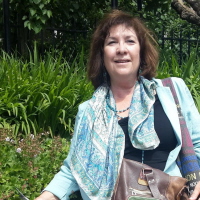

Sheri Oz

Urodzona w Kanadzie w 1951 roku, w wieku 26 lat wyemigrowała do Izraela, gdzie studiowała rolnictwo, po studiach wróciła do Kanady, studiowała psychologię. W 1986 wróciła do Izraela zajmując się psychoterapia rodzin. Autorka książki Overcoming Childhood Sexual Trauma: A Guide to Breaking Through the Wall of Fear for Practitioners and Survivors

Sheri Oz prowadzi blog Israel Diaries.


twoje uwagi, linki, wlasne artykuly, lub wiadomosci przeslij do: webmaster@reunion68.com


Russian PM makes surprising declaration

IsraelNationalNews.comRussian PM makes surprising declaration

Arutz Sheva Staff


Russian PM says his country never denied Israel’s and Jews’ right to Jerusalem, Temple Mount, Western Wall.

Netanyahu and MedvedevNetanyahu and Medvedev

Russian Prime Minister Dmitry Medvedev spoke with Channel 2 about the Israel-Russia relationship.

During the interview Medvedev was asked about UNESCO’s decision to deny history and claim Israel has no connection to the Western Wall and other holy places in Jerusalem.

“I think this subject has been blown out of proportion. UNESCO has made at least ten similar decisions, worded almost identically to this one. Our country never denied Israel’s or the Jewish people’s rights to Jerusalem, the Temple Mount, and the Western Wall. These are clear rights and it would be absurd to deny them. This decision is definitely not made to be anti-Israel and there’s no reason to politicize it,” Medvedev said.

He also noted Israel’s positive relationship with Russia in many areas.

“We have a few central projects on the table. Pharmaceutics, agricultural technology, energy, and gas,” he said.

However, Medvedev does not intend to cut his ties with Iran, Israel’s greatest enemy.

“We have a warm relationship with Israel, a good relationship that I want to strengthen. At the same time, we have relations with other countries as well, including Iran. During the period of sanctions against Iran, I ordered Russia to stop selling missiles to Iran, and when the sanctions were lifted, I acted accordingly,” Medvedev explained.

Medvedev was also asked to send a message to Russian expats in Israel.

“Israel is truly a special country for us. Many emigrants know the Russian language and mentality, and that allows us to communicate more actively. That has a lot of value. I’m counting on that, and hoping it will bear fruit,” Medvedev concluded.


twoje uwagi, linki, wlasne artykuly, lub wiadomosci przeslij do: webmaster@reunion68.com


What a President Trump means for Israel’s regional security

The Jerusalem Post - Israel NewsWhat a President Trump means for Israel’s regional security

ANNA AHRONHEIM


Donald Trump is a known supporter of Israel, but how will he deal with a region consumed by conflict?

Republican US presidential candidate Donald Trump addresses AIPAC in WashingtonDonald Trump addresses the American Israel Public Affairs Committee (AIPAC) in Washington Photo By: REUTERS

America has decided.

Donald J. Trump has been elected as the 45th President of the United States of America.

For the next four years, Trump will be in charge of US foreign policy, will be Commander-in-Chief, with access to all intelligence gathered by the world’s most sophisticated spy agency, and will be the man that Israel will rely on for a key part of its security.

During his 18 month-long campaign, Trump promised many things, many of them that will have a great impact on Israel. And many of his positions go against many of the long-standing American policies towards Israel and the Middle East.

During Trump’s campaign speech to the American Israel Public Affairs Committee (AIPAC), he reiterated the fact that he is a “ lifelong supporter and true friend of Israel.” He’s also called the United Nations “utterly incompetent” and “weak”, saying that “the United Nations is not a friend of democracy, it’s not a friend to freedom, it’s not a friend even to the United States of America where, as you know, it has its home. And it surely is not a friend to Israel.”

So what can the Middle East and Israel, specifically, expect from President Trump?

Trump has promised to move the US embassy from Tel Aviv to Jerusalem and stop seeing the two-state solution as the way to end the Israel-Palestinian conflict. If that happens, the United States may well lose their reputation as an influential broker in the peace negotiations between Israel and the Palestinians.

Those two promises have not been forgotten by right-wing Israeli politicians, who have hailed Trump’s win as a victory for Israel.

Israeli Prime Minister Benjamin Netanyahu, whose policies broadly align him with the Republican ideology, did not have the best relationship with outgoing President Barack Obama, and has even been criticized of being reckless in making common cause with the Republican party, especially in regards to the nuclear deal with Iran.

Netanyahu grew up in Philadelphia (one of the few pockets that voted for Clinton in a state which was won by Trump) and was said to “be frightened” of both presidential candidates. But he congratulated Trump on his win, saying that “the unique bond” between the two countries “will be strengthened.”

Echoing Netanyahu’s statement, Israel’s Defense Minister, Avigdor Liberman congratulated Trump on his win, stating that he hopes to “maintain and strengthen the special relationship and friendship between the two countries.”

In Jerusalem, Mayor Nir Barkat stated that he is “confident that (Trump) will continue to empower our city by reaffirming it’s sovereignty and moving the US embassy to Jerusalem.” Israel’s Education Minister Naftalie Bennet called Trump’s win “an opportunity for Israel to immediately retract the notion of a Palestinian state in the center of the country, which would hurt our security,” adding that “the era of a Palestinian state is over.”

A regional security expert told The Jerusalem Post that there are “a few unknowns” about Trump’s policies towards Israel’s security, which makes it very difficult for Israel and its security agencies to predict the threat of the next regional conflict.

Hamas has called on Trump to reassess US policy “in favor of the Israeli occupation” and “to work on bringing justice to the Palestinians,” but it is unlikely that Trump will pay much heed to their request.

Many experts have told The Jerusalem Post that they are concerned not only about a possible uptick in violence in Israel and the West Bank if Trump follows through on his electoral promises, but that Washington, Israel’s closest ally, may now be moving closer to Moscow, which was accused of interference in the US elections.

Speaking to The Jerusalem Post, they said that Trump’s policies in the region may be detrimental for Israel, pointing towards Trump’s soft stance on Russian involvement in Syria.

Trump has criticized Obama’s handling of the war in Syria, including against the Islamic State and stated in the October 9th presidential debate that “I don’t like Assad at all, but Assad is killing ISIS. Russia is killing ISIS and Iran is killing ISIS.”

And while Trump stated during his AIPAC speech that his “number-one priority is to dismantle the disastrous deal with Iran,” promising to “stand up to Iran’s aggressive push to destabilize and dominate the region,” Moscow is supporting Tehran, both militarily and diplomatically.

Meir Javendafar, an Iranian policy expert told The Jerusalem Post that it is “unlikely” that Trump would break the nuclear deal with Iran because “in order to have Iran listen, or feel isolated from additional sanctions, you need to have Europe on America’s side. But if he breaks the deal, he loses Europe.”

A regional security expert told The Jerusalem Post that following the signing of the nuclear deal, Jerusalem had the ability to focus on the immediate threats to her border, but Trump has “a conflicting policy on Iran, which will embolden Iranian proxies like Hezbollah, who want to conclude their role in the Syrian conflict and strengthen their foothold in the Syrian Golan.”

Philip Smyth, adjunct at Washington Institute for Near East Policy and Researcher at the University of Maryland focusing on Shia jihadism and militias, told The Jerusalem Post that “for all of his complaints about Iran taking over Iraq, Trump allowing Russia to continue an unrestricted bombing campaign in Syria may mean that Iran is granted a greater hand to extend its influence and build their proxies’ fighting capabilities. What’s more, the groups Iran controls have stated quite openly that their next target is the Jewish state.”

Without any pressure from the West, Hezbollah will turn their sights back towards Israel.

The news for Israel’s southern border isn’t that much brighter.

Egyptian President Abdel Fattah el-Sissi was the first foreign leader to congratulate him on his win.

Relations between Jerusalem and Cairo have increased steadily since Sisi came to power in 2013, removing the elected President of Egypt, Mohamed Morsi of the Muslim Brotherhood.

Sisi has since cracked down on the Muslim Brotherhood, designating it as a terrorist organization in Egypt.

Israel has been lobbying for an improvement of ties between Cairo and Washington. And while Cairo has been cracking down on Hamas since the removal of Morsi, Cairo has been moving closer to the Russian and Iranian sphere of influence.

While it remains to be seen how Donald Trump’s victory will affect Israel’s security, it is clear that he faces a series of difficult decisions in a region consumed by deadly turmoil in his role as the 45th elected President of the United States.


twoje uwagi, linki, wlasne artykuly, lub wiadomosci przeslij do: webmaster@reunion68.com



New Video Instructing Soldiers to Use Krav Maga, Not Guns, to Neutralize Female Terrorists

Outcry Erupts in IDF Over New Video Instructing Soldiers to Use Krav Maga, Not Guns, to Neutralize Female Terrorists

Ruthie Blum


A Palestinian woman making the victory sign. Photo: from the Facebook page, "Palestine Belongs to Palestinians!"A Palestinian woman making the victory sign. Photo: from the Facebook page, “Palestine Belongs to Palestinians!

An outcry erupted in the Israeli defense establishment this weekend, following reports in the press about a new video instructing soldiers serving in the West Bank to avoid shooting female Palestinian terrorists – and opt for using krav maga instead, according to the Hebrew news site nrg on Sunday.

Some called the tutorial clip, which The Algemeiner described on Friday, “insane” and “delusional.” These critics claimed that it is extremely dangerous for soldiers to come in physical contact with terrorists of any gender, as they might be carrying explosives or other weapons on their bodies.

One officer in the reserves said, “We are liable to pay a heavy price for formulating such directives.” He said that many soldiers have complained about being faced with nuances in calculations about when to shoot and when to engage in martial arts during real-time attacks. This, they told him, will make it unclear what is expected of them.

In addition, another military source said, it is unfair to make soldiers faced with an urgent situation have to differentiate between male and female terrorists.

“An attempted terrorist attack has to be thwarted, regardless of considerations about the feelings of revenge aroused in Palestinian society about dead female attackers. This cannot be what guides our actions,” he said, referring to a segment of the video explaining why women perpetrators should be treated differently from their male counterparts.

The purpose of the clip, produced by the Samaria Brigade, was to provide clearer guidelines to those serving in the West Bank, who have been encountering the growing phenomenon of Palestinian girls and women attempting to commit stabbing attacks. Though it stresses that it is preferable for soldiers to neutralize them, whenever possible, without shooting, the video nevertheless concludes by reiterating that soldiers must never put their own lives at risk unnecessarily.

“No change has been made in the rules of engagement,” the IDF spokesman said.

Stabbing and other attacks have become routine since the beginning of the surge in Palestinian terrorism that began a year ago in September and is commonly referred to as the “lone-wolf” intifada.

Watch the IDF instructional video below:


twoje uwagi, linki, wlasne artykuly, lub wiadomosci przeslij do: webmaster@reunion68.com


Hamas still operating in Turkey

IsraelNationalNews.comHamas still operating in Turkey

Contact Editor Arutz Sheva Staf


Hamas still operating in Turkey, receiving Turkish assistance despite reconciliation deal; Israel ignores violation of agreements.

Turkey Recep Tayyip Erdogan, Hamas leader Ismail HaniyehTurkey Recep Tayyip Erdogan, Hamas leader Ismail Haniyeh

The Hamas terror organization is still operating inside of Turkey, despite the recent Israel-Turkey reconciliation deal, normalizing ties between the two countries.

On November 15, Israel’s Foreign Ministry is set to choose a new Israeli ambassador to Turkey.

Turkey is expected to announce their new ambassador to Israel shortly thereafter.

To recap, after the Mavi Marmara incident in May 2010, Turkey and Israel cut ties. In June, the two countries inked a deal formalizing the rapprochement, agreeing to work together on a gas pipeline, with Turkey promising to appoint an ambassador to Israel.

As part of the agreement, Israel transferred $21 million to the Turkish government, to be distributed among the families of the Mavi Marmara terrorists killed while attacking IDF soldiers.

In return, Turkey agreed to pass a law disallowing lawsuits against the senior IDF officers and officials involved in the Mavi Marmara raid. However, the families involved have insisted they are not interested in money but in “justice” and the court has agreed to hear their complaints next month.

At the insistence of Shin Bet internal security agency, the IDF, and the Mossad, Turkey also agreed to deport Hamas military activists and shut down their offices; however, Hamas government officials are still allowed to operate.

It bears mentioning that Turkey sees Hamas as a legitimate “freedom” organization, and does not see a reason to curb their activities to end the Israeli “occupation.”

However, Turkey has not actually worked to shut down Hamas’ military wing, and Hamas continues to operate freely within Turkey, even receiving assistance. And despite Israel’s requests to deport Hamas military operatives and stick to the agreement, Turkey has continued to ignore their duties.

Even so, despite the anger in the Israeli defense and intelligence community, Israel’s government does not intend to force Turkey into keeping their agreements.

The Hamas headquarters in Istanbul is attempting to expand the group’s infrastructure in Judea and Samaria. They also collect and transfer money to the PA for use in paying terrorists’ salaries and acquiring weapons and equipment.


twoje uwagi, linki, wlasne artykuly, lub wiadomosci przeslij do: webmaster@reunion68.com