
Archive | March 2019

PETITIONS TO WASHINGTON REQUESTING ILHAN OMAR’S REMOVAL

CARDOZA-MOORE HAND-DELIVERS PETITIONS TO WASHINGTON REQUESTING ILHAN OMAR’S REMOVAL

ZACHARY KEYSER


The Evangelical leader hand-delivered petitions and letters containing “tens-of-thousands” of signatures requesting the removal and investigation into Omar for her alleged ties to terrorist entities.

U.S. Representative Ilhan Omar (D-MN) takes part with Democratic leaders (including U.S. House of Representatives Speaker Nancy Pelosi, left) during the announcement of the introduction of the Equality Act at the U.S. Capitol building in Washington, U.S., March 13, 2019. (photo credit: LEAH MILLIS/REUTERS)

Evangelical leader Laurie Cardoza-Moore hand-delivered letters and petitions containing “tens-of-thousands” of signatures to Capitol Hill in order to remove Ilhan Omar from Congress, demanding a full investigation into Omar’s connections with the Muslim Brotherhood.

Cardoza-Moore met with a number of Washington lawmakers this week, in addition to Nancy Pelosi and Attorney-General William Barr to forward her agenda to remove Omar and affiliated antisemitic and anti-American parties from Congress.

“Ilhan Omar is a self-professed antisemite and a danger to our great country. She is making a mockery of all Americans by sitting in the House of Representatives while publicly raising money for organizations that seek the destruction of our republic,” according to Cardoza-Moore. “We the people demand that a thorough investigation is carried out to ascertain her connections to the Muslim Brotherhood and its American affiliates. Until such time, it would only be appropriate that she stand down from office.”

Cardoza-Moore refers to 18 U.S. Code § 2385. “Advocating overthrow of Government,” for government justification in removing Omar. 

The penal code reads: “Whoever organizes or helps or attempts to organize any society, group, or assembly of persons who teach, advocate, or encourage the overthrow or destruction of any such government by force or violence; or becomes or is a member of, or affiliates with, any such society, group, or assembly of persons, knowing the purposes thereof-Shall be fined under this title or imprisoned…”

Cardoza-Moore, currently sits as the President of Proclaiming Justice to the Nations (PJTN) and as a Special Envoy to the United Nations for the World Council of Independent Christian Churches (WCICC). She also hosts a Christian-Zionist television program called Focus on Israel, a show that reaches over two billion viewers spanning across two-hundred nations.

The Evangelical leader has championed the removal of Omar from Congress for quite some time now, and has also cited Omar’s relationships with Muslim Brotherhood affiliated groups such as Islamic Relief USA (IRUSA) and the Council of American-Islamic Relations (CAIR) for additional reasoning for removing, cementing her positioning on the Minnesota representative.

According to a report from the Middle East Forum, the founder of Islamic Relief, Hany El-Banna, has ties with a number of organizations affiliated with the Muslim Bortherhood and Hamas, and once sat as the trustee for the Muslim Aid charity accused of funneling money to Hamas.

CAIR in its own right has been known for supporting terrorist organizations that have acted against Israel and the United States, including Hamas and Hezbollah.

FBI investigators uncovered evidence establishing CAIR’s place in the “Palestine Committee,” which was a Muslim Brotherhood-created network aimed at helping Hamas in the United States, according to a report by the Investigative Project on Terrorism. In 2009, US District Court Judge Jorge Solis ruled that there is “at least a prima facie case as to CAIR’s involvement in a conspiracy to support Hamas.”

Moreover, the group was officially designated a terrorist organization by the United Arab Emirates in 2014, placing it in the company of al-Qaeda, Islamic State and others.

“CAIR and Hamas are one in the same,” Cardoza-Moore has claimed in the past. “Ilhan Omar openly fund-raising for CAIR means she is not just a rabid antisemite, but a real threat to our national security.”

Just last month Omar was scheduled to speak alongside Yousef Abdallah at a CAIR event. Abdallah has advocated for violence against Jews and expressed antisemitic sentiments on his social media pages in the past.

Hours after The Jerusalem Post reported that Omar would give the keynote address at an Islamic Relief USA dinner alongside an official from the organization known for his antisemitic comments, the congresswoman’s PR team began pushing back, and the event’s marketing materials and online invitations were changed.  

As the media reports surfaced, Abdallah’s name was removed from publicity for the event. Then, a spokesman for the congresswoman, Jeremy Slevin, began posting on social media claiming the articles were inaccurate. 

“Yousef Abdallah will not be speaking or attending the event with Rep. Omar and was never scheduled to do so,” Slevin wrote. “Please correct.”

The Post responded by sending Slevin copies of the original event itinerary from the Eventbrite website, as well as a screenshot of the original flyer that listed the two speakers.

“While she has already established her credentials as a vehement antisemite, Ilhan Omar is far worse than that. Omar may be in violation of a federal statute for fundraising for two Muslim Brotherhood charities that seek to destroy America.  Omar’s anti-Semitic comments do not reflect the values of Americans,” said Cardoza-Moore. “How can a representative of the United States raise money for terrorist groups that seek our demise and equally serve on the House Foreign Affairs Committee, or for that matter, as a member of Congress?”

“Omar has gotten a free pass from the leadership of her party, but we the people will not be silent until she is removed from Congress. We are calling on each and every American to join this initiative by visiting our website at PJTN.org to sign the petition as well,” added Cardoza-Moore. “Omar recently accused Jewish lawmakers of dual loyalty to Israel… my question to Omar, is where do your loyalties lie?  Do they lie with the jihadi groups you’re raising money for or to the Constitution you swore to protect? Americans demand a response!”


Maayan Jaffe-Hoffman and Ilanit Chernick contributed to this report.


Zawartość publikowanych artykułów i materiałów nie reprezentuje poglądów ani opinii Reunion’68,
ani też webmastera Blogu Reunion’68, chyba ze jest to wyraźnie zaznaczone.
Twoje uwagi, linki, własne artykuły lub wiadomości prześlij na adres:
webmaster@reunion68.com



‘High probability’ that PM, Trump will meet before elections

‘High probability’ that PM, Trump will meet before elections

Nitzan Keidar


White House official tells Arutz Sheva contacts are underway for meeting between the two leaders during PM’s visit for AIPAC conference.
Netanyahu and TrumpAmos / Amos Ben Gershom, GPO

The announcement of the prime minister’s speech at AIPAC next month also lays the groundwork for a meeting between Netanyahu and American President Donald Trump.

A source in the White House confirmed to Arutz Sheva that talks had already begun with Netanyahu’s office to coordinate a meeting with President Trump during the visit to Washington.

According to the official, “there is a high probability” that a meeting between Netanyahu and the US president will take place, and he estimated that the matter would be settled in the coming days.

The Prime Minister’s Office did not comment on the contacts for a meeting between the two men.

For Netanyahu, the meeting is also important on the political level, since the annual AIPAC conference takes place about two weeks before the elections in Israel. Trump wants to allow Netanyahu the photo and the meeting with Trump, in part because of the good relations between the two.

It should be noted that MK Yair Lapid was also invited to the AIPAC conference, and Benny Gantz is also expected to attend. However, for the organizers, the two main speakers on the lobby’s website are Prime Minister Netanyahu and former US Ambassador to the United Nations Nikki Haley.


Zawartość publikowanych artykułów i materiałów nie reprezentuje poglądów ani opinii Reunion’68,
ani też webmastera Blogu Reunion’68, chyba ze jest to wyraźnie zaznaczone.
Twoje uwagi, linki, własne artykuły lub wiadomości prześlij na adres:
webmaster@reunion68.com

Piękno świętości czy świętość piękna [komentarz do parszy Wa-jakhel]

Piękno świętości czy świętość piękna [komentarz do parszy Wa-jakhel]

RABIN JONATHAN SACKS
Tłumaczenie: Jolanta Różyło


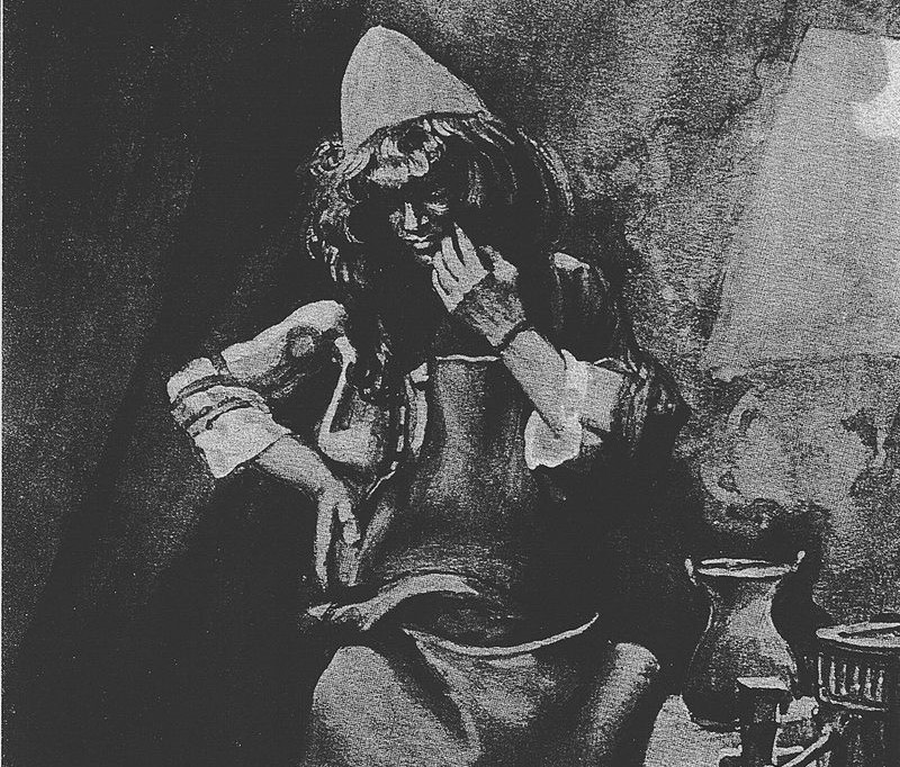
James Tissot, „Becalel”/ Wikipedia

PARSZA WA-JAKHEL 2 MARCA 2019 / 25 ADAR I 5779

W parszach Ki tisa Wa-jakhel spotykamy się po raz pierwszy z postacią Becalela, rzadkim typem biblijnego charakteru. Becalel był artystą i rzemieślnikiem, który tworzył w służbie Bogu. Wraz z Oholiabem wykonał on elementy Przybytku. W odróżnieniu od kultury starożytnych Greków judaizm nigdy nie miłował się w sztukach plastycznych. Powód tego jest jasny: Biblia zakazuje tworzenia posągów, ponieważ są one wyrazem idolatrii. Obrazy, talizmany, ikony i posągi wiązały się dawniej z pogańskimi rytuałami religijnymi. Czczenie dzieła ludzkich rąk było całkowitym przeciwieństwem biblijnej wiary.

Mówiąc ogólniej, judaizm jest kulturą ucha, nie oka[1]. W religii niewidzialnego Boga za święte uważa się słowo, które da się usłyszeć, a nie przedmioty, które można zobaczyć. Stąd w judaizmie negatywny stosunek do sztuki przedstawiającej.

W niektórych ilustrowanych manuskryptach (na przykład w nadreńskiej Hagadzie z głowami ptaków, pochodzącej z początku XIV wieku) głowy ludzi zastąpiono głowami ptaków. W ten sposób artysta chciał uniknąć przedstawiania postaci człowieka w całości. Sama sztuka nie jest zakazana. Istnieje też różnica między dwuwymiarową reprezentacją postaci a jej trójwymiarowym przedstawieniem. Jak jasno wskazał w responsie rabin Meir z Rotenburga: „[Ilustrowane książki] nie są wykroczeniem przeciw biblijnemu prawu (…), [ilustracje] są ledwie płaskimi kolorowymi plamami, niedostatecznie materialnymi [aby tworzyły rzeźbiony obraz]”[2]. Co prawda w niektórych starożytnych izraelskich synagogach możemy spotkać dość wyszukane freski, ale w porównaniu do chrześcijaństwa, na które duży wpływ miała kultura helleńska, w judaizmie sztuki plastyczne są zjawiskiem znacznie rzadszym.

W literaturze rabinicznej rzadko spotykamy pozytywne komentarze odnoszące się do sztuki. Wyjątkiem jest Majmonides, który mówi:

Jeśli ktoś pogrążony jest w melancholii, powinien uleczyć ją, słuchając piosenek i różnych melodii, spacerując po ogrodzie i wśród pięknych budynków, siedząc w otoczeniu pięknych form i przedmiotów, które zachwycają duszę i sprawiają, że znika z niej niepokój. Pamiętać też należy, aby ciało utrzymywać w dobrym zdrowiu. Celem zdrowego ciała jest zdobywanie wiedzy[3].

Jasne jest jednak – widać to w sposobie, w jaki Majmonides mówi o przeżyciach estetycznych – że traktuje on sztukę czysto instrumentalnie, jako sposób na poradzenie sobie z depresją. Nie twierdzi, że jest ona wartością samą w sobie.

Najbardziej pozytywna opinia na temat sztuki, o jakiej mi wiadomo, pochodzi spod pióra rabina Abrahama Izaaka Kuka, pierwszego aszkenazyjskiego Naczelnego Rabina Brytyjskiego Mandatu Palestyny. Kuk opisuje swój czas spędzony w Londynie podczas pierwszej wojny światowej w ten sposób:

Mieszkając w Londynie, często odwiedzałem National Gallery, a najbardziej ukochałem sobie obrazy Rembrandta. Według mnie był on świętym. Kiedy zobaczyłem jego obrazy po raz pierwszy, przypomniały mi one rabiniczną historię o stworzeniu światła. Kiedy [pierwszego dnia] Bóg stworzył światło, było ono tak jasne i lśniące, że można było zobaczyć wszystko z jednego krańca świata do drugiego. Ale Bóg obawiał się, że niegodziwcy o złych zamiarach wykorzystają je na swoją korzyść. Co więc zrobił? Ukrył je, aby dać uczciwym w świecie, który nadejdzie. Ale rodzą się niekiedy wielcy tego świata, których Bóg pobłogosławił wizją tego ukrytego światła. Myślę, że Rembrandt był jednym z tych ludzi, a światło, które malował, jest tym samym, które Bóg stworzył pierwszego dnia[4].

Rembrandt znany jest ze swej sympatii do Żydów[5]. Amsterdamscy Żydzi i sceny z Biblii Hebrajskiej były częstymi tematami jego obrazów. Przypuszczam, że to, o czym pisał Kuk, to możliwość uchwycenia piękna zwykłych ludzi. Rembrandt nie ma tendencji (co widać szczególnie w jego autoportretach) do upiększania czy idealizowania. Światło, które bije od malowanych przez niego Żydów, to światło ich człowieczeństwa.

Samson Raphael Hirsch w swoim komentarzu do Pięcioksięgu zaznacza różnicę między starożytną Grecją a Izraelem, polegającą na zderzeniu estetyki z etyką. W komentarzu do wersu „Niech rozprzestrzeni Bóg Jefetowi, i niech zamieszka w namiotach Szema; a niech będzie Kanaan sługą im!” (Be-reszit 9:27), Hirsch zauważa:

Łodyga Jafeta rozkwitła najpełniej wśród Greków; Szemy wśród Hebrajczyków, Izraela. Nosił on i nosić będzie imię Boga (Szem) wśród narodów świata (…). Jafet uszlachetnił świat estetycznie. Szem zaś pod względem duchowym i etycznym.

Postać Becalela dowodzi jednak, że judaizm nie jest zupełnie obojętny na estetykę. Idea hidur micwa, „upiększania przykazania”, polega na tym, aby spełnić micwę w najbardziej estetyczny sposób. Szaty kapłanów wykonane były przecież „na cześć i na ozdobę” (Szemot 28:2). Cechy, które przypisuje się Becalelowi – mądrość, rozwaga i wiedza – to te same cechy, którymi określa się samego Boga, stwórcę wszechświata, w Księdze Przysłów:

Wiekuisty mądrością ugruntował ziemię,

Utrwalił niebiosa rozwagą.

Wiedzą Jego rozstąpiły się tonie,

A kropią górne przestwory rosą (3:19-20).

Klucz do zrozumienia postaci Becalela ukryty jest w jego imieniu, które oznacza „w cieniu Boga”. Jego talent polega na możliwości zakomunikowania światu poprzez swoje dzieła, że sztuka jest cieniem rzucanym przez Boga. Twórczość religijna nigdy nie jest „sztuką dla sztuki”. W przeciwieństwie do sztuki świeckiej ma wskazywać na coś o wiele większego od niej samej. Przybytek był czymś na wzór mikroskopijnego obrazu wszechświata z pewną nadrzędną osobliwością – będąc w jego środku, można było odczuć obecność czegoś transcendentnego, co Tora nazywa „majestatem Wiekuistego”, który „napełniał Przybytek” (Szemot 40:35).

Grecy i reprezentanci kultur Zachodu, które odziedziczyły ich tradycję, wierzą w świętość piękna (John Keats w Odzie na urnę grecką pisał: „Piękno jest prawdą, a prawda pięknem, to wszystko / co musisz wiedzieć, i nic nie trzeba ci więcej”). Żydzi wierzą w coś odwrotnego: hadrat kodesz, piękno świętości: „Nieście Bogu cześć imienia Jego; korzcie się przed Wiekuistym w świętym pięknie” (Psalm 29:2). Sztuka w judaizmie ma określony cel: pozwala nam dostrzec, że wszechświat jest arcydziełem, świadectwem wielkości Boga, największego Artysty.


[1] Więcej szczegółów na ten temat: Kalman Bland, The Artless Jew: Medieval and Modern Affirmations and Denials of the Visual, Princeton 2001.

[2] Rabin Meir z Rotenburga, Keruwim, Tosafot, kom. do Joma 54a-b, Wenecja 1515, s. 14-16.

[3] Rambam, Osiem rozdziałów o etyce, kom. do Miszny, wprowadzenie do Awot.

[4] „Jewish Chronicle”, 9 września 1935.

[5] Michael Zell, Reframing Rembrandt: Jews and the Christian Image in Seventeenth Century Amsterdam, Oakland 2002; Steven Nadler, Rembrandt’s Jews, Chicago 2003.


Zawartość publikowanych artykułów i materiałów nie reprezentuje poglądów ani opinii Reunion’68,
ani też webmastera Blogu Reunion’68, chyba ze jest to wyraźnie zaznaczone.
Twoje uwagi, linki, własne artykuły lub wiadomości prześlij na adres:
webmaster@reunion68.com


Egypt threatens Hamas: Israel will defeat you

Egypt threatens Hamas: Israel will defeat you

Arutz Sheva Staff


Egyptian official tells Hamas: ‘You’re endangering our lives,’ ‘blood of Gaza residents is on your hands.’ Sinwar: We didn’t fire anything.

Egyptian intelligence officials seethed with anger on Thursday night after missiles were fired from Gaza at Tel Aviv, Israel Hayom reported.

One official, who was one of the Egyptian delegates present in Gaza during those dramatic moments, told Israel Hayom‘s Daniel Sirioti about the delegation’s conversation with Hamas Thursday night.

“At the beginning of the meeting, the atmosphere was very relaxed,” the Egyptian official told Sirioti. “We had just returned from Israel with answers, we estimated that Hamas would accept them and allow us to begin a stable, long-term peace. A few minutes later, one of the Egyptian delegation’s aides entered the room looking worried, and gave the delegation leaders his cellular phone.”

“The smiles immediately turned into frowns, and senior delegates turned to Hamas leader Yahyah Sinwar and yelled at him: ‘Where do you think you’ll end up with your double play? We’re sitting here to finalize a peace agreement with Israel, and behind our backs you allow your people to fire missiles at Tel Aviv??’

“‘If Israel decides to start a widescale operation in Gaza, this time we’re not going to do anything to stop the Israeli attacks. Even if Israel decides to bring down your rule in Gaza by assassinating every single one of you, while they reconquer Gaza. Egypt and its regional allies will not lift a finger to stop the Israeli response.'”


Zawartość publikowanych artykułów i materiałów nie reprezentuje poglądów ani opinii Reunion’68,
ani też webmastera Blogu Reunion’68, chyba ze jest to wyraźnie zaznaczone.
Twoje uwagi, linki, własne artykuły lub wiadomości prześlij na adres:
webmaster@reunion68.com


How to bake the ultimate hamantaschen cookies this Purim

Israel21cHow to bake the ultimate hamantaschen cookies this Purim

ISRAEL21c


Follow along as ISRAEL21c’s Jessica Halfin shows you how to make Nutella-filled hamantaschen cookies (oznay Haman) from scratch, in the latest edition of our cooking series Tayim.

Hanukkah has its fried sufganiyot (jelly donuts); Purim has its baked hamantaschen, or “oznay Haman” (“Haman’s ears”).

Watch our step-by-step guide to baking your own three-cornered Purim pastries, filled with Nutella in the latest video in our popular Tayim cooking series. For the ingredients, see below.

Nutella Hamantaschen recipe

  • Dough ingredients:
  • 1 cup butter
  • ½ cup sugar
  • 1 egg
  • Pinch salt
  • Capful vanilla
  • 2 ½ + 1 tablespoon flour
  • Powdered sugar for cooled cookies
  • Plus Nutella for filling

Topping:

One bar each of white and dark chocolate melted separately.
100g shelled pistachios, pulsed in food processor

Instructions for dough, assembly, and baking:

1. Preheat oven to 175 Celsius or 350 F.
2. Using a mixer, cream together the butter and sugar.
3. Add the egg and vanilla, and mix to combine.
4. Add flour and salt, and mix until the dough comes together and pulls away from the sides of the mixing bowl.
5. Turn dough out onto a lightly floured surface. Roll out until 4-5 mm thickness, and cut out 3 inch circles with a cookie cutter.
6. Pipe 1 teaspoon of filling into the center of each circle, and fold up the edges in a triangle shape. Pinch the edges.
7. Bake for 10-12 minutes, or until edges and underside are golden.
8. Let cool completely, and sprinkle with powdered sugar, or drizzle with chocolate and decorate with crushed pistachios


Executive Producer – Jonathan Baruch
Producer/Director – Haim Silberstein
Chef – Jessica Halfin
Camera – Ari Amit


Zawartość publikowanych artykułów i materiałów nie reprezentuje poglądów ani opinii Reunion’68,
ani też webmastera Blogu Reunion’68, chyba ze jest to wyraźnie zaznaczone.
Twoje uwagi, linki, własne artykuły lub wiadomości prześlij na adres:
webmaster@reunion68.com