

Archive | 2020/12/04

Iran i powrót do jaskini


Iran i powrót do jaskini ech

Vic Rosenthal
Tłumaczenie: Małgorzata Koraszewska


Czy jakikolwiek moralny człowiek może popierać rewolucyjny islamski reżim w Iranie?

Ten reżim morduje dysydentów, porywa zachodnich zakładników dla okupu lub żeby uwolnić z więzień terrorystów, wiesza homoseksualistówwięzi kobiety za nie noszenie hidżabu i godzi się na ich publiczne bicie. Iran poświęca dobro własnego narodu na rzecz eksportowania przemocy na cały świat, wydając olbrzymie sumy pieniędzy na zbrojenie Hezbollahu i milicji w Iraku, Syrii i Jemenie, i, oczywiście, na kontynuowanie programu broni jądrowej i pocisków balistycznych dalekiego zasięgu. Rząd irański jest także niezmiernie skorumpowany, czyniąc przez to życie Irańczyków jeszcze większym koszmarem.

Jeden konkretny aspekt tego nikczemnego reżimu w zrozumiały sposób ściąga moją uwagę, jako że jest to otwarcie wyrażany zamiar zniszczenia żydowskiego państwa, w którym żyję, i popełnienia kolejnego ludobójstwa na narodzie żydowskim. Powtarzanie “śmierć Izraelowi”, “Izrael jest rakiem” i groźby “wymazania [Izraela] z mapy”, otoczenie naszego kraju ciężko uzbrojonymi milicjami i praca nad bronią masowego zniszczenia są sygnałami, które można ignorować na własne nieszczęście. Jeśli jednak slogan “nigdy więcej” ma jakiekolwiek znaczenie, to podejrzliwość wobec Iranu jest konieczna.

Dwie ważne lekcje wyciągnięte z niedawnej historii kierują polityką Izraela wobec Iranu: a) kiedy oni mówią, że cię zabiją, wierz im; i b) kiedy oni rzeczywiście będą próbowali cię zabić, niemal nikt nie przyjdzie ci z pomocą.

Społeczność międzynarodowa kierowana przez USA działała, by nałożyć sankcje na Iran w ramach traktatu o nierozprzestrzenianiu broni jądrowej (NPT), który Iran podpisał i naruszył. Później, za czasów prezydenta Obamy, USA i kilka innych państw zachodnich negocjowały JCPOA, porozumienie, które usuwało sankcje w zamian za obietnicę reżimu irańskiego, że będzie przestrzegać reguł, które miały na celu opóźnienie zdobycia przez nich broni jądrowej. Irańscy negocjatorzy wykorzystali  pragnienie Zachodu dojścia do porozumienia, by zapewnić, że końcowy produkt był słaby, niedający się egzekwować i w efekcie legitymizował irańskie zbrojenie jądrowe zamiast mu zapobiec. Równocześnie administracja Obamy uwolniła 1,3 miliarda dolarów w gotówce dla Iranu. Z tego 400 milionów dolarów dostarczono na paletach wyładowanych szwajcarskimi frankami i euro i zostały one użyte do finansowania Hezbollahu i innych terrorystycznych marionetek Iranu.

Izrael sprzeciwiał się JCPOA od samego początku, a premier Netanjahu nawet stawił czoła wściekłości Obamy występując przeciwko temu porozumieniu na połączonej sesji Kongresu. Jego strategia “maksymalnego nacisku” na irański reżim mogła w końcu przynieść poddanie się reżimu w sprawie nuklearnej, a nawet jego upadek. Joe Biden jednak już przedstawił zamiar powrotu do mniej konfrontacyjnego podejścia, podobnego do podejścia administracji Obamy – ugłaskanie Iranu kosztem Izraela. Wielka szkoda, bo przy postawie irańskiego reżimu jedyna forma dyplomacji, jaka może odnieść sukces, to taka, którą prowadzi się utrzymując stały nacisk ekonomiczny i groźbę użycia siły.

Opinia w Izraelu, niemal jednogłośna w całym politycznym spectrum, stwierdza, że życie z nuklearnym Iranem nie będzie możliwe i że w ostatecznym rachunku do Izraela będzie należało zapobieżenie zdobyciu broni nuklearnej przez Iran. I dlatego jest rozsądne domyślanie się, że Izrael stał za zabiciem szefa militarnego programu nuklearnego Iranu, Mohsena Fachrizadeha. Polityką Izraela przez ostatnie dziesięć lat było stosowanie środków, które nie są wojną, takich jak ataki cybernetyczne, sabotaż i punktowa eliminacja kluczowych jednostek, by  przeszkodzić Iranowi w zdobyciu broni jądrowej.

Uważam, że jest ironią, że przeciwnicy polityki Netanjahu i Donalda Trumpa wobec Iranu często oskarżają ich o to, że chcą wojny. Powinno być oczywiste, że pozwolenie Iranowi na dalsze zbliżanie się do wejścia w posiadanie broni jądrowej gwarantowałoby wojskową akcję Izraela przeciwko Iranowi; jeśli można temu zapobiec przez  potajemne działania i ekonomiczne naciski, jest to znacznie lepsze.

Dlatego zastanawiam się nad motywacją niektórych krytyków akcji Izraela, którzy wolą powrót do nieudanej polityki appeasementu prowadzonej przez administrację Obamy. Na przykład, Peter Beinart tweetował, że Fachrizadeh został zabity, by “sabotować najważniejszą inicjatywę polityki zagranicznej [Bidena] na Bliskim Wschodzie”. Ben Rhodes, doradca Obamy, nazwał to “skandalicznym działaniem w celu podważenia dyplomacji między administracją USA a Iranem”. Prezes J Street, Jeremy Ben-Ami powiedział, że była to “próba sabotażu nadchodzącej administracji Bidena, by wejść z powrotem [do JCPOA], jak również szans dalszej dyplomacji…”

Moją pierwszą reakcją jest powiedzenie im: “nie wszystko jest o was”. Izrael nie dba o pragnienia Bidena, by popisać się przez odwrócenie bliskowschodniej polityki Trumpa i by udobruchać AOC-Tlaib-Omar lewicowe skrzydło swojej partii, które chce widzieć izraelską krew nawet kosztem wzmocnienia wroga USA. Nie obchodzi nas, że Rhodes, jeden z architektów planu Obamy appeasementu Iranu, jest znowu oburzony próbami samoobrony Izraela, tak jak on i jego szef byli oburzeni na to przez ich osiem lat sprawowania władzy. Te sprawy są wewnętrznymi troskami Ameryki i są nieistotne dla Izraela.

Można się jednak zastanawiać, dlaczego oni (i wielu innych) wydają się wysuwać te same argumenty tymi samymi słowami. Przypomina się jaskinia ech” Rhodesa, kiedy po raz pierwszy wyciągnięto sprawę umowy z Iranem. Można zacząć podejrzewać, że jest za nimi ukryta ręka – ręka Baracka Obamy? Być może lepiej to zostawić do kolejnego postu.

Niezależnie od wszystkiego, cel działań Izraela pozostaje taki sam, jak był od dziesięcioleci: niedopuszczenie, by Iran zdobył broń jądrową. Spodziewam się, że wykorzystamy czas, jak pozostał do zmiany administracji, by kontynuować ruchy w tym samym kierunku.


Vic Rosenthal – Urodzony w Stanach Zjednoczonych, studiował informatykę i filozofię na University of Pittsburgh. Zajmował się rozwijaniem programów komputerowych. Mieszka obecnie w Izraelu. Publikuje w izraelskiej prasie. Jego artykuły często zamieszcza Elder of Ziyon.


Zawartość publikowanych artykułów i materiałów nie reprezentuje poglądów ani opinii Reunion’68,
ani też webmastera Blogu Reunion’68, chyba ze jest to wyraźnie zaznaczone.
Twoje uwagi, linki, własne artykuły lub wiadomości prześlij na adres:
webmaster@reunion68.com


UAE and Israel – a partnership that can help the world

UAE and Israel – a partnership that can help the world

SABAH AL-BINALI


Israel can help the UAE expose its tech startups to partners and investors in the West, while the UAE can be Israel’s gateway to Asia and the East.

The flags of the United Arab Emirates, Israel, Bahrain and the United States are screened on the walls of Jerusalem’s Old City, on September 15, 2020. Photo by Yonatan Sindel/Flash90

News of the Abraham Accords normalizing diplomatic relations between the UAE and Israel has been greeted with enthusiasm across Emirati society.

The positive attitude is being led from the top. One striking example is the website of the Abu Dhabi Investment Office, which appears in Hebrew if you click on it from Israel. They are also running Hebrew promotions across social media and have announced that they will open an office in Israel.

News of the Abraham Accords normalizing diplomatic relations between the UAE and Israel has been greeted with enthusiasm across Emirati society.

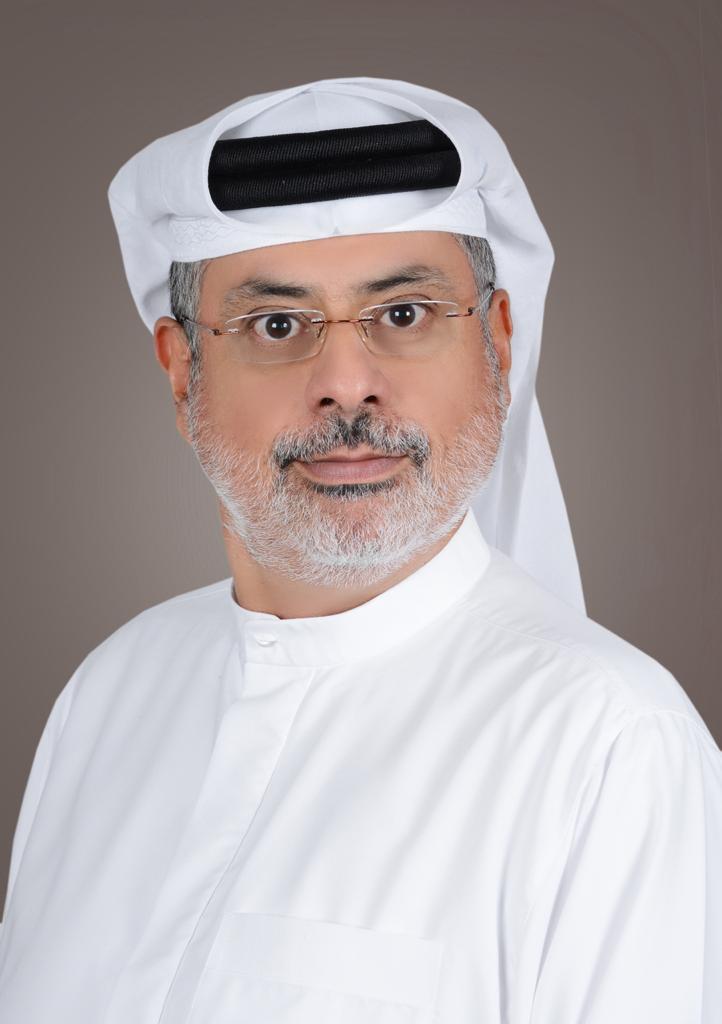
Dr. Sabah Al-Binali, GCC VC Partner and Head of the Gulf Region at OurCrowd. Photo: courtesy

The positive attitude is being led from the top. One striking example is the website of the Abu Dhabi Investment Office, which appears in Hebrew if you click on it from Israel. They are also running Hebrew promotions across social media and have announced that they will open an office in Israel 

Many business executives in the Gulf already have friends and even business relationships with their Israeli counterparts. Many of us have spent time studying or working in the United States, Europe and elsewhere, and established connections with Jewish and Israeli colleagues that in some cases go back decades.

The normalization of diplomatic relations now allows us to build commercial ties on existing social ties and new ones are already flourishing.

The initial response to the Abraham Accords from Israel’s business community was to welcome the opportunity to access funds in the UAE and Bahrain for investment in Israeli startups. While that is certainly one facet of the new relationship, it is by no means the only one – nor the most significant.

.

While Israel has been building its Startup Nation on the western shores of the Middle East, the UAE has been developing its own high-tech sector over in the east.

Just like Israel, the UAE has been opening up to the world with its technology and entrepreneurship. In the space of a few short years, the UAE has become a world leader in logistics, finance, sustainable energy, smart transportation and smart cities.

DP World, Dubai’s global ports company, has become the global trading gateway to Asia. The UAE has become a global financial, business, medical, hospitality and trading center.

We have the world’s largest solar power installations and through our commitment to zero emissions and zero waste we are developing the world’s most water- and energy-efficient cities.

Investments in both directions

While much of this technology is imported, our commitment to world-class education, healthcare and technology has inspired our home-grown entrepreneurs to develop their own startup ecosystem.

Our ride-hailing startup Careem was acquired for more than $3 billion by Uber, and Souq, our first unicorn, was acquired by Amazon. We have even produced a world-class supercar that sells for millions of dollars, is rated among the very best, and starred in a Hollywood movie.

Having ties with Israel helps the UAE to expose its technology startups to partners and investors in Israel, the US and the rest of the world.

We are already seeing a wave of interest in funding startups here in the UAE, and discussions on how Emirati and Israeli innovators can build better technology by pooling their different approaches and experiences.

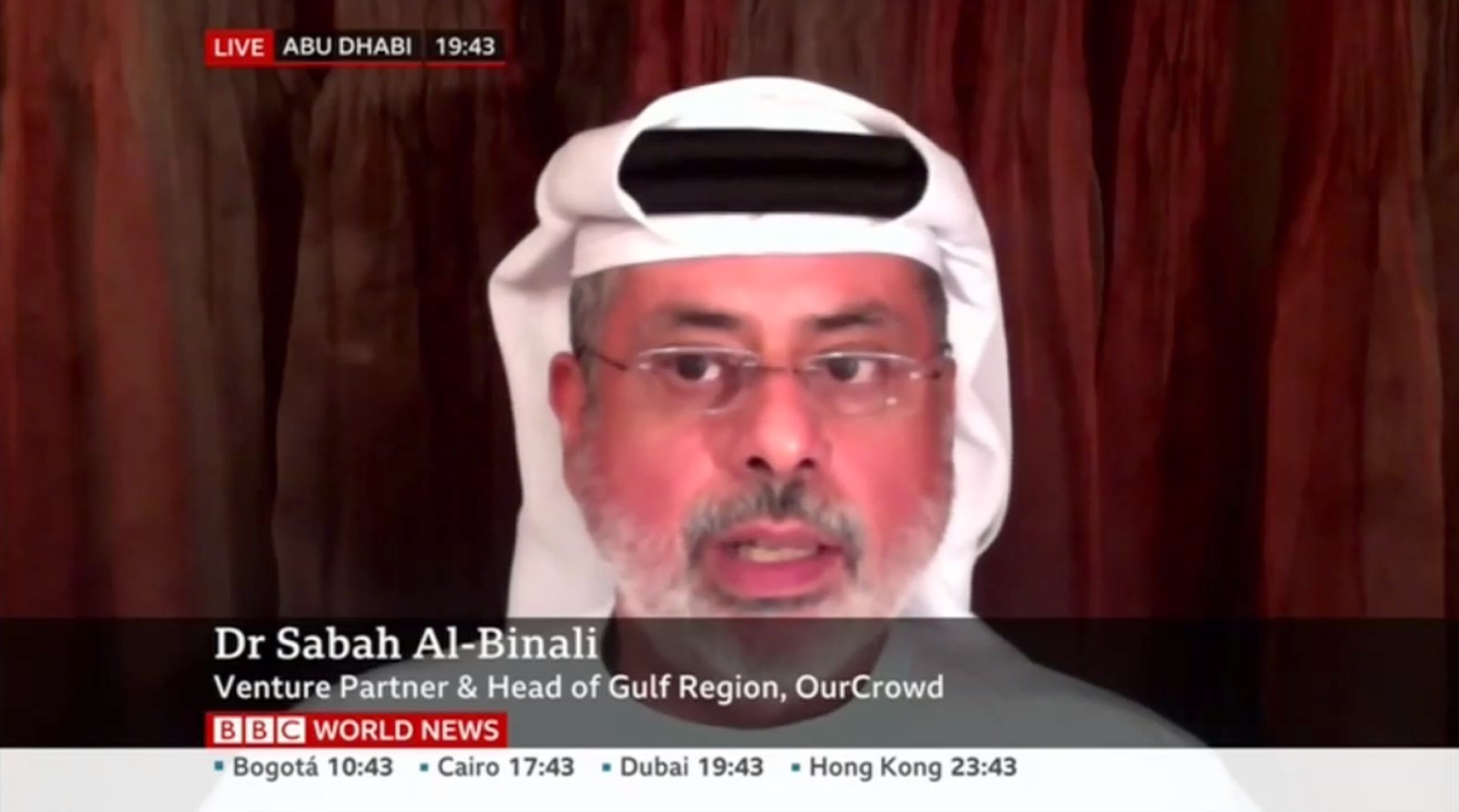
Screenshot of Sabah Al-Binali speaking on BBC World News

Complementary skillsets

The similar size of the Emirati and Israeli economies, and their complementary skillsets, make them extremely compatible for joint business ventures. The entrepreneurial and business mentality is strong in both countries.

Once the political normalization occurred, we saw how fast things can happen when both sides are experienced at striking cross-border deals. The two countries have the same working week from Sunday to Thursday, they are just three hours’ flight time from each other and the time difference is only an hour, which makes doing business much easier than with the US or some Asian markets.

Everyone knew that the opportunity for cooperation existed, and now that the opportunity from a legal perspective has presented itself, people are moving.

Already, there are serious talks underway between entrepreneurs and investors on both sides across a wide range of sectors: Medical, agriculture, national security, cyber, financial technology, drones, artificial intelligence and much more.

As the UAE develops into one of the world’s finance hubs, fintech will become increasingly important. The same is true of logistics. At the same time, DP World, which runs the global shipping hub in Dubai, can bring expertise and knowledge in logistics to Israeli ports like Haifa and Ashdod.

Israel has traditionally looked West toward Europe and the US. The UAE is the gateway to Asia and the East. We can also help Israeli businesses enter new markets in the Muslim world, including the huge opportunities in Malaysia, Indonesia and Pakistan.

The Israel-UAE normalization can create a network that will connect the world’s two hemispheres. This will benefit the economies of both countries, and the region. But if we think about the global markets that each party can help open for the other, this becomes a partnership that will benefit the entire world.


Dr. Sabah al-Binali is GCC VC Partner and Head of the Gulf Region at OurCrowd, the Jerusalem-based global investment platform.


Zawartość publikowanych artykułów i materiałów nie reprezentuje poglądów ani opinii Reunion’68,
ani też webmastera Blogu Reunion’68, chyba ze jest to wyraźnie zaznaczone.
Twoje uwagi, linki, własne artykuły lub wiadomości prześlij na adres:
webmaster@reunion68.com

Apple TV+ to Premiere Its Second Israeli Series, ‘Losing Alice,’ in January

Apple TV+ to Premiere Its Second Israeli Series, ‘Losing Alice,’ in January

Shiryn Ghermezian


Ayelet Zurer in a scene from “Losing Alice.” Photo: Apple TV+.

Apple TV+ announced on Thursday that it would premiere its second Israeli series, the eight-episode show “Losing Alice,” this coming January.

The first three episodes of the neo-noir psychological thriller will begin streaming on Friday, Jan. 22, 2021, with the following episodes premiering weekly on Fridays.

Apple acquired global rights to “Losing Alice” in June from the show’s creator, writer and director Sigal Avin after it aired on HOT in Israel.

It first premiered at the We Are One: A Global Film Festival and was featured as part of this year’s Cannes Series lineup.

It will now stream globally, in Hebrew with English subtitles, on Apple TV+ as part of a co-production deal with Israel’s Dori Media in association with HOT.

“Losing Alice” tells the story of a 48-year-old film director named Alice (Ayelet Zurer) who becomes obsessed with a 24-year-old screenwriter femme fatale, Sophie (Lihi Kornowski), “and eventually surrenders her moral integrity in order to achieve power, relevance and success,” Apple TV+ said in a press release.

“‘Losing Alice’ is a thrilling cinematic journey that uses flashbacks and flash-forwards in a satisfyingly complex narrative that takes the viewer through the conscious and subconscious of its protagonist’s mind…Through the prism of this female Faust, the series explores issues such as jealousy, guilt, fear of aging, and the complex relationships women have among themselves and each other,” Apple TV+ added.


Zawartość publikowanych artykułów i materiałów nie reprezentuje poglądów ani opinii Reunion’68,
ani też webmastera Blogu Reunion’68, chyba ze jest to wyraźnie zaznaczone.
Twoje uwagi, linki, własne artykuły lub wiadomości prześlij na adres:
webmaster@reunion68.com