Archive | May 2021

‘It’s Like the Jewish Sopranos’: Cast and Crew of ‘Shtisel’ Talk Storylines, Tease Possible Season 4

‘It’s Like the Jewish Sopranos’: Cast and Crew of ‘Shtisel’ Talk Storylines, Tease Possible Season 4

Shiryn Ghermezian


(From top left, clockwise) Hana Laslo, Brigit Grant, Dov Glickman, Alon Zingman, Reef Neeman, Zohar Strauss and Dikla Barkai discuss “Shtisel.” Photo: Screenshot.

The cast and crew of the hit Israeli series “Shtisel” talked about their characters, the future of the show and its worldwide popularity in a virtual discussion hosted by the Israeli Film and Television Festival and Jewish News.

Actors Reef Neeman, Hana Laslo, Zohar Strauss and Dov Glickman, together with director Alon Zingman and producer Dikla Barkai talked with Jewish News’ Brigit Grant about the series and at times referenced a fourth season, leaving fans hopeful for more to come after the March 25 Neflix premiere of “Shtisel” season 3.

Barkai spoke about joining “Shtisel” after reading the first season script and said she was drawn immediately to it. “Finding this kind of project is like finding love. It’s above explanation of when and why I loved the script. I just felt it so strong and I knew I wanted to do it,” she said.

The producer admitted she wasn’t sure “Shtisel” would continue past its first season. She explained, “we felt after the first season, the magic has happened. I thought it’s like this rare moment in life, you have this silly thought that it would never happen again. So between the first season and the second season I had a lot of doubt and maybe a little fear.”

On how and when the show would possibly end, she said, “maybe ‘Shtisel’ is not a series with an end. It’s like life. It can go on and on and on.” Glickman agreed that it can go on for years to come – calling it “like the Jewish Sopranos,” a reference to HBO’s long-running series that spanned  86 episodes over six seasons.

Neeman, a newcomer to “Shtisel” who made her debut in season 3, auditioned for the role of Shira Levi via Zoom and talked about her character’s struggle with love on the show. Strauss also discussed his character’s development throughout the series — from not appearing in most of the first season to having a major role in season three. He later showed a picture of a fan who bought the fake beard he wears while in character as Lippe Weiss.

The cast and crew additionally talked their favorite “Shtisel” scenes, bringing in family members as extras and being recognized around the world. Glickman shared that Lebanese Muslim fans even approached him in Paris once after recognizing him from the series.

Glickman admitted that he cried watching certain scenes in past seasons, while Zingman said he got teary eyed while reading the show’s script, editing various scenes and filming the third season’s final scene, which he described as “so beautiful, emotional and touching.”

Talking about the difficulty of shooting during the COVID-19 pandemic, Zingman said the show was forced to postpone filming until July 2020. The summer heat in Israel added an extra layer of difficulty for the cast, who had to wear traditional ultra-Orthodox garments on camera and face masks off camera while on set. Some members of the show also contracted the coronavirus during the process. Zingman said, “It was really tough. It was really challenging.”

The discussion concluded with Barkai revealing that a traveling exhibition may be in the works to showcase the art featured in “Shtisel.”


Zawartość publikowanych artykułów i materiałów nie reprezentuje poglądów ani opinii Reunion’68,
ani też webmastera Blogu Reunion’68, chyba ze jest to wyraźnie zaznaczone.
Twoje uwagi, linki, własne artykuły lub wiadomości prześlij na adres:
webmaster@reunion68.com

Lonka

Lonka

Grzegorz Lityński


Szanowni Państwo,

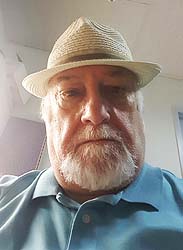
Nazywam się Grzegorz Lityński, jestem fotografem dokumentalistą, wykładowcą wyższej uczelni w Katowicach oraz kuratorem wystawy fotograficznej „Lonka” po polsku. Korzystam z pośrednictwa
Leona Rozenbauma aby skontaktować się w sprawie wystawy o ostatnich Ocalałych z Zagłady.

275 fotografów w 30 krajach stworzyło portrety ok. 400 Ocalonym. A wśród osób, którzy użyczyli swojej twarzy są m.in. Ryszard Horowitz z NYC, Roman Polański, Gerda Weissmann-Klein, rabin Israel Meir Lau, Romuald Jakub Weksler-Waszkinel i wiele innych postaci. De facto, ogromna część Ocalonych obecnych w projekcie „Lonka” urodziła się w Polsce – dlatego zależy nam wszystkim na tym, aby ta wystawa dotarła do Żydów polskich mieszkających poza Polską.

Jako kurator wystawy przeprowadzam regularnie oprowadzania / Guided Tours po wystawie i po projekcie „Lonka” w języku polskim. Oprowadzanie są dla grup osób w uzgodnionym terminie. Jeśli więc Państwo i Wasi znajomi (wystarczy kilka osób) chcieliby wziąć udział w takim oprowadzaniu (ok. 60-70 minut), to jestem do dyspozycji.

Mogę zorganizować dla Pana i Pana znajomych oprowadzania wieczorem zarówno czasu amerykańskiego, jak i czasu europejskiego wedle życzenia. Oprowadzanie jest oczywiście bezpłatne.

Jeśli byłoby zainteresowanie na Oprowadzanie po wystawie na co bardzo liczymy, to bardzo proszę o kontakt ze mną. Ustalimy czas wirtualnego oprowadzanie tak jak Panu / Państwu pasuje.

Samodzielnie wystawę można zwiedzać pod adresem:

http://www.litynski.com/lonka

Informację na temat projektu można znaleźć w jęz. angielskim na stronie internetowej:

https://www.pamsm.org/post/capturing-the-last-holocaust-survivors-the-lonka-project

Download the PDF file .


How Did Jews Become the New Privileged Class?

How Did Jews Become the New Privileged Class?

Thane Rosenbaum


A new rainbow of progressivism, with its spectrum of escalating oppressions, has outed Jews as full-fledged members of the oppressor class.

FotografiaBasica/Getty Images

Being part of the ruling class is a bit overrated. Yes, there’s those connections to seats of power. Memberships in the right clubs. Powerful people watching your back. Every conceivable advantage, just for the asking.

Who knew Jews wore all those white shoes?

Over the past several years, Jews have been stripped of any claims to minority status. They have a new origin story in America: one that involves Plymouth Rock and bypasses Ellis Island altogether. A new rainbow of progressivism, with its spectrum of escalating oppressions, has outed Jews as full-fledged members of the oppressor class—too wealthy to be innocent, complicity in the slave trade, and kinsmen to an apartheid state called Israel.

OVER THE PAST SEVERAL YEARS, JEWS HAVE BEEN STRIPPED OF ANY CLAIMS TO MINORITY STATUS. THEY HAVE A NEW ORIGIN STORY IN AMERICA: ONE THAT INVOLVES PLYMOUTH ROCK AND BYPASSES ELLIS ISLAND ALTOGETHER.

In essence, Jews are white people with privileges no less inexorable than Presbyterians. Marginalized, vulnerable victims? Not a chance. Any claims of ethnicity or ties to another national origin are fabricated.

Jews must stay in their proper lane, among the American machers.

Even just twenty years ago, such false claims would be ludicrous. Nowadays, it’s what most Americans—surely on the left—actually believe, or will faithfully falsify. What this will mean to the once unshakable Jewish alliance with the Democrat Party is anyone’s guess—not because Jews will renounce their affiliation, but they might find themselves unceremoniously kicked out.

This was not a good week in the mythology of Jewish influence, or even friendship with Jews —at least where it matters.

Demonstrators in various cities in France and the United States, along with London, Rome, and Tel Aviv, protested a French court ruling that the murderer of Sarah Halimi, an elderly Jewish woman tossed from her balcony in 2017, was not responsible for his actions. The assailant is an avowed Islamist, who proudly acknowledged that he committed the crime in name of Allah. The court ruled, however, that he was too high on marijuana to know the consequences of his act.

Imagine if that was Derek Chauvin’s defense in his recent trial for the murder of George Floyd. “I was too stoned to realize my knee was on Floyd’s neck.”

Speaking of Floyd, the crowds that gathered in New York, Los Angeles and Miami, marking the injustice in allowing Halimi’s murderer to go unpunished, were sparse, attended mostly by Jews. What was clearly missing was any solidarity from the Black Lives Matter movement, which benefitted so greatly last summer from the participation of Jews—as marchers and patrons—in their righteous cause.

French Jewish Women’s Lives Matter, too?

Former Secretary of State, John Kerry, who served in the Obama administration and who played a pivotal role in negotiating the Iran deal, is no friend of Israel. An audio tape now revealed that he divulged secrets to Iran’s foreign minister about Israel’s missile attacks against Iranian proxies in Syria. In addition to betraying the Israelis, one of America’s staunchest allies and the only democracy in the region, it may have compromised the strategic interests of the United States.

The time period coincides with Iran’s sabotaging of oil tankers passing through the Strait of Harmoz. The Gulf states, thrilled by the Abraham Accords, now must wonder whether the United States will resume its prurient flirtations with Iran that began in the Obama administration.

Iran was the chief patron of President Assad’s murder and gassings of his own people in Syria. Iran’s nuclear aspirations, and ballistic missile testing, are not just perilous for Israelis. People forget that the Iranian regime once took 52 Americans hostage for over a year. They are the world’s biggest sponsor of terrorism. And the Persian street has been known to burn American flags and refer to the United States as the Great Satan (Israel is the Little Satan).

Meanwhile, there’s news from yet another former head of the American intelligence community. John Brennan, the director of the Central Intelligence Agency during the Obama years, tweeted that he always wondered why, given their own persecuted, violent history, the Jews of Israel are not more empathetic to Palestinians.

This from the man who purportedly received intelligence briefings about Palestinian terrorism and rocket launching from hospitals with children standing around as mortar shells.

America’s former top spook has no compunction lecturing Israel on morality and empathy. Yes, Jews do have a scarred history. But that’s precisely why they won’t jeopardize their nationhood by taking Brennan’s advice: Misapplying false pieties about a people who have long demonstrated that the only Israel they could live with would be one empty of all Jews.

If this is what it’s like knowing powerful people, better to be friendless.

Who wouldn’t take moral advice from Brennan, who during George W. Bush’s presidency tacitly approved waterboarding and misled the Justice Department about its use?

Of course, the safety of Israel is not all that matters to American Jews—nor should it be. Besides, far too few Jews appreciate how important Israel is to American foreign policy, and the security of Jews worldwide.

For antisemites, disguising their animus by deliberately conflating Palestinian terror with human rights has become a convenient proxy for Jew-hatred.

FOR ANTISEMITES, DISGUISING THEIR ANIMUS BY DELIBERATELY CONFLATING PALESTINIAN TERROR WITH HUMAN RIGHTS HAS BECOME A CONVENIENT PROXY FOR JEW-HATRED.

In other more ennobling news, NBA legend Charles Barkley’s daughter married a Jewish boy born in the Soviet Union who came to America the old-fashioned way: as an ethnic immigrant.

Good luck explaining that to woke well-wishers.

Barkley had some trepidations about being lifted in a chair after dancing the hora. He feared that there wouldn’t be enough Jews to hoist his rebounder’s frame. Aside from that, his daughter having Jewish in-laws was something he very much welcomed.

In 2016, while speaking at an event in New Jersey hosted by Jews, he said, You taught me a lot about life. You treated me with great respect. You helped me grow as a man. You’ve treated me fantastic over 30 years. That’s one of the reasons I feel a great sense of pride when I speak to Jewish people. I admire your respect and dignity for yourselves and family.”

It’s good to know people in high places. Mazel Tov, Sir Charles.


Thane Rosenbaum is a novelist, essayist, law professor and Distinguished University Professor at Touro College, where he directs the Forum on Life, Culture & Society. He is the legal analyst for CBS News Radio. His most recent book is titled “Saving Free Speech … From Itself.”


Zawartość publikowanych artykułów i materiałów nie reprezentuje poglądów ani opinii Reunion’68,
ani też webmastera Blogu Reunion’68, chyba ze jest to wyraźnie zaznaczone.
Twoje uwagi, linki, własne artykuły lub wiadomości prześlij na adres:
webmaster@reunion68.com


TV7 Israel News 04.05

Jerusalem-Beirut resume talks on maritime dispute; Israel sends aid to India – TV7 Israel News 04.05

TV7 Israel News


1) Israeli Defense Minister Benny Gantz vows to bring the terrorists from yesterday’s attack to justice.

2) Israel and Lebanon have resumed U.S.-mediated talks, this morning – aimed at resolving a long-withstanding maritime-border’ demarcation-dispute in the Mediterranean Sea.

3) The Islamic Revolutionary Guards, by means of local Iraqi proxies, is evidently exploiting Washington’s determination to have the 2015 nuclear deal revived.


Zawartość publikowanych artykułów i materiałów nie reprezentuje poglądów ani opinii Reunion’68,
ani też webmastera Blogu Reunion’68, chyba ze jest to wyraźnie zaznaczone.
Twoje uwagi, linki, własne artykuły lub wiadomości prześlij na adres:
webmaster@reunion68.com


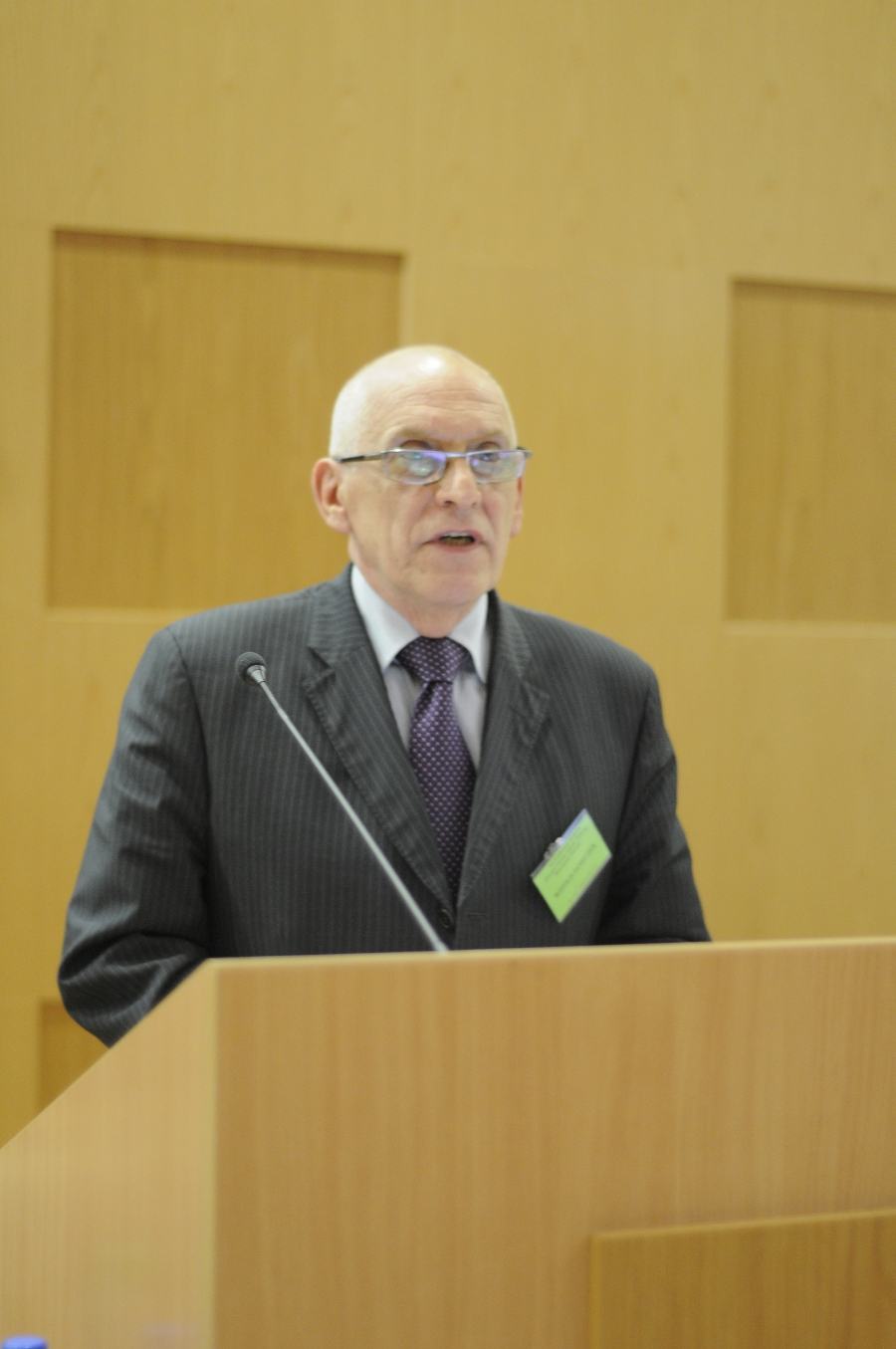
O czym nie mówi się w debacie o uboju rytualnym?

Debata o uboju rytualnym /fot. Uniwersytet Przyrodniczy we Wrocławiu


O czym nie mówi się w debacie o uboju rytualnym?

WITOLD JANECZEK


DEBATA AKADEMICKA ZORGANIZOWANA 4 PAŹDZIERNIKA 2013 R. NA UNIWERSYTECIE PRZYRODNICZYM WE WROCŁAWIU DOTYCZYŁA UŚMIERCANIA ZWIERZĄT. PREZENTUJEMY ZAPIS WYKŁADU, KTÓRY WYGŁOSIŁ PROFESOR WITOLD JANECZEK, PRACOWNIK KATEDRY HIGIENY ŚRODOWISKA I DOBROSTANU ZWIERZĄT.

Wróćmy do podstawowych pojęć: ból, cierpienie, stres. Czy dużo na ten temat wiemy? Bardzo dużo. W odniesieniu do człowieka, do delfina, nawet żyjących dziko małp człekokształtnych. Trochę mniejszą wiedzę mamy o psach i kotach, mimo że to są nasi najbliżsi przyjaciele, a najmniejszą o naszych zwierzętach gospodarskich. Nigdy nas to nie interesowało.

O dobrostanie zwierząt zaczęto mówić dopiero w momencie, kiedy grupa ekspertów, powołana przez rząd angielski do oceny jakości życia zwierząt gospodarskich dała miażdżącą odpowiedź, że zwierzęta te w XIX w. były w o wiele lepszej sytuacji niż w pierwszej połowie wieku XX. Tuż po wojnie, kiedy panował w Europie głód, było ogromne zapotrzebowanie na białko zwierzęce. Wtedy to wprowadzono tzw. nowoczesne technologie – masowy chów zwierząt. Mało kto zwracał uwagę, jak te zwierzęta żyją. Na całym świecie organizacje pozarządowe wykonały doskonałą pracę, zwracając uwagę na warunki, w jakich żyją zwierzęta. Zaczęto się tym bardziej interesować.

Jako adept wydziału medycyny weterynaryjnej, a później zajmując się tzw. zoohigieną, która w ogóle wypadła z obiegu na rzecz dobrostanu (choć są to dwie różne sprawy), uczyliśmy studentów wrażliwości na to, jak zwierzęta reagują na swoje środowisko. I choć później potrafiliśmy określić kryteria dobrostanu, to nie mieliśmy narzędzi, które pozwalałaby ocenić ten dobrostan u zwierząt. W jaki sposób w oborze możemy zapewnić możliwość naturalnego zachowania? Zdrowie psychiczne i brak obrażeń? O ile to drugie do określenia jest stosunkowo łatwe, to jak ocenić samopoczucie psychiczne? Człowiek powie, co go boli, co mu doskwiera, co nie jest dla niego przyjemne.

A zwierzę? Nawet ranne, dzikie zwierzę będzie ukrywało ból, gdyż okazując go zwróci uwagę drapieżcy. Nie możemy przyjmować w stosunku do zwierząt pojęć, które odnoszą się do człowieka. My ból będziemy pokazywać, zwierzę zaś ukrywać. I choć powiemy, że pies udaje, że kuleje, to jednak działają w tym wypadku inne mechanizmy: on chce coś uzyskać, chociażby, żeby go pogłaskać, pożałować. A nasze zwierzęta gospodarskie, pomimo że minęły tysiące lat od udomowienia, zachowały cechy zwierząt pierwotnych.

Chociażby lęk przed tym, co jest nowe, nieznane. Zwierzę rodzi się w oborze, czy też w kurniku, dorasta i osiąga te parametry, które kwalifikują je do dalszego etapu, czyli do dostarczenia na stół. Jest ładowane i piekielnie się tego boi, bo to coś nowego, obcego, stresującego. Transport. Znowu: wyboista droga, hamowanie, przyspieszanie, zakręcanie. Wyładunek. Krowa woli wejść pod górę, niż zejść na dół. Jak wielki to stres, jeżeli ją siłą sprowadzamy na dół? Magazyn żywca: nowe towarzystwo, nowe budynki, głodówka, odpoczynek, przepędzanie do miejsca uboju. Znowu wymuszane są pewne zachowania. Korytarz przepędowy musi być tak wąski, żeby krowa nie zwróciła. I potem wchodzi na stanowisko ubojowe. Wchodzi w cały skomplikowany mechanizm: jest przytrzymywane za brzuch, łapane za głowę, żeby człowiek z przyrządem do uboju miał łatwość trafienia. Mówi się, że to po to, by polepszyć dobrostan zwierząt. Czyżby? To żadne polepszenie dobrostanu, wręcz przeciwnie. To proces wprowadzania w coraz większy stres. Wreszcie moment porażenia prądem, czy na przykład gazowanie, gdyż takie metody uboju w Polsce są również dopuszczalne.

Niemieckie badania pokazały, że gazowanie jest najbardziej humanitarnym sposobem uśmiercania zwierząt. Okazuje się, że aktywność kory mózgowej w czasie uboju niczym się nie różni od każdego innego systemu uśmiercania zwierząt, czyli w naszym odczuciu jest to działanie bardziej humanitarne. Zaś w odczuciu zwierząt? Właśnie, jakie jest odczucie zwierząt? Czy my to wiemy? Praktycznie rzecz biorąc, to nie wiemy. Mówi się, że zwierzęta boją się wejść na stanowisko ubojowe w obawie śmierci. Pytanie jest zasadnicze: czy zwierzęta mają świadomość śmierci? Na pewno mają ją delfiny, niektóre małpy człekokształtne i słonie – w tym miejscu nasza wiedza się kończy. Obawa zwierząt gospodarskich prawdopodobnie nie wynika z lęku przed śmiercią, lecz bardziej z postawienia w nowej sytuacji permanentnego, ogromnego stresu. Okazuje się, że technika uboju ma tutaj znacznie mniejsze znaczenie.

Potrafimy określić stopień i natężenie bólu u człowieka. W przypadku zwierząt wiemy, że jedne z nich są bardziej odporne, inne mniej, ale ta wiedza jest również bardzo niewielka. Kto zadaje więcej cierpień niż myśliwy? Jaki jest odsetek stuprocentowych postrzeleń?

PRENUMERATA
Ogłuszenie przed ubojem ma na celu natychmiastowe uczynienie zwierzęcia niewrażliwym na ból i utrzymanie tego do czasu, gdy istnieje pewność, że jest martwe. Jakie mamy możliwości oceny, że zwierzę jest ogłuszone? Na podstawie zachowania? Nie drgnęło oko przy szchicie? Nie ma żadnej mimiki, wobec tego nie boli. Wspomniałem wcześniej, że zwierzę potrafi doskonale ukrywać ból. W organizmie występują naturalne tzw. opioidy, które znieczulają organizm w momencie stresu i bólu. Okazuje się jednak, że u niektórych zwierząt w stanie silnego stresu te opioidy nie działają.

Na koniec warto porównać wyniki badania podstawowego hormonu stresu – kortyzolu. Po uboju, w momencie wykrwawiania zarówno w przypadku uboju tradycyjnego jak i koszernego zauważamy wzrost kortyzolu do około 30 menogramów. Zasadniczej różnicy więc tutaj nie ma.