Archive | 2021/05/04

O czym nie mówi się w debacie o uboju rytualnym?

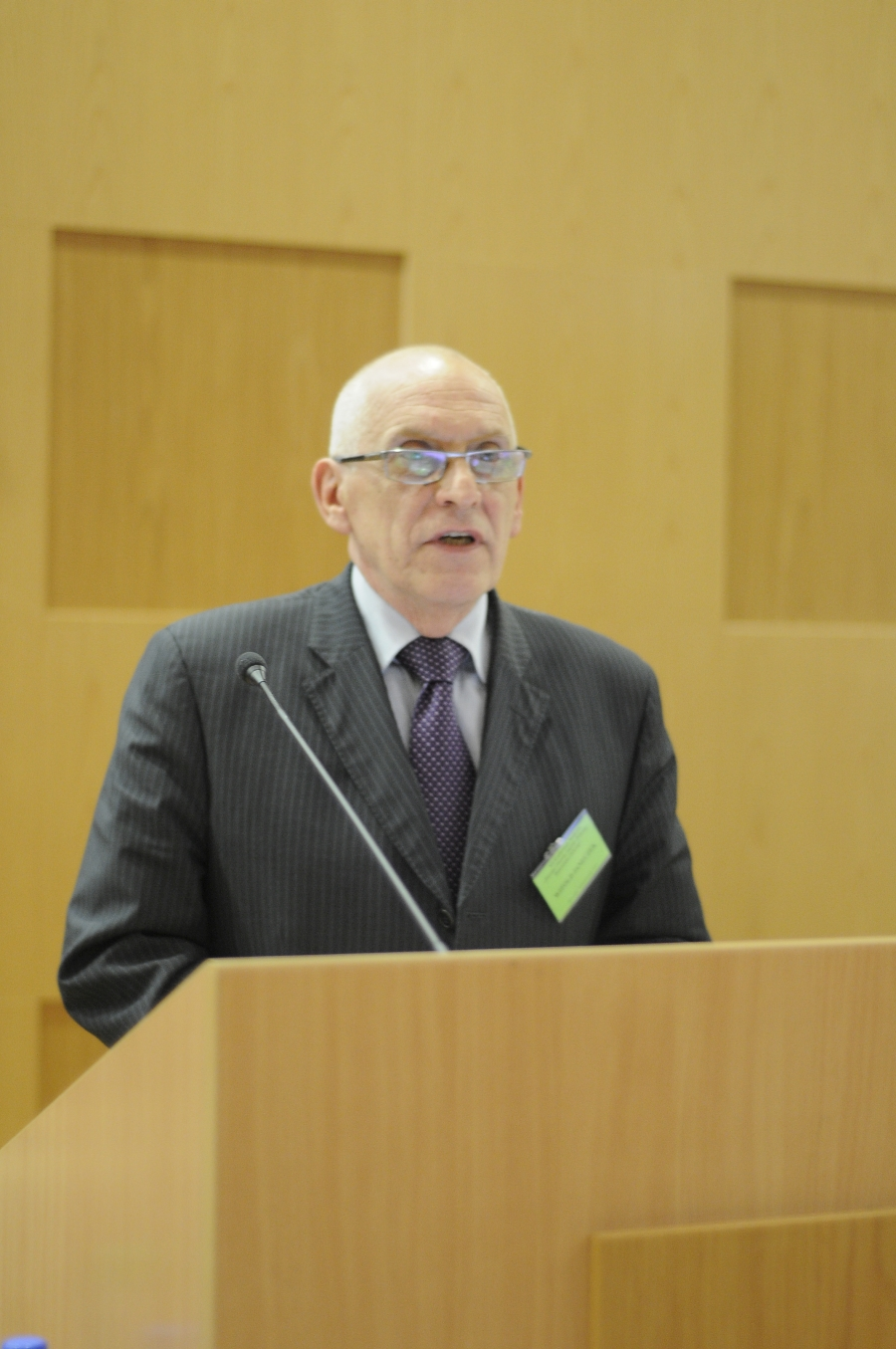
Debata o uboju rytualnym /fot. Uniwersytet Przyrodniczy we Wrocławiu


O czym nie mówi się w debacie o uboju rytualnym?

WITOLD JANECZEK


DEBATA AKADEMICKA ZORGANIZOWANA 4 PAŹDZIERNIKA 2013 R. NA UNIWERSYTECIE PRZYRODNICZYM WE WROCŁAWIU DOTYCZYŁA UŚMIERCANIA ZWIERZĄT. PREZENTUJEMY ZAPIS WYKŁADU, KTÓRY WYGŁOSIŁ PROFESOR WITOLD JANECZEK, PRACOWNIK KATEDRY HIGIENY ŚRODOWISKA I DOBROSTANU ZWIERZĄT.

Wróćmy do podstawowych pojęć: ból, cierpienie, stres. Czy dużo na ten temat wiemy? Bardzo dużo. W odniesieniu do człowieka, do delfina, nawet żyjących dziko małp człekokształtnych. Trochę mniejszą wiedzę mamy o psach i kotach, mimo że to są nasi najbliżsi przyjaciele, a najmniejszą o naszych zwierzętach gospodarskich. Nigdy nas to nie interesowało.

O dobrostanie zwierząt zaczęto mówić dopiero w momencie, kiedy grupa ekspertów, powołana przez rząd angielski do oceny jakości życia zwierząt gospodarskich dała miażdżącą odpowiedź, że zwierzęta te w XIX w. były w o wiele lepszej sytuacji niż w pierwszej połowie wieku XX. Tuż po wojnie, kiedy panował w Europie głód, było ogromne zapotrzebowanie na białko zwierzęce. Wtedy to wprowadzono tzw. nowoczesne technologie – masowy chów zwierząt. Mało kto zwracał uwagę, jak te zwierzęta żyją. Na całym świecie organizacje pozarządowe wykonały doskonałą pracę, zwracając uwagę na warunki, w jakich żyją zwierzęta. Zaczęto się tym bardziej interesować.

Jako adept wydziału medycyny weterynaryjnej, a później zajmując się tzw. zoohigieną, która w ogóle wypadła z obiegu na rzecz dobrostanu (choć są to dwie różne sprawy), uczyliśmy studentów wrażliwości na to, jak zwierzęta reagują na swoje środowisko. I choć później potrafiliśmy określić kryteria dobrostanu, to nie mieliśmy narzędzi, które pozwalałaby ocenić ten dobrostan u zwierząt. W jaki sposób w oborze możemy zapewnić możliwość naturalnego zachowania? Zdrowie psychiczne i brak obrażeń? O ile to drugie do określenia jest stosunkowo łatwe, to jak ocenić samopoczucie psychiczne? Człowiek powie, co go boli, co mu doskwiera, co nie jest dla niego przyjemne.

A zwierzę? Nawet ranne, dzikie zwierzę będzie ukrywało ból, gdyż okazując go zwróci uwagę drapieżcy. Nie możemy przyjmować w stosunku do zwierząt pojęć, które odnoszą się do człowieka. My ból będziemy pokazywać, zwierzę zaś ukrywać. I choć powiemy, że pies udaje, że kuleje, to jednak działają w tym wypadku inne mechanizmy: on chce coś uzyskać, chociażby, żeby go pogłaskać, pożałować. A nasze zwierzęta gospodarskie, pomimo że minęły tysiące lat od udomowienia, zachowały cechy zwierząt pierwotnych.

Chociażby lęk przed tym, co jest nowe, nieznane. Zwierzę rodzi się w oborze, czy też w kurniku, dorasta i osiąga te parametry, które kwalifikują je do dalszego etapu, czyli do dostarczenia na stół. Jest ładowane i piekielnie się tego boi, bo to coś nowego, obcego, stresującego. Transport. Znowu: wyboista droga, hamowanie, przyspieszanie, zakręcanie. Wyładunek. Krowa woli wejść pod górę, niż zejść na dół. Jak wielki to stres, jeżeli ją siłą sprowadzamy na dół? Magazyn żywca: nowe towarzystwo, nowe budynki, głodówka, odpoczynek, przepędzanie do miejsca uboju. Znowu wymuszane są pewne zachowania. Korytarz przepędowy musi być tak wąski, żeby krowa nie zwróciła. I potem wchodzi na stanowisko ubojowe. Wchodzi w cały skomplikowany mechanizm: jest przytrzymywane za brzuch, łapane za głowę, żeby człowiek z przyrządem do uboju miał łatwość trafienia. Mówi się, że to po to, by polepszyć dobrostan zwierząt. Czyżby? To żadne polepszenie dobrostanu, wręcz przeciwnie. To proces wprowadzania w coraz większy stres. Wreszcie moment porażenia prądem, czy na przykład gazowanie, gdyż takie metody uboju w Polsce są również dopuszczalne.

Niemieckie badania pokazały, że gazowanie jest najbardziej humanitarnym sposobem uśmiercania zwierząt. Okazuje się, że aktywność kory mózgowej w czasie uboju niczym się nie różni od każdego innego systemu uśmiercania zwierząt, czyli w naszym odczuciu jest to działanie bardziej humanitarne. Zaś w odczuciu zwierząt? Właśnie, jakie jest odczucie zwierząt? Czy my to wiemy? Praktycznie rzecz biorąc, to nie wiemy. Mówi się, że zwierzęta boją się wejść na stanowisko ubojowe w obawie śmierci. Pytanie jest zasadnicze: czy zwierzęta mają świadomość śmierci? Na pewno mają ją delfiny, niektóre małpy człekokształtne i słonie – w tym miejscu nasza wiedza się kończy. Obawa zwierząt gospodarskich prawdopodobnie nie wynika z lęku przed śmiercią, lecz bardziej z postawienia w nowej sytuacji permanentnego, ogromnego stresu. Okazuje się, że technika uboju ma tutaj znacznie mniejsze znaczenie.

Potrafimy określić stopień i natężenie bólu u człowieka. W przypadku zwierząt wiemy, że jedne z nich są bardziej odporne, inne mniej, ale ta wiedza jest również bardzo niewielka. Kto zadaje więcej cierpień niż myśliwy? Jaki jest odsetek stuprocentowych postrzeleń?
PRENUMERATA
Ogłuszenie przed ubojem ma na celu natychmiastowe uczynienie zwierzęcia niewrażliwym na ból i utrzymanie tego do czasu, gdy istnieje pewność, że jest martwe. Jakie mamy możliwości oceny, że zwierzę jest ogłuszone? Na podstawie zachowania? Nie drgnęło oko przy szchicie? Nie ma żadnej mimiki, wobec tego nie boli. Wspomniałem wcześniej, że zwierzę potrafi doskonale ukrywać ból. W organizmie występują naturalne tzw. opioidy, które znieczulają organizm w momencie stresu i bólu. Okazuje się jednak, że u niektórych zwierząt w stanie silnego stresu te opioidy nie działają.

Na koniec warto porównać wyniki badania podstawowego hormonu stresu – kortyzolu. Po uboju, w momencie wykrwawiania zarówno w przypadku uboju tradycyjnego jak i koszernego zauważamy wzrost kortyzolu do około 30 menogramów. Zasadniczej różnicy więc tutaj nie ma.



Jewish Community ‘Terrified, Angry’ Over Release of Accused Attacker of Multiple Bronx Synagogues

Jewish Community ‘Terrified, Angry’ Over Release of Accused Attacker of Multiple Bronx Synagogues

Yoni Wilkenfeld


Police stand guard at Ohel Menachem Riverdale Jewish Youth Library Lubavitch, where glass windows were smashed. Photo by Lev Radin/Sipa USA


Jewish community leaders in New York and nationally were outraged on Monday after learning that the man arrested for a string of rock-throwing attacks on synagogues in the Riverdale neighborhood of New York was released by a Bronx judge — just hours after another judge had ruled that he be held on bail.

Jordan Burnette, 29, was arrested Saturday on 42 charges in connection with the spree of attacks, in which over several days he smashed doors and windows at the Riverdale Jewish Center (RJC), Chabad Lubavitch of Riverdale, Young Israel of Riverdale and Conservative Synagogue Adath Israel of Riverdale (CSAIR).

During a Sunday hearing, he was first ordered held on $20,000 bail by Bronx Criminal Court Judge Louis Nock, who said that even under New York state’s bail reform law, the shattering of glass windows could qualify as a violent felony and would justify holding the accused.

But after Burnette’s lawyers asked for a review of the bail ruling, Judge Tara Collins reversed the decision and granted supervised release.

“We were terrorized, frightened for ten days,” Rabbi Levi Shemtov of Chabad Lubavitch of Riverdale told The Algemeiner. “Finally, when we heard shabbos [Saturday] morning that they caught him, we all felt a sense of relief. Now this morning, as Riverdale is getting up, everybody’s calling me, texting me, emailing me — we’re back to square one, and it’s even worse. Because now he has a path to do whatever he wants.”

Shemtov said he was especially concerned upon hearing that Burnette lives in the Riverdale community, close to the four Jewish institutions he targeted.

“People are scared, terrified — and there’s a lot of anger, a lot of frustration,” he said.

Under the controversial reform law, first passed in 2019 and amended in 2020, cash bail and pretrial detention are ruled out for many misdemeanor and nonviolent felony charges. Before Judge Nock’s initial decision Sunday, prosecutors themselves did not believe that the charges facing Burnette could call for pretrial detention under the law, a judgement that was later shared by Judge Collins.

“The release of the perpetrator is terribly disheartening to the community — is unnerving, is causing significant anxiety,” said Mitch Silber, executive director of the Community Security Initiative, which helps secure Jewish institutions in the New York area.

“I’ve just participated in a call with the Bronx District Attorney’s office, and what we’ve learned is that supervised release in New York City means you’re released with no supervision,” Silber told The Algemeiner on Monday. “He could walk out of his apartment, and walk to any one of the locations that he attacked, and there would be no consequence for him to do that.”

“The community is trying to figure out how do they go about their daily business, visiting their shuls, taking children to day school, in an environment where this individual essentially has no prohibitions on his movements,” Silber added. “Vigilance is the watchword.”

Sought for over a week after the initial attacks, Burnette was arrested Saturday after being stopped for riding his bicycle against traffic several blocks from CSAIR, where he was seen on surveillance footage vandalizing prayer books from the synagogue that night.

Evan Bernstein — the chief executive of the Community Security Service (CSS), a volunteer-based security agency that works to protect Jewish institutions — told The Algemeiner that there was a “lot of disappointment” among the group’s members.

“It’s emotionally very difficult,” Bernstein said. “Volunteers are just really upset by the fact that they did their job, they worked with the NYPD, the Hate Crimes Task Force did a great job — and then they find the perpetrator has now been released. They know why, but it’s hard for them emotionally to accept that.”

He said that CSS volunteers in Riverdale and elsewhere would be “even more diligent and more aware than ever before,” with an eye towards possible copycat attacks as well as risks posed by the gradual return to in-person gatherings in synagogues — particularly outdoors, which can be more vulnerable.

“There’s definitely a concern that other people will look at this and say, ‘wow, this person could go and vandalize multiple synagogues, on multiple different days … and they get to walk out, even though it’s under supervised release, they’re not being held,’” he said. “The community is not happy.”

Leading Jewish groups also addressed Sunday’s decision, with Scott Richman, NY/NJ Regional Director at the Anti-Defamation League, telling The Algemeiner, “We are grateful to law enforcement that a suspect in the Riverdale vandalism that has damaged four synagogues and terrorized the community has now been arrested and charged. We hope that the conditions of Jordan Burnette’s supervised release will be stringent enough to prevent him from attacking any sites again, and ensure that he is available to stand trial.”

Rabbi Abraham Cooper, Associate Dean of the Simon Wiesenthal Center, said in a statement that the “NYPD did its job and arrested the perpetrator of multiple hate crimes, only to see him released by a judge. Criminals, including antisemites will act with increasing impunity putting all in danger, unless the laws treat every hate crime seriously.”

New York Mayor Bill de Blasio called for “looking into” allowing judges to set bail in cases of nonviolent hate crimes, saying that it was critical to “work within the law as intensely and effectively as possible to protect people,” in his daily briefing Monday.

“These laws are pathetic and need to change. The silent majority must speak up before more innocent people get hurt,” said Joshua Gleis of Gleis Security Consulting, a security firm that helps protect several hundred houses of worship and other not-for-profits, many of them in Riverdale.

“Judicial reform is a must but it must be smart; laws must allow police to do their job and serve as a deterrent. Right now these bail reform laws serve nobody but the criminals. It is an injustice to the victims,” Gleis told The Algemeiner on Monday.


Zawartość publikowanych artykułów i materiałów nie reprezentuje poglądów ani opinii Reunion’68,
ani też webmastera Blogu Reunion’68, chyba ze jest to wyraźnie zaznaczone.
Twoje uwagi, linki, własne artykuły lub wiadomości prześlij na adres:
webmaster@reunion68.com


Dead Sea Scrolls: Mysterious scribe wrote eight diverse scrolls, scholars find

Dead Sea Scrolls: Mysterious scribe wrote eight diverse scrolls, scholars find

ROSSELLA TERCATIN


“The main purpose of my work has been using artificial intelligence, an extraction algorithm and statistical analyses to test 51 manuscripts which share a particular handwriting style.”

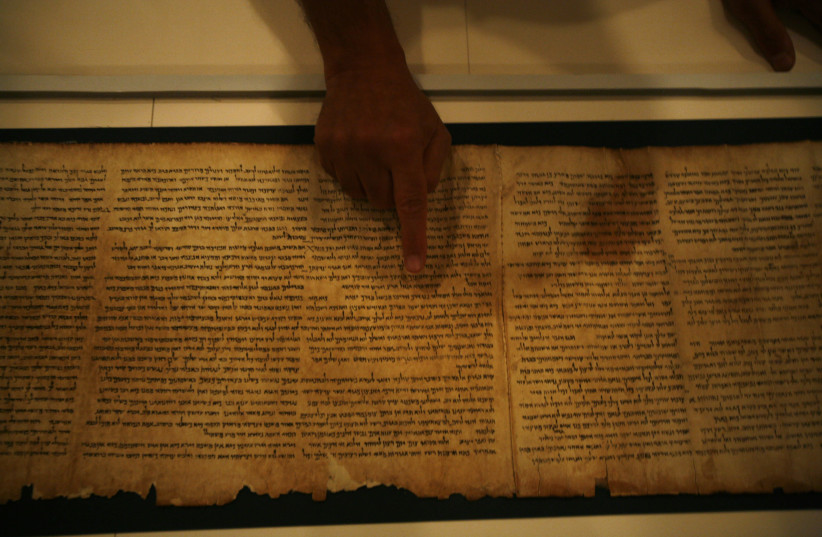
Adolfo Roitman, curator of the Dead Sea Scrolls, points at the original Isaiah Scroll, one of the Dead Sea Scrolls, inside a secured climate-controlled room in the Shrine of the Book at the Israel Museum in Jerusalem September 26, 2011. / (photo credit: BAZ RATNER/REUTERS)

Some 2,000 years ago, an individual scribe wrote at least eight of the Dead Sea Scroll manuscripts, making him the most prolific scribe ever identified, a group of scholars have found out.

The Dead Sea Scrolls are a corpus of some 25,000 fragments unearthed in caves on the shores of the Dead Sea in the 1940s and 1950s. The artifacts include some of the most ancient manuscripts of the Bible and other religious texts that were not accepted in the canon and nonreligious writings.

In the past few years, an artificial intelligence-based paleographic project carried out by scholars at the University of Groningen in the Netherlands and supported by the European Research Council has been focusing on understanding more about the identity of the scribes who copied the scrolls.

“We are pioneering Qumran research at the level of the individual scribe,” paleographer Gemma Hayes told The Jerusalem Post, after presenting the preliminary results of her research at an academic conference at Groningen last month.

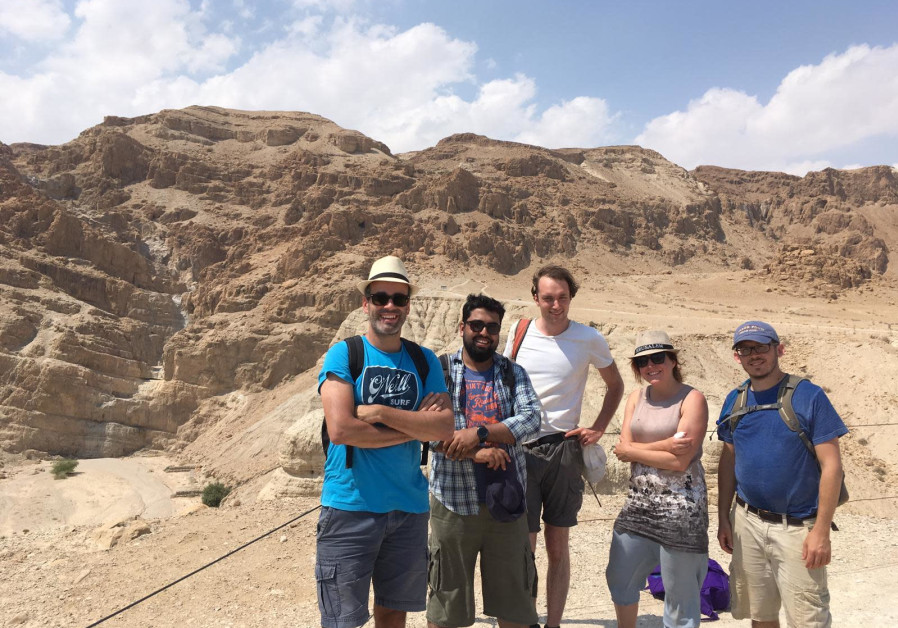
“The Hands that Wrote the Bible,” project team visiting Qumran. (Photo credit: Courtesy Gemma Hayes)

“The main purpose of my work has been using artificial intelligence, an extraction algorithm and statistical analyses to test 51 manuscripts which share a particular handwriting style,” she added.

The style is known as round semi-formal.

“It’s a very beautiful handwriting which dates back to the late 1st century BCE,” Hayes said.

The manuscripts analyzed by the researchers had already been grouped together in the past. Celebrated paleographer Ada Yardeni, who passed away in 2018, suggested that some 90 Dead Sea Scrolls fragments featuring this specific style were the work of one individual.

“She had a method, she identified the specific way a certain letter – a lamed – was written, and she argued that based on this letter you could group all these manuscripts together,” Hayes explained.

The researchers have not been able to test all of the manuscripts Yardeni clustered together because some of them did not present enough material for the technology to examine them.

“We need a certain amount of characters,” Hayes pointed out.
The results on the 51 artifacts that were tested were very significant: the system recognized that eight of the manuscripts considered were written by the same person, making him the most prolific scribe ever identified, in addition to proving his ability to work in two languages.

“One of the really exciting aspects of our findings is that these manuscripts are very diverse,” the researcher explained. “We found seven Hebrew manuscripts and one Aramaic manuscript, so-called sectarian manuscripts associated with the community in Qumran and non-sectarian manuscripts, as well as some para-biblical texts, including the one known as the testament of Naftali and some writing about Rachel and Joseph.”

Among the scrolls written by this individual author is also the iconic Miqsat Ma’ase ha-Torah (MMT) scroll, considered by scholars a foundational document of the Jewish sect which many scholars believed lived in Qumran.
The fact that the same person wrote texts of different natures might help shed new light on the identity of this community and their relationship with the rest of the Jewish people.

Scholars from “The Hands that Wrote the Bible” led by Prof. Mladen Popovic, the head of the Qumran Institute of the University of Groningen, trained their algorithm to recognize elements such as background and foreground, and measure the movement of the writing and calligraphy.

The system therefore allowed them to establish whether manuscripts which looked very similar were actually written by the same person or just in the same style.

“The fact that many wrote in a similar way can potentially tell us something about the training they received,” Hayes pointed out.

Besides the eight manuscripts identified as copied by the same scribe, all the rest were penned by the different people, with one possible exception: two fragments which could have been written by just one person. They are also very diverse and include some biblical manuscripts as well.

Hayes’ research is ongoing. Among others, she is studying the texts’ spelling characteristics.

“I’m looking into putting flesh and bones into this scribe,” she concluded.


Zawartość publikowanych artykułów i materiałów nie reprezentuje poglądów ani opinii Reunion’68,
ani też webmastera Blogu Reunion’68, chyba ze jest to wyraźnie zaznaczone.
Twoje uwagi, linki, własne artykuły lub wiadomości prześlij na adres:
webmaster@reunion68.com