Archive | July 2017

IDF general talks about Israel’s scrapped plan to use nuclear weapon in 1967

IDF general talks about Israel’s scrapped plan to use nuclear weapon in 1967

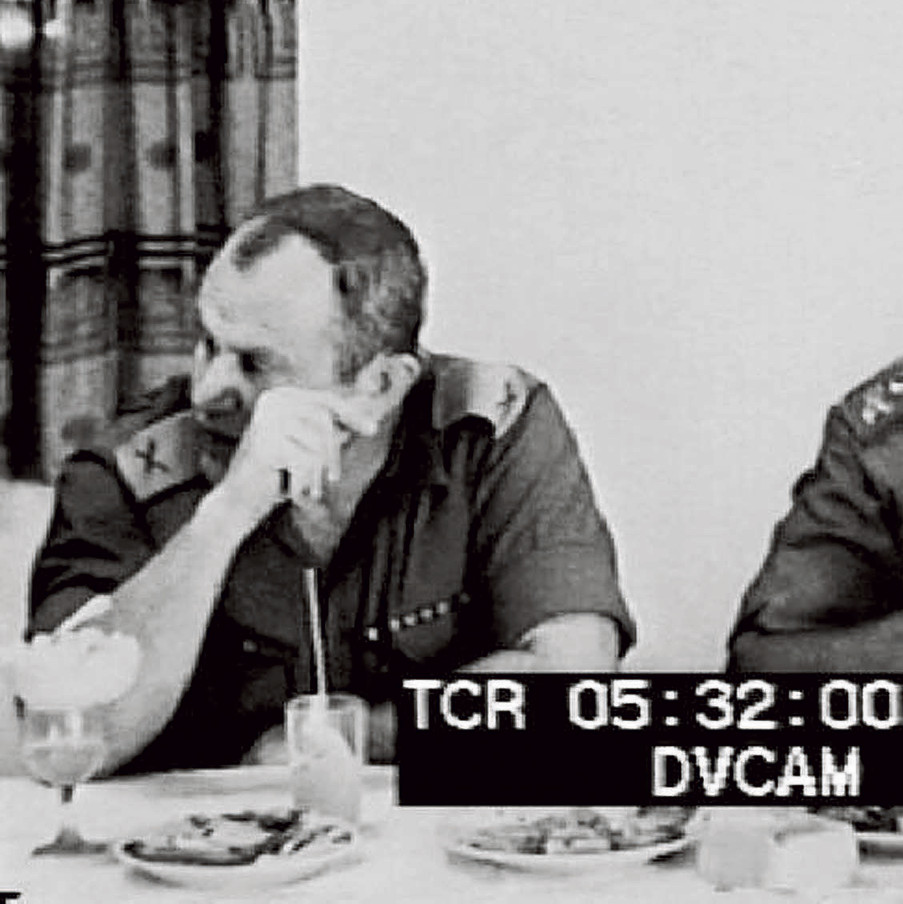
Yitzhak Yaakov


New details emerge about a last-resort contingency plan prepared by Brig. Gen. Yitzhak Yaakov to detonate a nuclear device in the middle of the Sinai desert as a warning to Egyptian President Nasser; ‘The goal was to plant a nuclear device on a hilltop in the Abu-Ageila area, and to blow it up when the prime minister gives the order to do so,’ Yaakov says in series of interviews that were banned for publication by Israeli Military Censorship, but excerpts of which have been made public by a US think tank.

Brig. Gen. Yitzhak Yaakov, one of the founders of the IDF’s weapons development program, was in Washington in May 1967 to take part in a war games exercise at the RAND Corporation, a military research think tank.
“At the end of the war games, Israel used a nuclear weapon against Egypt, as a response to Egyptian surface-to-surface missiles that hit Tel Aviv,” Yaakov said.

(Photo: Yedioth Ahronoth)

“All of the other participants, who knew what I do for a living, had puzzled expressions on their faces. I told them Israel doesn’t have nuclear weapons and that this whole scenario was completely imaginary, a wild fantasy,” Yaakov continued.

But such a scenario was not entirely farfetched. As tensions mounted in the run-up to the 1967 Six-Day War, Yaakov was asked to return to Israel from the US posthaste and prepare a last-resort contingency plan for Israel to detonate a nuclear device in the Sinai Peninsula as a warning to Egyptian President Gamal Abdel Nasser to end hostilities against Israel in the event it found itself losing the war.

Brig. Gen. Yaakov revealed the details of that contingency plan, codenamed Operation Samson, in a series of interviews between 1999 and 2001 with Dr. Ronen Bergman and nuclear policy researcher Dr. Avner Cohen.

Yaakov and Elazar

The IDF censor barred the publication of the interview in Yedioth Ahronoth in 2001, but on Saturday the New York Times published excerpts from the interviews, while additional transcripts have been made public by the Woodrow Wilson Center for Scholars on Sunday as part of the think tank’s Nuclear Proliferation International History Project.

Over the course of these interviews, Brig. Gen. Yaakov admitted that before 1967 “nobody thought that we were close to using” the nuclear device that was being developed in Dimona and the idea to detonate the device in the Sinai Peninsula was “spontaneous rather than planned.”

“I don’t think that we thought that we are ready to start working on a bomb. There was even no fuse… I don’t think that anyone thought in terms of ‘we might need it anytime soon,'” he said.

Nevertheless, the use of unconventional weapons was not entirely alien to the IDF. “We prepared multi-year plans which also encompassed unconventional weapons. We presented those plans in General Staff discussions at least once a year, and there were discussions on these issues,” Yaakov said. “There were those who thought we were wasting money… The discussions were very substantive.”

According to Brig. Gen. Yaakov, the scenario was even drilled. “I may be wrong (about the exact date) because it may not have been before 1967… (but) at a certain point we did a command and control exercise… in which we went over the entire process, from the moment of issuing the order to its implementation. It took about two hours… It was a telephone exercise,” he recounted.

Still, he said, “We didn’t think about it in operational terms at all, since we all understood it was a kind of a ‘doomsday weapon’… You won’t have a conventional war after using such a weapon.”

L-R Yaakov, Bergman

read more: IDF general talks about Israel’s scrapped plan to use nuclear weapon in 1967


twoje uwagi, linki, wlasne artykuly, lub wiadomosci przeslij do: webmaster@reunion68.com


LOOKING BEHIND THE CUR TAIN OF THE ACADEMIC CODE OF ETHICS

LOOKING BEHIND THE CUR TAIN OF THE ACADEMIC CODE OF ETHICS

DOUGLAS ALTABEF


Let’s be intellectually honest and accept that the real opposition to the code is about holding on to levers of power and influence.

Students sit in a library at the Ariel University Centre in the West Bank settlement of Ariel. (photo credit:REUTERS/Ronen Zvulun)

The release of a proposed Academic Code of Ethics, authored by Prof. Asa Kasher (who drafted the IDF’s code of ethics), has unleashed an unsurprising and expected firestorm of criticism, largely from those who believe they will be repressed or stifled by the new code.

But how would such repression actually work? The code reflects the glaring reality that Israeli academia is hardly a balanced universe in which a multiplicity of perspectives are constantly being shared and where students have the ongoing opportunity to hear differing points of view in the quest to shape their own opinions and judgments.

Instead, academia is something of a Greek chorus of groupthink, an intellectual echo chamber hardly resembling a marketplace of ideas.

Prof. Kasher sought to provide the fresh air of intellectual diversity and balance, and to reduce the possibility of professors as mere polemicists speaking to a captive audience.
The dirty little not-so-hidden secret is that the code is perceived to be an incursion on the hegemony currently enjoyed by an overwhelmingly dominant left wing, and often post-Zionist, faculty in the social sciences and humanities.

The arguments made by opponents of the code invoke appeals to free speech and academic freedom. But are free speech and academic freedom merely smokescreens for a resistance to the loss of hegemonic control? Let’s test that proposition by positing a diametrically different scenario.

What would the clamor sound like if an overwhelmingly religious Zionist faculty of the social sciences was exclusively and relentlessly teaching that the only acceptable way for Israel to conduct itself was to immediately assume sovereignty over Judea and Samaria and encourage all non-Jews living there to leave? Furthermore, what if students who disagreed with this point of view did so at their peril: grade-wise, and in terms of how they would be treated in the class? Do we really think that an enraged Left would be assuaged or placated by a rejoinder of “free speech” or “academic freedom”? No, of course not. They would focus on content, on results, rather than on process.

Let’s be intellectually honest and accept that the real opposition to the code is about holding on to levers of power and influence.

There is no interest in playing in the sandbox of ideas, nor in intellectual balance and diversity.

The real question is, what is in society ’s interest? Is it beneficial to our society to have a singular approach to many of the pressing issues t hat our next generation will have to confront? Does this educate them, let alone prepare them for struggles of their own to come? Conversely, doesn’t society, not to mention the students that will someday lead it, benefit from experiencing competing perspectives, so that students can make reasoned judgments based on a broader and more accurate reality?

As an undergraduate at Columbia during the tumultuous late 1960s, everything was being viewed through a political prism. I had many brilliant professors, with loads of their own opinions, who realized that they were doing us an important service by not injecting themselves into any given fray. Rather, they played the classic role of educators, forcing us to turn issues over rather than reaching presumptive conclusions, with the goal of making us discerning and open-minded students for life.

I can think of no more worthy goal for the Academic Code of Ethics. A democracy that refuses to allow for free and varied discourse is frittering away its greatest treasure: an empowered, engaged and discerning citizenry.


The writer is an executive board member of Im Tirtzu, and a board member of The Israel Independence Fund. He can be reached at dougaltabef@gmail.com


twoje uwagi, linki, wlasne artykuly, lub wiadomosci przeslij do: webmaster@reunion68.com


Europa musi przestać finansować demonizowanie Izraela

Europa musi przestać finansować demonizowanie Izraela


Ben-Dror Yemini
Tłumaczenie: Małgorzata Koraszewsla


Czy podatnicy europejscy wiedzą, że ich pieniądze finansują antysemickie podżeganie i zachęcanie do terroryzmu? Prawdopodobnie nie wiedzą. Ale UE wie. (Zdjęcie archiwalne: Citizenside.com)

W przeszłości Europa zajmowała się demonizowaniem Żydów. Dzisiaj Europa finansuje demonizowanie państwa żydowskiego. Normalny kraj nie może pozwolić na dary, które finansują kampanię na rzecz jego zniszczenia, i pora, by Izrael położył kres temu absurdowi.

Około rok temu mieszczący się w Ramallah Ośrodek Kultury Ludowej wystawił musical dla “męczenników palestyńskich” zatytułowany “Nie dla złożenia broni”. Nie ma w tym nic nowego. To jest „edukacja do pokoju”, jaką zadeklarował prezydent palestyński, Mahmoud Abbas, podczas spotkania z prezydentem USA, Donaldem Trumpem. Abbas zadeklarował, a Unia Europejska finansuje ten ośrodek. Bardziej interesujące jest to, że grant został przyznany jako część specjalnego projektu “podnoszenia palestyńskiej świadomości publicznej o podstawowych wartościach UE”.

Szczególnie dużo pieniędzy – 2,5 miliona euro – otrzymał Ośrodek Kobiet Pomocy Prawnej i Porad (WCLAC). Jedną z zatrudnionych na wysokim stanowisku w WCLAC jest Manal Tamimi. Tamimi szerzy antysemickie karykatury, często określa Izrael jako państwo nazistowskie, a jej tweety mają treść taką jak: “Syjonistyczne wampiry świętują, pijąc krew palestyńską” i “Naprawdę nienawidzę Izraela, nienawidzę syjonizmu, pragnę, by trzecia intifada przyszła wkrótce i ludzie powstali, i zabili wszystkich tych syjonistycznych osadników wszędzie”.

Ponadto dziesiątki palestyńskich NGO, które popierają ruch BDS, mają wsparcie krajów europejskich, Unii Europejskiej i innych fundacji. Czy podatnicy europejscy wiedzą, że ich pieniądze finansują antysemickie podżeganie i zachęcanie do terroryzmu? Prawdopodobnie nie wiedzą. Ale UE wie. W Parlamencie Europejskim postawiono pytanie parlamentarne w tej sprawie, a organizacja NGO Monitor wysłała list do szefowej polityki zagranicznej UE, Federici Mogherini, opisując działalność, do jakiej używane są fundusze UE. Delegacja Unii Europejskiej w Izraelu odpowiedziała na to, że UE jest przeciwna podżeganiu i antysemityzmowi, i że fundusze dostarczane są tylko dla celów zdefiniowanych w projektach.

Podwójne standardy w całej okazałości

To prawda, już są oznaki zmiany. 17 maja Parlament Europejski postanowił “zapewnić, że żadne fundusze UE nie mogą być bezpośrednio lub pośrednio skierowane do organizacji terrorystycznych lub na działalność, która podżega do takich czynów”. Co ważniejsze, około dwa tygodnie temu ten sam parlament przyjął roboczą definicję antysemityzmu, która wyjaśnia raz na zawsze, że demonizacja Izraela, czynienie porównań polityki Izraela z polityką nazistów i odmawianie narodowi żydowskiemu prawa do samostanowienia, są antysemityzmem. Wszystkie organy popierające ruch BDS spełniają warunki tej definicji.

Ciekawie rozwija się sytuacja w innych krajach w Europie. W zeszłym tygodniu szwajcarska Rada Kantonów głosowała za rezolucją zapobiegającą finansowaniu NGO zaangażowanych w antyizraelskie podżeganie, rasizm i antysemityzm po tym, jak podobną rezolucję uchwalił w marcu parlament szwajcarski. Szwajcarska Rada Kantonów wymieniła z nazwy kampanię BDS. Także Norwegia i Dania wstrzymują fundusze dzięki ciężkiej pracy organizacji NGO Monitor. Niemcy są jedynym krajem w Europie, który nadal finansuje demonizację bez cienia samokrytyki.

Prawo otrzymywania donacji jako część wolności stowarzyszeń jest uznawane przez prawo tych krajów. Nie znaczy to jednak, że kraj musi zgodzić się na każdy rodzaj zagranicznej ingerencji. W 2007 r. australijski minister spraw zagranicznych, Alexander Downer, odrzucił dar saudyjski, który miał pomóc w sfinansowaniu ośrodka islamskiego. W 2010 r. norweski minister spraw zagranicznych, Jonas Gahr Støre, powiedział Saudyjczykom, że jego kraj z radością zaakceptuje ich datek na budowę dwóch meczetów, jeśli Norwedzy będą mogli przysłać pieniądze na zbudowanie dwóch kościołów w Arabii Saudyjskiej. Saudyjczycy zrezygnowali.

Niedawno rząd brytyjski otrzymał raport o związku między finansowanymi przez Saudyjczyków meczetami a dżihadystycznymi grupami terrorystycznymi. Francja i Niemcy także rozważają zakaz zagranicznego finansowania meczetów. Innymi słowy, nie ma konstytucyjnej zasady w prawie międzynarodowym, która wymaga, by kraj akceptował każdy grant z zagranicy.

Podobnie jak w Izraelu, także w krajach Zachodu istnieją aktywne organizacje obywatelskie. Wielka Brytania, na przykład, ma Stop the War Coalition (StWC). Code Pink: Women for Peace jest mieszczącą się w USA NGO, która działa przeciwko amerykańskiemu udziałowi w wojnach i uczestniczyła w flotyllach do Gazy. Iraqi Veterans Against the War (IVAW) pomaga informatorom takim jak Chelsea (Bradley) Manning, a Center for Justice and Accountability (CJA) pracuje na rzecz postawienia przed sądem zbrodniarzy wojennych. Federacja Wygnanych (BdV) działa w Niemczech na rzecz uchodźców wygnanych po II wojnie światowej.

Podobnie jak w Izraelu, te organizacje działają na polu politycznym. Przywódca brytyjskiej Partii Pracy, Jeremy Corbyn, był związany z StWC; jedna z przywódczyń Code Pink, Jodie Evans, organizowała zbiórkę funduszy dla byłego prezydenta USA, Baracka Obamy; Erika Steinbach, była przewodnicząca BdV, jest członkiem Bundestagu z ramienia partii rządzącej, Unii Chrześcijańsko-Demokratycznej.

Różnica polega na tym, że ani jedno obce państwo lub UE nie ośmieliłoby się finansować tych organizacji. Organizacja CJA, podobnie jak izraelska Breaking the Silence, otrzymuje fundusze z fundacji George’a Sorosa, ale dumna jest z tego, że nie ma żadnego finansowania państwowego. Te organizacje nie otrzymują zagranicznego finansowania, ponieważ istnieją rzeczy, które uważa się za “nie do pomyślenia”. Jest zdecydowanie nie do przyjęcia, by powiedzieć najoględniej, by Izrael miał pozwolić na finansowanie zagraniczne organizacji takiej jak Baladna, która propaguje opór wobec służby narodowej lub wojskowej i podtrzymuje „prawo powrotu”. Nie wszystko, czego prawo nie zakazuje, jest do zaakceptowania między krajami – chyba, że chodzi o Izrael.

Szwecja i Niemcy nie dają datków takim organizacjom na świecie, ale dają je takim organizacjom w Izraelu. To są podwójne standardy w całej ich okazałości. Niemniej Niemcy potępiają Izrael w kwestiach dotyczących NGO, zamiast zająć się samokrytyczną analizą faktu, że Niemcy i UE finansują organizacje, które odmawiają Izraelowi prawa do istnienia.

Wróg pokoju

Co więc powinien zrobić Izrael wobec faktu, że dziesiątki milionów dolarów finansują propagandę podżegania i/lub zaprzeczania prawa Izraela do istnienia? Premier Benjamin Netanjahu przedstawił w zeszłym tygodniu propozycję zakazania datków obcych państw dla izraelskich NGO. Jest to szeroko zakrojona propozycja. Wydaje się jednak, że rezolucje przyjęte w Europie wskazują właściwą drogę. I nawet jeśli sama Europa nie wprowadza w życie własnych rezolucji, Izrael powinien to robić w sprawie NGO, które działają w Izraelu. Musi do tego celu przyjąć zestaw reguł z definicji roboczej antysemityzmu, jaką przyjął Parlament Europejski i która jest zgodna z rezolucjami parlamentu szwajcarskiego.

Izrael nie może powstrzymać UE lub Niemiec przed finansowaniem organizacji, które popierają terror lub ruch BDS i działają poza Izraelem. Izrael może jednak działać w sprawie organizacji działających w Izraelu. Normalny kraj nie może pozwolić na finansowanie, bezpośrednie lub pośrednie, kampanii na rzecz jego zniszczenia.

Europa nie jest wrogiem. Wręcz przeciwnie. Stosunki handlowe kwitną i nasza współpraca z UE rośnie w wielu dziedzinach. Wydaje się jednak, że kiedy Europa na szybie przedniej potępia antysemityzm, na tylnej promuje organizacje, które zajmują się demonizacją. W przeszłości Europa zajmowała się demonizowaniem Żydów. Dzisiaj Europa finansuje demonizowanie państwa żydowskiego. Nie trzeba dodawać, że ten artykuł nie zostałby napisany, gdyby Europa finansowała organizacje – zarówno po stronie izraelskiej, jak palestyńskiej – które dążą do pokoju i pojednania. Jest jednak odwrotnie: Europa finansuje podżeganie do wojny.

Nie ma potrzeby zmieniać reguł gry. Reguły działania między krajami demokratycznymi, które dają się przyjąć, powinny być wcielane w życie. Muszą skończyć się podwójne standardy. Liberalne partie w Europie powinny pracować na rzecz zatrzymania funduszy dla organizacji zakażonych podżeganiem i antysemityzmem, ponieważ kampania demonizacji jest wrogiem pokoju. Wzmaga nienawiść, podżega, umacnia elementy fundamentalistyczne wśród Palestyńczyków. Parlament szwajcarski i Parlament Europejski już przyjęły rezolucje we właściwym kierunku. Pora, by ten kierunek obrała cała Europa, włącznie z Niemcami.
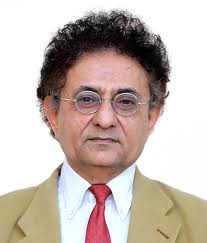

Ben-Dror Jemini

(ur. 1954 w Tel Awiwie) jest prawnikiem, historykiem i publicystą wielu izraelskich dzienników (m.in. Maariw, Jediot Achronot), a także wykładowcą, który zajmuje się m.in. wpływem antyizraelskiej propagandy.
Pochodzi z rodziny Żydów wypędzonych z Jemenu.
Ben-Dror Yemini jest zwolennikiem pogłębiania dialogu z Palestyńczykami. Od wielu lat opowiada się za niepodległym państwem palestyńskim.


twoje uwagi, linki, wlasne artykuly, lub wiadomosci przeslij do: webmaster@reunion68.com


ARRESTED FOR ALLEGEDLY PUNCHING AND PUSHING JEWISH PEOPLE

POLISH MAN AND WOMAN ARRESTED FOR
ALLEGEDLY PUNCHING AND PUSHING JEWISH PEOPLE NEAR A SYNAGOGUE


A man and woman, both described as Polish and middle-aged, were arrested yesterday evening on Clapton Common in London after allegedly attacking Jewish people near a local synagogue. The couple, who had a dog, allegedly approached Jewish people, banging on a car, pushing two people and punching another in the face, shouting “Kurwa” (a Polish expletive) and telling them in broken English: “Dog stay here England, you Jews go away.”

Stamford Hill Shomrim, the Jewish neighbourhood watch patrol was called and followed the assailants to Clapton Common where they were arrested on suspicion of common assault and racially aggravated public order offences.

We commend Stamford Hill Shomrim for their fast response which ensured that the suspects could be arrested.


Shomrim N.E. London  @Shomrim

followed a male & female after assaulting 3 Jews & shouting antisemitic abuse. 2 suspects arrested by @MPSHackney on Clapton Common
·
Hackney, London


twoje uwagi, linki, wlasne artykuly, lub wiadomosci przeslij do: webmaster@reunion68.com


CHILE EXPOSES SECRET NAZI SPY RINGS

CHILE EXPOSES SECRET NAZI SPY RINGS

REUTERS


The state secret of how Nazi supporters labored to bring the Reich to Latin America that was kept for decades.

Books of Chile’s Civil Police with declassified files relating to Nazi espionage. (photo credit:REUTERS/CARLOS VERA)

Chilean police made public on Thursday archive documents relating to its investigation during World War Two that uncovered how Nazi supporters aided the Third Reich, including supplying information and plans to bomb mines in Chile.

Young members of families of German descent in southern Chile underwent paramilitary training, while Nazi supporters in the country routinely sent Germany information about the routes of Allied merchant vessels, the documents showed.

The discovery comes the same week that a cache of Nazi artifacts was found hidden behind a bookcase in Buenos Aires, the Argentine capital.

There was significant support within Chile and Argentina of the Axis powers during World War Two. After the war, many leading Nazi officials fled justice in Europe to hide out in South America.

Chilean police had arrested around 40 people as a result of their investigation, the documents showed, and found code books, radios and weapons, as well as plans to bomb mines in northern Chile.

The 80 files of documents were officially handed over to the country’s national archives office on Thursday and will be available for public viewing.

“Until yesterday, this was a state secret,” center-left lawmaker Gabriel Silber said after a ceremony to hand over the files. “Maybe, from today, we are going to recognize an uncomfortable truth that unfortunately some political and business figures in Chile supported the Nazis.”


twoje uwagi, linki, wlasne artykuly, lub wiadomosci przeslij do: webmaster@reunion68.com