Archive | September 2017

UN Chief At Yad Vashem

At Yad Vashem, UN Chief Vows to Fight Antisemitism ‘in All Its Expressions’

Barney Breen-Portnoy


UN Secretary-General Antonio Guterres at Yad Vashem. Photo: Shlomi Amsalem.

Amid his first visit to Israel since taking office at the start of this year, UN Secretary-General Antonio Guterres stopped on Monday at the Yad Vashem Holocaust memorial in Jerusalem, where he pledged to “do everything possible to fight antisemitism in all its expressions.”

“Antisemitism — my own country also lived it and I would recall the most tragic moment of them all with the expulsion of the Jews in the beginning of the 16th century,” the Portuguese national said. “I believe that the horror of the Holocaust should be such that antisemitism should now be dead forever but, unfortunately, we see it alive and well.”

Later on Monday, Guterres met with Prime Minister Benjamin Netanyahu at his office in the Israeli capital.

“I understand the security concerns of Israel, and I repeat that the idea or the intention or the will to destroy the State of Israel is something totally unacceptable from my perspective,” Guterres stated.

Netanyahu told Guterres, “I think the time has come to restore moral clarity at the UN. I know that this is a tremendous task. I know that the secretary-general does not have power over the members. I know also that the members don’t always reflect their good relations with Israel that are expanding rapidly in the way that they vote in international bodies. Yet I believe that your leadership can make a difference. I believe that merely focusing on these changes that are so obvious, are so sensible, and are so necessary for the advancement of stability and security and peace, and ultimately prosperity, I believe that you can make an important difference.”

Watch a video of the Guterres-Netanyahu press conference below:

נפגשתי היום עם מזכ״ל האו״ם אנטוניו גוטרש שהגיע לביקור בישראל. לאו״ם יש אובססיה אבסורדית כלפי ישראל – הגיעה העת להשיב לו את הבהירות המוסרית.I met today with UN Secretary General António Guterres, who has arrived for an official visit to Israel. The UN has an absurd obsession with Israel. The time has come to restore moral clarity at the UN.(וידאו: עומר מירון, לע"מ. סאונד: בן פרץ, לע"מ)

Publicerat av ‎Benjamin Netanyahu – בנימין נתניהו‎ den 28 augusti 2017


twoje uwagi, linki, wlasne artykuly, lub wiadomosci przeslij do: webmaster@reunion68.com


Tel Aviv’s favorite 12 food kiosks

Tel Aviv’s favorite 12 food kiosks

   21see


Tel Aviv is quickly becoming one of the great food capitals of the world. Check out Tel Aviv’s top 12 food kiosks and grab a quick, delicious bite while exploring the non-stop Israeli metropolis.


twoje uwagi, linki, wlasne artykuly, lub wiadomosci przeslij do: webmaster@reunion68.com


Dokonali masakry na Olimpiadzie, mieszkali w Polsce

Fakt24
Dokonali masakry na Olimpiadzie, mieszkali w Polsce

Hanna Sidorska


Zorganizowali masakrę na Olimpiadzie, ukrywali się w Polsce

Organizacja Abu Nidala (ANO) ma silne związki z Polską. Przywódca siatki, nazywany „Ojcem Walki” miał w Warszawie swoją firmę SAS Investment Trading Company. Spółką kierował bliski współpracownik terrorysty – Irakijczyk Samir Najmeddin. SAS zajmowała się handlem bronią, w tym zakresie firma ściśle współpracowała z władzami PRL, a konkretnie z Centralnym Zarządem Inżynierii (Cenzin). ANO dokonało 20 zamachów terrorystycznych, w których zginęło 300 osób, a 600 zostało rannych. Terroryści ostrzelali m.in. lotniska w Rzymie i Wiedniu oraz porwali egipski samolot lecący na Maltę.

Polskę odwiedzał także Abu Daud, który dowodził organizacją Czarny Wrzesień. Grupa wspólnie z organizacją Abu Nidala, dokonała krwawej masakry na olimpiadzie w Monachium w 1972. Terroryści zabili wówczas 11. sportowców z Izraela. Czyn ten spowodował, że stali się celem numer 1. na liście Mosadu. Niemal wszyscy zostali schwytani lub zamordowani. O zlecenie zamachu obwiniano Jasira Arafata. Przywódca Autonomii Palestyńskiej był kuzynem jednego z organizatorów ataku. Sam Abu Daud, dożył zaś późnej starości w Damaszku. Wydał nawet autobiografię pt.: „Wspomnienia palestyńskiego terrorysty”.


twoje uwagi, linki, wlasne artykuly, lub wiadomosci przeslij do: webmaster@reunion68.com


Anna Bella Geiger: Sami strzeliliśmy sobie w stopę [wywiad]

Anna Bella Geiger: Sami strzeliliśmy sobie w stopę [wywiad]

Agnieszka Sural


Anna Bella Geiger, fot. Diana TamaneAnna Bella Geiger, fot. Diana Tamane

Z żydowską artystką pochodzenia polskiego, należącą do brazylijskiej awangardy sztuki abstrakcyjnej lat 50. XX wieku, rozmawia Agnieszka Sural. W 2017 roku odbyła się pierwsza indywidualna wystawa 84-letniej Anny Belli Geiger w Polsce – zorganizowana przez artystkę Paulinę Ołowską i galerię
Fundacji Razem Pamoja w Krakowie.

Agnieszka Sural: Mówi Pani po polsku?

Anna Bella Geiger: Kiedy ludzie pytają mnie, czy mówię po polsku, odpowiadam, że nie. Najprawdopodobniej dlatego, że moja matka bardzo szybko naczyła się portugalskiego. Moi rodzice rozmawiali po polsku w domu, kiedy nie chcieli, żebyśmy z moją siostrą zrozumiały, co mówią. Rozpoznawałam jedynie dźwięki. Nigdy wcześniej nie byłam w Polsce, ale gdy słyszę kogoś mówiącego, wiem, że to jest język polski. Na co dzień moi rodzice używali jidysz. Jako imigranci, krok po kroku, coraz częściej stosowali portugalski.

Skąd pochodzili rodzice?

Mój ojciec urodził się w Łodzi, a matka w Ostrowcu Świętokrzyskim, gdzie mieszkały ich rodziny i tam też się pobrali. Ojciec nazywał się Waldman, a Juwen to było panieńskie nazwisko mojej matki. W 1922 roku ojciec wyemigrował do Rio de Janeiro, ówczesnej stolicy Brazylii. Po nim przyjechała matka. Jej kuzyn i brat również się tam przenieśli. Reszta rodziny została, nie byli w stanie się przeprowadzić.

W Polsce mój ojciec produkował damskie torebki skórzane. Należał do związku robotniczego – socjalistycznego Bundu. Kiedy wyjechał do Rio, wziął ze sobą walizkę pełną tych torebek. Niektóry z nich do dziś się zachowały. Zawsze je lubiłam. Wciąż są bardzo modne, w stylu Art Déco. Pokazałam je na mojej pierwszej wystawie w Polsce – zorganizowanej w kwietniu 2017 roku w Krakowie przez Paulinę Ołowską i Fundację Razem Pamoja.

W Rio ojciec pracował w różnych fabrykach skóry. Pewnego dnia postanowił nauczyć się szyć damską odzież. Był dobrym rzemieślnikiem, był jak artysta. Projektował bardzo wyszukane ubrania. W 1945 otworzył swój sklep z sukienkami haute couture, który nazywał się Ninon Modas. Razem z matką prowadzili go przez prawie 30 lat. Zamknęli w latach 70., gdy powstały nowe plany urbanistyczne i rozpoczęła się budowa metra w okolicach, w których był sklep. Zburzono większość starych domów, ten, w którym mieszkaliśmy także. Ojciec dalej pracował, ale już w naszym nowym domu.

Anna Bella Geiger's Father Leather Handbag, fot. dzięki uprzejmości artystkiAnna Bella Geiger’s Father Leather Handbag, fot. dzięki uprzejmości artystki

W domu kultywowaliście polską tradycję?

Gdy byłam mała, matka nam gotowała – placki ziemniaczane, barszcz, buraki, kaszę, uszka, chrzan i zupę grzybową. Wiedziałam, że to polskie dania. Grzyby i kaszę raz na jakiś czas przysyłała nam babcia. Nie było łatwo znaleźć wtedy kaszę w Rio! Mój ojciec z kolei lubił robić wycinanki z papieru. Tworzył olbrzymie mandale kwiatowe, ale również papierowe abażury do lamp. To też mi się kojarzy z Polską.

Gdy Paulina Ołowska zaprosiła mnie, żebym wykonała performans w czasie trzeciej edycji jej projektu “Mycorial Theatre” w 2016 w galerii Pivô w São Paulo, nie wiedziała o moich polskich korzeniach. Po tym projekcie wysłała mi suszone grzyby. Płakałam, gdy otworzyłam przesyłkę, bo grzyby były ostatnią rzeczą z Polski, którą babcia wysłała nam w 1939 roku. Potem straciliśmy kontakt z całą rodziną.

Czuje się Pani Polką?

Częściowo, tak, ale nie bardziej niż Brazylijką. Nasz dom w Rio, duży, dwupiętrowy budynek, w którym mieszkaliśmy przez pierwsze 20 lat mojego życia, stał w dzielnicy, w której żyły biedne rodziny imigrantów z Portugalii, Włoch i Niemiec. Było też wielu czarnoskórych mieszkańców. My byliśmy Żydami z niższej klasy średniej. Z naszymi sąsiadami dogadywaliśmy się bardzo dobrze. W Rio były także inne polskie rodziny z Ostrowca, ale one mieszkały w fawelach na obrzeżach miasta. Funcjonowanie od małego dziecka w takiej mieszance społecznej nauczyło mnie tolerancji wobec innych. Potem chodziłam do Lycée Français, gdzie poznałam zwyczaje francuskich uczniów.

Widok z wystawy Anna Bella Geiger "WHAT WAS INSIDE THAT LEATHER CASE? / O QUE HAVIA NAQUELA MALA DE COURO?", Księgarnia / Wystawa w Krakowie, 28.04-28.05.2017Widok z wystawy Anna Bella Geiger “WHAT WAS INSIDE THAT LEATHER CASE? / O QUE HAVIA NAQUELA MALA DE COURO?”, Księgarnia / Wystawa w Krakowie, 28.04-28.05.2017

czytaj dalej: Anna Bella Geiger….


twoje uwagi, linki, wlasne artykuly, lub wiadomosci przeslij do: webmaster@reunion68.com


Judaism is built to last

Judaism is built to last

Elie Weinstock


Nine-year-old Joey was asked by his mother what he had learned at Hebrew school.
“Well, Mom, our teacher told us how God sent Moses behind enemy lines on a rescue mission to lead the Israelites out of Egypt. When he got to the Red Sea, he had his engineers build a pontoon bridge and all the people walked across safely. Then he used his walkie-talkie to radio headquarters for reinforcements. They sent bombers to blow up the bridge, destroy the enemy, and all the Israelites were saved.”

“Now, Joey, is that really what your teacher taught you?”

“Well, no, Mom. But if I told it the way the teacher did, you’d never believe it!”

It is a mitzvah to make Torah and Judaism relevant in each generation.

We learn this from God’s opening words at Sinai. The Ten Commandments begin with the words: “I am God, your God, who has taken you out of Egypt.”

Now if God was trying to make the most of this first impression, would He choose to mention the exodus? Isn’t the creation of the heavens and earth a far greater feat? Wouldn’t that have been a far more awesome description?

Creation is a far superior feat, but making the best impression was not the point of God’s opening statement. The purpose of the first commandment was for God to show that He and His Torah are contemporary and relevant. The God of creation is great, but distant. The God of redemption is current, meaningful and alive to the people whom He was addressing – and their descendants.

The Torah is very clear in instructing us how to address difficult questions and ensuring Judaism remain relevant — throughout the generations.

(ח) כִּי יִפָּלֵא מִמְּךָ דָבָר לַמִּשְׁפָּט בֵּין דָּם לְדָם בֵּין דִּין לְדִין וּבֵין נֶגַע לָנֶגַע דִּבְרֵי רִיבֹת בִּשְׁעָרֶיךָ וְקַמְתָּ וְעָלִיתָ אֶל הַמָּקוֹם אֲשֶׁר יִבְחַר יְקֹוָק אֱלֹהֶיךָ בּוֹ: (ט) וּבָאתָ אֶל הַכֹּהֲנִים הַלְוִיִּם וְאֶל הַשֹּׁפֵט אֲשֶׁר יִהְיֶה בַּיָּמִים הָהֵם וְדָרַשְׁתָּ וְהִגִּידוּ לְךָ אֵת דְּבַר הַמִּשְׁפָּט:

If a case is too baffling for you to decide, be it a controversy over homicide, civil law, or assault — matters of dispute in your courts — you shall promptly repair to the place that the LORD your God will have chosen, and appear before the levitical priests, or the magistrate in charge at the time, and present your problem. They will investigate and tell you their decision.

I do not think this verse is laying out a hypothetical. “Ki” does not only mean “if.” It can mean “when.”

There WILL come a time when difficult questions concerning the relevance of Judaism will arise. People WILL come to the religious leadership ba-yamim ha-heim – in that time. Those leaders MUST provide relevant answers.

How do we understand new technology? How do we deal with different family dynamics, different lifestyles, or having so many choices? There are so many new ideas!

I am reading a fascinating book — Sapiens by Israeli historian Yuval Harari. It is the history of humanity and explores why only homo sapiens remain from the various kinds of humans that existed. Just that basic description contains within it a challenge and a question that confronts us and did not confront our ancestors.

This isn’t something new. Throughout the generations, there have been situations where the contemporary reality challenged the tradition.

The Mishna in Terumot (8:4) teaches: “Water, wine, and milk are prohibited if they are left uncovered for fear a poisonous snake left some venom in the liquid while drinking from them. The Shulchan Aruch [Yoreh Deah 116:1] rules that nowadays when poisonous snakes are not found amongst us, this fear of drinking exposed liquids does not apply and it is permitted to drink uncovered beverages.

How can the law change? Usually rabbinic decrees are immutable! The Shulchan Aruch, based on the accepted rules of how Jewish law is implemented, determined that that the law does not apply today because we do not have poisonous snakes in our vicinities.

We have tradition yet we need to respond to a new reality.

By no means will we allow this to take place in an arbitrary fashion. We can’t just say times have changed.

In Built to Last, Jim Collins argues that for companies to be sustainable for the long haul, leaders must embrace a seeming paradox. Preserve the core and stimulate progress. They must both honor and protect their fundamental values and beliefs, while at the same time push their organizations forward and embrace change.

That’s exactly the challenge we face — and must embrace — in Judaism. We face changes to our reality. At the same time, we can never just change and create a new Torah.

Grappling with this challenge is demonstrated in the Torah’s requirements for the king of Israel. The King needed to write a Sefer Torah.

In fact, the Gemara in Sanhedrin (21b) teaches that the King was obligated to write 2 Torahs:

כותב לשמו שתי תורות, אחת שהיא יוצאה ונכנסת עמו, ואחת שמונחת לו בבית גנזיו

The King must write one Torah, just as everyone is commanded to do. That Torah is placed in the King’s treasury. The second Torah is unique to the King, and the king carried that Torah wherever he goes.

These two Torahs represent the values of preserving the core and stimulating progress. One Torah was stored away, never moved. It was a permanent reminder to remain true to the morals and values contained within. This Torah represents tradition, and this Torah could be passed down from one king to the next.

The second Torah must be written specifically for this King. It can’t be purchased or acquired as an inheritance. The King must write this Torah and keep it with him wherever he goes. This Torah represents the King’s obligation to stimulate progress.

Whatever new initiatives he tries to initiate, whatever new challenges he may face, the King responds to the new reality with the guidelines of Torah.

The same is true for us today.

There are questions. Many things look very different than they did in the past. Judaism, however, is built to last. The Torah was the first to teach us to preserve the core while embracing progress. We must be up to the challenge of balancing the two.

Today, we cannot just embrace the times while ignoring tradition nor can we deny the changing times.

The story is told of how Rav Kook, upon one of his visits to an anti-religious kibbutz, was approached by one of the leaders who greeted him as follows:

“With all due respect, Rabbi, you shouldn’t waste your time trying to convince us to be religious. It’s not that we don’t know what Torah is. Most of us were raised in observant homes. We know Torah, rabbis, mitzvot and we don’t like them!”

Rav Kook, puzzled, asked,”Why?”

The kibbutznik replied: “We simply can’t stand your old-fashioned, meaningless, outdated rituals!”

Exclaimed Rav Kook, “I agree.”

“What?” asked the surprised rebel.

Explained the Rav, “I also hate the “religion” that you describe. But the dynamic, idealistic and deep Torah is so beautiful that it can respond to any era. Anyone who is exposed to it cannot but love it!”

כִּי יִפָּלֵא מִמְּךָ דָבָר — There will be really difficult questions.

וּבָאתָ אֶל הַכֹּהֲנִים הַלְוִיִּם וְאֶל הַשֹּׁפֵט אֲשֶׁר יִהְיֶה בַּיָּמִים הָהֵם – We will wonder how Judaism can respond to seemingly impossible contemporary challenges.

וְדָרַשְׁתָּ וְהִגִּידוּ — We can — and will — provide answers.
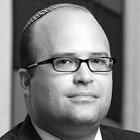

Elie Weinstock
Rabbi Elie Weinstock is Rabbi of Congregation Kehilath Jeshurun in New York City. A believer in a Judaism that is accessible to all, he prefers “Just Judaism” to any denominational label


twoje uwagi, linki, wlasne artykuly, lub wiadomosci przeslij do: webmaster@reunion68.com