Archive | December 2018

Fear, love, and the Jewish Refugee

Fear, love, and the Jewish Refugee

Liel Asulin

Today, November 30th, is a day meant to commemorate the story of the approximately 850,000 Jews who were forced to flee anti-Jewish persecution across the Arab world in the 20th century. Every year on this day, I have an opportunity to reflect on my own family’s story of exodus and every year I find it gives me new insights into the story of Israel and the Jewish people.

This month, I had a conversation with a member of the Jewish “anti-occupation” camp. In the course of our discussion, my co-conversationalist said that he prefers not to base his understanding of the world in fear.

This quip took me by surprise, but it seemed to provide the basis for many of his political positions. To provide some context, we were discussing the Israeli security fence, each looking for the inconsistencies in the other’s argument. He attempted to connect my support for Israel’s barrier with the President’s plan for a wall along the US-Mexico border. I protested, citing the reduction in the number of attacks from the West Bank since the barrier was constructed. He yielded saying, “I can’t argue with that.”

I might have smirked, satisfied that I had bested my opponent with an argument grounded in fact. Then he said it. “I just prefer not to base my understanding of the world in fear.” While the conversation itself focused on the issue of border security, I sensed that he meant also to suggest that Israel’s creation may have been a product of fear.

Having reached an impasse, the conversation ended but that sentence lingered in my ears and began to replace my self-satisfaction with self-doubt. I began to wrestle with a question—is my support for Israel borne out of fear?

To answer that question, I looked to my grandparents, refugees whose stories have always served as a source of inspiration for my own exploration of Israel and Judaism.

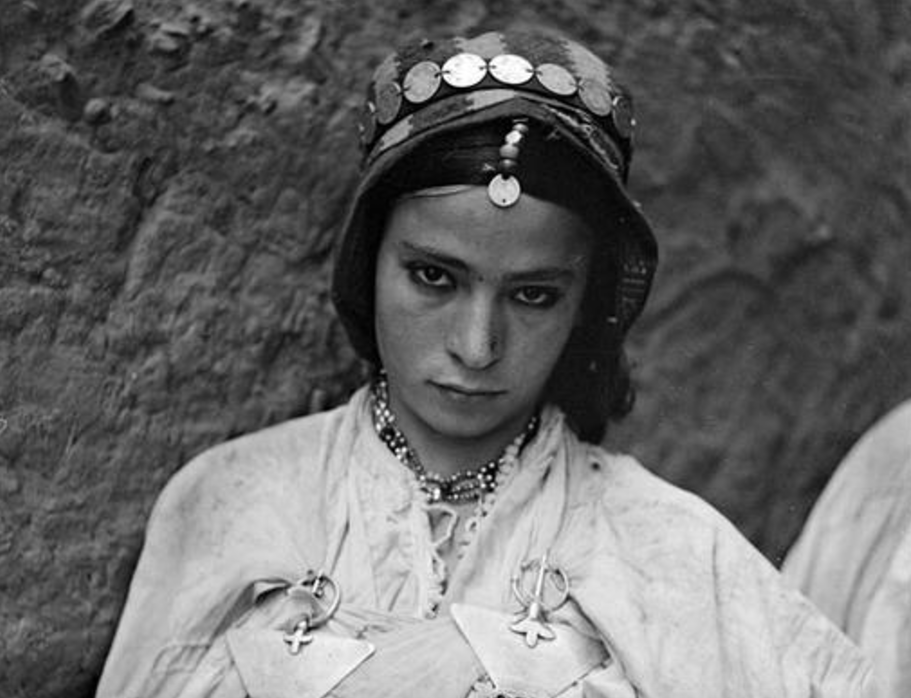
My grandparents, Savta Chana and Sabba Moshe, were born in Tinghir, Morocco sometime in the early 1930s. No one is quite sure of the date because there is no record of their birth, so we celebrate their birthdays on December 31, certain that the actual date must have occurred sometime in the last year. Tinghir itself is a small village at the base of the High Atlas Mountains comprised largely of the Amazigh people, more commonly known as Berber. In the early 20th century, Morocco was seen as a relatively safe place to be Jewish, thanks in large part to King Mohammad V who famously responded to the Vichy government’s demand to list all of the country’s Jews by saying, “We have no Jews in Morocco, only Moroccan citizens.”
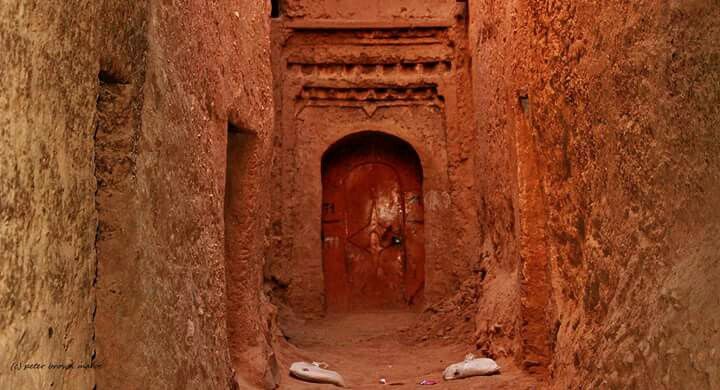
The mellah in Tinghir.

However, Jews lived as second class citizens, or dhimmi in Morocco, subject to taxes and other restrictions on their daily lives. Over the two decades that followed the creation of the State of Israel, Morocco, along with the rest of the Arab world was virtually emptied of its Jewish citizens.

My own family suffered the consequences of being Jewish in the Arab world both before and after the creation of Israel. I heard stories growing up of occasional riots targeting the Jewish mellah, a walled Jewish quarter akin to a European ghetto. The men of the family would, after hiding their wives and children indoors for protection, be forced to stand outside and fight for their lives. In one such instance, sometime before Israel’s creation, my great-grandfather was lynched by an angry mob, leaving my grandfather, a boy of four or five years old without a father.

Yet, based on conversations I’ve had with my family, I am certain it was not fear that drove our flight from Morocco, but rather a radical love for and devotion to the Land of Israel, instilled in them generation after generation for thousands of years until finally, they returned home. To be sure, thousands of the Middle East’s Jewish refugees were forced to leave their homes behind, motivated by threats to their personal safety, but in searching for a new home, most chose Israel because of this love and devotion.

It seems, in our time, there is great reason for a Jewish person to be fearful. Synagogue shootings in Pittsburgh, neo-Nazi marches in Charlottesville, and a Labour leader in the UK whose public words and actions have left 40% of the country’s Jews considering emigration. Even in Israel, citizens must endure threats from hostile Iranian tyrants with the proxies in Lebanon and the Gaza Strip armed well enough to back up their rhetoric. Israel is a young country whose citizens have endured the pain of loss since its creation. The scars of war and Intifada and kidnappings and car rammings and stabbings are etched deep in every Israeli’s psyche. The further back in our history you look, the more you realize that this has historically been the price Jews have paid for their membership in this ethnoreligious group.

It is in this context that I often wonder what possessed my family to remain Jewish through the years. In hostile lands, facing threats to their lives and more commonly the burden of their faith, it would have been easier to turn their eyes away from Zion. It is because they did not succumb to this fear that I can answer confidently that Israel is not a trepidatious project of self-ghettoization, as the person with whom I spoke may have suggested. It is instead an expression of an enduring love that has survived a millennium built by Jewish refugees from across the world.


Liel Asulin is a writer and educator. He is currently a campus coordinator at CAMERA.


Zawartość publikowanych artykułów i materiałów nie reprezentuje poglądów ani opinii Reunion’68,
ani też webmastera Blogu Reunion’68, chyba ze jest to wyraźnie zaznaczone.
Twoje uwagi, linki, własne artykuły lub wiadomości prześlij na adres:
webmaster@reunion68.com




4,000 people from 60 nations sing as one in TLV

Israel21c4,000 people from 60 nations sing as one in TLV

ISRAEL21c Video Crew


Voices join together under the baton of Israeli social music project, proclaiming ‘There’s no place I’d rather be.’


Four thousand people from 60 countries gathered in Tel Aviv in October for a mass singalong sponsored by Masa.
The event, inspired by Israeli social musical initiative Koolulam, included representatives of the Masa Israel Journey, participants of the Jewish Federations of North America’s annual General Assembly, which was held this year in Israel, and The Jewish Agency.

It was attended by MASA CEO Liran Avisar Ben Horin, Jewish Agency Chairman Yitzchak Herzog, Government Secretary Tzahi Braverman, and Masa Chairman Ilan Cohen.

The theme of the singalong, held at Tel Aviv’s Hayarkon Park, was unity.

Click on the video above to watch the latest singalong in Tel Aviv.

  • Executive Producer – Jonathan Baruch
  • Producer / Director – Haim Silberstein
  • Editing – Shahar Beeri
  • Camera – Ari Amit

Zawartość publikowanych artykułów i materiałów nie reprezentuje poglądów ani opinii Reunion’68,
ani też webmastera Blogu Reunion’68, chyba ze jest to wyraźnie zaznaczone.
Twoje uwagi, linki, własne artykuły lub wiadomości prześlij na adres:
webmaster@reunion68.com


Stanęliśmy w obronie osób krzywdzonych wypowiedziami o żydowskich mordach rytualnych

Stanęliśmy w obronie osób krzywdzonych wypowiedziami o żydowskich mordach rytualnych

MARCIN PRZECISZEWSKI


Ks. Adam Jaszcz. Fot. Archiwum prywatne

W jaki sposób ks. prof. Tadeusz Guz w swoich dociekaniach na temat mordów rytualnych dochodzi do innych wniosków niż uznani historycy, z których pracy naukowej sam zresztą korzysta, doprawdy nie wiem – mówi ks. dr Adam Jaszcz, wicekanclerz Kurii Metropolitalnej w Lublinie i rzecznik prasowy Archidiecezji Lubelskiej.

Marcin Przeciszewski (KAI): Na łamach „Naszego Dziennika” ks. prof. Tadeusz Guz skrytykował rzeczników KUL i archidiecezji za „profesjonalną niekompetencję”. Na czym powinna polegać funkcja rzecznika?

Ks. Adam Jaszcz: Najważniejszym zadaniem rzecznika jest przekazywanie opinii publicznej decyzji, woli, a także ocen swoich zwierzchników. Ksiądz Profesor zdaje się zachowywać tak, jak by nie rozumiał, że sygnowane przez nas oświadczenie jest wyrażeniem stanowiska przełożonych, którym podlega on jako kapłan archidiecezji lubelskiej i pracownik naukowy KUL. W tym kontekście pouczanie rzeczników, co i jak mają mówić w jego sprawie, jest wchodzeniem w nieswoje kompetencje i brakiem refleksji na temat słów skierowanych za pośrednictwem rzeczników, m.in. przez własnego biskupa.

Ksiądz profesor stwierdził na łamach „Naszego Dziennika”, że jego sprawa „stała się fragmentem wielkiej walki z tym co Boskie, katolickie, polskie, narodowe, naukowe i normalne”.

– W świetle tych słów wygląda na to, że ksiądz profesor uważa, iż ma do wypełnienia jakąś specjalną misję w ojczyźnie, a nawet w wymiarze globalnym. Niepokojące jest to, że używa sformułowań wręcz militarnych. Taka postawa od lat znajduje poklask tych samych środowisk. Mam też nadzieję, że ksiądz profesor nie oskarża nas o to, że prowadzimy z nim jakąś mroczną walkę, stając po stronie bliżej nieokreślonych, nieczystych sił. Zapewniam, że rzecznicy KUL i archidiecezji ani też przełożeni ks. prof. Guza, nie biorą udziału w żadnych walkach. Razem z Polską Radą Chrześcijan i Żydów stanęliśmy w obronie ludzi ranionych krzywdzącymi wypowiedziami.

Ks. prof. Guz nerwowo zareagował na oświadczenie. Stwierdził, że rzecznicy posiadający tylko stopień doktora nauk prawnych i bez zasięgnięcia jego opinii, dokonali osądu w sposób urzędowy.

– Ksiądz profesor powinien w oświadczeniu przede wszystkim usłyszeć głos swoich przełożonych. Ich opinię na temat spornych wypowiedzi zna doskonale od dawna. Każde zdanie w naszym wystąpieniu zostało skonsultowane z arcybiskupem lubelskim i rektorem KUL. Oczywiście my również nie podpisalibyśmy się pod oświadczeniem, z którym się nie zgadzamy. Skoro już mówimy o urzędach w Kościele, pośród różnych kanonów z Kodeksu Prawa Kanonicznego, które przytacza ksiądz profesor w wywiadzie, warto też przywołać kan. 273, który mówi o specjalnym obowiązku duchownych do okazywania szacunku i posłuszeństwa własnemu biskupowi.

Jak rozumieć ten obowiązek w sytuacji, o której mówimy?

– W sprawach aktywności medialnej wszystkich duchownych obowiązuje dokument KEP „Normy dotyczące występowania duchownych i osób zakonnych oraz przekazywania nauki chrześcijańskiej w audycjach radiowych i telewizyjnych”. Dotyczy to również internetu. W świetle dokumentu merytoryczną i etyczną jakość tych wystąpień ocenia własny ordynariusz. Taka sytuacja miała miejsce w przypadku wydanego przez nas oświadczenia.

Czy oświadczenie dotyczy też działalności naukowej Księdza Profesora?

– Przed działalnością naukową ks. prof. Guza jako filozofa chylę czoło. Ksiądz profesor jednym tchem wylicza swoje osiągnięcia, tytuły i odznaczenia. Argumentem przeciwko rzecznikom ma być nawet fakt, że jego publikacje znajdują się w Bibliotece Kongresu USA. Mam przekonanie graniczące z pewnością, że nie ma tam tekstów, w których stwierdza się: „My wiemy kochani państwo, że tych faktów, jakimi były mordy rytualne nie da się z historii wymazać”.

Kiedy więc mielibyśmy do czynienia z ograniczaniem wolności badań naukowych i poszukiwania prawdy?

– Przykładowo gdybyśmy urzędowo podważyli rzetelną monografię naukową o mordach rytualnych wydaną przez ks. prof. Guza, opatrzoną niezależnymi recenzjami, wydaną w wydawnictwie naukowym. Nie słyszałem o takiej monografii. Oświadczenie rzeczników dotyczy pozanaukowej działalności księdza profesora, głównie jego wystąpień pozauniwersyteckich dostępnych w internecie.

Czy księdza profesora należy uważać za historyka?

– W mojej ocenie nie. Faktycznie przyznał to też w wywiadzie dla „Naszego Dziennika”. Wskazał, że posiada „specjalizację habilitacyjną z historii filozofii”. Historia filozofii jest nauką filozoficzną badającą i analizującą rozwój problemów filozoficznych, metod uprawiania filozofii, szkół, poglądów i systemów na przestrzeni wieków.

Historykiem jest ten, kto ukończył studia w tym zakresie, przeszedł właściwą ścieżkę naukową, nie z nauk filozoficznych, ale właśnie w dziedzinie historii. Często historyk zajmujący się przykładowo nowożytnością nie będzie się wypowiadał w kwestii średniowiecza. Wszystko w trosce o rzetelność i precyzję badań naukowych. Tytuł profesora filozofii nie sprawia, że człowiek zna się na wszystkim.

Czy opinie księdza profesora na temat „mordów rytualnych” należy uznać za sprzeczne z faktami?

– Tak określiła to Polska Rada Chrześcijan i Żydów, której list wyrażający ból i oburzenie wielu środowisk ks. prof. Guz uznał za „donos” na swoją osobę. Już w średniowieczu wielu papieży, poczynając od Innocentego IV w 1247 roku, potępiało takie oskarżenia wobec Żydów z powodu ich nieprawdziwości. Ja też nie jestem historykiem. Opieram się więc na wynikach badań naukowców-ekspertów w danej dziedzinie. Po lekturze wywiadu ks. prof. Guza dla „Naszego Dziennika” sięgnąłem do przywołanej przez niego książki: „Procesy o mordy rytualne w Polsce w XVI-XVIII wieku”. Jest ona w całości dostępna w internecie. Ksiądz profesor przywołuje dokument zamieszczony w aneksie źródłowym publikacji: wyrok sądowy z XVIII wieku, a następnie dokonuje jego interpretacji. Książka jest opracowaniem dokumentów z różnych epok przez dwóch wybitnych historyków: profesorów Guldona i Wijaczka. Już we wstępie autorzy stwierdzają: „Celem niniejszej publikacji jest próba przedstawienia procesów o rzekome mordy rytualne na ziemiach Korony w XVI-XVIII w.”. Dalej czytamy: „Nie od rzeczy będzie przypomnieć, że plotka o mordowaniu dzieci chrześcijańskich legła u podstaw pogromu kieleckiego w 1946 r. Procesy o mordy rytualne stanowiły chyba najbardziej jaskrawy objaw antysemityzmu”. W jaki sposób ksiądz profesor w swoich dociekaniach na temat mordów rytualnych dochodzi do innych wniosków niż uznani historycy, z których pracy naukowej sam zresztą korzysta, doprawdy nie wiem.

Ks. prof. Guz nawołuje do debaty naukowej na temat rzekomych mordów rytualnych. Czy taka debata powinna się odbyć?

– Ja zostałem wywołany przez księdza profesora do polemiki medialnej jako rzecznik prasowy. Nie wiem, czy ktoś będzie miał odwagę usiąść do stołu z interlokutorem, który za chwilę w duchu walki wyciągnie przeciwko oponentom artykuły z Kodeksu cywilnego, a nawet Konstytucji. Tak stało się w przypadku rzeczników (uśmiech). A tak poważnie, jeśli ks. prof. Guz znajdzie historyka o uznanym nazwisku, który usiądzie z nim do takiej debaty, będę się jej na pewno z zaciekawieniem przysłuchiwał.

Rozmawiał Marcin Przeciszewski


Zawartość publikowanych artykułów i materiałów nie reprezentuje poglądów ani opinii Reunion’68,
ani też webmastera Blogu Reunion’68, chyba ze jest to wyraźnie zaznaczone.
Twoje uwagi, linki, własne artykuły lub wiadomości prześlij na adres:
webmaster@reunion68.com


Israel in talks with Hungary

Israel in talks with Hungary over controversial Budapest Holocaust museum

STUART WINER

Some local Hungarian Jews and Yad Vashem are concerned that new institute will whitewash country’s involvement in the Nazi murder of half a million Jewish citizens
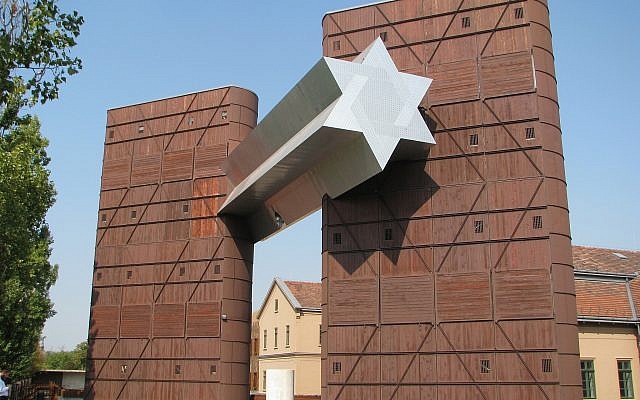
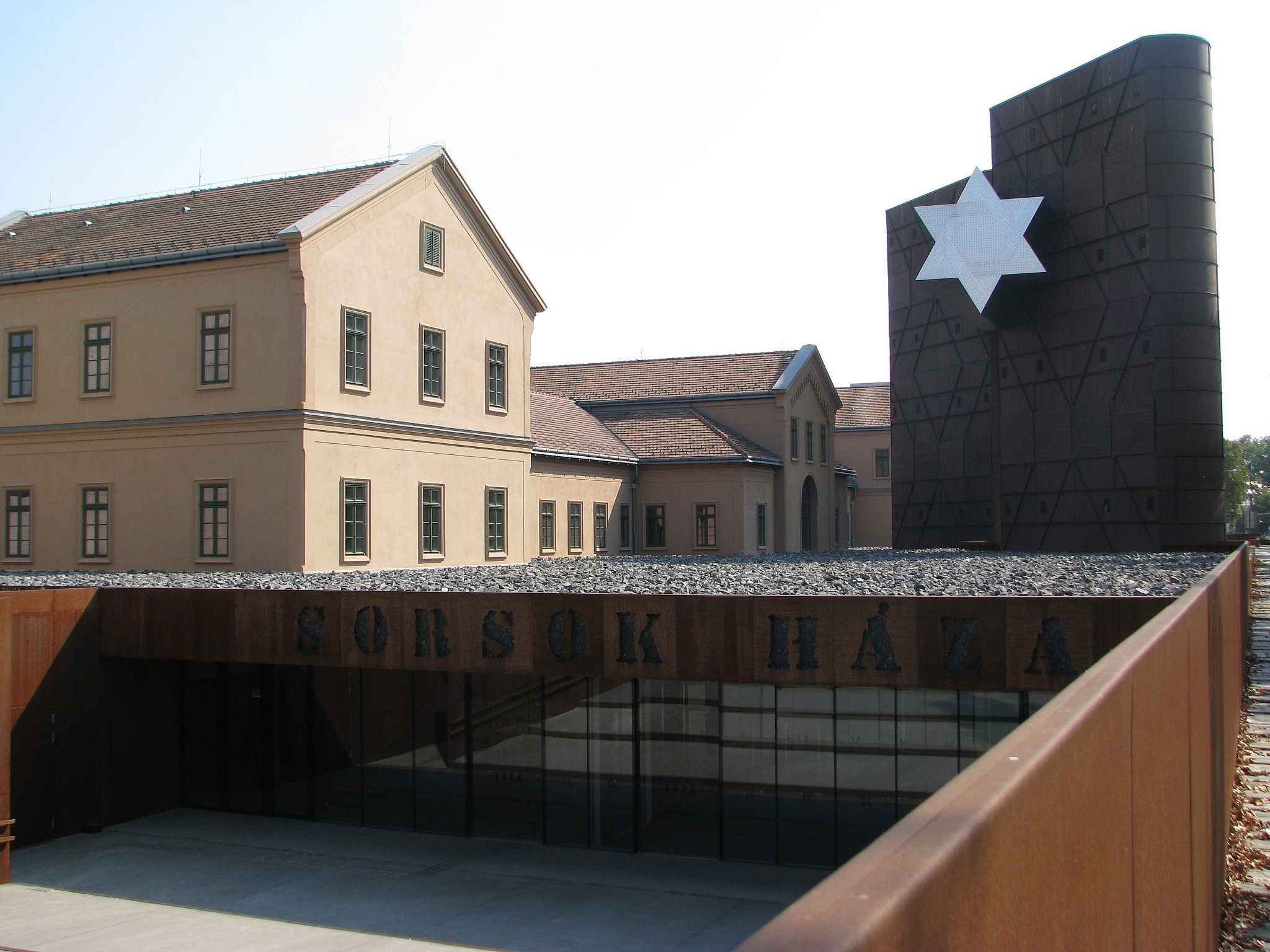
The House of Fates Holocaust museum and education center in Budapest. (Yaakov Schwartz/ Times of Israel)

Israeli officials are negotiating with the Hungarian government to reach a compromise over a new Holocaust museum in Budapest that some fear could minimize its countrymen’s role in the killing of half a million Jewish citizens during the Holocaust, according to a television report on Wednesday.

Some members of the Hungarian Jewish community, as well as Israel’s Yad Vashem Holocaust memorial center, have boycotted the project due to the historical account presented by the museum on events leading up to and during World War II.

Two advisers to Hungarian Prime Minister Viktor Orban have arrived in Israel and were to hold talks with representatives from the Prime Minister’s Office on Thursday, Channel 10 television news reported Wednesday, citing senior Israeli officials.
An Israeli official, who asked to remain anonymous, told the station that the Foreign Ministry is firmly against any deviation from the historical facts about Hungarian Jews in the Holocaust, as documented by the Yad Vashem Holocaust Center in Israel and the Washington Holocaust museum.

According to the official, the PMO has not completely adopted the Foreign Ministry stance and ministry officials were not invited to participate in the talks.

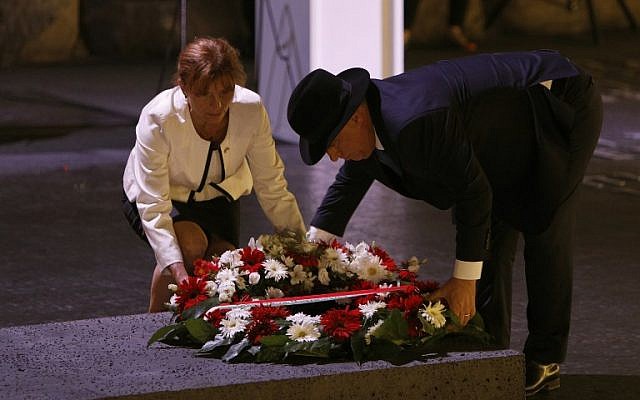
Hungarian Prime Minister Viktor Orban and his wife Aniko Levai (L) lay a wreath at the Hall of Remembrance on July 19, 2018 during their visit to the Yad Vashem Holocaust Memorial museum in Jerusalem. (AFP PHOTO / GALI TIBBON)

The new institute, named “The House of Fates,” is scheduled to open next year, marking 75 years since the extermination of Hungarian Jewry began in 1944.

Andras Heisler, head of the Federation of Hungarian Jewish Communities (Mazsihisz) which rejects the museum, also arrived in Israel this week for an emergency visit about the project and anti-Semitism in Hungary, Channel 10 reported. He will meet with Jewish Agency chief Isaac Herzog, Yad Vashem officials, and chairman of the Yesh Atid political party Yair Lapid, whose father was a Hungarian Holocaust survivor. But Heisler will not meet with anyone from the Prime Minister’s Office.

The PMO said in a statement that Hungary is open to Israeli suggestions and eager to reach a compromise.

“Concerning the House of Fates, the Hungarians have a desire to create a consensus about the narrative as a condition for its opening. Israel and other entities involved in the matter are waiting for the updated Hungarian approach with the goal of reaching the desired consensus.”

The House of Fates Holocaust museum and education center in Budapest. (Yaakov Schwartz/ Times of Israel)

read more: Israel in talks with Hungary…


Zawartość publikowanych artykułów i materiałów nie reprezentuje poglądów ani opinii Reunion’68,
ani też webmastera Blogu Reunion’68, chyba ze jest to wyraźnie zaznaczone.
Twoje uwagi, linki, własne artykuły lub wiadomości prześlij na adres:
webmaster@reunion68.com


Hezbollah Tunnel Exposed by IDF in Israeli Farmer’s Apple Orchard

Hezbollah Tunnel Exposed by IDF in Israeli Farmer’s Apple Orchard


  i24NEWS


PERSPECTIVES | The IDF has found another Hezbollah tunnel extending into an Israeli apple orchard, just 200 meters from Israel’s border with Lebanon. Israeli resident and farmer Levav Weinberg discusses with host Tracy Alexander.


Zawartość publikowanych artykułów i materiałów nie reprezentuje poglądów ani opinii Reunion’68,
ani też webmastera Blogu Reunion’68, chyba ze jest to wyraźnie zaznaczone.
Twoje uwagi, linki, własne artykuły lub wiadomości prześlij na adres:
webmaster@reunion68.com