Archive | May 2019

“Gatkes incident”. Kalesony, które wyprowadziły ludzi na ulice

“Gatkes incident”. Kalesony, które wyprowadziły ludzi na ulice

Tomasz-Marcin Wrona

Ohad Naharin – tancerz, który wyprowadził Izrael na ulice | Tomasz-Marcin Wrona, Magazyn TVN24

Gdy Izrael obchodził 50-lecie swojej państwowości, władze robiły wszystko, żeby pokazać, że izraelskie społeczeństwo jest zjednoczone we wspólnym świętowaniu. Plany te zostały popsute przez kalesony. A w zasadzie przez ich brak. Wielkie święto zamieniło się w polityczny skandal, z ulicznymi demonstracjami w tle.

Historia niejednokrotnie pokazywała, że sztuka może namieszać w polityce. Szczególnie w sytuacjach, gdy rządzący aby zaspokoić swój elektorat, próbują wywierać wpływ na twórców, by zmienili swoją artystyczną wizję. Czasem społeczne oburzenie tym faktem może doprowadzić nawet do ulicznych protestów.

W 1998 roku, rząd Izraela, na którego czele od dwóch lat stał Benjamin Netanjahu (jako najmłodszy izraelski polityk na tym urzędzie), postanowił, że jubileusz powstania Państwa Izrael celebrowany będzie z pompą. Różnego rodzaju uroczystości odbywały się przez cały rok, jednak główne obchody zaplanowano na przełom kwietnia i maja pod hasłem: “Together in Pride, Together in Hope” (“Wspólnie w dumie, wspólnie w nadziei”). Wspólne świętowanie miało zjednoczyć społeczeństwo. Centralnym punktem kalendarza była gala “Jubilee Bells”. Zaproszono gości z całego świata, w tym Ala Gore’a – ówczesnego wiceprezydenta USA.

Show z udziałem kilkuset najważniejszych wówczas artystów izraelskich przygotowywany był na stadionie Givat Ram w Jerozolimie, który mógł pomieścić 12-tysięczną publiczność. Miejsce wybrane zostało celowo, chociaż Izrael posiadał większe areny. Chodziło o to, by najważniejsza uroczystość jubileuszowa odbyła się w Jerozolimie, uznawanej przez władze za stolicę państwa. Wśród pięciu tysięcy oficjalnych gości znaleźli się także: prezydent Ezer Weizman, premier Netanjahu i wszyscy deputowani do Knesetu.

Widowisko było transmitowane przez wszystkie najważniejsze stacje telewizyjne w kraju i w kilku krajach świata. Jednak zamiast wielkiego święta jedności Izraelczycy otrzymali wielki skandal polityczny, który wyprowadził ludzi na ulice. Brak kalesonów w jednym z przedstawień omal nie doprowadził do zamieszek i upadku rządu.

Amator z kibucu, który zmienił świat baletu

Skandal przeszedł do historii jako “gatkes incident” (“incydent kalesonowy”). Stał za nim Ohad Naharin, cudowne dziecko izraelskiej sceny tańca współczesnego, bohater filmu dokumentalnego “Mr. Gaga” Tomera Heymanna – jednego z najchętniej oglądanych dokumentów 2017 roku.

czytaj dalej tu:“Gatkes incident”. Kalesony, które wyprowadziły ludzi na ulice

Zwiastun filmu “Mr. Gaga” Tomera Heymanna / Wideo: Gutek Film

Gdyby ktoś kiedyś założył, że prosty chłopak z kibucu, który zaczął zawodowo tańczyć wieku 22 lat, osiągnie coś w świecie tańca, to każdy historyk czy krytyk tańca skomentowałby to sceptycznie. Pierwsze zawodowe kroki Naharin stawiał w Batsheva Dance Company. Zauważyła go Martha Graham, jedna z pionierek tańca współczesnego, i zaprosiła do swojego nowojorskiego zespołu. Po pewnym czasie trafił do jednej z najbardziej renomowanych szkół artystycznych świata – nowojorskiej Juilliard School, następnie do School of American Ballet. Tańczył też w Balecie XX wieku, prowadzonym przez słynnego Maurice’a Béjarta.

W 1990 roku Naharin objął kierownictwo artystyczne w Batsheva Dance Company. Grupę zastał w trudnej sytuacji organizacyjnej i bez planów artystycznych, wziął się więc ostro do pracy.

Zmienił niemal cały skład zespołu, warunki zatrudnienia, a przede wszystkim stworzył na nowo cały repertuar, który został oparty na autorskim języku tanecznej ekspresji – GaGa. W spektaklach mierzył się ze współczesnymi problemami społecznymi, politycznymi i kulturowymi. Żydowskie tradycje taneczne łączył z najważniejszymi nurtami światowego tańca.
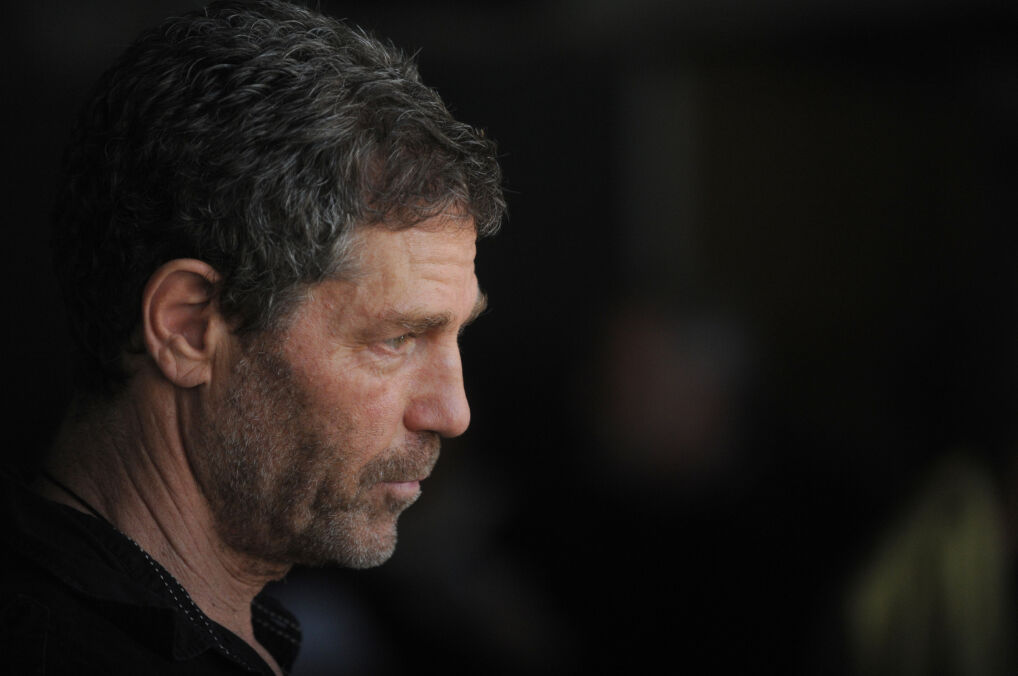
Ohad Naharin / Źródło: fot. Gadi Dagon/Gutek Film

Na początku miał w Tel Awiwie więcej przeciwników niż zwolenników, w niedługim czasie jednak zaczęło to się zmieniać. Batshevę pokochała nie tylko publiczność izraelska.

Do Boga w bieliźnie

Zespół stał się towarem eksportowym izraelskiej kultury, a zaproszenie do udziału w wielkiej gali “Jubilee Bells” potwierdzało tylko jego wyjątkową pozycję. Podczas jubileuszu 50-lecia Izraela na scenie miał zostać zaprezentowany spektakl “Anaphasa” z 1993 roku.

Uzgodniono, że Batsheva przedstawi fragment spektaklu zainspirowany “Echad Mi Yodea”, popularną pieśnią żydowską, która bazuje na fragmencie Hagady – tekście o wyjściu Żydów z Egiptu. Słowa pieśni mówią o odzyskaniu wolności spod egipskiego jarzma.

Ich głębszy sens odnosi się do poszukiwania wolności duchowej, jednoczenia się narodu, prowadzonego przez jedynego Boga.
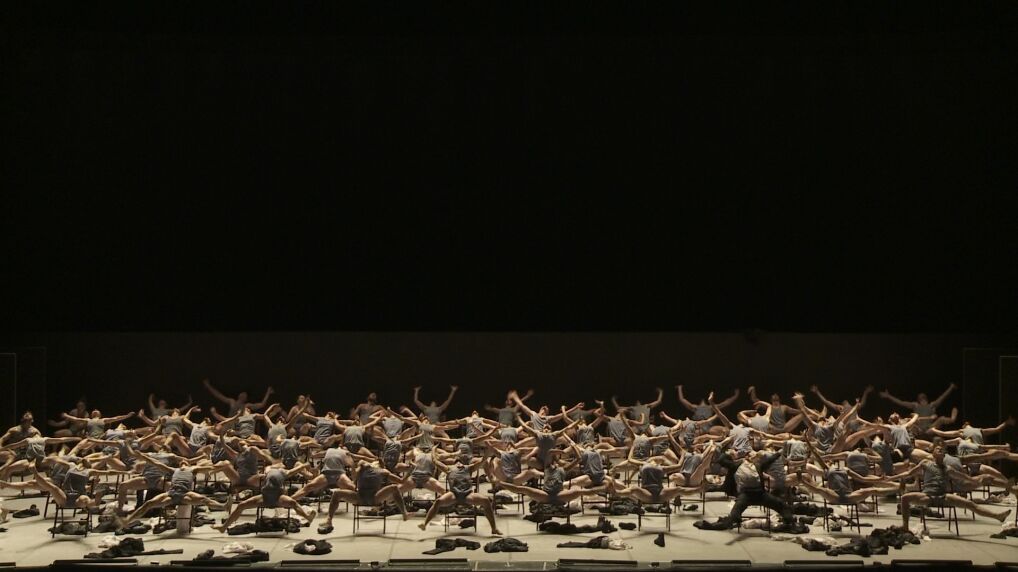
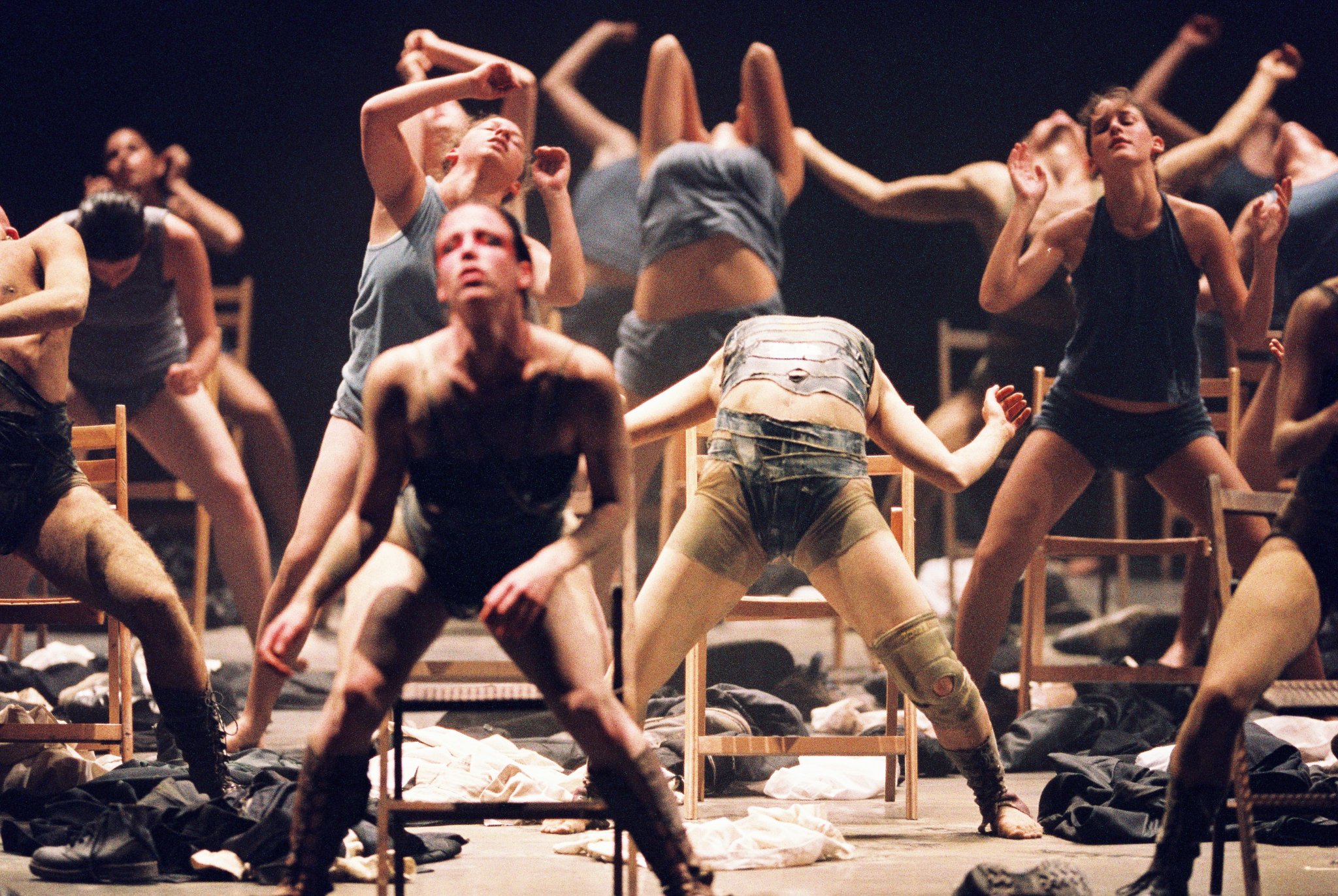
“Echad Mi Yodea” w wykonaniu Batsheva Dance Company / Źródło: fot. Heymann Brothers Films/Gutek Film

Czytaj dalej tu: “Gatkes incident”. Kalesony, które wyprowadziły ludzi na ulice


Zawartość publikowanych artykułów i materiałów nie reprezentuje poglądów ani opinii Reunion’68,
ani też webmastera Blogu Reunion’68, chyba ze jest to wyraźnie zaznaczone.
Twoje uwagi, linki, własne artykuły lub wiadomości prześlij na adres:
webmaster@reunion68.com


QUEBEC BILL BANS RELIGIOUS SYMBOLS SUCH AS KIPPAHS

QUEBEC BILL BANS RELIGIOUS SYMBOLS SUCH AS KIPPAHS

DAVID LAZARUS


The measure is intended to reinforce the separation of church and state, but critics say the real target appears to be Muslims and their hijabs.

$167,000 kippah. (photo credit: VERYFIRSTTO)

MONTREAL — Quebec has introduced a bill that bans some public employees from wearing religious symbols at work, including kippahs.

The measure is intended to reinforce the separation of church and state, but critics say the real target appears to be Muslims and their hijabs.

The Quebec parliament tabled the “secularism bill” on Thursday introduced by the right-leaning coalition government of Premier Francois Legault.

Among those who would be affected are teachers, police officers and judges. Along with kippahs and hijabs, Sikh turbans and crucifixes would be prohibited.

Polls show most Quebecers supporting the legislation.

The Jewish community is wary.

“We are very concerned with the new Quebec government’s statements regarding a ban on religious symbols displayed by government officials and displayed in public institutions,” said Harvey Levine, the Quebec regional director of B’nai Brith, suggesting the notion is “at odds” with Canadian values.

“We call on the [Quebec government] to avoid the slippery slope of diminishing fundamental rights and work instead to secure religious liberties for all Quebecers.”

As an apparent sop to critics, the legislation has a grandfather clause that allows workers who now wear religious symbols to keep them on, and will remove a prominent historical crucifix in Quebec’s National Assembly. But new public workers in “authority” positions could not wear religious symbols — they risk dismissal if they do not follow the ban.

In October 2017, Quebec’s previous Liberal government passed a bill banning face coverings for those receiving public services.


Zawartość publikowanych artykułów i materiałów nie reprezentuje poglądów ani opinii Reunion’68,
ani też webmastera Blogu Reunion’68, chyba ze jest to wyraźnie zaznaczone.
Twoje uwagi, linki, własne artykuły lub wiadomości prześlij na adres:
webmaster@reunion68.com


Spór o modlitwy Żydów na Wzgórzu Świątynnym

Spór o modlitwy Żydów na Wzgórzu Świątynnym

  Malgorzata Koraszewska


Dr Mordechai Kedar jest arabistą, znawcą kultury arabskiej i muzułmańskiej. Islam, mówi, miał powstać na gruzach judaizmu i chrześcijaństwa, miał zastąpić te religie. Obecność Żydów w Jerozolimie obraża i niepokoi. Żydowskie modły na Wzgórzu Świątynnym są teologicznym problemem i wyzwaniem. Tak więc, nie jest to konflikt o ziemię, nie jest to konflikt narodowy, mamy do czynienia z konfliktem traktowanym przez muzułmanów jako religijny i z przekonaniem, że samo istnienie Żydów w Jerozolimie podważa fundamenty islamu.

Zawartość publikowanych artykułów i materiałów nie reprezentuje poglądów ani opinii Reunion’68,
ani też webmastera Blogu Reunion’68, chyba ze jest to wyraźnie zaznaczone.
Twoje uwagi, linki, własne artykuły lub wiadomości prześlij na adres:
webmaster@reunion68.com


Philips executive explains why Israel is tops in biotech

Philips executive explains why Israel is tops in biotech

Brian Blum


Israel’s embrace of new technologies in the medical field helps make the magic happen, says Philips Chief Innovation and Strategy Officer Jeroen Tas.
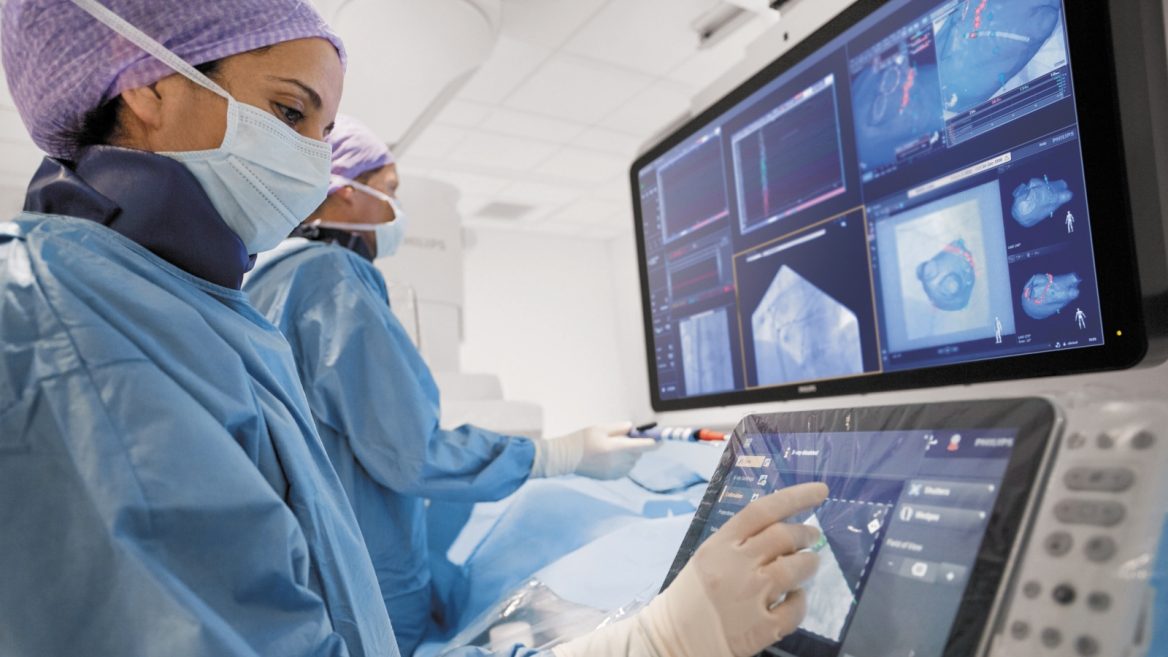
Image courtesy of Royal Philips

A good chunk of the company’s medical hardware and software is coming from Israel.

Philips employs 1,085 people in Israel, one of Philips’ five main innovation hubs along with Amsterdam, Shanghai, Bangalore, and Cambridge, Mass. Philips has been operating in Israel since 1948 and actively invests in and acquires Israeli companies.

ISRAEL21c spoke to Royal Philips Chief Innovation and Strategy Officer Jeroen Tas, who will be a keynote speaker at the upcoming MIXiii-BIOMED conference in Tel Aviv next week.


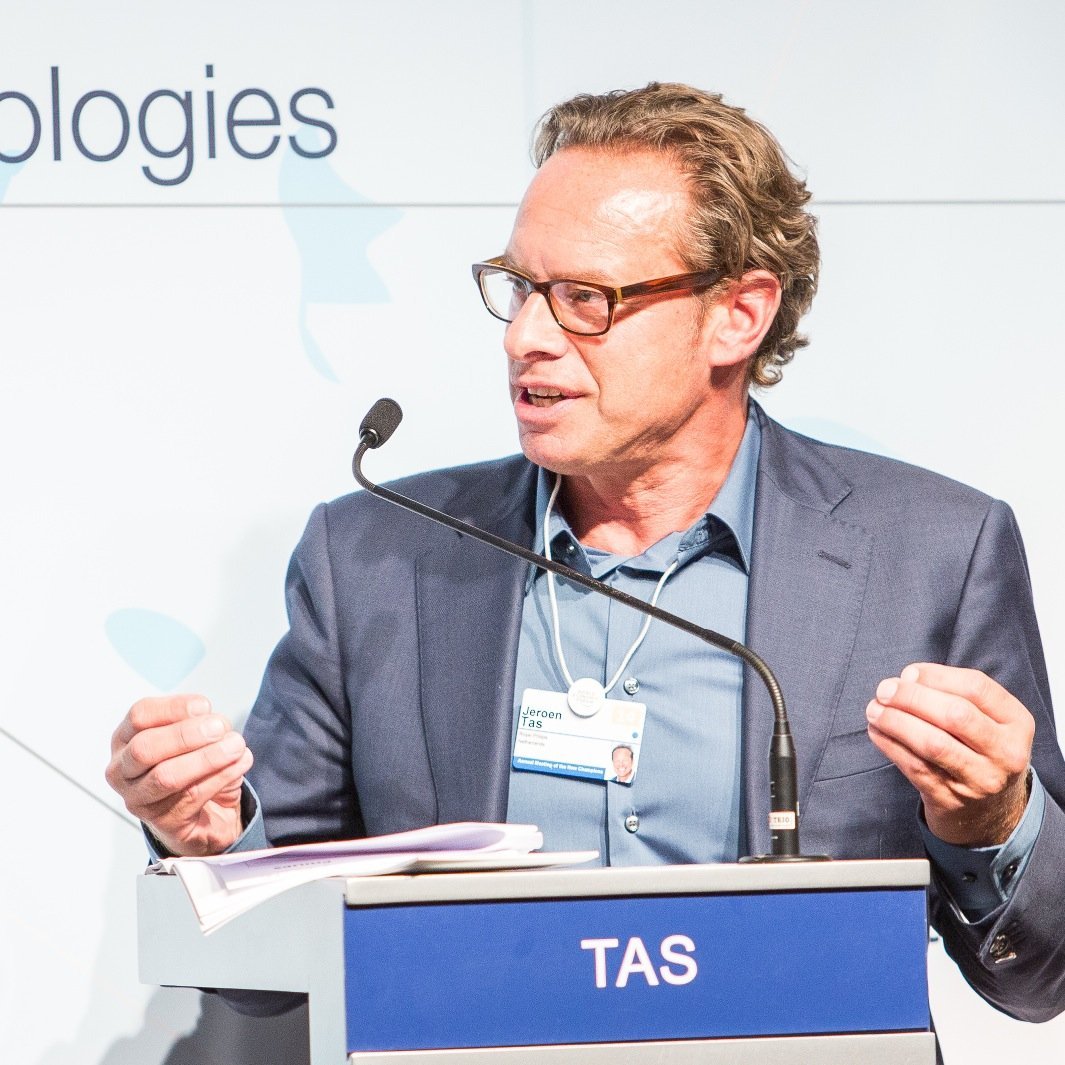
Royal Philips Chief Innovation and Strategy Officer Jeroen Tas. Photo: courtesy

What makes Israel so strong in the healthcare technology space?

Tas started by naming the usual Startup Nation suspects: a highly-educated population, a vibrant academic research community and active government promotion of startups.

But Israel has another key advantage, namely a close tie between medical clinicians and high-tech.

Israel, Tas explained, is unique in the way that “people coming from the medical field are open to applying new technologies” such as artificial intelligence and big data. “When these two worlds find each other, that’s when the magic happens,” he says.

Tas compared Israel’s innovation ecosystem with that of Silicon Valley. “You find a lot of strong technology companies” in California, he pointed out, “but you don’t find a lot of strong clinicians working with that technology.”

It helps that Israeli entrepreneurs in the medical technology space also “all speak English and have a highly global outlook on business,” Tas said. “They know that you don’t develop innovation just for Israel but for the world.”

Tas added that everyone he meets in Israel “understands how the healthcare system in the US works and has connections there.” That’s particularly important for Philips, since “the US is our largest market.”

Tas gave the example of American Well, a telemedicine company in which Philips has invested. American Well was started in Boston by Israeli brothers Ido and Roy Schoenberg. Its R&D and business operations are in Israel.

Now, American Well is bringing its telemedicine platform to Israel’s Meuhedet HMO. The deal, which could reach a value of up to $60 million, is the first time the company’s software is being used in Israel.

Innovating for patient needs

The third element required for success in the burgeoning digital healthcare space, says Tas, is orienting innovation toward a patient’s needs.

Think of how a diagnosis is made today, he explains.

“If you wake up tomorrow with chest pain, you may go to your family doctor.” The physician sends you to the hospital for an ultrasound. “At the hospital, they look at the image and say, you should make an appointment with a cardiologist.” The process can take weeks.

Technological innovation holds out the promise of “shortcutting this process,” Tas said, “by sharing the ultrasound with your family doctor, using artificial intelligence to make a model of your heart, then with a press of a button, you’re connected to a cardiologist – who might be in Israel or in the US – who does the diagnosis then and there. The medication is ordered to be picked up an hour later.”

Telemedicine and remote monitoring will allow people with chronic illnesses and the elderly “to live at home with less hospitalization,” Tas said.

“We’ve done studies where remote monitoring results in 60 percent less emergency care, 50 percent lower readmission rates and 30 percent lower cost.”

Philips’ latest acquisition in Israel was the healthcare information systems division of CareStream Health, which develops much of its software in Israel. Philips bought the company’s enterprise imaging platform used to detect diseases from radiology data.

Diagnostic imaging is one of Israeli med-tech’s strongest areas and Philips’ “core radiology informatics team is located in Haifa,” Tas said.

While the MIXiii-Biomed conference is an opportunity for Tas to share his vision in a public forum, it offers an equally important space for Israeli innovators to connect with Philips.

“We’re already in tens of thousands of hospitals,” he pointed out. “We have platforms that Israeli startups can tap into that allow them to get to market faster.”


Zawartość publikowanych artykułów i materiałów nie reprezentuje poglądów ani opinii Reunion’68,
ani też webmastera Blogu Reunion’68, chyba ze jest to wyraźnie zaznaczone.
Twoje uwagi, linki, własne artykuły lub wiadomości prześlij na adres:
webmaster@reunion68.com


Two former synagogues destroyed in Poland and Ukraine

Two former synagogues destroyed in Poland and Ukraine

JTA


16th-century building in Pidhaitsi collapses due to heavy rains; contractors tear down 100-year-old structure near Krakow after conservationists fail to register it as monument

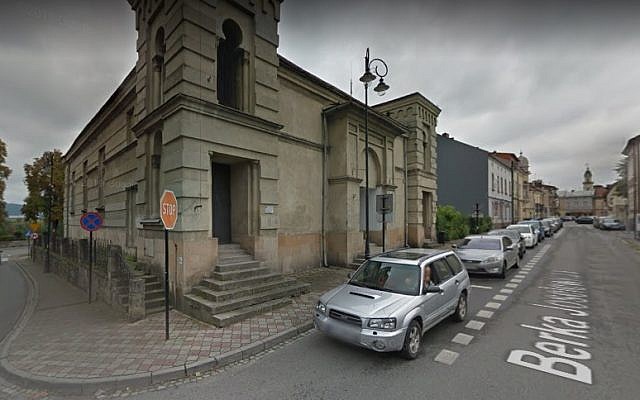
Illustrative: Screen capture of the Nowy Targ synagogue, Poland. (Google maps)

Two former synagogues were destroyed in Poland and in Ukraine.

The 16th-century former synagogue of Pidhaitsi, a town in the Ukraine’s west, collapsed on Saturday night as a result of heavy rains and neglect that eroded one of its supporting pillars, the news website te.20mimut reported.

In Poland, building contractors demolished the century-old former synagogue of Nowy Targ south of Krakow, Gazeta Krakowska reported on Friday.

The demolition was conducted legally because local authorities and conservation activists had failed to register the building as an architectural monument, the newspaper reported.

The Nazis destroyed the synagogue’s interior during the Holocaust and the Polish communist authorities turned into a workshop. It was restituted to the Jewish community of Krakow, which sold it. The building was not registered as a monument during the time that it was owned by the Jewish community, according to Gazeta Krakowska.

Declaring a building as a monument significantly reduces its worth on the real-estate market.

Tadeusz Jakubowicz, the head of the Jewish Community of Krakow, did not reply to multiple requests for comment from the newspaper.


Zawartość publikowanych artykułów i materiałów nie reprezentuje poglądów ani opinii Reunion’68,
ani też webmastera Blogu Reunion’68, chyba ze jest to wyraźnie zaznaczone.
Twoje uwagi, linki, własne artykuły lub wiadomości prześlij na adres:
webmaster@reunion68.com