Archive | November 2020

The Revealing Lies Behind the Latest Move of Palestinian Symbolism

Litigating the Balfour Declaration: The Revealing Lies Behind the Latest Move of Palestinian Symbolism

Martin Peretz


The late Lord Arthur Balfour. Photo: Wikimedia Commons.

November 3 is the hundred-and-third anniversary of Britain’s Balfour Declaration, the pronunciamiento by His Majesty’s Government of its support for the establishment of a “national home in Palestine” for the Jewish people. To mark this date, the ostensibly wealthiest Palestinian, Munib Al-Masri, has joined with three “civil rights” organizations in filing a suit against the British government in Nablus, a mid-sized town in the territories not claimed by Israel, seeking what could be nothing but abstract justice for Britain’s issuance of the Declaration.

According to Al-Masri, the Declaration “is at the root of the suffering of the Palestinian people” because it “gave the Jews all rights at the expense of the Palestinian people.” Silliness? Absolutely. But meaningful silliness nonetheless, for it crystallizes three truths about Palestinian leaders’ approach to their “situation,” the one that still occupies pride of place in Western discussions about the Middle East.

First it tells us that the Palestinians and their spokespeople are continuing their false project of linking Israel to imperialism. Far from being “at the root of the suffering of the Palestinian people,” the Balfour Declaration was diminutive: a few lines addressed by Arthur Balfour, the foreign minister, to Lord Rothschild, promising Jews an escape from European pogroms in a land sanctified for them by 4,000 years of history.

What really set Zionism into motion towards reality was the post-World War I diplomacy of the great powers led by Woodrow Wilson — and acceded to by everyone from Georges Clemenceau to the Emperor of Japan — which pointed to a momentum for the Zionist enterprise that did not really cease until Ernest Bevin, the relentlessly anti-Zionist Laborite, took over the British Foreign Office in 1945. (If truth be told, there was already in the ‘20s British Labor antagonism to Jewish settlement, mobilized by Sidney Webb, alias Lord Passfield, who was a key figure in the Fabian Socialist movement, meaning that one socialist movement, British, mobilized against another socialist one, Jewish Labor Zionist.)

Zionism, then, was not an imperialist project: though Wilson’s racial legacy is being reexamined, his legacy as a freer of oppressed ethnicities abroad is secure, and Israel was a part of that legacy. What’s more, it was Wilson’s Democratic successor-but-one, Harry Truman, who insisted that Israel would be a diplomatic reality against the foot-dragging of the British civil service and not a few members of his own cabinet, ensuring that British Labor’s mean-spirited diplomatic (and, in fact, military) struggle against the pathetic remnant of post-catastrophe Jewry ended in a Zionist triumph.

Indeed, the hard truth is that Israel had as many enemies among the imperialists as friends. But go to an elite college campus in America today and you will see this line of attack echoed and echoed again: a Jewish democracy misrepresented as a tool of revanchist colonialism. This is perhaps the only success attributable to the Palestinian cause — a relentless misrepresentation enabled by Western establishment elites of the reality of the Jewish state.

Second, it tells us that Palestinian leaders are misusing their own history in service of their cause. In 1948, the “Palestinian people” whose land Balfour purportedly set up for stealing were not a people in a democratic sense and did not yet call themselves Palestinians. Indeed, the would-be beneficiaries of Arab combat were dominated by a trio of landowners of huge estates, the Islamic clerisy, and the sub-stratal tribes and clans of a torn society.  Even if Israel were to have lost any of the wars over Palestine from 1947-1948 through 1973 the victor would never have been a democratic “Palestine.” Not only would the Palestinian effendi continue to have ruled, but even if Palestine became a non-democratic state, it would have been a client of the states of Iraq, Egypt, Jordan, and Syria. No workable democracies there, then or now!

In fact, the West Bank was won by Jordan under the British general John Bagot Glubb “Pasha” in 1948; the Gaza Strip went to Egypt the same year. They are both under ultimate Israeli control now. But they exist with the legal almost-fiction of the Palestinian Authority governing modest measures of land west of the Jordan River while a vibrant technology is run by and for the Palestinians themselves; and with Hamas categorically running the lives of the people of Gaza on the understanding that Israel and Egypt might assert their authority if there is too much bloodshed. The ugly truth is that Egypt and Israel are the securers of Gaza’s “relative” stability and peace.

Third, it tells us that the Palestinian leaders, even the “moderates” (which is to say not Hamas), are still playing games rather than pursuing a two-state solution as the region changes for the better around them. The fact is that President Donald Trump and his son-in-law Jared Kushner have literally changed the realities of politics and life in the Middle East: Israel has inadvertently marked the Balfour anniversary with the establishment of full diplomatic ties with the United Arab Emirates and Bahrain and the normalization of relations with Sudan — rumor has it that Saudi Arabia will be next to the table. Of course, the western establishment press pooh-poohed the anticipated accommodations between the Jewish state and the Muslim domains now sitting around conference tables and discussing trade, industry, travel, science, technology, and tourism — as well as what real peace could mean for the entire region.

But still the Palestinian leaders fiddle. Proof positive is the fact that the legal assault on the Balfour Declaration is not new: Mahmoud Abbas, the sort-of president of sort-of Palestine, who is still in office 11 years after his term expired, first announced that legal assault in 2016 and then again in 2017. But nothing substantial happened except that, as David Halbfinger reported in the New York Times the day after the centenary of the Balfour Declaration, there was a demonstration of thousands of youths in Ramallah — at Yasser Arafat’s memorial, no less — where a chant went up announcing Lord Balfour’s “fall.” In Bethlehem, protestors burned an effigy of Balfour and then beat it with their shoes. Palestinian girls met in Jerusalem with the visiting prime minister Theresa May demanding justice. And then it was over. The legal suit was not filed. Tiens!

Now the suit has been filed, and this sound and fury, which truly does signify nothing, shows that history has run away from the fantasized Palestinians just when real Arab governments, imperious rather than democratic, have made their compromise with actuality and compromise itself. Ultimately, a regime called “Palestine” will get some land ceded by Israel, land enough for a statelet and certainly even land enough to sit at the United Nations with other non-representative statelets to sustain the farce of international democracy. But nothing the Palestinians are doing will make that process occur. To pretend otherwise allows them to twist the region’s past while doing nothing to shape its future.


Martin Peretz was editor-in-chief of The New Republic from 1974 to 2013.


Zawartość publikowanych artykułów i materiałów nie reprezentuje poglądów ani opinii Reunion’68,
ani też webmastera Blogu Reunion’68, chyba ze jest to wyraźnie zaznaczone.
Twoje uwagi, linki, własne artykuły lub wiadomości prześlij na adres:
webmaster@reunion68.com


Tel Aviv home to world’s most beautiful people says Travelers Digest

Tel Aviv home to world’s most beautiful people says Travelers Digest

21see


Tel Aviv has been getting lots of attention lately as a party city, a startup city and a gay-friendly city. Now all eyes are on Israel’s second-largest municipality because of the beautiful people who inhabit it.

Travelers Digest readers ranked Tel Aviv No. 10 on its 2012 list of Cities with the Best-Looking Men (http://www.travelersdigest.com/267-be…) and No. 7 on its companion list of Cities with the Best-Looking Women (http://www.travelersdigest.com/228-be…).

“Tel Aviv has become a hot spot for trendsetters worldwide. Local cuties flaunt their fit bodies — made all the better by their year-round tans — at any of the numerous beaches and cafés found on the 10-mile seaside strip,” wrote journalist Jessica Benavides Canepa.

Reporting, Producing by Viva Sarah Press for ISRAEL21c
Music by TripL Pres. Eliad.


Zawartość publikowanych artykułów i materiałów nie reprezentuje poglądów ani opinii Reunion’68,
ani też webmastera Blogu Reunion’68, chyba ze jest to wyraźnie zaznaczone.
Twoje uwagi, linki, własne artykuły lub wiadomości prześlij na adres:
webmaster@reunion68.com


Rudi Herrnstadt: „Pamiętniki z Breslau” (cz. IV)

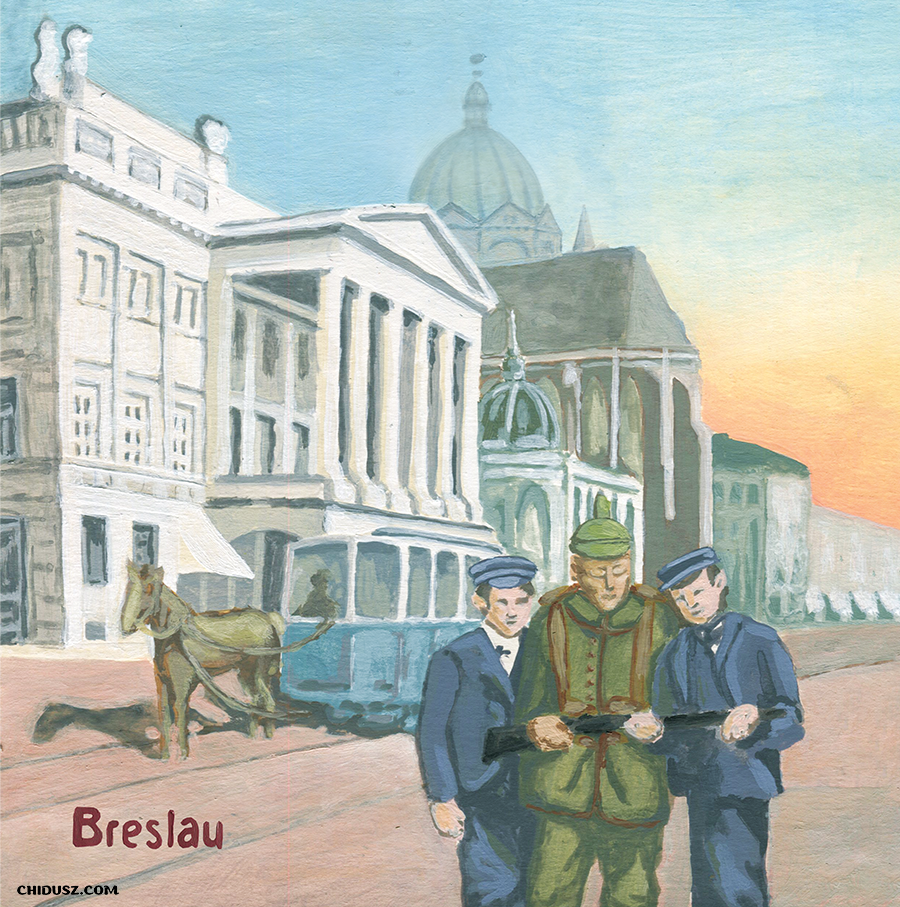
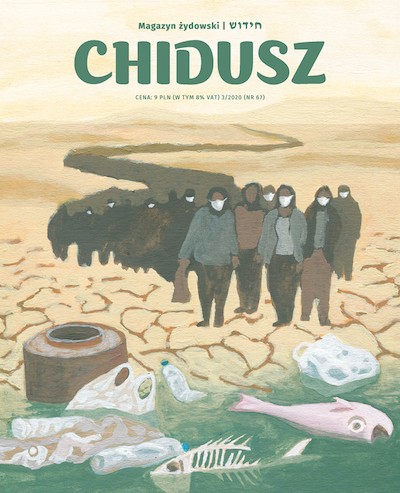
Fragment okładki „Chiduszu” 5/2019 będącej ilustracją do wspomnień Rudiego Herrnstadta. Autorka: Edyta Marciniak

Rudi Herrnstadt: „Pamiętniki z Breslau” (cz. IV)

Rudi Herrnstadt


Rudi Herrnstadt: „Pamiętniki z Breslau” (cz. I)
Rudi Herrnstadt: „Pamiętniki z Breslau” (cz. II)
„Pamiętniki z Breslau” (cz. III)

CZĘŚĆ IV

OSTATNI ROZDZIAŁ I DRAMATYCZNY FINISZ

Moja historia zaczyna was już pewnie nudzić. Skoro jednak zabrnąłem tak daleko, chciałbym dojść przynajmniej do momentu, od którego dalsze losy mogłaby opowiedzieć wam wasza droga matka. Często narzekała, że źle ją wychowywaliśmy, że byliśmy nadopiekuńczy, mieszaliśmy się zbytnio w jej sprawy… Mogę jednak śmiało powiedzieć, że rzadko zdarza się, aby dziecko otoczone było tak wielką miłością i oddaniem ze strony rodziców. Renata była absolutną ulubienicą wszystkich naszych przyjaciół i krewnych. Właściwie od 1937 roku razem z waszą babcia skupialiśmy się głównie na tym, żeby osiągnąć status, który pozwoli naszej nad wyraz inteligentnej córce wykorzystać swoje umiejętności oraz spełniać marzenia i ambicje.

Początki były dość tragiczne. Jako że nie mogliśmy przecież do końca życia mieszkać z Hansem i jego przyjaciółmi, przeprowadziliśmy się do taniego hotelu dla imigrantów. Zamieszkała z nami ciotka Käte, która zajmowała się Renatą. Głównie pomagała nam z praniem. Niestety (albo na szczęście) była tak oddaną praczką, że w końcu wyrzucono nas z hotelu, który swoją drogą prowadzony był przez bardzo miłą parę niemieckich imigrantów o nazwisku Fleischmann. Hansowi udało się wcześniej załatwić Thei posadę sekretarki w żydowskim domu spokojnej starości w Doornfontain na przedmieściach Johannesburga. Pracowała za słynne siedem funtów i dziesięć pensów miesięcznie. Jeśli chodzi o mnie, nie miałem nawet co marzyć o podjęciu trzyletnich studiów prawniczych. Starając się zarobić cokolwiek (pamiętajcie, że mieliśmy w tamtym czasie sporo długów), poszedłem za radą Ernsta Fuchsa, jednego z przyjaciół Hansa, i zatrudniłem się w Reunert & Lenz. Firma ta była wówczas wyłącznym dystrybutorem lodówek Frigidaire i sprzętów marki Philips. Pracowałem jako akwizytor, a moja pensja uzależniona była od wypracowanej prowizji. Pomimo bardzo stymulujących lekcji, których udzielał mi Ernst (sam był bardzo dobrym sprzedawcą), i sporego wsparcia ze strony firmy, nie mogłem pochwalić się wielkimi sukcesami. Nasz przełożony (miły i pomocny gość o nazwisku O’Donoghue) zabierał nas co rano samochodem na przedmieścia i przydzielał każdemu jedną ulicę. Tam mieliśmy starać się pozyskać nowych klientów, a następnie sporządzić raport z każdej wizyty. Nie było to łatwe zadanie dla kogoś, kto nigdy wcześniej nie pracował jako sprzedawca i prawie w ogóle nie mówił w żadnym z dwóch oficjalnych języków obowiązujących w RPA. Przetrwałem ten okres tylko dzięki poczuciu humoru, które na szczęście nawet wtedy mnie nie opuszczało. Wiele kobiet zbywało mnie, rzucając po prostu „Dzięki, nie dzisiaj”. Za to jednego razu pewien mężczyzna wyszedł na próg, mówiąc „Voetsak” [„spieprzaj” w języku afrikaans]. Myślałem, że mi się przedstawia, odpowiedziałem więc „Herrnstadt”. Dopiero po chwili zrozumiałem, co miał na myśli.

Gdy lekko już zrozpaczony przemierzałem kolejną ulicę, przypadkiem zapukałem – z przewidywalnym skutkiem – do tylnych drzwi domu tego samego mężczyzny. To był moment, w którym zdecydowałem się porzucić ten rodzaj akwizycji. Wpadłem na pomysł nowego, bardziej wyrafinowanego sposobu, polegającego na bezpośrednim kontakcie z budowlańcami. Pytałem o nazwiska właścicieli budowanych domów, wiedząc, że ci na pewno będą potrzebowali nowej lodówki. Ta metoda była znacznie bardziej komfortowa, a jej efekty mobilizowały mnie do dalszej pracy. W ten sposób pozyskałem kilka zamożnych osób zainteresowanych kupnem drogich odbiorników radiowych i innych nietanich sprzętów. Radziłem sobie coraz lepiej, więc mój menadżer – oczywiście w dobrej wierze – przydzielił mi kolejne zadanie. Co dwa dni przez godzinę musiałem odbierać telefony od klientów w naszym salonie na Jeppe Street. Byłem przerażony. Tych kilka godzin rozmów po angielsku było dla mnie katorgą. Wkrótce jednak i to udało mi się opanować. Zacząłem nawet uczestniczyć w cosobotnich lekcjach metod sprzedaży, podczas których doskonaliłem swoje umiejętności. Moje zarobki ciągle nie były jednak wystarczające. Musieliśmy z babcią szukać lepszej pracy. Po przymusowej wyprowadzce z hotelu wynajmowaliśmy mieszkanie na Ascot Road w dzielnicy Bertrams. Wprowadziła się tam z nami nie tylko ciotka Käte, ale też Werner. Mieszkanie znajdowało się w nowiutkim budynku i było bardzo wygodne. Werner miał swoją własną sypialnię, a ciotka Käte spała w pokoju z Renatą. Oprócz sypialni mieliśmy do dyspozycji salon połączony z jadalnią, werandę, kuchnię i łazienkę. Opłaty dzieliliśmy z Wernerem, a czasami w ich uregulowaniu pomagał też Hans. Po licznych przygodach, takich jak prowadzenie warzywniaka przy Rissik Street czy sprzedawanie prezerwatyw (zwanych w RPA „francuskimi listami”), Hansowi zaczęło się nieźle powodzić. W końcu firma Hart Ltd. – ta od prezerwatyw – awansowała go na stanowisko dyrektora sprzedaży. Dostał nawet luksusowego służbowego Packarda. Można więc powiedzieć, że Hans był w tym czasie stosunkowo zamożny.

Nie będę was zanudzał opowieściami o licznych pracach, których podejmowaliśmy się z Theą między 1937 a 1939 rokiem, kiedy to w końcu dostałem posadę w Południowoafrykańskim Funduszu dla Żydów Niemieckich – organizacji związanej z Radą Deputowanych Południowoafrykańskich Żydów. Głównym zadaniem organizacji – szczególnie tuż przed wybuchem wojny – była pomoc żydowskim uchodźcom w sprowadzaniu do RPA swoich bliskich. Praca była raczej dobrze płatna i odpowiadała mi bardziej niż cokolwiek, czym do tej pory zajmowałem się na emigracji. Dostałem ją dzięki znajomości z Issym Heymanem, dyrektorem żydowskiego domu spokojnej starości, w którym pracowała Thea. Heyman był multimilionerem, który z kolei dobrze znał równie bogatego Bernharda Kaumheimera z Funduszu dla Żydów Niemieckich. Wasza babcia podejmowała się wielu lepiej lub gorzej płatnych prac. Pracowała jako stenotypistka, sekretarka i księgowa w różnych przedsiębiorstwach – również w renomowanych firmach adwokackich.

Łącznie nasze pensje składały się na zawrotną sumę prawie stu funtów miesięcznie, dzięki czemu mogliśmy powoli spłacać długi.

Wraz z wybuchem wojny i wzmożonymi prześladowaniami Żydów wszystko się zmieniło.

Zanim jednak opowiem o tym ponurym okresie, muszę Wam coś wyjaśnić. Nie chcę, żebyście myśleli, że przez cały czas emigracji żyliśmy w rozpaczy. Przeciwnie – nie opuszczała nas pogoda ducha. Jako rodzina byliśmy bardzo blisko. Poszerzyliśmy też i tak już spory krąg naszych znajomych.

Wiele przyjaźni, i to tych prawdziwych, nawiązałem w Reunert & Lenz. Zaprzyjaźniłem się nie tylko z O’Donoghuem, ale też z Anglikiem (nie-Żydem) o nazwisku Salomon. Obaj świetnie grali w tenisa. Całą grupą, do której należała nasza trójka, Ernst Fuchs, a później również Hans i Jack Morgan, menadżer sprzedaży w Reunert & Lenz, stworzyliśmy nieoficjalny klub tenisowy. Graliśmy w każdy weekend przy herbaciarni Good Hope, prowadzonej przez starszą panią znaną z wypiekania doskonałych bułeczek. Nasze umiejętności były zdecydowanie ponadprzeciętne, a tenis stał się moją wielką pasją. Sport pomógł mi też w wielu trudnych chwilach. Prawie zawsze zabierałem ze sobą waszą matkę, wtedy cztero- czy pięcioletnią, która uwielbiała chodzić po drzewach albo bawić się ze szczeniakami i kotami należącymi do właścicieli upraw herbaty. Później w miejscu gospodarstwa stanął słynny Hotel Balalaika. Wtedy jednak, pod koniec lat trzydziestych, herbaciarnia znajdowała się właściwie poza miastem. Panował tam prawdziwie wiejski klimat.

Właśnie w tamtym okresie Renata zaczęła chodzić do przedszkola prowadzonego przez panią Goldschmidt (zwaną przez wszystkich „ciocią Goldschmidt”). Kupiliśmy z Wernerem starego Forda, model z 1905 albo 1906 roku. Windsbraut (niem. zaręczona z wiatrem), bo tak nazwaliśmy nasz pojazd, była bardzo zawodną maszyną z mnóstwem usterek. Zawsze musiała być zaparkowana tak, aby można ją było stoczyć ze zbocza, bo tylko w ten sposób dało się ją uruchomić. Jakoś sobie jednak radziliśmy, a samochód bardzo ułatwiał mi odwożenie Renaty do przedszkola. Dzięki Windsbraut nauczyłem się też porządnie jeździć. Choć zdałem test na prawo jazdy jeszcze w Niemczech (na jego podstawie automatycznie wydano mi odpowiedni dokument w RPA), nigdy nie miałem swojego samochodu, a więc i doświadczenia jako kierowca. Mimo przygód Windsbraut służyła nam przez wiele lat, w trakcie których regularnie z Wernerem obwinialiśmy się wzajemnie o kolejne usterki. Nigdy nie było to jednak powodem do poważnej kłótni. […]

Nie minęło dużo czasu, a pokochaliśmy Johannesburg z jego wspaniałym klimatem i cudownymi, słonecznymi zimami. Nasza sytuacja – również finansowa – zdawała się cały czas stopniowo polepszać. Wieści, które otrzymywaliśmy z Niemiec, były jednak coraz gorsze. Na nowo zaczęliśmy poważnie martwić się o los rodziców i Güntera, który najpierw stracił swoją „wspaniałą pracę”, a później nawet trafił na jakiś czas do obozu koncentracyjnego.

Z wydostaniem moich rodziców z kraju nie mieliśmy większych problemów. Przypłynęli do RPA niemieckim statkiem „Wagoni” na chwilę przed wybuchem wojny.

W tym samym roku – nie pamiętam dokładnie, kiedy – wyprowadziliśmy się z mieszkania na Ascot Road w nieco zaniedbanej dzielnicy Bertrams. Razem z ciotką Käte, Wernerem i oczywiście Renatą przenieśliśmy się w okolice Fellside. Zamieszkaliśmy w dwupoziomowym mieszkaniu podzielonym na cztery przestronne apartamenty. Wszystkie miały duże balkony wychodzące na cichą uliczkę, chyba Czwartą Aleję. Basen olimpijski Ellis Park zastąpił mniejszy basen Norwood, gdzie Renata otrzymywała swoje pierwsze lekcje pływania. Nie sprawiały jej one chyba zbyt wielkiej przyjemności. Musieliśmy też przenieść ją z przedszkola pani Goldschmidt do placówki w Orange Grove – było to coś pomiędzy przedszkolem a szkołą. Zarówno ja, jak i babcia Thea mamy z jakiegoś powodu bardzo mgliste wspomnienia dotyczące tej dziwnej instytucji. Pamiętamy jednak, że wasza matka nie była tam szczególnie szczęśliwa. Dzieci wiedziały, że była z Niemiec, i zdarzało się, że nazywały ją nazistką.

Wspomnienia stają się coraz mniej wyraźne, a to chyba znak, że moją opowieść powinna od tego momentu kontynuować wasza matka…PRENUMERATA
Dość powiedzieć, że po wielu ciężkich próbach zdołaliśmy zdobyć dla Güntera wizę do Suazi, z której ostatecznie zrezygnował. Zdecydował się wykorzystać wizę do Trynidadu, którą załatwił mu ktoś w Niemczech. Mógł dzięki niej wydostać się z obozu i wziąć ślub z Hanne, siostrą waszej babci, wspaniałą kobietą. Jej pierwszym mężem był nasz dobry znajomy Max Zweig. Miała z nim córkę Gaby, którą Günter zaadoptował po ślubie. Było to w czerwcu 1938 roku. Niedługo później wyemigrowali z Niemiec.

W ten sposób udało nam się uratować przed nazistami przynajmniej najbliższą rodzinę. Wszyscy jakimś cudem wymknęliśmy się okropnej tragedii, która spadła na Europę. Myślę też, że w latach wojny wykonałem kawał dobrej roboty, pomagając wielu uchodźcom w sprowadzeniu do RPA swoich rodzin oraz w (prawie niemożliwym) zdobywaniu koniecznych funduszy na zapewnienie im własnych mieszkań. Jak się bowiem przekonaliśmy, wspólne bytowanie dzieci i rodziców w jednym miejscu było czymś wprost niemożliwym. […]

Mój brat Hans poślubił Lisę w 1940 roku. Zatrudnił się w szybko rozwijającej się firmie Frank & Hirsch i od razu otrzymał kierownicze stanowisko. Pod koniec wojny Fundusz dla Żydów Niemieckich, który spełnił już swoje zadanie, został przejęty przez Radę Deputowanych. Nie dawało mi to większych perspektyw na przyszłość. Hans zaproponował mi jednak posadę sprzedawcy w swojej firmie. Początki były trudne, ale wkrótce dzięki ciężkiej pracy udało mi się awansować. W końcu razem z Hansem, Fritzem Frankiem i Helmutem Hirschem założyliśmy własną firmę tekstylną F&H Agencies. W 1945 roku Hans poleciał hydroplanem w swoją pierwszą zamorską podróż służbową do Anglii. Lot trwał jakieś trzy dni i zakładał kilka noclegów w mało uczęszczanych zakątkach Afryki. Z podróży przywiózł takie marki jak Moderna czy Olympia. W roku 1950 także ja wybrałem się w służbową podróż. Udało mi się odwiedzić Wielką Brytanię, Włochy i Szwajcarię. Stamtąd poleciałem do Hong Kongu, a później do Japonii. Wyjazd okazał się ogromnym sukcesem. Udało mi się między innymi nawiązać współpracę z firmą Toyemenka, w tamtym czasie największym japońskim eksporterem tekstyliów. 

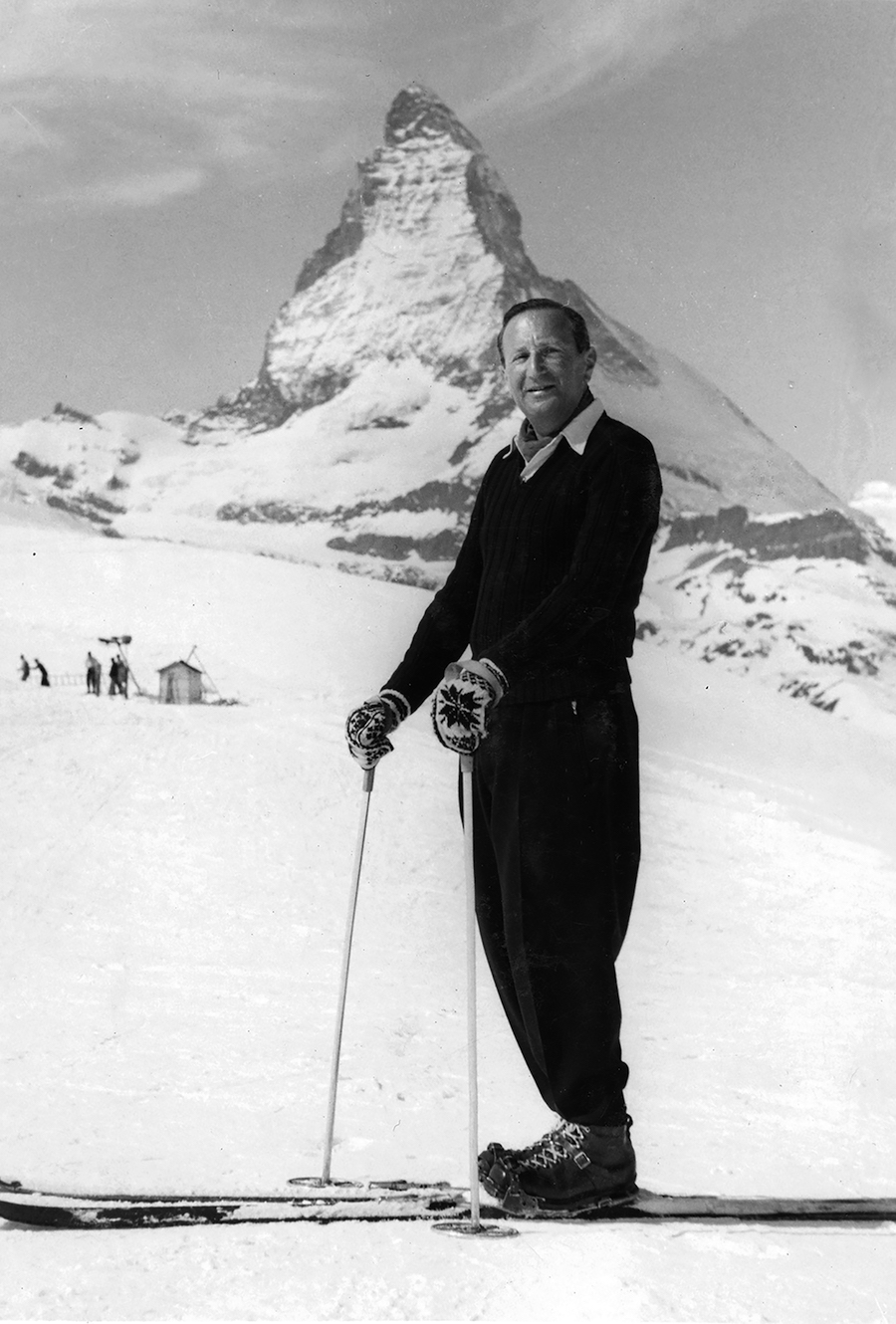
„Dwie góry”, Rudi na nartach w Szwajcarii

F&H Agencies zabierała nam cały czas i energię, ale też dawała wiele możliwości zamorskich podróży. Zjeździliśmy nie tylko Europę, ale też Amerykę, a nawet Daleki Wschód. Podczas wielu wyjazdów towarzyszyła mi wasza babcia Thea. Zawsze udawało nam się jakoś połączyć interesy z przyjemnościami, a nawet urządzać sobie małe wakacje. W 1952 roku udałem się do Stanów Zjednoczonych, a stamtąd do Paryża, gdzie czekały już na mnie Thea i Renata. Razem pojechaliśmy do Anglii. Renata została w Londynie, chcieliśmy, żeby jakiś czas tam pomieszkała. Już wtedy jednak była po uszy zakochana w waszym ojcu. Postanowiła więc jeszcze w listopadzie tego samego roku wrócić do RPA (było to tuż po śmiertelnym wypadku Robby’ego Danzigera i na chwilę przed śmiercią waszego prapradziadka Martina). 

Dom o nazwie „Wrzosowisko” w Blackheath, który kupiliśmy w 1948 roku po śmierci ciotki Käte, był absolutnie perfekcyjny – przestronny, bardzo wygodny, z wyjątkowo dużym ogrodem i niezwykłą atmosferą. Renata i ja z ogromnym zapałem jeździliśmy konno. Wasza matka osiągnęła poziom eksperta pod czujnym okiem niezapomnianego Morry’ego Lassa, którego stajnie były dla niej jak drugi dom. Mieliśmy też nieograniczony dostęp do wspaniałych koni Helmuta Hirscha, trzymanych w jego stajniach w Northcliff niedaleko naszego domu.

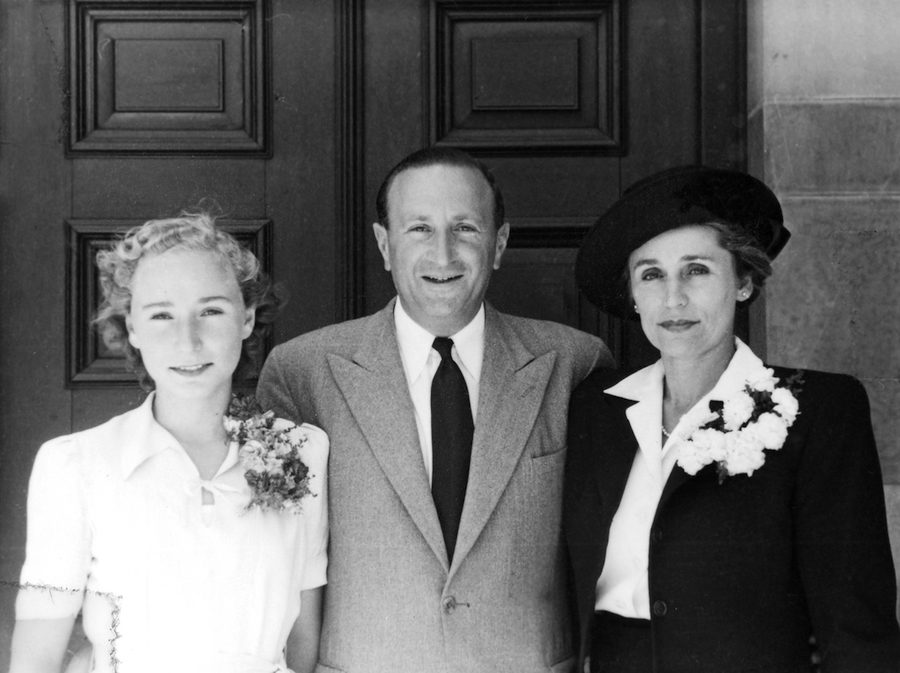
Rudi z córką i żoną w Johannesburgu

W 1956 roku Renata wyszła za mąż za waszego ojca. Ślub odbył się w synagodze przy Wolmarans Street w Johannesburgu, a wesele w starym hotelu Langham. Był to niezwykle radosny dzień. Żył jeszcze wtedy wasz dziadek Lippa, wasze praprababcie Boba i Grete, i moja matka, która zmarła w 1969 roku w wieku dziewięćdziesięciu dwóch lat.

Ty, Larry, urodziłeś się w 1959 roku, a w 1963 pojawiłeś się Ty, Marty. W 1965 roku całą rodziną przeprowadziliście się do Melbourne w Australii. Na szczęście dane nam było wspólnie świętować wasze bar micwy, pięćdziesiąte urodziny waszej matki i ojca oraz ich srebrne wesele.

Tym radosnym akcentem, jak lubi mawiać wasza babcia Thea, kończę moją opowieść. O wszystkim, o czym zapomniałem lub co pominąłem, będzie wam musiała opowiedzieć matka. Przedstawi wam zapewne historię z własnej perspektywy i przybliży wspomnienia od czasów swojego dzieciństwa do momentu waszego przyjścia na świat. Waszym zadaniem będzie przekazanie tej historii dalej, a jeśli kiedykolwiek będziecie mieli ochotę dowiedzieć się czegoś o poprzednich pokoleniach Herrnstadtów i Heymannów, przekartkujcie, proszę, te strony, które wam – drodzy Larry i Marty – dedykuję[1]

With all my love,
Grandpa Rudi
Johannesburg, grudzień 1985/ styczeń 1986 


PRZYPISY:

[1] Larry i Marty przyjechali w lipcu 2019 roku do Wrocławia, by poznać miasto, z którego pochodziła ich rodzina. Z pomocą redakcji „Chiduszu” udało im się odnaleźć stary dom Herrnstadtów przy dzisiejszej ulicy Orlej. W jednym z wrocławskich archiwów zachowały się stare plany budowlane, podpisane odręcznie przez Rudiego Herrnstadta. Wszystkie cztery części pamiętników Rudiego w wyborze Jolanty Różyło zostały opublikowane w „Chiduszu” w 2019 roku.


Tłumaczenie: Urszula Calów

Wybór fragmentów i redakcja: Jolanta Różyło


Zawartość publikowanych artykułów i materiałów nie reprezentuje poglądów ani opinii Reunion’68,
ani też webmastera Blogu Reunion’68, chyba ze jest to wyraźnie zaznaczone.
Twoje uwagi, linki, własne artykuły lub wiadomości prześlij na adres:
webmaster@reunion68.com


Record participation reflects renewed US interest in Zionist Congress

Record participation reflects renewed US interest in Zionist Congress

LARRY LUXNER / JTA


The votes represented the highest number cast since open Zionist elections were adopted in the American Jewish community 30 years ago.

World Zionist Congress 2020
(photo credit: Courtesy)

A virus forced the World Zionist Congress to go virtual for the first time since its founding in 1897.

But that didn’t stop last week’s gathering, held once every five years, from being any less crucial — or less contentious — for the future of Israel and the Jewish people.

Nor did it dampen enthusiasm for the event among the American delegation, which hailed from 28 states plus Puerto Rico and Washington, D.C., after an election last winter that saw record voter participation. Of the 750 delegates to the 38th World Zionist Congress, which held its virtual meeting Oct. 20-22, roughly one-third were from the United States.

“The work of Zionism — supporting Israel and connecting world Jewry to our national homeland — must continue despite the global pandemic,” said Richard Heideman, president of the American Zionist Movement, which organized the US delegation and last winter’s election. “This crisis has, however, given us a special opportunity to enable more delegates and alternates than ever before to participate in a World Zionist Congress.”

More than 123,000 American Jews from all 50 states voted in the Zionist elections that concluded in March – more than double the number that participated in the previous vote, in 2015. In all, 15 slates comprised of nearly 1,800 candidates vied for 152 American seats in the Congress, with the number of delegates per slate apportioned using a formula devised by the American Zionist Movement. The votes represented the highest number cast since open Zionist elections were adopted in the American Jewish community 30 years ago.

The high rate of participation may be a sign of the growing importance with which American Jews view the World Zionist Congress, which determines the leadership of the World Zionist Organization, the Jewish Agency for Israel, the Jewish National Fund-Keren Kayemet LeIsrael and Keren Hayesod.
Together, these four institutions allocate roughly $1 billion annually.

“In broad terms, this is the parliament of the Jewish people. It’s the world’s most democratic gathering of the Jewish community,” said Kenneth Bob, president of Ameinu and head of the Hatikvah slate, which represents 11 different progressive Jewish organizations, including the National Council for Jewish Women, the New Israel Fund and J Street. “Even with Zoom, it’s still very participatory.”

In fact, the three-day virtual conference included some unusually intense wrangling among the delegations. Right-wing and Orthodox parties, which represented a majority at the Congress, surprised many with a bid to install their own picks in key leadership positions at international Zionist institutions rather than agreeing to consensus choices, which had been the custom at past conferences. Such a move would have neutralized any potential power of the left-wing parties.

Pesach Lerner, the New York rabbi who heads Eretz HaKodesh, an Orthodox party that was part of that right-wing effort, said the move was justified because of the political positions leftist groups have taken.

“When President Trump moved the US Embassy from Tel Aviv to Jerusalem, these movements came out against it,” he said. “My people travel to Israel, they buy apartments in Israel, and they send their kids to learn in Israel. We’re anti-BDS, we’re pro-Israel and we lobby on behalf of those who fight for Israel in Washington.”

Sheila Katz, the NCJW’s chief executive and a first-time delegate on the Hatikvah slate, bristled at the attempt to silence the voices of groups like hers.

“The whole reason I was excited about this was to live out Herzl’s vision that there would be diverse views. But I didn’t run for this congress just to have my power taken away,” said Katz, 37. “The key issue of this conference has really emerged around pluralism and who gets to have this power.”

At the same time, Katz said of the US delegation, “It’s very exciting to see so many younger people at the table. They’re infusing a lot of energy into this process, and the AZM has done an excellent job in working to diversify the type of people who show up at this Congress.”

In the end, the effort to limit the influence of the left-wing parties failed. A compromise was reached after delegates to the Congress from certain centrist delegations, who traditionally don’t cast votes because they are appointed rather than elected, threatened to break with precedent and vote against the right-wing parties unless they agreed to some concessions.

Some on the right, such as the Zionist Organization of America, hailed the outcome as a victory.

“The center-right wing bloc, of which ZOA Coalition is a substantial and vital part, prevailed in the World Zionist Congress elections earlier this year, and thus was entitled to prevail in allocation of National Institution positions,” said Morton Klein, ZOA’s national president.
Groups on the left nonetheless also expressed satisfaction.

“While the new agreement gives power to one side of the political spectrum, we remain confident that the changes preserve the national and pluralistic character of our Zionist Institutions,” MERCAZ USA, which with 18 delegates represents Conservative Judaism within the Zionist movement, said in a statement. “MERCAZ, the Masorti/Conservative Movement, along with a coalition of Zionist parties in Israel and the Reform Movement, and the support of the Zionist organizations (Hadassah, B’nai B’rith International, Maccabi World Union, WIZO and NAAMAT/USA), succeeded in blocking a divisive agreement and reached an agreement incorporating significant changes, which ensures checks and balances and inclusion of all the Jewish People in the leadership of our Zionist Institutions.”

For Sarrae Crane, the executive director of MERCAZ USA, this was her sixth World Zionist Congress — and, of course, her first virtual one.

“It’s so much better than nothing, but it’s not the same as being in a hall with people and talking with delegations from around the world,” she said. “That’s really missing.”

Religious pluralism in Israel is top of mind for Crane.

“We’re a halachic movement and we believe there’s more than one legitimate way to be Jewish, yet in Israel there’s a chief rabbi who doesn’t recognize us,” she said. “We want them to recognize our rabbis as rabbis and our conversions as conversions, and allow olim [new immigrants] who have been converted by Conservative rabbis. We’re a very strong believer in pluralism — and we want to work with the other groups to create a more pluralistic, welcoming Jewish community.”

Ultimately, said Herbert Block, the executive director of the American Zionist Movement, the passions that ran high at last week’s gathering bode well for American Zionism.

“This unique World Zionist Congress session that just ended saw intense involvement by a broad and diverse array of Zionist groups from America,” Block said. “We expect this active involvement in promoting Zionism will continue — in a spirit of unity and a commitment to respectful dialogue.”
As for the next World Zionist Congress, Block said he hopes for “Next year in Jerusalem – in person!” (A global conference in Israel to make up for the deferral of this year’s in-person congress is being planned for late 2021 or early 2022.)


This article was sponsored by and produced in partnership with the American Zionist Movement, which works across a broad ideological, political and religious spectrum linking the American Jewish community together in support of Israel, Zionism and the Jewish people. This article was produced by JTA’s native content team.


Zawartość publikowanych artykułów i materiałów nie reprezentuje poglądów ani opinii Reunion’68,
ani też webmastera Blogu Reunion’68, chyba ze jest to wyraźnie zaznaczone.
Twoje uwagi, linki, własne artykuły lub wiadomości prześlij na adres:
webmaster@reunion68.com


Grandson of Holocaust Survivors Becomes Latest Jewish Pitcher to Appear in World Series

Grandson of Holocaust Survivors Becomes Latest Jewish Pitcher to Appear in World Series

Shiryn Ghermezian


Tampa Bay Rays pitcher Ryan Sherriff throws a pitch during the sixth inning of a game against the Boston Red Sox, at Tropicana Field, in St. Petersburg, Florida, Sep 10, 2020. Photo: Reinhold Matay – USA TODAY Sports.

Tampa Bay Rays relief pitcher Ryan Sherriff on Sunday night became the latest Jewish pitcher to be appear in a World Series game — a group that most famously includes Sandy Koufax.

The California native — whose maternal grandparents, Helen and Seymour Wildfeuer, were Holocaust survivors from Poland — pitched in the top of the eighth inning of Game 5 against the Los Angeles Dodgers.

The 30-year-old left-handed hurler pitched against Max Muncy, Will Smith and Cody Bellinger, and completed a 3-up-and-3-down inning.

The Rays lost the game 4-2, giving the Dodgers a 3-2 series lead.

The 1915 World Series between the Boston Red Sox and Philadelphia Phillies was the first to feature a Jewish pitcher, Erskine Mayer, according to Jewish baseball historian and author Robert Wechsler, as reported by Tablet.

Other Jewish pitchers who appeared in the World Series included Ken Holtzman for the Oakland Athletics, Larry Sherry for the Los Angeles Dodgers and Koufax, also for the Dodgers.

A Jewish batter has yet to face a Jewish pitcher in the World Series.

Sheriff made his MLB debut in August 2017 with the St. Louis Cardinals. He previously said he knew his late grandparents would be proud that he played for Israel’s national team in the 2017 World Baseball Classic qualifiers.

“Being able to pitch for Team Israel made me feel very appreciative for everything that they had gone through,” Sherriff told the St. Louis Post-Dispatch. “Just to represent the Jewish heritage for them was just a great honor for me. She [Helen] would have been stoked. She would have been really happy if she was still alive today.”


Zawartość publikowanych artykułów i materiałów nie reprezentuje poglądów ani opinii Reunion’68,
ani też webmastera Blogu Reunion’68, chyba ze jest to wyraźnie zaznaczone.
Twoje uwagi, linki, własne artykuły lub wiadomości prześlij na adres:
webmaster@reunion68.com