Archive | February 2024

My friends on the left want a cease-fire. Why aren’t they demanding that Hamas surrender, instead?

My friends on the left want a cease-fire. Why aren’t they demanding that Hamas surrender, instead?

Carly Pildis


I, too, am grieving the loss of innocent Palestinian lives. But a cease-fire will only create new openings for Hamas — not peace

.
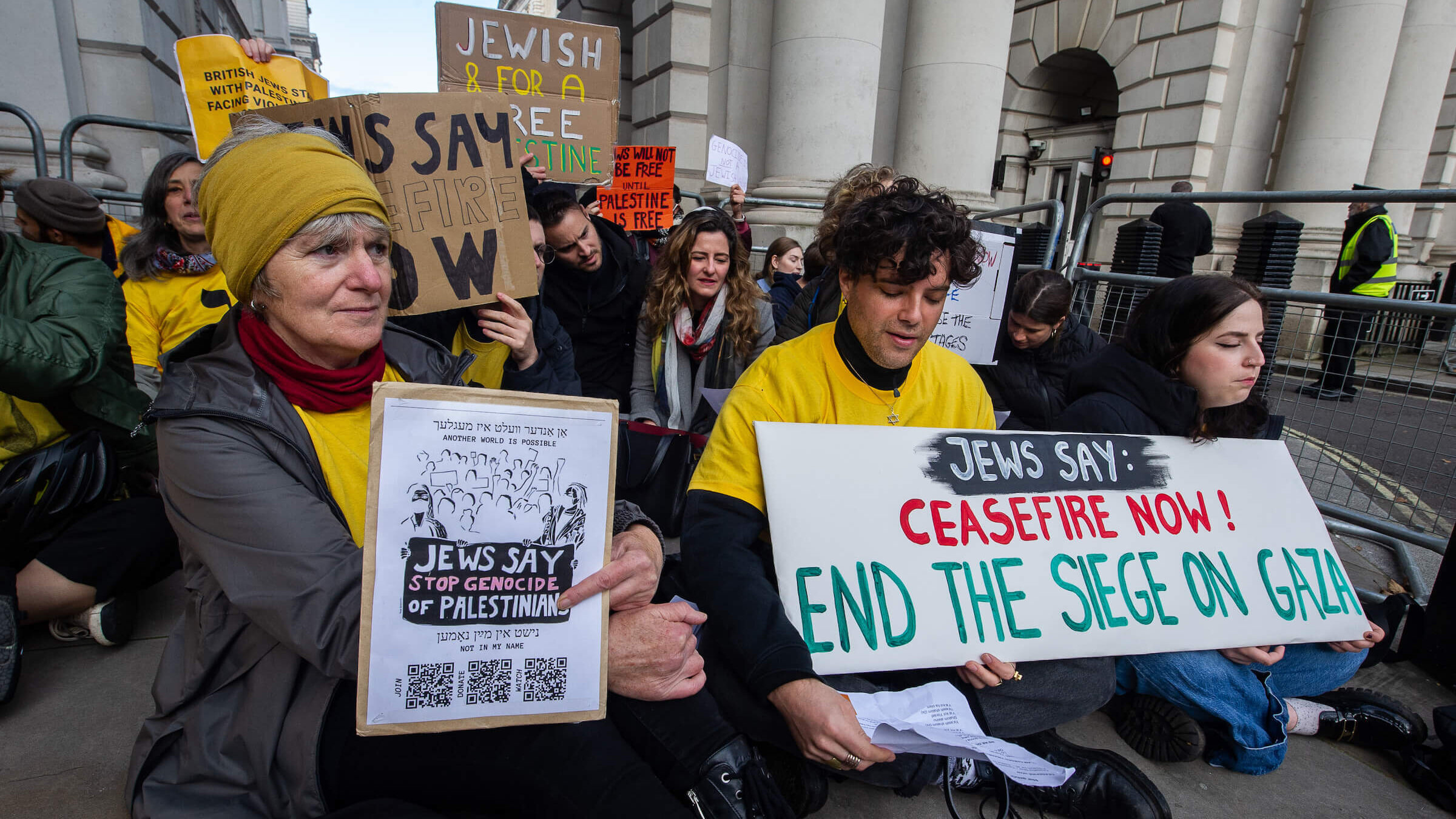
British Jewish anti-occupation activists blocked the walkways into the Foreign Office in London on Wednesday to demand a cease-fire. Photo by Guy Smallman/Getty Images)

I have some questions for my colleagues on the left.

We’ve worked together for years. We’ve had happy hours and coffees, and taken our kids on playdates. We’ve worked to pass bills and elect public servants together. We have marched together, celebrated and mourned together. 

We have carefully avoided the subject of Israel, and when we have discussed it, we have set firm boundaries to assure our friendships weren’t destroyed. 

Now we can avoid it no longer. 

Many of you are demanding a cease-fire. I can understand why. 

I too mourn the loss of innocent life, especially the children. The loss of entire families in Gaza fills me with grief. I have supported peace my whole life. 

But I am not ready to advocate for a cease-fire. And I have some questions for you about why you think you should.

I am struck by the fact that while calls for a cease-fire are loud, few seem to have any clarity about what conditions a cease-fire should require. Hamas’ record with cease-fires is less than reassuring: Just weeks ago Hamas broke a cease-fire in order to launch a horrific attack on Israeli civilians during a national holiday. Former Secretary of State Hillary Clinton recently said that a cease-fire would be a “gift” to Hamas, as they would only use it to rebuild and repair their capacity to launch attacks. And senior Hamas officials have openly said they aim to repeat these terror attacks “over and over” until “Israel is destroyed.”

Whatever you think of Israel’s actions, it is unreasonable and unjust to ask Israel to unilaterally disarm after being victims of the deadliest day of violence against Jews since the Holocaust — especially in the face of such threats. 

Have you so quickly forgotten that Hamas launched this war by massacring close to 1,400 Israelis in an unprovoked attack that targeted innocent civilians? Hamas massacred children in their beds, slaughtered music lovers at a celebration of peace, used rape as a weapon of war, and kidnapped at least one elderly Holocaust survivor to use as a hostage, as well as dozens of children.

Don’t Israeli victims of terror deserve justice too? Isn’t the least we can give them a pledge to do everything we can to ensure no one else suffers atrocities at Hamas’ hands — a pledge that a cease-fire with Hamas might make difficult to uphold?

So: What concession would you argue must Hamas face in order to secure a cease-fire, both in acknowledgment of the horror they’ve inflicted on Israel, and to ensure the group would actually observe such an agreement? Would you demand Hamas surrender? Agree to extradite its leadership to stand trial? Free hostages taken from Israel? Hold elections — a basic democratic responsibility it has refused to fulfill time and again?

If Israel agrees to a cease-fire, will my friends on the left finally hold Hamas accountable on the international stage — for their crimes against Israelis and Palestinians alike? 

I’ll remind you that you repeatedly chant that “Palestinian lives matter” — but where have your voices been as Hamas has executed and tortured Palestinians, set Palestinians up to be used as human shields, and used a fortune in international aid money to fund weapons to use against Israel rather than basic humanitarian systems for the territory they govern? Will your call for care for Palestinian lives finally include accountability for the terror group that has destroyed so many of them?

Or do Palestinian lives only matter to you when you can dehumanize Jews?

Perhaps most importantly: How will you reckon with Israel’s clear need to defend itself — a need more apparent now than any time in recent decades?

For the past 20 years parts of the American left have decried every single Israeli security measure as unjust and racist. Every wall is apartheid, every fence is oppression, every checkpoint is racism. Israel’s blockade, enacted after Hamas violently seized control of the Gaza strip in 2007, creates an “open-air prison.” I must have heard that phrase a thousand times, and I still have no idea what it means. Even the Iron Dome, which does not harm Palestinians and saves Israeli lives, you wanted to defund.

Remember when you assured me that those rockets were just falling in fields and would never do real harm? You were wrong. Not only have the rockets gotten worse, but we now know Hamas can and will launch mass atrocities against Israel. If you oppose every attempt to keep Israelis safe, you are sending the message that Jewish blood is cheap — and encouraging groups like Hamas, which explicitly treat it as such.

The fact that cease-fire calls have focused almost exclusively on Israel shows me that there is a deep antisemitic rot within the left that has conditioned people to view Jewish lives as less important. American leftists have minimized Israeli losses, dehumanized Israelis, endorsed violence and inflamed the conflict with outlandish rhetoric for years. You wanted to “globalize the intifada.” Every time you yelled these things you damaged efforts to build peace.

You have used your rhetoric to erase the existence of Mizrahi Jews, Ethiopian Jews and other Jews of color to claim that Israel is an entirely white state populated by European colonizers. You ignored Jews’ clear claims of indigenousness to the Levant and claimed we were “settler colonialists.” You justified terrorism and worked to demonize Zionism. 

When your rhetoric sounds exactly like that of far-right white nationalists, doesn’t that disturb you? From hate crimes in London to violent intimidation at Cooper Union, you have helped to make Jews less safe: Early data shows a 388% increase in incidents of antisemitism since Oct. 7. 

American Jews have been a critical part of a strong vibrant left throughout American history. We were at the forefront of the labor movementmarched for civil rights, stood at Stonewall, fought for women’s rightsgay marriage, and much more. I am deeply grateful to those on the left, from elected officials to activists to writers, who have awakened to antisemitism and are standing tall against it. I am deeply grateful to President Biden, who has declined calls for a cease-fire and said he supports a “pause” to provide time to free prisoners, and the leaders across Congress who have stood strong with Israel and stood against rising antisemitism. 

I am grateful for those pushing Israel to be the most just and moral it can be, in good faith.

The left is meant to prioritize justice, equality and dignity. You cannot be the left if you endorse authoritarianism, terrorism, and brutality. There should be no space on the left for those attempting to justify, excuse or “contextualize” Hamas’ attack on Israel.

We are stronger together when we fight hate, poverty, cruelty and systemic injustice and oppression. If you look at Jewish children and see combatants that do not deserve defending, your progressive principles are lacking. If your desire to end hate stops when you see a Star of David, you are abandoning those principles to stand with the same bigots we are supposed to fight together. If you cannot allow the horrors of the Simchat Torah massacre to change your perspective, than it is not the pro-Israel Jew who no longer belongs on left. It’s you. 


Zawartość publikowanych artykułów i materiałów nie reprezentuje poglądów ani opinii Reunion’68,
ani też webmastera Blogu Reunion’68, chyba ze jest to wyraźnie zaznaczone.
Twoje uwagi, linki, własne artykuły lub wiadomości prześlij na adres:
webmaster@reunion68.com


A zwycięzcą jest – Hamas!

A zwycięzcą jest – Hamas!

Alan M. Dershowitz
Tłumaczenie: Małgorzata Koraszewska


Co się stanie, jeśli pozwolimy Hamasowi wygrać tę wojnę? Jeśli Hamas otrzyma pozwolenie na osiągnięcie swojego celu przez masowe morderstwa, porwania i gwałty? Na zdjęciu: ludność Gazy świętuje 25. rocznicę powstania Hamasu w grudniu 2012 roku. (Źródło zdjęcia: Wikipedia)

Co się stanie, jeśli pozwolimy Hamasowi wygrać tę wojnę? Jeśli Hamas otrzyma pozwolenie na osiągnięcie swojego celu przez masowe morderstwa, porwania i gwałty? Jeśli ofiary tych okrucieństw – naród Izraela i wszystkie kraje walczące z terroryzmem – przegrają? Jeśli perspektywy pokoju w regionie i Wolnym Świecie zostaną poważnie zniszczone? Jeśli stosunki między USA i Izraelem oraz utrata wiary w USA jako gwaranta wolności będą nadal się pogarszać?

Administracja Bidena może nagrodzić palestyńskich terrorystów, jednostronnie uznając państwo palestyńskie, które oczywiście wkrótce zostanie zmilitaryzowane. Niepowodzenie UNIFIL- u w utrzymaniu pokoju w południowym Libanie i UNRWA w walce z terroryzmem w Gazie powinno sugerować ostrożność.

Jeżeli takie będą wyniki obecnej wojny, Hamas otrzyma zachętę do powtarzania swoich zbrodni  – tak jak zapowiedział, że będzie to robił „raz za razem”, nie tylko w Izraelu, ale w innych krajach zachodnich, w tym w naszym. Dlaczego nie? Jeśli zbrodnia opłaca się, zostanie powtórzona. To jeden z powodów, dla których karzemy przestępstwa. Prezydent Joe Biden powiedział to samo w odniesieniu do rosyjskich zbrodni przeciwko Ukrainie. Słusznie ostrzegł, że jeśli pozwoli się Putinowi odnieść korzyści z ataku na Ukrainę, będzie to zachętą do atakowania innych narodów. Biden ma co do tego rację. Dlaczego nie powiedział tego samego o Hamasie? Dlaczego próbuje uniemożliwić Izraelowi pokonanie Hamasu? Czy wynika to z obawy przed utratą głosów skrajnie lewicowych, antyizraelskich Demokratów?

Biden ignoruje – i słusznie –  tych amerykańskich wyborców, którzy są zwolennikami Putina, ale słucha wyborców antyizraelskich. Dlaczego kapituluje przed groźbami ze strony elementów skrajnie lewicowych w Partii Demokratycznej? Takie postępowanie jest niewłaściwe nie tylko moralnie i dyplomatycznie; jest to głupie politycznie. Ci ekstremistyczni antyizraelscy fanatycy nie zadecydują o wyniku wyborów prezydenckich w 2024 roku. Zrobią to wyborcy centrowi, tacy jak ci, którzy niedawno wybrali Thomasa Souzziego do Kongresu. A centrowi wyborcy popierają Izrael a nie Hamas.

Antyizraelscy lewicowcy nie będą głosować na Trumpa, który jest bardziej proizraelski niż Biden. Prawdopodobnie nie zostaną w domu w dniu wyborów i nie pomogą w ten sposób Trumpowi. Z drugiej strony wyborcy centrowi prawdopodobnie zagłosują przeciwko Bidenowi, jeśli uznają, że ma on zobowiązania wobec Szwadronu lub innych antyamerykańskich „przebudzonych” ekstremistów.

Choć krajowe implikacje wyborcze słabnącego poparcia Bidena dla Izraela są ważne, implikacje międzynarodowe mają znacznie ważniejsze konsekwencje. Świat będzie znacznie mniej bezpiecznym miejscem, jeśli uniemożliwi się Izraelowi pokonanie Hamasu i demontaż jego zdolności militarnych. Wydaje się, że podwójne standardy, które Biden stosuje do zwycięstwa Rosji, które słusznie uważa za niedopuszczalne, oraz do zwycięstwa Hamasu, które wydaje się być skłonny tolerować, są niewytłumaczalne w świetle racjonalnej polityki USA i podstawowej przyzwoitości.

Biden musi być tak samo oddany zapobieżeniu zwycięstwu Hamasu, jak zapobieżeniu zwycięstwu Rosji. Nie jest to jednak jego obecne podejście. Zamiast tego skupia się na wskaźniku zgonów wśród cywilów w Gazie. Nie mamy też pojęcia, ilu niewinnych cywilów w porównaniu z terrorystami i tymi, którzy im pomagają, jest wśród zabitych w Gazie. Nie mamy również pojęcia, ilu zabitych zostało wykorzystanych przez Hamas jako ludzkie tarcze lub zostało zabitych przez wadliwe rakiety terrorystów ze Strefy Gazy, które uderzyły we własną ludność. Nie możemy po prostu zaakceptować stronniczych danych przekazanych  przez agentów propagandy Hamasu, którzy już zdyskredytowali się, udzielając fałszywych informacji, i przyłapano ich również na strzelaniu do własnych obywateli, aby uniemożliwić im szukania bezpieczeństwa w południowej Gazie, do czego namawiali ich Izraelczycy.

Izrael robi wszystko, co jest możliwe, aby zmniejszyć liczbę ofiar cywilnych, podczas gdy Hamas próbuje ją zwiększyć po obu stronach. Polityka amerykańska powinna polegać na pomaganiu Izraelowi w pokonaniu Hamasu i zapobieganiu odrodzeniu się i rozprzestrzenianiu jego terroryzmu przeciwko ludności cywilnej, a nie na pomaganiu Hamasowi w zapewnieniu zwycięstwa przez wiązanie Izraelowi rąk.

Tragiczna rzeczywistość jest taka, że Hamas wygrywa wojnę – przynajmniej według własnej definicji zwycięstwa. Zwrócił opinię światową przeciwko Izraelowi, szczególnie wśród młodych. Doprowadził do popsucia stosunków Izraela z Ameryką. Zaangażował Międzynarodowy Trybunał Sprawiedliwości i Organizację Narodów Zjednoczonych. Zniszczył perspektywy pokoju z Arabią Saudyjską. Popsuł stosunki między Izraelem a jego sąsiadami. Wzmocnił także poparcie dla siebie wśród Palestyńczyków na Zachodnim Brzegu.

Koszty były wysokie, ale większość z nich poniosła palestyńska ludność cywilna i Izraelczycy. Hamasu zupełnie nie obchodzi śmierć Palestyńczyków, czego dowodem jest fakt, że nigdy nie zapewniał schronienia ludności cywilnej, budując jednocześnie rozległe tunele, aby chronić własnych bojowników. Świat może postrzegać szkody wyrządzone Gazańczykom jako cenę zwycięstwa Hamasu, ale Hamas nie widzi tego w ten sposób.

Tak więc, jeśli administracja Bidena nie zmieni kursu i nie będzie zachęcać Izraela do osiągnięcia uzasadnionego celu militarnego, jakim jest pokonanie Hamasu, terroryzm zwycięży, a cywilizacja przegra.


Alan M. Dershowitz – Amerykański prawnik i komentator spraw międzynarodowych. Emerytowany wykładowca prawa konstytucyjnego (w 1967 roku w wieku lat 28 został najmłodszym profesorem zwyczajnym prawa w historii Harvard Law School). Dershowitz jest autorem wielu książek, wśród których najgłośniejszą jest The Case for Israel (2003). Jest to książka, z którą można się zgadzać lub nie, ale która jest obowiązkową lekturą dla każdego, kto próbuje zrozumieć zawikłany obraz konfliktu na Bliskim Wschodzie oraz sposobu postrzegania Izraela przez resztę świata.


Zawartość publikowanych artykułów i materiałów nie reprezentuje poglądów ani opinii Reunion’68,
ani też webmastera Blogu Reunion’68, chyba ze jest to wyraźnie zaznaczone.
Twoje uwagi, linki, własne artykuły lub wiadomości prześlij na adres:
webmaster@reunion68.com


Palestyńscy terroryści, szpitale i perspektywy państwa palestyńskiego

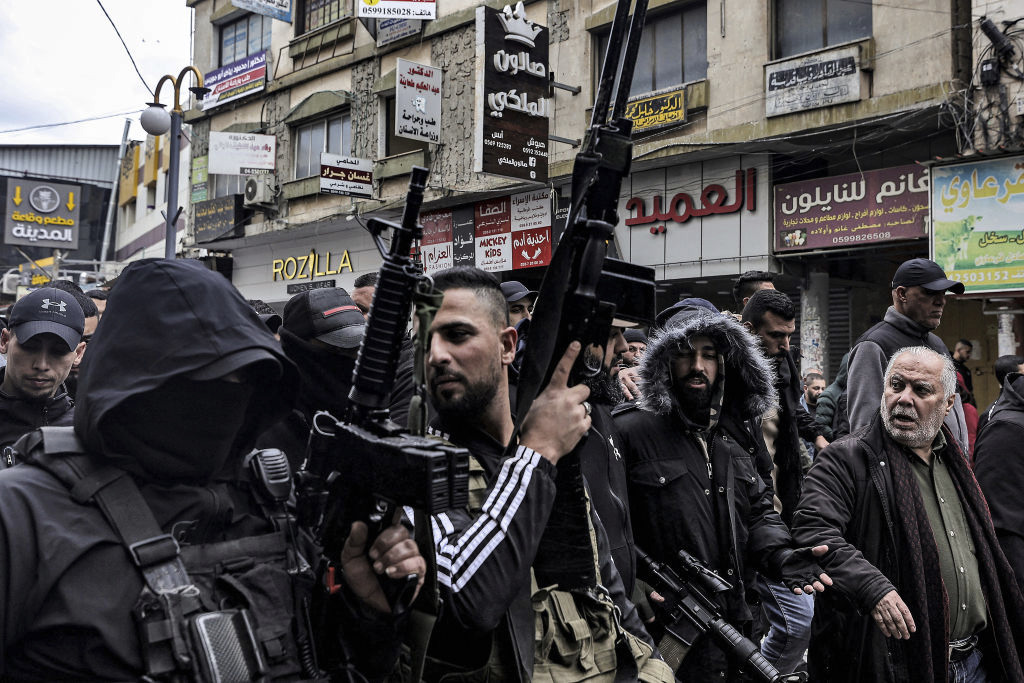
30 stycznia izraelskie siły bezpieczeństwa zlokalizowały i zabiły trzech palestyńskich terrorystów ukrywających się w szpitalu specjalistycznym Ibn Sina w Dżeninie. Terroryści planowali atak na Izraelczyków inspirowany masakrą Hamasu 7 października 2023 r. Na zdjęciu: Uzbrojeni terroryści maszerują w Dżeninie 20 stycznia 2024 r. (Zdjęcie: Zain Jaafar/AFP via Getty Images)


Palestyńscy terroryści, szpitale i perspektywy państwa palestyńskiego

Bassam Tawil
Tłumaczenie: Andrzej Koraszewski


Szpital Specjalistyczny Ibn Sina to jedna z kilku placówek medycznych w mieście Dżenin na Zachodnim Brzegu, które znajduje się pod wyłączną kontrolą Autonomii Palestyńskiej (AP). W związku z tym szpital działa na podstawie licencji wydanej przez Ministerstwo Zdrowia AP.

30 stycznia izraelskie siły bezpieczeństwa znalazły i zabiły trzech palestyńskich terrorystów ukrywających się w szpitalu. W oświadczeniu wydanym przez wspieraną przez Iran grupę Hamas zidentyfikowano trzech terrorystów jako Mohammeda Walida Dżalamneha oraz braci Mohammeda i Basela al-Ghazawi. Al-Dżalamneha opisano jako dowódcę zbrojnego skrzydła Hamasu, Brygad Izaddin al-Kassam, podczas gdy Palestyńczycy określili obu braci jako mudżahedinów (świętych wojowników) należących do Hamasu i Palestyńskiego Islamskiego Dżihadu, kolejnej wspieranej przez Iran palestyńskiej terrorystycznej grupy.

Trzej terroryści nie przybyli do szpitala po pomoc medyczną lub w celu odwiedzin chorych krewnych. Ukrywali się w szpitalu przez kilka tygodni, bo wiedzieli, że poszukają ich izraelskie siły bezpieczeństwa. Natomiast Izraelczycy nie szukali ich, ponieważ nie zapłacili rachunków za prąd i wodę.

Według władz izraelskich terroryści planowali atak inspirowany masakrą Hamasu z 7 października 2023 r., podczas której zamordowano 1200 osób, ścinając głowy, gwałcąc, kalecząc i paląc ludzi żywcem. Dżalamneh, zlikwidowany przywódca komórki terrorystycznej, był wcześniej ranny podczas przygotowywania samochodowego ataku bombowego. Utrzymywał kontakt z funkcjonariuszami Hamasu za granicą, prawdopodobnie w Katarze, Libanie i Turcji, i dostarczał broń innym terrorystom w ramach przygotowań do ataków na Izraelczyków. Dżalamneh był także rzecznikiem Brygad Izaddin al-Kassam w rejonie Dżenin i często pojawiał się w mundurze wojskowym i w masce, aby czytać oświadczenia swojej grupy.

Obecność w szpitalu bojowników Hamasu i Palestyńskiego Islamskiego Dżihadu nie zaskoczyła tych, którzy śledzili i dokumentowali wykorzystywanie szpitali przez palestyńskie grupy terrorystyczne jako bezpiecznego schronienia i bazy dla ich działalności. Od początku obecnej wojny między Hamasem i Izraelem potwierdzono, że szpitale są preferowanymi przez Hamas centralnymi miejscami działań terrorystycznych. Infrastruktura terrorystyczna w szpitalach ma zapewnić terrorystom optymalną ochronę w czasie wojny, poprzez wykorzystanie przestrzegania przez Izrael praw konfliktów zbrojnych i unikanie przeprowadzania ataków na szpitale i inne miejsca, takie jak szkoły i meczety, które są chronione na mocy Konwencji Genewskich (chyba że są wykorzystywane do celów wojskowych; a wtedy nie są już chronione).

Izraelskie Siły Obronne (IDF) udokumentowały konsekwentną i systematyczną metodę działania grup terrorystycznych.

Nad ziemią, na poszczególnych piętrach szpitalnych budynków, obok normalnych oddziałów, które istnieją w każdym szpitalu, organizacje terrorystyczne przechowują broń i sprzęt wojskowy. Wśród broni znalezionej w szpitalach znalazły się granaty ręczne, materiały wybuchowe i RPG (granaty o napędzie rakietowym).

Dowódcy oddziałów terrorystów Hamasu przebywają w szpitalach w czasie wojny, nawet korzystając z oddziałów intensywnej terapii, gdzie w razie potrzeby przebierają się za “pacjentów” lub personel medyczny.

W podziemiach szpitali, obok biur terrorystów, znajdują się wyjścia łączące z podziemną infrastrukturą operacyjną oraz z centrami dowodzenia i kontroli Hamasu, infrastrukturą komunikacyjną i urządzeniami technologicznymi.

Pod kompleksami szpitalnymi w Gazie znajduje się podziemna sieć tuneli terrorystycznych prowadzących ze szpitali do pobliskich baz terrorystycznych.

Na terenie szpitali IDF odkryła pojazdy załadowane bronią, w tym w szpitalu Al-Shifa w Gazie, a także tunele operacyjne pod szpitalami przeznaczone do zasadzek na żołnierzy IDF. Ponadto Hamas celowo umieścił infrastrukturę terrorystyczną w pobliżu szpitali, przy założeniu, że Izrael będzie starał się unikać obierania za cel tych lokalizacji, ponieważ mogłoby to zostać przedstawione jako atak na same szpitale.

Ahmad Kahalot, dyrektor szpitala Kamal Adwan w Gazie, przyznał, że Hamas zamienił szpitale w kontrolowane przez siebie obiekty wojskowe. Podczas przesłuchania przez izraelską Agencję Bezpieczeństwa Kahalot ujawnił, jak Hamas wykorzystuje szpitale do celów wojskowych, w tym do przechowywania broni, ukrywania swoich agentów i łączności dla członków Hamasu.

Hamas, powiedział Kahalot, przywiózł nawet schwytanego izraelskiego żołnierza do szpitala. Kahalot, aresztowany 12 grudnia 2023 r., powiedział, że należy do Hamasu od 2010 r.

“Zostałem zwerbowany do Hamasu w 2010 roku w stopniu generała brygady” – ujawnił podczas przesłuchania. “W szpitalu są pracownicy, którzy są agentami wojskowymi Brygad Izaddin al-Kassam – lekarze, pielęgniarki, ratownicy medyczni, urzędnicy i inni członkowie personelu”.

Według Kahalota członkowie Hamasu ukrywają się w szpitalach, które, jak wiedzą, są “chronione”. “Ukrywają się w szpitalach, ponieważ dla nich szpital jest bezpiecznym miejscem. Kiedy znajdą się w szpitalu, nie będą celem” – powiedział. “Znam 16 pracowników szpitala – lekarzy, pielęgniarki, ratowników medycznych i urzędników… którzy również zajmują różne stanowiska w Al-Kassam”.

Zaskakujące i rozczarowujące jest to, że wiele osób w społeczności międzynarodowej i mediach, w tym Światowa Organizacja Zdrowia (WHO), w dalszym ciągu ignoruje – a nawet zaprzecza lub tuszuje działania terrorystów w szpitalach.

Podczas niedawnej sesji z zarządem WHO ambasador Izraela Meirav Eilon Szahar powiedziała, że Hamas “jest osadzony w szpitalach”.

Szahar zauważyła, że “w każdym szpitalu, który IDF przeszukała w Gazie, znalazła dowody wojskowego wykorzystywania szpitala przez Hamas” . “Są to niezaprzeczalne fakty, które WHO raz za razem ignoruje. To nie jest niekompetencja, to zmowa”.

W Dżeninie terroryści znaleźli schronienie w szpitalu podlegającym Ministerstwu Zdrowia Autonomii Palestyńskiej. Można z dużą pewnością założyć, że wielu pracowników, w tym administracja specjalistycznego szpitala Ibn Sina, było świadomych obecności bandytów w jednej z sal dla pacjentów. Co zrobili administratorzy szpitali i lekarze, aby usunąć terrorystów ze szpitala? Nic. Co zrobiło Ministerstwo Zdrowia AP, aby mieć pewność, że terroryści zostali wydaleni ze szpitala? Nic.

AP, niewątpliwie świadoma obecności terrorystów w szpitalu, ma w Dżeninie wiele agencji bezpieczeństwa i wywiadu; są znani ze swojej silnej kontroli nad miastem. Czy rząd AP nakazał swoim funkcjonariuszom bezpieczeństwa usunięcie terrorystów ze szpitala w trosce o bezpieczeństwo personelu medycznego i pacjentów? NIE.

Zamiast potępiać Hamas i Palestyński Islamski Dżihad za przekształcenie szpitala w bezpieczną przystań dla terrorystów i wykorzystanie go jako bazy do planowania kolejnej masakry Izraelczyków, AP szybko potępiła Izrael za wyeliminowanie bandytów, którzy, nawiasem mówiąc, należą do dwóch grup sprzeciwiających się Autonomii Palestyńskiej. Premier AP Mohammad Sztajjeh oskarżył izraelskie siły bezpieczeństwa o “szturmowanie szpitali i przeprowadzanie egzekucji ma ich terenie na pacjentach, przy jednoczesnym zastraszaniu innych pacjentów i lekarzy”.

Zamiast podziękować izraelskim siłom bezpieczeństwa za pozbycie się terrorystów ukrywających się na terenie szpitala, Tawfik al-Szoubaki, dyrektor szpitala specjalistycznego Ibn Sina, również potępił akcję izraelskich sił bezpieczeństwa jako “niebezpieczny precedens”.

Wissam Subeihat, dyrektor służby zdrowia w Dżenin z ramienia Ministerstwa Zdrowia AP, potępił likwidację terrorystów jako “zbrodnię” i wezwał organizacje międzynarodowe do “pociągnięcia Izraela do odpowiedzialności”. Subeihat twierdził również fałszywie, że podczas akcji izraelscy żołnierze zaatakowali personel medyczny.

W świetle niechęci AP, jej ministerstwa zdrowia i palestyńskich sił bezpieczeństwa do wydalenia terrorystów ze szpitala w Dżenin, wydaje się, że plan administracji USA dotyczący sprowadzenia AP z powrotem do Strefy Gazy w celu zastąpienia Hamasu i utworzenia państwa palestyńskiego jest czymś więcej niż tylko głupotą.

Ponadto utworzenie państwa palestyńskiego bez zgody Izraela byłoby drastycznym naruszeniem Porozumień z Oslo. Nieprzerwane działania, a raczej bierność AP stanowią kolejny dowód na to, że wbrew temu, co uważa administracja USA, AP nie da się “zrewitalizować”. AP nigdy nie występowała jako partner pokojowy Izraela. Władze Autonomii nieustannie podżegały swój naród przeciwko Izraelowi i Żydom, zaprzeczając żydowskim powiązaniom religijnym z Izraelem, Jerozolimą i Wzgórzem Świątynnym, jednocześnie oskarżając Żydów o “bezczeszczenie ” islamskich świętych miejsc oraz prowadząc wojny dyplomatyczne i prawne w celu delegitymizacji i izolacji Izraela we wspólnocie międzynarodowej.

AP najwyraźniej nie ma zamiaru zmieniać swojej polityki gloryfikacji i finansowego nagradzania terrorystów. Przywódcy AP w dalszym ciągu wychwalają terrorystów jako “bohaterów” i odmawiają zaprzestania swojej polityki płacenia miesięcznych stypendiów Palestyńczykom, którzy mordują Żydów.

Incydent w Dżeninie jest kolejnym dowodem, że nie można ufać AP, iż będzie egzekwować prawo i porządek lub powstrzymywać terrorystów w Strefie Gazy, gdyby przekazano im tam władzę. Dziś Autonomia Palestyńska na Zachodnim Brzegu, nie robi nic, aby powstrzymać Hamas i innych terrorystów od kontynuowania swojej działalności mającej na celu mordowanie Żydów i unicestwienie Izraela. Nie ma żadnych dowodów na to, że w Gazie zachowałaby się inaczej. Wiele wskazuje na to, że wręcz przeciwnie.


Bassam Tawil jest muzułmańskim badaczem i publicystą mieszkającym na Bliskim Wschodzie.


Zawartość publikowanych artykułów i materiałów nie reprezentuje poglądów ani opinii Reunion’68,
ani też webmastera Blogu Reunion’68, chyba ze jest to wyraźnie zaznaczone.
Twoje uwagi, linki, własne artykuły lub wiadomości prześlij na adres:
webmaster@reunion68.com


What Americans don’t get about Israelis fighting for their lives

What Americans don’t get about Israelis fighting for their lives

JONATHAN S. TOBIN


They fail to understand a traumatized nation facing genocidal foes—one that is united behind a war whose aim is the preservation of their very existence.

.
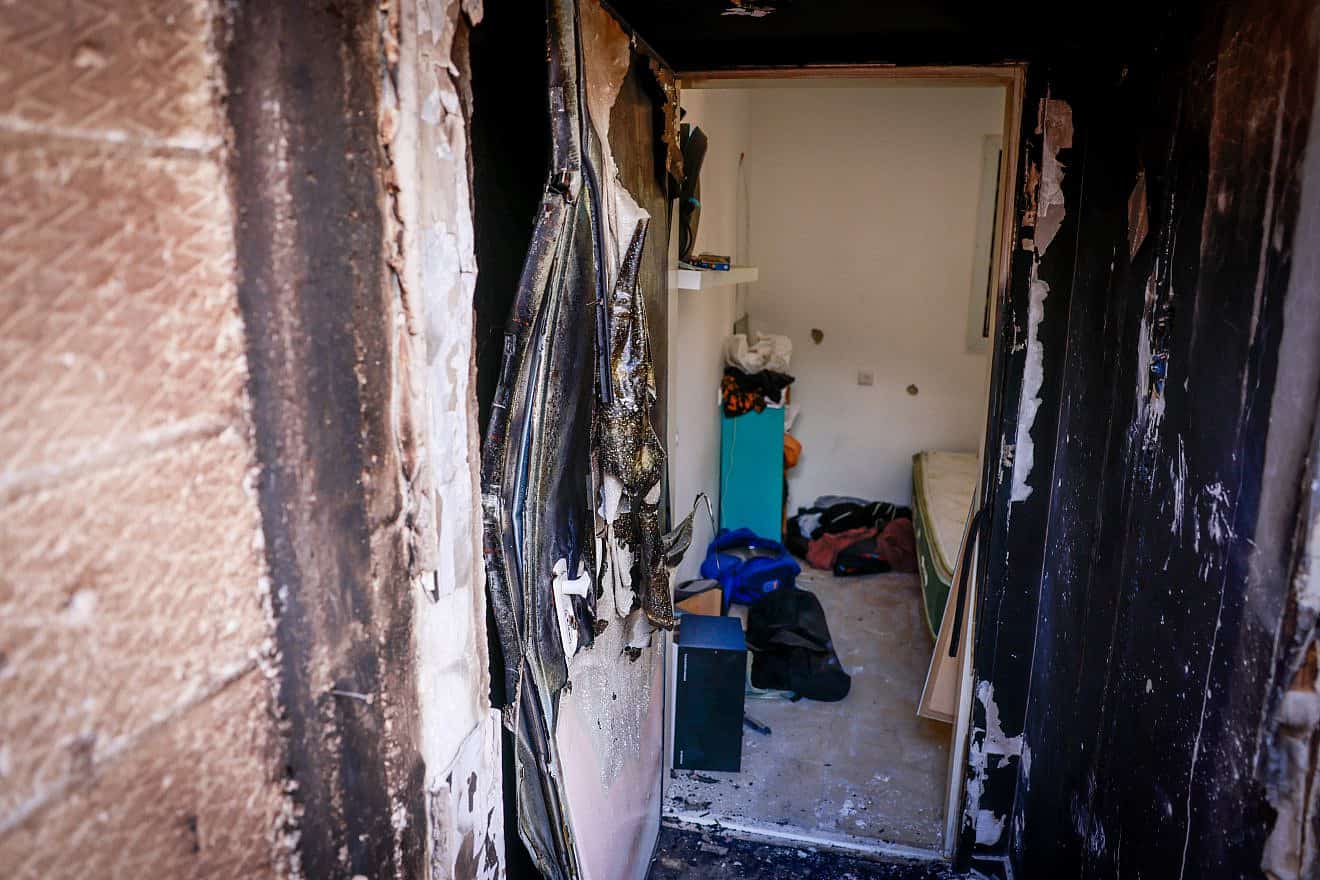
A view of the destruction perpetrated by Hamas terrorists on Oct. 7 in Kibbutz Kfar Aza, near the southern Israeli border with Gaza, Oct. 15, 2023. Photo by Chaim Goldberg/Flash90.

The world looks a lot different from Kibbutz Kfar Aza than it does in the United States or any other point on the planet. The difference is obvious in Tel Aviv, Jerusalem or anywhere else in Israel. Throughout the world in most mainstream media accounts and commentary from supposedly enlightened members of the chattering classes, the current war being fought in Gaza between Israel and Hamas is seen as merely the latest twist in a long cycle of violence between Israelis and Palestinians. From that perspective, it’s just more evidence of the cruelty of war to which the only possible moral response is to tell everyone involved to stop it, especially when the alleged underdogs—the Palestinians—are being defeated.

To those who look on from afar, the history of the conflict or the rights and wrongs of how the war started—even the unspeakable atrocities committed on Oct. 7 at Kfar Aza and 21 other Israeli communities when Palestinians associated with Hamas violated a ceasefire, crossed the border and murdered, raped, tortured and kidnapped people—are just details that act to incite the combatants.

But those details matter, especially if they involve the right to live in safety and relative peace.

A just war

This war is between a democratic nation fighting for its existence against an Islamist movement whose goal is the destruction of Israel and the Jewish people. Yet many outside of Israel, even those who do know the history and essential nature of the two sides in this struggle, such as President Joe Biden and U.S. Secretary of State Antony Blinken, are increasingly speaking as if the only thing to do is to end the war as soon as possible. They say the aftermath of the war must mean that Hamas survives—and gets away with mass murder. That means the Palestinians are rewarded for such abominations with an independent state that will likely have the ability to pursue the terrorist organization’s goal for many more days like Oct. 7. Somehow, that makes sense in Washington and other places.

But not in Israel.

The overwhelming majority of Israelis, including many, if not most, of those who oppose Prime Minister Benjamin Netanyahu, see it very differently. And to understand why, maybe you need to go to Kfar Aza and see the ruins and makeshift memorials to the people who lived in that small kibbutz near the Gaza border who were brutally murdered, raped or kidnapped by Palestinians.

If so, you’ll soon realize that the battle with Hamas isn’t one about Israelis ruthlessly harming Palestinians. Nor is it about “white” oppressors seeking to dominate powerless “people of color,” as many left-wing Americans think. Nor is it one in which tired diplomatic theories about a “two-state solution,” which have repeatedly been rejected by the Palestinian people, can be employed to get a messy situation under control, not to mention ease some of Biden’s political problems.

To be in Israel during this war is to experience both the strength and the fragility of the Jewish state. Yet the general public wouldn’t necessarily think that if all they know of the Middle East is what’s seen on news shows. After all, life goes on pretty much as normal, even if some businesses and farming areas in southern and northern Israel have clearly suffered due to the absence of employees because so many people have been called into active military service. The buses and trains are running, and people still go to the movies and concerts, as well as other normal activities.

The hotels are also full, but not with tourists. That is a key giveaway that something isn’t right. Walk into many hotels in Jerusalem or Tel Aviv, and something is a little off. They’re packed with people but not tourists on vacation from abroad. Chat with even a few of the hundreds of thousands of Israelis—families with small children and elderly people prominent among them—who were forced to flee their homes in the south near Gaza and the north near Lebanon, and you get a view of the war that is omitted in the breathless coverage of Palestinian suffering.

These people were chased out of their homes by either the Oct. 7 attacks and continued rocket fire by Hamas, or the ongoing missile fire from Hezbollah. They can’t go home until the terrorist threat at both borders is eliminated.

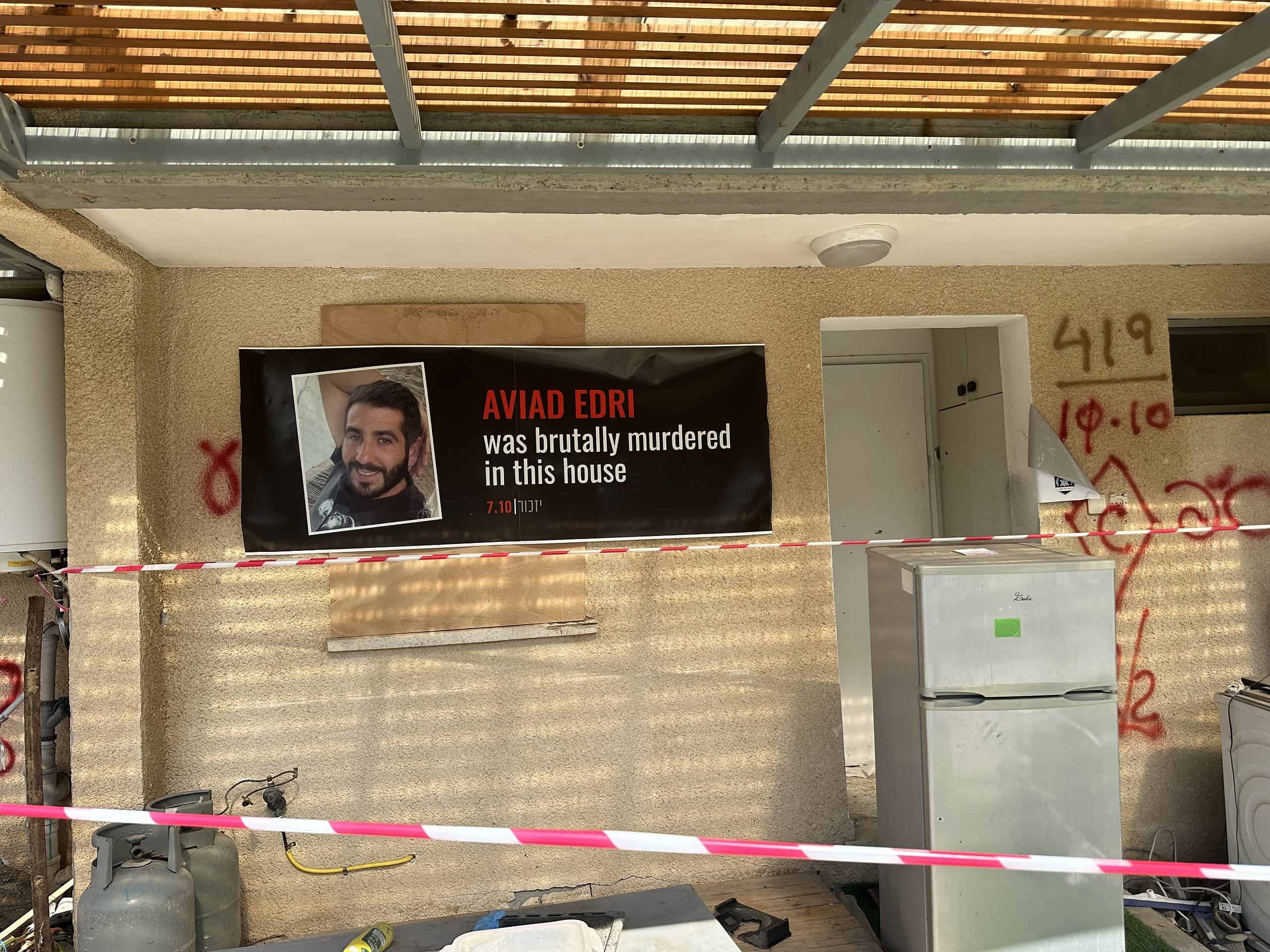
A poster in memory of Aviad Edri, who was murdered on Oct. 7 in Kibbutz Kfar Aza by Hamas terrorists. Photo by Jonathan S. Tobin.

A country united by grief and determination

To understand what’s going on, you need to talk to Israelis who have been called back into the military and willingly risking their lives fighting in Gaza. Though they’re eager to resume their regular lives, many I spoke with are just as ready to return to the battlefield because they know the job of destroying a deadly threat to their country isn’t finished. While international opinion deplores the possibility that Israel will attack the city of Rafah—Hamas’s last major enclave inside Gaza—few Israelis I spoke to, including those who have served, are prepared to halt the war until all of the perpetrators of the Oct. 7 massacres are stripped of the ability to repeat their crimes.

You don’t have to do a lot of reporting before you realize that morale among Israeli soldiers is high and stretches across all the cultural, political and religious debates that divide Israeli society. It’s not because they relish war or bloodshed. They don’t want to kill Palestinians and also grieve the loss of so many of their comrades—casualties made more likely because of the strict rules of engagement that prevent the Israel Defense Forces from fully utilizing the firepower at their disposal to lower the number of civilians killed because Hamas uses them as human shields.

Their spirit remains strong. They know that what they are doing has nothing to do with the lies about “apartheid,” settler-colonialism,” “occupation” or “genocide” that are thrown about at antisemitic demonstrations in U.S. cities or on college campuses and are treated as acceptable discourse in mainstream publications like The New York Times.

Israeli soldiers—young conscripts and veteran reservists alike—aren’t down about the war because they know that what they are doing is defending their homes and families. It’s the civic faith in the justice of their cause that resonates throughout Israeli society and pervades the thinking of those who have sent their loved ones to battle. It is also felt by the grieving families of those who didn’t come home. Israel is a nation that is united by both anguish and determination.

Americans understand war differently

This may come as a shock to Americans, who are used to thinking of wars in a very different way.

Since World War II, Americans were sent to fight dismal and bloody proxy wars in Korea and Vietnam, where the rhetoric about defending democracy against communism rang hollow for many. That was just as true about the attitudes toward the wars fought in Afghanistan and Iraq in this century. Despite any initial enthusiasm about punishing the perpetrators of 9/11 or toppling dictator Saddam Hussein, those conflicts turned into messy quagmires that most Americans—whether on the right or the left—wished to escape. Though the opponents of the United States were clearly evil, by the time both wars ended in what history will record as defeats, they hardly seemed worth the sacrifice of blood and treasure that had been expended on them. Even before the final rout of Americans during the Biden administration’s disastrous withdrawal from Afghanistan, these wars had already been sealed in the country’s collective memory by both popular culture and the opinion of most serious commentators as terrible mistakes.

Coverage of Israel’s war against Hamas makes it seem as if it is another version of hapless and brutal Westerners fighting Muslims in futile efforts that cannot succeed, similar to the way Americans failed in Iraq and Afghanistan. But the overwhelming majority of Israelis—from secular left-wing Tel Avivians to pious Jerusalemites and all points in between—know their war is different.

They understand that their opponents are not in far-off lands like America’s in recent decades, and their raw violence directly threatens them. Though Israel has prospered in the 75 years since the Jews regained sovereignty in their ancient homeland, it hasn’t known a day of complete peace. Palestinian Arabs, their foreign allies and enablers in the Muslim and Arab world, as well as those in the West and international community, have never given up their quest to destroy the one Jewish state on the planet.

The horrors of Oct. 7 were not a one-off act of despicable and pointless anti-Western terrorism like the Sept. 11 attacks. Israel has suffered many terrorist attacks in which large numbers of civilians were killed by Islamist murderers, but Oct. 7 was the worst of them all. Despite the barbarism shown by the Palestinians involved, what made it resonate throughout Israeli society was the certain knowledge that it was intended as a trailer for what Hamas—and the majority of the Palestinian population that supported and still supports those actions—intends to do to the rest of Israel.

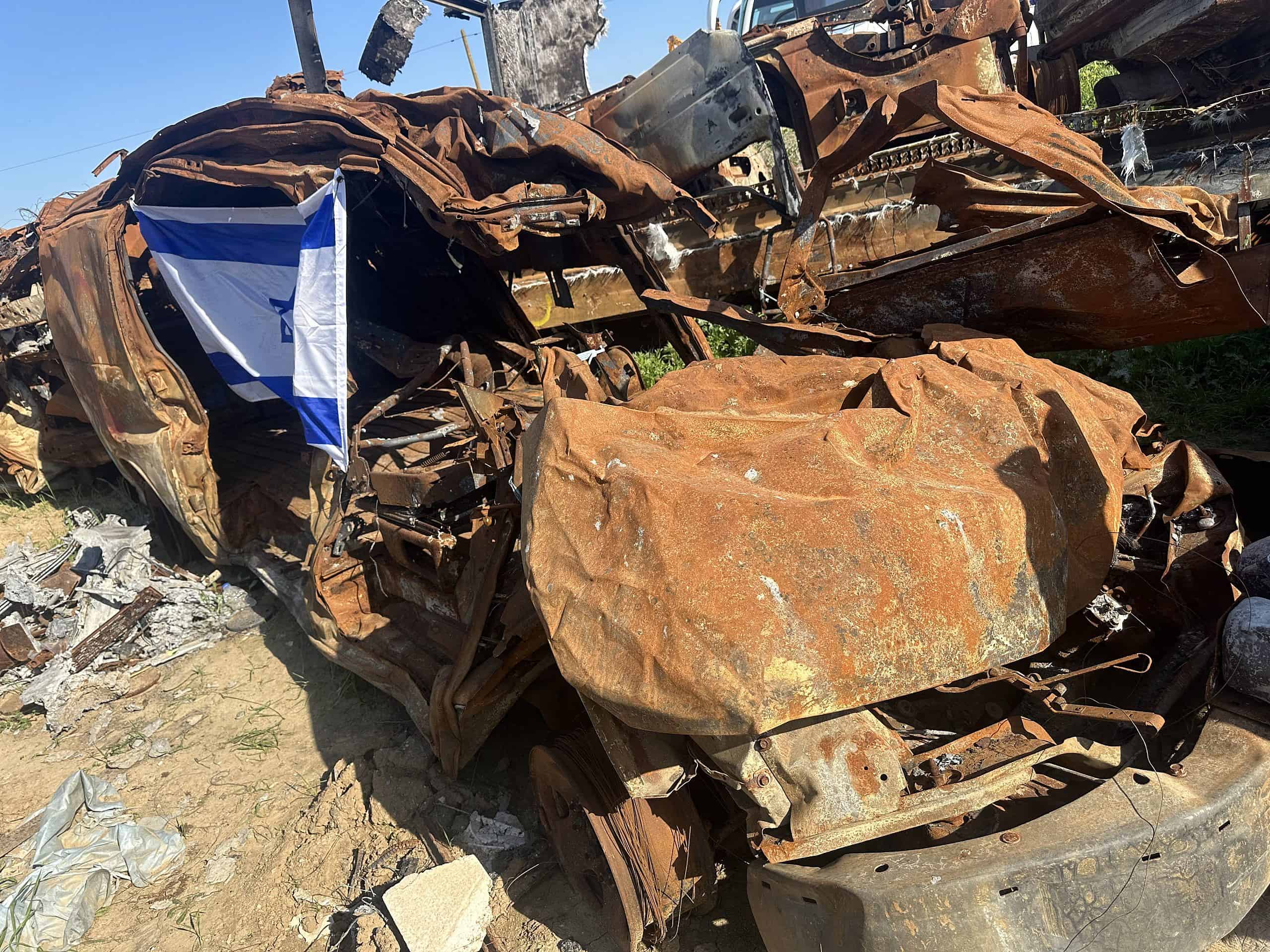
Wrecked cars from attendees of the Nova music festival on Oct. 7 are piled up as a gruesome reminder of the Hamas terrorist attacks in southern Israel. Photo by Jonathan S. Tobin.

Places of pilgrimage

That’s why the view from Kfar Aza, and other Israeli kibbutzim and towns throughout southern Israel, is so different.

The sites of the massacres have become places of pilgrimage for Israelis and visitors to the country—and rightly so. To see the homes in places like Kfar Aza that were riddled with bullets and/or burned by the terrorists, and to learn of the horrible fates of their inhabitants, is a searing experience. The same is true for the fields where the Nova music festival took place, and where hundreds of young people were slaughtered, raped and kidnapped—and which are now filled with makeshift memorials to the victims and those taken hostage. Just as haunting are the nearby fields where the wreckage of hundreds of burned-out cars of festival attendees have been piled up and for the time being, left as a gruesome reminder of their fate.

After a brief period of interest and empathy, most of the international media lost interest in the story of Oct. 7. Americans don’t hear from those who survived the attacks or those who risked their lives to rescue some of the victims. But their stories do resonate with fellow Israelis, who understand that they could have just as easily found themselves the prey of Hamas murderers hunting for Jews to torment and kill on that terrible day.

The fate of the hostages also hangs over the country. The pain of the families of those who are still held in captivity by Hamas is felt by everyone there. And while politics has intruded into the discussion—as the anti-judicial reform movement that paralyzed the country has taken control of the weekly “hostage square” protests in Tel Aviv and focused their animus at Israeli Prime Minister Benjamin Netanyahu rather than Hamas—support for the war effort remains largely unshaken.

The notion of stopping the fighting to allow Hamas to survive while still armed and in control of part of Gaza is widely considered reasonable elsewhere, but not in Israel. There, they understand that if Hamas is allowed to fully escape the consequences of the war it started, it will only mean that it will be allowed to make good on its promise to repeat the Oct. 7 atrocities again and again.

The widespread assumption in America—even among major Jewish organizations that are supposed to have Israel and the Jewish people’s best interests at heart—that a Palestinian state must be created after the war ends is opposed even by most on the Israeli left. They know that rewarding Hamas and its supporters with such a gesture isn’t just an invitation to more bloodshed. It’s also immoral and will ensure that the conflict never ends. The independent Palestinian state in all but name ruled by Hamas in Gaza before Oct. 7 was evidence of what such a “solution” would mean for Israel. They understand that a state in Gaza, as well as one in Judea and Samaria, controlled by genocidal terrorists and their morally equivalent political rivals—the Palestinian Authority and the Fatah Party—could place the entire country in danger.

But that’s hard to see in Washington, even by those not motivated by leftist ideologies to hate Israel and to cheer the slaughter of Jews. Still, it’s a truth that is hard to escape when looking at the ruins of Kfar Aza.


JONATHAN S. TOBIN
Jonathan S. Tobin is editor-in-chief of JNS (Jewish News Syndicate). Follow him @jonathans_tobin.


Zawartość publikowanych artykułów i materiałów nie reprezentuje poglądów ani opinii Reunion’68,
ani też webmastera Blogu Reunion’68, chyba ze jest to wyraźnie zaznaczone.
Twoje uwagi, linki, własne artykuły lub wiadomości prześlij na adres:
webmaster@reunion68.com

Amy Winehouse’s Star of David covered with Palestinian flag

Amy Winehouse’s Star of David covered with Palestinian flag

JANE PRINSLEY


Camden Market statue of the Jewish star defaced with flag

.
Amy Winehouse statue with her Star of David covered up by a Palestinian flag

A statue of Amy Winehouse has been defaced with a sticker of the Palestinian flag covering up the later singer’s Star of David pendant.

A sticker of the Palestinian flag with the name of “Friends of Al Aqsa” appeared over the late star’s necklace over the weekend in Camden Market and was seen by passersby this morning.

One local restauranteur, who wanted to remain anonymous and has walked past the statue every day for years, told the JC, “It is clear that her Magen David has been targeted. They could have put the flag anywhere else. Why couldn’t they have put it on her skirt or her top?”

“They had to use the Palestine flag to cover up the one Jewish symbol on her.”

“This statue has been there for years,” the proprietor went on, “people love to go there to take photos with it.”

Amy Winehouse lived and performed in Camden and her statue has become part of the DNA of the market. The statue in Stables Market was unveiled in 2014, three years after the singer’s death.

Mitch Winehouse poses as a statue of the late Amy Winehouse is unveiled in Camden Town on September 14, 2014 in London, England. (Photo by Dave Hogan/Getty Images)

The Camden market statue depicts Winehouse with her hand on her hip, wearing a Star of David necklace, high heels, and her signature beehive hairstyle. The British sculptor Scott Eaton said it had been designed to convey Winehouse’s “attitude and strength, but also give subtle hints of insecurity”.

The Jewish singer and songwriter was born in Enfield and grew up in Southgate. She rose to fame for her deep, soulful voice and songwriting that mixed genres, including rhythm and blues, reggae, and jazz.

Fans of the Grammy award-winning artist have visited the statue to take photos with it, hug it, and put bracelets on Winehouses’s wrist.


Zawartość publikowanych artykułów i materiałów nie reprezentuje poglądów ani opinii Reunion’68,
ani też webmastera Blogu Reunion’68, chyba ze jest to wyraźnie zaznaczone.
Twoje uwagi, linki, własne artykuły lub wiadomości prześlij na adres:
webmaster@reunion68.com