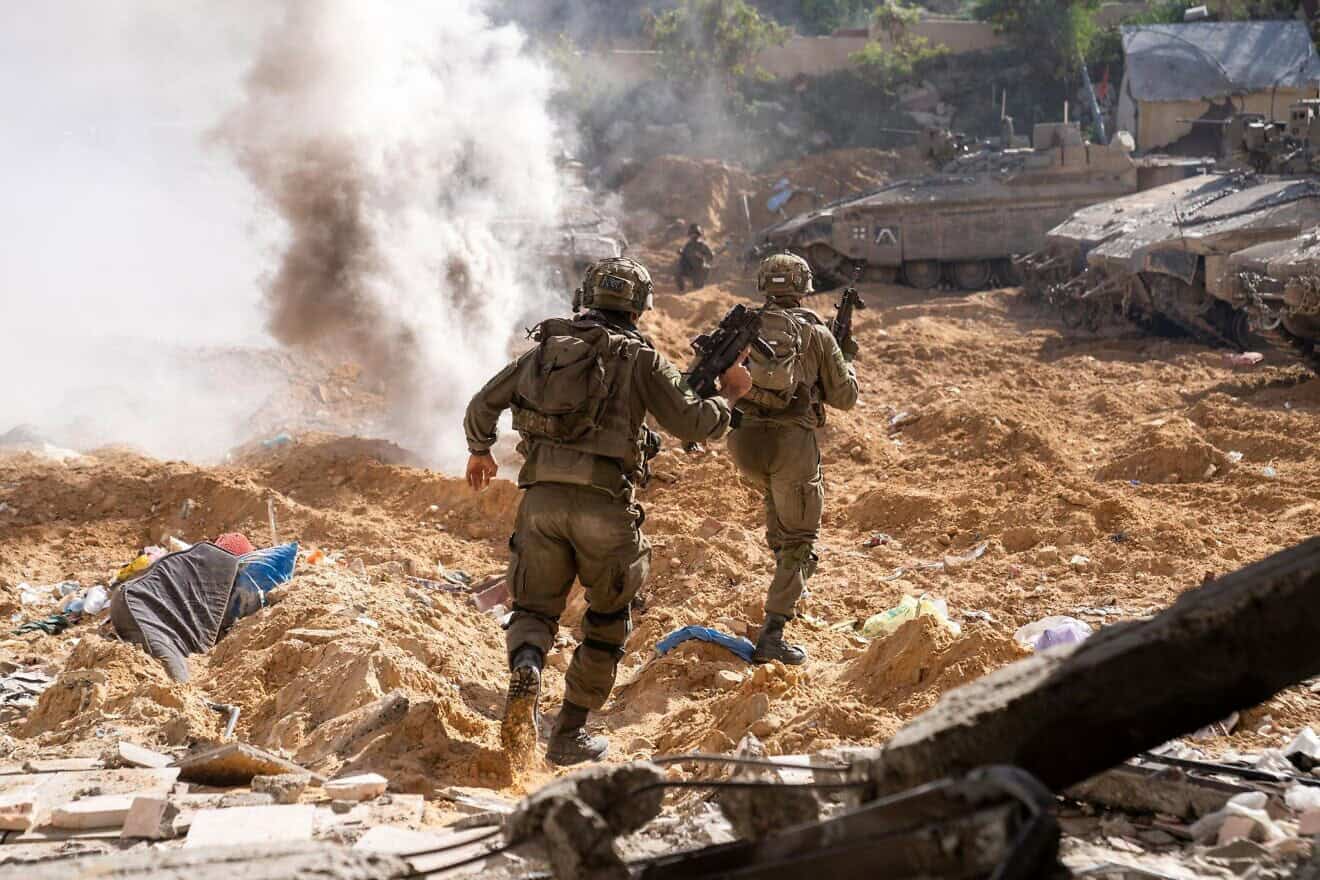
[Wielu w Izraelu] domaga się polityki zerowej tolerancji wobec nielegalnej budowy, niezależnie od funduszy UE i pozwów sądowych, i wezwali rząd Izraela do podjęcia długo oczekiwanych działań dyplomatycznych, które jasno pokażą UE, że ustanowiono czerwone linie, które będą egzekwowane. Na zdjęciu: izraelscy żołnierze stoją obok nielegalnie zbudowanej konstrukcji w Strefie C, grudzień 2021 (Zdjęcie: Wisam Hashlamoun/Flash90.)
 Nielegalne przejmowanie ziemi przez Europę
Karys Rhea Tłumaczenie: Małgorzata Koraszewska
Kiedy Izrael wyrwał kontrolę nad Zachodnim Brzegiem Jordanii w 1967 r., powstrzymał się od aneksji terytorium, natychmiast oferując wymianę ziemi za pokój. Ta bezprecedensowa propozycja spotkała się z głośnymi „Trzema Nie” na niesławnym Szczycie Ligi Arabskiej w Chartumie w 1967 r.: „Żadnego pokoju z Izraelem. Żadnych negocjacji z Izraelem. Żadnego uznania Izraela”. W rezultacie Zachodni Brzeg znalazł się pod izraelską władzą wojskową.
„Z powodów, których nie potrafię wyjaśnić, Izrael myślał, że może uszczęśliwić wszystkich. Tak właśnie powstało to monstrum” — mówi Naomi Kahn, dyrektorka ds. międzynarodowych Regavim, organizacji pozarządowej „poświęconej ochronie narodowych ziem i zasobów Izraela”. Monstrum, o którym mówi Kahn, to Koordynator Działań Rządowych na Terytoriach (COGAT) i jego Administracja Cywilna Judei i Samarii. COGAT jest jednostką Ministerstwa Obrony, a Administracja Cywilna odpowiada za zarządzanie „Obszarem C” Zachodniego Brzegu (częściami, które nie są zarządzane przez Autonomię Palestyńską) i zarządzanie wszystkimi sprawami dotyczącymi cywilów, zarówno Żydów, jak i Arabów.
Zamiast rozciągnąć prawo izraelskie na terytorium wyzwolone w 1967 r., przywódcy Izraela postanowili „tymczasowo” utrzymać istniejące ramy prawne do czasu osiągnięcia rozwiązania w negocjacjach z Arabami. Do dziś dowódca regionu centralnego Sił Obronnych Izraela, (a nie wybrani przedstawiciele), zachowuje możliwość stanowienia prawa i administrowania obszarem C. Według Kahn:
„Osobiście żyję pod rządami wojskowymi. To nie tylko nieefektywne, ale i śmieszne. To ogromna biurokracja, która wydaje się robić bardzo mało. Armia – jakakolwiek armia – po prostu nie jest w stanie zastąpić rządu. To nie jest to, co mają robić armie”.
Chociaż technicznie rzecz biorąc COGAT otrzymuje rozkazy od ministra obrony, na co dzień działa autonomicznie. Izraelskie prawo nakazuje, aby próby wtargnięcia na teren i przejęcia ziemi były przechwytywane, ale dowódcy COGAT są ostrożni w działaniu i obawiają się globalnego potępienia. Personel nauczył się oczekiwać nagłówków w międzynarodowych mediach, a także formalnych skarg, gróźb i pozwów ze strony Unii Europejskiej, gdy tylko usuną dach z nielegalnej konstrukcji — którą UE prawdopodobnie i tak odbuduje.
Na miejsce każdej zburzonej budowli powstaje pięć nowych. Fakt, że Palestyńczycy mają prawo wnosić skargi przeciwko COGAT i Administracji Cywilnej do Sądu Najwyższego Izraela, jeszcze bardziej podważa egzekwowanie prawa. Zarówno zagraniczne, jak i izraelskie organizacje pozarządowe otrzymują miliony euro rocznie na „ochronę” Palestyńczyków w systemie sądowniczym, co jest wspierane apelacjami. W międzyczasie Palestyńczycy budują i budują, stosując strategię walki z Izraelem przy pomocy jego własnego systemu sądowego.
Podczas gdy oficerowie COGAT mają różne osobiste poglądy na temat konfliktu arabsko-izraelskiego, IDF ma tendencję do konformizmu i orientacji na sprawy techniczne, troszcząc się o szkolenie taktyczne, gotowość i przeciwdziałanie terroryzmowi, a także skupiając się na bezpośrednich, krytycznych zagrożeniach ze strony Libanu, Syrii, Gazy i Iranu. Establishment obronny postrzega Zachodni Brzeg jako spór polityczny, a nie kwestię bezpieczeństwa narodowego.
Ale COGAT jest w pełni świadomy skali wrogiego przejęcia w Strefie C i decyduje się nie egzekwować swojego prawnego mandatu. Ze względu na silną presję ze strony UE funkcjonariusze COGAT rutynowo rozmawiają z urzędnikami Autonomii Palestyńskiej i wypracowują porozumienia o powstrzymaniu się od wyburzania konkretnej infrastruktury zbudowanej zgodnie z planem głównym byłego premiera Autonomii Palestyńskiej Salmana Fajjada. Podczas gdy COGAT czasami burzy nieautoryzowane konstrukcje uważane za niebezpieczne z punktu widzenia bezpieczeństwa, takie jak te zbudowane w pobliżu stref szkoleniowych lub poligonów IDF, przylegające do głównych arterii komunikacyjnych lub te, które były używane jako lokalizacja wyrzutni służących do ataków terrorystycznych, te wyburzenia są niezwykle rzadkie i prawie zawsze spotykają się z ogromnym zainteresowaniem międzynarodowych mediów i z potępieniem.
Przez wniesienie sprawy do Sądu Najwyższego Regavim zdołał zmusić COGAT do ujawnienia listy ustalonych priorytetów egzekwowania prawa. Na szczycie listy znalazło się zapobieganie żydowskiej budowie na gruntach prywatnych lub państwowych, a na samym dole listy znalazły się przejęcia zorganizowane przez AP-UE. Innymi słowy, Ministerstwo Obrony Izraela zostało na mocy nakazu sądowego zmuszone do przyznania, że jego wytyczne dotyczące egzekwowania prawa w zakresie polityki użytkowania gruntów były nastawione przeciwko Żydom i na korzyść Arabów. „Pozwalają Palestyńczykom robić rzeczy, na które nigdy nie pozwoliliby Żydom” — twierdzi dr Jiszai Spivak, badacz śledczy z Ad Kan, izraelskiej organizacji non-profit.
Ponadto PA nigdy nie zgłasza zgonów ani emigracji z obszaru C i uzupełnia swoje statystyki populacji o osoby, które nigdy nie postawiły stopy na Bliskim Wschodzie — na przykład dzieci, które urodziły się i wychowały za granicą, ale których rodzice kiedyś mieszkali w tym regionie. Daje im to możliwość przedstawienia obszaru jako zaludnionego przez Arabów. Znacznie poważniejszym problemem może być jednak to, że AP aktywnie i publicznie zachęca mieszkańców obszarów A i B do przeprowadzki do obszaru C, co może być naruszeniem Konwencji Genewskiej.
Tymczasem Administracja Cywilna nie robi nic, aby chronić interesy narodowe Izraela w tym zakresie. Nie przechowuje danych o populacji, co umożliwia jej wygodne twierdzenie, że obsługuje ogromną liczbę mieszkańców i rzekomo uzasadnia jej budżet. Jeśli ma się rozpocząć rozmowa o marnotrawionych zasobach izraelskich i międzynarodowych oraz potrzebach obecnej i przyszłej populacji, pierwszym krokiem jest spis ludności.
Regavim i inni wezwali do całkowitego rozwiązania COGAT. Żądają polityki zerowej tolerancji wobec nielegalnej budowy, niezależnie od funduszy UE i pozwów sądowych, i wezwali rząd Izraela do podjęcia długo oczekiwanych działań dyplomatycznych, które jasno pokażą UE, że ustanowiono czerwone linie, które będą egzekwowane. „Izraelskie kierownictwo jako całość nie zachowuje się jak suwerenny rząd z kręgosłupem, który egzekwuje prawo i chroni bezpieczeństwo i interesy narodowe ludzi” – argumentuje Kahn.
Podczas sześciomiesięcznej kadencji Naftalego Bennetta jako ministra obrony w latach 2019-2020 zaczął on nazywać Strefę C polem bitwy, a masowe nielegalne użytkowanie gruntów przez AP określał jako strategiczne zagrożenie militarne. Wraz ze wzrostem egzekwowania prawa poczyniono niewielki postęp. Nadal jednak była to kwestia skali. Burzono szopę, ale pozostawiano nielegalne przyłącza elektryczne i wodne, bo UE mówiła, że to jest kwestia humanitarna. Avigdor Lieberman, który pełnił funkcję ministra obrony w latach 2016-2018, zabrał głos w podobny sposób, ale napotkał niezainteresowanych biurokratów i opór wielu Europejczyków, którzy mają bezpośredni kontakt ze swoimi politycznymi odpowiednikami w rządzie Izraela. Chociaż Ministerstwo Wywiadu opublikowało pełny raport w czerwcu 2021 r., w którym przedstawiono kompleksową analizę palestyńskich nielegalnych przejęć ziemi i nasycenia demograficznego Strefy C, niewiele się zmieniło od czasu publikacji tego raportu.
Ostatecznie w Izraelu jak dotąd nie było woli politycznej, by przeciwdziałać palestyńskiej nielegalnej budowie w Strefie C. Również z powodu braku woli politycznej władze Izraela pozwalają na rozprzestrzenianie się nielegalnej broni w społecznościach arabsko-izraelskich, a klanom beduińskim na zakładanie nielegalnych wiosek na pustyni Negew.
Rząd nie wydaje ostatecznych, wykonalnych rozkazów COGAT — chce uniknąć negatywnej prasy lub bardziej brutalnej konfrontacji z Palestyńczykami w przyszłości. Dlatego izraelscy politycy i urzędnicy podchodzą do problemu za pomocą lokalnych, doraźnych rozwiązań, a nie pełnego ataku frontalnego. Według generała brygady Amira Aviviego (w stanie spoczynku), założyciela Israel Defense and Security Forum:
„Oni nie traktują tego jako wojny, a to jest wojna. W rzeczywistości jest to bardziej niebezpieczne niż inne wojny. W tej chwili Palestyńczycy wygrywają tę wojnę. Za 20 lub 30 lat będzie to zagrożenie egzystencjalne. Musimy się obudzić”.
Spivak zgadza się, dodając, że Izrael prowadzi dwa rodzaje wojen z Palestyńczykami. Jednym z nich jest wojna terrorystyczna, w której Palestyńczycy stosują przemoc fizyczną wobec obywateli państwa Izrael. Drugim jest wojna bez przemocy lub wojna cywilna, w której Palestyńczycy próbują delegitymizować Izrael za pośrednictwem różnych kanałów, takich jak ONZ, media społecznościowe lub globalny ruch BDS.
Innym powodem, dla którego izraelskie kierownictwo nie traktuje tej kwestii z powagą, na jaką zasługuje, jest to, że jego ministrowie są zazwyczaj u władzy przez krótki czas i mogą zostać odwołani w krótkim czasie. Przez rok do dwóch lat, jak zazwyczaj trwa ich kadencja, są przede wszystkim zainteresowani budowaniem swojej reputacji, desperacko pragnąc międzynarodowej akceptacji. Mówiąc prościej, system polityczny wspiera biurokratów. Wiedzą, że aby rozwiązać problem tej natury i skali, musieliby podjąć drastyczne działania przeciwko UE, Autonomii Palestyńskiej i COGAT. Biorąc pod uwagę bolesny, niepewny status Izraela w krajobrazie geopolitycznym, jest mało prawdopodobne, aby jakakolwiek przewidywalna koalicja ustanowiła precedens i zmieniła ten schemat.
Nawet przywódcy społeczności żydowskich w Judei i Samarii nie reagują na tę ingerencję jako na zagrożenie egzystencjalne. Na przykład w mieście Efrat, gdy Izraelczycy skarżą się burmistrzowi na nielegalne arabskie struktury pojawiające się w ich dzielnicach, najwięcej, co burmistrz zrobi, jeśli w ogóle cokolwiek, to zadzwoni do Administracji Cywilnej, a następnie szybko zapomni o sprawie.
Wielu przywódców żydowskich na Zachodnim Brzegu skupia się na zaspokajaniu potrzeb swoich małych społeczności na co dzień. Ich skuteczność jest poważnie ograniczona, ponieważ zależą od przysług wielu ministerstw rządowych, w tym ministerstwa transportu, obrony, finansów i spraw wewnętrznych, które nie sprawują bezpośredniej jurysdykcji za „zieloną linią”. Ci burmistrzowie mają ograniczoną liczbę próśb i na ogół żądanie usunięcia nielegalnych budów nie odnosi skutku, zwłaszcza że prawdopodobnie zostaną odbudowane w ciągu kilku tygodni. Dla wielu przywódców w żydowskich miastach i wioskach, dopóki nie ma procesu pokojowego, status quo jest wszystkim, z czym mogą pracować.
Niemniej minister finansów Bezalel Smotrich podjął szereg działań karnych przeciwko AP i wypowiedział się ostro pod adresem UE, zobowiązując się do zablokowania ich agresywnej działalności, którą nazwał „sprzeczną z prawem międzynarodowym i niezgodną z podstawowymi zasadami dyplomacji w stosunkach między państwami”. We wspólnym liście dziesiątki członków Knesetu potępiło poufny dokument UE z czerwca 2022 r. jako poważne naruszenie relacji UE-Izrael, którego wagi nie można przecenić, pisząc:
„Pod cienką warstwą uprzejmości i manier UE oraz troski o prawa człowieka można znaleźć te same stare oszczerstwa o mordach rytualnych, wraz z tymi samymi płomieniami pierwotnej nienawiści, które tym razem dążą do prześladowania – nie pojedynczego Żyda, ale maleńkiego państwa żydowskiego”.
Może być nawet tak, że prawicowcy, tacy jak Smotrich i inni, doszli do władzy właśnie ze względu na rosnącą frustrację Izraela spowodowaną tym, że fundamentalne zagrożenia, takie jak to, są od tak dawna ignorowane.
Karys Rhea jest dziennikarką Epoch Times, pracuje również w Middle East Forum. Jej konto na X @rheakarys.
Zawartość publikowanych artykułów i materiałów nie reprezentuje poglądów ani opinii Reunion’68,
ani też webmastera Blogu Reunion’68, chyba ze jest to wyraźnie zaznaczone.
Twoje uwagi, linki, własne artykuły lub wiadomości prześlij na adres:
webmaster@reunion68.com