Archives

The Christian Population in Palestinian Areas Is Declining

The Christian Population in Palestinian Areas Is Declining

Jerusalem Center for Security and Foreign Affairs


In this special Christmas episode of East to West, hosted by Sarah Martinez Amir, we explore the alarming situation facing Christians living in Palestinian Authority and Hamas-controlled areas.

Elias Zarina, Co-Founder & Community Manager of the Jerusalemite Initiative, joins the discussion to unpack the findings of a new report by the Jerusalem Center for Security and Foreign Affairs.

The study reveals a devastating 90% decline in the Christian population in the West Bank and Gaza, largely due to violence, harassment, and forced conversions. Bethlehem is seeing an exodus of Christians, risking the erasure of Christianity from its birthplace. This episode highlights the forgotten victims of religious persecution and the silence surrounding their plight.


Zawartość publikowanych artykułów i materiałów nie reprezentuje poglądów ani opinii Reunion’68,
ani też webmastera Blogu Reunion’68, chyba ze jest to wyraźnie zaznaczone.
Twoje uwagi, linki, własne artykuły lub wiadomości prześlij na adres:
webmaster@reunion68.com


Hamas rings in 2025 with rocket fire on Israel

Hamas rings in 2025 with rocket fire on Israel

Update desk | Israel at War


Israeli air defenses intercepted one of the rockets, with the other striking an open field.

An Iron Dome air-defense battery fires interception missiles at rockets fired from the Gaza Strip towards central Israel, as it seen from Moshav Yashresh on Nov. 7, 2023. Photo by Yossi Aloni/Flash90.

Palestinian terrorists in the Gaza Strip fired two rockets at Israel just as the clock struck midnight on Thursday.

Israeli air defenses intercepted one of the rockets, with the other hitting an open field, the IDF said. Hamas claimed responsibility for the attack, which caused no injuries or damage.

Hamas welcomed 2024 by firing a wave of rockets towards southern and central Israel. Just after midnight on Jan. 1, 2024, more than 20 rockets were launched at Israeli population centers, sending millions of people racing for shelter.

On Monday evening, Palestinian terrorists in Gaza fired three rockets at southern Israel. One rocket, which triggered sirens in the Israeli border kibbutz of Kissufim, struck an open area, the military said.

Just over two hours later, the Israeli Air Force intercepted two rockets launched from the northern Strip.

There were no reports of injuries or damage in the attacks.

On Sunday, Palestinian terrorists in northern Gaza fired five rockets at Israeli communities in the “Gaza Envelope,” the area near the coastal enclave.

Two rockets were intercepted, according to the Israel Defense Forces, with the others apparently striking open areas.

A day earlier, the IAF downed two rockets launched by Palestinian terrorists in northern Gaza towards Jerusalem. The attacks triggered air-raid sirens in the capital, the Western Negev and the Judean Foothills (the Shfela).

The IDF’s year-plus-long offensive against Hamas has greatly curbed rocket fire from the Strip, although Palestinian terrorists still intermittently target the Jewish state.


Zawartość publikowanych artykułów i materiałów nie reprezentuje poglądów ani opinii Reunion’68,
ani też webmastera Blogu Reunion’68, chyba ze jest to wyraźnie zaznaczone.
Twoje uwagi, linki, własne artykuły lub wiadomości prześlij na adres:
webmaster@reunion68.com


Israeli Jets Attack Syria-Lebanon Border Crossings to Stop Arms Amuggling

Israeli Jets Attack Syria-Lebanon Border Crossings to Stop Arms Amuggling

Reuters and Algemeiner Staff


Smoke billows after an Israeli Air Force air strike in southern Lebanon village, amid cross-border hostilities between Hezbollah and Israel, as seen from northern Israel, Oct. 3, 2024. Photo: REUTERS/Jim Urquhar

Israeli jets struck seven crossing points along the Syria-Lebanon border on Friday, aiming to cut the flow of weapons to the Iranian-backed Hezbollah group in southern Lebanon.

Israeli troops also seized a truck mounted with a 40-barrel rocket launcher in southern Lebanon, part of a haul from various areas that included explosives, rocket-propelled grenade launchers and AK-47 automatic rifles, the military said.

The commander of the Israeli Air Force, Major General Tomer Bar, said Hezbollah was trying to smuggle weapons into Lebanon to test Israel’s ability to stop them.

“This must not be tolerated,” he said in a statement.

Under the terms of a Nov. 27 ceasefire agreement, Israel is supposed to withdraw its troops from southern Lebanon in phases while unauthorised Hezbollah military facilities south of the Litani River are to be dismantled.

However, each side has accused the other of violating the agreement, intended to end more than a year of fighting that began with Hezbollah missile strikes on Israel in the aftermath of the Hamas-led attack of Oct. 7, 2023, from Gaza.

On Thursday, the United Nations peacekeeping force in Lebanon called for Israeli forces to withdraw, citing what it said were repeated violations of the deal.

Israel, which destroyed large parts of Hezbollah’s missile stocks during weeks of operations in southern Lebanon, has said it will not permit weapons to be smuggled to Hezbollah through Syria.

Israel has also conducted attacks against the Iranian-backed Houthi movement in Yemen in recent days and pledged to continue its campaign against Iranian-backed militant groups across the region.


Zawartość publikowanych artykułów i materiałów nie reprezentuje poglądów ani opinii Reunion’68,
ani też webmastera Blogu Reunion’68, chyba ze jest to wyraźnie zaznaczone.
Twoje uwagi, linki, własne artykuły lub wiadomości prześlij na adres:
webmaster@reunion68.com


Największy wróg Izraela: jak dziękują Netanjahu za unieszkodliwienie Iranu i grup terrorystycznych

Niektórzy mogą uważać sądową eskapadę przeciwko izraelskiemu premierowi Benjaminowi Netanjahu w sprawie sfabrykowanych zarzutów, jako polityczną zemstę za próbę reformy systemu sądowniczego premiera po jego ostatnim ponownym wyborze w 2022 r. Reformy sądownictwa są rozpaczliwie potrzebne. Czy ci sędziowie naprawdę chcą, aby Izrael przegrał wojnę, tylko po to, aby mogli zachować swoją absolutną władzę? Na zdjęciu: Netanjahu w sądzie okręgowym w Tel Awiwie na początku rozprawy 10 grudnia 2024 r. (Zdjęcie: zrzut z ekranu wideo)


Największy wróg Izraela: jak dziękują Netanjahu za unieszkodliwienie Iranu i grup terrorystycznych
Bassam Tawil
Tłumaczenie: Małgorzata Koraszewska

Premier Izraela Benjamin Netanjahu zasługuje na nagrodę za skuteczne prowadzenie wojny przeciwko irańskiej „osi oporu” na Bliskim Wschodzie. Nie bez powodu zyskał tytuł „Churchilla Bliskiego Wschodu”.

Od czasu ataku Hamasu na Izrael 7 października 2023 r., w wyniku którego 1200 Izraelczyków zostało zamordowanych, a tysiące rannych, Izrael zniszczył większość potencjału militarnego tej organizacji terrorystycznej w Strefie Gazy i wyeliminował jej najważniejszych przywódców politycznych i wojskowych, w tym Ismaila Haniję i Jahję Sinwara.

W Libanie Izrael zadał poważny cios wspieranej przez Iran grupie terrorystycznej Hezbollah, która rozpoczęła falę ataków rakietowych i dronów na społeczności w północnym Izraelu, począwszy od dnia po okrucieństwach z 7 października. Siły Obronne Izraela (IDF) – wbrew groźbom administracji Bidena, że wstrzymają bardzo potrzebne dostawy wojskowe, jeśli Izrael spróbuje zneutralizować zagrożenia wobec nich (takie jak tutajtutajtutajtutaj i tutaj) – zdołały wyeliminować większość politycznych i wojskowych przywódców Hezbollahu, w tym sekretarza generalnego grupy, Hassana Nasrallaha.

Izrael przeprowadził także dwa udane ataki powietrzne na Iran w ciągu ostatnich kilku miesięcy. Ataki nastąpiły po tym, jak Iran wystrzelił setki pocisków i dronów szturmowych na Izrael.

Izrael przeprowadził również podobne ataki powietrzne przeciwko wspieranym przez Iran milicjom w Syrii i Jemenie.

Na Zachodnim Brzegu rząd Netanjahu wypowiedział wojnę różnym grupom zbrojnym wspieranym przez Iran, powiązanym z Hamasem i Palestyńskim Islamskim Dżihadem. IDF zabiła lub aresztowała setki palestyńskich terrorystów, zwłaszcza w północnych miastach Zachodniego Brzegu: Dżanin, Tulkarem, Nablus i Tubas.

To dzięki nieustępliwej wojnie Netanjahu z reżimem irańskim i jego pełnomocnikami upadł na początku grudnia syryjski reżim prezydenta Baszara Assada. W przeszłości Iran i Hezbollah pomogły Assadowi zmiażdżyć jego przeciwników. Tym razem Iran i Hezbollah nie były w stanie nic zrobić, aby uratować syryjskiego dyktatora. Mułłowie w Teheranie najwyraźniej przyswoili sobie lekcję, że prowokowanie Izraela wiąże się z wysoką ceną.

Hezbollah, w wyniku wojny z Izraelem, został osłabiony do tego stopnia, że nie był w stanie wysłać swoich ludzi do walki z rebeliantami antyassadowskimi, jak to było możliwe w przeszłości. Podczas 14-miesięcznej wojny z Izraelem Hezbollah stracił tysiące swoich ludzi i większość swojej infrastruktury wojskowej.

Jednak wysiłki Izraela, aby obronić się przed irańską „osią oporu”, są dalekie od zakończenia. Iran, Hamas, Hezbollah, Huti w Jemenie i grupy dżihadystów w Syrii i Iraku nadal stanowią poważne zagrożenie. IDF pozostaje w stanie najwyższej gotowości, a Netanjahu nadal pracuje 24 godziny na dobę, aby raz na zawsze usunąć to zagrożenie.

Od czasu przejęcia władzy w Syrii przez wspieranych przez Turcję dżihadystów niebezpieczeństwa, z jakimi mierzy się Izrael, nie zmalały. Ponieważ początkowo największą obawą w Izraelu było to, że broń Assada wpadnie w ręce nowych władców Syrii, z których większość to dżihadyści powiązani z Al-Kaidą i Państwem Islamskim (ISIS), Netanjahu nakazał izraelskiej armii natychmiastowe podjęcie środków zapobiegawczych, w tym zniszczenie syryjskich baz wojskowych i laboratoriów broni chemicznej. Polecił również IDF wkroczyć do strefy buforowej wzdłuż granicy Izraela z Syrią, aby uniemożliwić dżihadystom przeprowadzenie kolejnej inwazji na Izrael w stylu 7 października. Jak dotąd środki te okazały się skuteczne.

Netanjahu stoi teraz przed groteskowym wyzwaniem, które może wykoleić wojnę Izraela z Iranem, Turcją i ich terrorystycznymi pełnomocnikami. Próba sabotażu nie przychodzi ze strony zewnętrznych wrogów, ale ze strony własnego systemu sądowniczego Izraela.

Niedawno izraelscy sędziowie odrzucili wniosek Netanjahu o odroczenie jego zeznań w sądzie, gdzie toczy się proces pod zarzutami, które obejmują rzekome nadużycia zaufania, przyjmowania łapówek (cygar i szampana) i oszustwa. Izraelska policja rozpoczęła dochodzenie w sprawie Netanjahu w grudniu 2016 r. i następnie zaleciła postawienie go w stan oskarżenia. Pomimo tego Netanjahu został ponownie wybrany na stanowisko premiera więcej niż jeden raz, co wskazuje, że większość Izraelczyków nadal uważa go za swojego preferowanego przywódcę kierującego rządem.

Co jest zabójcze dla kraju, to fakt, że sędziowie orzekli, że Netanjahu musi stawiać się w sądzie trzy razy w tygodniu na co najmniej sześć godzin za każdym razem. Wszystko to, gdy premier jest zajęty wielofrontową wojną z Izraelem prowadzoną przez Iran, jego terrorystycznych pełnomocników, a teraz Turcję, która bez wątpienia postrzega swoją zastępczą inwazję na Syrię jako drogę do spełnienia wieloletniego marzenia premiera Turcji Recepa Tayyipa Erdogana o „wyzwoleniu Jerozolimy spod władzy Żydów”.

Próby prawników Netanjahu i innych wysokich rangą członków izraelskiego rządu, aby wyjaśnić sędziom, że ciągnięcie premiera przed sąd w tych niezwykle niebezpiecznych czasach jest szkodliwe dla bezpieczeństwa narodowego Izraela, pozostały bez echa. Nie trzeba dodawać, że Netanjahu zastosował się do orzeczenia sądu. Rozpoczął składanie zeznań w zeszłym tygodniu i będzie nadal pojawiał się przed sądem w ciągu najbliższych kilku tygodni.

Niektórzy mogą uważać sądową eskapadę przeciwko izraelskiemu premierowi Benjaminowi Netanjahu w sprawie sfabrykowanych zarzutów, jako polityczną zemstę za próbę reformy systemu sądowniczego premiera po jego ostatnim ponownym wyborze w 2022 r. Reformy sądownictwa są rozpaczliwie potrzebne, ale zmniejszyłyby absolutną władzę, którą sędziowie Sądu Najwyższego przypisali sobie od lat 90. i którą, jak się wydaje, autokratycznie chcą zachować.

Naleganie sądu, aby Netanjahu spędzał kilka godzin dziennie na składaniu zeznań, świadczy o pogardzie nie tylko dla niego, ale także dla bezpieczeństwa kraju. Sędziowie mogliby przynajmniej ograniczyć liczbę rozpraw do jednego lub dwóch razy w tygodniu, ale zignorowali ostrzeżenia, że Izrael jest w stanie wojny i że premier potrzebuje czasu na narady ze swoimi ministrami i generałami zamiast zeznawać o cygarach i szampanie, które rzekomo otrzymał od przyjaciół w prezencie.

„Pracuję 17-18 godzin dziennie” – powiedział Netanjahu przed sądem podczas pierwszego przesłuchania.

„Lunch jem przy biurku. Kelnerzy w białych rękawiczkach nie serwują mi posiłków. Pracuję całą dobę, do białego rana. Zazwyczaj kładę się spać około 1 lub 2 w nocy i prawie nie mam czasu, żeby zobaczyć się z rodziną lub dziećmi. Od czasu do czasu grzeszę cygarem, którego nie mogę dopalić do końca, ponieważ ciągle jestem na spotkaniach i odprawach… A tak przy okazji, nienawidzę szampana; po prostu go nie lubię i nie mogę go pić”.

Czy ci, jak się wydaje, mściwi sędziowie naprawdę myślą, że cygara i szampan Netanjahu są ważniejsze niż wojna Izraela z irańską „Osią Oporu”? Sędziowie najwyraźniej zapomnieli również, że Netanjahu próbuje również doprowadzić do uwolnienia 100 izraelskich zakładników przetrzymywanych w Strefie Gazy od 7 października 2023 r. przez Hamas i inne grupy terrorystyczne.

Izrael i Zachód byliby w o wiele lepszej sytuacji, gdyby Netanjahu siedział ze swoimi doradcami ds. bezpieczeństwa i wojska, aby omawiać sposoby dalszej neutralizacji wrogów Izraela i uwolnienia zakładników, zamiast marnować czas na wyjaśnianie, dlaczego przyjął cygara i szampana od przyjaciół. Nikt nie mówi, że zarzuty przeciwko Netanjahu powinny zostać wycofane. Proces trwa już osiem lat. Nie ma powodu, aby premier spędzał teraz kilka godzin dziennie w sądzie, kiedy Izrael jest w stanie wojny, a on skutecznie chroni swój naród przed wrogami dążącymi do zniszczenia jego kraju i zamordowania wszystkich Żydów.

Czy ci sędziowie naprawdę chcą, żeby Izrael przegrał wojnę, tylko po to, żeby oni zachowali absolutną władzę?

Wielu Izraelczyków uważa, że sfingowane zarzuty wobec Netanjahu są częścią politycznie motywowanej i niedemokratycznej kampanii, mającej na celu odsunięcie go od rządu.

Niestety, wygląda na to, że niektórzy w izraelskim systemie sądowniczym postanowili wziąć udział w tej kampanii. Wydaje się, że nie zdają sobie sprawy, że wojna Netanjahu z reżimem irańskim i jego terrorystycznymi pełnomocnikami jest dobra nie tylko dla Izraela, ale także dla wielu Arabów i ludzi Zachodu, którzy padli ofiarą ostatnich ataków Turcji w Syrii i planu irańskich mułłów, by eksportować swoją „rewolucję islamską” na cały świat.


Zawartość publikowanych artykułów i materiałów nie reprezentuje poglądów ani opinii Reunion’68,
ani też webmastera Blogu Reunion’68, chyba ze jest to wyraźnie zaznaczone.
Twoje uwagi, linki, własne artykuły lub wiadomości prześlij na adres:
webmaster@reunion68.com


IDF hit more than 300 Syrian regime targets in two days, ‘effectively wiping out air force’

IDF hit more than 300 Syrian regime targets in two days, ‘effectively wiping out air force’

Israel at War


The aerial assault is reportedly focused on air force bases, including entire squadrons of fighter jets.

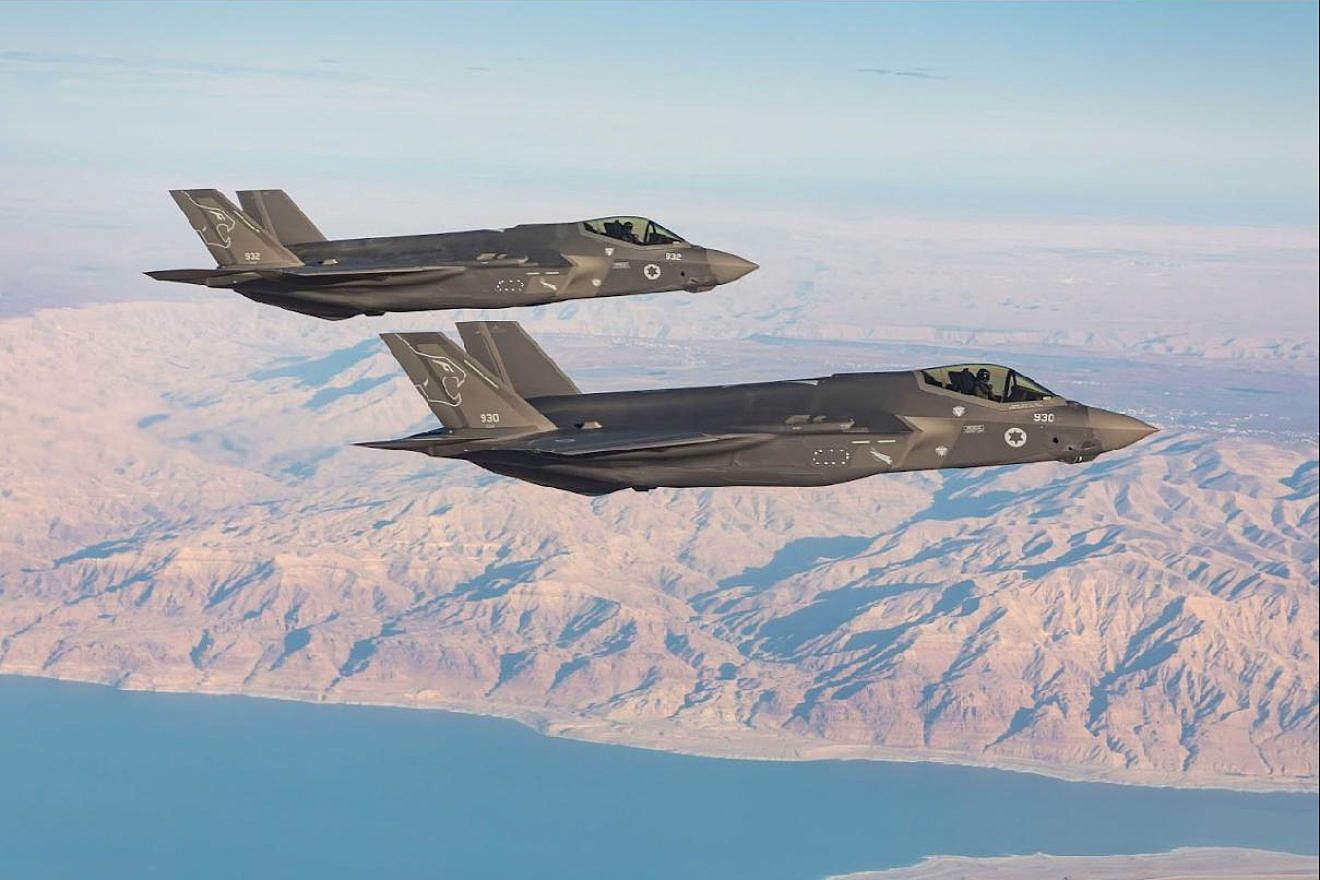
IAF F-35 stealth fighter aircraft fly in Israeli airspace. Credit: IDF Spokesperson’s Unit.

The Israel Defense Forces has conducted 300 strikes in Syria since Sunday’s ouster of Bashar Assad, Israeli media reported on Tuesday, marking the heaviest air campaign in the country since the 1972 Yom Kippur War.

Israel’s Ynet news outlet cited Western intelligence sources late Monday night as confirming the figure, saying that the aerial assault is mainly targeting air force bases, including entire squadrons of fighter jets.

It is believed that the Syrian Air Force could be destroyed in its entirety “within a few days,” Ynet noted, which would substantially reduce the threat posed to the Jewish state by the incoming Syrian government.

The last time Israel destroyed an entire air force was in 1967, when the Egyptian Air Force was wiped out in the first hours of the Six-Day War.

Local security sources told Reuters on Monday that the Israeli Air Force had attacked at least three army bases that housed dozens of helicopters and jets in the largest wave of strikes on the Syrian Air Force since Assad was toppled.

The Syrian Observatory for Human Rights, a London-based war monitor with links to the Syrian opposition, was cited by AFP as confirming that Israel carried out more than 100 strikes on Monday, including on a suspected chemical weapons production site. The IDF did not immediately comment on the strikes.

Early on Tuesday morning, AFP and Al Jazeera reported loud blasts in Damascus, with the latter outlet attributing the explosions to Israel.

On Sunday, Syrian President Bashar Assad fled Damascus as a coalition of rebel groups stormed the capital, ending his family’s five-decade rule.

“The tyrant Bashar Assad has been overthrown,” a rebel spokesperson declared in a statement carried on state television on Sunday morning.

On Monday, Israeli Foreign Minister Gideon Sa’ar confirmed that the IAF had struck sites used to produce chemical weapons and long-range missiles in an attempt to prevent them from falling into hostile hands.

“We attacked strategic weapons systems, like for example remaining chemical weapons, or long-range missiles and rockets, in order that they will not fall in the hands of extremists,” Sa’ar told the Associated Press.

“The only interest we have is the security of Israel and its citizens,” he reiterated in his remarks to the wire agency. The top diplomat did not provide details about when or where the airstrikes were conducted.

Israeli Defense Minister Israel Katz said earlier on Monday morning that he had ordered the continued destruction by the IDF of strategic weapons that were previously held by the Syrian regime and Iranian-backed militias, to prevent their falling into the hands of terrorist groups.

Among the arms taken out by the IDF were “surface-to-air missiles, air defense systems, surface-to-surface missiles, cruise missiles, long-range rockets and coast-to-sea missiles,” the Defense Ministry stated.

Katz has also ordered the military to set up a secure area free of strategic weapons and terror infrastructure inside Syrian territory, beyond the buffer zone on the Israel-Syria border. The 210th “Bashan” Division began proactive operations on Sunday to ensure “the protection of the residents of the Golan Heights in light of the internal events in Syria,” the IDF said.

Katz said he had also instructed the military to establish full control over the once-demilitarized buffer zone in the Golan, which was established under the 1974 Disengagement of Forces Agreement between Damascus and Jerusalem that ended the Yom Kippur War.

According to Lebanon’s Al Mayadeen outlet, which is closely affiliated with the Iranian-backed Hezbollah terror organization, IDF tanks have reached positions 3 kilometers (1.8 miles) from the town of Qatana, which is located some 20 kilometers (12 miles) from the outskirts of Damascus.

Three security sources, one in Syria and two in the region, confirmed the report, telling Reuters on Tuesday that IDF soldiers had reached Qatana.

Jerusalem reportedly informed the United States that its activities in Syria constitute “temporary and tactical operations” to protect civilians in its north. A U.S. government source signaled Washington’s approval for the move in a conversation with Israel’s Kan News broadcaster, saying that “no nation can tolerate terror groups on its doorstep.”

“Since the Syrian army abandoned its positions in and around the Israeli-Syrian buffer zone, Israel has declared that Syria’s enforcement of the 1974 ceasefire agreement has collapsed. Israel has taken temporary measures to stabilize the buffer zone and prevent an invasion of Israeli territory,” the American source told the Israeli public broadcaster.

“We hope that, in the future, we will see the area return to stability,” added the source.

Two sources familiar with the details of the conversations told Kan News that Jerusalem had informed the Biden administration of its intention to take control of the Syrian part of Mount Hermon and the buffer zones. Washington has not expressed public opposition to the moves.


Zawartość publikowanych artykułów i materiałów nie reprezentuje poglądów ani opinii Reunion’68,
ani też webmastera Blogu Reunion’68, chyba ze jest to wyraźnie zaznaczone.
Twoje uwagi, linki, własne artykuły lub wiadomości prześlij na adres:
webmaster@reunion68.com