
Archives

Cywilne przebranie terroru: Podwójne życie, które media wciąż ignorują


Cywilne przebranie terroru: Podwójne życie, które media wciąż ignorują

Sharon Levy


Od 7 października 2023 roku media niestrudzenie oskarżają Izrael o celowe atakowanie ludności cywilnej.

Tymczasem mimo szeroko zakrojonych działań Izraela mających na celu ograniczenie strat wśród cywilów organizacje terrorystyczne, z którymi walczy, systematycznie dążyły do osiągnięcia odwrotnego skutku. Hamas, Palestyński Islamski Dżihad i Hezbollah głęboko przeniknęły struktury społeczeństwa cywilnego, zawyżając liczbę ofiar i jednocześnie ukrywając wojskową tożsamość wielu zabitych.

Zarówno w Strefie Gazy, jak i w Libanie strategia ta doprowadziła do powstania tego, co badacze określają mianem „społeczeństwa oporu” – systemu, w którym członkowie organizacji terrorystycznych jednocześnie wykonują zawody cywilne, zapewniające im zarówno legitymizację, jak i osłonę operacyjną.

Jednym z najbardziej widocznych przykładów jest dziennikarstwo.

Według doniesień od 7 października w samej Strefie Gazy Siły Obronne Izraela (IDF) zabiły ponad 100 terrorystów działających pod przykrywką dziennikarzy. Tymczasem osoby związane z mediami powiązanymi z Hezbollahem w Libanie są regularnie przedstawiane przez międzynarodowe media jako niewinni cywile lub niezależni reporterzy.

Dowody nie pochodzą jednak wyłącznie od Izraela.

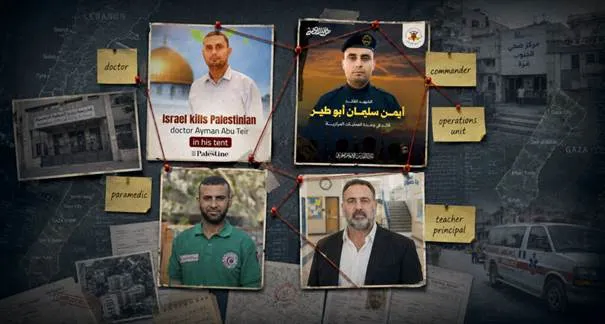
Raz po raz Hamas, Palestyński Islamski Dżihad i Hezbollah publikują plakaty upamiętniające swoich „męczenników”, identyfikując zmarłych nie tylko poprzez ich przynależność wojskową, lecz także wykonywany zawód cywilny. Schemat jest uderzający: terroryści pełniący jednocześnie funkcje lekarzy, nauczycieli, ratowników medycznych, policjantów, prawników, muzyków i dziennikarzy.

Szpitale jako osłona działalności operacyjnej
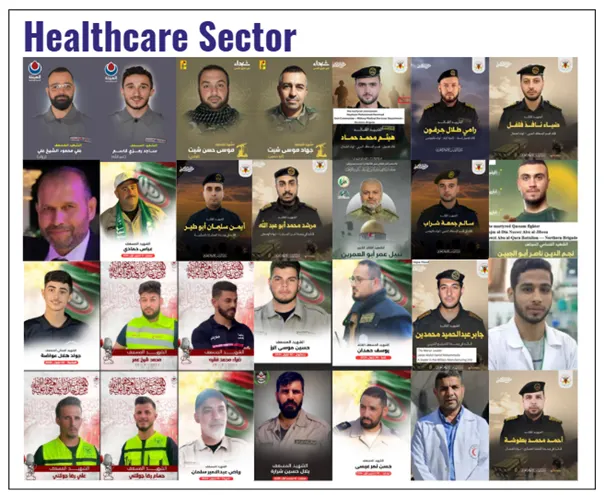
Relacje międzynarodowych mediów konsekwentnie przedstawiają izraelskie operacje wojskowe prowadzone w pobliżu szpitali jako ataki na cywilną infrastrukturę medyczną. Jednak Hamas i Palestyński Islamski Dżihad wielokrotnie umieszczali swoich członków w tych placówkach, pozbawiając je chronionego statusu cywilnego wynikającego z prawa konfliktów zbrojnych.

Według tych doniesień szpitale w Strefie Gazy funkcjonowały nie tylko jako ośrodki leczenia, lecz także jako centra operacyjne, magazyny broni i osłona dla działalności terrorystycznej. Wiele osób publicznie przedstawianych jako „pracownicy służby zdrowia” zostało później zidentyfikowanych przez same organizacje terrorystyczne jako ich członkowie.

Jednym z najbardziej znanych przykładów jest Marwan Al-Hams, określany jako członek Hamasu, zatrzymany w lipcu 2025 roku w związku z podejrzeniem posiadania wiedzy na temat miejsca przetrzymywania ciała poległego oficera IDF, por. Hadara Goldina. Palestyńskie i propalestyńskie media początkowo przedstawiały jego zatrzymanie jako „uprowadzenie” pracownika medycznego – relacje te w dużej mierze zniknęły, gdy ujawniono jego związki z Hamasem.

Inne udokumentowane przypadki obejmują:

  • Aymana Abu Teira, zidentyfikowanego jako dowódca Palestyńskiego Islamskiego Dżihadu.
  • Khaleda Al-Rakieiego, który kierował strukturami Palestyńskiego Islamskiego Dżihadu w zachodniej części Strefy Gazy, pracując jednocześnie jako lekarz w Szpitalu Dziecięcym Al-Nasr.
  • Murshida Abu Abdullaha, zidentyfikowanego jako dowódca Brygady Chan Junus Palestyńskiego Islamskiego Dżihadu, dyrektora zarządzającego Specjalistycznego Centrum Zdrowia Al-Baraka oraz technika radiologii w szpitalu Al-Szifa w Gazie.
  • Ramiego Talala Mohammeda Jarghouna, dowódcę Jednostki Wsparcia Batalionu Al-Balad Brygady Chan Junus Palestyńskiego Islamskiego Dżihadu oraz kierownika administracyjnego Szpitala Europejskiego w Chan Junus.
  • Najma Abu al-Jibeena, dowódcę Brygad Al-Kassam pracującego jako pielęgniarz.
  • Salema Jumę Ishaqa Sharaba, dowódcę Wojskowej Jednostki Ambulansowej Palestyńskiego Islamskiego Dżihadu w Brygadzie Chan Junus, pielęgniarza w Szpitalu Nasera oraz skarbnika Palestyńskiego Stowarzyszenia Pielęgniarek.
  • Diaę Nafeza Abdulhadiego Felfela, dowódcę Wojskowej Jednostki Ambulansowej Palestyńskiego Islamskiego Dżihadu w Brygadzie Północnej, pielęgniarza i kierownika izby przyjęć w Szpitalu Indonezyjskim na północy Strefy Gazy.

Karetki pogotowia i służby ratunkowe

Ten sam schemat dotyczy ratowników medycznych i służb ratownictwa.

Hezbollah prowadzi własną infrastrukturę medyczną za pośrednictwem Islamskiego Zarządu Zdrowia, którego personel był identyfikowany jako członkowie Hezbollahu.

Według przedstawianych dowodów karetki były wykorzystywane do dyskretnego transportu terrorystów między różnymi lokalizacjami. IDF opublikowały również nagrania przedstawiające broń znajdującą się w ambulansach.

Hamas miał w podobny sposób wykorzystywać karetki. Ibrahim Abu Tzakar, terrorysta powiązany z Hamasem, który uczestniczył w porwaniu izraelskiego cywila, pracował również jako ratownik medyczny.

Od szkolnej ławki do terroryzmu

Podczas gdy Izrael oskarżany jest o „scholastocide” (niszczenie systemu edukacji), coraz więcej materiałów wskazuje na głębokie zakorzenienie organizacji terrorystycznych w infrastrukturze edukacyjnej Strefy Gazy.

Nauczyciele i wykładowcy akademiccy byli wielokrotnie identyfikowani jako członkowie Hamasu, Palestyńskiego Islamskiego Dżihadu lub Hezbollahu. Według doniesień niektórzy nauczyciele związani z UNRWA mieli nawet uczestniczyć w atakach z 7 października.

Do udokumentowanych przykładów należą:

  • Muhammad Ghafour, nauczyciel języka arabskiego w szkole UNRWA i członek Hamasu.
  • Fathi al-Sharif, dowódca Hamasu w Libanie, który jednocześnie przewodniczył tamtejszemu związkowi zawodowemu nauczycieli UNRWA.
  • Dr Riyad Abu Hashish, profesor historii na uniwersytecie, oraz Mahmoud Ahmed Abu Shamala, nauczyciel fizyki – obaj byli wysokimi rangą terrorystami Palestyńskiego Islamskiego Dżihadu.
  • Ali Jaafar Marji, członek Hezbollahu, pracujący również jako nauczyciel fizyki w niezależnym systemie edukacyjnym tej organizacji.

Konsekwencje wykraczają jednak poza samą kadrę.

Według doniesień dzieci w wieku zaledwie 13 lat pojawiały się w szeregach Hamasu i Palestyńskiego Islamskiego Dżihadu, co ma świadczyć o stopniu, w jakim ideologia ekstremistyczna przeniknęła system edukacji i struktury społeczne.

Hamas i aparat bezpieczeństwa Strefy Gazy

Integracja Hamasu z instytucjami cywilnymi sięga również głęboko struktur policji i bezpieczeństwa wewnętrznego Strefy Gazy.

Według doniesień organizacja dąży do włączenia 10 000 policjantów do przyszłych struktur zarządzania Strefą Gazy, mimo że wielu z nich utrzymuje związki z Hamasem lub innymi organizacjami terrorystycznymi.

To nakładanie się struktur pomaga wyjaśnić, dlaczego Izrael wielokrotnie atakował infrastrukturę policyjną podczas wojny.

Wśród przytaczanych przypadków znajdują się:

  • Ahmed Hanafi Ahmed Abu Tarabish, dowódca Palestyńskiego Islamskiego Dżihadu w Jednostce Rozpoznania Brygady Północnej, pełniący jednocześnie funkcję kapitana policji.
  • Muhammad Abdul Rahman, członek innej formacji bezpieczeństwa działającej pod auspicjami Ministerstwa Spraw Wewnętrznych Hamasu.
  • Sabri Mutawaq i Mohannad Tafesh, którzy uczestniczyli w atakach z 7 października 2023 roku i byli funkcjonariuszami policji.

Terroryzm zakorzeniony w całym społeczeństwie

Zjawisko to nie ogranicza się do służby zdrowia, edukacji czy policji.

Organizacje terrorystyczne czerpią korzyści również z umieszczania swoich członków w zawodach cieszących się społecznym zaufaniem lub wpływem kulturowym.

Przykłady obejmują:

  • Husseina Osamę Husseina Nasira, dowódcę polowego Hamasu i prawnika.
  • Ahmeda Akrama Saeeda al-Haithama oraz Mahmouda Mohammeda Shehadeha Khattaba, dowódców plutonów Palestyńskiego Islamskiego Dżihadu i prawników.
  • Ahmada Allawiyę, członka Hezbollahu i prawnika.
  • Hamzę Abu Qenasa, muzyka i terrorystę Brygad Al-Kassam.
  • Alego al-Mahooziego, bahrajńskiego szejka walczącego jako członek Hezbollahu.

Te podwójne tożsamości pomagają organizacjom terrorystycznym zacierać granicę między cywilem a kombatantem, jednocześnie wzmacniając ich zakorzenienie w społeczeństwie.

Jak zniekształca to przekaz medialny

Jeżeli organizacje terrorystyczne systematycznie przenikają do infrastruktury cywilnej, fakt ten nie jest jedynie poboczną okolicznością – ma zasadnicze znaczenie dla zrozumienia tego konfliktu.

Znaczna część materiału dokumentującego te powiązania pochodzi bezpośrednio od samego Hamasu, Palestyńskiego Islamskiego Dżihadu i Hezbollahu. Publikowane przez nich nekrologi i komunikaty o „męczennikach” wielokrotnie ujawniają, że wiele osób później opisywanych na arenie międzynarodowej jako „cywile” było aktywnymi członkami organizacji terrorystycznych prowadzącymi podwójne życie w strukturach społeczeństwa cywilnego.

Pytanie brzmi, czy międzynarodowe media są gotowe uznać istnienie tego schematu, czy też nadal będą przedstawiać jedynie połowę tej historii.


Link do oryginału: https://honestreporting.com/terrors-civilian-disguise-the-double-lives-the-media-keeps-ignoring/?utm_source=substack&utm_medium=email

Honest Reporting, 12 maja 2026


Zawartość publikowanych artykułów i materiałów nie reprezentuje poglądów ani opinii Reunion’68,
ani też webmastera Blogu Reunion’68, chyba ze jest to wyraźnie zaznaczone.
Twoje uwagi, linki, własne artykuły lub wiadomości prześlij na adres:
webmaster@reunion68.com


Ro Khanna and the weaponization of anti-Zionism in American politics


Ro Khanna and the weaponization of anti-Zionism in American politics

Jonathan S. Tobin


The California congressman’s Judean misadventure was an attempt to boost his long-shot presidential hopes and move on from his sponsorship of the disastrous Graham Platner.

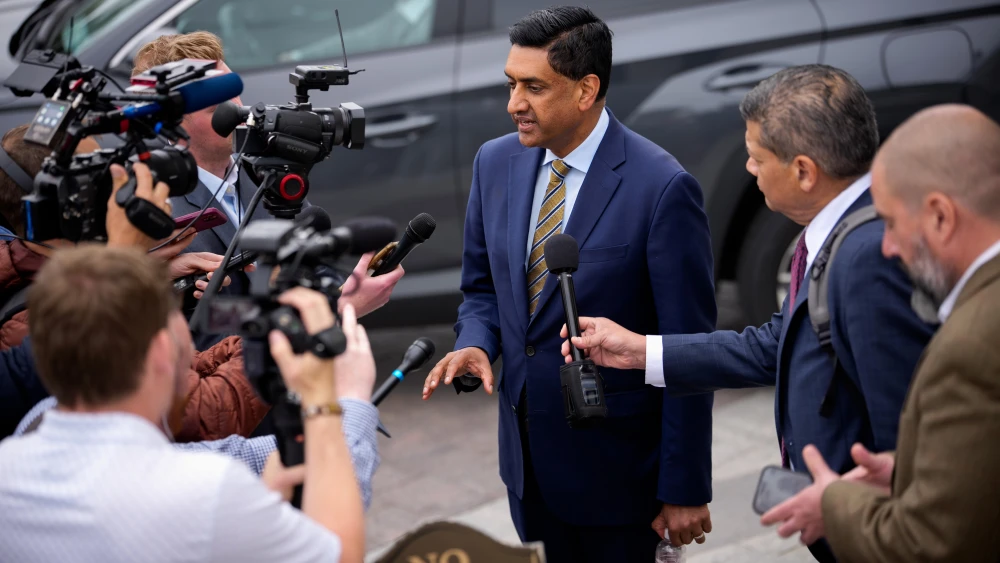
Rep. Ro Khanna (D-Calif.) speaks to members of the media near the U.S. Capitol Building in Washington, D.C., as he arrives for the last votes of the week before the Memorial Day recess, May 21, 2026. Photo by Andrew Harnik/Getty Images.

There was a time, not so long ago, when presidential aspirants from both major parties visited Israel to boost their campaigns. They still do so now, but for different reasons, as the recent misadventure of Rep. Ro Khanna (D-Calif.) illustrated.

In the past, American politicians traveled to Israel to make clear their solidarity with the Jewish state and its American supporters. They understood that this demographic was composed not merely of the vast majority of American Jews, but also of tens of millions of American Christians. Such visits were not merely ways to boost fundraising. They were an effort to demonstrate that the candidate was someone who appreciated that Israel was the sole democratic ally the United States had in the Middle East, as well as a place that deserved the admiration of the world for its tremendous achievements in the face of implacable hostility rooted in Jew-hatred.

Today, they go there to virtue-signal their solidarity with that same hatred.

Anti-Israel virtue-signaling

That’s something that many Israelis and American Jews struggle to understand. Try as they might to see Khanna’s visit—or the previous one by veteran politician Rahm Emanuel in the context of Israeli politics and disputes about who should be running the Jewish state and policies it ought to pursue (including those regarding “violent settlers” in Judea and Samaria)—these episodes are about something very different. They are a way to connect with the left-wing base of the Democratic Party and other Americans who have swallowed the idea that the struggle for global justice is inextricably linked to the Palestinian Arab war on Israel’s existence.

Rather than continuing to litigate the dispute about whether or not, as Khanna falsely claimed, “violent settlers” threatened and illegally detained him (or, as he also falsely claimed, the Israel Defense Forces and police aided those seeking to harm him), we need to understand that something else is going on here. It is the political context of the Khanna dustup that is significant—not the specific facts of the case. Once one sorts through the congressman’s disingenuous rhetoric and the credulous reporting about them in the mainstream media, however, it’s clear that the congressman didn’t tell the truth about what happened.

Khanna went to Israel to show the world that he’s against the Jewish state. The fact that he subsequently said that those who had explained his version of the incident were largely made up out of whole cloth were the same people who “lied about genocide” in Gaza tells you all you need to know about the story. Just as there has been no genocide in Gaza, there is no “apartheid” in Israel. Even some fellow Democrats who are not so invested in catering to the anti-Zionist crowd have criticized him for such a publicity stunt.

A big deal over nothing

The short version of the Khanna confrontation is that, accompanied by anti-Israel activists and some press people, the congressman journeyed into an area of Judea and Samaria that the IDF considers a closed military zone. Had he chosen to coordinate his trip with the U.S. embassy or the Israeli military or police, he likely would not have encountered any trouble. But since he did not—his tour guide was unable to ensure him ahead of time that there would be no issues—Jews who live in the area became suspicious and stopped him.

One can argue that they shouldn’t have done so, but videos supplied by Khanna’s entourage don’t back up the assertion that settlers threatened or detained him. Nor were they violent. They may have been armed, but all Jews living there are because of the ongoing hazard of Arab terrorism, which continues daily, even though it is rarely, if ever, reported in the press.

It was only after this encounter that Khanna reached out to the embassy, and soon, IDF soldiers arrived. When they arrived, not only did they not “side” with the supposedly violent settlers and acquiesce in Khanna’s “detainment.” Instead, they stayed in their vehicles and made the relevant calls to higher authorities, and soon sent him on his way.

It was, as Israeli commentator Haviv Rettig Gur, himself a loud critic of “violent settlers,” pointed out, an “irrelevance.”

Nothing happened, save for the fact that Khanna was delayed for a while. And that was largely because while traveling in a foreign country in an area where violence is routine—not from Jews, but from local Arabs—he chose not to inform the authorities where he was or what he was doing.

Why, then, did Khanna make a big deal about such a nothing burger?

The answer is obvious. Outlets like The New York Times, CNN, and even some Israeli and Jewish media were willing to publicize the event as an instance of “settler violence,” even before they knew the facts. For them, it fits into a narrative of Israeli bad behavior that they think defines the contemporary Jewish state. The liberal Times of Israel amplified Khanna’s demand that the Jews who had asked what he was doing there should be punished, since they think it helps undermine Israeli Prime Minister Benjamin Netanyahu and his supporters.

Why the focus on ‘violent settlers’

For many inside Israel and in the American Jewish community, this isn’t about Khanna and his ambitions, but a chance to vent their anger and frustration concerning the hundreds of thousands of Jews who live in Judea and Samaria. After the Second Intifada from the years 2000 to 2005, Israel—under then-Prime Minister Ariel Sharon—withdrew from the Gaza Strip in the summer of 2005. That move directly led to the transformation of the coastal enclave into a Hamas terrorist state in the summer of 2007.

The tragedy of Oct. 7, 2023, was the result of that terrible decision. In light of the massacre of 1,200 people and the kidnapping of 251 others that day, only a deluded radical fringe can go on advocating for a two-state solution.

The goal of evicting Jews from the heart of their ancient homeland to create a Palestinian state that will bring peace between the two peoples is a fairytale that, in reality, is a formula for more bloodshed. It is now painfully obvious that Palestinian national identity is linked to the dream of eradicating Israel, not achieving self-determination. So, all those who believed in this pretense are left with is the demonization of the Jews, who helped prevent their country from making the same mistake in Judea and Samaria that Sharon made in Gaza.

Yet their narrative about violent settlers, which has been adopted even by liberal Americans who support Israel, is itself a calumny. As JNS has reported, more than 90% of incidents reported as “settler violence” are nothing of the kind. Most are ordinary acts of Jews merely living or worshipping over the so-called “Green Line,” such as visiting the Temple Mount in Jerusalem. Every time a Jew defends themselves against Arab terror, it is considered an act of “settler violence.” And even incidents, such as one I was told about during a recent visit to the same region Khanna was touring, which involved local Palestinian Arabs killing a sheepdog belonging to an Israeli farming family, have been falsely reported as Jews killing a Palestinian Arab-owned dog.

Neither Khanna nor those who cheered his antics in the media after he cried “wolf” about settler violence care about these facts—or what happened when some Israelis had the temerity to ask him where he was going.

The real context is what is happening in the Democratic Party.

A political chameleon

Khanna, a native of Philadelphia and the son of Indian immigrant parents, is, like many in his profession, something of a political chameleon. A lawyer, he served as deputy assistant secretary of the U.S. Department of Commerce in the Obama administration. He was elected to Congress in 2016, where he continues to represent Silicon Valley.

He describes himself as a pro-business “progressive,” a contradiction in terms, but something that has ingratiated him with the left-leaning oligarchs who run Big Tech. In 2022, he was part of a delegation of pro-Israel members of Congress led by then House Speaker Rep. Nancy Pelosi (D-Calif.). But since Oct. 7, the views of the once marginal left-wing “Squad” in the U.S. House of Representatives about Israel and antisemitism have become mainstream discourse in the Democratic Party, as well as in liberal media.

Khanna is someone with national ambitions. He understands which way the wind is currently blowing in his party and has used his considerable sway with Democratic donors to invest in promoting some of the most prominent left-wing anti-Israel primary candidates, in addition to Democratic Socialists who oppose the capitalism that produced Silicon Valley.

He endorsed and campaigned with Abdul El-Sayed, a Michigan Islamist who has parlayed a nonstop stream of antisemitic invective demonizing the pro-Israel lobby AIPAC into a real chance of winning the state’s Democratic primary in August.

Khanna was also one of those most responsible for promoting the political fortunes of Graham Platner, the Nazi-tattooed Israel-basher who won the Democratic Senate primary in Maine. Khanna aided those seeking to deflect attention from scandals surrounding Platner, including those involving sexual misconduct. But his efforts collapsed after a local woman he dated years ago, a liberal activist, stepped forward with an accusation of rape, which ultimately forced Platner to withdraw from the race.

As recriminations among Democrats about those who foisted Platner on their party grew, Khanna knew that he needed to do something to change the conversation about his own role in that debacle. He may be a long shot for 2028 and is not yet making the cut in polls for the top 10 contenders for the Democratic presidential nomination, which is currently led by figures like former vice president Kamala Harris and California Gov. Gavin Newsom. But the congressman more than realizes that the party establishment that has dominated the presidential nomination process over the last three election cycles is unlikely to fend off the progressives who backed Socialist Sen. Bernie Sanders (I-Vt.) in 2016 and 2020. And so, he naturally turned to an issue that unites the left as a way of refocusing attention on himself.

Seen from that perspective, it doesn’t matter that thoughtful observers know that he lied about what happened on his recent trip to Israel.

Had he been interested in learning more about the conflict, in addition to meeting Palestinians who support the war on the Jews—like the mayor of Hebron, who murdered two Americans—then he might have met with Israelis from southern Israel who had been held hostage by Hamas or those residents in the north who have been rendered homeless by Hezbollah attacks from Lebanon. His visit, however, was orchestrated to show support for the blood libels about “genocide” and “apartheid.” All it does is reinforce the determination of Hamas and other terror groups to keep fighting for Israel’s destruction in the hope that someday, America will turn on its longtime Middle East ally: Israel.

Thinking about 2028

It’s unlikely that Khanna cares about the way he is helping to perpetuate the conflict. All he wants is to create a narrative in which he can be singled out as the most active and most-funded left-winger around whom progressives can unite in 2028.

Will he succeed? As one among many others on the left with similar ambitions, it’s difficult to envision Khanna being his party’s standard-bearer in two years. But stranger things have happened.

Still, his conduct should attract interest not so much because of the dubious notion that he is presidential timber, but because he is not mistaken about what will help galvanize Democrats. As we have seen in primary after primary this year, hostility to Israel has become, alongside a belief in open borders and anger about ICE enforcing immigration laws, the organizing principle of Democratic politics in 2026. If there is one prediction that seems safe to make right now, it is that he won’t be the only presidential candidate in two years who will try to weaponize anti-Zionism and hatred for Israel to smooth his path to the White House.


Jonathan S. Tobin is editor-in-chief of the Jewish News Syndicate, a senior contributor for The Federalist, a columnist for Newsweek and a contributor to many other publications. He covers the American political scene, foreign policy, the U.S.-Israel relationship, Middle East diplomacy, the Jewish world and the arts. He hosts the JNS “Think Twice” podcast, both the weekly video program and the “Jonathan Tobin Daily” program, which are available on all major audio platforms and YouTube. Previously, he was executive editor, then senior online editor and chief political blogger, for Commentary magazine. Before that, he was editor-in-chief of The Jewish Exponent in Philadelphia and editor of the Connecticut Jewish Ledger. He has won more than 60 awards for commentary, art criticism and other writing. He appears regularly on television, commenting on politics and foreign policy. Born in New York City, he studied history at Columbia University.


Zawartość publikowanych artykułów i materiałów nie reprezentuje poglądów ani opinii Reunion’68,
ani też webmastera Blogu Reunion’68, chyba ze jest to wyraźnie zaznaczone.
Twoje uwagi, linki, własne artykuły lub wiadomości prześlij na adres:
webmaster@reunion68.com


IDF declares closed military zone ahead of Nahala group’s march to Gaza with Smotrich, Ben-Gvir


IDF declares closed military zone ahead of Nahala group’s march to Gaza with Smotrich, Ben-Gvir

JERUSALEM POST STAFF


The Israeli army near the border fence with Gaza, southern Israel. February 09, 2026. / (photo credit: Tsafrir Abayov/Flash90)

The IDF closed the area surrounding the Gaza Strip to all non-residents on Sunday morning, ahead of a planned march into Gaza by the Nahala movement at 5:00 p.m.

The closed military zone extends from the Yad Mordechai junction, west of Highway 34, to the Sha’ar Hanegev junction, and from there west of Highway 232 to the Kerem Shalom area.

Further, it prohibits demonstrators from entering the area along the border fence.

The closed zone will be in effect from 8:00 a.m. on Sunday until the same time on Monday morning.

The march, titled “Thousands march to Gaza,” bears the slogan “After 21 years, we’re returning home,” referencing the 2005 disengagement from Gush Katif.

Members of Nahala movement march toward Gaza Strip with saplings and Israeli flags, February 5, 2026. (credit: The Nahala Movement)

National Security Minister Itamar Ben-Gvir, Finance Minister Bezalel Smotrich, Communications Minister Shlomo Karhi, Economy and Industry Minister Nir Barkat, Heritage Minister Amichai Eliyahu, and Social Equality Minister May Golan will reportedly all attend the march.

Golan called on the public to join her, declaring that “settlement equals security!”

MKs Limor Son Har-Melech (Otzma Yehudit), Almog Cohen (Otzma Yehudit), Simcha Rothman (Religious Zionist Party), and Zvi Sukkot (Religious Zionist Party) are also expected to attend.

The Nahala movement, which has been making recruitment efforts online over the past few days, was also joined by bereaved families, including Eliav Libi, the father of David Libi, who was killed in May 2025 in Gaza while conducting engineering work for the IDF on behalf of the Defense Ministry.

Libi called on the organization’s supporters to come to the Yad Mordechai junction, adding: “Everyone come, because we must return home!”

Nahala movement organizes march, crossings into Gaza

Since the start of the Israel-Hamas war in 2023, the Nahala movement has organized several similar marches towards the Gaza Strip, the most recent of which took place in February and in December.

In February, some 1,500 people gathered along the Gaza border to march toward the Strip and plant trees near the ruins of Nisanit.

Participants set out in groups toward the Black Arrow monument and other routes, carrying Israeli flags and saplings to signal support for renewed Jewish settlement as a path to security, according to the organizers.

At the time, the IDF had condemned the march and deployed both troops and Israel Police officers to prevent civilian marchers from reaching the fence and crossing the border.

In December, a group organized by the movement succeeded in crossing to Gaza, before being returned to Israel by IDF soldiers operating in the area. A second attempt was also made at a different point of the security fence between Gaza and Israel.


Shir Perets and Amir Bohbot contributed to this report.


Zawartość publikowanych artykułów i materiałów nie reprezentuje poglądów ani opinii Reunion’68,
ani też webmastera Blogu Reunion’68, chyba ze jest to wyraźnie zaznaczone.
Twoje uwagi, linki, własne artykuły lub wiadomości prześlij na adres:
webmaster@reunion68.com


Jewish Advocacy Group Blasts Australian Higher Education Establishment Over Antisemitism Revelations


Jewish Advocacy Group Blasts Australian Higher Education Establishment Over Antisemitism Revelations

Dion J. Pierre


People protest against the Royal Commission on Antisemitism and Social Cohesion in Sydney, Thursday, July 9, 2026. Photo: AAP Image/George Chan via Reuters Connect.

Australian Jewish advocacy groups have condemned the country’s universities after Jewish students, staff, and vice-chancellors delivered damning testimony this week to the Royal Commission on Antisemitism and Social Cohesion, describing how campus leaders allowed anti-Israel activism and antisemitism to go largely unchecked, particularly after the Oct. 7, 2023, Hamas attack on Israel.

“The harrowing testimony of Jewish students and staff, together with the evidence of several university vice-chancellors, has laid bare systematic failures of university leadership that allowed antisemitism to flourish almost unchecked on campus, especially after the October 7th attacks by Hamas,” the Australia/Israel and Jewish Affairs Council (AIJAC) said in a statement on Wednesday.

The Royal Commission, led by former High Court Justice Virginia Bell, is holding a week of hearings in Melbourne, from July 13 to 17, focused on antisemitism at Australian universities. It has heard from Jewish students and academics about their experiences, as well as from vice-chancellors of institutions including the universities of Sydney, Melbourne, and New South Wales, over their handling of campus protests.

University of Sydney Vice-Chancellor Mark Scott appeared before the commission on Wednesday and apologized to Jewish students and staff for the university’s handling of a pro-Palestinian encampment that occupied its Camperdown campus between April and June 2024. Scott told the inquiry he had “learnt just how menacing and threatening many found the encampments.”

The council also criticized universities’ inaction over the encampments and the presence on some campuses of Hizb ut-Tahrir, an Islamist group that Australia listed as a prohibited hate group in early 2026 following the Bondi Beach attack. “Evidence regarding inaction over the extremist pro-Palestinian encampments and the presence of the now proscribed hate group Hizb ut-Tahrir on some campuses raises serious questions about the judgement and leadership shown at those universities at a time when Jewish students and staff were pleading for protection,” AIJAC said.

The group said the hearings should mark a turning point for the sector. “These hearings should be a watershed moment,” it said. “Australian universities should finally accept responsibility and accountability for their failures and commit to the meaningful reforms … necessary to restore the safety, confidence and trust of Jewish students and staff.”

The Royal Commission was established in January by the federal government after the Dec. 14, 2025, Bondi Beach attack, in which a father and son, Sajid and Naveed Akram, opened fire on a Hanukkah celebration attended by around 1,000 people, killing 15 and wounding more than 40. Authorities described it as an antisemitic, Islamic State–inspired terrorist attack — the deadliest terrorist incident in Australia’s history.

Antisemitic incidents across Australia surged after the Oct. 7, 2023, Hamas attack. The Executive Council of Australian Jewry (ECAJ), the main representative body of the country’s Jewish community, recorded a 316 percent rise in reported antisemitic incidents in the 12 months that followed, compared with the prior year.

The unrest included a protest outside the Sydney Opera House on Oct. 9, 2023 — two days after the Hamas attack — where demonstrators lit flares and chanted antisemitic slogans. Widely circulated footage claimed the crowd chanted “gas the Jews,” though a New South Wales police forensic investigation later concluded the words were “where’s the Jews,” a phrase Jewish leaders condemned as menacing regardless.

The Australian government this week imposed new anti-racism standards requiring universities to adopt a formal definition of antisemitism, establish transparent complaints processes, and better protect students and staff. The government stopped short of mandating any specific definition, including the widely used International Holocaust Remembrance Alliance (IHRA) definition — a decision the opposition criticized.

“There is no place for antisemitism or any type of hate in our universities or anywhere else,” Education Minister Jason Clare said in announcing the standards. “Unis will have to act to prevent racism and respond when it happens.”


Zawartość publikowanych artykułów i materiałów nie reprezentuje poglądów ani opinii Reunion’68,
ani też webmastera Blogu Reunion’68, chyba ze jest to wyraźnie zaznaczone.
Twoje uwagi, linki, własne artykuły lub wiadomości prześlij na adres:
webmaster@reunion68.com

“Izrael, Dreyfus wśród narodów” – Wywiad z Joëlem Rubinfeldem – część 1

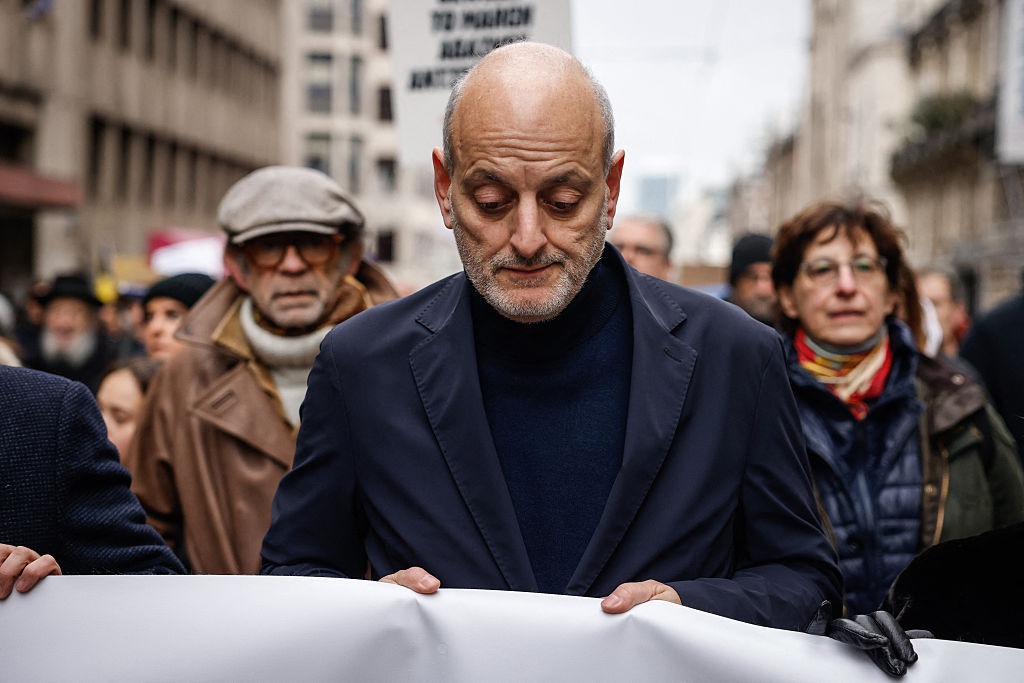
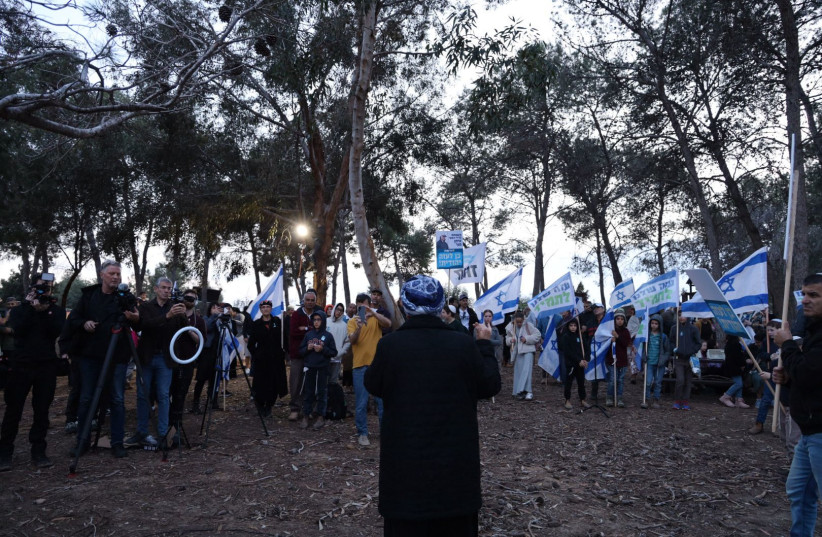
Na zdjęciu: Joël Rubinfeld (środek) niesie transparent na marszu przeciwko antysemityzmowi w Brukseli, 10 grudnia 2023 r. (Zdjęcie: Simon Wohlfahrt/AFP via Getty Images)


“Izrael, Dreyfus wśród narodów” – Wywiad z Joëlem Rubinfeldem – część 1

Grégoire Canlorbe
Tłumaczenie: Andrzej Koraszewski


Joël Rubinfeld współzałożyciel i przewodniczący Belgijskiej Ligi Przeciw Antysemityzmowi.

Canlorbe: Określił Pan Izrael jako “Dreyfusa wśród narodów”. Co to oznacza?

Rubinfeld: Od 7 października 2023 roku żyjemy w pewnego rodzaju niekończącym się “procesie Dreyfusa”, z jedną zasadniczą różnicą: państwo zastąpiło jednostkę. Kiedyś na ławie oskarżonych stał Dreyfus; dziś jego miejsce zajęło państwo żydowskie.

“Oskarżycielami” w tym permanentnym procesie są agencje ONZ, “sprawozdawcy”, Amnesty International, Human Rights Watch, Oxfam, Liga Praw Człowieka — która, jak na ironię, została założona w 1901 roku w następstwie afery Dreyfusa. Istnieje również cały ekosystem organizacji twierdzących, że przemawiają w imieniu praw człowieka, wraz z ich przekaźnikami w redakcjach, środowisku akademickim, kręgach aktywistycznych i kulturalnych oraz w kawiarniach i na ulicach.

Kiedy widzę tych tak zwanych demonstrantów “pro-palestyńskich”, odnoszę wrażenie, że wielu z nich w ogóle nie obchodzi los Palestyńczyków. Gdyby naprawdę byli pro-palestyńscy, najpierw wzywaliby do likwidacji Hamasu, który jest trucizną i koszmarem przede wszystkim dla samych Palestyńczyków. Niestety, ta trucizna została szeroko zaakceptowana przez absolutną większość (56%) Hamasu w ostatnich palestyńskich wyborach parlamentarnych w 2006 roku.

Te demonstracje w Europie — 300 000 ludzi w Londynie, 100 000 w Brukseli i setki tysięcy we Francji — przypominają mi marsze z początku lat 30. w Niemczech. Oczywiście nie jest to dokładna analogia historyczna, ale widać podobieństwo w zajmowaniu przestrzeni publicznej, dynamice tłumu i presji wywieranej na życie polityczne. Są też nienawistne hasła — kiedyś wymierzone w Żydów, dziś w państwo żydowskie i jego zwolenników: “Śmierć Żydom” staje się “Śmierć Izraelowi”, “Bojkotujcie Żydów” staje się “Bojkotujcie syjonistów” — nowym, grzecznym, “politycznie poprawnym” określeniem nienawiści do Żydów.

Ta gorączka uliczna wywiera nacisk na przywódców politycznych. Wielki problem polega na tym, że wielu z nich myśli wyłącznie w kategoriach arytmetycznych. Mają skłonność do uproszczonego, a tym samym rasistowskiego postrzegania wspólnot: “Żydzi” równa się “Izrael”, a “muzułmanie” równa się “Palestyna”. Gdy dokonają takiego rachunku, pojawiają się wnioski.

W Belgii jest około 30 000 Żydów i 900 000 muzułmanów — stosunek jeden do trzydziestu. Cynicy dochodzą do wniosku: “Mam wszystko do stracenia, broniąc Żydów lub Izraela, i wszystko do zyskania, wspierając ‘Palestynę’ — płynąc na fali tego, czym Hamas stał się w wyobraźni aktywistów — bo to daje mi głosy”.

W Brukseli, ze względu na jej specyficzną demografię, antysemityzm stał się atutem wyborczym. Nie “stary” antysemityzm nostalgików Auschwitz, lecz jego zaktualizowana, współczesna forma — taka, która zrównuje Gazę z Auschwitz.

To głosy wyborcze sprawiają, że sytuacja staje się niemal nieodwracalna. Nazwano to “islamską zasadą liczebności”: gdy jest się w mniejszości, pozostaje się stosunkowo niewidocznym, lecz im większy staje się udział w populacji, tym bardziej rośnie asertywność. Ekspert ds. islamu Raymond Ibrahim zauważa, że w Europie, gdzie mniejszości muzułmańskie są większe niż w Stanach Zjednoczonych, otwarta przemoc stała się powszechna — ale zawsze przedstawiana jako “obrona”, ponieważ to słowo uspokaja Zachód. Przytacza przykład Londynu, gdzie muzułmanie stanowią obecnie około 15% populacji: morderca żołnierza Lee Rigby’ego, z rękami wciąż pokrytymi krwią, oświadczył: “Przysięgamy na wszechmogącego Allaha, że nigdy nie przestaniemy z wami walczyć, dopóki nie zostawicie nas w spokoju… Nigdy nie będziecie bezpieczni”, a następnie usprawiedliwił morderstwo zemstą za śmierć muzułmanów z rąk brytyjskich żołnierzy.

Spójrzmy na Nigerię, która jest mniej więcej w połowie muzułmańska i w połowie chrześcijańska. Od co najmniej 2000 roku trwa tam ekstremistyczne muzułmańskie ludobójstwo, w którym — według danych z raportu z 2025 roku Międzynarodowego Towarzystwa na rzecz Swobód Obywatelskich i Rządów Prawa (Intersociety) — “od 2009 roku zginęło około 185 009 Nigeryjczyków, w tym 125 009 chrześcijan i 60 000 ‘liberalnych muzułmanów'” — i nadal giną.

Od miesięcy ostrzegam, że możemy być świadkami ostatniego okresu istnienia “znaczącej” społeczności żydowskiej w Belgii. Już teraz jest ona bardzo mała: 0,25% populacji. Być może do 2050 roku nie będzie już 30 000, lecz mniej niż 10 000. Exodus już się rozpoczął — i przyspiesza.

Canlorbe: Jak wyjaśnia Pan tych Żydów, którzy dołączają do oskarżycieli w tym “procesie Dreyfusa” przeciwko Izraelowi?

Rubinfeld: To intrygujące pytanie. Moja interpretacja “żydowskiej nienawiści do samego siebie” — pojęcia spopularyzowanego sto lat temu przez Theodora Lessinga w Der jüdische Selbsthaß — jest taka, że historia narodu żydowskiego była wszystkim, tylko nie spokojna. Bycie Żydem oznaczało przez 4000 lat konfrontację z najbardziej niedorzecznymi oskarżeniami: o wywoływanie głodu, zatruwanie studni, profanację hostii, szerzenie epidemii, “mord rytualny”, kontrolowanie świata… Choćby były najbardziej obłąkane, każde oskarżenie zdaje się znajdować odbiorców — czasem nawet większość. Jak ktoś powiedział: “Problemem nie jest to, jacy są Żydzi, lecz to, w co jesteś gotów uwierzyć, że są”.

Życie jako Żyd w środowisku, w którym obarcza się go winą za wszystko, wymaga odporności, samozaparcia i ducha oporu. Nie każdy jest do tego zdolny. Zamiast trwać, niektórzy mogą mieć nadzieję — z powodu strachu i chęci przetrwania — że jeśli będą mili wobec swojego oprawcy, ten w końcu się opamięta i zobaczy, jacy są “dobrzy”. Mogą nawet przekonać samych siebie, że jeśli zgodzą się z oprawcą, ten ich doceni i zacznie podziwiać — wtedy przestaną być w niebezpieczeństwie. Mogą nawet przyjąć jego punkt widzenia, jak dziecko, na które rodzic jest zły. Łatwiej jest mu uznać, że rodzic ma rację, a problem tkwi w nim samym. To próba poradzenia sobie z przerażającą sytuacją — i zazwyczaj nie działa. Oprawcy znęcają się; to właśnie lubią robić. Jak zauważył psychiatra dr Kenneth Levin w książce The Oslo Syndrome, dziecko jest zależne od rodzica i chce czuć się bezpiecznie. “Jeśli tylko przestanę moczyć łóżko — może wtedy mnie polubi” — myśli dziecko. Zbyt przerażające jest dostrzeżenie, że problemem może nie być wcale moczenie łóżka, lecz jedynie pretekst. Widzieliśmy podczas II wojny światowej, że ludzie potrafią zracjonalizować wszystko.

Czasem spotyka się osoby urodzone jako Żydzi, które zrywają ze swoim dziedzictwem, postanawiają “już nie być Żydami” i stają się antysemitami, by udowodnić swoją “dobrą wolę”.

W głębi duszy — sądzę — wiedzą, że to zerwanie oznacza kapitulację: porzucają judaizm, aby uciec przed presją, zdobyć społeczną akceptację, czasem chronić swoje potomstwo. Ale od tego momentu Żydzi, którzy pozostają — ci, którzy mimo ataków trwają przy swojej tożsamości — stają się dla nich nie do zniesienia lustrem.

Każdy Żyd, który trwa niewzruszenie, odbija im niewygodny obraz: “Ja zostaję, przyjmuję ciosy, ale pozostaję tym, kim jestem”. Ten, który się odciął, postrzega siebie jako tchórza. To napięcie przeradza się w agresję: ulega antysemityzmowi, przyjmując strategię spalonej ziemi. Opuścił judaizm — więc teraz zwraca się przeciw Żydom, by pokazać innym: “Widzicie? Nie jestem taki jak oni. Jestem dobry! Lubicie mnie teraz?”

Ten schemat pojawia się w kilku przykładach historycznych: Nicholas Donin (XIII w.), konwertyta z judaizmu i inicjator procesu, który doprowadził do spalenia Talmudu w Paryżu; Pablo Christiani (Paweł Chrześcijanin), Żyd-konwertyta, który został dominikaninem i uczestniczył w kampaniach religijnych przeciw Żydom w XIII w., przekonując Ludwika IX do przywrócenia obowiązku noszenia rouelle — prekursora żółtej gwiazdy; Bernard Lazare — przypadek interesujący: przed aferą Dreyfusa napisał dzieło antysemickie, lecz później stał się jednym z najwcześniejszych i najwierniejszych obrońców żydowskiego kapitana, twierdząc, że sprawa “uratowała mu życie”; Gilad Atzmon — brytyjski muzyk jazzowy pro-palestyński, urodzony w Izraelu, zajadły antysemita, który później twierdził, że przeszedł na chrześcijaństwo — co nie przeszkodziło mu w kontynuowaniu ataków; Karl Kraus — austriacki pisarz antydreyfusowski, który zerwał z judaizmem i rozwinął obsesyjną krytykę tego, co nazywał “prasą żydowską”.

U podstaw tego wszystkiego leży prosta myśl: nie jest łatwo być Żydem. Niektórzy odczuwają swoją tożsamość jako ciężar. W XIX wieku, nawet po emancypacji i uzyskaniu praw obywatelskich, silne bariery społeczne nadal istniały. Wielu wybierało konwersję nie z wrogości, lecz z pragnienia dopasowania się, by być “jak wszyscy” — jak dziecko, by być kochanym.

Dla jasności: odejście od judaizmu samo w sobie nie jest dla mnie naganne. Mam liberalne podejście: można wejść, odejść, wybrać — każdy robi ze swoim życiem, co chce. To jednak jedno; popadanie w antysemityzm to drugie. W tym momencie staje się to moim problemem: nie mamy już do czynienia z osobistym wyborem, lecz z przejściem do aktywnej, czasem gwałtownej wrogości wobec innych — w tym przypadku wobec tego, czym się kiedyś było.


Grégoire Canlorbe, dziennikarz, obecnie mieszka w Paryżu.


Zawartość publikowanych artykułów i materiałów nie reprezentuje poglądów ani opinii Reunion’68,
ani też webmastera Blogu Reunion’68, chyba ze jest to wyraźnie zaznaczone.
Twoje uwagi, linki, własne artykuły lub wiadomości prześlij na adres:
webmaster@reunion68.com