Archive | March 2018

ŻIH — IDENTYFIKACJA ZNISZCZONYCH STARYCH DRUKÓW

DEFEKTY, UBYTKI, DESTRUKTY — IDENTYFIKACJA ZNISZCZONYCH STARYCH DRUKÓW

Magdalena Bendowska


W kolekcjach starych książek trafiają się druki uszkodzone, zachowane tylko we fragmentach. Najczęściej brakuje kart tytułowych oraz kart końcowych – a więc tych fragmentów, które są najbardziej narażone na uszkodzenia. A to właśnie tam umieszcza się informacje dotyczące autora, tytułu dzieła, miejsca i roku wydania oraz oficyny drukarskiej. Identyfikacja takich druków jest mocno utrudniona, a w przypadku dzieł mających wiele wydań i przedruków – wręcz niemożliwa.

Karta tytułowa Kol bo, Wenecja1547. / Ze zbiorów ŻIH

Wśród takich hebrajskich książek, w zbiorach ŻIH znajduje się pozycja z ręcznie napisanym na wyklejce tytułem Sefer ha-szoraszim (księga źródeł). Nie wiadomo, kto dokonał tego wpisu, ale nigdy nie należy lekceważyć takich tropów. Dawni właściciele, a także naukowcy pracujący w ŻIH tuż po wojnie, kiedy to zbiór starych druków trafił do Instytutu, byli wysokiej klasy specjalistami i niejednokrotnie ich uwagi wskazywały właściwy kierunek poszukiwań bibliograficznych.

Sefer ha-szoraszim to tytuł jednego z dzieł Dawida Kimchi — średniowiecznego rabina, komentatora Biblii, filozofa i gramatyka. Żywa pagina (tytuł umieszczony nad tekstem, u góry strony) na pierwszej zachowanej karcie naszej książki brzmi Ot alef (spółgłoska alef) i zmienia się co kilkanaście kart przyjmując nazwy kolejnych liter alfabetu hebrajskiego. Wszystko wskazuje więc na to, że faktycznie mamy przed sobą słownik hebrajski wydany pod takim tytułem.

W dostępnej on-line The Bibliography of the Hebrew Book 1473–1960 znaleźć można 10 wydań tego dzieła. Trzy z nich wydrukowano już w XV wieku – były to więc inkunabuły (książki wydrukowane do 1500 r.). Zwracają uwagę dwa wydania weneckie z 1546 r. – jedno wytłoczone w oficynie Daniela Bomberga, drugie w oficynie Marco Antonio Giustinianiego. Oba w formacie folio – takim, jak nasza książka. Wydanie Bomberga liczyło 143 karty, nasz egzemplarz liczy 546 szpalt (nie kart) numerowanych alfabetem hebrajskim i jedną kartę nieliczbowaną – dokładnie tyle, ile wydanie Giustinianiego. Opis wskazuje ponadto na pewien istotny szczegół: w jednym z wersetów pieśni zamieszczonej na ostatniej stronie podano datę ukończenia druku – rok 308 [1548] (wg karty tytułowej druk rozpoczęto w 1546 r.). I rzeczywiście 14-ty werset pieśni z naszego egzemplarza podaje taką datę. To rozstrzyga sprawę – mamy niewątpliwie do czynienia z tym konkretnym wydaniem. Zgadza się format, sposób liczbowania i ilość kolumn, a nawet data ukryta na ostatniej stronie. Warto pamiętać, że wszystkie książki hebrajskie wydane we Włoszech w pierwszej połowie XVI wieku są niezwykle cenne. W 1553 r. papież Juliusz III wydał bowiem bullę nakazującą konfiskatę i spalenie Talmudu, co pociągnęło za sobą zniszczenie wielu innych ksiąg hebrajskich.

Okazuje się także, że istniały dwa wydania wariantowe tej edycji: z tytułem łacińskim Thesaurus linguae sanctae sive dictionarium Hebreum i bez niego. Którą z tych dwóch kart tytułowych miał nasz egzemplarz? Tego już się nie dowiemy.

Ciekawość kazała mi poszukać w internecie karty tytułowej edycji Giustinianiego, choć zdobycie dostępu do skanów druków hebrajskich bywa trudne. Tym razem jednak udało się, książka znajduje się w kolekcji Duke University Libraries (uniwersytet w Durham w stanie Karolina Północna): https://archive.org/details/seferhashorashim02kimh (dostęp 4.01.2018). Na karcie widnieje także słynny sygnet drukarski Giustinianiego, mający przedstawiać Świątynię Jerozolimską.

Wielka szkoda, że nie możemy tej karty podziwiać w naszym egzemplarzu. Szczęśliwym zbiegiem okoliczności w zbiorach ŻIH znajduje się inna książka z tej oficyny, w której wykorzystano tę samą kartę tytułową! Chodzi o wydaną w 1547 r. książkę Kol bo – dzieło zawierające nakazy i zwyczaje, których powinien przestrzegać każdy wyznawca judaizmu. Można ją było zobaczyć w 2011 r. na wystawie starych druków ze zbiorów ŻIH Świat ukryty w księgach.


twoje uwagi, linki, wlasne artykuly, lub wiadomosci przeslij do: webmaster@reunion68.com


Yad Vashem NewsLetter February

Yad VashemYad Vashem NewsLetter February

Yad Vashem


What’s New

New Exhibition – Flashes of Memory: Photography during the Holocaust

In January 2018, Yad Vashem inaugurated a new exhibition entitled Flashes of Memory: Photography during the Holocaust.” The exhibition, housed in the Exhibitions Pavilion of Yad Vashem’s Museum Complex, presents a critical account of visual documentation – photographs and films – created during the Holocaust by German and Jewish photographers, as well as by members of the Allied forces during liberation. The exhibition focuses on the circumstances of the photograph and the worldview of the documenting photographer while emphasizing the unique viewpoint of the Jewish photographers as direct victims of the Holocaust. Displayed throughout this exhibition are some 1,500 photographs and 13 films, as well as original newspaper clippings, albums, diaries, and a number of original cameras from the period. Click here to view a promo for the exhibition.

Marking International Holocaust Remembrance Day in Israel and Abroad

Ahead of International Holocaust Remembrance Day, Yad Vashem Chairman Avner Shalev participated in a special Israeli Government Cabinet meeting dedicated to Holocaust commemoration where he presented the attending ministers and Prime Minister Benjamin Netanayhu with an overview of the current status of international Holocaust commemoration. Shalev’s appearance commenced the myriad commemorative activities in Israel and throughout the world through which Yad Vashem marked the UN-sanctioned International Day of Commemoration in Memory of Victims of the Holocaust. In addition, Yad Vashem hosted members of the international diplomatic community at its annual event, who were addressed by Israel’s President H.E. Mr. Reuven Rivlin and Yad Vashem Chairman Avner Shalev.

Spotlight on the Web

Online Commemoration Activities

Yad Vashem uploaded a mini-site marking International Holocaust Remembrance Day, featuring a variety of resources for the public to view, share and engage in, including online exhibitions, educational resources and the I Remember Wall. This annual social media campaign is a unique and meaningful opportunity for the public to participate in a commeorative activity to mark International Holocaust Remembrance Day. By joining the IRemember Wall, the participant’s Facebook profile is randomly linked to the name of a Holocaust victim from Yad Vashem’s Central Database of Shoah Victims’ Names. The IRemember Wall was promoted on Facebook, Instagram and Twitter. Some 8,000 people joined the IRemember Wall from 193 different countries.

New Online Exhibition – Last Letters from the Holocaust: 1943

Over the decades, Yad Vashem has collected thousands of personal letters that reveal the hardships of Jews surviving day by day during the Holocaust. A selection of this correspondence is featured in the third in a series of online exhibitions about last letters sent during the Shoah: “‘I Left Everyone at Home’: Last Letters from 1943”. Tragically, many of the letters contain optimistic messages and hope for reunion. These online exhibitions provide rare documentation of the stories of Holocaust victims through their manuscripts, photos, Pages of Testimony that were filled out in their memory, and excerpts of testimony from family members who survived.

Names Recovery

Page of Testimony Leads to Miraculous Family Reunion

The last time 102-year-old Holocaust survivor Eliahu Pietruszka saw his family was in Warsaw. All these years he believed that his entire family had been murdered during the Holocaust. But in November 2017, Eliahu met for the first time with his newly discovered nephew Alexandre, the son of a brother who, unbeknownst to him, had also survived. The emotional meeting took place thanks to information on Pages of Testimony recorded on Yad Vashem’s online Central Database of Shoah Victims’ Names. Alexandre was moved to tears when he saw a prewar family photograph, saying that it was the first time that he had seen a photograph of his grandparents. Alexandre recounted how his father Wolf always thought that he was alone in the world and, like Eliahu, believed that no-one from his family survived the war.

New Publications

I Am Writing These Words to You – The Original Diaries, Będzin 1943

By: Chajka Klinger | Editor: Avihu Ronen
I Am Writing These Words to You reveals Chajka Klingers’ soul-searching response to the existential conflicts that plagued her while writing her diaries. Chajka Klinger (1917–1958), who was born into a Hasidic family, joined Hashomer Hatzair and became a major activist in the Jewish Fighting Organization (ŻOB) in Będzin. She was chosen by her comrades to survive and to document their history to ensure their memory. “Condemned to live,” she fulfilled her obligation to them by writing her diaries while in hiding in 1943. Chajka Klinger’s diaries are among the earliest comprehensive documents to reach the Jewish public outside of occupied Poland during the war. The notebooks provide a window into the activities of the Jewish youth movements during the Holocaust, and convey vastly important information about the ŻOB in Będzin and in Warsaw, the relationships between the underground organizations and the Judenrat, the response of the Jewish public to the extermination, and about Mordechai Anielewicz. Available for purchase in Yad Vashem’s online store.

Denunciation and Rescue – Dutch Society and the Holocaust

By: Pinchas Bar-Efrat  
Denunciation and Rescue examines the attitude of the Dutch authorities toward the Jews during the Nazi occupation, the directors of the various government ministries, the ministers of the government-in-exile in London, and of Dutch society in general. Bar-Efrat probed thousands of files of postwar trials of war criminals in the Netherlands and found that the punishments imposed on those who denounced and betrayed Jews were often relatively lenient given the severity of their crimes. The author discusses the modus operandi of these war criminals and their motives for denouncing Jews, and activities of the Dutch police, and in contrast, the actions of the Dutch resistance and the Dutch individuals who concealed Jews and assisted them in obtaining false papers, or provided them with ration cards and money. Available for purchase in Yad Vashem’s online store.

News Highlights

Israel Slams ‘Baseless’ Holocaust Legislation in Poland, in the New York Times
New Israeli exhibit highlights power of photos in Holocaust , in Yahoo News
David Cesarani awarded posthumous honour, in the Jewish Chronicle
Pence wraps up Israel visit at Yad Vashem, in Ynet News
Jews who saved other Jews from Nazis faced dilemmas too difficult for Solomon, in the Times of Israel
102-year-old man who lost family in Holocaust meets nephew for the first time, in ABC News
Yad Vashem Uncovers 200,000 Previously Unknown Names of Hungarian Holocaust Victims, in the Times of Israel
Last letters from the Holocaust: Remembering the victims, in Deutsche Welle

With Your Support

Help Collect Missing Names of Shoah Victims

Each person comes into the world with his or her own personality and set of skills, hopes and fears, dreams and desires – an identity. Encompassing the essence of that identity is a name, embodying not only the unique attributes of the individual, but their heritage and a connection to their past and future. The Nazis attempted to take millions of individuals and eliminate them entirely, replacing names with numbers. For seven decades, Yad Vashem has been investing great efforts to uncover the names of every victim of the Shoah. Today, with much of the relevant information found only in the memories of ever-aging Holocaust survivors and relatives, the passing of time is working against us. To date, 4,700,000 names of Shoah victims have been recorded in Yad Vashem’s Central Database of Shoah Victims’ Names. Partner with us in this urgent mission to collect the missing names.


Zawartość publikowanych artykułów i materiałów nie reprezentuje poglądów ani opinii Reunion’68,
ani też webmastera Blogu Reunion’68, chyba ze jest to wyraźnie zaznaczone.
Twoje uwagi, linki, własne artykuły lub wiadomości prześlij na adres:
webmaster@reunion68.com



Women Of The Israel Defense Forces

Conan Trains With The Women Of The Israel Defense Forces – CONAN on TBS

   Team Coco


Conan undergoes rigorous training with the IDF’s Karkl Battalion and is almost immediately deemed unfit for duty.


Zawartość publikowanych artykułów i materiałów nie reprezentuje poglądów ani opinii Reunion’68,
ani też webmastera Blogu Reunion’68, chyba ze jest to wyraźnie zaznaczone.
Twoje uwagi, linki, własne artykuły lub wiadomości prześlij na adres:
webmaster@reunion68.com


Podwójna tożsamość europejskich Żydów.

Podwójna tożsamość europejskich Żydów.

Natalia Krasicka


KRASICKA: Podwójna tożsamość europejskich Żydów. Edgar Morin, „Świat nowożytny a kwestia żydowska

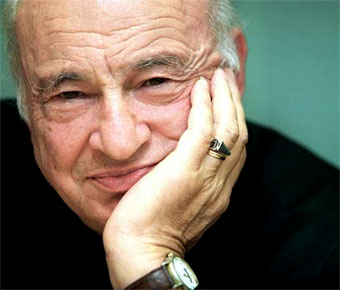
Edgar Morin (French: [mɔʁɛ̃]; born Edgar Nahoum on 8 July 1921) is a French philosopher and sociologist who has been internationally recognized for his work on complexity and “complex thought,” and for his scholarly contributions to such diverse fields as media studies, politics, sociology, visual anthropology, ecology, education, and systems biology. He holds degrees in history, economics, and law. Though less well known in the United States due to the limited availability of English translations of his over 60 books, Morin is renowned in the French-speaking world, Europe, and Latin America.At the beginning of the 20th century, Morin’s family migrated from the Greek city of Salonica (Thessaloniki) to Marseille[9] and later to Paris, where Edgar was born. He is of Judeo-Spanish (Sefardi) origin.

Podwójna tożsamość europejskich Żydów

W 2002 roku francuski filozof i socjolog żydowskiego pochodzenia, Edgar Morin, został oskarżony przed sądem o głoszenie pochwały terroryzmu i antysemityzmu. W poczuciu absolutnego niezrozumienia dla swoich poglądów i intencji, Morin postanowił przedstawić szerzej opinii publicznej swoje poglądy na temat obecności Żydów w Europie Zachodniej od średniowiecza aż po czasy współczesne. Tak powstał esej „Świat nowożytny a kwestia żydowska”, wydany w 2006 roku we Francji wraz z kilkoma artykułami tego samego filozofa na temat kolonizacyjnej polityki Izraela wobec Palestyńczyków oraz stosunku Żydów z diaspory do bliskowschodniego konfliktu.

Morin nie godzi się na binarne widzenie rzeczywistości, dzielące świat nowożytny i współczesny na Żydów i gojów. Głos autora to głos scalający te dwie tożsamości i zarazem przekraczający je. „Wydało mi się konieczne – pisze Morin – by na określenie Żydów obywatelsko zintegrowanych, przyswajających kulturę gojów, zaproponować pojęcie judeogoja”. Pojęcie to oddaje w jego rozumieniu lepiej niż inne kondycję nowożytnego Żyda, wyrosłego w uniwersalistycznej kulturze europejskiej, łączącej pierwiastki judeochrześcijańskie z helleńsko-rzymskimi. „Pojęcie Żyda – kontynuuje filozof – niweluje całą złożoność tożsamości nowoczesnego świata. Redukuje judeogoja do samych tylko żydowskich determinantów i zamyka go w nich”.

Pierwszymi judeogojami byli wedle Edgara Morina św. Paweł i wcześni chrześcijanie. Jednak dopiero marranizm, czyli religijna kondycja XV-wiecznych hiszpańskich i portugalskich konwertytów, przechowujących sekretnie żydowski obyczaj, jest pierwszą archaiczną wersją nowoczesnej judeogojowskiej tożsamości. Mówiąc o potomkach marranów, u których mentalne zderzenie obu wierzeń wywołało kryzys wiary, Morin posługuje się terminem neo- lub postmarranizmu. Niektórzy w środowisku bardziej tolerancyjnym powracali do żydowskich korzeni, inni wstępowali na drogi sceptycyzmu i racjonalizmu. Tych ostatnich właśnie nazywa filozof postmarranami, zaliczając do nich między innymi Michela de Montaigne’a, Barucha Spinozę i Uriela Acostę.

Tak jak nie sposób mówić o historii Żydów w oderwaniu od historii innych ludów, tak niemożliwe jest rozważanie historii świata w całkowitym oderwaniu od historii Żydów. Judeogoje odegrali rolę fermentu w okresie pierwszej nowoczesności. Tworząc globalną sieć handlowo-kupiecką, afirmując i propagując uniwersalistyczne wartości europejskiego humanizmu, przyczynili się do gospodarczego i intelektualnego rozkwitu świata zachodniego. Ich stały wpływ na ekonomię i kulturę w XIX i w pierwszej połowie XX wieku stanowił impuls dla globalizacji i tworzenia się świata metanarodowego. Judeogoje wpisali się, wzbogacając go i jednocześnie sami z niego czerpiąc, w rozległy i różnorodny nurt myśli i kultury zachodniej. Autor cytuje ich często w swojej książce. Są wśród nich sławni pisarze, poeci, filozofowie, naukowcy, malarze i muzycy.

Wieloraką judeogojowską tożsamość – uważa Morin – można ukazać także w kontekście różnych przejawów antyżydowskich uczuć: począwszy od zakorzenionego w chrześcijaństwie antyjudaizmu, poprzez nowoczesny antysemityzm rozwijający się równolegle do XIX-wiecznych nacjonalizmów oraz różne odmiany antysyjonizmu, aż po współczesny antyizraelizm i antyjudaizm, promieniujące ze świata arabsko-muzułmańskiego. To one determinują w dużym stopniu proporcje, w jakich obydwie składowe judeogojowskiej tożsamości rozkładają się w świadomości poszczególnych jednostek. W różnych okresach jeden aspekt może dominować nad drugim lub niemal go eliminować. Pierwszy z nich to więź z narodem i z europejskim humanizmem, drugi to historyczna pamięć minionych nieszczęść i wierność prześladowanym przodkom.

Mimo procesów emancypacji, laicyzacji i niekiedy pełnej asymilacji, u judeogojów pokutuje kompleks odrzucenia, syndrom duchowego getta, wypływający na powierzchnię zawsze, kiedy spotykają się z przejawami jakiejkolwiek dyskryminacji. To one jednoczą ich w tragicznej wspólnocie losu, o której, mając na myśli Zagładę, pisał Jean Améry. Zdaniem Morina właśnie Zagłada położyła ostatecznie kres absolutnemu wyzwoleniu judeogoja z jego składowej żydowskiej. Filozof pisze wprost: „Nazistowski eksterminacjonizm ustanowił absolutną segregację Żydów i gojów”.

Moralny wstrząs będący efektem Zagłady sprawił, iż zmieniła się nie tylko percepcja gojów, którzy antysemityzm zaczęli identyfikować z hitlerowską hańbą, lecz także tradycyjne nauczanie Kościoła katolickiego, który podczas II Soboru Watykańskiego napiętnował chrześcijański antyjudaizm. Z kolei większość Żydów i judeogojów uznała po wojnie syjonistyczne dążenia, co doprowadza do coraz ściślejszej symbiozy między rabinizmem i izraelizmem, a także do coraz powszechniejszego utożsamiania się diaspory z Izraelem. Przyczyn tego zjawiska należy upatrywać w dwóch zgoła odmiennych uczuciach.

Po pierwsze, w oczach wielu członków diaspory nowe państwo żydowskie przywróciło Żydom szacunek w oczach świata. Mogą dziś czuć się dumni i silni. Wizerunek bezbronnego i wiecznie pogardzanego włóczęgi zastąpiło wyobrażenie zwycięskiego wojownika, jawiącego się niczym David pogromca Goliata. Jednak to poczucie dumy, twierdzi Morin, obecnie wyradza się i staje ślepe. Izrael depcze i upokarza naród palestyński, tak jak sam kiedyś był deptany i upokarzany.

Po drugie, czynnikiem wiążącym coraz bardziej członków diaspory z Izraelem jest lęk przed powtórzeniem się katastrofy Zagłady i unicestwieniem Izraela. Podsyca go rosnący antyjudaizm świata arabskiego. „Identyfikacja z Izraelem i obsesja Auschwitz – pisze Morin – sprawiają, że żydowska składowa judeogojowskiej tożsamości staje się niebezpieczna. […] Uniwersalizm ustępuje miejsca własnej odwrotności, czyli judeocentryzmowi”. Ten ostatni objawia się usprawiedliwianiem okupacyjnej i kolonizacyjnej polityki Izraela, a także oskarżaniem wszystkich, którzy Izrael potępiają lub choćby tylko krytykują, o antysemityzm i szerzenie wrogości do Żydów.

Francuski myśliciel stoi na stanowisku, iż nowy antyjudaizm, utożsamiany zresztą błędnie a nader często z nowoczesnym europejskim antysemityzmem, prowokowany jest nieustannie przez sam Izrael, ucieleśniający nowy rodzaj społeczno-państwowej psychopatologii. Współczesna żydowska obsesja tropienia i odpierania wszechobecnej wrogości jest zjawiskiem szkodliwym. Stanowi także wstrząsający dowód na „intelektualne spustoszenia wynikłe z mentalnej interioryzacji dwóch tysiącleci poniżeń i prześladowań”.

Wielka pasja polemiczna, z jaką Edgar Morin pisze o tych sprawach, stawia go w rzędzie radykalnych krytyków izraelskiej polityki. Zarazem udowadnia on swoją książką, jak bardzo niesprawiedliwe jest oskarżanie go o antysemityzm i wspieranie terroryzmu. Każdy, kto zapozna się z jego pogłębioną refleksją, ujrzy w nim nie tylko człowieka uniwersalistycznie pojmującego znaczenie Szoah, lecz także prawdziwą, płynącą z głębi jego na poły żydowskiej duszy troskę o kraj, pędzący dobrowolnie w stronę katastrofy.


Książka:  Edgar Morin, Świat nowożytny a kwestia żydowska, przeł. Wojciech Prażuch, Czytelnik, Warszawa 2010.

* Natalia Krasicka, doktorantka Wydziału Historii i Cywilizacji European University Institute we Florencji.

„Kultura Liberalna” nr 82 (32/2010) z 3 sierpnia 2010 r.


Zawartość publikowanych artykułów i materiałów nie reprezentuje poglądów ani opinii Reunion’68,
ani też webmastera Blogu Reunion’68, chyba ze jest to wyraźnie zaznaczone.
Twoje uwagi, linki, własne artykuły lub wiadomości prześlij na adres:
webmaster@reunion68.com


Survey: Anti-Semitic incidents in US surged nearly 60% in 2017

Survey: Anti-Semitic incidents in US surged nearly 60% in 2017

World Israel News Staff


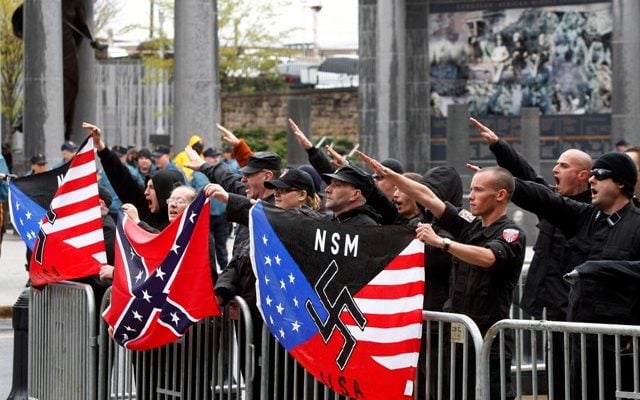
A Neo-Nazi rally in New Jersey. (AP/Mel Evans)

The year 2017 witnessed the largest single-year increase on record in anti-Semitic incidents in the US, an ADL report shows.

The number of anti-Semitic incidents in the US surged significantly in 2017 compared to 2016, according to new data released on Tuesday by the Anti-Defamation League (ADL).

In its latest “Audit of Anti-Semitic Incidents,” the ADL said that the number of anti-Semitic incidents was nearly 60 percent higher in 2017 than 2016, the largest single-year increase on record and the second highest number reported since ADL started tracking incidents in 1979
The ADL said the sharp rise was in part due to a significant increase in incidents in schools and on college campuses, which nearly doubled for the second year in a row.

A total of 1,986 anti-Semitic incidents was reported by the ADL across the US in 2017, including physical assaults, vandalism, and attacks on Jewish institutions.

This figure represents a 57 percent increase over the 1,267 incidents in 2016.

Every part of the country was affected, with an incident reported in all 50 states for the first time in at least a decade, the ADL noted.
“A confluence of events in 2017 led to a surge in attacks on our community – from bomb threats, cemetery desecrations, white supremacists marching in Charlottesville, and children harassing children at school,” said Jonathan Greenblatt, ADL CEO and National Director.

The desecration of Jewish headstones is a classic anti-Semitic act employed for hundreds of years.

“These incidents came at a time when we saw a rising climate of incivility, the emboldening of hate groups and widening divisions in society. In reflecting on this time and understanding it better with this new data, we feel even more committed to our century-old mission to stop the defamation of the Jewish people, and to secure justice and fair treatment to all,” he added.

In 2017, according to ADL, there were 1,015 incidents of harassment, including 163 bomb threats against Jewish institutions, up 41 percent from 2016. However, most of the threats were made as a hoax by a mentally ill 18-year-old American-Israeli.
There were 952 incidents of vandalism, up 86 percent from 2016, and 19 physical assaults, down 47 percent from 2016.

The largest increase in 2017 was in the category of vandalism.

“The dramatic increase in anti-Semitic acts of vandalism is particularly concerning because it indicates perpetrators feel emboldened enough to break the law,” the ADL said in the report.

In the vast majority of vandalism cases the perpetrators remain unidentified.
Incidents took place in every state across the country, but consistent with prior reports, the states with the highest number of incidents tend to be those with the largest Jewish populations. These include New York with 380 incidents, California with 268; New Jersey with 208, Massachusetts with 177, Florida with 98 and Pennsylvania with 96.

What is causing the spike?

According to the audit, there are myriad reasons why the numbers are rising. The report does not point to any main reason.

These include the fact that more people are reporting incidents to ADL than ever before.

Anti-Semitic incidents took place in a wide variety of locations, including places of business, private homes, public areas such as parks and streets, Jewish institutions and schools and colleges/universities.
Anti-Semitism continues to be a serious concern on college campuses and in public, private and parochial grade schools, the ADL underscored, as anti-Semitic incidents in K-12 schools and college campuses in 2017 nearly doubled over 2016.

There were 457 anti-Semitic incidents reported in non-Jewish schools, up from 235 in 2016 and 114 in 2015. Jewish institutions and schools also saw incidents double, jumping from 170 in 2016 to 342 last year. Meanwhile, college campuses saw a total of 204 incidents in 2017, compared to 108 in 2016.

“The consistent increase of anti-Semitic incidents against students of all ages is deeply troubling,” Greenblatt said. “We know that students do not always report when they are being bullied, so for every incident that’s reported, it is likely there’s another that goes unreported.”


Zawartość publikowanych artykułów i materiałów nie reprezentuje poglądów ani opinii Reunion’68,
ani też webmastera Blogu Reunion’68, chyba ze jest to wyraźnie zaznaczone.
Twoje uwagi, linki, własne artykuły lub wiadomości prześlij na adres:
webmaster@reunion68.com