Archive | August 2018

PEREZ SAID IT BEFORE TRUMP

PEREZ SAID IT BEFORE TRUMP

GREER FAY CASHMAN


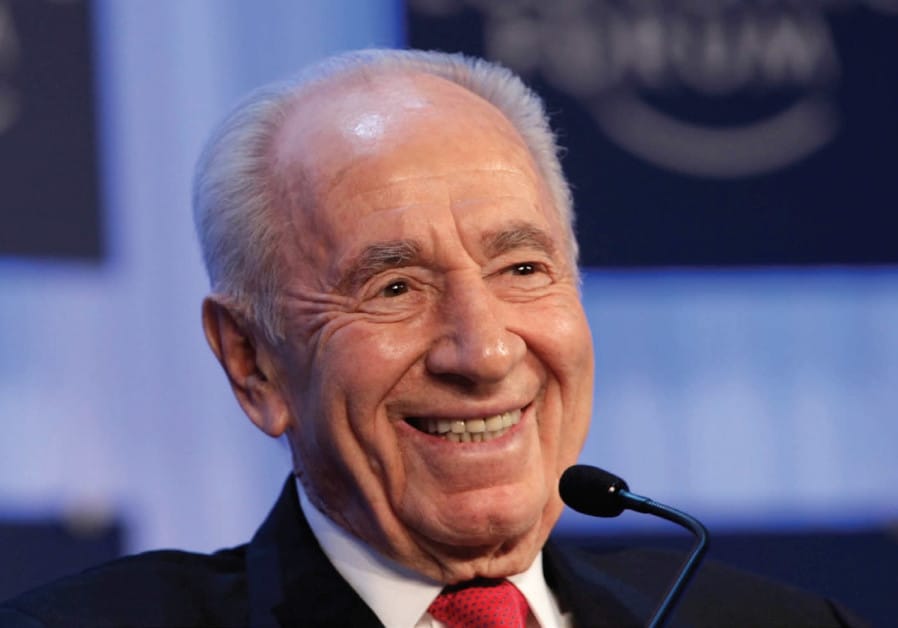
SHIMON PERES smiles during the annual meeting of the World Economic Forum (WEF) in Davos in 2013.. (photo credit: REUTERS)
The willingness expressed by US President Donald Trump to meet with Iranian President Hassan Rouhani is not the first time a sitting president opposed to Iranian nuclear power has stated that he had no objection to a meeting with Rouhani. President Shimon Peres, who in December 2013 was interviewed at the opening of the annual Globes Business Conference by CNN’s Richard Quest, was asked inter alia whether he would be prepared to meet with Rouhani, to which he replied: “Why not?”

Peres told Quest that he had no enemies, and that a meeting was not a personal issue, but a matter of policy. “The purpose is to convert enemies into friends,” he said.

Peres clarified that he would feel more assured if such a tête à tête was solely between him and Rouhani, “but there are other structures, other people,” he explained. “The Iranian Revolutionary Guard, half-army and half-organization, spreads terror all over the world, and I’m not so sure they support the president. We have to see the balance of the situation.”

Peres, speaking with the voice of experience, reminded Quest that there was a time when Israel would not meet with Yasser Arafat. Yet in the final analysis, there were many meetings with him, including at the sharing of the Nobel Peace Prize, even though peace is hardly on the horizon. But in bringing up the change in attitude and behavior where Arafat was concerned, Peres hinted that it was not improbable that Israel and Iran might bury the hatchet – though not necessarily in the foreseeable future.

Peres was also asked to voice his opinion on gay marriage. “I am in favor of every human being having the right to breathe fresh air, to eat food, to fall in love with whomever they want,” he said. “According to our tradition, the Lord created each of us in His image. He didn’t give us the right to edit what He did, everyone has the right to be right. I think everyone will take it as a yes.”

A few months later, Quest, who is Jewish and gay, publicly outed himself on his television show Quest Means Business, and subsequently confessed that he wished he had outed himself much sooner than he actually did. He said he had not been open about his sexuality previously, and had spent a good deal of time worrying about it and what his family, friends and colleagues would think. What bothered him most was whether his credibility as a business journalist would be affected by the fact that he was gay.

Would people watch the program differently?

“Thinking like this saps energy, it drains confidence, it takes a toll on productivity, it’s exhausting!” he told the annual meeting of the National Gay and Lesbian Journalists Association. “I realize that everyone has their own road to travel in making this decision about when it’s right to come out. I know that in my case, the worst fears never materialized. All in all, professionally, I know the work I do every day is better because I’m honest about who I am.”

One of the factors that prompted his public declaration of who he is, was the new media environment.

“You can no longer say, ‘That’s private, that’s not for discussion.’”

■ ASIDE FROM banking, punctuality, chocolate, the manufacture of time pieces, and yodeling, the Swiss are well-known for their dairy products, which may explain why just ahead of Swiss National Day this week, Ambassador Jean-Daniel Ruch, accompanied by representatives of the Israel Dairy Board visited the Shfayim Dairy Farm and the Jacob’s Dairy Farm, made friends with the livestock and tasted what Ruch described as “delicious” local cheese. He also tasted the high-quality fresh milk.

As for celebrating Swiss National Day, Ruch did something different in comparison to receptions hosted by his colleagues. He invited guests to Wahat-al Salam, or Neve Shalom as it is known in Hebrew, the village in which Arabs and Jews, or Palestinians and Israelis, have proved that co-existence is not only possible, but desirable. Established in 1970 by Father Bruno Hussar, it is currently home to 70 families who comprise some 300 souls, and who hope to double their number in the near future. The village is entirely free of racism and discrimination and its residents live in an aura of mutual respect, equality and partnership. Many of the residents hope to inspire others in the country and the region to follow their example and are engaged in projects dedicated to peace, reconciliation and justice.

One of them, Mai Shbeta, is the personification of everything that Neve Shalom stands for. She is not only a binational, but a tri-national in that her mother is the Israeli Jewish daughter of a Holocaust survivor and her father is a Palestinian. Thus she is both Jewish and Muslim, in addition to which she also holds Swiss citizenship. Her husband is Arab of mixed Muslim and Christian background.

A peace activist all her life, she is often asked whether she feels more Jewish than Muslim, more Israeli than Palestinian. It’s a question she never came across while growing up in the village, which has a binational, bilingual primary school, but once she went to high school, and later to Bar-Ilan University, it was a question that was frequently put to her and one she doesn’t answer. It’s like being forced to choose between her mother and her father, she explained.

In the village people don’t care about what nationality or religion anyone might have, she said, so long as that person is a decent human being. Over the years, the village has developed and continues to develop. When her parents arrived there 40 years ago, there was no water and no electricity. Today, it has not only water and electricity, but is a model for the rest of Israel and for close-by Palestinian villages. “Most of the second generation want to stay here and live here and create a family,” she said, and expressed the wish that there would be other villages in Israel and the Palestinian Authority, just like hers.

Influential social activist Samah Salaime, who heads the educational institutions at Wahat al-Salam-Neveh Shalom, welcomed the guests on her own behalf and on behalf of Mayor Anwar Daoud and spoke of the village’s three educational institutions – the primary school, which was the first binational, bilingual school in Israel; the School for Peace, whose students are Israeli and Palestinian agents for change, and which boasts 60,000 alumni; and the Spiritual Center, which teaches the beliefs, literature, music and culture of different faiths, and provides space for students to worship, each in accordance with his or her own faith. With regard to the School for Peace, Salaime said that there is no project for shared culture that does not include graduates of the school.

The educational institutions of the village are supported by international friends groups in almost a dozen countries – including Switzerland.

One of the customs in Switzerland on its national day is for children to walk around with red Chinese lanterns on which there is a white cross – the national emblem of Switzerland, and the youngest children of the village were recruited for this purpose and looked absolutely adorable.

Representing the government at the event was Construction and Housing Minister Yoav Gallant who noted that Israel’s connection with Switzerland goes back to August 1897, when Zionist visionary Theodor Herzl convened the first Zionist Congress in Basel.

Ruch noted that there is still a strong connection between Basel and Israel because Swiss Friends of Wahat al-Salam Neve Shalom also started in Basel. Its founder and former president, Peter Dreyfus, passed away in May of this year at age 83.

Aside from the Basel connection, Ruch said that because both Israel and Switzerland are small countries with minimal natural resources, what they have in common is innovation made possible by exceptional human resources.

Given the current political furor in Israel, it would seem that Ruch deliberately planned the venue for his country’s national day celebration as some kind of response to what is happening around him. He denied this, saying that the venue was planned a year ago. It’s not the first time that he’s departed from the diplomatic norm with regard to venues. Last year it was in Kiryat Ye’arim.

■ ACCOMPANIED BY Supreme Court President Esther Hayut, Justice Minister Ayelet Shaked, Southern District Magistrates Court President Abira Ashkeloni and Beersheba Mayor Ruvik Danilovich, President Reuven Rivlin this week visited the Community Court of Beersheba and was impressed by the spirit of care, trust and mutual responsibility that pervades the court. A unique project, the community court, which was established in 2014, is guided by the courts administration, the Justice Ministry, the Ministry for Social Services, the Israel Police and the Joint Distribution Committee. The main purpose of the project is to help people who have committed non-severe crimes to rehabilitate themselves with the help of the community. Following the success of the Beersheba Community Court, which to date has dealt with 480 cases, and has a backlog of more than 1,000 files, plans are afoot for the establishment of additional community courts in Jerusalem and Haifa.


Zawartość publikowanych artykułów i materiałów nie reprezentuje poglądów ani opinii Reunion’68,
ani też webmastera Blogu Reunion’68, chyba ze jest to wyraźnie zaznaczone.
Twoje uwagi, linki, własne artykuły lub wiadomości prześlij na adres:
webmaster@reunion68.com



24 Hours in the Life of Our IDF Soldiers

24 Hours in the Life of Our IDF Soldiers

   Israel Defense Forces


Want to tag along with our cadets, commanders, instructors, drivers, and field medics? Here’s your chance: welcome to 24 hours in the life of our IDF soldiers.

For more from the IDF:
http://www.idfblog.com
http://twitter.com/idfspokesperson
http://www.facebook.com/idfonline


Zawartość publikowanych artykułów i materiałów nie reprezentuje poglądów ani opinii Reunion’68,
ani też webmastera Blogu Reunion’68, chyba ze jest to wyraźnie zaznaczone.
Twoje uwagi, linki, własne artykuły lub wiadomości prześlij na adres:
webmaster@reunion68.com


Radomscy Żydzi – trudne powroty ocalałych w 1945 r.15-09

Radomscy Żydzi – trudne powroty ocalałych w 1945 r.

Małgorzata Rusek


Żydzi w radomskim getcie, marzec 1941 (Fot. Brenner)

Latem 1945 r. ocaleni z Zagłady radomscy Żydzi czytają ulotki z ultimatum: mają opuścić miasto do 15 sierpnia. Pięć dni przed tym terminem pod nosem milicji w centrum miasta ginie trzech mężczyzn i kobieta. Żydzi masowo wyjeżdżają z Radomia. Z dr. Łukaszem Krzyżanowskim* rozmawia Małgorzata Rusek

MAŁGORZATA RUSEK: Ocaleni z Zagłady radomscy Żydzi mieli do czego wracać?

ŁUKASZ KRZYŻANOWSKI: Wracali do pustki. Wszyscy, których dobrze znali i kochali, zginęli. Jeśli spotykali kogoś, kogo sprzed wojny znali z widzenia, to już było wiele. Jak pokazują świadectwa ocalałych – pisali o tym też historycy, m.in. Jan Tomasz Gross – powracający Żydzi często słyszeli pytanie: „To ty żyjesz?”. Nie było w tym radości, tylko niedowierzanie, rozczarowanie, niechęć, a czasem wręcz wrogość. W tle często pojawiały się mienie żydowskie zagospodarowane już przez nowych „właścicieli” i obawa przed koniecznością zwrotu tych dóbr.

Radom w czasie okupacji nie ucierpiał zbytnio. Domy po wojnie stały.

– Ale były już zajęte. Takie rzeczy oczywiście nie spotykały wyłącznie Żydów, ale skala zjawiska była nieporównywalna. Wielu polskich chrześcijan również straciło podczas wojny domy. Na ogół jednak mieli rodziny albo przyjaciół, do których mogli wrócić.

Żydzi z różnym skutkiem próbowali odzyskać swoje majątki w sądach. Te nieruchomości były już najczęściej zamieszkane przez nowych lokatorów. W tej sytuacji Żydzi, którzy odzyskiwali swoje domy i kamienice, sprzedawali je często za bezcen nieżydowskim obywatelom miasta. Ocaleni potrzebowali pieniędzy, ale kierował nimi także strach.

W czasie okupacji Żydzi byli wyjęci spod prawa, a po wojnie też nie mogli liczyć na ochronę i równe traktowanie ze strony władz. W Ostrowcu Świętokrzyskim urzędnicy administracji lokalnej twierdzili, że Żydów nadal obowiązują niemieckie przepisy. Próbowano narzucić im noszenie oznaczeń – zupełnie jak za okupacji. Skali problemu dowodzi interwencja podjęta przez Ministerstwo Administracji Publicznej, które informowało urzędników, że Żydzi są takimi samymi obywatelami jak wszyscy i należy ich traktować na równi z innymi.

Mówiąc o majątkach, warto też wspomnieć o wartości sentymentalnej pewnych przedmiotów, pamiątek po rodzinie. Pozornie bezwartościowe obiekty, np. zegar lub koszula ojca, były bezcenne – świadczyły o tym, że ci ludzie naprawdę kiedyś istnieli. W Izraelu rozmawiałem z dawnym mieszkańcem Radomia, który ma srebrne spinki po ojcu. Jego matka przechowała je przez wojnę. To jedyna pamiątka. Inny ocalały, uznany fotografik Bernard Gotfryd, do końca życia szukał zdjęcia matki. Tej najważniejszej fotografii nie udało mu się odnaleźć.

Jak przed wojną układały się stosunki między społecznością żydowską a chrześcijańską?

– Istniał dystans między chrześcijanami i Żydami. Tak wolę mówić, bo mówienie o Polakach i Żydach pozbawia Żydów prawa do legitymowania się polskim obywatelstwem i wyklucza ich ze wspólnoty obywateli. Co w pewnym stopniu miało miejsce przed wojną. Pod wieloma względami Żydzi byli obywatelami drugiej kategorii.

Klientom żydowskich sklepów przyczepiano na plecach kartki „Tylko świnie kupują u Żyda”.

– Nawoływanie do bojkotu sklepów żydowskich w drugiej połowie lat 30. było częste i zdarzało się w różnych częściach kraju, także w Radomiu.

Dziś dominuje narracja o Polakach, którzy ratowali Żydów z getta, przemycali jedzenie, lekarstwa.

– Ważne, by uświadomić sobie, kogo bali się Sprawiedliwi ratujący Żydów i kto na nich donosił do Niemców lub, częściej, do polskiej granatowej policji. Ludzie pomagający Żydom bali się nie tyle Niemców, ile swoich polskich sąsiadów. Co więcej, bali się ich nawet po wojnie. Czasem ten strach przechodził na młodsze pokolenia. Zdarza się, że ludzie ci do dziś są wytykani palcami w swoich miejscowościach.

Czasem można się spotkać z twierdzeniem: „Przecież wszyscy cierpieli podczas wojny”. Rzeczywiście, gehennę przeszło też bardzo wielu polskich chrześcijan, ale Żydzi byli grupą, której członkom groziło śmiertelne niebezpieczeństwo tylko dlatego, że nazistowskie prawo uznało tych ludzi za Żydów. Nie miało znaczenia, czy dana osoba czuła się Żydem, Polakiem, czy była praktykującym chrześcijaninem, jaki miała zawód, ani gdzie mieszkała. Uznanie za Żyda było wyrokiem śmierci.

Rok 1945 i wkroczenie Sowietów to dla wielu Polaków nowe zniewolenie. Ale dla Żydów – wyzwolenie.

– Gdy Polskę opuszczają Niemcy, dla Żydów kończy się czas życia pod rządami władzy, która chce ich zabić. Budzą się nadzieje na normalne życie. Trudno się dziwić, że przynajmniej w pierwszym okresie większość osób odczuwała ulgę i radość.

Opisuje pan jednak przypadki drastycznej przemocy, z jaką spotykali się powracający Żydzi, zdarzały się nawet zabójstwa. Opowiada pan w książce „Dom, którego nie było” o zabójstwie w Spółdzielni „Praca”, wskazując potencjalnych sprawców.

– Dokumentowanie powojennych zabójstw jest trudne. Zachowało się niewiele źródeł. Śledztwa dawały niewielkie rezultaty. Nikomu oprócz rodzin ofiar, które niewiele mogły, nie zależało na wykryciu sprawców. Żydzi stali się zakładnikami polityki komunistów. Nastroje antysemickie były rozpowszechnione w różnych warstwach polskiego społeczeństwa, a nowe władze zabiegały o poparcie. Komuniści nie mogli zyskać na obronie Żydów. W dodatku w tamtym czasie powszechna była wiara w mit żydokomuny. To nie było na rękę władzy. Chciała być postrzegana jako polski rząd, a nie żydowski.

W tej sytuacji Żydzi, którzy spotykali się z przemocą, nie mogli liczyć na pomoc milicji ani UB. W tych instytucjach również nie brakowało antysemitów. Co więcej, znane są przypadki, z okolic Radomia i nie tylko, zabójstw dokonanych na Żydach przez milicjantów. Oczywiście można mówić, że po wojnie była wysoka przestępczość, przemoc była wszechobecna. Ale jednak te zbrodnie, których ofiarami padają Żydzi, często wyróżniają się na tle powojennych przestępstw.

Na jakiej podstawie pan tak uważa?

– Weźmy np. rozboje. W Radomiu po wojnie dokonano wiele napadów rabunkowych z bronią w ręku, ale jeśli ofiara się nie broniła lub nie była związana z nową władzą, to uchodziła z życiem. Sama groźba wystarczyła, aby bandyci nie musieli używać broni. W 1945 r. w mieście były tylko dwa napady, które wyłamują się z tego schematu. W obu przypadkach ofiarami byli Żydzi. Nie ma żadnych dowodów, że ludzie ci mieli związki z komunistami, żadnych przesłanek, że stawiali opór.

Po tych zabójstwach, a zwłaszcza tym w Spółdzielni „Praca”, Żydzi masowo opuścili Radom.

– Morderstwo w spółdzielni miało miejsce 10 sierpnia 1945 r. Kilka tygodni wcześniej w Radomiu i okolicach zostały rozrzucone ulotki podpisane przez dowódcę oddziału poakowskiego podziemia. To było ultimatum: Żydzi mieli opuścić Radom i okolice do 15 sierpnia. Pięć dni przed tym terminem doszło do zabójstwa: zginęło trzech mężczyzn i kobieta, mieli rany kłute i postrzałowe. Stało się to w lokalu w centrum miasta, przy ul. Żeromskiego, pod nosem władz, niedaleko posterunku milicji. Istnieje wiarygodne świadectwo mówiące, że nic podczas tego napadu nie zginęło. Nic dziwnego, że po tym zabójstwie nastąpiła fala wyjazdów Żydów z Radomia.

Jakie były ich dalsze losy?

– Naturalną drogą był wyjazd do dużych miast albo na Ziemie Odzyskane. Tam wszyscy zaczynali od nowa, tam też była większa społeczność żydowska. Wyjeżdżający za granicę najczęściej początkowo trafiali do Niemiec, gdzie w obozach dla uchodźców czekali latami na wizy do państw docelowych. Upragnionym rajem najczęściej były USA. Sporo uchodźców, których inne państwa nie chciały (np. chorych na gruźlicę), przyjęły kraje skandynawskie.

W jednym z takich obozów zawiązała się spora społeczność uchodźców z Radomia. Jednak w samym mieście już się nie odrodziła.

– Bardzo liczna społeczność radomian znajdowała się w obozie w Stuttgarcie. Latem 1945 r. w samym Radomiu było ok. 600 osób. Ludzie ci tworzyli społeczność, której centrum był Okręgowy Komitet Żydowski. W kolejnych latach większość ocalałych wyjechała. A część z tych, którzy zostali, nie wróciła do swojego przedwojennego nazwiska. Pozostali na aryjskich papierach, z tożsamością, dzięki której przeżyli wojnę. Ile ich było, nie wiadomo. Często ukrywali swoje pochodzenie nawet przed najbliższą rodziną.

Były też nieliczne osoby, które pozostały w Radomiu i do końca życia używały swoich przedwojennych imion i nazwisk. Takich, które jednoznacznie wskazywały na ich żydostwo. W książce wspominam o Chaimie Kamerze. Powszechnie był nazywany Henrykiem, ale oficjalnie w dokumentach figurował jako Chaim. W mieście zostali właśnie on i jego rodzice, Jakub i Pola Zajdensznirowie, a także ludzie, którzy osiedli w Radomiu później, jak Józef Pinkiert, do 1968 r. dyrektor radomskiej fabryki telefonów. Te kilkanaście osób, które po 1950 r. mieszkały w Radomiu, nie tworzyło już jednak wspólnoty.

Ci, którzy wyjechali tuż po wojnie, jak po latach odbierali miasto?

– W 1983 r. Bernard Gotfryd fotografował wizytę Jana Pawła II w Polsce. Wygospodarował wolną chwilę i przyjechał na kilka godzin do Radomia. Po 1989 r. radomscy Żydzi przyjeżdżają do miasta z dziećmi i wnukami, by pokazać im rodzinne strony. Czasem z wielkim sentymentem wspominają życie w przedwojennym Radomiu – był to czas ich dzieciństwa, kiedy mieli rodziny. Świat przed katastrofą. Ale są też ludzie, którzy nie chcą nic słyszeć o Radomiu, Polsce i Polakach, wspomnienia związane z nienawiścią, odrzuceniem, osamotnieniem są zbyt bolesne.

***

*Łukasz Krzyżanowski – ur. w 1983 r., adiunkt na Freie Universität w Berlinie. W 2015 r. obronił doktorat w Instytucie Socjologii UW. Był stypendystą Oksfordu, Yad Vashem, Claims Conference i Narodowego Centrum Nauki. Jego książka „Dom, którego nie było. Powroty ocalałych do powojennego miasta” została nominowana w tym roku do Nagrody im. Jerzego Giedroycia


Ślad – pamięci radomskich Żydów

75 lat temu, 5 sierpnia 1942 r., zostało zlikwidowane tzw. małe getto na radomskich Glinicach. Niespełna dwa tygodnie później Niemcy zlikwidowali śródmiejskie duże getto. Większość Żydów wywieźli do obozu zagłady w Treblince.

Od dziewięciu lat Ośrodek Kultury i Sztuki „Resursa Obywatelska” upamiętnia żydowską społeczność Radomia w czasie Spotkań z Kulturą Żydowską „Ślad”. W sobotę 5 sierpnia o godz. 18  w Resursie (Malczewskiego 16) odbędzie się spotkanie z dawnymi żydowskimi mieszkańcami Radomia i ich potomkami. Dwie godziny później – uroczyste otwarcie Szlaku Pamięci Radomskich Żydów „Ślad”, który prowadzi przez symboliczne miejsca dla historii żydowskiego Radomia. W programie również koncert wybitnej pieśniarki Niny Stiller oraz spotkania i dyskusje w ogrodach Stowarzyszenia Centrum Młodzieży „Arka”.

Na niedzielę zaplanowano zwiedzanie Szlaku Pamięci, które zakończy się na cmentarzu żydowskim, gdzie odsłonięta zostanie tablica poświęcona pamięci Chaima Kinclera, wieloletniego szefa stowarzyszenia skupiającego dawnych radomian w Izraelu. Będzie też recital melodii romskich. Romowie, którzy też byli w radomskim getcie, dziś opiekują się cmentarzem żydowskim. Szczegółowy program Śladu na Radom.wyborcza.pl. 


Zawartość publikowanych artykułów i materiałów nie reprezentuje poglądów ani opinii Reunion’68,
ani też webmastera Blogu Reunion’68, chyba ze jest to wyraźnie zaznaczone.
Twoje uwagi, linki, własne artykuły lub wiadomości prześlij na adres:
webmaster@reunion68.com


OBAMA, MORSI’S MUSLIM BROTHERHOOD, AND AMERICAN AID MONEY

OBAMA, MORSI’S MUSLIM BROTHERHOOD, AND AMERICAN AID MONEY

IRINA TSUKERMAN


Did the Obama administration support Morsi’s Muslim Brotherhood government because of the nuclear deal, not in spite of it?

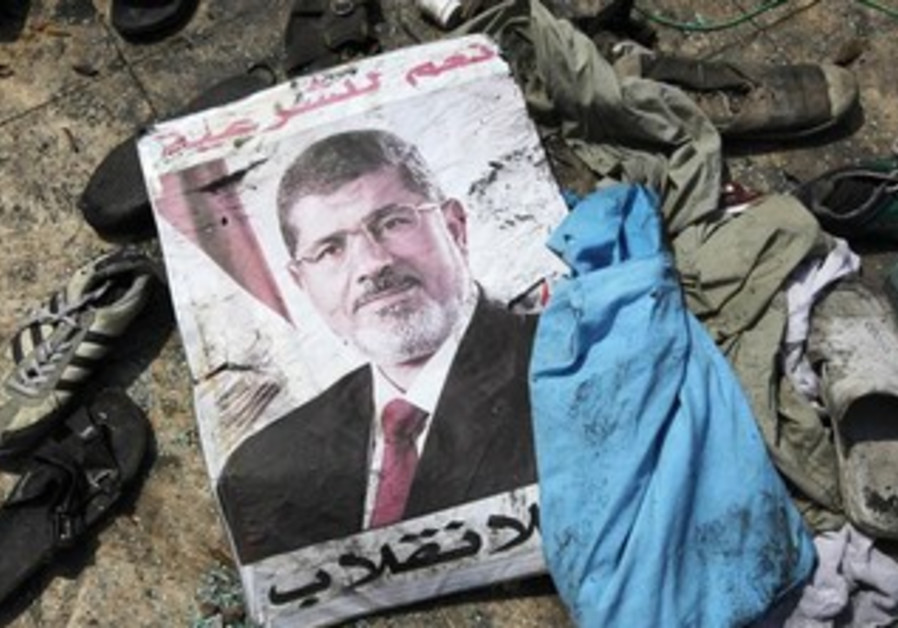
A poster of deposed Egyptian President Mohamed Morsi 370. (photo credit: REUTERS/Mohamed Abd El Ghany )

The Middle East Forum’s explosive new report highlights the widespread international network of Islamic Relief’s charities and their close connections to the Muslim Brotherhood. That charity, a s sprawling international network, has not changed even after the Islamic Relief’s cofounder, Hany El-Banna, retired from official representation. Through close connections to Hamas-backed charities in Gaza, dedicated transfer of funds to Hamas-led charities, intimate links to other charities known for financing terrorist causes and organizations, and origins with people like Essam El Haddad, a foreign policy adviser to the now-deposed Egypt’s Muslim Brotherhood president Mohamed Morsi, Islamic Relief has been deeply enmeshed in promoting Islamist ideology and serving as a seemingly legitimate Western front for Muslim Brotherhood’s agendas.
Haddad, who, despite seemingly retiring from Islamic Relief’s operations, opened an Islamic Relief branch in Cairo while serving as a government official in Morsi’s administration. That branch had support of the Muslim Brotherhood leadership, received a large donation from its parent branch in UK, and was used as a cover to fund the Muslim Brotherhood operations in Egypt, while appearing to engaging in legitimate charity activities.

In 2013, in his official capacity, the report reveals, Haddad met with Iran’s spy chief, Qassem Soleimani in Cairo “to advise the Government on building its own security and intelligence apparatus, independent of the national intelligence services.”
At the same time, then-president Barack Obama, whose administration likewise met with Haddad, adopted policies favoring the Muslim Brotherhood in Egypt, with then-secretary of state Hillary Clinton openly calling for Morsi’s release after he was arrested by Sisi’s government after the coup. For instance, the administration signed a law that made the allocation of aid to Egypt contingent on progress in human rights. However, when Morsi came to power, there was no evidence of such progress – yet aid continued to flow.

Interestingly, the Obama administration used the language of “moderate Islamists” to describe the Muslim Brotherhood in Egypt, and he called Iran’s President Rouhani, a “moderate” reformist, despite the rise of human rights violations in Iran on Rouhani’s watch. Muslim Brotherhood, too, on the surface rejected violent jihad, preferring to fund various proxies who either directed these attacks or educated individuals who then went on to carry out acts of terrorism. Reformists in Iran played the same game, and likely learned from one another.

There are two fascinating issues here. First, Morsi was friendly to Iran, as indicated by his visit to Tehran in 2012 – and illustrating an important policy shift. He was later accused of leaking state secrets to Iran’s Revolutionary Guards. In retrospect, given the highlighted meeting between Haddad and Soleimani, that accusation likely had some basis in reality. What is interesting is that prior to coming to power, in Egypt the Muslim Brotherhood and Iran were more likely to be considered ideological competitors rather than friends. Iran, as it now appears, would gladly coopt any group willing to further it ends. As we now know, Iran assisted the September 11 al-Qaeda terrorists, and furthermore gave shelter to al-Qaeda inside Iran as part of a special arrangement, eventually even helping the terrorist organization to rebuild itself.

The Muslim Brotherhood, on the other hand was better known for sponsoring terrorist proxies and ideological movements that reflected its Islamist ideology. Yet at the core, revolutionary Sunni Islamism, despite different religious precepts from Iran’s Shi’a based Khomeinism, was based in similar political principles and methods. The fraternization between Morsi’s Brotherhood and Khamenei-led Iran should have been less of a surprise than it was. The ties between the Muslim Brotherhood and Shi’ite Khomeinists predate the Islamic Revolution. Supreme Leader of Iran, Ayatollah Khamenei translated two of Sayyid Qutb’s – one of the Muslim Brotherhood’s chief ideologists and the intellectual father of al-Qaeda – most important work into Persian. Clearly, Muslim Brotherhood’s ideology influenced the very precepts of the Islamic Revolution in Iran; its founders certainly were inspired by the revolutionary zeal and the methods of spreading the message. These works have been spread far and wide throughout Iran, and are perhaps two of the most widely read Islamic tracts. The two Islamist movements are “similar ideologically, though not theologically.” Indeed, the secretary general of Jamaa Islamiya in Lebanon has been known to say: “There are only three schools of thought when it comes to Islamic Awakening: School of Hassan Al-Banna, School of Sayed Qutb and School of Imam Khomeini.”

Ali Akbar Velayati, adviser to Iran’s Supreme Leader, Ayatollah Khamenei said: “The Brotherhood is closest to Tehran among all Islamic groups.”
Indeed, when then-president of Iran, Mahmoud Ahmadinejad had visited Morsi’s government in Ferbruary 2013, he stated that Egypt is Tehran’s gateway to the region.

The history of coordination of specific operations between Muslim Brotherhood and Iran does not begin or end with Egypt. In the 1990s, Iran backed Hassan al Turabi, a Muslim Brotherhood member who helped orchestrate the military coup in Sudan in 1989. Interestingly, Omar Bashir, the seventh president of Sudan, and one of the leaders of the same coup, has been a loyal Saudi ally until recently. The country is part of the Arab Coalition in Yemen, fighting against the Iran-backed Houthi rebellion. At the same time, however, the Bashir regime has cut military defense deals with Qatar and Turkey, both countries funding or allied with the Muslim Brotherhood. Qatar is also closely aligned with Iran, and hosts Youssef Qaradawi, one of the contemporary spiritual leaders of the Muslim Brotherhood.

In 2016, when Iranians assaulted the Saudi embassy in Tehran, leading to an open rift between the two countries, the Muslim Brotherhood remained silent. The Brotherhood was also receptive to other overtures by Iran.

Iran’s meddling in Africa did not stop with Morsi’s outing, although Tehran shifted its onus of activity to Libya and to other Western African countries, growing its relationships with Mauritania, Algeria, and Tunisia after the attack on the Saudi embassy. Egypt for now, is off limits. However, Muslim Brotherhood proxies scattered throughout Africa may still hold the key towards destabilization of allies hostile to Iran’s hegemonic ascent. Furthermore, Iran continues to invest a lot of money in promoting Shi’ism not just in West Africa and the Maghreb, but in Egypt as well.

Indeed, given the evidence of connection between Islamic Relief figures who were also active in politics and Iran, the political commingling and funding of mutually beneficial causes and groups by the Brotherhood and the Islamic Republic should be investigated and targeted. Both Muslim Brotherhood and Iran support Hamas, but what other terrorist groups and proxies have benefit from the arrangement briefly alluded to by the meeting between Haddad and Soleimani?

The other issue that has not yet been examined was the timing of the events. While Morsi’s officials, such as Haddad, were negotiating the building of a new and separate intelligence apparatus for Iran, the Obama administration was involved in secret nuclear deal negotiations with the Islamic Republic. A discerning reader may conclude a couple of things from this revelation. First, the Iran regime was not negotiation with the United States and others in good faith. It had belligerent motives, and further, was looking towards fostering a clandestine apparatus separate and apart from its powerful national intelligence mechanism. What is the nature of the services that the Muslim Brotherhood was promising to help develop remains unclear; whether Iran was ever successful in creating yet another agency and what purpose it was supposed to serve likewise needs to be examined. But at that time Iran clearly intended to increase its level of covert and clandestine activities far beyond its contemporaneous capabilities, and likely for reasons hostile to Western interests.

Whether or not that had anything to do with covering up clandestine nuclear research remains a mystery worth uncovering. Another view of the issue is that Iran was helping the Muslim Brotherhood build a separate intelligence apparatus in Egypt. If that is the case, questions remain. Was Iran looking to utilize this apparatus inside Egypt for its own illicit activities? Did it pursue the same strategy with other countries? Are there perhaps additional informal intelligence apparati in Turkey or other countries aligned with Tehran in some way? Has Iran created a sub rosa extension network modeled after its own clandestine groups across the world? Second, the issue of the Obama administration’s open support for Morsi’s Muslim Brotherhood-led government may not be as much of a contradiction in light of the nuclear deal ambitions as previously thought.
As we now know, Obama’s red line in Syria was nothing but a ruse to please Tehran and ensure the success of the deal. Given that the Muslim Brotherhood appeared to be an important and growing partner for Iran, which viewed Sissi as significantly less interested in cooperation, perhaps the White House pursued the same line in Egypt, as it did in Syria – protect Iranian interests and the potential for the nuclear deal at all costs. How much did the Obama administration know about Muslim Brotherhood’s joint plans with Iran and when did it know it? How strong are the connections between various Muslim Brotherhood proxies, such as the Islamic Relief, and their Iran-funded counterparts? The Islamic Relief report is the first step to finding out.


Zawartość publikowanych artykułów i materiałów nie reprezentuje poglądów ani opinii Reunion’68,
ani też webmastera Blogu Reunion’68, chyba ze jest to wyraźnie zaznaczone.
Twoje uwagi, linki, własne artykuły lub wiadomości prześlij na adres:
webmaster@reunion68.com


סטטיק ובן אל תבורי – כביש החוף

סטטיק ובן אל תבורי – כביש החוף

טטיק ובן אל תבורי – העמוד הרשמי


סטטיק & בן אל תבורי // 3.8.18 // היכל מנורה מבטחים תל אביב // לכרטיסים 2207* או בטלפון 9080* או לחצו כאן https://bit.ly/2NrqcS7

ניהול אישי וייצוג בלעדי-אורון כלפון&יואב גרוס / גאגא בוקינג
להזמנת הופעות ״גאגא בוקינג״-036056511 |אופיר- 0508499347 | חי- 0524249735|
יחסי ציבור : זיו פתרונות מיתוג 0549909906|office.zivpr@gmail.com

סטטיק בפייסבוק : https://www.facebook.com/static.muzic
סטטיק באינסטגרם : static_official

בן אל בפייסבוק : https://www.facebook.com/BenelOfficial
בן אל באינסטגרם : beneltavori

להורדת השיר בהמתנה בפלאפון – http://goo.gl/DFHhU5
להורדת השיר בהמתנה בסלקום – http://goo.gl/1x8NtZ
להורדת השיר בהמתנה בפרטנר – https://goo.gl/ZXyG7M
להורדת השיר בהמתנה בהוט מובייל – http://goo.gl/tLe3oJ
להורדת השיר באיי טיונז – https://goo.gl/JNQXmN

מילים: לירז רוסו, בן אל תבורי
לחן: לירז רוסו, בן אל תבורי
עיבוד והפקה מוסיקלית: ירדן (Jordi) פלג
מיקס ומאסטרינג: ירדן (Jordi) פלג
גיטרות: אבי סינגולדה
כלי הקשה: דדי אלון

עיצוב גרפי: avoxvision
צילום: משה נחומוביץ
עיצוב תכשיטים: חגיי גאלרי

הקליפ הופק ע”י ROMS
https://www.facebook.com/RomsStudios/
בימוי ועריכה: רומן בוצ’אצקי | Roman Buchatsky
מפיקות: נויה מור, גלית בורנצוויג
צלם: מישה קמינסקי
ע.צלם: מתן סלע
צילום רחפן: עידן טיראן
צילום טיזר: קוסטיה וסילקוב ואולג בלזנוב
ניהול אומנותי ותוכן שיווקי: רומן בוצ’אצקי, גלית בורנצוויג
איפור: רותם עטר
עיצוב שיער: יגור קיסרי https://www.facebook.com/yagurcaesari
עיצוב שיער: אושי כהן
ע.הפקה: ספיר גמליאל, גיא קרוגמן, אולג בלזנוב, ניצן דימנד
צביעה: פלג לוי
גריפ: עופר אלמוג
צילום סטילס: אולג בלזנוב

כוריאוגרפיה:
קובי צברי https://www.facebook.com/kobi.tsabari

יחסי ציבור: זיו תקשורת 0507373273

ביגוד: עומרי קוסקס KF1984
http://www.kf1984.co.il

אומנים אורחים:
דניאל אסייג, חן מזרחי, ירדן ג’ורדי פלג.
רקדנים:
קובי צברי, גיא אמר, אדם גיל, אלכס קים.
ניצבים ושחקנים:
נופר גולן, אילן פודווין, רוני בורמוב, סתיו כהן, קוסטיה וסילקוב, יניב טורס, ירדן חכם, מאיה לנדאו, מאי בן אליהו, אלה מנשה, גילי צמח,דרייב אין-רכבי אספנות לצילומים, אור קול, דימה גרשטור.

מילים:
על כביש החוף, רוח בשיער שוטפת ת’נוף,
חברה’ מאחורה מדברים בלי סוף,
יה יה יה הכל יהיה טוב,
יה יה יה,
על כביש החוף, רוח בשיער שוטפת ת’נוף,
חברה’ מאחורה מדברים בלי סוף,
יה יה יה הכל יהיה טוב,
יה יה יה הכל זורם טוב.

רגל על הגז ואצבע על הרדיו,
מכבה ת’בעיות שלי כמו סיגריות,
החלון שלי פתוח אז בטוח שהרוח,
תספר לעולם מה שאני שר לו,
או יה יה יה כמה טוב,
או יה יה יה לא לחשוב,
לתת למוסיקה לסחוף,
את החברה’ ואותי עד הסוף !

פזמון: על כביש החוף….

בלתכנן את המסלול אני המלך,
הדלק יספיק – לכל הדרך (בערך),
המוסיקה באוטו מתחננת שתגביר,
וגם אם ת’תנמיך – אפחד לא יפסיק לשיר !!
יש דור שלם – שמחכה לשמוע,
שלבלאגן כבר יש סוף ( לא יקרה ) .
עזוב ת’פקק, ובוא נתחיל ליסוע,
תן לאהבה לעקוף !!

פזמון: על כביש החוף….

כשהשקיעה צובעת – את השמיים באדום,
וכבר נגמר היום,

לא זה עוד לא הזמן לחלום עד שהגענו עד הלום,
אין מצב שנעצור אנחנו לא נתייאש,
והלילה לא נגמר, הWAZE יכול לחפור עד מחר,
אין מצב עולים על כביש שש !!! (יקר)

פזמון: על כביש החוף….

ג’ורדי הנהג תורן,
בן אל תמיד קונה שטויות בילו,
סטאט בוי, סטאט בוי..
רגע רגע עצור !
איפה סטאט בוי?

תודות מיוחדות:
תודה לליאור אברמוב ורון נשר
תודה לגל מלכה
תודה לאופיר חמו
תודה לגאגא בוקינג
תודה לחן מזרחי ולדניאל אסייג
תודה לכלל אנשי ההפקה, אנשי האולפן, אנשי הגרפיקה ומשתתפי הקליפ/שיר, בלעדיכם זה לא היה קורה.
Televespa
המסרטה
K-SWISS


Zawartość publikowanych artykułów i materiałów nie reprezentuje poglądów ani opinii Reunion’68,
ani też webmastera Blogu Reunion’68, chyba ze jest to wyraźnie zaznaczone.
Twoje uwagi, linki, własne artykuły lub wiadomości prześlij na adres:
webmaster@reunion68.com