Archive | February 2024

43 lata temu zakończył się najdłuższy strajk studencki w Polsce

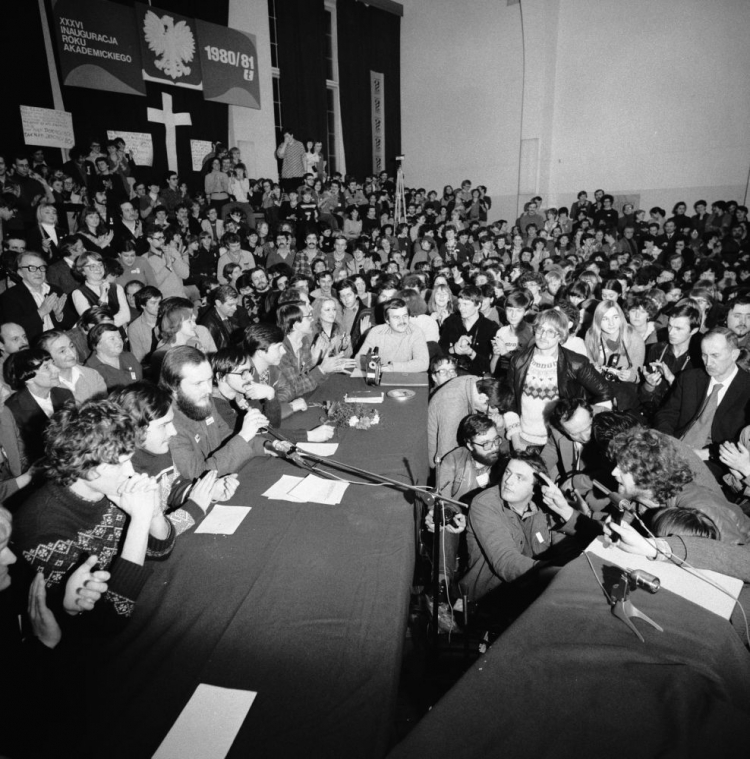
Komisja Porozumiewawcza studentów. Podpisanie porozumienia pomiędzy Komisją Międzyresortową pod przewodnictwem Ministra Nauki Szkolnictwa Wyższego i Techniki prof. Janusza Górskiego a Międzyuczelnianą Komisją Porozumiewawczą, wyłonioną spośród studentów łódzkich szkół wyższych: Akademii Medycznej, Państwowej Wyższej Szkoły Muzycznej, Politechniki i Uniwersytetu. Łódź, 18.02.1981. Fot. PAP/CAF/A. Zbraniecki


43 lata temu zakończył się najdłuższy strajk studencki w Polsce

Hubert Bekrycht


18 lutego 1981 r. zakończył się najdłuższy w historii strajk studencki w Polsce, po którym podpisano tzw. porozumienie łódzkie; spowodowało to m.in. rejestrację Niezależnego Zrzeszenia Studentów. Wprowadzono też m.in. autonomię wyższych uczelni i zniesiono obowiązek nauczania języka rosyjskiego.

Studenckie protesty z zimy 1981 r. rozpoczęte strajkiem w Łodzi zakończyły się sukcesem. “Porozumienie łódzkie dawało młodzieży akademickiej przekonanie o możliwości działania” – ocenił w 2021 r. w rozmowie z PAP historyk z Uniwersytetu Łódzkiego prof. Przemysław Waingertner (zmarł 31 stycznia 2024 r. – PAP). “Strajk uzmysłowił wszystkim, że nie tylko można przeciwstawiać się władzom i absurdom komunizmu, ale można też te absurdy likwidować” – podkreślił.

“Strajk studentów stanowił jedną z tych +cegieł+ budujących 40 lat temu świadomość, że pomimo komunistycznej dyktatury, można organizować się oddolnie” – wyjaśnił historyk. Przypomniał, że był to dopiero początek polskich przemian solidarnościowych. “Było też ważne poparcie protestu poza wyższymi uczelniami – i nie chodzi tylko o pomoc ekspertów – ale zwykłe solidarnościowe odruchy społeczeństwa” – dodał.

Studencki protest wsparli mieszkańcy Łodzi, którzy – mimo pustych półek w sklepach – przynosili okupującym uczelniane gmachy m.in. żywność i artykuły sanitarne. Publicyści związani z Solidarnością pisali, że Łódź była zimą 1981 r. studencką stolicą Polski a strajkujące łódzkie uczelnie archipelagiem wolności.

W efekcie trwających ponad trzy tygodnie rozmów z Międzyuczelnianą Komisją Porozumiewawczą NZS, 17 lutego 1981 r. zarejestrowano Niezależne Zrzeszenie Studentów. 18 lutego 1981 r. minister Górski parafował tzw. porozumienie łódzkie kończące największy strajk studencki w Polsce. Uczestniczyło w nim ok. 10 tys. osób, choć wiele źródeł historycznych podaje, że uczestników protestu było dużo więcej.

Ogłoszenie strajku okupacyjnego na Uniwersytecie Łódzkim było odpowiedzią na kolejną odmowę rejestracji NZS – niezależnej i samorządnej organizacji studenckiej. Strajk poprzedziła kilkunastodniowa akcja “Solidarne czekanie”. 21 stycznia do Łodzi przyjechała oficjalna delegacja ówczesnego Ministerstwa Szkolnictwa Wyższego i Techniki, której przewodniczył wiceminister Stanisław Czajka.

Negocjacje na Wydziale Filologicznym UŁ zostały jednak zerwane. Władze nie chciały przyznać studentom prawa do strajku i domagały się, aby organizacja, którą chcą zalegalizować, uznawała przewodnią rolę PZPR. O godz. 21 Wojciech Walczak i Wiesław Urbański – przewodniczący i wiceprzewodniczący NZS UŁ – wezwali studentów, by podjęli protest i nie opuszczali budynków uniwersyteckich. Rozpoczął się strajk, który trwał do 18 lutego i był – według Historii Niezależnego Zrzeszenia Studentów – najdłuższym strajkiem studenckim nie tylko w Polsce, ale i w Europie. Objął m.in Uniwersytet Łódzki, Akademię Medyczną, Politechnikę Łódzką, Państwową Wyższą Szkołę Muzyczną, Państwową Wyższą Szkołę Teatralną, Filmową i Telewizyjną, a pod koniec także Państwową Wyższą Szkołę Sztuk Plastycznych.

Studenci domagali się nie tylko rejestracji NZS, ale również autonomii uczelni, zniesienia obowiązku nauczania języka rosyjskiego, praktyk robotniczych i opresji związanych z zajęciami wojskowymi oraz swobodnego wyboru przedmiotów. Domagali się zniesienia cenzury, zaprzestania represji wobec opozycji, niezawisłości wymiaru sprawiedliwości i nowych podręczników historii.

Wybuch łódzkiego strajku spowodował protesty w innych ośrodki akademickich. 23 stycznia 1981 r. Ogólnopolski Komitet Założycielski NZS ogłosił w całym kraju solidarnościową akcję protestacyjną. 29 stycznia władze PRL podjęły negocjacje. Na czele rządowej Komisji Międzyresortowej – w której składzie byli w przedstawiciele ministerstw: Nauki Szkolnictwa Wyższego i Techniki, Kultury i Sztuki, Zdrowia i Opieki Społecznej, Sprawiedliwości oraz Sztabu Generalnego WP – zjawił się w Łodzi minister nauki, szkolnictwa wyższego i techniki prof. Janusz Górski.

W efekcie trwających ponad trzy tygodnie rozmów z Międzyuczelnianą Komisją Porozumiewawczą NZS, 17 lutego 1981 r. zarejestrowano Niezależne Zrzeszenie Studentów. 18 lutego 1981 r. minister Górski parafował tzw. porozumienie łódzkie kończące największy strajk studencki w Polsce. Uczestniczyło w nim ok. 10 tys. osób, choć wiele źródeł historycznych podaje, że uczestników protestu było dużo więcej.

“Strajk sprzed 43 lat wpłynął i nadal wpływa na moje życie i życie mojego pokolenia. Poczuliśmy, że komuna się łamie. Nigdy nie zapomnę tamtego poczucia, że robimy coś bardzo istotnego, to zupełnie przełomowe doświadczenie” – powiedział PAP ówczesny wiceprzewodniczący Komitetu Strajkowego Wydziału Filozoficzno-Historycznego UŁ, student III roku historii Zbigniew Natkański, obecnie prezes łódzkiego oddziału Stowarzyszenia Dziennikarzy Polskich.

“Osoby, które zaangażowały się w łódzki strajk studencki w 1981 r. dostały dobrą szkołę obywatelskiego myślenia. To procentuje do dziś. Większość osób, które brały udział w naszym strajku do tej pory jest aktywna społecznie i politycznie. Najważniejsze jest poczucie pewnej wspólnoty. Po tylu latach, mając naprawdę różne poglądy, rozmawiamy z sobą, kontaktujemy się często a nawet się przyjaźnimy” – podkreślił Natkański.

“O strajku dowiedziałem się, kiedy przyjechałem na wydział na tak zwaną giełdę pytań egzaminacyjnych, bo przecież zaczynała się sesja zimowa” – wspominał w 2021 r. dziennikarz Jacek Walczak, wówczas student II roku socjologii UŁ, były korespondent PAP w Łodzi. “Wróciłem do domu i rozmawiałem z żoną, bo mieliśmy wtedy małe dziecko. Wspólnie podjęliśmy decyzję, że tam pójdę. Pakując się, na szczęście, nie zapomniałem o amatorskiej kamerze marki +Łomo+ produkcji radzieckiej” – opowiadał. “Dzięki temu są filmy ze strajku” – podkreślił dodając, że te archiwalne taśmy były wielokrotnie wykorzystywane przez filmowców realizujących dokumenty o strajku.

Strajkujących studentów wspierali wykładowcy. “Studenci mieli do mnie zaufanie, ze względu na to, że doradzałem zarządowi regionu Solidarności” – wspominał zimą 2022 r. w rozmowie z PAP łódzki adwokat Rafał Kasprzyk (zmarł 6 sierpnia 2022 r. – PAP). 43 lata temu, jako wykładowca na wydziale prawa i jeden z założycieli Solidarności na UŁ był doradcą strajkujących.

“Już wcześniej działałem w opozycji, ale doświadczenie ze strajku, w którym brało udział wielu moich, niewiele młodszych ode mnie, studentów było szczególne. To ugruntowało moją opozycyjną postawę wobec reżimu komunistycznego” – podkreślił Kasprzyk.

“To wydaje się nieprawdopodobne, ale wtedy studenci nie umieli posługiwać się maszyną do pisania. Zatem byłem doradcą, ale też i sekretarzem strajku. Oczywiście to żart z tym sekretarzem, ale na maszynie pisałem” – opowiadał. “Ja to wszystko przepisywałem, redagowałem” – wyjaśnił. “Przy okazji +wrzucałem+ też swoje pomysły. Mojego autorstwa był na pewno postulat niezależności sądów i niezawisłości sędziowskiej, który się znalazł w tej grupie postulatów społeczno-politycznych” – wspominał dwa lata temu mec. Kasprzyk.

“Porozumienie łódzkie dawało młodzieży akademickiej przekonanie o możliwości działania” – ocenił w 2021 r. w rozmowie z PAP historyk z Uniwersytetu Łódzkiego prof. Przemysław Waingertner (zmarł 31 stycznia 2024 r. – PAP). “Strajk uzmysłowił wszystkim, że nie tylko można przeciwstawiać się władzom i absurdom komunizmu, ale można też te absurdy likwidować” – podkreślił.

Jego zdaniem, łódzki strajk zimowy z 1981 r. był prawdziwą lekcją demokracji dla młodych ludzi, którzy zbuntowali się przeciw komunistycznym rządom ekipy Wojciecha Jaruzelskiego.

Zarejestrowane 17 lutego 1981 r. Niezależne Zrzeszenie Studentów liczyło ok. 90 tys. członków, co stanowiło wtedy jedną trzecią wszystkich studentów w Polsce. Pierwszym przewodniczącym NZS był Jarosław Guzy. W stanie wojennym NZS, podobnie jak Solidarność, zostało zdelegalizowane, a wielu jego działaczy internowanych. W maju 1988 r. oraz późną wiosną 1989 r., tuż przed wyborami 4 czerwca, na uczelniach wybuchły strajki studentów domagających się ponownej legalizacji NZS, co nastąpiło we wrześniu 1989 r. (PAP)


Zawartość publikowanych artykułów i materiałów nie reprezentuje poglądów ani opinii Reunion’68,
ani też webmastera Blogu Reunion’68, chyba ze jest to wyraźnie zaznaczone.
Twoje uwagi, linki, własne artykuły lub wiadomości prześlij na adres:
webmaster@reunion68.com

Hamas: Palestinian Civilians Are Also Terrorists

Hamas: Palestinian Civilians Are Also Terrorists

Khaled Abu Toameh


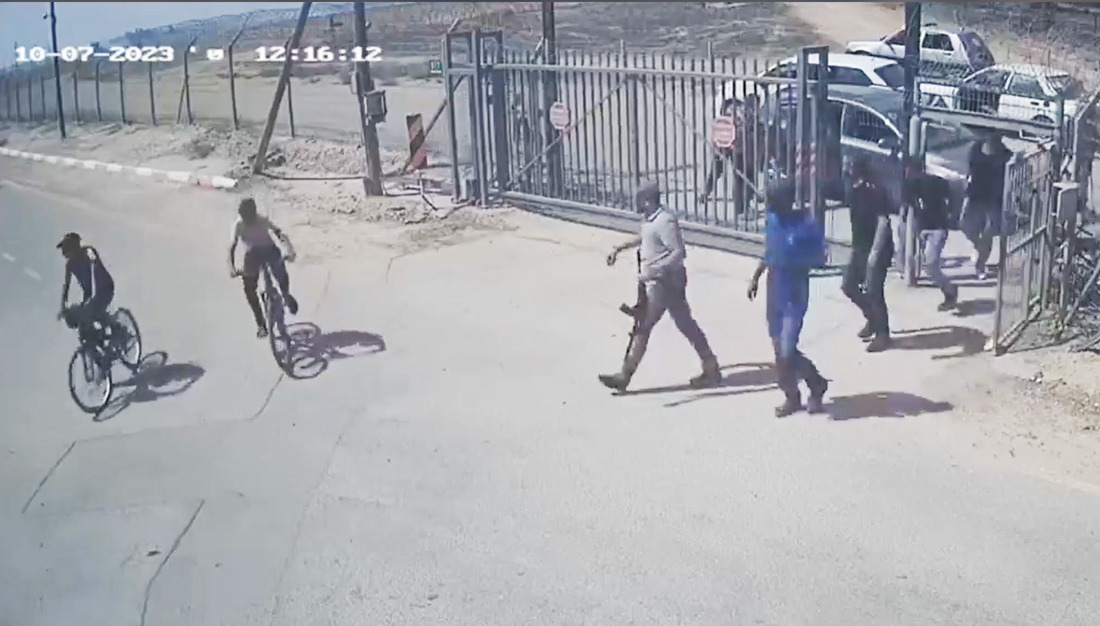
The participation of some Palestinian civilians in the October 7 massacre and the kidnapping of Israelis is extremely worrying: it illustrates that a large number of people in the Gaza Strip actually do support Hamas and its terrorism against Israel. Pictured: A Hamas terrorist and Palestinian civilian accomplices enter Kibbutz Be’eri to murder, rape and torture Jews, on October 7, 2023. (Image source: Kibbutz Be’eri security camera)


  • When Hamas decided to drag the entire population of the Gaza Strip into another war with Israel on October 7, it did not care what would happen to Palestinian civilians.
  • If the hostages were indeed held in an apartment of a Palestinian family, this shows that Hamas has no problem placing Palestinian civilians in harm’s way.
  • Consequently, Hamas has no right to complain about the death of civilians in the war it initiated against Israel while it uses its own people to hold innocent kidnapped Israelis.
  • Hamas leaders leading lavish lives in Qatar and Lebanon do not care about the two million Palestinians of the Gaza Strip, nor do the leaders of the terrorist organization who are hiding in the vast network of sophisticated tunnels in the Gaza Strip. All they care about is their own survival
  • “The humanitarian aid is being stolen by those who call themselves resistance fighters. They claim they are defending us, but they are stealing all the aid coming into the Gaza Strip and then they sell it to the people for a very high price.” — Palestinian man in Gaza, X (twitter.com), February 16, 2024.
  • On February 15, sources in the Gaza Strip reported that Hamas terrorists killed Ahmed Abu al-Arja, a Palestinian boy, while he was trying to get food for his family.
  • [T]he participation of some Palestinian civilians in the October 7 massacre and the kidnapping of Israelis is extremely worrying: it illustrates that a large number of people in the Gaza Strip actually do support Hamas and its terrorism against Israel.

Since the October 7, 2023 Hamas attack on Israel, leaders of the Iran-backed terrorist group have been trying to distance themselves from the atrocities by holding Palestinian civilians responsible for some of the crimes, including the murder, beheading, rape, torture, kidnapping, mutilation and burning of hundreds of Israeli men, women, and children.

These are the same civilians that Hamas has long been using as human shields in its Jihad (holy war) to murder Jews and obliterate Israel.

First, Hamas uses Palestinian civilians as human shields, then it accuses them of perpetrating atrocities against Israelis.

Although many of the Hamas terrorists who invaded Israel were equipped with GoPro cameras that documented their crimes against Israelis, the leaders of the terrorist group are trying to send a message to the world that most of the atrocities against Israelis were not committed by their men. Instead, they argue, many of the crimes were perpetrated by Palestinian civilians who infiltrated the border after Hamas terrorists destroyed the security barrier during the invasion.

Hamas is right. Many ordinary Palestinians did participate in the October 7 assault on Israel. The civilians, however, could not have entered Israel without Hamas’s tearing down the security fence. The truth is that thousands of Hamas terrorists and Palestinian civilians participated in the carnage.

The participation of Palestinian civilians in the attack on Israel, though not surprising, refutes the claim by human rights organizations that ordinary residents of the Gaza Strip are not involved in the Israel-Hamas war.

Even Hamas leaders have publicly implicated Palestinian civilians in the October 7 atrocities.

In early February, after Israeli security forces managed to rescue two Israeli hostages who were being held in an apartment near the city of Rafah in the southern Gaza Strip, Hamas sought to distance itself from the abduction.

Mohammed Nazzal, a senior Hamas official, claimed that the two Israeli men were being held by Palestinian civilians, not Hamas terrorists. “The two [Israeli] detainees were in a civilian apartment and were captured by Palestinian citizens on the 7th of October,” Nazzal told the Arabic media outlet Al-Araby. “There was no clash [between the Israeli commandos] and [Hamas’s military wing] Izaddin al-Qassam.”

The Hamas leader’s claim that the Israeli hostages were held by Palestinian civilians is yet further proof of how Hamas continues to use residents of the Gaza Strip in its terror activities. If the hostages were indeed held in the apartment of a Palestinian family, this shows that Hamas has no problem placing Palestinian civilians in harm’s way.

Consequently, Hamas has no right to complain about the deaths of civilians in the war it initiated against Israel while it uses its own people to hold innocent kidnapped Israelis. Does anyone seriously believe that the Palestinian civilians were holding the hostages without Hamas’s knowledge?

If Hamas did not know that the hostages were being held by a Palestinian family, then why are its leaders negotiating – through Qatar and Egypt – to reach a deal with Israel to exchange Israeli hostages for prisoners? Why doesn’t Hamas tell the Qataris and Egyptians to negotiate directly with the Palestinian civilians who are believed to be holding Israelis in the Gaza Strip?

This was not the first attempt by Hamas to blame Palestinian civilians for the October 7 carnage.

On October 22, senior Hamas official Khalil al-Hayya claimed that Palestinian civilians and members of other Palestinian factions who crossed the border into Israel kidnapped dozens of Israelis and hauled them back into the Gaza Strip.

During the same month, Hamas leader Saleh al-Arouri also blamed Palestinian civilians for committing most of the atrocities against Israelis:

“When the people in the Gaza Strip heard that the border had been breached and that the Israeli army in the area had collapsed, several young men and gunmen entered [Israel], and this caused a state of chaos.

“There were [Israeli] civilians who were captured by people who entered, as ordinary people, who captured them and brought them into the Gaza Strip.”

Al-Arouri was later killed in an Israeli airstrike on his hideout in the Lebanese capital of Beirut.

Hamas leaders leading lavish lives in Qatar and Lebanon do not care about the two million Palestinians of the Gaza Strip, nor do the leaders of the terrorist organization who are hiding in the vast network of sophisticated tunnels in the Gaza Strip. All they care about is their own survival. They have already proven that they are prepared to sacrifice tens of thousands of Palestinians rather than release the remaining 136 Israeli hostages held by Hamas and Palestinian families in the Gaza Strip.

The Hamas leaders in the Gaza Strip are undoubtedly surrounding themselves with many of the Israeli hostages to avoid being killed or captured by Israeli security forces.

When Hamas decided to drag the entire population of the Gaza Strip into another war with Israel on October 7, it did not care what would happen to Palestinian civilians. Hamas did not even bother to alert its people to prepare for the war.

Hamas’s disregard for the lives of Palestinians in the Gaza Strip was best reflected by Mousa Abu Marzouk, member of the Hamas political bureau. In an interview with Russia Today TV on October 27, 2023, Abu Marzouk was asked:

“Many people are asking: You have built 500 kilometers of tunnels, why haven’t you built bomb shelters, where civilians can hide during bombardment?”

The Hamas leader replied:

“We have built the tunnels because we have no other way of protecting ourselves from being targeted and killed. These tunnels are meant to protect us [Hamas] from the [Israeli] airplanes. We are fighting from inside the tunnels. Everybody knows that 75% of the people in the Gaza Strip are refugees, and it is the responsibility of the United Nations to protect them.”

Hamas’s most common uses of human shields include firing rockets from within, or near, heavily populated civilian areas; placing military infrastructures, such as tunnels, headquarters and bases in or near civilian areas, and combating the Israel Defense Forces from or near residential and commercial areas. Hamas also uses “expendable” civilians for dangerous intelligence-gathering missions.

Jehad Saftawi, a Palestinian from the Gaza Strip who founded RefugeeEye, a non-profit organization that supports refugee journalists, revealed on February 13 that Hamas had built tunnels beneath his family home in Gaza City, adding:

“Since Hamas’s violent takeover of Gaza in 2007, the bustling and beautiful streets I knew have been dominated by terrorist chaos. Hamas is driven by an ideological stand originating in the concept of annihilating the state of Israel and replacing it with an Islamic Palestinian one. In striving to make this a reality, Hamas has continued to normalize violence and militarization in every aspect of public and private life in Gaza.”

Saftawi recounted how his family discovered that Hamas terrorists were digging a tunnel under the new house that his family was building, after the woman living across the street from the new house’s site contacted them:

“She would hear sounds of loading and unloading and feel the vibrations of digging coming from the empty piece of land behind our houses. She suspected someone was digging a tunnel.”

When he confronted the masked Hamas terrorists who were at the site, Saftawi was told by one of them that they would continue as they pleased:

“He [the masked man] said I should not be afraid and that this would just be a small closed room to remain buried underground. No one can enter or exit. He said that only in the case of an Israeli ground invasion in this area and the displacement of residents would these rooms be used to supply weapons. “

According to Saftawi, he told the Hamas terrorist: “We don’t want to live above a stockpile of weapons.”

“When something goes unspoken for so long, it begins to feel impossible that the truth will ever be known. I always looked forward to a time in the future when my family and others like us would be allowed to speak about these tunnels, about the perilous life Hamas has forced upon Gazans. Now that I am determined to speak openly about it, I don’t know if it even matters.

“My family evacuated to the south [of the Gaza Strip] shortly after October 7. Months later, we received photos of our house and neighborhood, both of which are in ruins. I may never know if the house was destroyed by Israeli strikes or fighting between Hamas and Israel. But the result is the same. Our home, and far too many in our community, were flattened alongside priceless history and memories.

“And this is the legacy of Hamas. They began destroying my family home in 2013 when they built tunnels beneath it. They continued to threaten our safety for a decade – we always knew we might have to vacate at a moment’s notice. We always feared violence. Gazans deserve a true Palestinian government, which supports its citizens’ interests, not terrorists carrying out their own plans. Hamas is not fighting Israel. They’re destroying Gaza.”

Saftawi is able to speak out against Hamas because, like many tens of thousands of Palestinians, he too has fled the Gaza Strip since the terrorist group seized control of the coastal enclave in 2007. Most Palestinians who are still in the Gaza Strip are too afraid of retaliation to tell the truth about Hamas’s repressive measures against its own people.

In recent weeks, several Palestinians have complained that Hamas was stealing the humanitarian aid delivered to the Gaza Strip. According to one Palestinian man:

“The humanitarian aid is being stolen by those who call themselves resistance fighters. They claim they are defending us, but they are stealing all the aid coming into the Gaza Strip and then they sell it to the people for a very high price.”

A Palestinian woman noted:

“We hear about the aid but we don’t know where the aid goes. You can find most of the aid being sold in the markets. There is a big octopus that controls the market and raises the prices. Where are our leaders who have abandoned us? Why don’t they come and suffer with us? The leaders [of Hamas] are hiding underground and others are hiding in hell, while the people are suffering.”

On February 15, sources in the Gaza Strip reported that Hamas terrorists killed Ahmed Abu al-Arja, a Palestinian boy, while he was trying to get food for his family.

The Palestinians of the Gaza Strip have paid a hugely painful price for Hamas’s decision to hurl them into a savage confrontation with Israel.

Yet the participation of some Palestinian civilians in the October 7 massacre and the kidnapping of Israelis is extremely worrying: it illustrates that a large number of people in the Gaza Strip actually do support Hamas and its terrorism against Israel. Unless the Palestinians rise up against Hamas and distance themselves from the terrorist group and its Jihad against Israel, they will continue to suffer – and the price they pay will continue to soar.


Khaled Abu Toameh is an award-winning journalist based in Jerusalem.


Zawartość publikowanych artykułów i materiałów nie reprezentuje poglądów ani opinii Reunion’68,
ani też webmastera Blogu Reunion’68, chyba ze jest to wyraźnie zaznaczone.
Twoje uwagi, linki, własne artykuły lub wiadomości prześlij na adres:
webmaster@reunion68.com


Amid Security Fears, Muslim Access to the Temple Mount During Ramadan Will Be Limited

Amid Security Fears, Muslim Access to the Temple Mount During Ramadan Will Be Limited

i24 News


.

 As the month of Ramadan approaches, concerns over security have prompted Israeli authorities to implement limitations on Muslim access to the Temple Mount site, and Al-Aqusa Mosque.

The decision, made in accordance with recommendations from the Minister of National Security Ben Gvir, comes amidst opposition from the Minister of Defense Gallant, Shin Bet, and the army.

The restrictions include a cap on the number of individuals permitted to enter the site, with additional sorting based on age. While the details regarding the authorization of Palestinians from East Jerusalem are pending, the implementation of security measures proposed by Itamar Ben Gvir, which would allow security forces to intervene in response to provocative behavior, was rejected.

Under the current plan, only Muslim pilgrims aged 60 or above with permits issued by the Shin Bet will be granted access to the Temple Mount. However, domestic intelligence agencies have expressed reservations, fearing that such restrictions could exacerbate tensions and fuel Hamas’s rhetoric about Israel’s intentions to seize the site and deny Muslims access.

This sentiment was echoed by Walid Al-Huashla, an Arab MP from the Ra’am party, who condemned the decision as dangerous and racist. Al-Huashla warned of the potential consequences of the measures, accusing Prime Minister Netanyahu of capitulating to provocateurs and exacerbating tensions in Jerusalem.


Zawartość publikowanych artykułów i materiałów nie reprezentuje poglądów ani opinii Reunion’68,
ani też webmastera Blogu Reunion’68, chyba ze jest to wyraźnie zaznaczone.
Twoje uwagi, linki, własne artykuły lub wiadomości prześlij na adres:
webmaster@reunion68.com


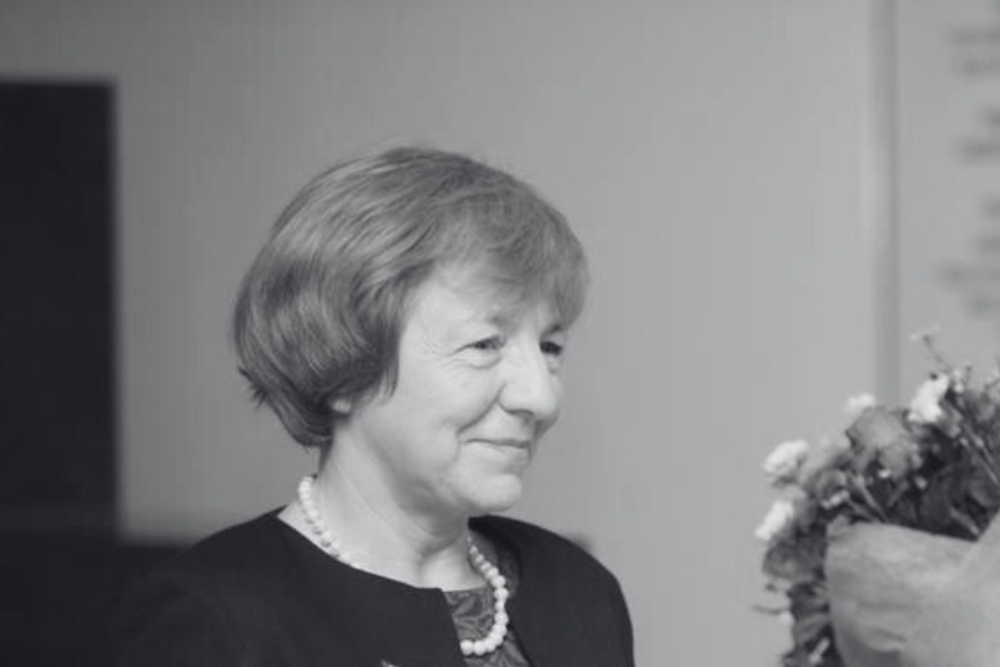
Wspomnienie o prof. Ewie Geller


Wspomnienie o prof. Ewie Geller

Żydowski Instytut Historyczny


Szloszim (hebr. trzydzieści) to w tradycji żydowskiej okres żałoby po śmierci bliskiej osoby, który kończy się trzydzieści dni po jej pogrzebie. Dziś mija trzydzieści dni od pogrzebu b.p. Ewy Geller, wybitnej jidyszystki i propagatorki badań nad językiem jidysz, autorki licznych prac z zakresu językoznawstwa i wykładowczyni Uniwersytetu Warszawskiego. Wspominamy ją, publikując laudację, którą wygłosiła prof. Joanna Nalewajko-Kulikov na uroczystości wręczenia Ewie Geller Nagrody im. Jana Karskiego i Poli Nireńskiej w Żydowskim Instytucie Historycznym 20 października 2016 roku.

.

Szanowna Laureatko,
Szanowni Państwo,

Jeśli zajrzą Państwo do biogramu dzisiejszej Laureatki w bazie danych „Nauka Polska”, to w rubryce „specjalności” przeczytacie „językoznawstwo germańskie” oraz „jidyszystyka”. O ile ten pierwszy termin jest intuicyjnie zrozumiały nawet dla osób, które nigdy nie miały do czynienia z językoznawstwem, o tyle termin drugi budzi czasem zdziwienie nawet w środowisku naukowym (chociaż przyznać trzeba, że coraz rzadziej). Posłuchajmy, co o jidyszystyce pisała niegdyś o tym sama Laureatka:

Jidyszystyka stanowi część szeroko rozumianej filologii germańskiej. Jest jej autonomiczną dyscypliną, w takim samym rozumieniu, jak stanowią ją anglistyka, niderlandystyka czy skandynawistyka. Jednakże specyficzna struktura języka jidysz, jego historia, warunki socjo- i psycholingwistyczne, w jakich się kształtował, sprawiają, że jidyszystyka, bardziej niż pozostałe filologie germańskie, zahacza o inne dziedziny wiedzy. Zazębia się więc przede wszystkim z historią języka i literatury niemieckiej, lecz nieodzownymi filologiami pomocniczymi są dla niej hebraistyka i slawistyka. Z ich pomocą ustalić można zasięg wpływu i udział odpowiednich języków w kształtowaniu się jidysz. Poza dyscyplinami filologicznymi, jidyszystyka jest ściśle związana z judaistycznymi naukami historycznymi i społecznymi, w tym także z etnografią i teologią. Dziedzina ta stawia zatem przed badaczem wysokie wymagania dobrej znajomości trzech mało lub wcale nie spokrewnionych filologii oraz dostatecznej wiedzy historyczno-judaistycznej. To właśnie prawdopodobnie sprawia, że dyscyplina ta rozwija się dość powolnie, a wiele jej obszarów to nadal terra incognita. (Geller 1994: 246)

Cytat ten pochodzi z pierwszej książki Ewy Geller pt. Jidysz – język Żydów polskich, wydanej przez Wydawnictwo Naukowe PWN w 1994 r. Książka ta, o której można powiedzieć, że była pierwszą polską powojenną, spełniającą kryteria akademickie pracą z dziedziny jidyszystyki, powstała na bazie pracy doktorskiej, którą Ewa Geller obroniła w 1988 r. w Instytucie Germanistyki Uniwersytetu Warszawskiego pod kierunkiem nieżyjącego już prof. Aleksandra Szulca. Tytuł pracy doktorskiej brzmiał: „Polskie i wschodniosłowiańskie wpływy leksykalne i strukturalne w jidysz na przykładzie wybranych utworów I. B. Singera” i wyznaczył aktualny do dzisiaj ważny kierunek zainteresowań Laureatki, którym jest, mówiąc najogólniej, obecność tzw. elementu słowiańskiego w jidysz i wzajemne polsko-jidyszowe kontakty językowe.

Zanim przejdę do szerszego omówienia badań Ewy Geller w tej dziedzinie, warto nadmienić, że obroniona przez nią dysertacja miała być pierwotnie poświęcona innemu tematowi, mianowicie miała być językoznawczą analizą warszawskiego dialektu języka jidysz. Ewa Geller uczyła się jidysz u dwóch nauczycieli, którzy z racji wieku i biografii stanowili pomost między przedwojennym utraconym Jidyszlandem a światem nam współczesnym; mowa oczywiście o bł. p. prof. Michale Friedmanie (który był laureatem nagrody im. Jana Karskiego i Poli Nireńskiej w roku 1994) i o bł. p. prof. Chone Shmeruku, którego dwudziesta rocznica śmierci minie w przyszłym roku. Jednak pomysł analizy warszawskiej odmiany jidysz okazał się w warunkach początków lat 80. trudny do zrealizowania: wśród rodowitych użytkowników języka jidysz w Warszawie znalazło się zaledwie kilkoro, którzy przynajmniej w pewnym stopniu spełniali kryteria założone w badaniach i również zgodzili się na nagrywanie rozmów; niektórzy potencjalni informatorzy odmawiali udziału, nie chcąc wracać pamięcią do traumy czasów Zagłady. Pomysł ten odżył jednak na początku lat 90., gdy Ewa Geller spędziła wraz z rodziną trochę czasu na stypendium Lady Davis Fellowship w Jerozolimie i gdzie odnalazła kolejnych rodowitych użytkowników warszawskiego dialektu jidysz. Stypendium im. Alexandra Humboldta pozwoliło następnie na nadanie niedoszłemu doktoratowi postaci rozprawy habilitacyjnej, która ukazała się drukiem w 2001 r. w Tybindze pod tytułem „Warschauer Jiddisch” i była podstawą do nadania Ewie Geller w 2002 r. tytułu doktora habilitowanego na Wydziale Neofilologii Uniwersytetu Warszawskiego. Materiał lingwistyczny zgromadzony w książce pozwolił na wychwycenie i opisanie cech charakterystycznych dla tego praktycznie nieistniejącego już dialektu. Pozostaje mieć nadzieję, że książka ta ukaże się kiedyś drukiem w przekładzie polskim ku radości i pożytkowi środowiska polskich jidyszystów.

Po wydaniu książki habilitacyjnej Ewa Geller powróciła do badań nad elementem słowiańskim w języku jidysz. Tzw. slawocentryczna teoria powstania jidysz, czyli teoria zakładająca istnienie słowiańskojęzycznych Żydów aszkenazyjskich na ziemiach polskich i używanie przez nich jakichś form języka słowiańskiego do czasu wyparcia go przez żydowski wariant niemczyzny, przyniesiony przez wygnańców i osadników z ziem niemieckich, oraz zakładająca dwujęzyczność słowiańsko-niemiecką utrzymującą się na styku obu tych społeczności żydowskich – została przez nią szczegółowo zaprezentowana m.in. w artykule zatytułowanym „Spory o genezę języka jidysz”. Teoria ta jest rozpowszechniona w świecie studiów jidyszystycznych mniej niż tradycyjna teoria germanocentryczna, zakładająca pochodzenie jidysz od jakiegoś wariantu średniowiecznej niemczyzny. Warto zatem podkreślić odwagę Ewy Geller w głoszeniu teorii niepopularnej, czy może raczej nieprzystającej do utartych, XIX‑wiecznych jeszcze przekonań o pochodzeniu jidysz i o „prestiżotwórczej” roli języka niemieckiego jako języka-matki. Nie czas i nie miejsce tutaj na szczegółowe omawianie obu teorii – zainteresowanych odsyłam do licznych artykułów Laureatki, publikowanych zarówno w języku polskim, jak i w językach kongresowych.

Artykuł „Spory o genezę języka jidysz” otwierał tom studiów Jidyszland – polskie przestrzenie, przygotowany przez Ewę Geller we współpracy z Moniką Polit, a będący pokłosiem zorganizowanej wcześniej przez obie redaktorki konferencji naukowej. Konferencja ta, zatytułowana „Język i kultura jidysz jako przedmiot akademicki w Polsce” odbyła się w 2006 r. częściowo na Uniwersytecie Warszawskim, częściowo w Żydowskim Instytucie Historycznym. Był to pierwszy w historii Polski – nie tylko powojennej – przypadek, że konferencja poświęcona „żargonowi” odbywała się pod patronatem jednej z najważniejszych polskich uczelni. Dzisiaj język jidysz wykładany jest na przynajmniej pięciu uniwersytetach w Polsce.

Ostatnim osiągnięciem Ewy Geller w badaniach nad elementem słowiańskim w jidysz – ale, mam nadzieję, nie ostatnim jeszcze jej słowem w tej kwestii – było tłumaczenie na język polski i wydanie żydowskiego poradnika medycznego Sejfer derech ejc ha-chajim z 1613 r. (polski tytuł: Przewodnik po drzewie żywota). Ten odkryty przez Laureatkę w wiedeńskiej Bibliotece Narodowej starodruk jest najstarszym z dotychczas nam znanych świeckich tekstów spisanych w jidysz, poświadczającym istnienie polskiego wariantu języka jidysz już w XVII w. (do tej pory za najstarszy zabytek piśmienniczy w tym wariancie uważano tekst innego poradnika medycznego, pochodzący z końca XVIII w., więc różnica jest znacząca). Edycja Przewodnika jest doskonałym przykładem owych wysokich wymagań, stawianych przed badaczem zajmującym się jidyszystyką, o których była mowa w cytacie z Laureatki, otwierającym moje wystąpienie. Aby jej dokonać, Ewa Geller musiała zdobyć wiedzę z zakresu historii medycyny w renesansowej i nowożytnej Europie, studiując ówczesne traktaty medyczne, zarówno chrześcijańskie, jak i żydowskie. Efekty tej pracy można podziwiać w znakomitym Wprowadzeniu do Przewodnika.

Godny uwagi jest także język tłumaczenia – tu muszę się przyznać, że gdy zaczęłam czytać Przewodnik, przez ułamek sekundy zastanawiałam się, czy aby na pewno jest to przekład, bo może źle zrozumiałam, może to staropolski oryginał… Żeby dać Państwu pojęcie o smakowitości tego przekładu, pozwolę sobie zacytować fragment z rozdziału VIII poświęconego piciu wina. Podobno mamy dziś, na cześć Laureatki, zamówione bardzo dobre wino, zatem zanim przejdziemy do wznoszenia toastów, posłuchajmy, co powinniśmy robić, a czego unikać:

To jednakowoż trzeba wiedzieć: dla ludzi, którzy mają słabą głowę, upicie się winem jest bardzo niezdrowe. Nawet tym, co mają mocną głowę, przepicie bardzo szkodzi, a co dopiero tym, którzy mają słabą. A przyczynia rozmaitych chorób. (…)

Po pierwsze, ten, kto za dużo wina wypił, gasi ciepło, co je mamy z przyrodzenia, i [osłabia] moc wątroby, tak że ta nie czyni dobrej krwi, lecz jeno przezroczystą, wodnistą krew, od której często przychodzi opuchlina.

Czasami [nadmiar wina] zapala wątrobę, a od tego przychodzi trędowaty liszaj, żółta niemoc i obłęd. Osobliwie dotyczy to ludzi, co z przyrodzenia mają gorący mózg. U tych zaś, co z przyrodzenia mają zimny mózg, występuje od tego zła choroba i śpiączka, że człek śpi nad miarę. (…)

Po trzecie, osłabia białe żyły, które idą od mózgu, i od tego pochodzi, że ludzie, co zwykli się upijać winem, mają drżenie głowy, rąk i całego ciała. A to przychodzi nie tylko na stare lata, lecz nawet w młodym wieku. (…)

Dalej są wymienione jeszcze inne okropności, które pomijam, żeby nie popadli Państwo w abstynencję. Na zakończenie zaś czytamy:

Gdy jednak pije się z umiarem, to jest to wielkim lekarstwem dla ciała. [Wino] jest dobre do jadła i pomaga, czyniąc, że strawa szybciej rozchodzi się po ciele. Albowiem, jako że żyły w żołądku są wąskie, to soki z jedzenia nie mogłyby tak prędko wejść do żył, gdyby nie było napitku, co się może z tym jadłem wymieszać, by jedzenie łatwo szło do żył. A tym napitkiem jest wino, ponieważ jest cienkie i klarowne. (Przewodnik s. 123-125)

Szanowni Państwo!

Wymienione przeze mnie osiągnięcia naukowe Laureatki żadną miarą nie wyczerpują listy jej aktywności naukowych. Związana od początku swojej drogi badawczej z Instytutem Germanistyki Uniwersytetu Warszawskiego, Ewa Geller prowadzi tam zajęcia dydaktyczne, a od maja br. jest także prodziekanem Wydziału Neofilologii do spraw naukowych. Wykładała gościnnie jidyszystykę na uniwersytetach w Wiedniu i Berlinie, jest także członkiem założycielem Polskiego Towarzystwa Studiów Jidyszystycznych, liczącego obecnie 60 członków. Nie ma tu czasu, by szczegółowo omawiać cały jej dorobek naukowy, jednak oprócz publikacji wymienianych wcześniej chciałabym jeszcze przywołać opracowanie i komentarz do zarysu gramatyki języka jidysz autorstwa Ludwika Zamenhofa (wyszło ono drukiem w wyborze źródeł pt. Ludwik Zamenhof wobec „kwestii żydowskiej” pod red. Agnieszki Jagodzińskiej). Mało kto kojarzy Zamenhofa jako badacza języka jidysz, tymczasem Ewa Geller wykazała w swej analizie, że jako językoznawca Zamenhof zdecydowanie wyprzedzał swoją epokę.

Szanowni Państwo, nie jest łatwo wygłaszać laudację kogoś, kto jest bez porównania bardziej ode mnie kompetentny i doświadczony w dziedzinie, za którą otrzymuje nagrodę. Nie jest też łatwo w obecności niestrudzonej propagatorki teorii slawocentrycznej zaryzykować heretyckie twierdzenie, że – w pewnym sensie – nie jest aż takie ważne, która z teorii dotyczących powstania i rozwoju jidysz jest prawdziwa, ponieważ stuprocentowej pewności najprawdopodobniej nigdy mieć nie będziemy. Nie ulega jednak dla mnie wątpliwości, że badania Ewy Geller nad polsko-żydowskimi kontaktami językowymi wywarły ogromny wpływ na rozwój studiów żydowskich w Polsce po 1989 r. Przede wszystkim dzięki nim jidysz zaczął się powoli wydostawać z szufladki zatytułowanej „język specjalnej troski”. Szufladka ta jest pojemna: mieści się w niej swoiste upupianie jidysz i sprowadzanie go do roli zabawnego żargonu, żerującego na przedwojennym szmoncesie. Mieści się w niej konglomerat potocznych wyobrażeń na temat jidysz jako „niemieckiego, tyle że bez poczucia humoru” lub „niemieckiego, tyle że bez zasad gramatycznych” (względnie „niemieckiego z orzeczeniem w środku zdania”). Last but not least, w szufladce tej znajdziemy wreszcie przekonanie o tym, że jidysz jest językiem szczególnym, który można jedynie wyssać z mlekiem matki, ale nie można się go nauczyć od zera w warunkach innych niż otoczenie rodzinne, i że jest, podobnie jak jego rodowici użytkownicy, ofiarą Zagłady, co nadaje mu szczególny, nietykalny status. W dalszym ciągu nietrudno natknąć się na dżiny wydostające się z tej szufladki i straszące przy różnych popularnonaukowych okazjach, trzeba jednak uczciwie przyznać, że rzadziej niż kiedyś.

Z drugiej strony badania socjolingwistyczne nad jidysz są dla historyków i kulturoznawców niezmiernie cenne, ponieważ pozwalają nam, nie-językoznawcom, zobaczyć społeczność wschodnioeuropejskich Żydów w nowym świetle – jako środowisko wielojęzyczne, funkcjonujące na styku kilku języków i kilku kultur. Pozwala nam to lepiej (mam nadzieję) rozumieć wewnętrzną dynamikę tej grupy, a także zachowania i wybory poszczególnych jej przedstawicieli. Jest to tym bardziej ważne, że kwestia językowa była jednym z najistotniejszych aspektów wewnętrznej żydowskiej debaty o własnej tożsamości i poszukiwaniu własnego miejsca w nowoczesnym świecie.

W środowisku studiów żydowskich w Polsce coraz powszechniejsze jest przekonanie, że bez znajomości (choćby biernej) jidysz (a w miarę możliwości także hebrajskiego) nie sposób mówić o posiadaniu kompetencji wystarczających do wszechstronnego badania historii i kultury Żydów wschodnioeuropejskich. Faktem jest, że w porównaniu z naszymi starszymi koleżankami i kolegami, którzy zajmowali się tym tematem przed 1989 r., mamy dziś również bez porównania łatwiejszy dostęp do stypendiów, kursów językowych, archiwów i dokumentów. W międzynarodowym środowisku jidyszystycznym z kolei odzywają się głosy, że język polski powoli staje się trzecim (po angielskim i niemieckim) językiem światowej jidyszystyki. Ja sama, ilekroć dzisiaj siadam do odcyfrowywania nieczytelnej strony z rękopisu Emanuela Ringelbluma, patrona tego Instytutu, tylekroć przypominam sobie, że pierwsze kroki w czytaniu rękopisów w jidysz – w tym właśnie rękopisów z Archiwum Ringelbluma – stawiałam, wraz z grupą koleżanek i kolegów, na zajęciach prof. Ewy Geller w Instytucie Germanistyki. Mam zatem głębokie przekonanie, że bez Ewy Geller nie byłoby współczesnej polskiej jidyszystyki, a bez jidyszystyki nie byłoby tak dynamicznego rozwoju studiów żydowskich w Polsce. Za to, że mogliśmy – i możemy nadal – korzystać z jej wiedzy, że służyła nam radą i pomocą przy składaniu wniosków stypendialnych i w różnych sprawach naukowych – za to chciałabym jej tutaj, także w moim imieniu, serdecznie podziękować.

Kapituła Nagrody im. Jana Karskiego i Poli Nireńskiej w składzie: dyrektor YIVO Institute for Jewish Research w Nowym Jorku Jonathan Brent, dyrektor Żydowskiego Instytutu Historycznego im. Emanuela Ringelbluma w Warszawie Paweł Śpiewak, a ponadto: Szymon Rudnicki, Joachim Russek, sekretarz Nagrody Marek Web i Joanna Nalewajko-Kulikov – przyznała nagrodę za rok 2016 prof. Ewie Geller za całokształt dorobku naukowego w dziedzinie jidyszystyki. Ustanowiona przez Jana Karskiego w 1992 r. i administrowana przez YIVO Institute nagroda wynosi 5 tys. dolarów i przyznawana jest corocznie autorom prac poświęconych stosunkom polsko-żydowskim oraz dokumentujących wkład Żydów do kultury polskiej. Proszę prof. Andrzeja Żbikowskiego o wręczenie dyplomu, a Laureatkę – o wygłoszenie okolicznościowego wykładu.

Niech dusza prof. Ewy Geller zostanie związana węzłem życia.


Zawartość publikowanych artykułów i materiałów nie reprezentuje poglądów ani opinii Reunion’68,
ani też webmastera Blogu Reunion’68, chyba ze jest to wyraźnie zaznaczone.
Twoje uwagi, linki, własne artykuły lub wiadomości prześlij na adres:
webmaster@reunion68.com


Waiting for War With Hezbollah

Waiting for War With Hezbollah


EMILY BENEDEK


An IDF reservist describes his recent deployment on the northern front.
.

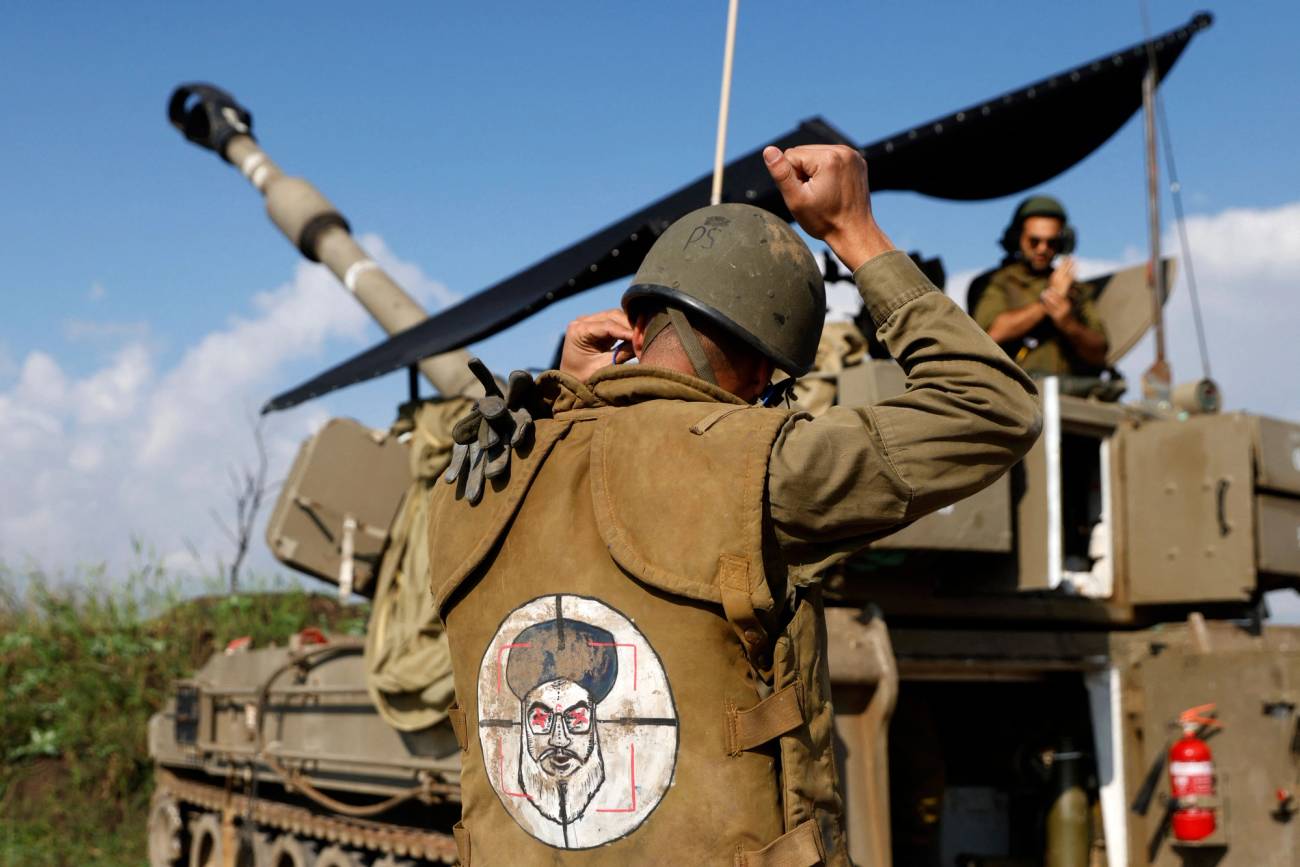
An Israeli soldier wearing a patch on the back of his flak jacket showing Lebanon’s Hezbollah leader Hassan Nasrallah as a target, stands in front of a self-propelled artillery howitzer in Upper Galilee in northern Israel, Jan. 4, 2024 /  JALAA MAREY/AFP VIA GETTY IMAGE

Itai Reuveni, a 40-year-old Israeli father, was awakened in his home near Jerusalem during the early morning hours of Oct. 7 by the eerie wail of incoming rocket sirens and the explosions of Iron Dome interceptors in the sky over his head. Not long after, his phone blew up with “endless videos of murder and executions,” images of Israelis dying in towns not even 30 kilometers away from his family home in Ashkelon, where his father and younger brothers live.

Within a couple of hours, Reuveni, who is an NCO and reserve combat medic in the Paratroopers Brigade, said that he and other members of his infantry platoon deduced that “basically the big IDF was nonfunctional” and most of the fighting in defense of the south was being done by either civilians or veterans who had headed out on their own, many without weapons.

“It was just like an apocalypse movie,” he said, “where small squads of people were operating by themselves.” Over the course of the day, he heard stories from the south that have since become legendary, like that of an elderly man who had picked up an old rifle, climbed onto a rooftop, and operated as a sniper against the first Hamas invaders. One young man from Reuveni’s regiment, who had escaped with his life from the Nova festival, joined his fellow reservists at the northern border a day or so late.

At about noon on Oct. 7, Reuveni grabbed his backpack full of combat gear, threw in a few pairs of underwear and a toothbrush, and jumped in his car. He headed toward Lebanon. “What I was reading on the WhatsApp group of my platoon was, ‘OK guys, we’re probably going to be called in a few hours. Don’t wait, take your stuff, go north.’”

Though neither side has decided to escalate beyond ‘low to medium’ intensity skirmishes, Reuveni believes a war with Hezbollah is inevitable.

Because of the horrors they had seen online all morning, and the seeming absence of IDF control, “Our assumption was that we are going to have to fight our way there.”

For the first time in his life, he drove in silence, without music. “Highway 6,” the main north-south route in Israel, he told me, “looked like a NASCAR track. There were hundreds and hundreds of soldiers just flying north.”

“It was a complete blur,” he recalled. “I had just woken up that morning with plans for the week ahead, and now, all I could think about was, ‘we need to fight. That’s what’s going to happen now.’”

Reuveni and I were professional acquaintances before the war. He serves as head of communications for NGO Monitor, an Israeli nonprofit that examines the funding sources of anti-Israel nongovernmental organizations operating in country, a source I have used for several stories. We communicated via WhatsApp from Nov. 28 until he was discharged from the IDF on Jan. 31, and in a long telephone call after he returned home. This is his story, but it is also the story of hundreds of thousands of other Israeli fighters who are providing essential moral guidance to the IDF in this time of war by affirming that Israel is strong and determined to fight and win—in defiance of the manifold forces, including Israel’s closest allies, who would prefer she knelt down in submission to her enemies: Iran and its tentacles in Lebanon, Gaza, and the West Bank.

It took Reuveni an hour and 40 minutes to arrive at his base. By the evening of Oct. 7, Reuveni said that the entire regiment that would ultimately get called north had already shown up. They were joined by a significant number of reservists who were no longer required to serve—almost half the number of those who got called up, according to Reuveni. They were well aware that Hezbollah leader Hassan Nasrallah had long threatened to attack communities in the north of Israel, “basically to do what Hamas had done in the south.”

“We figured that if we didn’t get there right away, that was what was going to happen. We became soldiers on Oct. 7. We got our equipment, got our guns and ammunition. Because I’m the medic in our platoon, I got my standard medical kit, and on the morning of Oct. 8, we were ready to go in.”

“There were two options: either Hezbollah will attack us and we’re going to stop them inside Israel, or we’re going to enter Lebanon to storm Hezbollah.”

On the evening of Oct. 8, the soldiers in Reuveni’s platoon bivouacked near Nahariya, in public parks, in civilian structures, “just waiting, and basically, preparing our gear.” He tried to collect as many extra Combat Action Tourniquets (CATS) as he could find because he knew that was what could have saved lives in the Gaza Envelope.

Civilians arrived at the parks too, with armloads of home-cooked food, bottled drinks, and other supplies for the soldiers. “All I did those days was eat, arrange how my equipment would fit on me, and think of what exactly I would need for war.”

Finally the orders arrived. It quickly became clear that the IDF was not planning to send them into Lebanon. The “million-dollar question” on everyone’s mind was why Hezbollah hadn’t yet attacked. Reuveni believed that the overnight arrival of tens of thousands of soldiers on the border, denying Hezbollah the element of a surprise attack, was more important to Nasrallah’s calculations than President Biden’s order to move two aircraft carrier strike groups into the eastern Mediterranean.

“It’s important also to acknowledge our weak points,” he told me, explaining that his month in the reserves the previous July on the northern border had made clear that “the negligence that happened in the south could very well have happened in the north also. Easily.”

“And if Hezbollah had infiltrated from the north that morning, on Oct. 7, we would have been fighting them in Haifa and Netanya and Tel Aviv”—a frightening scenario to imagine.

Over the next few weeks, Reuveni’s platoon settled into a position of defensive combat, not on the fence, but as part of “the second line” to prevent Hezbollah infiltration farther into Israel.

He explained that combat strategy teaches the first line of defense will always be breached, but the second line cannot be. “That is the line they will not cross.”

So he and his platoon “with our huge backpacks, with our gear, with our ammunition, with our rockets and grenades and everything, we’re moving from place to place, a few kilometers inside our border.”

At some point, Reuveni doesn’t know exactly when, Hezbollah did move its forces forward, up to the fence. About the same time, Reuveni’s platoon was also ordered to the fence—a tall wire barricade with concrete components at Rosh Hanikra, on the Mediterranean coast.

But it was tough sitting and waiting for the enemy to figure out its strategy, Reuveni admitted. “You hear things, you see things. You don’t know their significance. What was that noise? Why did the Blue Helmets [the U.N. Interim Force in Lebanon, or UNIFIL] just turn out the lights in their post? Or is it nothing?”

“For an infantry soldier, he said, “to be on defensive combat is mentally very hard. First of all, you’re not controlling what’s going on. You’re always waiting, and you probably will be surprised. That’s the nature of war, the offense will always surprise the other side.”

Once they moved up to the border fence, “the threats were very, very real.” There were daily skirmishes. “You have mortars and missiles and efforts to infiltrate. Not an invasion of hundreds or thousands, but small squads. However, with a lot of smart things that we did, by December we had managed to drive Hezbollah some 2 to 3 kilometers away from the border fence near Rosh Hanikra.”

Reuveni said they were trained “for all possibilities”—and for each option, they had an array of “tools,” be they weapons systems, communications technology, or combat tactics. “You need to be very dynamic.”

Hezbollah was armed with drones—small drones the size of phones, and larger suicide drones the size of a car. “They have something of everything, just like we do.”

This is a different challenge for an infantry soldier who is trained to fight in the West Bank, for example, which Reuveni calls a “one-dimensional” battlefield. There, “you have terrorists in a house, you have people fighting on the streets, things like that.”

But up north, he explains, “even for the individual soldier, the threat was multidimensional. I need in any given moment to think about mortars, drones, snipers, or the squad that may be about to storm me. I need to think about the antitank missile that is going to be fired at us from 5 kilometers away, so you don’t even see them coming.”

There were many missions to accomplish and little sleep; four-hour catnaps with boots on was usually the norm. Sometimes they sneaked out for the wedding of a fellow soldier, and then they’d return happy but exhausted, with dancing having taken up their allotted sleep time. The temperature dropped, and guard duty got harder when the rain came down in sheets, pummeling the roof. To remain awake, they kept talking to each other, “keeping ourselves sane,” and drinking coffee and Red Bull. But mostly, “mental will.”

“We were not fighting in Gaza,” as his brothers were, “though we really wanted to be,” he admitted. “Yes, it’s very mentally hard to be on the border and to stay put. But we understood that we saved the north of Israel. By getting there fast and by being there, we are still saving it. If we are not there, Hezbollah will enter, they will come.”

So they learned how to deal with the inaction when it was quiet, and they learned how to respond to the multiplicity of threats when they did arrive with or without warning. The tension waxed and waned. Sometimes, it rose to unbearable levels: Once he wrote, “I’m reading the news in real time as I’m waiting in this fucking bunker for Hezbollah to come.”

“I think that the important part is finding moments to relax or laugh,” he said, “because that helps you when the real shit starts.”

And in this way, they hunted down and eliminated Hezbollah antitank missile squads, and they found and eliminated an attack tunnel whose opening was detected steps from their bunker.

Though neither side has decided to escalate beyond “low to medium” intensity skirmishes, Reuveni believes that a war with Hezbollah is inevitable. “No one wants war, OK?” he says. “We want to be in our own homes. No one wants to maneuver inside Lebanon,” whose terrain is difficult, with cliffs and crevices, rivers and Hezbollah’s own network of attack tunnels. Also Hezbollah is much larger than Hamas, far better trained, with more than 100,000 projectiles and guided missiles, and uninterrupted supply routes that connect to Iran.

But, he added, “we have an enemy that lives and breathes only to murder Jews. This is what they want. This is their aim. Hamas made their appetites and methods very clear, and there is no difference with Hezbollah, except that it is bigger and stronger. “We cannot let it exist next to our houses and borders. That’s it.”

United Nations Security Council Resolution 1701 was adopted on Aug. 11, 2006, to end a one-month war sparked by a surprise Hezbollah attack on IDF forces along the border that caused the death and abduction of two soldiers, Ehud Goldwasser and Eldad Regev. Using the obsequious language of international diplomacy that fails to mention Hezbollah by name, the resolution “calls for” the establishment between the Blue Line and the Litani River of an area “free of any armed personnel, assets and weapons other than those of the Government of Lebanon and of UNIFIL.” But Hezbollah never withdrew its forces, and the U.N. Security Council has never enforced its 2006 resolution, the implementation of which was dependent on coordination with the Lebanese authorities, who answer to Hezbollah. The UNIFIL soldiers “do absolutely nothing,” said Reuveni.

Most Israeli villages in the north were evacuated after Oct. 7 and its 80,000 residents have not yet returned. Many homes have been damaged and destroyed by mortars and missiles.

Since Oct. 7, a reported 20 civilians have been killed on the Lebanese side, as well as nearly 200 Hezbollah fighters. In Israel, nine soldiers and 10 civilians have been killed by Hezbollah fire.

President Biden has been pursuing a diplomatic effort to ensure Israel does not launch an operation in Lebanon after Gaza. He has sent Special Presidential Coordinator for Global Infrastructure and Energy Security Amos Hochstein to try and broker a deal that will ostensibly move Hezbollah a few kilometers back from the border—far short of what UNSCR 1701 calls for—in return for IDF demobilization on the border, followed by land border negotiations that would pressure Israel to concede border areas claimed by Hezbollah and Lebanon. In 2022, Hochstein had strong-armed the Israelis to accept a lopsided maritime border deal with Lebanon, working hand in glove with Hezbollah and its cut-outs in the Lebanese government.

Reuveni says that based on history and the reality in Lebanon, “I don’t see any reason why any Israeli would trust negotiations or a diplomatic solution.” In December, Defense Minister Yoav Gallant promised the mayors of the northern communities that their residents would not go home until Hezbollah was driven north of the Litani River. “If they want to go north of the Litani River, let them go,” Reuveni said dismissively. But he is not holding his breath.

On Jan. 31, after 119 days of service, Reuveni was furloughed. He climbed back into his car and drove home. He was told he must report back to duty in May.

“I need to process everything that happened,” he wrote to me a few days after getting home. “It still feels like some kind of dream. And now being back is very mentally hard. Everything is confused and I need to put things in order.”


Emily Benedek has written for Rolling Stone, The New York Times, Newsweek, The Washington Post, and Mosaic, among other publications. She is the author of five books.


Zawartość publikowanych artykułów i materiałów nie reprezentuje poglądów ani opinii Reunion’68,
ani też webmastera Blogu Reunion’68, chyba ze jest to wyraźnie zaznaczone.
Twoje uwagi, linki, własne artykuły lub wiadomości prześlij na adres:
webmaster@reunion68.com