Archive | May 2023

Steve McQueen’s 4-Hour Documentary on Nazi-Occupied Amsterdam Screens at Cannes Film Festival

Steve McQueen’s 4-Hour Documentary on Nazi-Occupied Amsterdam Screens at Cannes Film Festival

Shiryn Ghermezian


Director Steve McQueen and screenwriter Bianca Stigter pose at the 76th Cannes Film Festival photocall for the film “Occupied City” in Cannes, France, on May 18, 2023. Photo: REUTERS/Gonzalo Fuentes

Steve McQueen’s Occupied City, an almost four-and-a-half hour documentary about the Nazi occupation of Amsterdam during World War II and the persecution of the city’s Jewish citizens during the period, premiered Wednesday at the 2023 Cannes Film Festival in France.

The narrated film by the Oscar-nominated 12 Years a Slave British filmmaker and his partner — Dutch documentarian, author and screenwriter Bianca Stigter — is based on Stigter’s illustrated book Atlas of an Occupied City (Amsterdam 1940-1945) on the same topic. The project, McQueen’s first documentary feature, includes no archival footage and instead intertwine moments from past and present-day Amsterdam in other ways.

“An elderly woman shifts to country music in an apartment complex where, we’re told, a family was once arrested and sent to a concentration camp,” reported the Associated Press, detailing scenes from the documentary. “A radio throbs with Bob Marley in a park where German officer once resided in the surrounding townhouses. A boy plays a virtual reality video game where an execution took place.”

McQueen and Stigter, who live in Amsterdam with their children, researched their own address in the city and discovered that only a few doors down, a Jewish man in hiding during the Holocaust paid for himself to remain safely hidden from the Nazis by teaching a family’s child how to play piano, the AP noted.

“You want to wake people up and at the same time take them with you,” McQueen told the publication. “The present erases history. There’s going to be a time when no one is going to be around who knew certain people. It kind of echoes what’s happening with the Second World War. There’s not a lot of people around who can testify about what actually went on in that time. They’re all passed. This film in some ways is erecting those memories in another way.”

Occupied City was filmed during the COVID-19 pandemic and McQueen shot a total of 36 hours over the course of three years, according to AFP.

“You try to hold onto things but they always slip away. It’s like this film. After four hours and 22 minutes, it’s done,” he said to the AP. “What I want this film to be is almost like tossing a stone into a pond. The ripple effects afterwards, how it enters the viewer’s everyday life, that’s what I hope for.”


Zawartość publikowanych artykułów i materiałów nie reprezentuje poglądów ani opinii Reunion’68,
ani też webmastera Blogu Reunion’68, chyba ze jest to wyraźnie zaznaczone.
Twoje uwagi, linki, własne artykuły lub wiadomości prześlij na adres:
webmaster@reunion68.com


Żart niech się żartem odciska, a przed fejkami uczmy bronić się za młodu

Żart niech się żartem odciska, a przed fejkami uczmy bronić się za młodu

Andrzej Koraszewski


Sąd w Poznaniu nakazał wszystkim mediom (niezależnie od ich linii generalnej) redukcję przymiotników o co najmniej połowę. Kilka gazet przeprowadziło już program pilotażowy, który pokazuje, że znaczna część personelu piszącego nie nadaje się do pracy w nowych warunkach i ta pozornie tylko techniczna rewolucja groziłaby dramatycznym kryzysem polskich mediów. Niektórzy wykładowcy dziennikarstwa uważają, że jest to zamach ze strony sądu na wolność słowa.

Wypowiedział się w tej sprawie minister Zbigniew Ziobro, którego zdaniem tego rodzaju nakaz stanowiłyby nadmierną polityzację sądów i wyraził nadzieję, że sąd wyższej instancji unieważni ten wyrok. Stanisław Michalkiewicz napisał na łamach „Odrzeczy.pl”, że poznański sąd wprowadza w Polsce żydowskie porządki i że on z pewnością nigdy się do takich poleceń nie zastosuje. Posłanka, a zarazem dziennikarka, Joanna Lichocka napisała na swoim koncie Twittera, że opozycja niedługo zacznie cenzurować mowę ciała, dodając w kolejnych tweetach, że już wcześniej sąd jej niewinne przetarcie oka środkowym palcem przetłumaczył na ukraiński.

Najpoważniejszy niepokój wyraziło stowarzyszenie psychologów. Zrzeszeni w tym stowarzyszeniu naukowcy stwierdzili, że tego rodzaju regulacja naraża całą grupę zawodową na poważny stres, depresje, a nawet ryzyko samobójstw.

Głos zabrała również Kaja Godek pisząc, że opozycja podjęła próbę zamachu stanu i pozbawienia ludzi możliwości dzielenia się swoimi sądami, o brudnych, zdradzieckich, zakłamanych, nieuczciwych i skrajnie lewackich czynach przeciwników katolickiej moralności.

Nie zgodził się z tym stwierdzeniem pan Janusz Dyskalkulia, główny sygnatariusz pozwu do sądu złożonego w imieniu Stowarzyszenia Obywateli Niepospolitych, podkreślając, że wyrok dotyczy zarówno dziennikarzy mediów opozycyjnych, jak i mediów wspierających Polską Zjednoczoną Prawicę Religijną, bowiem wszystkie media nadmiarem przymiotników obrażają zarówno uczucia, jak i inteligencję polskiego społeczeństwa i są wyrazem dziennikarstwa antysemiotycznego, w którym znaki przestają cokolwiek znaczyć.

To oświadczenie wywołało gniewną reakcję kurator Barbary Nowak, która stwierdziła, że:

„Dziś w Polsce jest sprawa, która może połączyć przynajmniej część prawicy i lewicy, sprawa adopcji samego serca polskiej mowy, jej przymiotników, tej części mowy, która służy nam do komunikacji, do informowania, co o sobie myślimy i co całym sercem czujemy. Zamiast trudu wyrażania naszych najgłębszych uczuć, zostalibyśmy skazani na suche i nieludzkie fakty. Uważam, że powinniśmy wejść na drogę sądową przeciwko zdrajcom, szkalującym społeczeństwo i oszczerczo pomawiającym nasz katolicki naród o jakiś antysemiotyzm. Tacy ludzie powinni zostać pozbawieni obywatelstwa i wydaleni z kraju. Nie ma i nie może być zgody na deptanie narodowych tradycji i niszczenie ducha naszej mowy”.

Oświadczenie Episkopatu Polski daje do zrozumienia, że jest to sprawa, która ma na celu ułatwienie dalszego oczerniania świętego Jana Pawła II i wszyscy wierni powinni się stanowczo temu przeciwstawić.

Po tym oświadczeniu pracownicy stacji benzynowych koncernu Orlen ogłosili strajk przeciw ograniczaniu wolności słowa i w obronie Konstytucji, co zaniepokoiło prezydenta, który postanowił w tej sytuacji zmienić zdjęcie na swoim profilu.

Profesor Miodek uspakaja zaniepokojonych – nie, słowo k…. nie jest przymiotnikiem.

Dobrzyń, 1 kwietnia 2023 r.


Zawartość publikowanych artykułów i materiałów nie reprezentuje poglądów ani opinii Reunion’68,
ani też webmastera Blogu Reunion’68, chyba ze jest to wyraźnie zaznaczone.
Twoje uwagi, linki, własne artykuły lub wiadomości prześlij na adres:
webmaster@reunion68.com


UKRAINE BACKS ANTISEMITISM AT THE UN WHILE PRESSURING ISRAEL FOR ARMS

UKRAINE BACKS ANTISEMITISM AT THE UN WHILE PRESSURING ISRAEL FOR ARMS

Jonathan Tobin


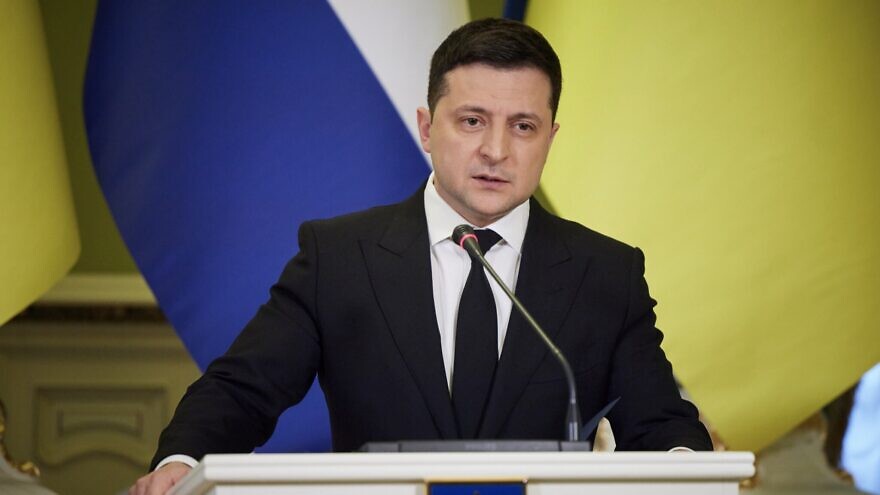
Ukrainian President Volodymyr Zelenskyy. Credit: President.gov.ua via Wikimedia Commons.

Zelenskyy’s two-faced stand illustrates both his own hypocrisy and how the world body acts as a toxic cesspool of hate.

(JNS) It was just another day at the United Nations. But, instead of its usual business being simply more evidence of the way the virus of anti-Semitism has injected itself into just about everything that within its purview, it recently supplied us with an additional insight. A vote in one of the General Assembly’s committees provided proof that the idealization of the embattled government of Ukraine is somewhat disconnected from reality.

The world body’s Special Political and Decolonization Committee convened on Friday to debate whether the G.A. should ask the International Court of Justice to provide an opinion on the “legal status of the occupation.”

This was a reference to Israel’s presence in Jerusalem, Judea and Samaria, with the ludicrous inclusion of Gaza, where no Jew has lived since 2005.

The endeavor was part of the strategy that the Palestinian Authority has been implementing since it torpedoed a peace initiative during the Barack Obama presidency.

It was another Palestinian effort aimed at delegitimizing Israel in much the same manner that the U.N. Human Rights Council’s Commission of Inquiry has done. The point is to weaponize the institutions of the international community to brand Israel a pariah “apartheid state,” and then to use the court at The Hague to implement sanctions on it.

The U.N. is widely and rightly disparaged in both the United States and Israel as a source of incitement against the West and a perversion of its founders’ intent in the aftermath of World War II. But it is also generally dismissed as a meaningless talking shop with no connection to reality.

In this sense, both Americans and Israelis tend to underestimate the damage that the Palestinian campaign to use international law to isolate the Jewish state can do once its bureaucratic apparatus is put to work on behalf of this anti-Zionist and antisemitic cause.

Just as important, it creates a diplomatic playing field in which the antisemitic invective is normalized to the point that it’s hard for nations to refuse to join in with the mob and take a courageous stand beside Israel.

This is where Ukraine comes in.

For the last several months, Ukrainian President Volodymyr Zelenskyy has been spending a disproportionate amount of time and effort trying to pressure Israel into sending his country arms to help it repel a Russian invasion.

Israel has condemned the illegal attack, sent Ukraine large amounts of humanitarian aid and taken in refugees. It has also shared intelligence with its military about the drones that Iran has sold to Russia. But it refuses to supply Zelenskyy with weapons for a number of good reasons.

Moscow, which has forces in Syria, has allowed neighboring Israel to act against Iranian and other terrorist forces there with impunity. Furthermore, there is still a large Jewish population in Russia that is now, in effect, hostage to the authoritarian whims of President Vladimir Putin.

But Ukraine and its many noisy supporters throughout the world have dismissed Israel’s justified concerns about being dragged into a war in which it has no direct interest, and treated it as if it were uniquely cynical for its refusal to do Kyiv’s bidding.

The fact that Ukraine was caught up in Democratic Party attempts to impeach former President Donald Trump is part of the reason its cause is viewed with special favor. By the same token, though Putin is a despicable tyrant, the fact that many Americans still believe the big lie that it stole the 2016 presidential election for Trump has revived a spirit of hatred for Russia that is reminiscent of right-wingers during the depths of the Cold War.

Part of their justification rests on depicting Ukraine as a citadel of Western democracy.

Ukraine has bravely defended itself against Russian aggression, and for that its forces deserve the world’s sympathy and admiration. But, as is the case with other post-Soviet republics in the region, its corruption runs deep.

Though its people clearly deserve the right to the self-determination that Russia wishes to deny, in practice, Zelenskyy’s government isn’t any more tolerant of dissent than Putin’s.

Others have revived old arguments about Russia’s being a deadly menace to the NATO alliance—as if the Berlin Wall were still standing and the massive armies of the now-defunct Warsaw Pact remained on the alert in East Germany, ready to invade Western Europe on Moscow’s orders. The fact that the diminished militaries of the Russian Federation have been easily defeated in Ukraine doesn’t seem to stop people from speaking as if it were the Soviet Union at the height of its evil powers.

By the same token, the same voices eager to escalate the war in Ukraine, rather than work for a settlement, dismiss the possibility that Russia would use its one truly scary asset—nuclear weapons—and flirt with what even President Joe Biden has characterized as the possibility of “Armageddon.”

Still, Ukraine’s pleas for Israeli help would be more reasonable if Kyiv were actually a friend of the Jewish state. Let’s ignore his lies about Ukrainians standing with Jews during the Holocaust, as opposed to what they actually did, which was to aid the Nazis in their slaughter.

Let’s set aside, as well, the fact that Ukrainian nationalism, historically, has been closely connected to antisemitism. Instead, let’s just focus on the attitude of the modern Ukrainian republic, and specifically Zelenskyy’s government, toward Israel.

This brings us to last week’s U.N. vote—98 nations in favor, 17 opposed and 52 abstentions—for referral to the International Court of Justice.

The 17 “nos” consisted of Israel, Australia, Canada, the Czech Republic, Estonia, Germany, Guatemala, Hungary, Italy, Liberia, Lithuania, the Marshall Islands, Micronesia, Nauru, Palau and the United States.

Among those voting in favor was Ukraine.

This is, of course, far from the first time that Ukraine has sided with the mob of haters at the U.N. attacking Israel. It has consistently done so since becoming independent 30 years ago, including just last month, when it  joined others in a demand that Israel unilaterally renounce its right to nuclear weapons.

One would think that, at a time when it is seeking help from Israel, Ukraine might at least abstain on votes aimed at isolating and destroying the Jewish state. But such is the hypocrisy and arrogance of the Zelenskyy government that it had no compunction about both voting against Israel and simultaneously trying to strong-arm it into handing over its most valued and scarce weapons, integral to its self-defense, like Iron Dome batteries.

This says a lot about how off base many of those who speak as if Ukraine were a Jeffersonian democracy and a bastion of decency are while trying to persuade American taxpayers to go on funding a war, which has no end in sight, to the tune of tens, if not hundreds, of billions of dollars.

But it is also a reminder of how the U.N.’s toxic environment acts to enable the worst instincts of so many governments around the world. It allows those with foul motives, tainted by antisemitism, to work together under the false banner of human rights.

Rather than ignore or downplay it, Israelis should be taking the U.N. threat seriously. And Americans should be working to defund the body, rather than supporting, facilitating and standing aloof from its worst excesses, as the Biden administration continues to do.


Zawartość publikowanych artykułów i materiałów nie reprezentuje poglądów ani opinii Reunion’68,
ani też webmastera Blogu Reunion’68, chyba ze jest to wyraźnie zaznaczone.
Twoje uwagi, linki, własne artykuły lub wiadomości prześlij na adres:
webmaster@reunion68.com


Who will be first to actively court Christian Zionist Israelis? – opinion

Who will be first to actively court Christian Zionist Israelis? – opinion

CALEV MYERS


Israeli Christians may be a relatively small percentage of Israeli citizens yet they share common values and have a close strategic alliance with the vast majority of Zionists in the world.
.

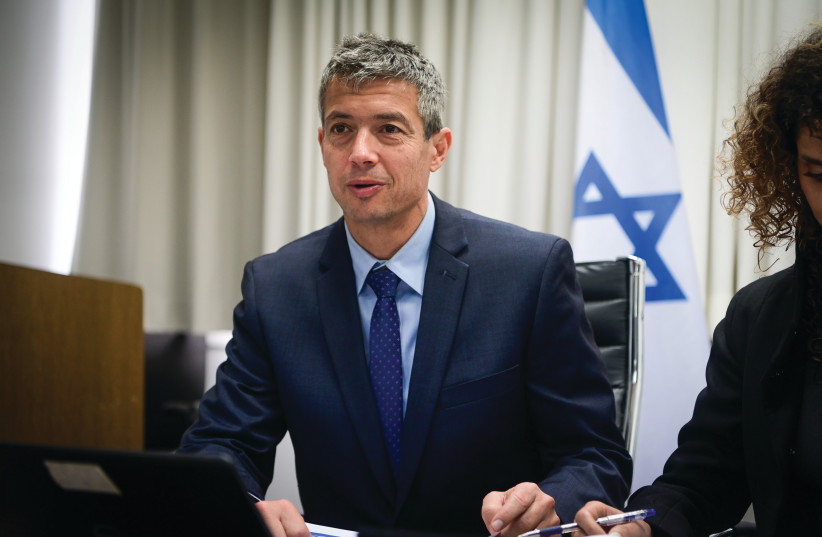
MIGHT YOAZ Hendel be the first Israeli politician not only to reach out to Christian Zionists outside of the country but to those here in Israel? / (photo credit: AVSHALOM SASSONI/FLASH90)

It took months of hundreds of thousands of citizens demonstrating in the streets several times a week in order to finally convince Prime Minister Benjamin Netanyahu to temporarily freeze the legislative blitz that led the Likud and its current coalition partners to pass legal reforms.

By sharp contrast, it took barely four days of friendly concerns expressed by the international evangelical Christian community in order to convince Netanyahu to kill and bury a bill tabled by ultra-religious MK Moshe Gafni to criminalize all forms of talking about one’s religious beliefs with fellow Israelis of a different faith.

How is that possible? Why was it easier for Netanyahu’s evangelical friends to get through to him than entire military units of Israeli patriots who passionately risk their lives in the voluntary service of our nation?

The answer to this enigma is actually quite simple. Netanyahu is aware, probably more than any other Israeli politician, of an indisputable fact: the vast majority of Zionists around the world are not Jewish.

Most Zionists around the world are Evangelical Christians

The 600 million evangelical Christians around the world – men and women who passionately believe in the Bible and see modern Israel as a miraculous fulfillment of Hebrew prophecy – have become an indispensable asset to Israel’s international relations.

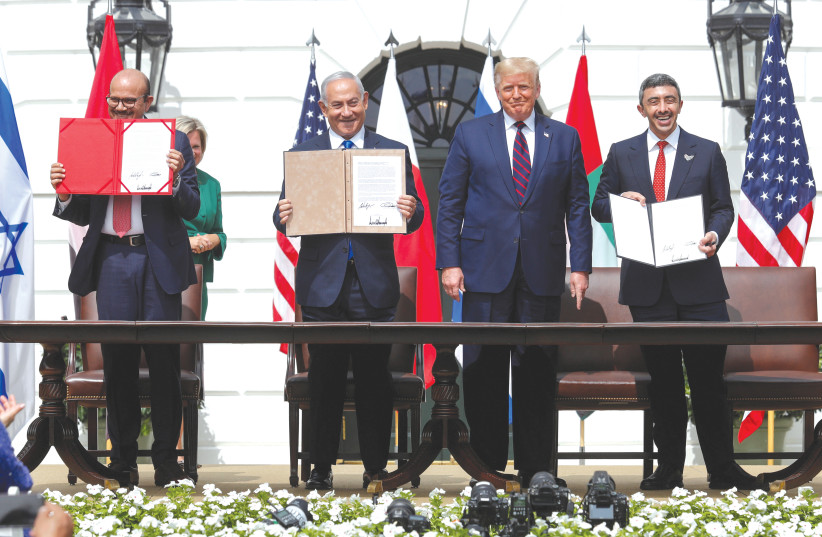
THE HISTORIC Abraham Accords, signed in 2020, have already led to rapid growth in trade and cooperation in a wide range of areas from investment and innovation to food security and health. (credit: TOM BRENNER/REUTERS)

None of the diplomatic achievements of which Netanyahu is most proud of, including the signing of the Abraham Accords, the moving of the US Embassy to Jerusalem, as well as the implementation of crippling sanctions that impeded Iran’s nuclear aspirations during the previous US Administration, would have been possible without the active support of devout evangelical Christians, such as vice president Mike Pence, secretary of state Mike Pompeo and UN ambassador Nikki Haley advising then-president Donald Trump to implement such policies.

EVANGELICALS IN the Trump administration were not advancing these pro-Israel initiatives to help Netanyahu per se. Rather, they were promoting these policies because they genuinely believed they were the right thing to do to strengthen Israel and the Jewish people, bolster US-Israeli relations and advance Arab-Israeli peace. And they were right.

Trump was already pro-Israel coming into office but because of strong Evangelical influence around him he had the political and moral support he needed to do more for Israel than any American president in history.

Compare this to the Biden Administration. Largely devoid of any pro-Israel evangelical influence around him, Biden – who openly says he loves Israel and is a Zionist – is doing very little to help Israel these days.

Who do Christians in Israel vote for?

That said, Israeli politics seem to have a strange disconnect when it comes to Christians. They love and court Christian Zionists who live outside of the country, recognizing that they are critically essential to Israel’s diplomatic influence, not to mention our thriving tourism industry and philanthropic giving to Israel and the Jewish people. Yet how many Israeli politicians love and court Israeli Christians?

On the contrary, Christian minorities within Israel have yet to find their voice in Israeli mainstream politics. The fact is that today there are at least 80,000 Israeli citizens who define themselves both as followers of Jesus and as Zionists. What’s more, these Israeli Christians tend to vote for secular right-wing and Center-Right parties.

This community includes a large portion of immigrants from the former USSR, those with a Jewish father and non-Jewish mother who identify as Christians. It also includes a small portion of the Arab Christian community (including the Arameans who volunteer for military service), as well as some 30,000 citizens who identify as Messianic Jews.

To the best of my knowledge, no political party with any chance of surpassing the threshold in Knesset elections has ever intentionally and consistently courted Israeli Christian minorities in their campaigns.

Why not? In hotly contested elections, every vote counts and the votes of Israeli Christians could prove critical to parties who show them respect and appeal to their concerns.

Consider the voting trends of Yad Hashmona, a small village nestled in the Judean Hills, just outside of Jerusalem, entirely made up of Christian minorities. In previous elections, the National Unity Party of Benny Gantz received approximately 26.67% of vote in Yad HaShmona, followed by Yesh Atid (20%), Yisrael Beytenu (19.17%) and then Likud (15%).

WHY DID so many Christian minorities within Israel vote for Benny Gantz rather than Netanyahu in the previous elections? For the same reason that hundreds of thousands of Israelis are currently demonstrating in the streets: Israeli Christians living as minorities in the land deeply value the democratic nature of the Jewish state that protects their human rights, civil rights and religious freedoms.

Like so many other Israelis, they are deeply concerned that the ultra-Orthodox parties, the Religious Zionist Party and the Otzma Yehudit party pose threats to their rights. What’s more, they view maintaining Israel’s robust and vibrant democracy – and the delicate balance of religion and state within our democratic system – as more essential to their immediate security and well-being than even looming international threats.

In this context, I found interesting a recent poll published by The Jerusalem Post showing that if a new right-wing liberal party (otherwise defined as “libertarian” or “neo-liberal”) were formed by Yoaz Hendel, the former communications minister, it would receive six mandates should elections be held today.

Hendel, who is perhaps most well-known for succeeding to upgrade Israel’s digital infrastructure by deploying optic fiber cables throughout the entire country, has also been a strong voice in the Zionist camp on behalf of equal rights and civil responsibilities. He has consistently expressed his opinion that all citizens, including the ultra-religious, should bear the burden of national service.

Might Hendel be the first Israeli politician not only to reach out to Christian Zionists outside of the country but to those right here in Israel? Should he choose to run and wish to increase his party’s electoral power from six to eight mandates in the next elections, he should consider reaching out directly, respectfully and consistently to the community of Christian minorities in Israel. Someone should.

Israeli Christians may be a relatively small percentage of Israeli citizens yet they share common values and have a close strategic alliance with the vast majority of Zionists in the world. And in Israel’s current political reality, every single mandate makes an enormous difference.


The writer is a senior partner at Yehuda Raveh & Co. Law Offices, where he manages their city center branch in Jerusalem and represents the vast majority of evangelical organizations active in Israel.


Zawartość publikowanych artykułów i materiałów nie reprezentuje poglądów ani opinii Reunion’68,
ani też webmastera Blogu Reunion’68, chyba ze jest to wyraźnie zaznaczone.
Twoje uwagi, linki, własne artykuły lub wiadomości prześlij na adres:
webmaster@reunion68.com


Jidysz to nie dziwoląg [ODPOWIEDŹ NA LIST]

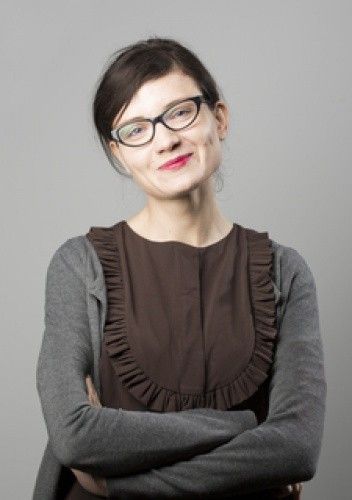
Dr Karolina Szymaniak, literaturoznawczyni i tłumaczka, adiunkt w ŻIH, gdzie kieruje Pracownią Badań nad Kulturą Jidysz;


Jidysz to nie dziwoląg [ODPOWIEDŹ NA LIST]

Karolina Szymaniak


Problem odpowiedniego zapisu słów żydowskich nie jest bynajmniej sprawą tej lub innej zwariowanej jidyszystki. Wiążę się ze zjawiskiem głębiej zakorzenionym. Z jednej strony z panującym w Polsce lekceważącym stosunkiem do kultury jidysz, z drugiej – z nieprzemyślaną recepcją dorobku amerykańskich studiów żydowskich.

.

Bardzo mnie cieszy, że kwestia jidysz staje się przedmiotem debaty, bo żyjemy w kraju, w którym standardy redakcyjne dotyczące zapisu słów żydowskich wciąż nie są respektowane i wielu osobom wydaje się, że takowych nie ma. Cieszy tym bardziej, że rozmowy Mikołaja Grynberga potwierdzają, jak ważnym składnikiem żydowskiej pamięci w Europie Środkowo-Wschodniej jest jidysz. Bez niego nie sposób w pełni zrozumieć naszej przeszłości.

Mimo to list dr Patrycji Dołowy wymaga dłuższego komentarza.

Oczywiście, rację ma Autorka, gdy broni różnorodności języka mówionego i wskazuje, że wymowa używana przez Henryka Grynberga nie była jedyną. Trzeba też dodać, że mówimy tu – co Autorka słusznie podkreśla – o zapisywaniu pamięci, która kształt słów i fraz mogła zniekształcić, bo nie wszyscy bohaterowie książki, którzy wypowiadają się o jidysz, płynnie nim mówili. Tyle że nie da się odeprzeć wszystkich uwag recenzenta w ten sposób. Pewne sprawy są oczywiste, pewne natomiast można było – i należało! – wyjaśnić w przypisach.

Weźmy przykład pierwszy z brzegu. Skąd np. wzięło się u Mikołaja Grynberga kisz mi tuches, które należałoby zapisać kisz mir in tuches czy – w standardzie jidysz – kusz mir in toches? Mówimy przecież o języku słabo znanym polskiemu odbiorcy, a skoro wydawca zdecydował się dodać do książki objaśnienia, to wykpiwanie się uwagą, że nie jest „to potrzebne, a z pewnością nie jest konieczne” całkiem chybia celu. Szczególnie, że Henryk Grynberg mówi czasem po prostu o zwykłych pomyłkach, czego Autorka w swoich uwagach zdaje się nie dostrzegać. Co więcej, gdy polemizuje z pisarzem sama – nieświadomie, jak sądzę – powiela pewne stereotypy dotyczące języka jidysz. Spójrzmy jednak na tę sprawę szerzej, a list dr Dołowy potraktujmy jedynie jako punkt wyjścia.

Autorka twierdzi, że nie mamy możliwości zapisu mówionego języka jidysz (czy szerzej – w ogóle języka mówionego), bo nie ma słowników języka mówionego. Z przesłanki nie wynika jednak konkluzja. Filologowie język mówiony wszak opisują. Badania filologiczne nad językiem jidysz liczą sobie już dobre sto lat, jeśli za ich symboliczny początek przyjąć pracę „Zadania filologii jidysz” Bera Borochowa z 1913 r. Opisywano i opisuje się zarówno standardowy język jidysz (literacki), jak i dialekty i gwary. Warto wspomnieć tu chociażby – gdy mowa o dialektach i gwarach – takie prace jak „Language and Culture Atlas of Ashkenazic Jewry” lub redagowany przez Davida Katza „Dialects of the Yiddish Language”, czy też – jeśli chodzi o prace szczegółowe – książkę Ewy Geller „Warschauer Jiddisch” lub „Lubliner Jiddisch” Mogens Dyhr i Ingeborg Zint. Pokolenia badaczy wypracowały metody takiego zapisu i nie jest kwestią zachcianki redaktora bądź autora ustalanie tych zasad od nowa i tłumaczenie się całkowitą niemożnością. Tego, czy zapisujemy „h” czy „ch”, nie można tłumaczyć niemożliwym do ujęcia żywiołem mowy! Jakieś minimum zasad można tu wprowadzić. A jak to zrobić? Można wybrać naukową metodę zapisu – która w publikacji takiej jak książka Mikołaja Grynberga nie ma oczywiście zupełnie sensu – można też zastosować zapis uproszczony, przystępny dla czytelnika i objaśniający mu świat języka jidysz. Temu służyłyby przypisy, które tak łatwo Autorka postponuje.

Czy to ważne – mogą zapytać niektórzy? Zapewniam Państwa, że problem odpowiedniego zapisu słów żydowskich nie jest bynajmniej sprawą tej lub innej zwariowanej jidyszystki. Wiąże się ze zjawiskiem głębiej zakorzenionym. Z jednej strony z panującym w Polsce lekceważącym stosunkiem do kultury jidysz, z drugiej – z nieprzemyślaną recepcją dorobku amerykańskich studiów żydowskich i wynikającym stąd – niewygodnym dla polskiego odbiorcy i często rodzącym nieporozumienia – zapisem pewnych kluczowych terminów w transliteracji lub transkrypcji angielskiej.

Sprawa jest o tyle ważna, że, jak wspomniałam, w jakimś zależnościowym pędzie polskie wydawnictwa (i wielu polskich autorów) uznają, że zasady transkrypcji wyglądające bardziej obco są lepsze niż te, które łatwiej będzie zrozumieć czytelnikowi polskiemu. Stąd np. nieme „h” na końcu wyrazów lub „sh” zamiast „sz” itp. Słowo „Shoah” zamiast „Szoa” jest najlepszy tego dowodem. Zapamiętanie w bezmyślnym kopiowaniu obcych wzorów prowadzi zresztą do komicznych sformułowań. Jak poradzić sobie z odmianą błędnie zapisanych słów? Wtedy możemy z „Ha-cefiry” (tytuł gazety) otrzymać „Ha-cefirchę”. A gdy musimy odmienić „Shoah”, tak chętnie zapisywane u nas z angielska? Otrzymamy odpowiednio „Shoaha”, „Shoahu” itd. Jeszcze bardziej mylący jest zaś zapis hybrydowy, które znajdujemy zresztą w „Oskarżam Auschwitz” Mikołaja Grynberga. Mowa tam o Jom Ha-shoah zamiast po prostu Jom Haszoa. Ale to oczywiście wzięte z osobna drobiazgi, jako redaktorka sama wiem, że trudno uniknąć potknięć nawet przy największej staranności. Chodzi jednak o sprawy bardziej ogólne.

Patrycja Dołowy pisze o różnicach w transkrypcji jidysz. Tak, istnieją różne systemy transkrypcji jidysz, ale są one zwykle zależne od odbiorcy docelowego, któremu powinno być łatwo je odczytać – inny więc będzie on dla odbiorcy angielskiego, inny zaś dla niemieckiego. Najnowsze standardy transliteracji i transkrypcji omawiała i wielokrotnie przedstawiała w swoich pracach prof. Ewa Geller (odsyłam chociażby do tomu „Jidyszland – polskie przestrzenie”). W Polsce (i nie tylko) zdaje się jednak panować przekonanie, że w sprawie jidysz „każdy wie lepiej” albo raczej „wszystko wolno”, bo „nikt nic nie wie”, a jeśli wiedział, to było to… pewnie przed wojną. Wtedy przecież – jak pisze Patrycja Dołowy – wydano ostatni słownik polsko-jidyszowy! Tak jakby nie istniał w ogóle bogaty i zróżnicowany dorobek współczesnej jidyszystyki polskiej i nie funkcjonowało liczące sobie ponad sześćdziesięcioro członków Polskie Towarzystwo Studiów Jidyszystycznych.

Nie chodzi jednak o naukę, ta jakoś sobie radzi. Odpowiednich standardów powinno się pilnować przede wszystkim w publikacji nienaukowej, czyli docierającej do znacznie szerszego grona odbiorców. Inaczej kończy się to tak, jak w przypadku przekładu książki Dawida Grosmana „Patrz pod: Miłość”, której pierwsza część zamiast pobrzmiewać jidysz, sugeruje raczej, że chodzi o niemiecki. I tak zamiast „A szrek!” mamy „Schrecklich”, czy zamiast „wos” – „was”, by podać tylko najprostsze przykłady. W ten sposób – nie pierwszy raz już w historii – osobom mówiącym jidysz odmawia się głosu.

Nie bardzo też rozumiem, co ma na myśli dr Dołowy, gdy pisze: „Inaczej też zapisywano i zapisuje się te słowa w słownikach (jeśli chodzi o polski, to w ogóle ostatni słownik pochodzi z 1929 r. – niedawno został wznowiony)”. Spróbuję to jednak przełożyć. Po pierwsze, ostatni słownik polsko-jidysz nie został wydany w 1929 r., lecz w 2007 r. Jest to słownik jidysz-polski, polski-jidysz, który podaje słowa zarówno w alfabecie jidysz, jak i transkrypcji polskiej, choć ma on raczej charakter glosariusza niż słownika z prawdziwego zdarzenia. Rzecz w tym, że istnieją przecież inne rzetelne słowniki: jidysz-angielski, jidysz-francuski, jidysz-rosyjski, jidysz-białoruski, jidysz-hiszpański, jidysz-japoński i inne, tak więc gdyby ktoś chciał do nich sięgnąć, mógł to zrobić. Mamy też co najmniej dwa wiarygodne słowniki online. Po drugie, wzmiankowany słownik (zresztą tylko polsko-jidysz, a nie jidysz-polski) z 1929 r. podaje słowa jidysz alfabetem jidysz i nie podaje ani norm, ani transkrypcji, ani też wymowy! Po trzecie i najważniejsze, istnieje standardowy język jidysz, który opisuje się w słownikach. Ewentualne różnice mogą dotyczyć kwestii zmian ortografii, ale te nie mają nic wspólnego z tym, jak słowa transkrybujemy na inne alfabety i jak należałoby je zapisać! Owszem, większe słowniki odnotowują również formy oboczne i dialektalne, ale nie różnią się tu specjalnie od słowników innych języków.

I tu wracamy do clou naszej sprawy, bo w tej słownikowej uwadze wychodzą na jaw tak silnie w Polsce obecne przeświadczenia na temat języka jidysz jako języka „dziwnego” czy, by zacytować trochę soczystych historycznych określeń, będącego „zlepkiem wyrazów kaleczących ucho i Bóg wie skąd pozbieranych”, „mową ze szmat najrozmaitszych narzeczy sfastrygowaną”, „mową Guronów dzikich”, „osobliwą lingwistyczną miksturą”, „dziwolągiem językowym”. Dyskurs ten ma niestety długie i niechlubne tradycje, które sięgają oświecenia. Wynika z nich, że język jidysz jest jakoś szczególnie różny od innych języków, tak inny, że nie sposób ustalić jakichkolwiek zasad.

Nie twierdzę, że Patrycja Dołowy świadomie wpisuje się w tę tradycję. O tym, że tak nie jest, świadczy choćby to, jak dużo miejsca poświęca problemowi jidysz. Znam też i cenię jej pracę na polu propagowania kultury jidysz. Niestety przy okazji swojego szczerego zainteresowania ujawnia, jak trwałe są stare, dziedziczone przez nas przyzwyczajenia. Bo co nam mówi stwierdzenie, że słowniki jidysz są inne niż wszystkie, czy że „różnice były ogromne (i nadal są, tam, gdzie jeszcze są). Inaczej mówiono w jednym miasteczku, inaczej w innym, inaczej w jednej części kraju, inaczej w innej, inaczej w każdym z krajów, w którym w jidysz się mówiło”? Jeśli takie – summa summarum prawdziwe stwierdzenie – użyte zostaje w kontekście niemożności poradzenia sobie redakcyjnego z zapisem słów jidysz, to wychodzi z tego nic innego jak sugestia „dziwolągowatości” języka żydowskiego!

Owszem, jidysz – tak jak inne języki – ma swoje dialekty oraz odmiany regionalne i gwarowe. Ale czy polszczyzna Lwowa była taka sama jak polszczyzna Warszawy? Czy niemczyzna lub angielszczyzna są językami jednolitymi? Zdania takie jak to powyższe można by przecież napisać także o nich. A jednak ich nie piszemy. A przynajmniej nie piszemy, by wskazać na jakąś niemożność czy dziwaczność. Nie jest to zatem cecha wyróżniająca, jak zdaje się sugerować w liście Autorka.

Jeśli już zaś różnic szukamy, powiedzmy, że język jidysz tym się różni od wymienionych wyżej języków narodowych, że jest językiem diasporycznym ze wszelkimi tego konsekwencjami, o których nie będziemy tu szerzej mówić, ale nie oznacza to, że nie istniały w ogóle instancje regulujące jego rozwój, nie istniał standard, programy szkolne, a tym bardziej nie oznacza to, że nie wypracowano dotychczas żadnych spójnych narzędzi jego opisu. Także dzisiejszy mówiony jidysz jest na bieżąco opisywany i poddawany analizom.

Warto o tym pamiętać.


Karolina Szymaniak – literaturoznawczyni, tłumaczka i lektorka języka jidysz w Polsce i za granicą, adiunkt w Żydowskim Instytucie Historycznym, współpracowniczka Centrum Kultury Jidysz, redaktorka naczelna „Cwiszn. Żydowskiego Kwartalnika o Literaturze i Sztuce”, członkini Zarządu Polskiego Towarzystwa Studiów Jidyszystycznych.


Zawartość publikowanych artykułów i materiałów nie reprezentuje poglądów ani opinii Reunion’68,
ani też webmastera Blogu Reunion’68, chyba ze jest to wyraźnie zaznaczone.
Twoje uwagi, linki, własne artykuły lub wiadomości prześlij na adres:
webmaster@reunion68.com