Archive | July 2023

Israel Daily News– July 24, 2023

Israel Daily News– July 24, 2023

ILTV Israel News


A dramatic day in Israel today..unprecedented scenes outside the Israeli Knesset which saw protestors laying down in the streets in Jerusalem as the coalition advanced with the reasonableness bill – a part of its legal reform. And in the midst of everything, Prime Minister Benjamin Netanyahu was released from the hospital with doctors ordering 48 hours of rest following the implantation of a pacemaker. And much more


Zawartość publikowanych artykułów i materiałów nie reprezentuje poglądów ani opinii Reunion’68,
ani też webmastera Blogu Reunion’68, chyba ze jest to wyraźnie zaznaczone.
Twoje uwagi, linki, własne artykuły lub wiadomości prześlij na adres:
webmaster@reunion68.com

DOŚWIADCZANIE PIEŚNI

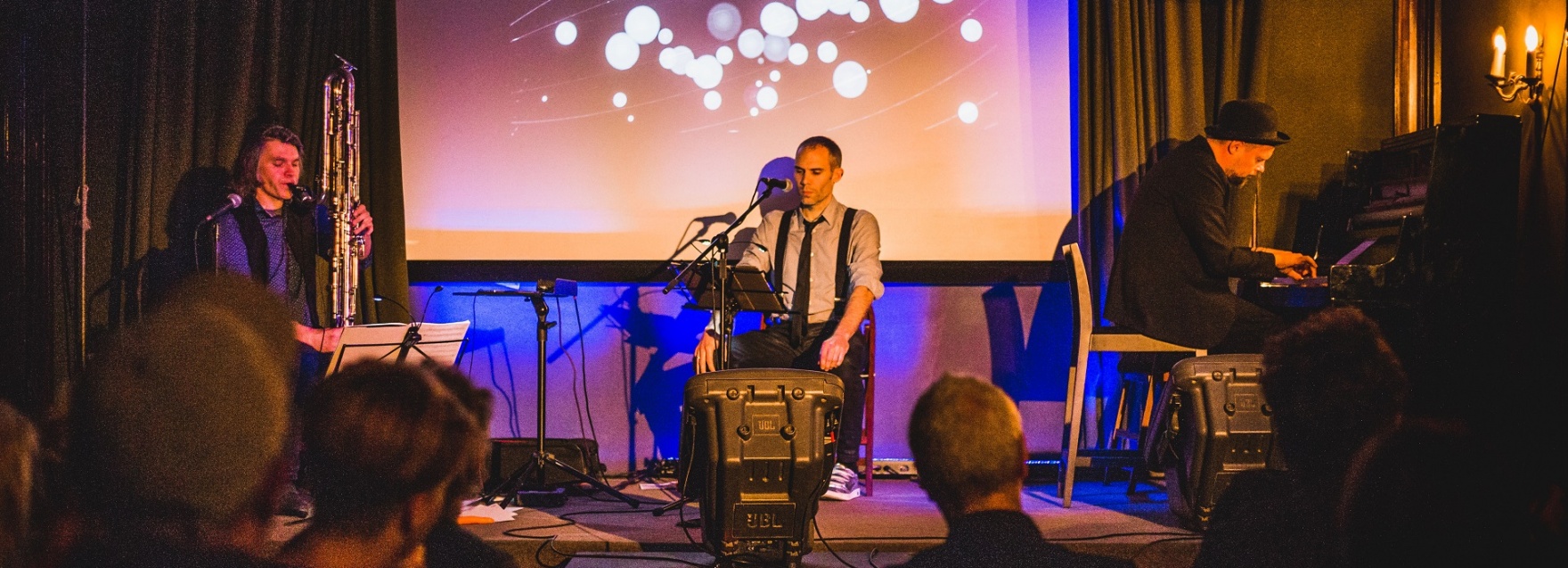
Michał Górczyński z lewej, fot. Daniel Hawryluk


DOŚWIADCZANIE PIEŚNI

PIOTR SZWED


William Blake najpierw w latach 50. został bohaterem beatników, rozpropagowanym przede wszystkim przez Allena Ginsberga. W kolejnej dekadzie przeniknął do zbiorowej wyobraźni dzięki obecności w tekstach ikon piosenki tamtych czasów – Boba Dylana i Jima Morrisona. To uruchomiło prawdziwą lawinę inspiracji, niedawno podsumowaną wystawą „William Blake and the Age of Aquarius” zorganizowaną w amerykańskim Block Museum of Art. Pokazywała ona ledwie wycinek tego, jak autor „Pieśni doświadczenia” wpłynął na XX-wiecznych i XXI-wiecznych muzyków. Jego popularność przetrwała bowiem wśród nich zmierzch hipisowskiej Ery Wodnika. Po nagraniach psychodelicznych The Fugs przyszedł czas na Williama Blake’a w wersji tak różnorodnych artystów jak m.in. Loretta McKennitt, Bruce Dickinson, U2, Coil, John Zorn czy Cherry Poppin’ Daddies.

Zainteresowanie muzyków klasykiem brytyjskiej poezji ma z pewnością wiele źródeł, choćby fascynujący w jego dziele splot różnych dziedzin sztuki – malarstwa, literatury i muzyki. Być może najważniejszym z nich jest właśnie niezwykła, wymykająca się nawet najlepszym przekładom, muzyczność jego poezji.

Zasłuchany w nią jest z pewnością Michał Górczyński – klarnecista, wcześniej związany z takimi zespołami jak m.in. Pole, Ircha i Kwartludium, autor wydanej na początku października płyty „William’s Things”. Album poświęcony Blake’owi to kontynuacja projektu „Muzyka do języków”. Od 2013 roku Górczyński, współpracując z wieloma postaciami sceny nie tylko jazzowej, ponawia próby dźwiękowego odzwierciedlania poezji. Zaczęło się od płyty „Preparing To Dance”, której tematem były pisane w jidisz teksty Yermiyahu Ahrona Tauba. Następnie w 2015 roku wraz z krążkiem „Utsuroi” przyszła kolej na lirykę japońską (Yashihiro Harady i Kawahigashiego Hekigoto), a rok później dźwiękową interpretację perskich mistycznych wierszy Dżalaluddina Rumiego (album „Zin do hezaran…”). Przed paroma miesiącami ukazało się „Bidadari” powstałe we współpracy z Warszawską Grupą Gamelanową, skupione na indonezyjskich utworach Sahnila Arifa Farabionsaha.

Dotychczasowe nagrania projektu Górczyńskiego, choć stylistycznie i tematycznie różnorodne, łączy szczególna relacja słowo–dźwięk, o której artysta opowiedział w wywiadzie dla serwisu PopUpMusic. Wspomniał tam, że „język generuje trzy poziomy inspiracji”. Pierwszym są obrazy poetyckie, drugim rytm i melodia słów, które pozwalają przekładać język na konstrukcję utworu, trzecim – intuicje i skojarzenia związane z określoną kulturą. Górczyński, który muzycznie lubi nie tylko podróżować w przestrzeni, ale i w czasie (rok temu współtworzył na albumie „Bastarda” chwaloną interpretację średniowiecznej muzyki Piotra z Grudziądza), w swoich kompozycjach często przyjmuje postawę kreatywnego tłumacza, kogoś, kto poszukuje nowych doświadczeń po to, by przełożyć je na własny, muzyczny język – łącząc inwencję z równie istotną precyzją.

Na „William’s Things” bardzo dobrze słychać wyczucie towarzyszące wsłuchiwaniu się w teksty Williama Blake’a. O wierszu „The Little Boy Lost” często pisano, podkreślając jego bardzo prosty, regularny rytm, zaakcentowany wyraźną średniówką:

The night was dark, no father was there;
The child was wet with dew;
The mire was deep, & the child did weep,
And away the vapour flew.

Górczyński odnajduje dla takiej poetyki odpowiednią muzyczną formę – jedynie cztery dźwięki, które mogą się kojarzyć z wprawką dziecka rozpoczynającego swoją przygodę z instrumentem muzycznym. Klarnecista do końca zachowuje tę minimalistyczną strukturę. Operuje dynamiką, zmieniając niepokój w rozpacz, tworząc przejmujący utwór o dziecięcej bezradności, tęsknocie i bezsilnym gniewie zamkniętym w obrębie powtarzanych rozpaczliwie gestów.

Podobne zależności widać choćby w „Spring” –  niezwykle zmysłowej próbie oddania rodzącej się harmonii wyrażonej poprzez współbrzmienie słów:

Sound the flute!
Now it’s mute.
Birds delight
Day and night;
Nightingale
In the dale,
Lark in sky,
Merrily,
Merrily, merrily, to welcome in the year.

Jak zagrać na klarnecie parzysty układ rymów i wersy składające się z dwóch, trzech wyrazów? Rozwiązaniem okazuje się kilkusekundowy loop, na którego tle pianino Tomasza Wirackiego szkicuje dźwięki kojarzące się z niektórymi delikatniejszymi nagraniami producenta minimal techno Murcofa. Splot ambientu, minimalistycznego jazzu i poezji to rozwiązanie pozwalające wydobyć z słów ich wieloznaczność. W „Spring” Blake opisuje stopniowe rozkwitanie świata, a Górczyński z Wirackim zapewniają odpowiednie warunki do niespiesznego dojrzewania sensów.

Płytę taką jak „William’s Things” – opartą na wyrazistym brzmieniu klarnetu kontrabasowego – łatwo można skazać na niszowość. Jest to o tyle niesprawiedliwe, że jazzowe czy elektroniczne motywy współistnieją tu z naprawdę doskonałymi, różnorodnymi piosenkami.  Ich atutem są melodie zaśpiewane przez Seana Palmera. Wokalista, znany widzom Teatru Wielkiego i Teatru Dramatycznego w Warszawie ze spektaklów takich jak „Oresteia” Michała Zadary czy „Śmierć i dziewczyna. Dramaty księżniczek Elfriede Jelinek” Agnieszki Korytkowskiej-Mazur, pokazuje imponujące aktorskie możliwości. W „My Pretty Rose-Tree” jego interpretacja przywodzi na myśl wczesne nagrania Antony and The Johnsons, a w „The Blossom”  na granicy karykaturalności, ale jednocześnie naprawdę dobrze wchodzi w rolę Toma Waitsa.
.

.

Zdarza się, że Palmer brzmi jak wściekły Marc Almond („The Little Boy Lost”), by w finałowym „The Clod and the Pebble” pójść tropem późnego, wyciszonego Nicka Cave’a. Początkowo trudno uwierzyć, że Górczyński współpracuje na tej płycie z tylko jednym, cały czas tym samym wokalistą. Oczywiście można zarzucić mu manieryczność, ale nawet ona nie przeszkadza, stając się środkiem wyrazu niezwykłego monodramu – pozwalającego zaistnieć na płycie wielu postaciom, emocjom, perspektywom.

Każdy wybór poezji jest jakąś jej interpretacją. Górczyński przemieszał ze sobą utwory pochodzące z „Pieśni niewinności” i „Pieśni doświadczenia”. Na płycie dominuje jednak (i to zdecydowanie) nastrój tego drugiego, późniejszego i bardziej pesymistycznego tomu Blake’a. Mniej na tej płycie mistyki – a więcej namacalnych doświadczeń, zmysłowości i grozy przemijania. Dlatego właśnie doskonałym pomysłem jest zakończenie tego minizbioru poezji Williama Blake’a utworem o grudce ziemi i kamyku.


PIOTR SZWED – Literaturoznawca zajmujący się krytyką muzyczną, na co dzień przede wszystkim nauczyciel, autor książki „Oddaleniec. Poezja Bolesława Leśmiana wobec romantyzmu polskiego”. Publikował m.in. w „Pamiętniku Literackim” i „Res Publice Nowej”. Od 2006 roku związany z serwisem Screenagers, w latach 2015-2016 jego redaktor naczelny. Twórca wielu adnotacji oraz edytor działający na portalu Genius, poświęconym interpretacjom tekstów piosenek.

Zawartość publikowanych artykułów i materiałów nie reprezentuje poglądów ani opinii Reunion’68,
ani też webmastera Blogu Reunion’68, chyba ze jest to wyraźnie zaznaczone.
Twoje uwagi, linki, własne artykuły lub wiadomości prześlij na adres:
webmaster@reunion68.com


200,000 rally for judicial reform in Tel Aviv

200,000 rally for judicial reform in Tel Aviv

JNS


Supporters of judicial reform demonstrate in Tel Aviv, July 23, 2023. Photo by Aharle Crombie.

An estimated 200,000 supporters of Israeli Prime Minister Benjamin Netanyahu’s judicial reform plans converged on Kaplan Street in Tel Aviv on Sunday evening for the “March of the Million” mega-rally, organizers said.

Tens of thousands more were on their way as speakers prepared to address the multitude.

The massive demonstration kicked off as parliament advanced a much-debated bill to limit the Supreme Court’s use of the so-called reasonableness standard. The legislation would bar “reasonableness” as a justification for judges to reverse decisions made by the Cabinet, ministers and “other elected officials as set by law.”

“On the eve of the conclusion of the legislative proceedings [to cancel the] reasonableness ground, the entire national camp will come to Kaplan Street in Tel Aviv,” right-wing organizers announced last week. “Stand alongside the heads of the national camp and the Knesset members of the coalition and tell them: The nation is with you! Complete the legislation! Sixty-four [Knesset] mandates are not second-class citizens.”

An estimated 200,000 supporters of Prime Minister Benjamin Netanyahu’s judicial reform plans converged on Kaplan Street in Tel Aviv, July 23, 2023. Video by Elements

Protesters traveled to Tel Aviv in chartered buses from more than 100 locations throughout the country. Moreover, videos shared by social media users showed hundreds arriving by train, putting to bed opposition claims that Israelis are united against judicial reform.

Signs read, “The people voted [for] judicial reform [in November’s national election],” “Physicians for the reform,” “Professors for legal reform” and “Dictatorship of the High Court.”

“The nation chose judicial reform,” the banner in Tel Aviv reads, July 23, 2023. Photo by Malkah Fleisher

The previous large-scale protest in support of judicial reform, which took place near the Knesset in Jerusalem on April 27, was attended by some 600,000 people, organizers said. After 29 weeks of anti-reform protests have grabbed headlines not only in the Jewish state but worldwide, right-wing activists once again hope to recapture the narrative.

The coalition government wants to pass the amendment to the reasonableness standard into law before the Knesset goes into recess on July 30, and the final vote is expected to take place on Monday or Tuesday.

Last week, the Knesset Constitution, Law and Justice Committee gave the bill its initial approval. With nine committee members voting in favor and seven opposed, the amendment to Basic Law: The Judiciary was sent back to the plenum for the second and third readings needed for it to become law.

Several streets in Jerusalem were closed to traffic on Sunday after thousands of anti-reform demonstrators traveled to Israel’s capital the previous evening. Many of the protesters marched the 40 miles from Tel Aviv, with others joining along the way. The protesters pitched tents at Gan Sacher Park near the Knesset, Supreme Court and other governmental institutions.

The prime minister’s Likud Party has rejected a judicial reform proposal put forward by the Histadrut labor federation, saying that “the proposal would completely neuter the amendment on the issue of reasonableness and requires total concession on all the other elements of the reform.”

Histadrut chairman Arnon Bar–David made it clear that he is not seeking another general strike right now similar to the one that paralyzed the country in March. 

For its part, the Israel Medical Association declared a labor dispute, allowing it to carry out sanctions in two weeks. Last week, thousands of physicians around the country held a two-hour “warning strike,” only providing urgent and life-saving care. In a recent letter, hundreds of doctors had called on association chairman Professor Zion Hagay to declare a full strike “until the coup is completely shelved.”

Israeli President Isaac Herzog, who previously held meetings at his Jerusalem residence with the ruling coalition and the opposition in an attempt to hammer out an agreement, returned from his trip to the United States on Sunday.

Both now and during the trip, the head of state has been working “to fully explore negotiation efforts in order to reach an agreement between the sides,” a statement from Herzog’s office said.

Upon returning to Israel, Herzog met with Netanyahu at Sheba Medical Center in Ramat Gan, where the prime minister remains hospitalized following the implantation of a pacemaker overnight Saturday.

Later on Sunday, Herzog will meet with opposition leader Yair Lapid, a statement from the President’s Office said.


Zawartość publikowanych artykułów i materiałów nie reprezentuje poglądów ani opinii Reunion’68,
ani też webmastera Blogu Reunion’68, chyba ze jest to wyraźnie zaznaczone.
Twoje uwagi, linki, własne artykuły lub wiadomości prześlij na adres:
webmaster@reunion68.com

Israel Parliament Starts Vote on Limiting Supreme Court Power

Israel Parliament Starts Vote on Limiting Supreme Court Power

Reuters and Algemeiner Staff


An aerial view shows tents erected in demonstration against Israeli Prime Minister Benjamin Netanyahu and his nationalist coalition government’s judicial overhaul near the Knesset, Israel’s parliament, in Jerusalem July 24, 2023. REUTERS/Ilan Rosenberg

Israel‘s parliament on Monday began final voting on contested changes sought by Prime Minister Benjamin Netanyahu to the judiciary as last-gasp talks continued to ease one of the country’s worst political crises set off by his plans.

President Isaac Herzog who called the standoff “a national emergency” was still trying to forge a compromise on the government’s judicial plans which have sparked unprecedented nationwide protests, a person familiar with the matter said.

Police used a water cannon to disperse demonstrators opposed to the judicial campaign by Netanyahu’s nationalist-religious coalition and officers dragged away protesters who had chained themselves to posts and blocked the road outside parliament.

The chances to reach a compromise appeared slim as lawmakers began voting

“You cannot reach agreements that safeguard Israel‘s democracy with this government,” Opposition Leader Yair Lapid told Israeli television channels at the Knesset minutes before the hours-long vote began.

With banks and businesses joining in the protest, pressure mounted on Netanyahu, who was released from hospital on Monday morning after a two-night stay during which he was fitted with a pacemaker.

Netanyahu has been urged by Washington on the one side to reach a compromise with the opposition, while his hard-line coalition partners are pushing for legislation to go ahead with more judicial changes to follow.

The crisis has spread to the military, with protest leaders saying thousands of volunteer reservists would not report for duty if the government continues with the plans and former top brass warning that Israel‘s war-readiness could be at risk.

Nonetheless, commanding a comfortable majority in parliament, Netanyahu’s coalition looked set to win the vote on the bill that limits the Supreme Court’s powers to overrule decisions made by governments and ministers.

‘DISASTER’

“We’re on our way to a disaster,” Lapid told lawmakers during the stormy debate. “If you vote for this bill you will weaken the state of Israel, the people of Israel and the Israel Defence Forces.”

It would be the first change written into law from a package critics fear aims to curb judicial independence, but which Netanyahu – who is on trial on corruption charges he denies – insists are needed for balance among branches of government.

Justice Minister Yariv Levin who has been driving the changes defended the bill, which would amend a law enabling the Supreme Court to void decisions it deems “unreasonable”.

“There’s no reason to fear this amendment. There are many reasons to see it as an important step toward restoring balance between the branches of government as respecting voters’ choice,” said Levin.

Netanyahu’s coalition has been determined to push back against what it describes as overreach by a Supreme Court that it says has become too politically interventionist.

Critics say Monday’s amendment has been rushed through parliament and will open the door to abuses of power by removing one of the few effective checks on the executive’s authority in a country without a formal written constitution.

The government announced its judicial plans in January, soon after it was sworn in, stirring concern among allies abroad for Israel‘s democratic health and denting the economy.

The Shekel has weakened around 8% since.

Israel‘s two biggest banks, Leumi and Hapoalim, said they would allow workers to demonstrate on Monday without losing pay.

A forum of some 150 of Israel‘s largest companies went on strike and Azrieli and Big, two of Israel‘s largest malls, said stores in their shopping centres would remain closed.


Zawartość publikowanych artykułów i materiałów nie reprezentuje poglądów ani opinii Reunion’68,
ani też webmastera Blogu Reunion’68, chyba ze jest to wyraźnie zaznaczone.
Twoje uwagi, linki, własne artykuły lub wiadomości prześlij na adres:
webmaster@reunion68.com


Protests in Jerusalem ahead of final votes on ‘reasonableness’ bill

Protests in Jerusalem ahead of final votes on ‘reasonableness’ bill

JNS.org


Thousands of demonstrators descend on the capital as the Knesset plenum prepares to advance a judicial reform bill.

Reform opponents attend prayers at the Western Wall in Jerusalem, July 23, 2023. Photo by Chaim Goldberg/Flash90.

Several streets in Jerusalem were blocked to traffic on Sunday after thousands of demonstrators descended upon Israel’s capital the previous evening.

“Many police officers will secure the protests and work to direct the traffic and maintain public order,” the Israel Police said in a statement.

Many of the protesters marched the 40 miles from Tel Aviv, with others joining along the way. The protesters pitched tents at Gan Sacher Park near the Knesset, Supreme Court and other governmental institutions.

Anti-reform activists’ tents and the Knesset in Jerusalem, July 23, 2023. Photo by Chaim Goldberg/Flash90.

On Saturday night, simultaneous protests against the government’s judicial reform initiative occurred across the country for the 29th consecutive week, with multiple arrests following clashes with police.

Also on Sunday morning, hundreds of protesters gathered at the Western Wall for a communal prayer, including National Unity Party leader Benny Gantz. They were to form a human chain after the prayers.

“There is a rift in the nation and it must be treated. Netanyahu must stop the legislation,” he told Channel 12 news.

A group of medical professionals called the “White Coats” announced a protest in Jerusalem on Sunday afternoon at the Chords Bridge.

A woman was arrested in Ra’anana, north of Tel Aviv, on Sunday morning after blocking the entrance to the home of World Likud chairman and Knesset member Danny Danon.

The demonstration outside the Knesset comes ahead of the second and third (final) readings in the plenum on a bill to limit the Supreme Court’s use of the reasonableness standard. Debate on the proposed legislation was taking place on Sunday, with the final vote expected to take place on Monday.

The coalition government wants to pass the bill into law before the Knesset goes into recess on July 30.

The head of the Histadrut labor federation, Arnon Bar-David, issued an ultimatum on Sunday saying that if the government did not halt the proposed legislation and accept the Histadrrut’s compromise proposal, the federation leaders would meet at 4 p.m. to prepare its next steps, which so far have not included another general strike.

Histadrut chairman Arnon Bar-David attends a conference at the Histadrut building in Tel Aviv, March 27, 2019. Photo by Flash90.

Opposition leader and Yesh Atid Party Yair Lapid met with Bar-David on Sunday morning.

“It is our duty to make every effort to stop the madness and reach broad agreements. I welcome the efforts of the chairman of the Histadrut, the outline laid out by the Histadrut is a basis for a joint dialogue,” Lapid said after the meeting in Bar-David’s Tel Aviv office.

Meanwhile, a group of 10,000 reservists from 40 military units announced on Saturday evening that they would not report for duty if the “reasonableness bill” passes into law. This comes after Friday’s announcement that over 1,000 Israel Air Force pilots will suspend their reserve service should the judicial reform effort advance.

Members of the Brothers in Arms reservist soldiers group hold a press conference in Herzliya, July 22, 2023. Photo by Avshalom Sassoni/Flash90.

Israel Defense Forces Chief of Staff Lt. Gen. Herzi Halevi was going to brief Israeli Prime Minister Benjamin Netanyahu on the reservist situation on Sunday, but that meeting was canceled due to the premier being hospitalized overnight for a procedure to implant a pacemaker.

Doctors at the Sheba Medical Center in Ramat Gan discharged the 73-year-old on Sunday.

In a video statement on Saturday night, Netanayahu said that he was expected to be released from the hospital on Sunday in time to attend scheduled Knesset votes. However, in addition to the meeting with Halevi and other heads of the security establishment, the weekly Cabinet meeting was postponed, as was a meeting of the Likud faction. 

Defense Minister Yoav Gallant visited Netanyahu in the hospital, reportedly threatening to withhold his vote on the “reasonableness bill” unless it is postponed or softened, Kan News reported, citing coalition sources. However, sources close to Gallant said that he is trying to garner wide support for the bill and that the Sunday morning visit was not about his vote.

On Saturday night, the coalition warned that any minister voting against the proposed legislation would be fired.


Zawartość publikowanych artykułów i materiałów nie reprezentuje poglądów ani opinii Reunion’68,
ani też webmastera Blogu Reunion’68, chyba ze jest to wyraźnie zaznaczone.
Twoje uwagi, linki, własne artykuły lub wiadomości prześlij na adres:
webmaster@reunion68.com