Archives

List od Araba do Żyda, który popiera BDS

List od Araba do Żyda, który popiera BDS

Fred Maroun
Tłumaczenie: Małgorzata Koraszewska


Mam pytanie do ciebie, ale najpierw chciałbym przedstawić moje rozumienie tego, kim jesteś.

Jesteś Żydem, przypuszczalnie młodym i przypuszczalnie Amerykaninem, ale możesz być Europejczykiem lub nawet Izraelczykiem, i możesz już nie być taki młody. Przyjąłeś za swoją walkę Arabów przeciwko syjonizmowi i popierasz ruch BDS (Bojkot, Dywestycje, Sankcje), który – jak pokazałem wcześniej – ma na celu jedno dwunarodowe państwo w miejsce Izraela i terytoriów palestyńskich i chce „powrotu” milionów potomków uchodźców palestyńskich, co z dnia na dzień uczyniłoby Izrael państwem arabskim.

Interesuje mnie twoje stanowisko, ponieważ jestem taki sam jak ty, niemniej jestem twoim przeciwieństwem. Jestem taki sam jak ty, bo idę pod prąd własnej społeczności, ale jestem twoim przeciwieństwem z powodu pochodzenia etnicznego i lojalności w konflikcie izraelsko-arabskim. Jestem Arabem, który popiera patriotyzm żydowski.

Muszę przyznać, że twoje stanowisko jest dużo mniej samolubne niż moje. Podczas gdy ja popieram Izrael, ponieważ widzę olbrzymie korzyści dla moich arabskich rodaków w naśladowaniu Izraela i przyjęciu jego praw człowieka, wartości demokratycznych i ducha przedsiębiorczości, ty popierasz Arabów wiedząc, że ty i twoja społeczność otrzymacie w zamian mniej niż nic.

Ponieważ jesteś wykształcony (zakładam, że jesteś wykształcony, ponieważ zająłeś śmiałe stanowisko, którego nie pochwala większość ludzi w twojej społeczności), więc wiesz, że Żydzi tacy jak ty doznali czystki etnicznej we wszystkich krajach arabskich. Wiesz także, że kiedy Żydzi tacy jak ty stali przed Holocaustem, żaden kraj na świecie nie dostarczył im bezpiecznego schronienia.

Mimo tej wiedzy chcesz, pełen altruizmu, zrezygnować z suwerenności żydowskiej nad jedyną częścią Bliskiego Wschodu, gdzie Żydom nadal wolno mieszkać, i jedynym bezpiecznym schronieniem dla Żydów, którzy są dyskryminowani i doświadczają przemocy na świecie. Muszę przyznać, że ten poziom altruizmu wykracza daleko poza moje możliwości rozumienia.

Zapewniasz swoich przyjaciół, że twoja postawa jest autentyczna i nie ma na celu ugłaskania antysemitów. Twierdzisz stanowczo, że twój sprzeciw wobec Izraela nie jest konformizmem w stosunku do antysyjonistycznej ortodoksji radykalnej lewicy.

Niemniej nie cieszy mnie to, bo podczas gdy ty jesteś skłonny poświęcić własny naród, ja nie jestem skłonny poświęcić mojego narodu. Koniec Izraela jako państwa żydowskiego miałby wpływ nie tylko na twój naród. Rozwiałby jedyną nadzieję, jak pozostała postępowym Arabom, takim jak ja.

My, liberalni Arabowie, czy jesteśmy Palestyńczykami, Libańczykami, Jordańczykami, Egipcjanami, Syryjczykami, Irakijczykami czy jakąkolwiek inną odmianą Arabów, wiemy, że jest tylko jedno miejsce na Bliskim Wschodzie, które respektuje nasze liberalne wartości i że tym miejscem jest żydowskie państwo Izrael. Obsesyjnie trzymamy się tej nadziei.

Muszę przyznać, że twoja akcja przeciwko Izraelowi, jeśli zostanie uwieńczona powodzeniem, istotnie pomoże pewnym Arabom. Pomoże grupom terrorystycznym, takim jak Hamas i Hezbollah, Pomoże despotom arabskim, którzy odwołują się do antysyjonistycznej retoryki, żeby pozostać przy władzy. Pomoże, a w rzeczywistości już pomaga kierownictwu palestyńskiemu w unikaniu zawarcia pokoju z Izraelem, w utrzymywaniu Palestyńczyków bezpaństwowcami i w kontynuowaniu pełnej zależności od Izraela i od zachodniej dobroczynności. Twoje działania niewątpliwie pomagają ultrakonserwatywnym i reakcyjnym siłom arabskim.

Słyszałeś wiele opowieści o łamaniu przez Izrael praw człowieka Palestyńczyków i to zachęciło cię do zajęcia takiego stanowiska. Wierzysz także, że Żydzi są imperialistycznymi najeźdźcami na Bliskim Wschodzie i że odtworzyli naród żydowski kosztem arabskich mieszkańców.

Kiedy dowiadujesz się, że olbrzymia większość oskarżeń Izraela o łamanie praw człowieka systematycznie okazuje się fałszywa, pozostajesz zadowolony z wiedzy, że kilka z nich okazały się prawdziwe. Kiedy przypomina ci się, że twój naród, Żydzi, żyli w ziemi Izraela przez ponad 3 tysiące lat i że mają długą historię na Bliskim Wschodzie (aż zostali etnicznie wyczyszczeni), ignorujesz to, bo zaprzecza to twojej narracji.

Kiedy otrzymujesz pytanie, dlaczego chcesz karać Żydów z Izraela, choć nie chcesz karać Arabów za znacznie gorsze zbrodnie popełnione i wobec Żydów, i wobec Arabów, mówisz, że troszczysz się tylko o poprawienie zachowania własnego narodu i że do Arabów należy troska o poprawienie zachowania Arabów. Twoja odpowiedź potwierdza wagę mojego stanowiska, którym jest próba poprawienia zachowania Arabów. Niestety, choć wydaje się, jakbyś uzupełniał to, co ja robię, przez demonizowanie Izraela, jedynej nadziei dla świata arabskiego, niezmiernie utrudniasz mi moją walkę.

Tak więc ty, Żyd, nalegasz na niemożliwie wysokie standardy moralne dla Izraela, nawet jeśli spowoduje to koniec bezpieczeństwa lub wręcz istnienia jego narodu, a także, jeśli podważa to walkę arabską o osiągnięcie skromnych wartości liberalnych, które Żydzi osiągnęli dawno temu. Zajmujesz stanowisko lewicowe i postępowe, niemniej twoje stanowisko wspiera antysemitów i najbardziej skrajnie prawicowych, reakcyjnych Arabów.

Co doprowadza mnie do pytania: czy istnieje może jakaś inna sprawa, którą mógłbyś popierać zamiast sprawy arabsko/palestyńskiej? Najlepiej gdyby to była jakaś sprawa, która nie dotyczy Arabów?


Fred Maroun

Pochodzący z Libanu Kanadyjczyk. Wyemigrował do Kanady w 1984 roku, po 10 latach wojny domowej. Jest działaczem na rzecz liberalizacji społeczeństw Bliskiego Wschodu. Prowadzi stronę internetową fredmaroun.blogspot.com


twoje uwagi, linki, wlasne artykuly, lub wiadomosci przeslij do: webmaster@reunion68.com



11 Jewish Harvard Law students defend peer who called Livni ‘smelly’

The Jerusalem Post - Israel News
11 Jewish Harvard Law students defend peer who called Livni ‘smelly’

by: JTA


Husam El-Qoulaq’s comment at an April 14 panel event on the Israel-Palestinian conflict was condemned by Harvard Law dean Martha Minow, the Jewish Law Students Association, and others.

Former foreign minister Tzipi Livni of the Zionist Union addresses a conference in New York

Eleven Jewish students and recent alumni of the Harvard Law School have signed a letter defending the law student who asked former Israeli Foreign Minister Tzipi Livni why she is “so smelly.”

In a letter to the Harvard Law Record, the students defend “our friend and peer” Husam El-Qoulaq, whose comment at an April 14 panel event on the Israel-Palestinian conflict was condemned by Harvard Law dean Martha Minow, the Jewish Law Students Association and others, with many saying it evoked an anti-Semitic stereotype.

Qoulaq, whose identity was not made public until this week, published an apology in the Record last week saying he had not intended to be anti-Semitic and was “entirely unaware” of any stereotypes about Jews being smelly. The apology did not explain what he had intended to convey, however, nor did it acknowledge that whether anti-Semitic or not, calling a panelist “smelly” is generally considered impolite.

The incident comes at a time when speeches by Israelis on campuses throughout North America and in the United Kingdom are frequently disrupted by anti-Israel protesters. Many campus activists are calling for universities to boycott or divest from Israel. It also comes amid fierce debate as to whether anti-Zionism is inherently anti-Semitic or is merely legitimate criticism of the Jewish state.

In their letter published Monday, which had garnered 84 comments by midday Tuesday, the 11 supporters of El-Qoulaq say their friend is the “target of a vicious smear campaign,” with people on the Internet threatening “various forms of violence” against him.

“These tactics are part of a sadly well-worn playbook aimed at discrediting and defaming those who dare challenge Israel’s abuses against Palestinians,” they continue.

The letter indicates that El-Quolaq meant his remarks as an attack on Livni for her “key role” in “Operation Cast Lead, a 23-day military operation that was condemned … for the brutality it visited upon Palestinian civilians.” Israel launched that operation, which took place from Dec. 27, 2008 to Jan. 18, 2009, in response to repeated rocket fire from Hamas targeting Israeli civilians.

“Over the years, we’ve seen Husam experiment with many forms of engagement on this issue, from handing out informational fliers to asking pointed substantive questions at events,” the letter continues. “Earlier this semester he tried a different tactic, calling a male Palestinian speaker a ‘smelly liar.’”

Acknowledging that El-Qoulaq’s words could be seen as “disrespectful, reckless or inappropriate,” the students insisted “his aim was more mischief than malice.”

Further excusing him, the letter notes that El-Qoulaq “is one of a small handful of Palestinians on a campus where the prevailing sentiment is to back Israeli actions that he – along with much of the rest of the world – views as war crimes against his people.”

During the April 14 panel event involving Livni and American diplomat Dennis Ross, El-Qoulaq asked Livni, “How is it that you are so smelly?” Asked by the moderator to clarify his question, he said his question was “about the odor of Tzipi Livni, very smelly.”


twoje uwagi, linki, wlasne artykuly, lub wiadomosci przeslij do: webmaster@reunion68.com


Austria: Rośnie liczba ataków na Żydów

Austria: Rośnie liczba ataków na Żydów

*****


W Austrii rośnie liczba ataków wymierzonych przeciwko Żydom. Wynika to z raportu opublikowanego przez austriacką organizację Forum przeciwko Antysemityzmowi.

Główna synagoga w Wiedniu /AFP

W 2015 roku wzrost liczby antyżydowskich ataków wyniósł 82 procent w stosunku do roku poprzedniego, natomiast w porównaniu z rokiem 2013 jest to 239 procent. Jako ataki wymierzone w Żydów traktuje się nie tylko przemoc fizyczną, ale także rasistowskie uwagi, publikacje w internecie czy groźby.

Znacznie zmniejszyła się natomiast liczba bezpośrednich fizycznych ataków skierowanych przeciwko Żydom. W 2015 roku odnotowano jedynie dwa takie przypadki, rok wcześniej było ich dziewięć. Poprawę sytuacji tłumaczy się lepszym zabezpieczeniem żydowskich instytucji.

Mówiąc o przyczynach wzrostu agresywności wobec Żydów, analitycy Forum zwracają uwagę, że najczęściej chodzi o konflikty o podłożu kulturowym. Jednakże w wielu przypadkach trudno jest ustalić, czy chodziło o działalność ekstremalnej prawicy bądź lewicy, czy były to raczej incydenty wynikające z napięć między środowiskiem żydowskim a muzułmańskim.


twoje uwagi, linki, wlasne artykuly, lub wiadomosci przeslij do: webmaster@reunion68.com


10 of the most spectacular desert hikes in Israel

10 of the most spectacular desert hikes in Israel

Brian Blum


There’s no better way to see the desert than on foot. Join us in exploring the most beautiful desert trails of southern Israel.

The best time to hike in Israel’s Negev and Arava deserts is right now

The best time to hike in Israel’s Negev and Arava deserts is right now. It may be cold in the north, but the temperature is just perfect for climbing the rough-and-tumble mountains of Israel’s south before it heats up for the summer. So, in the spirit of spring, ISRAEL21c presents our picks for Israel’s top 10 desert hikes.

Mount Zefachot (also spelled Tzfachot)

This is the quintessential tiyul (trip) for hikers staying at the Eilat Field School. Starting from just east of the building, it’s also the southernmost tip of the 1,000-kilometer Israel National Trail. The Field School is on the road that leads to the Egyptian border at Taba.

The hike starts with a pretty steep ascent (you’re starting at sea level and climbing straight up), and it’s not particularly beautiful, but once you get to the top, the payoff is a spectacular panoramic view of the entire Red Sea area. In fact, you can see four countries from a single vantage point – Israel, of course, but also Jordan, Egypt and the tip of Saudi Arabia. Once you’ve drunk in the view, there are several options for the descent. If you take the longest option (about four hours), you’ll end up near Taba; you can then take a bus or taxi back to your car.


Amram’s Pillars

Amram’s Pillars is a natural rock formation at the end of a short canyon. Photo by Brian Blum

You don’t have to trek the entire Israel National Trail to hike some of its most beautiful parts. Drive north from Eilat on Highway 90 about 15 minutes and take the turn toward Amram’s Pillars. It’s another 15 minutes on a bumpy dirt road. You’ll need two cars for this hike – when the road splits, drive about 3 kilometers to the left and park one car near the Black Canyon. Double back and leave the other car near Amram’s Pillars, a natural rock formation at the end of a short canyon. (The back and forth shuttling of the cars can take up to an hour, so build that into your total hiking time.)

After you take in the pillars, continue up Mount Amir to its peak where you’ll be treated to some great views. As you descend, catch the Israel Trail going south to get to your other car. An alternative route goes through a canyon filled with ancient copper mines and digging shafts. Either way is three hours.

The Black Canyon

Read more here: 10 of the most spectacular desert hikes in Israel


twoje uwagi, linki, wlasne artykuly, lub wiadomosci przeslij do: webmaster@reunion68.com


IPN umorzył śledztwo ws. mordu Żydów w Wąsoszu w 1941 r.

IPN umorzył śledztwo ws. mordu Żydów w Wąsoszu w 1941 r.

PAP


Pion śledczy oddziału IPN w Białymstoku umorzył śledztwo dotyczące mordu Żydów w Wąsoszu w lipcu 1941 r. Postępowanie karne wobec dwóch osób oskarżonych o to po wojnie zostało prawomocnie zakończone, a innych sprawców nie wykryto – podał Instytut.

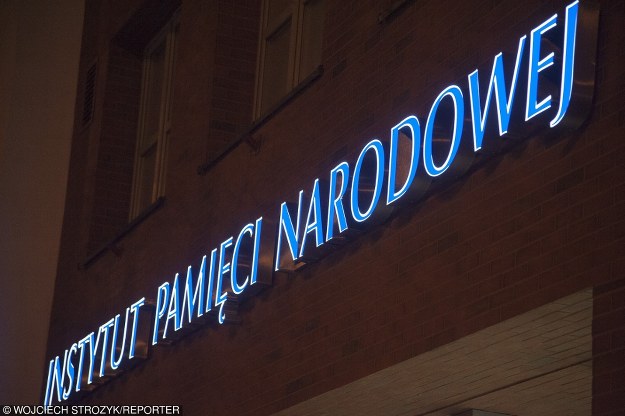
IPN /Wojciech Stróżyk /Reporter

IPN zbadał miejsce pochówku Żydów zamordowanych
w Wąsoszu w 1941 roku, fot. Adam Dąbrowski”

IPN zbadał miejsce pochówku Żydów zamordowanych w Wąsoszu w 1941 roku, fot. Adam DąbrowskiJak poinformował PAP szef pionu śledczego IPN w Białymstoku prok. Janusz Romańczuk, śledztwo dotyczyło nazistowskiej zbrodni wojennej ludobójstwa, popełnionej 5-6 lipca 1941 r. w Wąsoszu (dawne województwo białostockie, obecnie podlaskie).

Jak wynika z informacji przekazanej PAP, chodziło o dokonanie zabójstw “nie mniej niż 70 osób narodowości żydowskiej”, które zostały zastrzelone lub zamordowane przy użyciu noży, siekier, kołków lub innych podobnych narzędzi.

Wątek mordu Żydów w Wąsoszu został wyłączony w 2006 r. do odrębnego postępowania z zakończonego wówczas także umorzeniem – śledztwa dotyczącego zbrodni niemieckich w tej miejscowości w czasie II wojny światowej.

W 2012 r. przeprowadzone zostały na zlecenie Instytutu badania archeologiczne, które nie potwierdziły przypuszczeń, że także poza terenem zbiorowej mogiły w Wąsoszu (stoi tam pomnik upamiętniający ofiary) pochowani są Żydzi, zamordowani tam w lipcu 1941 r., czyli jeszcze przed wkroczeniem niemieckiej żandarmerii.

Prokurator Romańczuk przyznał, że w śledztwie rozważano też celowość przeprowadzenia prac ekshumacyjnych w Wąsoszu. Jak dodał, prowadzący postępowanie uznał jednak, iż takie czynności byłyby zbędne, bo zgromadzony i bez nich materiał dowodowy pozwalał na merytoryczne zakończenie śledztwa, bez konieczności przeprowadzenia prac ekshumacyjnych.

IPN nie udało się jednak ustalić innych sprawców niż osoby, które zostały już za to osądzone i skazane po wojnie. “Przeprowadzono szereg czynności procesowych, które nie ukierunkowały śledztwa na określonych sprawców” – podał Instytut.

Źródła różnią się w szacunkach liczby ofiar, niektóre mówią nawet o 250 zamordowanych w Wąsoszu Żydach (taka liczba wymieniona jest też na pomniku upamiętniającym ofiary – PAP). Ostatecznie Instytut przyjął, iż ofiar było “nie mniej niż 70”.

Sprawa wydarzeń z 5-6 lipca 1941 r. w Wąsoszu była ostatnim śledztwem dotyczącym pogromów żydowskich, prowadzonym przez pion śledczy IPN w Białymstoku. Oprócz najgłośniejszego, dotyczącego Jedwabnego, białostocki IPN prowadził także sprawy dotyczące mordów Żydów w Radziłowie, Szczuczynie oraz mordu żydowskich kobiet w okolicach wsi Bzury.

One również zostały umorzone. Powody był podobne: albo w ogóle nie udało się ustalić sprawców lub już zmarli, albo nie udało się ustalić sprawców innych niż ci, którzy po wojnie byli za te zbrodnie osądzeni.


Annihilation of Jews in the Districts of Grajewo and Lomza in July 1941

Translation from Polish, pages 232-234 of the Grajewo Yizkor Book*

Province
Jewish Historical Commission
Bialystok, 14 May 1946
L.p. 5/46

Deposition of Menachem Finkielsztejn
Resident of Radzilow, age 22

22 June 1941 was the start of the war. The two districts are adjacent. The first line of Germans overran the district without doing any damage. A week later, the Polish police allied with the Germans, entered the houses. The Germans terrorized and the Poles looted. The Poles asked the Germans what penalty there was for killing Jews. The Germans replied that killing Jews was not a crime. A week later the Germans left. The Poles would enter Jewish homes at night to terrorize and rob.

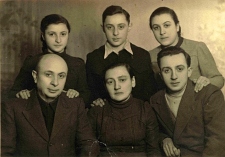
Finkielsztejn Family
Upon arrival in Israel, 1946
[Bottom row L-R]: Yisrael Finkielsztejn, wife Chaya (nee Wasersztejn) Finkielsztejn and eldest son Menachem
[Top row L-R]: Chana, Sholem, Yaffa
Entire family of six survived the Holocaust
Went to Israel, 1946


5 July, the Polish police surrounded the little village of Wasosz (district of Grajewo). The hooligans went from door to door murdering inside and outside the Jewish houses. They raped the women, cut off their breasts and threw children against the walls. Also killed were the wives of the Soviet commandant and Soviet workers. The fingers of the cadavers were cut off to secure any jewelry and teeth were removed from the mouths for the gold. Any surviving children were killed while their parents watched and then they killed the parents. The pogrom lasted 3 days, the amount of time the Germans allowed the Poles for murder and robbery. Graves were dug and the bodies were buried. In the course of this 1200 Jews perished (the town had about 800 Jews but more were brought from other places). About 15 people survived until June 1942 in Wasosz. The Germans behaved well but the Poles could kill and plunder at will.

1 June 1942, a model farm was created in Milewo, community of Szczuczyn. This was on the property of a landowner from Grajewo. All the Jews were moved there as well as the Jews from neighboring villages, all together 500 people. The people were worked extremely hard from dawn to night. Supervisors were the Poles. Even the children were worked very hard. Shelter was very meager and there was terribly severe discipline.

2 November 1942, they were deported to the village of Bogusze on the German border. There was a former camp there where Soviet and Polish prisoners were literally worked to death. They were kept in this camp until January 1943 when they were sent to their deaths in Majdanek and also Treblinka.

In Bogusze there were no houses for the Jews. They slept outside in the fields and were thrown raw potatoes. Those that caught them ate. Half of the Jews died on this spot.

Stories were told that Soviet prisoners in the barracks were starved to death. There was one Jew that possibly survived. His name, Mroczek from Kolno (now in Lomza).

7 July 1941, the Polish hooligans who were armed with rifles and pistols by the Germans burned approximately 1500 Jews in Radzilow, community of Bialystok (100 from Radzilow and 500 from Szczuczyn, Jedwabne, etc.). This pogrom lasted 3 days. 22 Jews hid and they survived, including the family of Finkielsztejn (father, mother, 4 children, and one cousin who perished later – Zina Wasersztejn). The Finkielsztejn’s were hidden in the village of Konopki-Blonie, community of Hawiski, Lomza district. Other Jews stayed in Radzilow. After a month, the Jews remaining there were housed in a synagogue. They were forced into intense labor removing heavy stones from the Radzilow River [Radzilowka River] to build a bridge. This lasted 3 weeks. The Jews bought themselves out at the office of the police commander (Konstanty Kiluk). He allowed them to live in one of the Jewish houses on Koscielna Street. They were required to do heavy labor (street cleaning, etc.). This lasted until 1 June 1942. Meanwhile, they arrested Benjamin Kruk, Szapsa Moruszewski and others for being communists. They disappeared without a trace.

1 June, the people were deported to Milewo. The only survivors were the Finkielsztejn’s, Mojzez [Moshe] Dorogoj and his son Akiwa (they perished 28 January 1945, one week after the liberation by the Red Army). They were killed by the Poles in the village of Itucz, community of Radzilow.


Destruction of the Village of Jedwabne 11 July 1941 (also 3 days):
Translation from Polish, page 234 of the Grajewo Yizkor Book*

Before the war there were 2800 Jews there. They were all burned in a barn. The first in the death procession was the Rabbi and the butcher. The Rabbi carried a portrait of Stalin and the rest of the Jews carried red flags. As they passed before the monument of Stalin they were told to kiss his feet and cheer in his honor. As in Radzilow, the second day, the Poles went into the burnt remnants of the barn and pulled gold teeth from the jaws of the cadavers. 3300 Jews perished (3000 were burned, the rest were found and killed in the following 2 days). There were 302 that survived. They remained in Jedwabne in 3 houses until 11 February 1942. However, 15 from among them, due to some Polish provocation (the Jews were accused of hanging anti German banners), disappeared . . .

2 November 1942, the rest, along with the inhabitants of the Lomza ghetto were taken to Zambrow and then in January to Treblinka? . . .

Those left were Zyna Cukierbraun and 3 males (the males are in Jedwabne and Zyna is in Warsaw).

Witness:
Protocolant:
Jewish Historical Commission:  M. Turek, Mgr.


*The Grayewo Memorial Book
Published by the United Grayever Relief Committee, New York, N.Y. 1950.
Pages 232-234, in Polish.

Editor’s notes or definitions are entered in [brackets].
(Parentheses) in the translation appear here as they appeared in the original text.
Translated from Polish by: Janine Oberrotman. Edited by: Roy M. Warshawsky and Jose Gutstein.
Translation Copyright ©2001 by Jose Gutstein.
Note: A few names and phrases have been deliberately inserted throughout the text, which are not in the original,
but which do not alter the context, to easily detect unauthorized use and publication of this material, on the internet or elsewhere.


twoje uwagi, linki, wlasne artykuly, lub wiadomosci przeslij do: webmaster@reunion68.com