Archives

Historyczne zdjecia wydane w pismie Life Magazine.(1948)

Reunion 68Historyczne zdjecia wydane w pismie Life Magazine.(1948)

nadeslala: Irena Elster


( przegladaj pojedynczo lub ściągnij na twoj komputer )


Download the PDF file .


twoje uwagi, linki, wlasne artykuly, lub wiadomosci przeslij do: webmaster@reunion68.com


wiosna w Jerozolimie 2015, co jest tutaj normalnością?

wiosna w Jerozolimie 2015, co jest tutaj normalnością?

Matti Friedman


Pewnego dnia przed świtem na początku zeszłego roku obserwowałem śmieciarkę zbierającą odpadki w południowej Jerozolimie. Ekipa ciężarówki była arabsko-żydowska, podobnie jak śmieci. „Każdy je te same ziemniaki”, powiedział mi jeden z kierowników. Spędzenie czasu na śmieciarce wydawało się dobrym sposobem na wyciągniecie wniosków, które umykają większości obserwatorów. Poniżej sławnego obrazu miasta, zawsze znajdującego się na krawędzi, niepostrzeżenie pojawiła się pewnego rodzaju zgodność. Opisałem tutaj ten poranek.

Kilka miesięcy później nastąpiły wydarzenia z lata 2014 roku: zamordowanie trzech żydowskich nastolatków i zamordowanie palestyńskiego nastolatka porwanego z jerozolimskiej ulicy, a potem syreny zwiastujące ataki rakietowe i coraz więcej ataków. Najgorszy wytrysk prześladowań i wandalizmu jakie miasto widziało lat. Pisałem o coraz większej palestyńskiej obecności w żydowskich rejonach, robieniu zakupów, podróżach tramwajem do pracy z domu – co zniknęło w ciągu nocy. Cząstki miasta skurczyły się i wycofały do swoich dziur. Niektórzy przewidywali nową intifadę.

Tak się jednak nie stało na zawsze. Sprawy powoli wróciły do normalności, o ile przy opisywaniu Jerozolimy w ogóle można mówić o normalności. Wydarzenia z lata i jesieni 2014 roku wstrząsnęły jerozolimczykami. Minione fale nienawiści, a zwłaszcza lata 2000-2004 znaczone atakami zamachowców-samobójców, były ohydne, ale bardzo niewiele z tych zamachów wykonali mieszkańcy Jerozolimy. Tym razem żydowscy nastolatkowie bijący Palestyńczyków w centrum miasta byli miejscowi. Palestyńscy mężczyźni celowo rozjeżdżający samochodami przechodniów (czekających na tramwaj) również pochodzili z Jerozolimy. Obecność tych ekstremizmów została obnażona na naszych ulicach.

W tej przemocy tkwił jakiś pierwiastek bliskości i intymności, co tylko czyniło ją jeszcze gorszą. W październiku Moataz Hidżazi (z jerozolimskiej dzielnicy Abu Tor) podszedł do Jehudy Glicka (ten ostatni działa na rzecz umożliwienia Żydom modlenia się na Wzgórzu Świątynnym). Glick stał wtedy na ulicy niedaleko mojego domu. Hidżazi wyjął pistolet i strzelił do Glicka cztery razy twierdząc, że Glick zagraża świętym miejscom dla islamu. Jednak najpierw odezwał się do niego po imieniu i przeprosił go [za to co zamierzał zrobić] po hebrajsku. To mogło wyglądać jak sprzeczka sąsiedzka.

Więc jak zatem dzisiaj widzimy Jerozolimę? Czy wszystko zmierza do integracji czy rozpadu? Jak dla kogoś kto całe swoje dorosłe życie tutaj – nie w mieście wielkich idei takich jak „wybawienie” albo „pokój”, ale w mieście supermarketów i przedszkoli – i jak dla kogoś kto ani myśli wyjeżdżać, to dusza Jerozolimy interesuje mnie nie tylko z dziennikarskiego obowiązku. Rozmawianie o przeciętnych mieszkańcach Jerozolimy często przypomina pogadanki na temat ludzi zatrudnionych w ogrodach zoologicznych. Nikt nie przyjeżdża do zoo, żeby ich oglądać. Oni zasłaniają widok na lamparty. Ale codzienne życie jest bardzo ważne, a społeczna chemia miejsca jest istotna. Od lata starałem się bardziej uważnie przyglądać prawdziwemu miastu zarówno z bańki mydlanej mojej codziennej rutyny, jak i spoza niej. Od zeszłego miesiąca przemierzyłem Jerozolimę od północy na południe, zastanawiając się co odnajdę.

Mieszkam w Talpiot, cichym żydowskim rejonie niskich budynków, drzewek cyprysowych oraz dzieci w pobliżu strefy lekkiego przemysłu w południowej Jerozolimie.

Na krańcach miasta znajduje się obóz uchodźców Szuafat, który jest przeciwieństwem mojej dzielnicy pod niemal każdym względem. Tam dominują chaotyczny ruch samochodowy, wyboiste drogi, śmieci, a czasem młodociany diler narkotyków. Dzielnica leży w granicach administracyjnych Jerozolimy na papierze, ale nie w praktyce. To zbyt niebezpieczne miejsce dla miejskich śmieciarzy albo policji. Kiedy dekadę temu wybudowano barierę bezpieczeństwa, żeby zatrzymać palestyńskich terrorystów, to te tereny zostały odcięte od miasta za pomocą betonowego muru i można się tam dostać poprzez punkt kontrolny.

„Jeśli ktoś ma pieniądze, to wyjeżdża”, mówi Dżamil Sanduka, ojciec czworga dzieci oraz zawodowy łowca węży, który pokazywał mi swoją okolicę. „Mamy dużo nielegalnej broni, narkotyków, śmieci i żadnych dróg, usług, i przyszłości dla naszych dzieci”.

Sanduka manewrował swoim samochodem poprzez dziewczynki (w mundurkach w formie tunik) wylewające się na drogę z podstawówki prowadzonej przez ONZ – tam nie ma chodników. Minęliśmy meczet Abu Obeide, znak zwiastujący Festiwal Kultury Al-Filastin, słodycze Tawfiq, salony telefonów komórkowych. Równie dobrze moglibyśmy być w Kairze. Nie było tam najmniejszego śladu Izraela, żadnego napisu po hebrajsku. Panowało całkowite bezprawie. Śmieci były palone na pustych działkach i przy murze. Po chwili było ciężko zobrazować sobie resztę miasta znajdującego się tuż obok.

Po wybudowaniu bariery bezpieczeństwa Urząd Miasta stracił kontrolę nad osiedlem, mówi Sanduka, razem z 80 tysiącami Palestyńczyków, którzy są zameldowani w Jerozolimie, a znaleźli się poza nią. Jerozolima liczy 830 tys. mieszkańców, a tylko lekko ponad 1/3 to Palestyńczycy. „Oni nie chcą tutaj zainwestować nawet jednego szekla”, powiedział.

Minęliśmy nową atrakcję: budynek, w którym Ibrahim al-Akari mieszkał ponad sklepem handlującym używanymi oponami. Dnia 5 listopada al-Akari wyjechał z domu swoim białym vanem, przekroczył punkt kontrolny [checkpoint] i pojechał drogą numer 1, która jest jedną z głównych arterii tranzytowych Jerozolimy. Al-Akari gwałtownie skręcił w grupę ludzi blisko przystanku tramwajowego zabijając w ten sposób nastolatka, oficera policji oraz 60-letniego mężczyznę zanim został zastrzelony przez innego policjanta. Wg jego rodziny do tego czynu popchnęło go oglądanie telewizji, która pokazała jak izraelska policja wkroczyła do meczetu Al Aksa w celu uspokojenia zamieszek. W jego oczach była to profanacja. Wściekł się.

Izolacja i zaniedbanie sprawiły, że mieszkańcy znaleźli się pod niesamowitą presją, tak powiedział Sanduka, kiedy mijaliśmy dom al-Akariego. On wierzy, że w obozie jest co najmniej 2000 nielegalnych sztuk broni, a sam obóz jest coraz bardziej zarządzany przez kryminalistów. Sanduka widzi coraz więcej poparcia dla Hamasu w ostatnich dniach, a na Facebooku widać coraz więcej sympatii dla Państwa Islamskiego. On rozmawiał ze mną doskonałą hebrajszczyzną. Dekadę temu, wykorzystując prawo przyznane Palestyńczykom ze wschodniej Jerozolimy, Sanduka stał się obywatelem Izraela. Coraz więcej mieszkańców idzie w jego ślady, co ułatwia im pracę i poruszanie się. Izraelskiego obywatelstwa nie można już odebrać – w przeciwieństwie do prawa pobytu w Jerozolimie (posiada je większość jerozolimskich Palestyńczyków).

Spytałem czy jego sąsiedzi skłaniają się bardziej w stronę Hamasu czy Izraela. Sanduka wzruszył ramionami i powiedział, że ciągnie ich tam i tam. On nie miał na myśli tego, że jedni wolą Hamas, a inni Izrael, ale to, że ludzi może pociągać Hamas i Izrael jednocześnie. We wschodniej Jerozolimie można wystąpić o izraelskie obywatelstwo, uczyć się języka hebrajskiego oraz przyjąć pogląd, że Izrael jest chwilowym złem i rdzą na czystości islamskiego świata, a także pokojowo współdziałać z Izraelczykami każdego dnia.

Zwykle opisuje się miasto w sposób dualistyczny – wschód/zachód, izraelskie/palestyńskie, pokój/wojna. To nie jest zbyt pomocne, a zrozumienie spraw wymaga posiadania sprzecznych poglądów w swojej głowie jednocześnie.

Na przykład w listopadzie, kiedy dwóch Palestyńczyków z osiedla Dżabel Mukaber zamordowało czterech modlących się w synagodze oraz [broniącego ich druzyjskiego] policjanta, to ranni trafili do szpitala, gdzie byli operowani przez palestyńskiego chirurga z tego samego osiedla co napastnicy. Jehuda Glick, który został postrzelony w imię [proroka] Mahometa, przeżył dzięki lekarzom, a jednym z nich był lekarz ze wschodniej Jerozolimy, który nosił takie samo imię jak prorok islamu.

Osiedle nieopodal mnie, Sur Bacher, cechuje się silną obecnością Hamasu oraz centrum dla społeczności lokalnej, które zostało ufundowane przez Izrael. Centrum zostało zainaugurowane podczas ceremonii, na której palestyńskie dzieci w kefijach na głowach tańczyły na scenie udekorowanej flagami Izraela. Niektórzy mieszkańcy starali się spalić to centrum. Inni natomiast zadzwonili po jerozolimską straż pożarną. Jednym z mieszkańców jest lider Hamasu. Inny mieszkaniec, pobożny muzułmanin, kończy doktorat na Uniwersytecie Hebrajskim w Jerozolimie poświęcony gramatyce języka hebrajskiego z czasów średniowiecznego żydowskiego mędrca Saadii Gaona.

Innymi słowy miasto jest skomplikowane. Ibrahim al-Akari dowiedziałby się tego, gdyby żył wystarczająco długo, by poznać tożsamość swoich ofiar. Z trzech zamordowanych przez niego ludzi tylko jedna osoba, nastolatek, była Żydem. Policjant był Druzem. A 60-latek był takim samym Palestyńczykiem jak on.

Jerozolimczycy są już tak przyzwyczajeni do osobliwych „kodów” miasta, że tylko niewielu z nas jeszcze je zauważa. Palestyńscy mieszkańcy jeżdżą pracować do Żydów, ale do żydowskich restauracji już nie chodzą. Żydzi nie wjeżdżają na tereny zamieszkane przez Arabów nawet żeby skrócić sobie drogę, ale Palestyńczycy podróżują miejskimi autobusami koloru zielonego, a wielu z kierowców tych autobusów to Palestyńczycy. Ale Żydzi nie podróżują biało-niebieskimi autobusami ze wschodniej Jerozolimy, które kursują po arabskich dzielnicach Jerozolimy i Zachodnim Brzegu. Na przykład z mojego domu w południowej Jerozolimie nie ma autobusu na Stare Miasto, więc trudno się tam dostać. Jest wiele wschodnio-jerozolimskich autobusów, które tam jeżdżą co parę minut i nie mam wątpliwości, że dojechałbym na Stare Miasto bez incydentu, ale nigdy tego nie robię.

egg bus
Czytaj dalej tu: wiosna w Jerozolimie 2015…


twoje uwagi, linki, wlasne artykuly, lub wiadomosci przeslij do: webmaster@reunion68.com


Nobel winners to flock to Israel, ignoring campus boycott push

Nobel winners to flock to Israel, ignoring campus boycott push

By: David Shamah


The BDS movement has scored some victories recently – but Israeli academia racks up one with august August gathering

Former President Shimon Peres (center-left) at a panel with three Israeli Nobel Prize winners and Dr. Yossi Vardi (center-right), at the Technion in Haifa, on Wednesday, January 8, 2014. (Photo credit: Flash90)

Former President Shimon Peres (center-left) at a panel with three Israeli Nobel Prize winners and Dr. Yossi Vardi (center-right), at the Technion in Haifa, on Wednesday, January 8, 2014. (Photo credit: Flash90)


While the BDS movement is using its brawn – in the form of boycott power – to urge companies to stop doing business with Israel in protest of its policies vis-vis the Palestinians, the Jewish state is responding with its brain – or rather, it has attracted the brain power of nearly two dozen Nobel laureates, who will arrive in Israel in August for five days of discussions, panels, and research.

And despite the growing strength of the Boycott, Divestment, Sanctions movement on college campuses, the Nobel winners, all of whom have prestigious positions at universities around the world – as well as hundreds of students, professors, and other guests – have accepted invitations to two events surrounding the Nobel laureates, Foreign Ministry officials said.

The World Science Conference Israel (WSCI) was originally set for August of last year, but with Israel otherwise engaged in Operation Protective Edge, sponsors – including Hebrew University, the Science Ministry and the Foreign Ministry – postponed the event. Now set for August 15-20, the event will see more than 20 Nobel laureates discuss their contributions to science and give Israeli students the opportunity to meet some of the top minds in physics, chemistry, medicine, and economics.

Among those attending: Professor Zhores Alferov, winner of the 2000 Nobel Prize in physics for his work on the development of semiconductor structures for high-speed optoelectronics; American Professor Elizabeth H. Blackburn, winner of a 2009 Nobel Prize in Medicine for the discovery of how chromosomes are protected by telomeres (DNA constructs found at the end of chromosomes): UK/US scientist Sir Harold Kroto, winner of the 1996 Nobel Prize in Chemistry for discovering a molecule called buckminsterfullerene; Israel’s own Professor Robert J. Aumann, who won the 1995 Nobel in Economics for his work on conflict and cooperation through game-theory analysis; Taiwan’s Professor Yuan T. Lee, winner of a Nobel in Chemistry in 1986 for his work on chemical elementary processes.

The WSCI is modeled after the Asian Science Camp, which brought leading scientists together with young people every summer for the past decade. The organizers said they were “inspired by the success of the Asian Science Camp in Israel in 2012 to extend this experience and its impact around the globe.”

During the conference the participants will have a chance to attend lectures and interact with the Nobel Laureates and other leading scientists from around the world. Participants will also experience a unique opportunity to meet and get to know some 300 students from around the globe who will be attending – among them, said organizers, more than likely some future Nobel winners. All the action will take place at the Edmond J. Safra campus of Hebrew University in Jerusalem.

While in Israel, the Nobel laureates will also take in another conference, this one to be held in Tel Aviv. The Nobel Conference for Science & Technology will feature discussions with the prizewinners, as well as business and government officials, students, and others on the future of science and technology, their impact on society in the coming years, and other relevant topics. Among the sessions: The Revolution of Personalized Medicine, Innovation at Start-Ups, Brain-Tech Research, The Frontiers of Fundamental Physics.

Such a gathering would be notable at any time – but it’s especially relevant, and encouraging, at a time when the BDS movement has scored some victories on college campuses as well as in the corporate world, said Guy Kibetz of the Foreign Ministry, who is helping coordinate and organize the event. “Israel has not and will not surrender to boycotts. Just the opposite; the Foreign Ministry is investing a great deal of effort and creativity in Israel and worldwide in order to deal with the boycott phenomenon.”

The Nobel-centered events, said Kibetz, were an appropriate response to the boycott movement. “We are proud of the overwhelmingly positive response we have gotten from the Nobel laureates, students, and other guests from around the world. We hope to hold these events annually, and turn Israel into a ‘brand name’ for excellence in scientific research.”


twoje uwagi, linki, wlasne artykuly, lub wiadomosci przeslij do: webmaster@reunion68.com


The lost children of the Holocaust

The lost children of the Holocaust

Tali Farkash


Polish researcher explores the untold story of Jewish children who were adopted by Christian parents during World War II and experienced a difficult identity crisis at the end of the war, some refusing to return to their families or to Judaism.

About a million Jewish children lived in Poland before World War II. Only few of them survived the Holocaust, mostly after being “adopted” by non-Jewish parents. But for an unclear reason, the story of these “miracle children” was pushed aside and neglected by historians for many decades.

Until Prof. Joanna Beata Michlic came along. Prof. Michlic is a Jew of Polish descent, a social historian who specializes in Holocaust research and in its effects on children and family. She embarked on a journey retracing those children’s footsteps, delved into archives of Jewish organizations, orphanages and kibbutzim in Israel, and collected live testimonies. She also spent some time in Israel as a scholar as part of the prestigious Fullbright program, which advances academic-scientific cooperation between the United States and Israel.
Her study presents a grim picture of a serious identity crisis, families which fell apart following because of the war and families which fell apart at the end of the war.

“Childhood in the Holocaust is an issue which has been pushed aside,” Michlic says about the exclusion of children’s experiences from the academic research. “There is a dispute over the use of survivors’ testimonies, particularly children, and it’s extremely problematic, because if you look at research as a source of understanding history, the children and their experiences aren’t even there.”

A history of a Holocaust without children

Prof. Michlic is the founder of the Hadassah-Brandeis Institute and a lecturer at the University of Bristol in the United Kingdom, and is a sort of enigma. She was born and raised in Poland. A study she conducted as a student about anti-Semitism in her country led her to information documenting the human story of the Jewish children who were saved by Polish families during the Holocaust.

Why was there no interest in what the children had to say?

“There was a feeling that the information was distorted. Children’s testimonies are naturally less accurate. Their interpretation of reality is sometimes different. The fact that they were young made historians question their ability to remember. A child was of course the ultimate victim, and his testimony was a symbol – but only on the psychological level.

“Historians didn’t feel that it was an important voice through which the circumstances and historical events – and the history of the childhood in general – during and after the Holocaust, should be examined. And this is, in my opinion, an important part of the documentation. It’s true that children have a different sense of time, a different outlook. Very small children couldn’t even remember their name. They lost the reality of who they were, as they were unable to use their real name for a while.”

Parents turned into strangers

In her study, Prof. Michlic documents heart-rending descriptions of tragedies and traumas suffered by the lucky children who survived with a false identity.

“It was so traumatic,” she says, “that after the war, when the children’s relatives arrived to take them home, they saw them as complete strangers. Some of the Jewish children who were transferred to a Jewish orphanage in Poland after the war tried to escape to the people they saw as their parents. The emotional connection between them was very deep in some cases, and the separation was heart-rending.”

Who were the Christians who took in those children?

“The rescuers came from a very wide variety. Some took care of them as if they were their own children. Others expressed anti-Semitic views and some were violent towards the adoptive children, as well as towards their biological children. There were also cases in which families murdered the children they were entrusted with.

“In homes in which children were abused – sexual abuse too, by the way – they were very happy to find out about their Jewishness and leave. But in families in which they felt loved and appreciated, there were huge difficulties. Some of the parents didn’t even know that the child they adopted was Jewish, and the separation was heart-rending. It took some of them years to really say goodbye.”
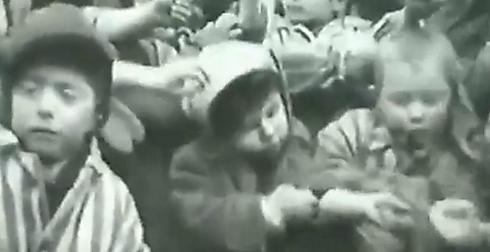
Children in the Holocaust. 'The separation from their adoptive families was heart-rending. It took some of them years to really say goodbye'

Children in the Holocaust. ‘The separation from their adoptive families was heart-rending. It took some of them years to really say goodbye’

Michlic further notes that under the Soviet regime, “the issue because a taboo. The Polish families were afraid to reveal their connection to the Jews’ children, and therefore did not maintain it. The archives were sealed. Only today, when they have become local culture heroes, the issue can be discussed openly. But most of them are no longer alive, and the relations between them and the children they raised were broken in a very traumatic way.

“One of the most wonderful places to learn about the connection was through letters the children wrote to Jewish organizations during the civil struggle in Poland, asking that their rescuers be protected.”

Jewish kids praying to Virgin Mary

The documentation discovered by Michlic described dozens of cases of difficulties in bidding farewell to the adoptive family. Sara Avinun, one of the interviewees in Michlic’s research, documented her story in the book “Rising from the Abyss,” which Michlic sees as one of the most powerful and important depictions of the child experience during the Holocaust. But this documentation, she says, didn’t receive the proper research attention in previous years either.

“She describes the experiences of a little girl, who at a certain stage, after a number of difficult experiences of sexual abuse, abandonment and more, found herself in a Christian orphanage. She was taken away from there by a childless Polish couple and created a renewed childhood for herself,” Michlic says.

“After the war, when she was nine years old, her uncle arrived, and she simply refused to go with them. She escaped back to her ‘parents,’ until her grandfather took her away forcibly. He was a religious person and he put her in a kibbutz with other children, because he felt that the gaps between them were too big and he wanted her to reaccept her Jewish identity.”

Avinun’s story ended well. “She has a wonderful family and a Jewish identity, but for a long time she kept in touch with her adoptive parents, who didn’t even know she was Jewish. There were periods of great difficulties, of a mixed identity, of a rejection of anything related to Judaism and Jews. The adoptive mother refused to acknowledge the fact that the daughter was Jewish, and just wanted her back even many years later.

“And there were children who decided to stay with their Christian identity, and kept their Jewish identity a secret for many years. This group has been shrinking in recent years. There were children who found out the truth as adults, like Romuald (Jakub) Weksler-Waszkinel, who was already a Catholic priest when he learned the truth, and to this very day he lives in Israel to this very day with a split Jewish-Catholic identity.”
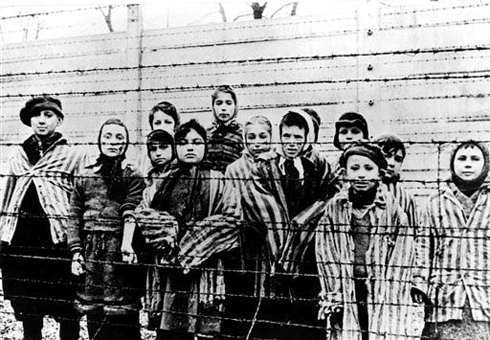
Some of the children found it difficult to get used to the idea that one can be Jewish again (Archive photo: AP)

Some of the children found it difficult to get used to the idea that one can be Jewish again (Archive photo: AP)

According to Michlic, “Even if the parents survived, there were children who wanted to officially convert to Christianity. These experiences, unfortunately, were not part of the historical memory for many years. Some of the children didn’t really talk about it and suppressed it, but even those who did were not heard. And so you could see a child who wants to immigrate to Israel on the one hand, and continues to go to church every Sunday on the other hand.”

The division of the religious identity continued. Michlic describes many cases in which small children continued to pray to Virgin Mary, or kept her pictures. And it accompanied them even when they already knew they were Jewish.

“Others,” she explains, “found it difficult to get used to the idea that one can be Jewish again. These are children whose entire family, community, was erased. They were afraid to return to their Jewishness, afraid to speak Yiddish. In many cases, they were raised on anti-Semitic stories, which increased their revulsion towards the discovery.”

Trauma moved on to next generation

How did the families that survived the horror deal with the new difficulty?

“We know that the best results were achieved in cases in which the children were not forced to abandon their Christian beliefs. The family rehabilitation was the hardest. The Jewish identity was just one problem among a slew of difficult problems. For example, according to the Jewish organizations’ documentation, most of them faced difficulties concerning food.

“There were children, boys, who were forced to dress up as girls in hiding, and they continued to dress as girls for years, and their gender had to be restored. Some of the lucky children who managed to survive the Holocaust with one parent, and arrived in Israel, succeeded in developing very close relations. But what happened in cases in which the parent remarried?

“We must remember that the parents who survived had their own problems. They survived concentration camps, death camps, even Soviet occupation, and years of hiding in Aryan areas. Some suffered from mental and emotional problems. They didn’t always have the ability to deal with the child’s traumas. Children were sometimes left in orphanages for a long time, until their parents managed to get back on their feet.”

And what happened when the parents didn’t survive?

“It wasn’t always clear who was responsible for the children. Sometimes it was an aunt or uncle, sometimes an extended family. Today we know from research that children who were taken care of by relatives sometimes felt like they don’t belong and didn’t receive the level of care they needed. Some of them just didn’t know how to deal with a child who had gone through what they went through.
“Most of the children,” Prof. Michlic concludes sadly, “were not smiling ‘poster kids,’ but scarred children with difficult problems. The untreated trauma moved on, when they became parents, to the second and third generation. Today’s Israelis have been raised and are still being raised in the shadow of this trauma. It isn’t over yet.”


twoje uwagi, linki, wlasne artykuly, lub wiadomosci przeslij do: webmaster@reunion68.com


Żydowska suwrenność w Jerozolimie kontra kłamstwa palestyńskie

Żydowska suwrenność w Jerozolimie kontra kłamstwa palestyńskie

REDAKCJA


Również według prawa międzynarodowego Jerozolima należy tylko do Narodu Żydowskiego.

Wraz z zakończeniem wielu przemówień i gratulacji, które słyszeliśmy w tym tygodniu z okazji Dnia Jerozolimy, należy podkreślić szczególnie ważną opinię w sprawie stolicy Izraela – prawo międzynarodowe.

Dr Jacques Gauthier jest prawnikiem, obywatelem Kanady, nie-Żydem, zajmującym się prawami człowieka i jest specjalistą w zakresie prawa międzynarodowego. Tematem jego rozprawy doktorskiej było prawo do suwerenności w Jerozolimie zgodnie z prawem międzynarodowym, a konkluzja jego badań była jednoznaczna: według prawa międzynarodowego tylko Żydzi maja prawo do państwowości w całej Jerozolimie. Te same argumenty odnoszą się do całego zachodniego Państwa Izrael, włącznie z Judeą, Samarią i Gazą.

Trzeba podkreślić, że badanie zostało przeprowadzone na przestrzeni 20 lat, w ciągu których Gauthier zebrał wyniki i fakty, na podstawie których stwierdził, że tylko ich ujawnienie może doprowadzić do konkluzji w sprawie praw do suwerenności. Uniwersytet w Genewie potwierdził wyniki tych dogłębnych badań przez nadanie mu tytułu doktora prawa, a teza o której mowa przeszła dokładną analizę naukową pod kątem prawa międzynarodowego w najbardziej obiektywnym miejscu na świecie, a nawet została zebrana w ogromna książkę o 1400 stronach, zawierających opis wszystkich dokumentów i fotografii.

Badanie to ponownie udowadnia, że żądania Arabów, włącznie z żadaniami Ligii Arabskiej, jakiejkolwiek suwerenności w Jerozolimie stoją w sprzeczności do prawa międzynarodowego. Zasada ta odnosi się również do Historycznego Basenu (określenie dla geograficznego okręgu Jerozolimy włącznie ze Starym Miastem i otaczających terenów – przyp. red.).


Prawda ta jest znana przywódcom palestyńskich organizacji terrorystycznych, z których cześć jest przywódcami Autonomii Palestyńskiej. Oni wiedzą, że prawo międzynarodowe stwierdza, że prawo Żydów do państwowości przeważa nad ich prawem – dlatego postawili tezę przeciwną i kłamliwą, dokładnie odwrotną, którą sformułowali już w 1964 r. w Karcie Palestyńskiej. Karta obowiązuje do dnia dzisiejszego i oni ciągle próbują ją zrealizować.

Moj kolega w tym dziale, dr Josi Beilin, powiedział przedwczoraj w telewizji, że w rzeczywistości nie ma możliwości zrealizowania „rozwiązania” dwóch państw. Stwierdził, że obie strony nie są w stanie go zrealizować, jednak istotą problemu jest niezdolność palestyńska do rezygnacji z odbierania nam naszych praw, nawet jeśli wiedzą, że w świetle prawa międzynarodowego to prawo ma wyższość nad ich twierdzeniami do innych praw należnych. To co zagraża nam i gra w ręce naszych wrogów to zapomnienie o tym prawie w świadomości żydowskiej. Jesteśmy blisko tego, ponieważ publiczna debata w Izraelu ignoruje dyskusje na ten temat i zapobiega podjęciu działań w celu wyjaśnienia istnienia tego prawa.

Musimy zacząć używać istnienia tego prawa według prawa międzynarodowego również w wojnie przeciwko kampanii delegitymizacji Izraela, która ma miejsce na świecie, i również żeby odeprzeć każde oskarżenie przeciwko krokom, jakie Państwo Izrael robi w obronie swoich praw. Trzeba potępić każdego, kto głosi przeciwko budowom w Judei, Samarii i w całej Jerozolimie oraz odważnie twierdzić, że jego słowa stoją w sprzeczności z prawem międzynarodowym – opierając się na pracy dr Gauthiera i innych. Nie ma znaczenia czy mówca to sekretarz ONZ, który ma nadzieję być wybrany na kolejną kadencję przy pomocy głosów państw arabskich i dlatego wypacza prawdę, czy nawet jeśli jest wiceprezydentem USA Johnem Bidenem, który zgorszył nas pokazem obelg, ponieważ realizowaliśmy to prawo podczas jego wizyty w kraju.

Amerykańska opinia publiczna przywiązuję wagę do trzymania się reguł prawa międzynarodowego i dlatego wybrani tam reprezentanci nie będą zadowoleni z przedstawienia ich jako tych, którzy próbują okraść z praw tych, za którymi stoi prawo międzynarodowe.

Zeew Żabotyński
19 maja 2014 r.
“Israel Hajom”


twoje uwagi, linki, wlasne artykuly, lub wiadomosci przeslij do: webmaster@reunion68.com