
Archives

Israel’s Unfinished Business in Lebanon


Israel’s Unfinished Business in Lebanon

Eyal Zisser


With Hezbollah’s Iranian patron on the ropes, Jerusalem gets another shot at completing the job it was forced to pause two years ago

Hezbollah and Iranian flags are seen at an event honoring Iran’s Supreme Leader, Ayatollah Ali Khamenei, on March 1, 2026 at Ashoura Square in southern Beirut, Lebanon
Daniel Carde/Getty Images

It took barely 48 hours after the United States and Israel began their joint operation against the Iranian regime for Hezbollah to fire rockets at Israel. As it became clear that regime decapitation was part of the operation’s objectives, the group’s involvement was all but inevitable. Israel retaliated immediately with a wave of targeted strikes and has now begun limited ground operations in south Lebanon, even as its air force maintains an unprecedented tempo of sorties over Iran.

For Israel, Hezbollah is unfinished business. And while the Iranian proxy’s fate ultimately will be affected by that of its patrons in Tehran, the current moment offers Israel an opening to rectify the mistake of two years ago and secure a strategic win independent of the ultimate outcome of the campaign in Iran.

By the end of 2024, Hezbollah was at a low point it had not experienced since its establishment four decades earlier. The blows Israel inflicted on the organization during the war that began in October 2023—culminating in the elimination of nearly its entire top echelon and in the loss of an essential logistical and financial lifeline with the collapse of Bashar al-Assad’s regime in Syria in December 2024—left Hezbollah weakened, exposed, and strategically vulnerable. It appeared that relatively little additional pressure would have sufficed to dismantle it as a powerful militia and prominent political actor in Lebanon.

Yet in November 2024, under American pressure and amid a desire to prioritize other arenas, Israel was forced to accept a cease-fire. In doing so, it granted Hezbollah a lifeline—one the organization has used to regroup and rebuild. It looked as though Israel had been denied a rare strategic opportunity. After all, for decades Israel viewed Hezbollah as its most dangerous enemy. The organization’s missile arsenal had cast a constant shadow over life in northern Israel and had contributed to Israeli strategic hesitation regarding action against Iran’s nuclear program.

While the Iranian proxy’s fate will be affected by that of its patrons in Tehran, the current moment offers Israel an opening to rectify the mistake of 2024.

For a while, it seemed as though an old-new concept, one that was supposed to have collapsed on Oct. 7, had once again begun to take hold in regard to Lebanon: namely, the conceit that Hezbollah had been severely weakened and was now deterred; that time and internal Lebanese pressure would gradually compel it to disarm. This logic, which was encouraged by American envoys and U.S. policy in Lebanon, echoed past strategic assumptions that had proved fatally wrong.

When Hassan Nasrallah decided to join Hamas’ war against Israel, he was convinced it was a win-win situation, based on his experience over three decades as Hezbollah’s secretary general. When Israel’s northern villages cleared out under Hezbollah fire, and when it appeared that Washington had placed limits on Israeli escalation in Lebanon, it looked as though his calculation was sound. However, Nasrallah had made a deadly mistake, as he failed to grasp and internalize the profound shift that had taken place within Israel following Oct. 7. He also underestimated the extent of the intelligence and operational superiority that Israel had gained over the years against his organization.

By the summer of 2024, Jerusalem had made the decision to launch a comprehensive attack against Hezbollah. Within a couple of months, the IDF had succeeded in eliminating the group’s top military command as well as its political leadership, including Nasrallah and his successor, Hashem Safieddine, and had neutralized most of its military capabilities. Facing mounting losses, Hezbollah was relieved by the American push for a cease-fire that took effect on Nov. 27, 2024. Within a month of the cease-fire, the Assad regime collapsed, further compounding Hezbollah’s difficulties.

The incoming American administration convinced itself that these developments had created favorable conditions inside Lebanon for Hezbollah’s opponents, thereby creating a supposedly historic moment for American engagement in support of the Lebanese government and armed forces. In January 2025, the new Lebanese government pledged to restore state sovereignty and disarm non-state militias, including monopolizing arms south of the Litani River. The Lebanese army presented a plan to take over Hezbollah’s military infrastructure in the area, and by the end of 2025, Lebanese official declarations claimed that the mission, south of the Litani, had been accomplished.

In practice, however, declarations did not reflect reality. Hezbollah adopted a low profile, not as an act of surrender, but as a strategic pause intended to preserve its remaining assets and rebuild, and also to facilitate the government’s efforts to secure reconstruction funds for southern Lebanon. But its attitude remained one of public intransigence. A few days before the U.S.-Israeli attack on Iran, the group’s new secretary general, Naim Qassem, openly rejected the government’s stated plan for the area north of the Litani. That meant the plan was effectively dead, as the Lebanese government lacks both political and military cohesion to confront Hezbollah directly. Fear of renewed civil war and the potential fragmentation of the military constrains decisive action. Instead, Lebanese leaders routinely blame their inaction on Israel, claiming that ongoing Israeli military activity prevents stabilization.

Despite being restrained by the 2024 cease-fire, Israel continued to strike in Lebanon almost daily, tailing Hezbollah operatives, complicating its reconstruction efforts in southern Lebanon, and exerting indirect pressure on it by preventing its Shiʽite supporters from returning to their villages along the border with Israel. For all its advantages in continuously degrading Hezbollah’s capabilities and command structure, the Israeli-sustained campaign nevertheless lacked strategic decisiveness, stopping short of overwhelming Hezbollah or even halting the organization’s rehabilitation process.

Although it was the less friendly Democratic administration that pressured Israel to halt its war on Hezbollah in 2024, the Trump administration has also placed some restrictions on Israeli activity in Lebanon, even as it has accepted continued IDF targeted strikes against the group. That’s because the Trump administration shares the bipartisan Washington consensus over propping up the Lebanese government. This conventional wisdom contained an inherent contradiction: Even as the U.S. proclaimed the government and armed forces to be the instruments for containing Hezbollah, it simultaneously excused them for avoiding precisely this course of action.

But the Trump administration came in with an even more ambitious plan: namely, the expansion of the Abraham Accords to include Syria and Lebanon. It was convinced that in the face of the regional momentum, and supposedly under internal pressure from within Lebanon, Hezbollah will have no choice but to relent. The administration’s envoys Tom Barrack and Morgan Ortagus urged Israel to engage in talks with the Lebanese government to build momentum toward some agreement—albeit without disrupting the near-daily targeted strikes against Hezbollah. This fantastical thinking not only assumed political dynamics in Lebanon that do not correspond to reality but also had the effect of continuing a key feature of the Biden administration’s policy: preventing a full-scale Israeli operation in Lebanon.

In the first 24 hours after the strike against Iran, Israel reportedly relayed to Beirut via the Americans that it would not strike in Lebanon if Hezbollah didn’t engage. Unsurprisingly, that proved short-lived, as Hezbollah inevitably heeded Tehran’s priorities rather than the growing voices within Lebanon urging it not to drag the country into yet another destructive war.

The question now is how far Israel will go in this second round. Three obvious scenarios come to mind: one, an intensified version of the campaign of precise targeting, aimed at degrading capabilities and preventing any serious threat to the home front, while the Israeli Air Force continues its operation in Iran; two, a limited ground operation to create a de facto buffer zone near the border in order to protect northern communities in Israel and prevent their mass evacuation, while clearing the area in south Lebanon of any remaining, or newly rebuilt, Hezbollah infrastructure; three, a full-scale operation to inflict a decisive defeat on the group.

As things currently stand, Israel appears to be implementing a combination of the first two scenarios—with high-profile targeted assassinations, which in recent days have included the head of Hezbollah’s intelligence headquarters, Hussein Makled, and, more significantly, the Islamic Revolutionary Guard Corps Quds Force’s commander in Lebanon, Daoud Ali Zadeh. Reportedly, the United States has sent reassurances to the Lebanese that Israel would not attack Beirut’s airport or seaport—a long-standing American request to the Israelis.

Both these scenarios, however—provided they don’t change—are more of a variation on the existing theme and appear to be pegged to other developments, be they the fate of the regime in Iran, or any U.S.-backed plan with the Lebanese government and army. The IDF’s Chief of the General Staff Lt.-Gen. Eyal Zamir’s statement on Tuesday—“We are determined to eliminate the threat Hezbollah poses and will not stop until this organization is disarmed”—could also be understood in line with a more limited scenario. That is, the IDF would apply increased pressure and then bet on the option of the Lebanese government, under a U.S. umbrella, disarming the group. Given that this option is without historical precedent, the likelihood of it going nowhere is high. Which would then mean that Israel would have to settle, once again, for a holding pattern.

The underlying problem remains: Hezbollah’s disarmament will not result from persuasion or internal Lebanese pressure. As in the case of Iran, the issue is not the terms of negotiation, but the continued existence of a heavily armed militia operating outside state control. Hezbollah will not voluntarily relinquish its weapons. What is needed is a decisive military campaign that will lead to its defeat.

The opportunity missed in November 2024 should not be missed again.


Eyal Zisser is the Vice Rector of Tel Aviv University and the holder of The Yona and Dina Ettinger Chair in Contemporary History of the Middle East. He is the author of, among other books, Assad’s Syria at a Crossroads; Lebanon: the Challenge of Independence; Faces of Syria; The Bleeding Cedar; and Syria: Protest, Revolution, Civil War.


Zawartość publikowanych artykułów i materiałów nie reprezentuje poglądów ani opinii Reunion’68,
ani też webmastera Blogu Reunion’68, chyba ze jest to wyraźnie zaznaczone.
Twoje uwagi, linki, własne artykuły lub wiadomości prześlij na adres:
webmaster@reunion68.com


Argentine Prosecutor Seeks Indictment of 10 Suspects — Including Iran’s New IRGC Chief — in 1994 AMIA Bombing Case


Argentine Prosecutor Seeks Indictment of 10 Suspects — Including Iran’s New IRGC Chief — in 1994 AMIA Bombing Case

Ailin Vilches Arguello


People hold images of the victims of the 1994 bombing attack on the Argentine Israeli Mutual Association (AMIA) community center, marking the 30th anniversary of the attack, in Buenos Aires, Argentina, July 18, 2024. Photo: REUTERS/Irina Dambrauskas

The lead prosecutor in the case of the 1994 bombing of the Argentine Israelite Mutual Association (AMIA) Jewish community center in Buenos Aires on Wednesday requested the indictment of 10 Iranian and Lebanese nationals suspected of involvement in the deadly attack.

Among those named was Ahmad Vahidi, who on Sunday was appointed the new head of Iran’s Islamic Revolutionary Guard Corps (IRGC), an Iranian military force and internationally designated terrorist organization. He replaced Mohammad Pakpour, who was killed last week during the US-Israeli military campaign against Iran, which has resulted in the death of several high-ranking officials.

In 1994, Vahidi commanded the IRGC’s Quds Force, which is responsible for managing Iran’s proxies and terrorist operations abroad. Argentine President Javier Milei designated the force as a foreign terrorist organization in January, as the country’s Jewish community marked the 11th anniversary of the death of prosecutor Alberto Nisman, who investigated the AMIA bombing.

“What I asked was for authorities to move swiftly against the 10 defendants so a trial in absentia can be held as soon as possible and the public can see the evidence the Argentine state has compiled over the past 30 years,” the current Argentine prosecutor on the case, Sebastian Basso, told local news outlet Radio Mitre.

The 10 suspects set to stand trial include former Iranian and Lebanese ministers and diplomats, all of whom are subject to international arrest warrants issued by Argentina for their alleged roles in the country’s deadliest terrorist attack, which killed 85 people and wounded more than 300.

Last year, Basso — who took over the case after the 2015 murder of his predecessor, Nisman — also requested that federal Judge Daniel Rafecas issue national and international arrest warrants for Iran’s Supreme Leader Ayatollah Ali Khamenei over his alleged involvement in the attack.

Basso’s legal action marked a significant departure from Argentina’s previous stance in the case, under which the Iranian leader was regarded as having diplomatic immunity. 

Khamenei was also killed during Saturday’s US-Israeli strikes targeting senior Iranian leadership in Tehran.

Since 2006, Argentine authorities have sought the arrest of eight Iranians — including former president Ali Akbar Hashemi Rafsanjani, who died in 2017 — yet more than three decades after the deadly bombing, all suspects remain still at large.

Despite Interpol issuing red notices for their arrest, neither Iran nor Lebanon has granted their extradition, allowing the suspects to remain beyond the reach of Argentine authorities.

“It was them who carried out the attack,” Basso said. “They are puppets of Iran and both the masterminds and perpetrators behind the bombing.”

According to Basso, the investigation unit made contact in 2025 with a group of Iranian dissidents who provided inside information that helped advance the case.

“That was vital for us, because it allowed us to reconstruct what happened in Iran, understand how the regime works, and how Hezbollah was created and sustained,” the Argentine prosecutor said.

Last year, Argentina ordered, for the first time, that suspects be tried in absentia following a legal change in March that removed the requirement for defendants to be physically present in court.

Despite Argentina’s longstanding belief that Lebanon’s Shiite Hezbollah terrorist group carried out the devastating attack at Iran’s request, the 1994 bombing has never been claimed or officially solved.

Meanwhile, Tehran has consistently denied any involvement and has refused to arrest or extradite any suspects.

To this day, the decades-long investigation into the terrorist attack has been plagued by allegations of witness tampering, evidence manipulation, cover-ups, and annulled trials.

In 2006, former prosecutor Nisman formally charged Iran for orchestrating the attack and Hezbollah for carrying it out.

Nine years later, he accused former Argentine President Cristina Fernández de Kirchner — currently under house arrest on corruption charges — of attempting to cover up the crime and block efforts to extradite the suspects behind the AMIA atrocity in return for Iranian oil.

Nisman was killed later that year, and to this day, both his case and murder remain unresolved and under ongoing investigation.

The alleged cover-up was reportedly formalized through the memorandum of understanding signed in 2013 between Kirchner’s government and Iranian authorities, with the stated goal of cooperating to investigate the AMIA bombing.

However, Milei, who took office in 2023, branded Iran “an enemy” of his country last year and has expressed strong support for his country’s Jewish community and the State of Israel.


Zawartość publikowanych artykułów i materiałów nie reprezentuje poglądów ani opinii Reunion’68,
ani też webmastera Blogu Reunion’68, chyba ze jest to wyraźnie zaznaczone.
Twoje uwagi, linki, własne artykuły lub wiadomości prześlij na adres:
webmaster@reunion68.com


Iran w strategicznym punkcie zwrotnym


Iran w strategicznym punkcie zwrotnym

Ahmed Charai


Rządy pewne swojej legitymacji nie opierają się systematycznie na śmiercionośnych represjach, aby utrzymać władzę. Długoterminowa stabilność Iranu — o ile wyłoni się odpowiedzialne przywództwo — będzie zależeć nie od ideologicznej sztywności, lecz od tego, czy struktury polityczne zostaną dostosowane do aspiracji i potencjału jego społeczeństwa.

Od wielu lat argumentuję, że system polityczny oparty na wewnętrznych represjach i zewnętrznej konfrontacji nie jest w stanie utrzymać trwałej legitymacji ani długofalowej wiarygodności strategicznej. Państwo, które rządzi poprzez strach w kraju, a jednocześnie eksportuje niestabilność za granicę, ostatecznie musi zmierzyć się ze skumulowanymi kosztami tej sprzeczności. Żaden system nie może w nieskończoność tłumić własnego społeczeństwa i destabilizować regionu, nie podkopując własnych fundamentów.

Przez ponad cztery dekady Islamska Republika Iranu opierała się na podwójnej doktrynie: przymusu wewnętrznego i konfrontacji zewnętrznej. W kraju represje zostały zinstytucjonalizowane — więzienie dziennikarzy, systemowa dyskryminacja kobiet, tłumienie protestów obywatelskich oraz powtarzające się brutalne pacyfikacje z użyciem śmiercionośnej siły. Na zewnątrz reżim projektował wpływy poprzez milicje zastępcze, ekspansję ideologiczną i kontrolowaną destabilizację, nawet gdy jego gospodarka pogarszała się pod ciężarem sankcji, korupcji i strukturalnego złego zarządzania.

Niedawne skoordynowane operacje wojskowe przeprowadzone przez Stany Zjednoczone i Izrael stanowią coś więcej niż rozwój sytuacji o charakterze taktycznym. Jako Naczelny Dowódca Sił Zbrojnych USA prezydent Donald Trump przedstawił te działania jako przywrócenie wiarygodnego odstraszania i ponowne wyznaczenie czerwonych linii, które od dawna były testowane. Jego przekaz do reżimu był jasny: destabilizacja nie będzie już tolerowana bez konsekwencji. Jego przekaz do narodu irańskiego był równie wyraźny — ta konfrontacja nie jest wymierzona w Iran jako państwo, lecz w strukturę władzy, której polityka zagroziła zarówno własnym obywatelom, jak i stabilności regionu.

Ta rekalibracja zmienia rachunek kosztów i korzyści w Teheranie. Szare strefy strategiczne, w których Iran działał przez lata, ulegają zawężeniu, a margines eskalacji bez konsekwencji maleje.

Odpowiedź Teheranu wzmocniła logikę przywracania odstraszania. Zamiast deeskalować, reżim rozszerzył konfrontację, kierując ataki na Bahrajn, Zjednoczone Emiraty Arabskie, Katar i Rijad. Działania te są strategicznie wymowne. Państwo, które reaguje na presję atakami na państwa sąsiednie — z których wiele postawiło na modernizację gospodarczą i integrację regionalną — sygnalizuje nieprzewidywalność, a nie strategiczną pewność siebie.

Regionalna pozycja Iranu jest dziś bardziej ograniczona niż kiedykolwiek w ostatnich latach. Jego sieci zastępcze znajdują się pod stałą presją. Gospodarka pozostaje strukturalnie krucha. Legitymacja wewnętrzna była wielokrotnie kwestionowana przez ogólnokrajowe ruchy protestacyjne, podczas których tysiące Irańczyków zostało aresztowanych, a wielu zabitych. Oparcie się na sile w celu uciszenia sprzeciwu podkreśla nie siłę reżimu, lecz jego niepewność.

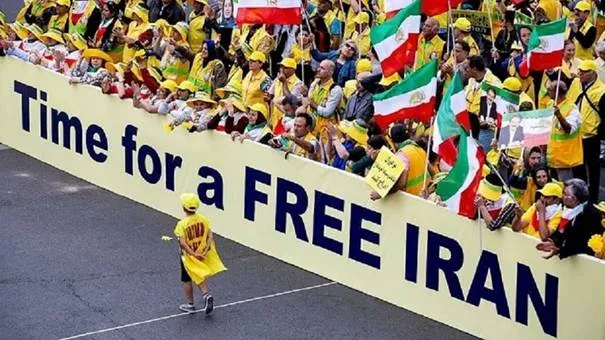
W tym krytycznym momencie kluczowe jest jasne rozróżnienie: Iran nie jest tożsamy z reżimem. To państwo o ogromnej głębi cywilizacyjnej, znacznym kapitale ludzkim oraz młodej, wykształconej populacji, która wielokrotnie wykazywała odwagę, domagając się godności i odpowiedzialności władzy.

Premier Izraela Benjamin Netanjahu zwrócił się bezpośrednio do Irańczyków: „Nie jesteście naszymi wrogami, a my nie jesteśmy waszymi wrogami. Mamy wspólnego wroga: morderczy kult ajatollahów”. Wezwał członków irańskich sił bezpieczeństwa do ponownego przemyślenia swojej lojalności i określił ten moment jako szansę na ustanowienie „nowego i wolnego Iranu”.

Niezależnie od preferencji politycznych, znaczenie strategiczne tego przekazu jest istotne. Przekształca on konfrontację w spór między modelami rządzenia — autorytarnym ekspansjonizmem a odpowiedzialną państwowością — a nie między narodami. Podważa wieloletnią narrację reżimu, wedle której presja zewnętrzna jest atakiem na samą tożsamość irańską.

Niedawne ruchy protestacyjne w Iranie, szczególnie te prowadzone przez kobiety i młodsze pokolenia, ukazują społeczeństwo politycznie świadome i dynamiczne. Rządy pewne swojej legitymacji nie opierają się systematycznie na śmiercionośnych represjach, aby utrzymać władzę. Długoterminowa stabilność Iranu — o ile wyłoni się odpowiedzialne przywództwo — będzie zależeć nie od ideologicznej sztywności, lecz od dostosowania struktur politycznych do aspiracji i możliwości społeczeństwa.

Niezależnie od tego, czy zmiana w Iranie nastąpi stopniowo, czy w wyniku przyspieszonej transformacji, odpowiedzialni decydenci powinni rozważyć, jakie warunki musiałaby spełniać stabilna ścieżka reintegracji w oparciu o uznane regionalne zasady bezpieczeństwa.

Każde przyszłe ramy porozumienia muszą mieć charakter warunkowy, sekwencyjny i oparty na weryfikowalnym przestrzeganiu zobowiązań. Normalizacja w obszarze bezpieczeństwa wymagałaby możliwych do sprawdzenia zobowiązań: zaprzestania wojen zastępczych, wycofania się ze współpracy z niepaństwowymi formacjami zbrojnymi, przestrzegania norm bezpieczeństwa morskiego oraz przejrzystości doktryny rakietowej zgodnej z zobowiązaniami międzynarodowymi. Udział w regionalnym dialogu bezpieczeństwa powinien następować po wykazaniu mierzalnej zgodności — nie ją poprzedzać.

Reintegracja gospodarcza musiałaby być etapowa i oparta na wyraźnych wskaźnikach. Zniesienie sankcji lub rozszerzenie dostępu do rynków byłoby powiązane z przejrzystością finansową, egzekwowaniem przepisów antykorupcyjnych, zgodnością z globalnymi standardami bankowymi oraz przestrzeganiem zobowiązań dotyczących nierozprzestrzeniania broni. Regionalni partnerzy i sojusznicy, którzy postawili na dobrobyt, integrację i przejrzystość strategiczną, mogliby zapewnić ustrukturyzowane kanały stopniowej reintegracji w sieci handlu, technologii i inwestycji.

Stany Zjednoczone zakotwiczyłyby ten proces w ramach finansowych i prawnych opartych na zasadach, zapewniając przewidywalność, odpowiedzialność i przestrzeganie norm międzynarodowych.

Stabilizacja instytucjonalna byłaby niezbędna. Każde odpowiedzialne przywództwo w Teheranie musiałoby wzmocnić struktury zarządzania, umocnić niezależność sądownictwa i zapewnić cywilny nadzór nad instytucjami bezpieczeństwa. Ewentualne zaangażowanie międzynarodowe miałoby charakter techniczny i warunkowy — skoncentrowany na budowie zdolności, a nie na inżynierii politycznej.

Budujące jest to, że głosy w irańskiej opozycji coraz częściej formułują wizję opartą na rządach konstytucyjnych, modernizacji gospodarczej i reintegracji z systemem międzynarodowym. Postaci takie jak Reza Pahlawi, syn byłego szacha, który konsekwentnie podkreśla znaczenie świeckiego państwa, reform instytucjonalnych i pokojowej transformacji, stanowią część szerszego ruchu dążącego do dostosowania Iranu do globalnych norm odpowiedzialnego rządzenia. Niezależnie od tego, czy konkretna osoba ostatecznie stanie na czele tej transformacji, wyłonienie się ustrukturyzowanego, zorientowanego na modernizację przywództwa jest kluczowe, jeśli Iran ma przejść od konfrontacji do odpowiedzialnej państwowości.

Iran stoi dziś przed momentem o fundamentalnym znaczeniu w swojej nowoczesnej historii. Siły odstraszania, aspiracje społeczne i regionalna rekalkibracja zbiegają się.

To, co nastąpi, nie zostanie określone przez retorykę, lecz przez decyzje — w Teheranie, przez naród irański; w Waszyngtonie; oraz w całym regionie. To nie tylko okres napięcia; to strukturalny test jakości rządzenia, wiarygodności i kierunku strategicznego. Celem jest przywrócenie równowagi, suwerenności i ładu prawnego.

Decyzje podjęte teraz ukształtują nie tylko przyszłość Iranu, lecz także architekturę strategiczną Bliskiego Wschodu na pokolenia.


Gatestone Institute, 3 marca 2026

Ahmed Charai jest przewodniczącym i dyrektorem generalnym World Herald Tribune, Inc. oraz wydawcą „Jerusalem Strategic Tribune”, TV Abraham i Radio Abraham. Zasiada w radach kilku znaczących instytucji, w tym Atlantic Council, Center for the National Interest, Foreign Policy Research Institute oraz International Crisis Group. Jest również członkiem International Council i Rady Doradczej Center for Strategic and International Studies.

Artykuł pierwotnie ukazał się w „Jerusalem Strategic Tribune” i został tu przedrukowany za uprzejmą zgodą autora.


Zawartość publikowanych artykułów i materiałów nie reprezentuje poglądów ani opinii Reunion’68,
ani też webmastera Blogu Reunion’68, chyba ze jest to wyraźnie zaznaczone.
Twoje uwagi, linki, własne artykuły lub wiadomości prześlij na adres:
webmaster@reunion68.com


Mojtaba Khamenei, son of late Iran regime leader, is head of Islamic Republic


Mojtaba Khamenei, son of late Iran regime leader, is head of Islamic Republic

JNS Staff


The 56-year-old, whom the U.S. president has called a “lightweight,” had been considered a likely replacement for his father, whom U.S. and Israeli forces assassinated.

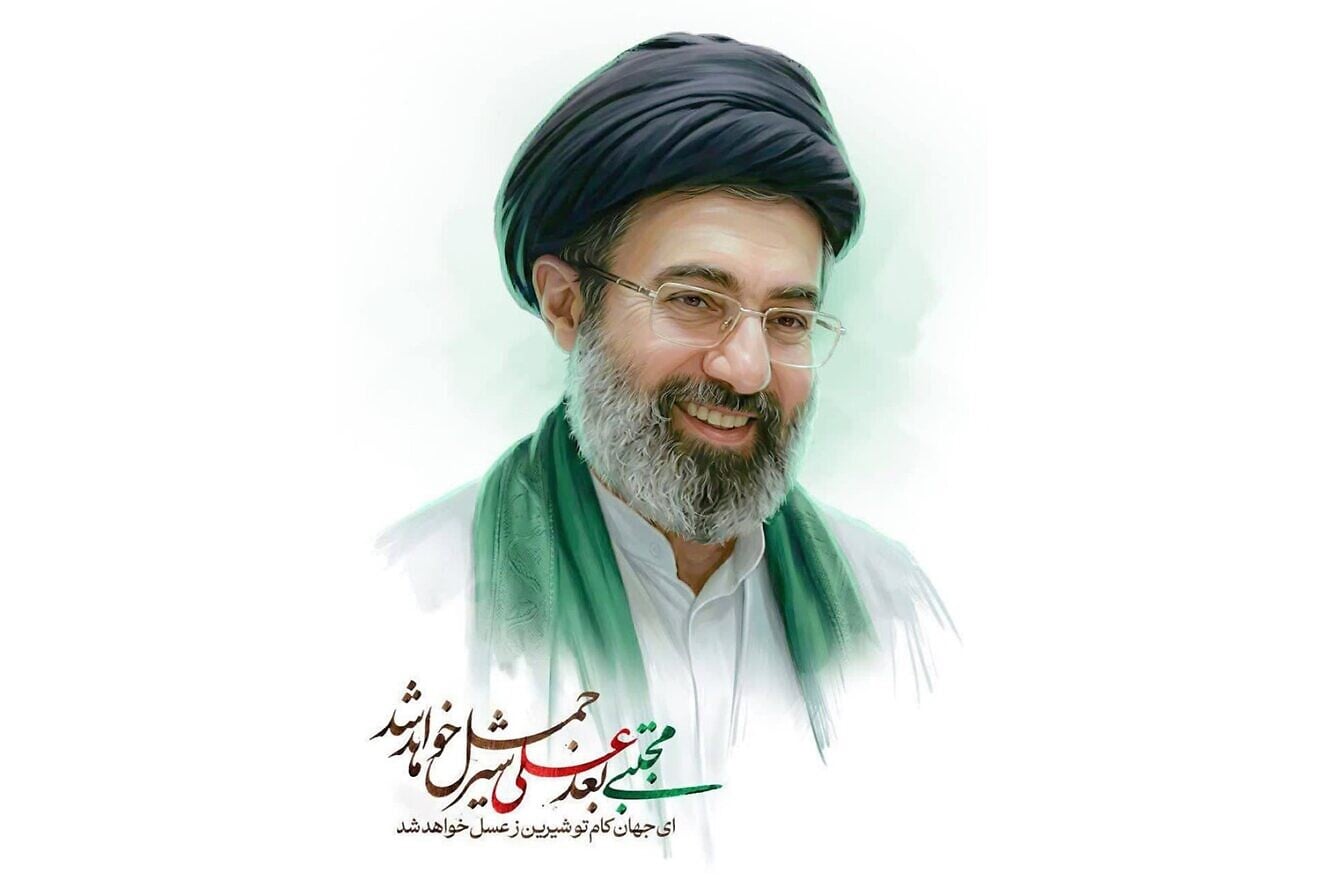
Mojtaba Khamenei, the leader of the Islamic Republic. Source: Iranian state television.

Mojtaba Khamenei, 56, was named the new “supreme leader” of the Islamic Republic, replacing his father Ali Khamenei, whom the U.S. and Israeli militaries killed, Iranian state television reported on Sunday.

The speaker of the Iranian Parliament stated that the selection of the new leader was “definitive and precise” and that the new leader was a “soothing balm,” according to state media.

The speaker added that the new leader was “faithful, revolutionary, courageous and prudent.”

The U.S. government sanctioned Mojtaba Khamenei in 2019. The U.S. Treasury Department said that the time that “the second son of the supreme leader is designated today for representing the supreme leader in an official capacity despite never being elected or appointed to a government position aside from work in the office of his father.”

“The supreme leader has delegated a part of his leadership responsibilities to Mojtaba Khamenei, who worked closely with the commander of the Islamic Revolutionary Guard Corps-Qods Force and also the Basij Resistance Force to advance his father’s destabilizing regional ambitions and oppressive domestic objectives,” the federal government said.

Trump told Axios last week that “Khamenei’s son is unacceptable to me. We want someone that will bring harmony and peace to Iran.”

“They are wasting their time. Khamenei’s son is a lightweight,” he told the publication. “I have to be involved in the appointment.”


Zawartość publikowanych artykułów i materiałów nie reprezentuje poglądów ani opinii Reunion’68,
ani też webmastera Blogu Reunion’68, chyba ze jest to wyraźnie zaznaczone.
Twoje uwagi, linki, własne artykuły lub wiadomości prześlij na adres:
webmaster@reunion68.com

Noam Bettan Releases Song ‘Michelle’ He’ll Perform as Israel’s Rep for 2026 Eurovision Song Contest


Noam Bettan Releases Song ‘Michelle’ He’ll Perform as Israel’s Rep for 2026 Eurovision Song Contest

Shiryn Ghermezian


Noam Bettan in the music video for “Michelle.” Photo: YouTube screenshot

Noam Bettan revealed on Thursday the song he is set to perform when he represents Israel at the 70th Eurovision Song Contest in Vienna, Austria, in May.

“Michelle” is a trilingual song written by Bettan, Nadav Aharoni, Tzlil Klifi, and Yuval Raphael, who represented Israel in last year’s Eurovision and finished in second place. The song features lyrics in Hebrew, English, and French, and premiered during a special broadcast on the Kan public broadcaster.

“‘Michelle’ tells the story of choosing to break free from a toxic emotional cycle. It’s a story about emotional growth and maturity, at the moment when the protagonist realizes they must let go and choose a new path for themselves,” Eurovision stated in its official description of the song.

“Michelle” is largely in Hebrew and French with only one verse in English. “Walking down Florentin/Ocean eyes/Memories/I, I’m losing my mind,” Bettan sings in English. “An angel but it is hell/Trapped in your carousel/Round and round/Under your spell.”

Bettan, who turned 28 on Thursday, was born in Israel and raised in the city of Ra’anana. His parents are French and lived in the French city of Grenoble before immigrating to Israel with their two older sons.

Bettan is fluent in French, Hebrew, and English. He won the Israeli television show and singing competition “HaKokhav HaBa” (“The Rising Star”) in January, which automatically secured him the position of representing Israel at this year’s Eurovision. Bettan will perform “Michelle” during the second half of the first Eurovision semi-final on May 12.

“I’m very proud of the song,” Bettan said in a released statement. “It’s a great privilege to bring such a creation to the Eurovision stage. The song is full of energy and emotion that touches on a wide range of feelings. I feel that ‘Michelle’ will bring us moments of shared joy and pride, and I hope this song can bring a little of that light with it.”

Watch the music video for “Michelle” below.

.


Zawartość publikowanych artykułów i materiałów nie reprezentuje poglądów ani opinii Reunion’68,
ani też webmastera Blogu Reunion’68, chyba ze jest to wyraźnie zaznaczone.
Twoje uwagi, linki, własne artykuły lub wiadomości prześlij na adres:
webmaster@reunion68.com