Archives

Disarming Hamas Must Remain Trump’s Top Priority in Gaza


Disarming Hamas Must Remain Trump’s Top Priority in Gaza

Con Coughlin


  • Several members of Trump’s Board of Peace, especially Turkey and Pakistan, have expressed serious concerns about, if not outright hostility to, disarming Hamas, a factor that many believe has resulted in talks on the disarmament of the terror group being put on hold.
  • Mladenov’s optimism about persuading Hamas to disarm, however, was not shared by the terrorist organisation itself. A Hamas official, who spoke on condition of anonymity, stated that, while the terrorist group had received a written document, it denounced the initiative as a “take it or leave it” offer. He said Hamas would first wait to see the outcome of the Iran war before responding.
  • Hamas’s refusal to provide a clear-cut commitment to meeting the disarmament demand, moreover, comes at a time when it continues to consolidate its hold over Gaza, especially since the start of the Iran war. In an attempt to control Gaza’s civilian population, Hamas has been enforcing price controls and managing the distribution of goods arriving from outside the Strip, moves that suggest it has no intention of relinquishing its grip over Gaza.
  • Trump must not abandon his demand that Hamas fully disarm before going forward with his Gaza peace plan.
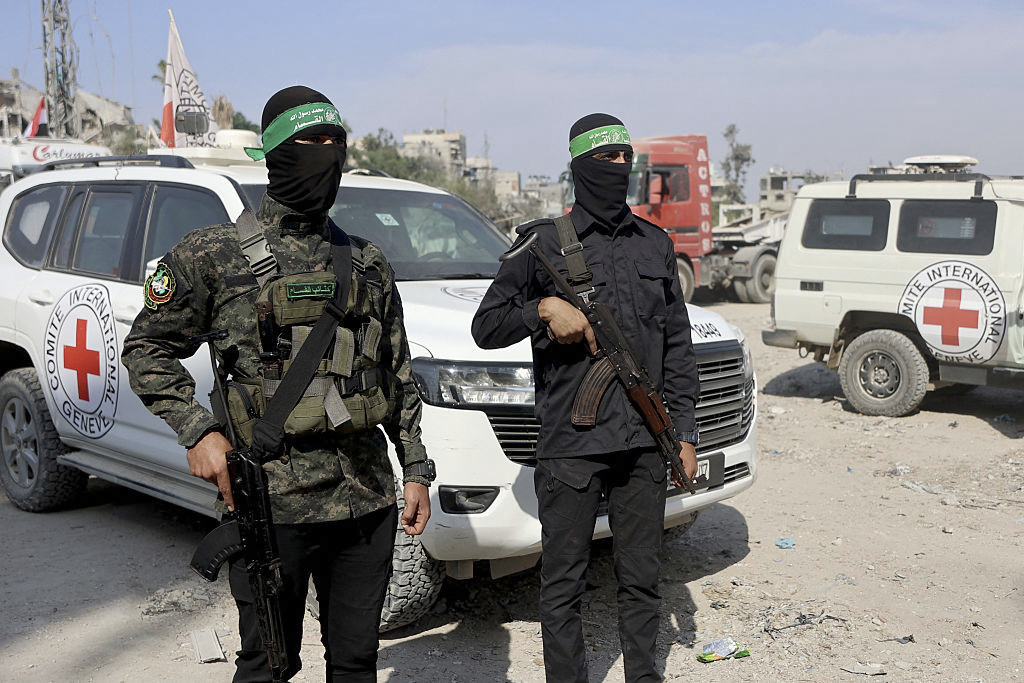
US President Donald Trump must not abandon his demand that Hamas fully disarm before going forward with his Gaza peace plan. Pictured: Hamas terrorists in Gaza City on November 2, 2025. (Photo by Omar Al-Qataa/AFP via Getty Images)

US President Donald Trump’s ambitious plan to bring lasting peace to Gaza risks being completely ruined after suggestions that members of his Board of Peace are not fully committed to disarming Hamas terrorists, a key requirement of the Trump administration’s peace plan.

Prior to the war in Iran, Trump made disarming Hamas his top priority as he sought to implement his ambitious 20-point peace plan for Gaza’s reconstruction. As the president wrote on his Truth Social platform in January in response to Hamas’s continuing prevarication over the disarmament demands, “they can do this the easy way, or the hard way.”

Since then, the Trump administration’s focus on disarming Hamas appears to have taken a back seat as the American leader has become preoccupied by the challenges of the war in Iran since launching Operation Epic Fury on February 28.

Despite the fact that Iran for decades has been one of Hamas’s most devoted supporters, providing funds and military equipment for its terrorist infrastructure, the demand for the terror group to disarm has been put on hold for the duration of the conflict, a move many believe could be a first step by some members of the Board of Peace to abandon completely the demand for Hamas to disarm.

Several members of Trump’s Board of Peace, especially Turkey and Pakistan, have expressed serious concerns about, if not outright hostility to, disarming Hamas, a factor that many believe has resulted in talks on the disarmament of the terror group being put on hold.

There are even concerns that Trump’s own envoys involved in negotiations taking place in Cairo to safeguard the existing ceasefire might be tempted to water down the disarmament demands in return for making progress on other areas of the peace plan, such as increasing aid and NGO access to Gaza.

The Gaza ceasefire has been under serious strain since the start of the Iran war, prompting members of the Board of Peace to attend meetings with Hamas representatives in Cairo aimed at easing tensions.

Following the meetings, Israel announced that it would soon reopen the sole crossing for pedestrians between Gaza and Egypt, shut since the air campaign against the Iranian regime began. One official said ​he believed the Israeli announcement was a direct result of the meeting between Hamas and the board.

Trump’s board was represented at the talks with Hamas by Aryeh Lightstone, an American aide to Trump’s special ​envoy Steve Witkoff. A US official said that Lightstone had attended Gaza-related meetings in Cairo in the past several days, without confirming whether he met with the Hamas delegation.

In an attempt to break the impasse over the disarmament issue, mediators meeting in Cairo said in an interview with NPR that they had given Hamas a formal proposal to lay down its weapons. The proposal calls for Hamas and all other terrorist groups in Gaza to hand over all weapons, making an emerging governing authority responsible for all the arms.

The proposal is said to call for a comprehensive framework to ensure the “complete handover” and “full decommissioning” of arms belonging to Hamas and all other armed groups in Gaza, and that if Hamas accepted the proposal, it would ensure large-scale reconstruction of Gaza.

Nickolay Mladenov, the former UN diplomat charged with implementing Trump’s plan for postwar Gaza, said that the ceasefire’s mediating countries had agreed on a “framework” to see Gaza rebuilt, but that Hamas must be disarmed.

He said executing on the framework “requires one clear choice: full decommissioning by Hamas and every armed group, with no exceptions and no carve-outs.”

Mladenov’s optimism about persuading Hamas to disarm, however, was not shared by the terrorist organisation itself. A Hamas official, who spoke on condition of anonymity, stated that, while the terrorist group had received a written document, it denounced the initiative as a “take it or leave it” offer. He said Hamas would first wait to see the outcome of the Iran war before responding.

Hamas’s refusal to provide a clear-cut commitment to meeting the disarmament demand, moreover, comes at a time when it continues to consolidate its hold over Gaza, especially since the start of the Iran war. In an attempt to control Gaza’s civilian population, Hamas has been enforcing price controls and managing the distribution of goods arriving from outside the Strip, moves that suggest it has no intention of relinquishing its grip over Gaza.

Another key factor that could have an important positive bearing on the future of Trump’s Gaza peace plan is that, with the war against Iran in full flow, Washington has received the support of its long-standing Gulf allies, who now find themselves the target of unprovoked Iranian missile attacks.

Trump must not abandon his demand that Hamas fully disarm before going forward with his Gaza peace plan.


Con Coughlin is the Telegraph‘s Defence and Foreign Affairs Editor and a Distinguished Senior Fellow at Gatestone Institute.


Zawartość publikowanych artykułów i materiałów nie reprezentuje poglądów ani opinii Reunion’68,
ani też webmastera Blogu Reunion’68, chyba ze jest to wyraźnie zaznaczone.
Twoje uwagi, linki, własne artykuły lub wiadomości prześlij na adres:
webmaster@reunion68.com


Ukraine Leverages Drone Defense Expertise to Aid Gulf, Strengthen Strategic Role Amid Iran War


Ukraine Leverages Drone Defense Expertise to Aid Gulf, Strengthen Strategic Role Amid Iran War

Ailin Vilches Arguello


Fire ignited at the impact site following an Iranian missile strike, amid the US-Israeli conflict with Iran, in central Israel, March 13, 2026. Photo: REUTERS/Gideon Markowicz

As the US-Israeli war with Iran reshapes regional security dynamics, Ukraine is leveraging its battlefield-honed drone defense expertise to assist US allies in the Gulf, potentially strengthening its diplomatic standing and shifting the balance of power, experts say.

Earlier this week, a team of around 200 Ukrainian military experts arrived in the Middle East to provide both “expertise” and “practical support” in countering Iranian drones.

Ukrainian President Volodymyr Zelenskyy confirmed that specialized units have already been deployed in the United Arab Emirates, Qatar, and Saudi Arabia, with additional personnel en route to Kuwait, as Kyiv strengthens coordination with countries across the region.

Since the start of the war last month, Ukraine has actively offered its technology and personnel to Middle Eastern partners to assist the United States and its allies in countering Iranian drones, positioning itself as a key strategic player amid conflict and shifting diplomatic alliances.

Zelenskyy stressed that he had instructed government officials “to present options for assisting the relevant countries” in a way that safeguards Ukraine’s own critical defense needs amid the ongoing war with Russia and its relentless missile and drone attacks.

“Ukrainian experts will operate on-site, and teams are already coordinating these efforts,” Zelenskyy said in a statement.

Among a delegation of military, intelligence, and defense officials traveling to the Gulf was National Security and Defense Council Secretary Rustem Umerov, as the group worked to finalize what was described as “concrete agreements.”

“Ukraine has the greatest experience in the world in countering attack drones,” Zelensky said. “Without our experience, it will be very difficult for the Gulf region, the entire Middle East, and partners in Europe and America to build strong protection.”

“We are ready to help those who help us,” the Ukrainian leader continued. “The regimes in Russia and Iran are brothers in hatred and that is why they are brothers in weapons. And we want regimes built on hatred, to never, never win in anything. And we want no such regime to threaten Europe or our partners.”

According to John Hardie, deputy director of the Russia Program at the Foundation for Defense of Democracies, a Washington, DC-based think tank, Ukraine has “unmatched experience” in developing and scaling cost-effective systems that can detect and neutralize the one-way attack drones widely used by Iran.

The Iranian regime has been supplying Russia with drones throughout the war in Ukraine, and Moscow has been reportedly supplying Tehran with intelligence, satellite imagery, and drone technology to target US forces.

“With Russia working to help Iran kill American servicemembers, that’s all the more reason for the United States and its Middle East allies to take advantage of Ukraine’s hard-won expertise,” Hardie told The Algemeiner

“Replicating Ukrainian solutions at scale won’t happen overnight, but Ukrainian deployments to the Middle East could offer a taste of some of the Ukrainian technology, namely interceptor drone systems,” he continued. 

Hardie argued that this expertise could help Ukraine “cultivate closer security cooperation” with the United States and its Arab allies, while also opening opportunities for Kyiv to expand its defense industry exports and strengthen its role as a key security partner in the region.

When the United States and Israel launched coordinated airstrikes on Iran on Feb. 28, Tehran struck back quickly, firing missiles and long‑range drones at military and civilian targets in neighboring countries — repeatedly hitting infrastructure and population centers even as it claimed to be focusing solely on US military assets.

In just the first few days of the conflict, Iran launched more than 500 ballistic missiles and over 2,000 unmanned aerial systems (UAS) — remotely operated or autonomous aircraft commonly used for surveillance and strike missions.

Even though the regime’s ballistic missile launches have dropped sharply since then due to US and Israeli strikes on its launchers and broader missile program, its drone attacks are, while also down significantly, proving more difficult to stop with air defenses, threatening key military targets as well as civilian areas.

Some regional countries struggle to defend against Iranian drones because these low-cost systems consistently evade fighter jets and conventional air defenses. They have struck a wide range of targets — from diplomatic and economic sites to residential areas — including Dubai International Airport and Saudi oil facilities.

According to Jason Campbell, senior fellow at the Middle East Institute, a Washington, DC-based think tank, Ukraine has revolutionized counter-drone warfare over the past three years through cost-effective, easily reproducible technologies and adaptive battlefield tactics.

“The Gulf states have invested heavily in high-end and highly capable missile defenses, but the Iran war has demonstrated the need for solutions that can better confront their comparatively inexpensive and easily reproducible Shahed drones,” Campbell told The Algemeiner, referring to the Iranian-made drones. 

After Russia invaded Ukraine in 2022, the Islamist regime in Iran began supplying drones to Moscow, providing a relatively inexpensive way to expand its long-range strike capabilities, which Russia later advanced by producing modified variants domestically and in greater quantities.

Over more than four years of war, Ukraine has dramatically improved its counter-drone strategy, increasingly relying on interceptor drones — low-cost unmanned aerial systems that detect, track, and destroy incoming drones identified by radar — offering a highly effective and economically sustainable alternative to traditional air defenses.

“I would say that this capability has already elevated Ukraine’s (and Ukrainian companies’) status throughout the Gulf,” Campbell told The Algemeiner

According to multiple media reports, Saudi Arabia is planning a major contract with Ukrainian companies to purchase interceptor drones.

Zelenskyy has also suggested that Ukraine could “exchange” interceptor drones for Patriot air defense missiles, a US-made system designed to detect, track, and intercept incoming ballistic missiles, aircraft, and drones.

“Russia probably is not very excited about the prospect of Ukraine bolstering its air defenses and demonstrating its utility to an array of deep-pocketed clients,” Campbell explained.

“This is a win for US interests and could provide more impetus behind efforts to provide necessary assistance to help Ukraine in its ongoing war with Russia,” he continued. “One thing to watch, however, will be the near-term availability of higher end air defenses which remain in high demand now in multiple theaters.”


Zawartość publikowanych artykułów i materiałów nie reprezentuje poglądów ani opinii Reunion’68,
ani też webmastera Blogu Reunion’68, chyba ze jest to wyraźnie zaznaczone.
Twoje uwagi, linki, własne artykuły lub wiadomości prześlij na adres:
webmaster@reunion68.com


Wojna z Iranem nie była „niesprowokowana”


Wojna z Iranem nie była „niesprowokowana”

Brendan O’Neill


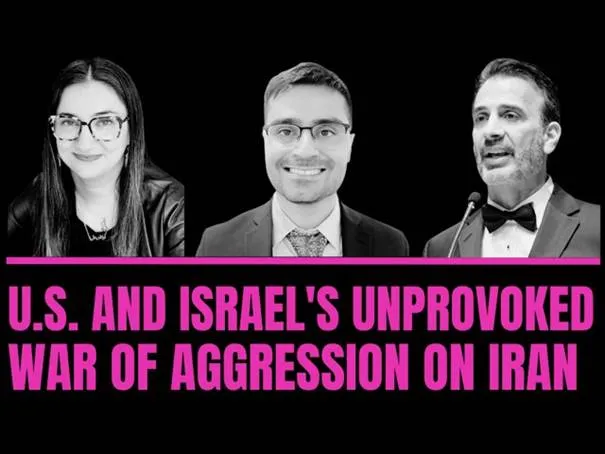
Od pewnego czasu dużo myślę o określeniu „niesprowokowana wojna”. Od wybuchu działań wojennych w Iranie zwrot ten często pada z ust lewicy. W tym tygodniu Jeremy Corbyn, Zarah Sultana oraz dziesiątki leciwych pacyfistów podpisali list do „Guardiana”, w którym przekonywali, że Wielka Brytania nie powinna mieć nic wspólnego z „niesprowokowaną wojną” Ameryki i Izraela w Iranie.

Głośni krytycy Trumpa i legiony wrogów Izraela używają języka jako broni

Oto moje pytanie: czy gwałt i mordowanie Żydów nie stanowią prowokacji? Czy największa antyżydowska zbrodnia od czasów Holokaustu – 7 października – nie była prowokacją? Tyrani z Teheranu finansowali dżihadystycznych brutali, którzy dokonali tej rzezi. Obsypywali bronią i szkoleniami tę armię antysemitów, która niecałe trzy lata temu najechała Izrael drogą powietrzną, morską i lądową. To nie była prowokacja?

Czy nie jest prowokacją zasypywanie sąsiedniego kraju tysiącami rakiet? Czy nie jest prowokacją poddawanie narodu zmasowanemu ostrzałowi balistycznemu, który prowadzi do wysiedlenia dziesiątek tysięcy cywilów i śmierci wielu niewinnych ludzi, w tym 12 druzyjskich dzieci grających w piłkę? Tym właśnie zajmował się Hezbollah przez ostatnie trzy lata. Hezbollah otrzymał setki milionów dolarów od Islamskiej Republiki, by prowadzić dokładnie takie brutalne nękanie państwa żydowskiego. To nie jest prowokacja?

Można powiedzieć wiele rzeczy o wojnie Ameryki i Izraela z Iranem. Jedni uznają ją za odważną, inni za lekkomyślną. Ale jednego powiedzieć nie można – przynajmniej jeśli chce się być traktowanym poważnie – że jest „niesprowokowana”. Chyba że uważa się, iż masowe mordowanie Żydów nie powinno pociągać za sobą żadnych konsekwencji. Że, tak jak w latach 30. czy w latach 90. XV wieku, tłumy antysemitów powinny móc zabijać Żydów bezkarnie. Na twoim miejscu zachowałbym taki pogląd dla siebie.

Tradycyjnie to zwolennicy wojen uciekali się do językowych sztuczek, by uzasadnić swoje działania lub ukryć prawdziwe motywy. Tariq Ali nazywa to „gramatyką oszustwa”. Dziś jednak taka semantyczna dwuznaczność częściej występuje po stronie przeciwników wojny.

Co więcej, prezydent Trump – w przeciwieństwie do swoich poprzedników, którzy upiększali prowadzenie wojen jako „misje pokojowe” – mówił o naturze wojny z niezwykłą szczerością. Mówił o „śmierci, ogniu i furii”, które spadną na reżim irański. To brzydkie, ale uczciwe. To druga strona – głośni krytycy Trumpa i legiony wrogów Izraela – używa języka nie jako narzędzia wyjaśniania, lecz ukrywania.

„Niesprowokowana wojna” – to nie tylko nieprawda, to świadome wprowadzanie w błąd. Zasłania grubą zasłoną wydarzenia ostatnich trzech lat. Rozgrzesza Islamską Republikę z jej grzechów brutalnego antysemityzmu. Wymazuje z pamięci zbrodnie wojenne finansowane przez ten reżim i skłania nas do postrzegania Iranu jako niewinnej ofiary „imperialnego” ataku ze strony państwa żydowskiego i jego amerykańskich popleczników. To kłamstwo udające krytykę.

Jest jeszcze „nielegalna wojna”. Kto tak twierdzi? Kto uczynił media sędzią, ławą przysięgłych i katem w kwestii tego, kiedy państwom wolno walczyć? Moje stanowisko jest proste: jeśli prawo międzynarodowe zabrania jedynemu żydowskiemu państwu ścigania islamistycznych despotów, którzy finansowali gwałt i mordowanie jego obywateli, to takie prawo jest absurdem. Co gorsza – jest antysemickie.

Jak inni, obawiam się tej wojny. Ale jeszcze bardziej obawiam się sprzeciwu wobec niej. Widać tu świadomą niechęć do zmierzenia się z tym, co jest stawką w tym teatrze napięć. To nie jest „kolejny Irak”. Tamta katastrofa była napędzana nieprawdami o zagrożeniu ze strony Saddama dla Zachodu. Islamska Republika jest zagrożeniem. Zasypywała naszego sojusznika, Izrael, falami przemocy. Jej barbarzyńscy pełnomocnicy sieją chaos na Bliskim Wschodzie. Jej teokratyczna nietolerancja sięga także Zachodu, gdzie finansowała terror.

Infantylizując tę islamistyczną tyranię i przedstawiając ją jako ofiarę tych podłych Żydów, lewica i znaczna część mediów stały się agentami zaciemniania obrazu. Mówi się, że pierwszą ofiarą wojny jest prawda. Teraz jest nią także pierwsza ofiara antywojenności.

Wokół tej wojny unosi się moralny defetyzm, który głęboko mnie niepokoi. Jest w tym pewien rodzaj zadowolonego fatalizmu. Da się to wyczuć. Obecnie wieczorne wydania BBC News sprawiają wrażenie jednego długiego uśmieszku z kłopotów, jakie Ameryka sama na siebie sprowadziła. Można odnieść wrażenie, że niektórzy wręcz chcieliby zobaczyć, jak Ameryka i Izrael „dostają nauczkę”. Dla mnie to wygląda jak kulturowa auto-nienawiść przebrana za pacyfizm – postawa, która ma mniej wspólnego z dawnymi ruchami pokojowymi, a więcej z chorobliwym antyzachodnim nastawieniem szerzącym się na naszych uniwersytetach i w instytucjach.

Obawiam się, że ci ludzie nie doceniają, jak katastrofalne byłoby wyjście Islamskiej Republiki z tego konfliktu wzmocnionej. Zarówno regionalnie – gdzie żydowska ojczyzna znów znalazłaby się pod większym zagrożeniem – jak i globalnie, gdzie islamizm zyskałby nowe życie, byłoby to katastrofalne dla ludzkości. Rozumiem: wojna jest brzydka, „zmiana reżimu” destabilizująca, a Trump nieobliczalny. Mimo to mogę bez żadnych wątpliwości powiedzieć, że chcę, aby Ameryka i Izrael wygrały tę wojnę – i to zdecydowanie.

Tim Shipman, Adrian Wooldridge i Sophie Winkleman omawiają najnowsze wydarzenia wokół kryzysu irańskiego w najnowszym odcinku podcastu Edition.


Link do oryginału: https://spectator.com/article/war-on-iran-was-not-unprovoked/

Spectator, 13 Marca 2026

Brendan O’Neill jest głównym publicystą politycznym „Spiked”. Jego nowa książka After the Pogrom: 7 October, Israel and the Crisis of Civilisation jest już dostępna.


Zawartość publikowanych artykułów i materiałów nie reprezentuje poglądów ani opinii Reunion’68,
ani też webmastera Blogu Reunion’68, chyba ze jest to wyraźnie zaznaczone.
Twoje uwagi, linki, własne artykuły lub wiadomości prześlij na adres:
webmaster@reunion68.com

China Is About to Lose Its Cuban Military Bases


China Is About to Lose Its Cuban Military Bases

Gordon G. Chang


  • Friends of Havana blame the U.S., but the Trump administration had to act before China turned the island into a military bastion.
  • Declassified intelligence showed that Chinese signals-intelligence collection facilities had been operating in Cuba since at least 2019.
  • “China and Cuba are negotiating to establish a new joint military training facility on the island, sparking alarm in Washington that it could lead to the stationing of Chinese troops and other security and intelligence operations just 100 miles off Florida’s coast.” — The Wall Street Journal, June 20, 2023.
  • President Donald Trump acted before the Chinese could base missiles in Cuba.

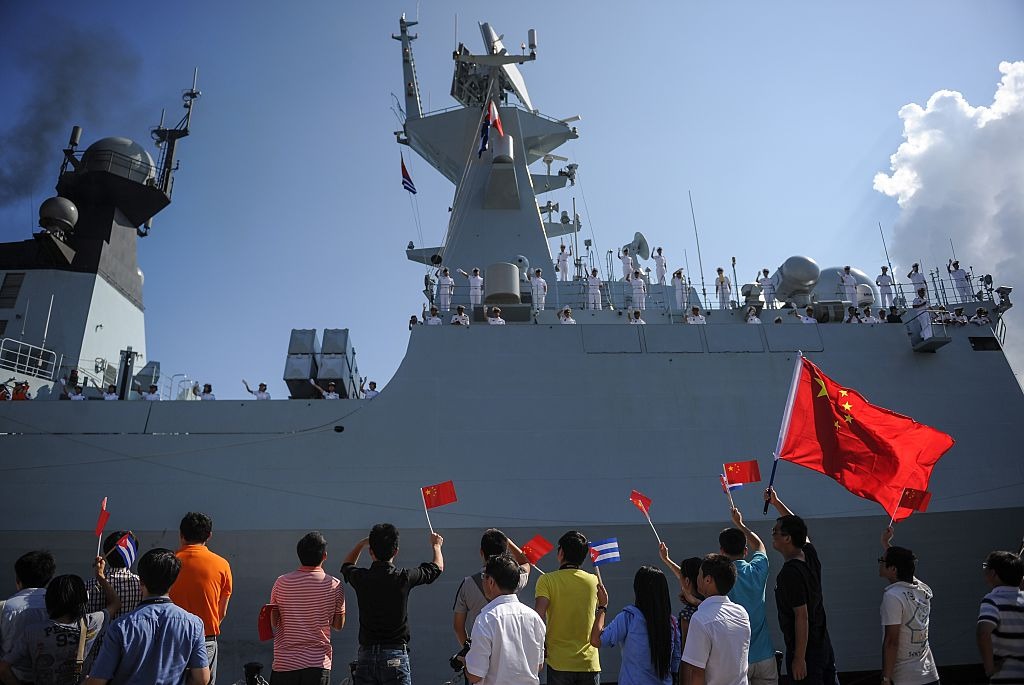
“China and Cuba are negotiating to establish a new joint military training facility on the island,” reported the Wall Street Journal in 2023. So, whatever one thinks of the harsh consequences of the U.S. naval embargo, the Havana regime, by allowing the Chinese to have the run of the island, does pose a threat to the United States. Pictured: People wave the flags of Cuba and China as several Chinese Navy vessels enter the port of Havana on November 10, 2015. (Photo by Yamil Lage/AFP via Getty Images)

Cuban society, due to a U.S. naval embargo, is close to collapse.

Friends of Havana blame the U.S., but the Trump administration had to act before China turned the island into a military bastion.

America took control of Venezuela’s national oil company, PDVSA, after the January 3 raid that resulted in the capture of Nicolás Maduro and his wife. Then the U.S. stopped the flow of Venezuelan oil to the Cuban regime.

At the same time, the Trump administration, by threatening tariffs on oil suppliers, imposed a de facto oil embargo on Havana. The U.S. Navy has deterred vessels from unloading cargo in Cuba.

To get through the American picket line, tankers have been employing deceptive tactics. For instance, the Hong Kong-flagged Sea Horse, carrying gasoil, was falsely broadcasting that it was “not under command” and drifting in the Sargasso Sea for almost three weeks. In reality, the ship spoofed its location and probably unloaded 190,000 barrels in Cuba in the early part of this month.

A delivery from the Sea Horseaccording to the Windward site, would be “the first confirmed arrival of a refined products cargo at the island since early January.”

As a result of the American actions, Cuba has almost run out of energy. The Cuban grid has collapsed three times so far this month, throwing the island into darkness.

“Why is the U.S. doing this?” asks Cambridge University’s Jostein Hauge on X, referring to the blockade on Cuba. “For no reason other than its dislike of the Cuban regime. Cuba poses no threat to the U.S.”

Really?

“China uses Cuba as a platform for many of its regional intelligence and security operations,” Joseph Humire, then executive director of the Center for a Secure Free Society, told this author in 2021.

There is, most prominently, the Lourdes facility just west of Havana near Bejucal, once the Soviet Union’s largest listening station outside its borders. The Chinese are thought to have taken over the facility shortly after the fall of the USSR.

China now has more than just Lourdes. A December 2024 Center for Strategic & International Studies report identifies three more likely Chinese listening posts in Cuba. There is the Soviet-era Calabazar, and a second, Wajay, appears to have been built after the fall of the Soviet Union. There is also a new station, El Salao.

The CSIS report notes that unconfirmed accounts of China’s intelligence presence on the island began with the visit of China’s Defense Minister General Chi Haotian in 1999.

The Chinese may have been operating listening posts in Cuba since 1993, R. Evan Ellis of the U.S. Army War College told Gatestone at the beginning of last year.

China and Cuba, the Wall Street Journal reported in June 2023, agreed in principle to establish a new listening site on Cuban soil. The Biden administration denied the report, but two days later declassified intelligence showing that Chinese signals-intelligence collection facilities had been operating in Cuba since at least 2019.

Cuba is an ideal location to surveil America. “Sitting less than 100 miles south of Florida, Cuba is well-positioned to keep watch on sensitive communications and activities, including those of the U.S. military,” the CSIS report states. “The southeastern seaboard of the United States brims with military bases, combatant command headquarters, space launch centers, and military testing sites.”

Moreover, Cuba is an ideal location for a Chinese military base. “China and Cuba are negotiating to establish a new joint military training facility on the island, sparking alarm in Washington that it could lead to the stationing of Chinese troops and other security and intelligence operations just 100 miles off Florida’s coast,” reported the Wall Street Journal in 2023.

China stated that the Wall Street Journal report was “totally mendacious and unfounded,” but it is nonetheless evident that China wants an enhanced facility on Cuba, just as it has established de facto military sites throughout Latin America.

Moreover, President Donald Trump acted before the Chinese could base missiles in Cuba.

So, whatever one thinks of the harsh consequences of the U.S. naval embargo — there is a worsening humanitarian crisis in Cuba now — the Havana regime, by allowing the Chinese to have the run of the island, does pose a threat to the United States.


Gordon G. Chang is the author of Plan Red: China’s Project to Destroy America, a Gatestone Institute distinguished senior fellow, and a member of its Advisory Board.


Zawartość publikowanych artykułów i materiałów nie reprezentuje poglądów ani opinii Reunion’68,
ani też webmastera Blogu Reunion’68, chyba ze jest to wyraźnie zaznaczone.
Twoje uwagi, linki, własne artykuły lub wiadomości prześlij na adres:
webmaster@reunion68.com


Izraelczycy zabili dowódcę floty Gwardii Rewolucyjnej. Był zwolennikiem zamknięcia Cieśniny Ormuz

Teheran (Fot. REUTERS/Majid Asgaripour)


Izraelczycy zabili dowódcę floty Gwardii Rewolucyjnej. Był zwolennikiem zamknięcia Cieśniny Ormuz

Marta Urzędowska


Izraelska armia zabiła Alirezę Tangsiriego, dowódcę floty irańskiej Gwardii Rewolucyjnej – podają izraelskie media. Jednocześnie Izraelczycy obiecali, że pozwolą żyć irańskiemu szefowi dyplomacji i przewodniczącemu parlamentu.

Informację o śmierci dowódcy floty Gwardii Rewolucyjnej jako pierwszy podał „Times of Israel”, powołując się na źródła w izraelskim rządzie. W południe doniesienia gazety potwierdził izraelski minister obrony, Israel Katz. – Tahgsiri był bezpośrednio odpowiedzialny za akt terrorystyczny, jakim jest bombardowanie i blokowanie Cieśniny Ormuz – oświadczył dodając, że wraz z nim zginęło też wielu innych „wysokiej rangi oficerów marynarki”.

Alireza Tangsiri zginął w izraelskim nalocie na Bandar Abbas w południowym Iranie, niedaleko Cieśniny Ormuz. Jak informują izraelskie źródła cytowane przez „New York Times”, Izraelczycy dopadli go w mieszkaniu, gdzie ukrywał się z innymi oficerami Gwardii.

Irańczycy na razie nie komentują informacji o śmierci Tangsiriego. 

Tangsiri pomógł zamknąć Cieśninę Ormuz. Chwalił się jej blokowaniem

Tangsiri był ważnym dowódcą. Osobiście nadzorował testowanie przez gwardzistów dronów i pocisków, za co Amerykanie już dwa razy nałożyli na niego sankcje – ostatnio w 2023 r. Od początku obecnej wojny był zwolennikiem zamknięcia Cieśniny Ormuz i regularnie chwalił się w sieciach społecznościowych skutecznością, z jaką Irańczycy blokują kluczowy przesmyk.

Dlatego też znalazł się na liście  ważnych irańskich oficjeli i wojskowych, których chcą wyeliminować Izraelczycy. W czasie wojny, którą rozpoczęli wraz z USA 28 lutego, atakując cele w Iranie, Izrael koncentruje się właśnie na zabijaniu irańskich przywódców, w przeciwieństwie do Amerykanów, którzy skupiają się na niszczeniu irańskiego potencjału obronnego.

Izrael po kolei eliminuje ważnych Irańczyków

W pierwszym dniu ataków zginął ajatollah Ali Chamenei, sprawujący władzę polityczną, wojskową i duchową, którego Irańczycy szybko zastąpili jego synem Modżtabą. W tym samym dniu zginął szef sztabu armii Abdolrahim Musawi, minister obrony Aziz Nasirzadeh, dowódca Gwardii Rewolucyjnej Mohammed Pakpour i Ali Szamkani – bliski doradca ajatollaha i ważna postać w aparacie bezpieczeństwa Iranu.

Z kolei 17 marca w izraelskim nalocie zginął Ali Laridżani – drugi najważniejszy Irańczyk, szef Rady Bezpieczeństwa Narodowego, który faktycznie sprawował władzę w kraju w sytuacji, kiedy Modżtaba – najpewniej ranny na początku wojny – dowodzi Iranem wyłącznie na papierze, nie pokazując się publicznie i nie wygłaszając oświadczeń.

Sami Izraelczycy chwalili się, że zabijając Laridżaniego, wyeliminowali „faktycznego lidera” Iranu. W tym samym dniu zginął też Gholamreza Solejmani, dowódca paramilitarnych bojówek basidżi, podlegających Gwardii Rewolucyjnej i słynących z brutalnego tłumienia antyrządowych protestów.

18 marca w kolejnych izraelskich atakach zginął Esmail Chatib, minister wywiadu, twardogłowy duchowny i polityk, który latami blisko współpracował z Chameneim seniorem, a od 2021 r. stał na czele potężnego aparatu wywiadu.

Izrael oszczędzi szefa MSZ i przewodniczącego parlamentu

Jednocześnie pojawiają się doniesienia, że Izrael zrezygnuje z zabicia dwóch ważnych irańskich polityków – ministra spraw zagranicznych Abbasa Aragcziego, i przewodniczącego parlamentu, Muhammada Bagera Galibafa.

Decyzja o wykreśleniu ich z izraelskiej listy osób do wyeliminowania ma wynikać z nacisków Pakistanu, który pośredniczy między Amerykanami i Irańczykami w nieformalnych dyskusjach na temat ewentualnego rozejmu.

Zabezpieczenie losu dwóch ważnych oficjeli ma być jednym z warunków stawianych przez Teheran. Informację jako pierwszy podał Reuters, powołując się na źródła w Islamabadzie. 

Izraelczycy mieli ich już namierzonych i chcieli ich wyeliminować, ale powiedzieliśmy USA, że jeśli ich też wyeliminują, nie będzie już z kim rozmawiać, i Amerykanie kazali Izraelczykom odpuścić

– przekonuje źródło agencji.

Informację o zdjęciu Irańczyków z listy podawał też „Wall Street Journal”, jednak bez wspominania o udziale Pakistańczyków.

USA i Iran od kilku dni przerzucają się sprzecznymi doniesieniami w sprawie ewentualnych rozmów na temat rozejmu. Donald Trump zapewnia, że prowadzi z Irańczykami „bardzo dobre rozmowy”, irańscy urzędnicy publicznie zaprzeczają. Amerykanie domagają się od Teheranu pełnej rezygnacji z programu nuklearnego i balistycznego. Iran odpowiada, że skończy wojnę „na własnych warunkach”, a amerykańskie odrzuca.


Redagowała Ludmiła Anannikova


Zawartość publikowanych artykułów i materiałów nie reprezentuje poglądów ani opinii Reunion’68,
ani też webmastera Blogu Reunion’68, chyba ze jest to wyraźnie zaznaczone.
Twoje uwagi, linki, własne artykuły lub wiadomości prześlij na adres:
webmaster@reunion68.com