
Archives

Trump’s critics have a lot riding on the Iran conflict


Trump’s critics have a lot riding on the Iran conflict

Jonathan S. Tobin
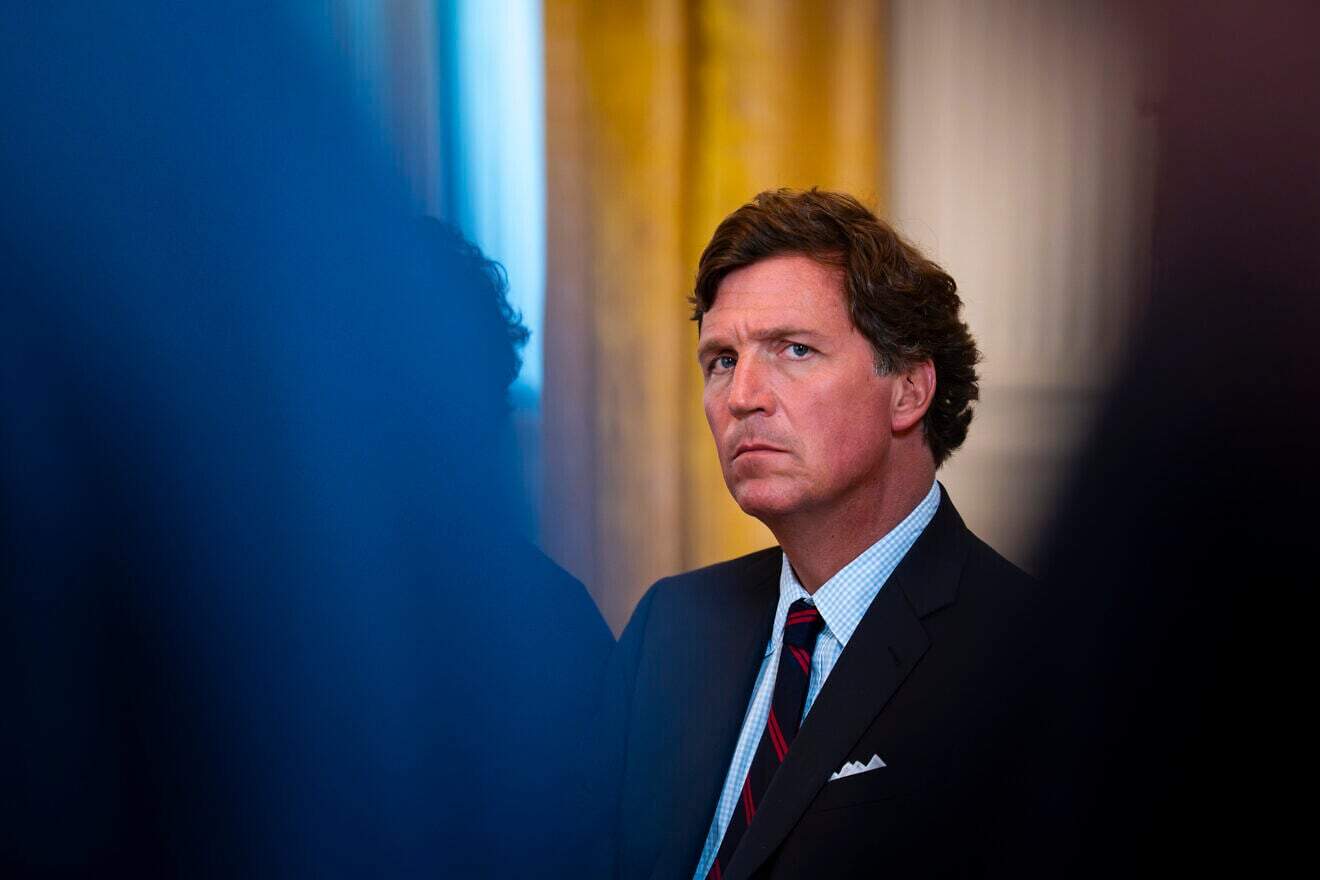

Tucker Carlson, former “Fox News” host and current host of “The Tucker Carlson Show,” attends a meeting with oil executives in the East Room of the White House in Washington, D.C., on Jan. 9, 2026. Photo by Al Drago/Getty Images.

Whether they admit it or not, a lot of people are rooting for disaster for the United States and Israel in the conflict that began on Feb. 28, with the two allies attacking the Islamic Republic’s leadership and military targets. And it’s not overstating the matter to acknowledge that the diverse coalition of opponents of President Donald Trump and the Jewish state has a lot riding on whether their Cassandra-like predictions of doom for the administration turn out to be right.

If they are, then the extreme right wing of the Republican Party, led by antisemitic podcasters like former Fox News host Tucker Carlson, has an opening that they would hope to use to take over the GOP. A disaster in Iran will also put even more wind in the sails of the intersectional left-wing base of the Democratic Party. If that happens, its leading figures, like New York City Mayor Zohran Mamdani and Rep. Alexandria Ocasio-Cortez, will hope it means that their faction will be in a position to name their party’s 2028 presidential nominee.

Meanwhile, the somewhat less ideological veterans of the Obama and Biden presidencies, of whom the most prominent figure today remains former Vice President Kamala Harris, and their liberal press corps rooting section will also assert that their belief in appeasement of Tehran has been vindicated.

Betting on the regime’s survival

Such a result will be a political landscape that will not only look bleak for conservatives and Trump supporters. It might also be a body blow to the last vestiges of what was once a bipartisan consensus in support of Israel that stretched across the American political spectrum. That’s because the one thing that links various elements of the loose, anti-Iran war coalition is hostility to, if not outright hatred for, the State of Israel.

Their assumptions about the attack on Iran are based on a belief in the resilience of an evil terrorist regime, coupled with a conviction that Trump’s belief in the importance of the U.S.-Israel alliance is inherently wrong. They are sure that either the Islamist Republic will survive or that its ouster will lead to chaos that will harm U.S. interests. Many of them are also convinced that, despite Trump’s clear intentions to avoid such a scenario, the United States is likely to be bogged down in an endless and unsuccessful conflict in the Middle East. Indeed, some are counting on it resembling those in Afghanistan, and even more so Iraq, which Trump critics on both the left and right are citing as a likely precedent for his decision. And that’s not even taking into account the way some in the Democratic base tend to sympathize with anyone who is at war with the West.

Disillusionment over those wars led to the success of anti-war factions and played a significant role in the rise of President Barack Obama and then Trump. If that scenario is repeated, it could result in the capture of both major political parties by extremists who have nothing in common but their desire to abandon Israel to its fate in a region still dominated by genocidal Islamists. It could also impact the flow of and price of oil. And that could lead to higher gas prices in the United States and hurt Republicans in the midterms, leading to two years of Democratic congressional control that would hamstring what was left of the Trump presidency.

Of course, there’s a chance that they are right and that the Iranian government—or what’s left of it after strike after strike has decapitated its leadership—will ultimately prevail in one way or another. If so, it would be just another example of a second presidential term that was undone by a foreign-policy misjudgment.

Thinking like Khamenei and Sinwar

But it’s also very possible, if not likely, that they are citing the wrong precedent when they talk about another Iraq. They could be making the same mistake others have made when they underestimated Trump’s savvy and leadership. They could also be channeling the same catastrophic mistake as those who assumed that Israel was ripe for a defeat that could lead to a collapse in 2023.

The late Ayatollah Ali Khamenei and Hamas senior leader Yahya Sinwar never imagined that the war they launched on Oct. 7 with unspeakable atrocities and the largest mass slaughter of Jews since the Holocaust would turn out the way it has. Not only are they, in addition to many of their associates and followers, dead; the Islamist movement has suffered major defeats in Gaza and Lebanon, in Syria with the fall of longtime dictator Bashar Assad, and now, in Iran. Israel was shaken by that surprise invasion and attack, but it rebounded and is in a much stronger strategic position than it was 29 months ago.

The impact on American politics of success in Iran, which could entail the fall of the Islamist regime as well as the further weakening of its allies in the region, could be just as significant.

Since the fighting may go on, as Trump has indicated, for weeks, predictions as to how it will turn out are, at best, premature.

Given that Trump is mindful of the Afghanistan and Iraq precedents, he will never agree to a U.S. land invasion; what follows these strikes will depend on the actions of the Iranian people as much as on the American and Israeli militaries. We don’t know yet if Iranian dissidents—either from within the regime or those who have demonstrated in the streets against the tyrannical theocrats—can seize the opportunity Trump has given them.

Even if they can’t, a few weeks of pounding from these two potent militaries will not be without effect. While the Islamists may not fall, Washington will be able to ensure the flow of oil from the Persian Gulf, no matter what happens in Tehran. That would likely leave the regime in a position where its ability to inflict harm on the region would be severely diminished.

That, in turn, will make their allies in Gaza, Lebanon and Yemen much weaker. And it would give Trump the room to maneuver that could also lead to better outcomes in Gaza, where Hamas is hanging on, as well as the further weakening of Hezbollah in Lebanon. The latter terrorist organization fired on Israel during the war’s second day, but the reaction from the Lebanese government to the prospect of being dragged into a war to defend the Iranian regime indicated that the era in which Hezbollah dominates that country may be about to end. Far from the war expanding, a weakened Tehran with no ability to inflict further mayhem would only strengthen U.S. allies like Israel and Saudi Arabia, and open the possibility of expanding Trump’s 2020 Abraham Accords.

While U.S. elections are determined by economic issues far more than anything that happens abroad, the scenarios in which Trump benefits from his Iran decision seem more realistic than those that predict disaster.

Exposing Carlson and Vance

Indeed, anything short of disaster in Iran will significantly damage Trump’s right-wing critics. Carlson and other extremist podcasters who have been trafficking in antisemitic tropes about Israel dragging America into war, and smearing the Jewish state and its supporters, have been speaking as if this is their moment.

Carlson has ignored Trump’s demands that he desist from this antisemitic campaign and has instead doubled down on it again. His description of the president’s decision as “absolutely disgusting and evil,” predicting that it “will shuffle the deck in a significant way”—presumably, in his favor—presages a full break with Trump.

Simply put, after this, Carlson can’t pretend that he is merely trying to push Trump in a different direction. He has now joined the anti-Trump resistance.

He has plenty of company there. More than that, his assumption that he speaks for the GOP grassroots may be about to be exposed as a big lie. To date, there is no evidence that Carlson—and the rest of the anti-Israel and antisemitic right-wing podcaster corps, including the likes of the ever more fanatical Candace Owens, neo-Nazi groyper Nick Fuentes and their once mainstream ally, media personality Megyn Kelly—speak for a genuine political movement.

These political commentators may have a lot of viewers and listeners, but how many of them are bots, as opposed to Republican primary voters? Unlike the left, there is no indication that in 2027, there will be a right-wing “Squad” of antisemites to make common cause with the dozens of Israel-hating “progressives” caucusing with the Democrats.

Anything short of the sort of Iraq-style fiasco in Iran that Trump is deliberately refusing to allow to happen will expose this segment of the MAGA movement as a politically marginal faction in a way that is not true of the left.

That could also undermine the prospects of Vice President JD Vance, whose huge lead for the 2028 GOP presidential nomination could diminish if he doesn’t soon disassociate himself from Carlson. It could open up the possibility of U.S. Secretary of State Marco Rubio getting into a race that he now says he won’t enter. Rubio has become far more visible and seemingly close to Trump in the past few months as foreign-policy issues relating to Venezuela, relations with America’s European allies, the president’s Board of Peace to help reconstruct Gaza and the conflict with Iran have dominated the news. A good outcome—or at least one that is not another Iraq—makes him the most important figure in the administration not named Trump.

The left’s stake in regime survival

The strengthening of Israel as a result of events in Iran could also impact the Democrats.

Nothing—not even the collapse of a terror regime in Iran—will convince the Trump-haters that the president is right about anything. They are ideologically and temperamentally committed to “resisting” the president, rather than being a loyal opposition. The Democrats’ left-wing base is also wedded to toxic, left-wing, neo-Marxist ideas that have convinced them of the truth of the big lies about Israel—and its Jewish supporters—as being “white” oppressors. It also leads some to sympathize with or at least oppose action against Islamist terrorists like the Iranian regime and Hamas.

What they aren’t counting on is a transformation of the Middle East in which anti-Israel Islamists and other extremists are no longer able to bolster the Palestinians’ century-old futile war against the Jewish state. That won’t silence the Israel-haters that proliferate throughout the liberal mainstream media and elsewhere in society. But it will make it easier for a counter-force of moderates who, at the very least, don’t want to support a genocidal war against Israel to further tarnish the Democrats’ brand to emerge as a force in 2028. If the war in Iran makes future conflict less likely, that exposes and undermines left-wingers who have gone all-in on Israel-bashing and helps those who want to talk about other issues.

Such a faction won’t agree with Trump on the Middle East in the manner of a Sen. John Fetterman (D-Pa.) or likely nominate an ardent supporter of Jerusalem. But it will further diminish the influence of the Obama administration alumni and liberal critics of Israel, who have been wrong about everything in the Middle East for the past four decades.

A good outcome opens up the possibility of a future in which both parties move in a more reasonable direction on Israel and the Middle East, and harm the prospects of extremists who share a predilection for antisemitism.

There may be much to fear in the coming days and weeks as the wounded regime seeks to lash out and, as it has already done, kill Americans, Israelis, residents of the Gulf States and wherever else it might reach with its missiles.

Still, what those who are betting on disaster in Iran aren’t taking into account is the possibility that Trump’s keen instincts for when to strike and his instinctual good judgment when it comes to defending American interests against its enemies will actually be a political success for him—and a defeat for both his left-wing and right-wing opponents.

Jonathan S. Tobin – is editor-in-chief of the Jewish News Syndicate, a senior contributor for The Federalist, a columnist for Newsweek and a contributor to many other publications. He covers the American political scene, foreign policy, the U.S.-Israel relationship, Middle East diplomacy, the Jewish world and the arts. He hosts the JNS “Think Twice” podcast, both the weekly video program and the “Jonathan Tobin Daily” program, which are available on all major audio platforms and YouTube. Previously, he was executive editor, then senior online editor and chief political blogger, for Commentary magazine. Before that, he was editor-in-chief of The Jewish Exponent in Philadelphia and editor of the Connecticut Jewish Ledger. He has won more than 60 awards for commentary, art criticism and other writing. He appears regularly on television, commenting on politics and foreign policy. Born in New York City, he studied history at Columbia University.


Zawartość publikowanych artykułów i materiałów nie reprezentuje poglądów ani opinii Reunion’68,
ani też webmastera Blogu Reunion’68, chyba ze jest to wyraźnie zaznaczone.
Twoje uwagi, linki, własne artykuły lub wiadomości prześlij na adres:
webmaster@reunion68.com


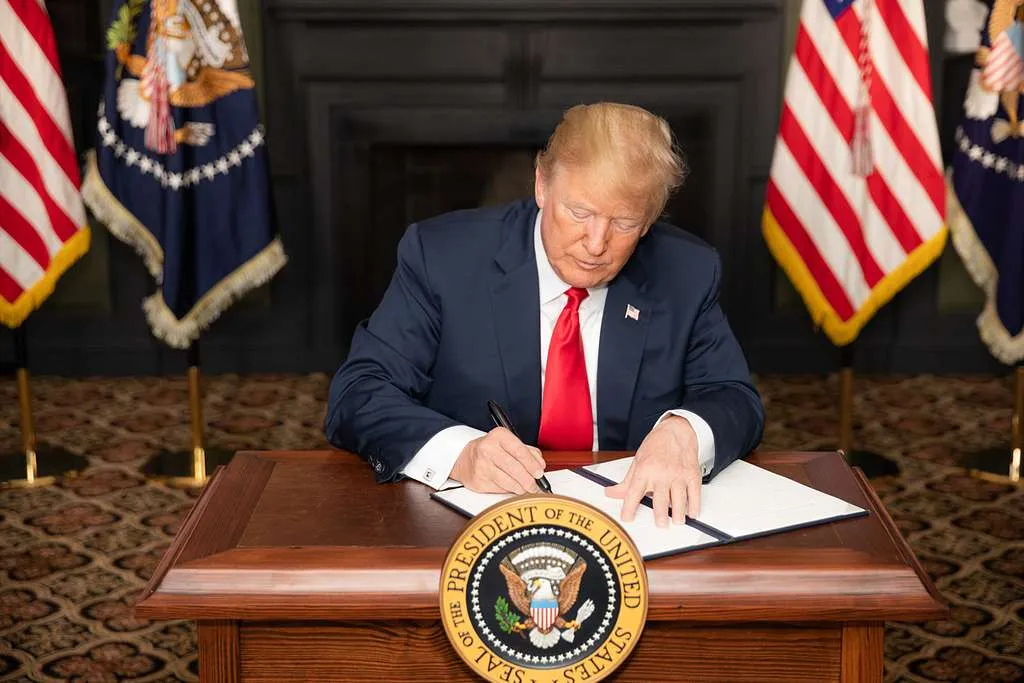
Family of Former FBI Agent Robert Levinson Demands Iran Be Held ‘Accountable,’ Return His Remains


Family of Former FBI Agent Robert Levinson Demands Iran Be Held ‘Accountable,’ Return His Remains

Shiryn Ghermezian


People walk near a mural featuring images of Iran’s Supreme Leader Ayatollah Ali Khamenei and leader of Iran’s 1979 Islamic Revolution Ayatollah Ruhollah Khomeini, on a street in Tehran, Iran, Feb. 17, 2026. Photo: Majid Asgaripour/WANA (West Asia News Agency) via REUTERS

The family of former FBI agent Robert Levinson, who disappeared in Iran in 2007 and is believed to have died while in Iranian custody, is calling on the Trump administration to make sure Tehran returns his remains and is held “accountable” for its actions following this weekend’s US-Israel airstrikes on the Islamic Republic.

Washington has maintained that Levinson, a retired FBI special agent, was taken by Iranian officials on March 9, 2007, while working as a private contractor for the CIA on the Iranian island of Kish, where he had traveled to meet a source. His family was never informed of what officially happened to the American citizen, but in 2020, the US government officially concluded he had died while in Iran’s custody. The details and circumstances surrounding his death remain unknown. Levinson was a father of seven children.

Levinson’s family issued a statement, shared on social media, following Saturday’s killing of Iranian Supreme Leader Ayatollah Ali Khamenei in the US-Israel airstrikes.

“For nearly 19 years, Iran has lied, obstructed, and refused to answer for the kidnapping, detention, and death of our father, Robert Levinson,” the family said in its statement. “Ayatollah Ali Khamenei led the regime responsible for these crimes. His death does not erase what Iran did to our father, and it does not end our fight for accountability. But it is a significant moment for our family and for every family that has suffered at the hands of this regime’s hostage-taking and wrongful detention.”

“Now Iran must do what it has refused to do for nearly two decades: provide full accountability for what happened to our father, return his remains to our family, and disclose the truth about his kidnapping, imprisonment, and death,” they added. “Our family will not stop demanding the truth. And we will not stop demanding justice.”

The family also expressed gratitude to US President Donald Trump and Secretary of State Marco Rubio “for using the power of the United States to confront Iran and to hold it accountable, including by recognizing and addressing Iran’s long-standing practice of wrongful detention.”

Levinson’s son, Dan Levinson, talked to “Fox & Friends” over the weekend about the need for the Trump administration to pressure Iran to take accountability.

“We’re just looking for answers. We still don’t know what exactly happened to him,” the younger Levinson said of his father. “There was no person more responsible for my father’s fate than Ayatollah Khamenei. At any time he could have waved his hand and had my dad released. He chose not to. We begged and pleaded. We sent so many letters. I went over there twice asking for a meeting and his people rebuffed us. Ignored us.”

Levinson said there is still a $25 million reward for information leading to the recovery and return of his father’s remains.

In March 2025, the United States imposed sanctions on three Iranian intelligence officers for their alleged involvement in Levinson’s disappearance.

In December 2020, the US Treasury Department’s Office of Foreign Assets Control sanctioned two other Iranian officials who are accused of authorizing Levinson’s 2007 abduction. The FBI released posters seeking information about them last year.


Zawartość publikowanych artykułów i materiałów nie reprezentuje poglądów ani opinii Reunion’68,
ani też webmastera Blogu Reunion’68, chyba ze jest to wyraźnie zaznaczone.
Twoje uwagi, linki, własne artykuły lub wiadomości prześlij na adres:
webmaster@reunion68.com


Wojna z Iranem. Krótkotrwałe zyski i niepewna przyszłość

Źródło: Picryl.com


Wojna z Iranem. Krótkotrwałe zyski i niepewna przyszłość

Konstanty Gebert


Przebieg amerykańsko-izraelskiej ofensywy przeciwko Iranowi pozostaje nieprzewidywalny, bo cele ataku są zmienne i zależne od bieżącej narracji. Już teraz jednak widać, że konflikt ten przyniesie rozliczne i częściowo sprzeczne skutki polityczne.

Niezależnie od jej efektów militarnych, to one kształtować będą sytuację na Bliskim Wschodzie.

Trump ryzykuje

Po pierwsze, wojna jest niezmiernie niepopularna w samych USA: popiera ją tylko 27 procent badanych, podczas gdy 43 procent jest jej przeciwnych. Wraz z nieuchronnym wzrostem liczby ofiar – do tej pory zginęło sześciu amerykańskich żołnierzy – jej niepopularność będzie rosła. Wynika ona z tego, że nie jest jasne, dlaczego USA przystąpiły do wojny. Za to jasne jest, że dokonały tego z pogwałceniem prawa międzynarodowego (nie było agresji przeciwko USA lub jej bezpośredniej groźby) oraz krajowego (nie było stosownej rezolucji Kongresu).

Stany występują w konflikcie jako ochotniczy sojusznik Izraela, który miał oczywiście prawo uderzyć na Iran: od irańskiego ataku na izraelską ambasadę w Buenos Aires w 1992 roku, w którym zginęło 29 osób, oba kraje są w stanie niewypowiedzianej wojny. Iran z kolei systematycznie głosi zniszczenie Izraela jako jeden ze swych celów politycznych.

Ale Izrael jest w USA coraz bardziej niepopularny: w najnowszym sondażu po raz pierwszy większość Amerykanów (a nie tylko, jak dotąd, wyborców Partii Demokratycznej) zadeklarowało większą sympatię dla Palestyńczyków niż dla państwa żydowskiego. Ten trend jest stały i będzie się pogłębiał.

W tej sytuacji może utrwalić się opinia, że prezydent Donald Trump wciągnął USA w wojnę z Iranem w interesie Izraela.

Niezależnie od tego, czy jest ona uzasadniona, może mieć katastrofalne konsekwencje dla prezydenta, którego poparcie i tak maleje.

Tym bardziej że w kampanii wyborczej obiecywał, że będzie kończył wojny, a nie je rozpętywał. Te względy mogą skłonić Trumpa do szybkiego zakończenia konfliktu – i wzmocnić determinację Teheranu.

Netanjahu zyskuje

W Izraelu natomiast skuteczna do tej pory kampania przeciw Iranowi przy niskich stratach własnych (kilkunastu zabitych), w tym zwłaszcza zabicie ajatollaha Chameneiego, może zwiększyć popularność premiera Benjamina Netanjahu. Dotąd wróżono mu raczej klęskę w październikowych wyborach.

Izrael ma jasne cele wojenne: sprawić, by Iran nigdy więcej nie był dlań egzystencjalną groźbą. A więc eliminacja programu atomowego, likwidacja zagrożenia rakietowego, zakończenie wspierania antyizraelskich ugrupowań terrorystycznych. To osiągnąć można jedynie poprzez zmianę reżimu, która jest jednak trudno osiągalna z powietrza.

Systematyczne niszczenie irańskiej infrastruktury wojskowej i bezpieczeństwa może mimo wszystko ułatwić samym Irańczykom podjęcie próby obalenia władzy ajatollahów. Netanjahu ma więc interes i wojskowy, i polityczny, w kontynuacji kampanii aż do spodziewanego przełomu. Tego jednak nie jest w stanie osiągnąć jedynie własnymi środkami. Stąd znaczenie utrzymania USA w wojnie.

Presja sojuszników

Waszyngton tymczasem znajduje się pod rosnącą presją swych sojuszników arabskich, by wojnę jak najszybciej zakończyć. Po pierwsze dlatego, że terrorystyczny irański ostrzał infrastruktury cywilnej Emiratów, Bahrajnu, Omanu, Kuwejtu, Arabii Saudyjskiej i Kataru, w tym zwłaszcza instalacji naftowych, wyrządza tym krajom ogromne straty ekonomiczne i polityczne.

W ciągu pierwszych trzech dni wojny Iran wystrzelił w kierunku tych państw niemal pięćset rakiet (z około 2500, które jeszcze posiadał). Wysłał też ponad tysiąc dronów, wobec których ich obrona powietrzna była w znacznym stopniu bezsilna. W tym samym czasie Irańczycy odpalili na Izrael tylko kilkaset rakiet i dronów, z których jedynie trzy wyrządziły znaczące szkody.

Zarazem arabscy sąsiedzi cieszą się, oczywiście, z perspektywy osłabienia Teheranu tak, by przestał być dla nich groźny (Iran i Arabia Saudyjska kilkakrotnie znalazły się w przeszłości na krawędzi wojny). Bardzo obawiają się jednocześnie perspektywy destabilizacji państwa irańskiego, która zaowocowałaby falą uchodźców. Boją się tego zwłaszcza państwa graniczące z Iranem, w tym Turcja. Ta zapowiedziała już, że jeśli reżim irański upadnie, jej wojsko zajmie strefę buforową w Iranie, by uniemożliwić napływ uchodźców do Turcji.

Tureckie obawy

Ankara jest głęboko zaniepokojona groźbą powtórzenia scenariusza syryjskiego. W Turcji schroniło się wtedy 3,5 miliona Syryjczyków. Ogromna większość z nich wciąż tam przebywa, a wroga reakcja Turków na ich pobyt destabilizuje sytuację w kraju. Temu exodusowi nie zapobiegły istniejące nadal tureckie przygraniczne strefy okupacyjne w Syrii, budowane doraźnie i w sposób nieciągły. Tym razem Ankara zamierza działać wyprzedzająco i konsekwentnie.

Jednak tym samym naruszona zostałaby najstarsza granica Bliskiego Wschodu, ustalona w traktacie otomańsko-perskim z Zuhab w 1639 roku. Tureckie okupacje, jak ponad półwiekowa na Cyprze, mają cechy trwałości.

Z kolei destabilizacja Iranu mogłaby powodować ruchy odśrodkowe dławionych dotychczas, a stanowiących około 40 procent ludności w Iranie  mniejszości.

Mowa tutaj o Kurdach, Beludżach i zwłaszcza Azerach, których w Iranie jest więcej niż w Azerbejdżanie. Groźba demontażu ostatniego wielkiego regionalnego imperium kolonialnego może budzić terytorialne apetyty u sąsiadów, ale jeszcze bardziej lęk przed rozprzestrzenianiem się niestabilności.

Walka o cieśninę Ormuz

Podobnie jest w strefie ekonomicznej: krótkotrwałe zyski mogą przerodzić się w długoterminowe straty. Jeszcze przed irańskim oświadczeniem o zamknięciu cieśniny Ormuz, ceny ropy skoczyły, na wieść o wojnie, o 10 procent, a gazu – o ponad 40 procent. Przez cieśninę przepływa 20 procent światowego handlu tymi surowcami. To także zwiększa presję, międzynarodową i wewnętrzną na Trumpa, by zakończył wojnę. Ale dotyka również Iran: 90 procent jego objętego sankcjami eksportu ropy jest skierowane do Chin. Zamknięcie cieśniny także i ten eksport by ograniczyło.

Wprawdzie 70 procent irańskiego eksportu ropy wypływa z nowego portu Jask, położonego już w Zatoce Omańskiej, ale prowadzące do niego rurociągi zostały częściowo zbombardowane już pierwszego dnia powietrznej ofensywy. Co więcej, wystarczyło ostrzelanie przez Iran kilku statków, by armatorzy skierowali pozostałe jednostki do portów. Nie jest jednak jasne, czy Iran rzeczywiście jest w stanie Ormuz zamknąć. Jego marynarka wojenna została zatopiona, a baterie artylerii przybrzeżnej częściowo zbombardowane. Statki w teorii można też atakować dronami i rakietami odpalanymi z ruchomych wyrzutni.  Jednak ta taktyka, stosowana przez jemeńskich Hutich w cieśninie Bab el Mandeb, nie doprowadziła do jej zamknięcia, choć trafionych zostało kilkanaście statków.

Wizerunkowe straty Rosji

Na razie na wzroście cen ropy i gazu zyskała wydatnie Rosja, a straciły Chiny – dwa państwa, z którymi Iran podpisał porozumienia o strategicznej współpracy. Ale oba w obliczu powietrznej ofensywy zachowują się niezwykle wstrzemięźliwie.

Rosja poniosła już znaczne straty wizerunkowe. Jej polityczny parasol nie ochronił Iranu ani jego przywódcy, podobnie jak wcześniej nie ochronił syryjskiego dyktatora Assada.

Co więcej, rosyjska broń, w którą Iran jest w znacznym stopniu wyposażony, przegrywa z uzbrojeniem amerykańskim i izraelskim. W tej sytuacji decyzja o nieudostępnieniu Iranowi obiecanych najnowszych systemów obrony powietrznej S400 i myśliwców Su-35 może okazać się dalekowzroczną próbą uniknięcia dalszej kompromitacji. Ale inne reżimy, jak te w afrykańskim Sahelu, które postanowiły związać swe bezpieczeństwo z Rosją, zapewne bacznie przyglądają się temu, jak Moskwa wywiązuje się ze swoich gwarancji wobec Iranu.

Tymczasem irańskie drony Szahid-136 nadal sprawdzają się dobrze w warunkach bojowych. Sieją śmierć i zniszczenie od Dubaju po Tel Awiw, oraz na frontach w Ukrainie, gdzie latają ich rosyjskie klony. Ukraina oczywiście pozytywnie ocenia atak jej kapryśnego amerykańskiego partnera na irańskiego sojusznika swego wroga. Obawia się jednak, że jeśli wojna z Iranem się przedłuży, to wojna w Ukrainie zejdzie na dalszy plan. Także jeśli chodzi o zaopatrzenie kraju w amunicję i broń.

Amerykanie i Izraelczycy zużywają bomby i rakiety w tempie wielokrotnie przewyższającym możliwości produkcyjne. Co więcej, wyprodukowanie jednego Szahida-136 kosztuje około 35 tysięcy dolarów. Z kolei wyprodukowanie jednej antyrakiety – około 3 milionów. Także i z tego powodu przedłużanie wojny będzie coraz bardziej kosztowne.

Nowy układ sił

Niezależnie od tego, jaki Iran będzie po jej zakończeniu, jest oczywiste, że będzie politycznie i militarnie bardzo osłabiony. Perspektywa nacjonalistycznej dyktatury, powstałej z autoreformy reżimu lub będącej skutkiem jego obalenia, wydaje się najbardziej prawdopodobna. Zaś poprawa warunków życia ludności będzie warunkiem przetrwania nowych władz, co odsunie marzenia o odbudowie programu atomowego czy balistycznego na znacznie dalszy plan.

W tak powstałą próżnię wkroczy zapewne Turcja – jako jedyne państwo regionu posiadające odpowiedni potencjał militarny, polityczny i gospodarczy. Do bloku tureckiego, obejmującego Azerbejdżan, Syrię i Katar, dołączyć może Arabia Saudyjska. Ta od niedawna połączona jest ścisłym sojuszem wojskowym z Pakistanem, który z kolei od lat koordynuje swe działania z Ankarą. Po przeciwnej stronie znajdą się coraz bardziej skonfliktowane z Saudyjczykami i zacieśniające współpracę z Izraelem Emiraty. W tę stronę grawitują też Indie – choć Iran jest dla nich lądowym pomostem do Bliskiego Wschodu, przełamującym pakistańską terytorialną blokadę.

W obliczu takich przetasowań kwestia palestyńska zapewne zejdzie – jak wcześniej kurdyjska – na plan dalszy. Ale zarazem osłabienie Iranu stworzy Izraelowi wyjątkową możliwość wznowienia rozmów w sprawie powstania państwa palestyńskiego. Takiego, które nie byłoby, poprzez Hamas, irańską ekspozyturą egzystencjalnie zagrażającą Izraelowi. Jeżeli jednak wojna da kolejne zwycięstwo wyborcze premierowi Benjaminowi Netanjahu i jego obozowi politycznemu, to trudno oczekiwać, by szansa ta została wykorzystana. Za jej zmarnowanie płacić będą w pierwszym rzędzie Palestyńczycy, w dalszej jednak kolejności sam Izrael.

Przykład Iranu, jeszcze do niedawna pyszniącego się mianem najpotężniejszego regionalnego mocarstwa, winien uczyć nie tyle pychy z jego pokonania, co obawy przed powtórzeniem jego upadku. Sentencja w Biblii hebrajskiej (Przysłów 16:18) o pysze, która kroczy przed upadkiem, tyczyła się zresztą właśnie Persji, i przestrzegała Żydów przed naśladowaniem perskiej pychy.


Konstanty Gebert – Urodzony w 1953 roku, stały współpracownik „Kultury Liberalnej”, przez niemal 33 lata dziennikarz „Gazety Wyborczej”, współpracownik licznych innych mediów w kraju i za granicą. W stanie wojennym dziennikarz prasy podziemnej, pod pseudonimem Dawid Warszawski. Autor 12 książek, m.in. o obradach Okrągłego Stołu i o wojnie w Bośni, o europejskim XX wieku i o polskich Żydach. Jego najnowsza książka „Pokój z widokiem na wojnę. Historia Izraela” ukazała się w 2023 roku.


Zawartość publikowanych artykułów i materiałów nie reprezentuje poglądów ani opinii Reunion’68,
ani też webmastera Blogu Reunion’68, chyba ze jest to wyraźnie zaznaczone.
Twoje uwagi, linki, własne artykuły lub wiadomości prześlij na adres:
webmaster@reunion68.com


Don’t blame Israel for America defending itself against Iran


Don’t blame Israel for America defending itself against Iran

Jonathan S. Tobin


The Islamist terror regime, now allied to China and Russia, has been waging war against the United States for 47 years. But to Israel-bashers, it’s simply another Jewish plot.

U.S. President Donald Trump oversees “Operation Epic Fury” at Mar-a-Lago, Palm Beach, Fla., March 1, 2026. Credit: Daniel Torok/White House.

When it comes to the reason why Washington has taken action against Iran’s terrorist regime, who are you going to believe? President Donald Trump—the man who ordered the strikes—or California Gov. Gavin Newsom, the writers at The New York Times, and media personalities Tucker Carlson and Megyn Kelly? 

Liberal and leftist publications, pundits and politicians have joined with far-right podcasters to oppose Trump on military strikes on Iran, which the president hopes will lead to the collapse of the regime’s Islamist government. In fact, they disagree on a lot. What they do seem to agree on is that the effort to put an end to Iran’s nuclear and missile programs, and its sponsorship of international terrorism, is a bad idea. More than that, they agree that the primary culprit for these actions is the State of Israel, which they say dragged Trump into starting a war for its own interests and not those of the United States. 

Trump declares his motivation

Trump is having none of it. He’s been explicit in declaring that it wasn’t the Israelis who pushed him into making his decision. At the White House, the president explained this week that the attempt to portray him as the catspaw of the Israelis was simply wrong. 

“We were having negotiations with these lunatics, and it was my opinion that they were going to attack first,” Trump said. “They were going to attack if we didn’t do it. They were going to attack first. I felt strongly about that. If anything, I might have forced Israel’s hand, but Israel was ready, and we were ready.” 

U.S. Secretary of State Marco Rubio and U.S. Secretary of War Pete Hegseth agree. The Islamic government and its mullahs have been quite explicit about the fact that they are waging a religious war against both the “great Satan” of the United States and the “little Satan” of Israel for 47 years.

Nevertheless, opponents of various stripes insist that Trump is being pushed around by Israeli Prime Minister Benjamin Netanyahu.

By accusing Israel of strong-arming Trump into doing something that costs American lives and doesn’t make the United States safer, critics of Washington and Jerusalem have initiated charges going far beyond those of ordinary debate about foreign policy.

Of course, like any decision a president makes, the current military action is fair game for debate. So, too, are Israeli policy choices.

Scapegoating Israel

But scapegoating Israel, and by extension, its Jewish supporters, in this particular way is redolent of traditional antisemitic tropes about Jews of dual loyalty, buying political power in the halls of Washington, D.C., and exercising other nefarious behind-the-scenes influence. Indeed, it is difficult, if not impossible, to separate such wild distortions about the truth of the U.S.-Israel alliance and threat to both countries from Iran, and the equally inflammatory blood libels hurled at the Jewish state since Oct. 7, 2023. Those include accusations that Israel is committing “genocide” against Palestinians in the Gaza Strip or is an “apartheid” state, which have fueled a surge of antisemitism around the globe.

The particular motivations of those beating the drum for blaming Israel may differ, though all seem motivated by a mix of ideology and personal ambition.

The base of the Democratic Party has embraced toxic left-wing ideas like critical race theory, intersectionality and settler-colonialism that label Israel and Jews as “white” oppressors over people of color, who are the oppressed. They want to use opposition to the war to defeat Republicans in the midterm elections this November. Newsom, who understands that he is viewed as too centrist by many of his party’s primary voters, is aiming for the Democratic presidential nomination in 2028 by tilting to the left and smearing Israel with the “apartheid” libel.

On the right, Carlson wants to seize control of the GOP from Trump as part of an isolationist and antisemitic paleo-conservative movement that may not have very much support among party activists and officeholders, but has a broad audience on social media and the internet.

By framing the debate about Trump’s decision as one of Jerusalem pushing Washington into fighting a war adverse to America’s interests, liberal politicians like Newsom and far-right hatemongers such as Carlson aren’t just critiquing Trump. By choosing this particular angle to oppose administration policy, they are seeking to exploit the surge of anti-Zionism and openly antisemitic invective spreading throughout U.S. public discourse since the Hamas-led Palestinian Arab terror attacks on Israel on Oct. 7.

It is entirely true that Netanyahu has long advocated for the West to take action against Tehran, repeatedly warning of the threat that its nuclear ambitions pose to the world. Indeed, there is a cross-party consensus on the issue within the State of Israel, as the overwhelming majority of its citizens understand that the Islamist regime is bent on the destruction of their country as a first step toward the imposition of Islam on the West. A poll conducted by the left-leaning Israel Democracy Institute published this week showed that fully 93% of Jewish Israelis support the airstrikes taking place right now.

Yet the notion that the United States had to be manipulated by its small ally into taking this step is a pernicious myth. While Americans may debate the timing of the military campaign—with polls showing that Republicans support the president’s decision, and most Democrats and independents opposing it—the need to stop Iran from getting a nuclear weapon and opposing its exporting of violence has been a position held by every American president in the 21st century.

Taking Rubio out of context

Trump’s opponents jumped on a statement lifted out of remarks uttered by Rubio that made it seem as if joining the attacks happened because the Israelis had decided to go in anyway, and Washington feared Iranian retaliation and chose not to wait to be hit.

Taken out of context, that bolstered the claim that the joint effort was primarily Israel’s doing. In the same statement, however, Rubio had made it clear that the primary reason for the initiation of the strikes on Iran was that its nuclear program and missile production is a threat to “the safety and security of the world,” and not only to Israel. What’s more, the timing of the decision was as much a sober evaluation of the futility of trying to expect a rational self-interested policy from a clerical regime that refuses to “make geopolitical decisions; they make decisions on the basis of theology—their view of theology, which is an apocalyptic one.”

What those harping on Israel’s role in this drama also forget is that Iran has become a key ally of America’s chief geostrategic foe: China. Beijing has kept the Iranian regime afloat when Western sanctions threatened to bring Tehran to its knees by cutting it off from the global economy. China buys up to 90% of Iran’s oil, which consists of as much as 13% of its oil imports, playing a crucial role in its ability to compete with the West while also undermining efforts to force the Islamist regime to give up its nuclear ambitions and terrorism.

The Iranians are also a strategic partner of Russia, another ally of China. The drones they supply to Moscow have been a key factor in allowing it to continue its war against Ukraine, which Trump has tried in vain to end via negotiations.

Still, nothing Trump or Rubio can say is stopping the groundswell of incitement coming from the left and the right that pins the responsibility for the conflict on the Jewish state.

Antisemitic conspiracy-mongering

The Times constructed a narrative in an article published two days after the latest chapter in the long struggle between the United States and Iran’s government, in which Netanyahu plays the featured role of instigator of the conflict. That dovetails with the claims aired by former Fox News personalities Carlson and Kelly on their popular programs, not to mention what was being said by even more extreme figures like podcaster Candace Owens and neo-Nazi groyper Nick Fuentes.

In an effort to make the current fighting sound like a rerun of the 2003 U.S. invasion of Iraq ordered by President George W. Bush, Carlson said the decision to strike Iran was based on “lies,” and that “this happened because Israel wanted it to happen. This is Israel’s war. This is not the United States’ war.” Going further—and doubling down on antisemitic tropes about Jewish manipulation of America—he falsely claimed that the Islamic Republic’s attacks on Arab countries in the region were actually the nefarious work of Mossad agents.

Kelly, who has abandoned her stance as a mainstream figure to appeal to a more extreme audience that clicks on content related to attacks on Jews and Israel, agreed. She said that any U.S. servicemen who were killed in the conflict were “dying for Israel,” not America.

They were, of course, outdone by the increasingly unhinged Owens, who said the war was enabled by a mythical Israeli assassination of Turning Point USA leader Charlie Kirk last September. Fuentes said Trump’s decision was further evidence that “organized Jewry” runs the country. “The United States is Israel’s bitch,” he said. “We all know that Israel is the boss, that Israel controls our country. Now you know it for a fact.” He concluded his rant by advising his audience to vote for the Democrats in the midterm elections.

While most Democrats weren’t echoing their antisemitic talking points, they, too, were declaring that the war was not merely illegal or wrong, but also linked to Israel. Newsom wasn’t the only one blaming it on Netanyahu. And it isn’t an accident that this comes at a time when growing numbers of members of the Democratic congressional caucus are refusing to accept donations from pro-Israel sources and attacking the AIPAC lobby. Indeed, Sen. Chris Van Hollen (D-Md.) denounced AIPAC this week at the left-wing J Street conference as “anti-American” for advocating for the U.S.-Israel alliance and pushing for action on Iran. 

American national interests

All of the incitement against Israel and its supporters ignores the basic fact that every American president, including both Democrats and Republicans, for the past quarter-century has made it clear that preventing a nuclear Iran was a key national security goal. The only differences between them have been about how to stop them. Presidents Barack Obama and Joe Biden thought appeasement would work. But rather than preventing Iran from getting a weapon, with its sunset clauses, the 2015 nuclear pact would have guaranteed that they would eventually get one.

Trump has tried negotiating with Tehran, but rather than seeing an agreement, however weak and ineffectual, as a goal in and of itself, he believed that if a deal didn’t end its nuclear program (the objective that Obama promised in his 2012 foreign-policy debate with presidential opponent Mitt Romney), it was worthless. And instead of allowing the mullahs to prevaricate and delay until they got their way, he was prepared to act to stop them before it was too late.

Though his decision to strike now brings risks, the cost of continuing to wait would be far higher. Stripping the regime of its ability to inflict mayhem in the region via its own military might and its terrorist auxiliaries isn’t just in America’s interests. Doing so now to prevent the mullahs and their minions from using more time to build up their missile program and/or potentially race to a nuclear weapon with whatever material was left after last summer’s 12-day Israeli-American bombing campaign was an imperative.

That doing so helps Israel is not in question. Iran’s leaders have explicitly said they consider a genocidal effort to destroy the Jewish state—calling it a “one-bomb country”—would be worth it, even if it meant catastrophic retaliation from Jerusalem or other parts of the world.

Preventing such a catastrophe (and understanding that Israel is far from the only intended target of Iranian nuclear weapons and missiles) isn’t solely in the interest of the Jewish state. If Iran can achieve its objective of mass murder in Israel, it can do the same with allied Arab countries and those in the West.

At best, that would mean nuclear blackmail being conducted by religious fanatics, furthering the efforts of China and Russia to undermine the West.

At worst, it would present the possibility of nuclear war involving the entire world.

This goes beyond the fact that the alliance with Israel is not merely consonant with American societal norms rooted in the Western tradition, faith and common democratic values. It is also a function of American national interests. The United States never treated Israel as a strategic ally until after its victory in the Six Day-War in June 1967, when it proved it could be an asset to the West rather than a liability. And it wouldn’t be acting in close cooperation with the Israeli military against a common foe unless doing so was in defense of shared strategic interests.

It doesn’t require pressure from Israel or some sort of nefarious plot straight out of the antisemitic forgery The Protocols of the Elders of Zion to convince Americans to take the Iranian threat seriously. Only an American leader who cared nothing about defending his nation’s security interests or preventing a jihadist regime from dominating the Middle East and threatening Europe and Asia would ignore such a threat.

But for leftists and right-wing antisemites who hate Israel, as well as those like Carlson, who clearly seem to be under the influence of the Islamist regime in Qatar, the fact that Iran seeks the elimination of the one Jewish state on the planet seems to be an argument in favor of either appeasing or actively aiding them.

You don’t have to be an antisemite to embrace the notion that presidents ought to wait for congressional approval for the use of military force. But no president—and that includes Democrats like Bill Clinton, Obama or Biden—has hesitated to act without a Declaration of War or a direct authorization from Capitol Hill when they believed it to be in America’s best interest, as Trump has done now. Advocates for appeasement of Iran can also cling to the belief in that approach even though doing so has only enriched and empowered a dangerous regime to launch wars, spread terror and move closer to its nuclear goal.

But those who embrace a narrative that efforts to stop Iran can only be the result of an underhanded Israeli plot or Jewish efforts to bribe Congress and the executive branch to ignore American interests and fight an unnecessary “war of choice” are doing something else. They aren’t just distorting the truth about the alliance between the two countries, which is both close and mutually beneficial. They are crossing the line between a rational debate about a crucial policy choice and one that is inextricably linked to traditional tropes of Jew-hatred.


Jonathan S. Tobin is editor-in-chief of the Jewish News Syndicate, a senior contributor for The Federalist, a columnist for Newsweek and a contributor to many other publications. He covers the American political scene, foreign policy, the U.S.-Israel relationship, Middle East diplomacy, the Jewish world and the arts. He hosts the JNS “Think Twice” podcast, both the weekly video program and the “Jonathan Tobin Daily” program, which are available on all major audio platforms and YouTube. Previously, he was executive editor, then senior online editor and chief political blogger, for Commentary magazine. Before that, he was editor-in-chief of The Jewish Exponent in Philadelphia and editor of the Connecticut Jewish Ledger. He has won more than 60 awards for commentary, art criticism and other writing. He appears regularly on television, commenting on politics and foreign policy. Born in New York City, he studied history at Columbia University.


Zawartość publikowanych artykułów i materiałów nie reprezentuje poglądów ani opinii Reunion’68,
ani też webmastera Blogu Reunion’68, chyba ze jest to wyraźnie zaznaczone.
Twoje uwagi, linki, własne artykuły lub wiadomości prześlij na adres:
webmaster@reunion68.com

Trump Awards Medal of Honor to ‘Righteous Among the Nations’ World War II Soldier With ‘Unsurpassed Courage’


Trump Awards Medal of Honor to ‘Righteous Among the Nations’ World War II Soldier With ‘Unsurpassed Courage’

Shiryn Ghermezian


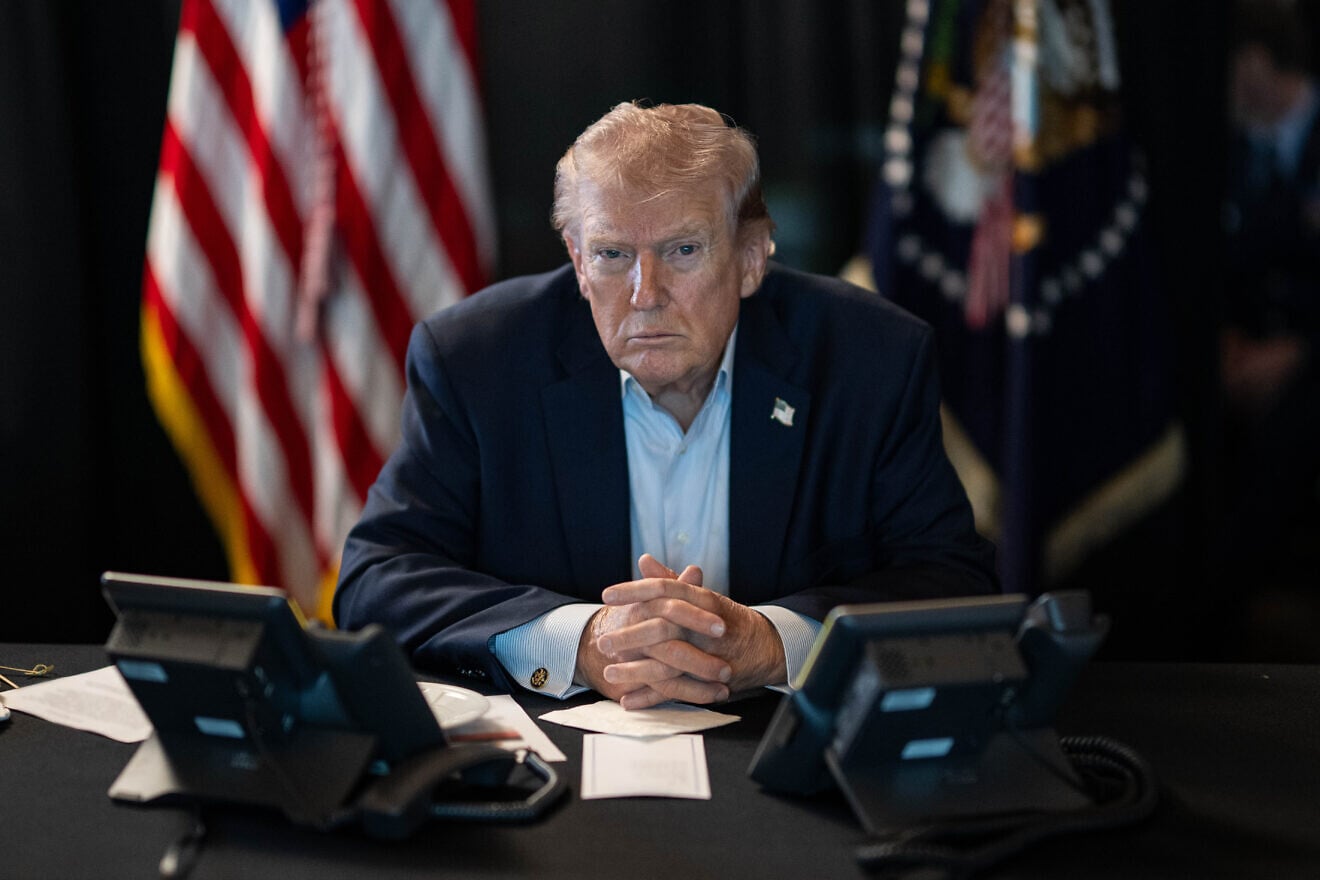
US President Donald Trump speaks during a visit at Fort Bragg, North Carolina, US, Feb. 13, 2026. Photo: REUTERS/Elizabeth Frantz

President Donald Trump bestowed the Medal of Honor to three former US Army soldiers on Monday at a White House ceremony and they included a World War II veteran who was recognized by Yad Vashem as “Righteous Among the Nations.”

Trump posthumously awarded the Medal of Honor to Master Sgt. Roderick (Roddie) W. Edmonds, who refused to single out the Jewish servicemen he fought alongside when he was held by Germans in a prisoner-of-war (POW) camp during World War II. The president said the three US soldiers receiving the Medal of Honor — only one of whom is still living – demonstrated “unsurpassed courage.”

In 1941, Edmonds enlisted in the US Army and soon became one of the youngest master sergeants in the military, Trump said. The native of South Knoxville, Tennessee, led a unit that fought in Europe during World War II and they were captured by German forces on Dec. 19, 1944. Edmonds was held with other American POWS, including Jews, at Stalag IX-B in Bad Orb, Germany. Germans tried to separate Jewish POWs and many of them were sent to Nazi extermination camps or killed. Edmonds was in charge of the American barracks in Stalag IXA, according to the US Army, but refused to help single out Jewish POWs.

“On January 26, 1945, a Nazi SS officer issued an order over the camp loudspeaker, loud and strong, he said that only American Jews were to show up to roll call. Following this morning, he added ‘all who disobey this order will be shot immediately,’” Trump explained at the Medal of Honor ceremony. “There were more than 200 Jewish American soldiers in the camp, and Roddie knew their separation from the group would mean certain death. So that night he summoned his team and devised a plan. The next morning, all 1,200 American men fell in line together, shoulder to shoulder.”

“Enraged, the Nazi commandant rushed forward, drew his Luger pistol, and pressed the barrel between Sgt. Edmond’s eyes,” the president added. “He barked at Roddie, ‘They cannot all be Jews!’ He screamed loud and again and again. And, staring straight back into the raging face of evil, Sgt. Edmonds replied fearlessly, ‘We are all Jews here.’ The Nazi officer lowered his weapon and the soldiers erupted in cheers.”

The president noted that “with total disregard for his own life, Roddie had saved over 200 of his fellow service members.” Stalag IXA was liberated two months later.

Edmonds died on Aug. 8, 1985, in Knoxville. His son, Chris, accepted his Medal of Honor on Monday at the White House ceremony. Trump also posthumously awarded the Medal of Honor to Staff Sgt. Michael H. Ollis and Command Sergeant Major Terry P. Richardson.

Yad Vashem recognized Edmonds as Righteous Among the Nations in 2015. A year later, a ceremony was held at the Israeli embassy in Washington, DC, and the Righteous medal and certificate of honor was presented to Edmond’s son.


Zawartość publikowanych artykułów i materiałów nie reprezentuje poglądów ani opinii Reunion’68,
ani też webmastera Blogu Reunion’68, chyba ze jest to wyraźnie zaznaczone.
Twoje uwagi, linki, własne artykuły lub wiadomości prześlij na adres:
webmaster@reunion68.com