Archives

Ester Sterling: Czy ja dobrze słyszę?


Ester Sterling: Czy ja dobrze słyszę?

Ester Sterling


Czy naprawdę mamy dziś słuchać, że nie wolno mówić o Holokauście bez wspominania wojny w Gazie — albo że nie należy go upamiętniać w ogóle, dopóki trwa izraelska ofensywa? Albo że wolno go wspominać, owszem, ale najlepiej bez mówienia, że jego ofiarami były Żydówki i Żydzi?

To nie są marginalne głosy. To coraz częściej formułowany postulat: pamięć warunkowa. Pamięć pod warunkiem. Pamięć tylko wtedy, gdy spełni aktualne polityczne oczekiwania.

Czy mamy więc do czynienia z nową wersją europejskiego wyparcia? Z pamięcią europejskiej zbrodni, o ile napiętnujemy jej ofiary? A najlepiej — wymażemy ich tożsamość, sprowadzając Zagładę do abstrakcyjnego „nigdy więcej”, które ma dziś przede wszystkim znaczyć: protest przeciw wojnie w Gazie?

Wojna w Gazie — tragedia palestyńskich cywilów, dramat na skalę, która domaga się potępienia i sprzeciwu — coraz częściej pełni w europejskim dyskursie inną funkcję. Służy nie tyle refleksji moralnej, ile unieważnianiu pamięci o Holokauście jako wydarzeniu zakorzenionym w europejskiej historii, europejskim antysemityzmie i europejskiej przemocy.

Jeśli rząd Izraela instrumentalizuje Zagładę w swojej polityce — co się zdarza i co należy krytykować — czy odpowiedzią naprawdę ma być obrażanie się na zamordowanych? Odwrócenie się plecami do ofiar, bo ich potomkowie mają dziś państwo, którego polityki nie akceptujemy?

Mówmy o Gazie w kontekście Holokaustu. Ale mówmy uczciwie. Mówmy także o tym, że żydowscy niedobitkowie — ci, których nie dobito łopatami w lasach i stodołach, często rękami sąsiadów — uciekali do Palestyny, bo Europa nie była już dla nich miejscem życia. Bo jeśli nie zajrzymy na własny strych, ta moralna gęba, którą tak chętnie wycieramy, naprawdę zacznie gnić.

Nie twierdzę, że nie istnieje historyczna, kulturowa czy moralna relacja między Zagładą a syjonizmem, palestyńskim ruchem narodowym i dzisiejszą wojną. Przeciwnie — istnieje i powinna być przedmiotem nauczania, debaty i sporu. Ale czym innym jest analiza relacji, a czym innym czynienie z niej warunku moralnej legitymizacji pamięci o Holokauście.

W tym sensie nie zgadzam się z tezą, że wojna w Gazie jest testem wiarygodności badań nad Zagładą. Badania nad Holokaustem nie są depozytem do utrzymania pod warunkiem zajęcia „właściwego” stanowiska wobec współczesnego konfliktu. Ich etyczny sens polega właśnie na tym, że nie poddają się bieżącej instrumentalizacji — ani państwowej, ani aktywistycznej.

Jeśli chcemy wstać zza biurka, to po to, by piętnować każdą przemoc: izraelską, palestyńską, żydowską, arabską, amerykańską. Ale nie po to, by raz jeszcze — pod nowymi hasłami — odbierać Żydom prawo do bycia ofiarami europejskiej historii.

Pamięć o Zagładzie nie potrzebuje politycznych warunków wstępnych. Potrzebuje uczciwości, odwagi i gotowości spojrzenia w lustro. Także wtedy, gdy odbicie jest niewygodne.


Zawartość publikowanych artykułów i materiałów nie reprezentuje poglądów ani opinii Reunion’68,
ani też webmastera Blogu Reunion’68, chyba ze jest to wyraźnie zaznaczone.
Twoje uwagi, linki, własne artykuły lub wiadomości prześlij na adres:
webmaster@reunion68.com


Jewish brothers propel US hockey team to gold medal in 2-1 win over Canada


Jewish brothers propel US hockey team to gold medal in 2-1 win over Canada

Ben Baruch


Jack Hughes, who scored the winning goal, was one of three Jewish players on the U.S. Olympic team.

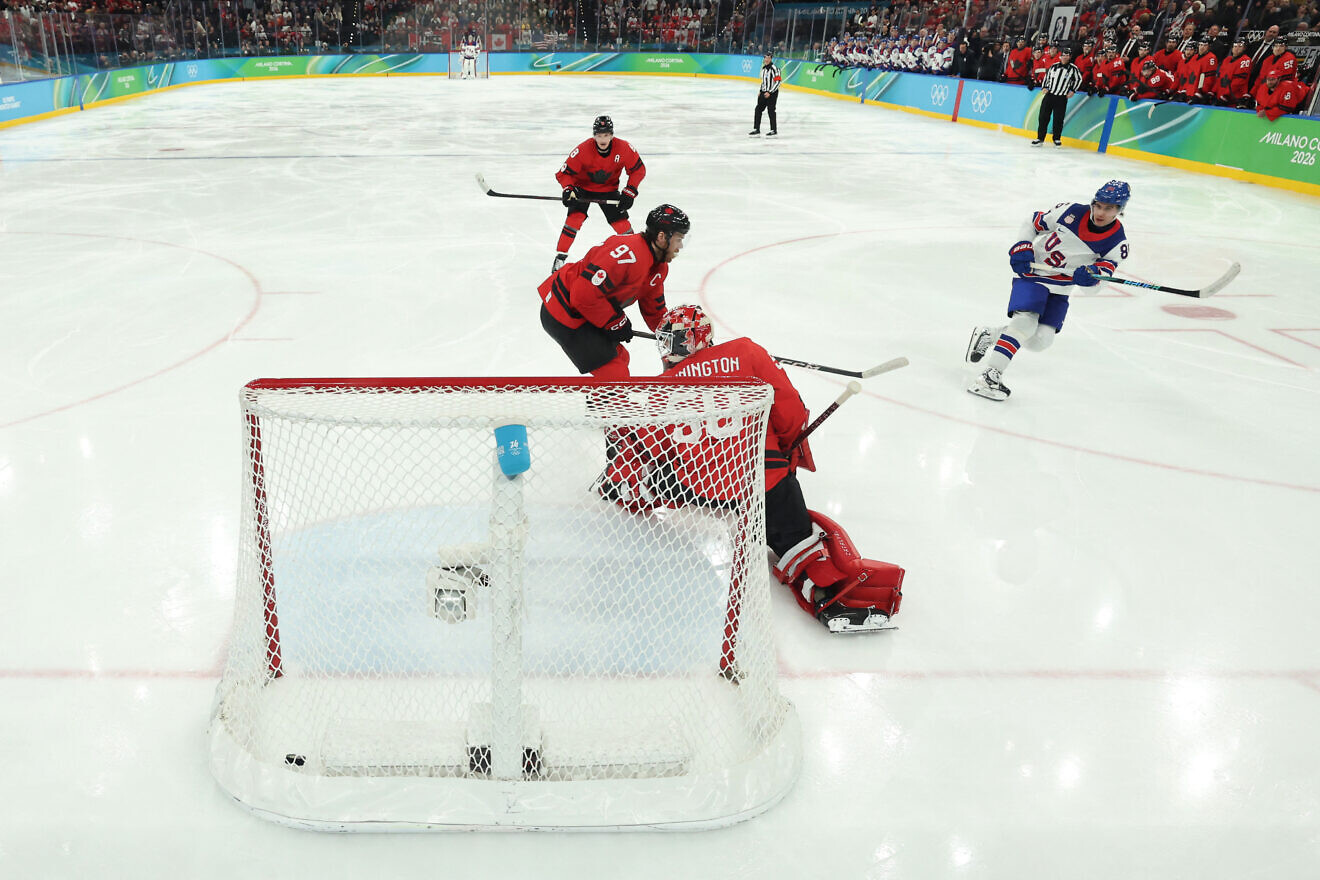
Team USA’s No. 86 Jack Hughes scores the winning goal during the men’s gold medal ice hockey match between Canada and USA during the Milano Cortina 2026 Winter Olympic Games in Milan, Feb. 22, 2026. Credit: Bruce Bennett/pool/AFP via Getty Images.

Jack Hughes, of the New Jersey Devils, scored the game-winning overtime goal on Sunday to clinch the gold medal for the United States over Canada at the 2026 Winter Olympics in Milan and Cortina—the first time Team USA has won gold since the “miracle on ice” in the 1980 Winter Olympics in Lake Placid, N.Y.

The win came on the 46th anniversary of that “miracle,” in which the underdog American team beat the Soviet powerhouse to advance to the gold medal game. 

The Jewish native of Orlando, Fla., was proud to deliver the moment for his home country on Sunday. 

“This is all about our country right now. I love the USA. I love my teammates. It’s unbelievable,” Hughes told NBC. “The USA Hockey brotherhood. It’s so strong. We had so much support from ex-players, and I’m so proud to be American today.”

Another brotherhood was on display in the game. 

The game winner’s older brother, Quinn Hughes of the Minnesota Wild, scored the game-winner in the quarter finals to defeat Sweden. On Sunday, Quinn Hughes had an assist in the first period on fellow Wild teammate Matt Boldy’s goal to make it 1-0 in favor of the Americans. Canadian defenseman Cale Makar, of the Colorado Avalanche, tied the game in the second period.

Although both teams had many chances, neither could break the tie by the end of the third period. Less than two minutes into overtime, Jack Hughes scored, and the Americans won 2-1.

In the six games that Quinn Hughes played, he had a goal and seven assists. Jack Hughes had four goals and three assists in the tournament.

Born in Orlando, Jack Hughes, 24, grew up in Toronto and Michigan, and played for the U.S. National Team Development Program. According to Israeli media, he had a bar mitzvah. His and Quinn’s brother, Luke, is a professional hockey player on the Devils.

Their mother, Ellen Weinberg-Hughes, who is reportedly Jewish, is part of the University of New Hampshire Athletics Hall of Fame for women’s hockey, soccer and lacrosse, and won silver as part of the American team in the International Ice Hockey Federation Women’s World Championship in 1992. Their father, Jim Hughes, who is reportedly Catholic, is a former college hockey player, a former Boston Bruins assistant and a former Toronto Maple Leafs staffer.

Jeremy Swayman, of the Boston Bruins, is the third Jewish member of the American men’s team. The backup goalie played in a game in the preliminary round, a 6-3 win over Denmark.

Team USA goalie Aerin Frankel led the women’s team to gold on Thursday afternoon, also beating Canada 2-1 in overtime. 

The men’s team will return to NHL action later this week. Frankel will return to the Professional Women’s Hockey League’s Boston Fleet, which plays its next game on Saturday.


Zawartość publikowanych artykułów i materiałów nie reprezentuje poglądów ani opinii Reunion’68,
ani też webmastera Blogu Reunion’68, chyba ze jest to wyraźnie zaznaczone.
Twoje uwagi, linki, własne artykuły lub wiadomości prześlij na adres:
webmaster@reunion68.com


Iran na krawędzi


Iran na krawędzi

Pierre Rehov


Dlaczego militarna konfrontacja USA–Iran jest nie tylko możliwa — jest nieunikniona

Rozmowy nuklearne Iran–USA mogą zakończyć się fiaskiem z powodu „czerwonych linii” obu państw – ale to nie czyni ich bezcelowymi

Są w historii momenty, które nie tylko zapowiadają zmianę — one ją ogłaszają. Obecne napięcie między Stanami Zjednoczonymi a Iranem jest właśnie takim momentem: geopolitycznym punktem zwrotnym, który ma potencjał obalenia jednego z najniebezpieczniejszych reżimów XXI wieku. Dla pobieżnego obserwatora w Genewie wciąż tli się dyplomacja; dla realisty bębny konfliktu biją już wyraźnie i donośnie.

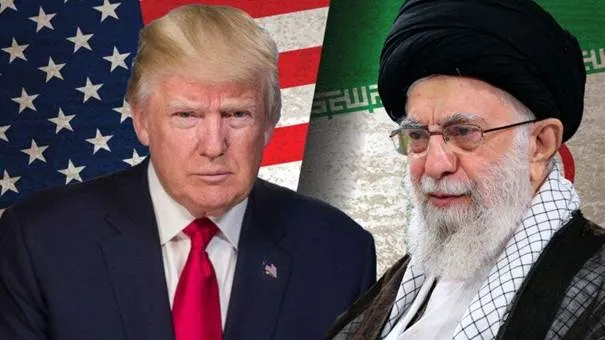
W ostatnich tygodniach Stany Zjednoczone po cichu, lecz jednoznacznie przygotowywały się na możliwość prowadzenia długotrwałych operacji wojskowych przeciwko Iranowi, potencjalnie trwających tygodniami, jeśli takie polecenie wyda prezydent Donald Trump. To przejście od tradycyjnego odstraszania do aktywnej gotowości sygnalizuje, że USA nie zamierzają już poprzestawać wyłącznie na sankcjach i negocjacjach. Amerykańscy planiści wojskowi rozważają obecnie kampanie znacznie szersze niż ograniczone uderzenia z poprzednich lat — operacje wymierzone nie tylko w obiekty nuklearne, lecz w całą infrastrukturę bezpieczeństwa Iranu i jego aparat decyzyjny. Ta dramatyczna zmiana podkreśla bolesną prawdę: strategiczna cierpliwość trwająca trzy dekady dobiegła końca.

Możliwa wojna między Stanami Zjednoczonymi a Iranem… Czy Zatoka zostanie oszczędzona?

Possible War Between the United States and Iran… Will the Gulf Be Spared? |  Alhurra

Strategiczna logika konfrontacji

Po latach irańskich prowokacji — od wzbogacania uranu do poziomów zbliżonych do klasy broni nullearnej, po jawne groźby pod adresem interesów amerykańskich i sojuszniczych — administracja USA osiągnęła strategiczny próg. Amerykańscy przywódcy uznali, że Iran stanowi zagrożenie nie tylko regionalne, lecz globalne. Widać to w podniesieniu rangi „czerwonych linii”, których Teheran po prostu nie chce zaakceptować. Irański reżim odrzuca fundamentalne żądania: zaprzestanie prac nad bronią jądrową, ograniczenie programu rakiet balistycznych, demontaż sieci pełnomocników na Bliskim Wschodzie wspierających terroryzm. Nawet po rundach negocjacji w Genewie Teheran powracał z niejasnymi propozycjami zamiast z realnymi ustępstwami. To nie jest dyplomacja — to gra na zwłokę. A Waszyngton wyraźnie przygotowuje się na moment, w którym cierpliwość się wyczerpie.

USA przerzuciły około 40–50% swoich sił powietrznych i marynarki w pobliże Iranu:

US has moved about 40-50% of its Air Force and Navy near Iran : r/iranian

Koncentracja sił militarnych jest faktem

Podczas gdy Iran odmawia ustępstw, Stany Zjednoczone wyraźnie wzmacniają swoją pozycję w regionie:

  • Rozlokowano grupy uderzeniowe lotniskowców oraz dodatkowe siły powietrzne. Wytyczane są linie ataku i obrony.
  • Planiści Pentagonu opracowują scenariusze operacji trwających wiele tygodni. Te przygotowania nie są przypadkowe — są celowe i szeroko zakrojone.
  • Wysocy rangą amerykańscy przywódcy, w tym wiceprezydent JD Vance, publicznie przyznali, że reżim odmawia spełnienia kluczowych żądań.

To nie jest próba generalna. To aktywne planowanie wojny.

Jedni nazwą to eskalacją; inni określą jako grę na krawędzi. Jednak strategiczna jasność wymaga, by nazwać rzeczy po imieniu: to wyrachowany krok w stronę demontażu radykalnej teokracji, która przez dekady sponsorowała terror, ludobójstwo i przemoc.

USA budują ogromną obecność wojskową w pobliżu Iranu z ponad 50 myśliwcami, okrętami wojennymi i systemami obrony przeciwrakietowej w obliczu narastających napięć nuklearnych.

Dlaczego teraz? Splot słabości i siły

Aby zrozumieć, dlaczego USA mogą wkrótce podjąć działania militarne, trzeba zrozumieć paradoksalną pozycję irańskiego reżimu.

Wewnętrznie Iran jest słabszy niż kiedykolwiek w ostatnich latach. Załamanie gospodarcze, niepokoje społeczne i protesty antyrządowe ujawniają społeczeństwo, które nie popiera już w pełni ajatollahów. Brutalne tłumienie sprzeciwu jedynie pogłębiło wewnętrzne pęknięcia — nie zdołało ich stłumić. Nawet w samym Iranie narasta poczucie, że status quo jest nie do utrzymania.

Na zewnątrz jednak reżim nadal projektuje siłę poprzez swoich pełnomocników — Hezbollah w Libanie, Huti w Jemenie, Hamas w Gazie — oraz poprzez zdolności w zakresie rakiet balistycznych. Pozostaje kluczowym sponsorem terroryzmu, a jego ambicje nuklearne, jeśli zostaną zrealizowane, przekształcą równowagę sił na Bliskim Wschodzie i poza nim.

Pewność siebie reżimu wynika z osobliwego i niebezpiecznego założenia: że może zbudować odstraszanie nuklearne, jednocześnie aktywnie destabilizując region. Świat nie może pozwolić, by taki reżim dysponował najbardziej niszczycielską bronią, jaką kiedykolwiek stworzono.

SZOKUJĄCA rozbudowa militarna: USA planują wielotygodniowe operacje przeciwko Iranowi — czy stoimy na krawędzi?

SHOCKING Military Build-Up: US Plans Weeks-Long OPs Against Iran — Are We  on the Brink? | Originals

Od dyplomacji do zdecydowanego działania

Pomimo trwających rozmów m.in. w Omanie i Genewie, przełomowe ustalenia pozostają nieuchwytne. Choć obie strony mogą zgadzać się co do zasad, dzielą je całe światy w kwestii konkretnych rozwiązań politycznych. Niechęć Teheranu do przyjęcia realnych ustępstw utwardziła stanowisko Waszyngtonu. Tu właśnie znajduje się kluczowy punkt zwrotny: dyplomacja nie zawiodła dlatego, że amerykańscy negocjatorzy są słabi. Może ona słabnąć właśnie dlatego, że Teheran nigdy nie zamierzał dotrzymać poważnych zobowiązań. Włączył się w rozmowy, by opóźnić definitywne działania — nie po to, by zrezygnować ze swoich strategicznych ambicji.

Amerykańscy przywódcy, wreszcie przebudzeni na tę rzeczywistość, zdają się postrzegać działania militarne nie jako ostateczność, lecz jako konieczny kolejny krok. Stany Zjednoczone i ich sojusznicy nie są już zainteresowani zarządzaniem irańską agresją — chcą ją zakończyć.

USA przerzucają lotnictwo na Bliski Wschód, gdy Trump rozważa uderzenie na Iran

Nadzieja w obliczu groźby wojny

Wojna z Iranem niesie oczywiste ryzyka: eskalację, destabilizację regionu i możliwy odwet. Historia uczy jednak, że czasami wojna bywa koniecznym preludium do pokoju. Upadek tyranów często wymaga odebrania im środków do wyrządzania szkody.

Dla narodu irańskiego — tysięcy ludzi, którzy ryzykowali życie, domagając się wolności — perspektywa zmiany reżimu nie jest koszmarem, lecz obietnicą wyzwolenia. Dyktatura klerykalna tłumiła podstawowe wolności, niszczyła sprzeciw i doprowadziła do bankructwa ducha narodowego. Trwanie pod tym reżimem oznaczało akceptację powszechnej represji i stagnacji gospodarczej.

Dla Izraela, głównego sojusznika Stanów Zjednoczonych w regionie, eliminacja egzystencjalnego zagrożenia oznaczałaby nową erę bezpieczeństwa. Jawne wezwania Teheranu do zniszczenia Izraela oraz jego wsparcie dla sił pełnomocniczych na granicach państwa żydowskiego utrzymują je w permanentnym stanie gotowości wojennej.

A dla szerszego Bliskiego Wschodu upadek teokratycznego reżimu Iranu mógłby zapoczątkować fundamentalne przeobrażenie równowagi sił:

  • Zakończenie wojen zastępczych
  • Ograniczenie zagrożenia ze strony rakiet balistycznych
  • Rozbicie sieci terrorystycznych
  • Zastąpienie radykalnej ideologii rewolucyjnej możliwością autentycznej ewolucji narodowej

To nie jest koniec historii, lecz może to być początek nowego rozdziału.

Strategiczny moment prawdy

Żyjemy w rzadkim momencie strategicznym: zmierzchu reżimu opartego na ideologii i represji oraz świcie przyszłości, w której naród irański mógłby wreszcie sam decydować o swoim losie. Prezydent Trump i jego zespół ds. bezpieczeństwa narodowego jasno dali do zrozumienia: Stany Zjednoczone są gotowe działać, jeśli dyplomacja nie zapewni bezpiecznego i stabilnego rozwiązania. Planiści wojskowi, niegdyś ostrożni, opracowują teraz operacje adekwatne do zagrożenia — długotrwałe i zdecydowane kampanie zaprojektowane nie tylko po to, by ukarać, lecz by zdemontować operacyjne zdolności reżimu. To nie jest bezcelowe pobrzękiwanie szabelką z dawnych lat. To preludium do strategicznej stanowczości.

Uderzenia na Iran opóźnione, gdy doradcy Trumpa i Izrael zgłaszają obawy

Świt możliwości

Militarna konfrontacja USA–Iran może wydawać się skokiem w nieznane. Alternatywa — pozwolenie, by reżim jawnie lekceważący normy międzynarodowe działał bez ograniczeń — stanowi jednak znacznie większe ryzyko. Jeśli dojdzie do wojny, będzie to oznaczać, że Waszyngton uznał, iż jedynie demontaż jednej z najbardziej destabilizujących sił na Bliskim Wschodzie może zapewnić trwały pokój. Świat stoi na rozdrożu. Z odwagą i determinacją Stany Zjednoczone i ich sojusznicy mają szansę przekształcić bieg historii — obalić reżim, który przyniósł niewyobrażalne cierpienie, i otworzyć drogę do przyszłości wolności dla milionów Irańczyków, Izraelczyków i obywateli całego regionu. Historia zapamięta ten moment nie ze względu na groźbę wojny, lecz na możliwość wyzwolenia.


Link do oryginału: https://substack.com/home/post/p-188365498

Pierre Rehov Substack, 18 lutego 2026


Zawartość publikowanych artykułów i materiałów nie reprezentuje poglądów ani opinii Reunion’68,
ani też webmastera Blogu Reunion’68, chyba ze jest to wyraźnie zaznaczone.
Twoje uwagi, linki, własne artykuły lub wiadomości prześlij na adres:
webmaster@reunion68.com


It Is Time To Listen To What Hamas Says in Arabic


It Is Time To Listen To What Hamas Says in Arabic

Khaled Abu Toameh


  • When addressing Arab audiences in Arabic, however, Hamas leaders and senior officials have been saying the exact opposite.
  • Anyone who believes that Hamas would “keep their word” is grotesquely misguided. Before the Hamas-led October 7, 2023 attack on Israel, many people seemed to believe Hamas when its leaders used to say that they were interested in maintaining their ceasefire with Israel.
  • Moreover, the assumption that pro-Hamas members of the “Board of Peace” such as Qatar, Turkey, and Pakistan would participate in any effort to disarm the terror group is clueless and misinformed.
  • Recent statements in Arabic by two of the terror group’s senior officials, Khaled Mashaal and Mahmoud Mardawi, show that Hamas remains vehemently opposed to Trump’s plan, specifically the provisions concerning disarmament, the involvement of foreigners in the governance of the Gaza Strip, and the deployment of an international security force there.
  • According to Trump’s plan: “There will be a process of demilitarization of Gaza under the supervision of independent monitors, which will include placing weapons permanently beyond use through an agreed process of decommissioning…” [Emphasis added.]
  • Hamas does not recognize Israel’s right to exist in any borders and understandably wants to keep its weapons to pursue its Jihad (holy war) to destroy Israel and replace it with an Islamist state.
  • “We do not accept the logic of guardianship, external intervention, or a return of the mandate. Palestinians govern Palestinians.” — Khaled Mashaal, head of Hamas’s political bureau abroad, manassa.news, February 8, 2026.
  • It is crucial that the Trump administration and the rest of the international community start paying attention to what Hamas says in its own language, Arabic, not what some of its leaders or friends in Qatar and Turkey tell foreign officials in English and behind closed doors.
  • Disarmament would undermine Hamas’s core identity, reduce its political influence within Palestinian politics, and deprive it of what it claims to view as deterrence against Israel. Historically, however, Israel does not attack anyone unless it is attacked first.
  • The only way to ensure the success of Trump’s plan is by insisting that Hamas cease to exist, both as a political and as a military entity, and vanish from the Palestinian universe. Failure to do so will only encourage Hamas and other Islamists to pursue their Jihad to kill more Jews, eliminate Israel, and defy Trump.

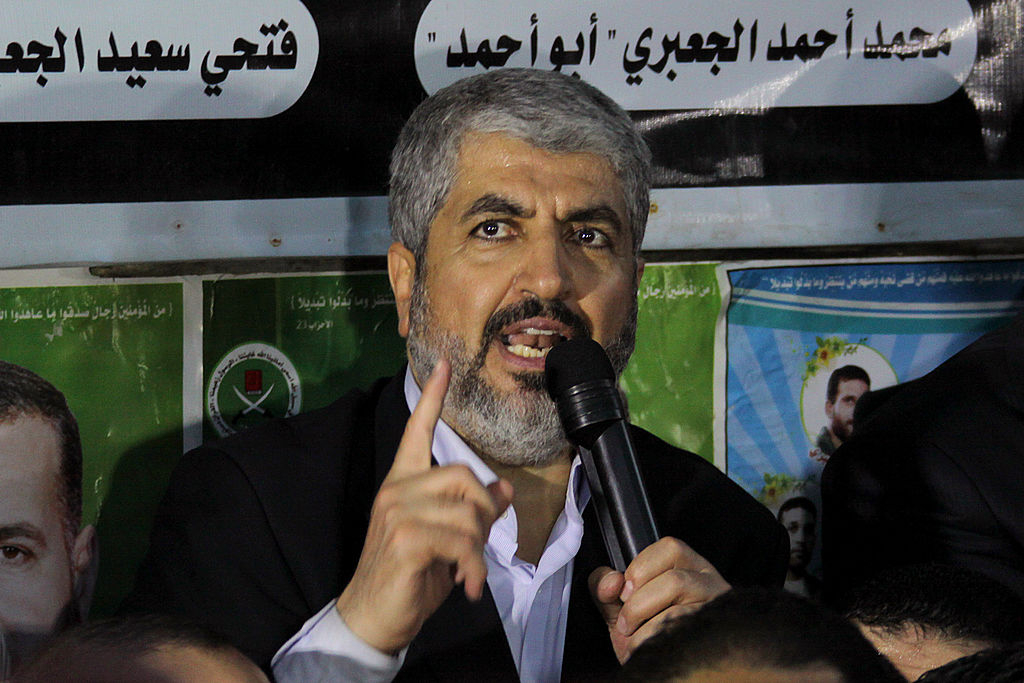
Recent statements in Arabic by two senior Hamas officials, Khaled Mashaal (pictured) and Mahmoud Mardawi, show that Hamas remains vehemently opposed to Trump’s plan, specifically the provisions concerning disarmament, the involvement of foreigners in the governance of the Gaza Strip, and the deployment of an international security force there. (Photo by Mohammed Saber/AFP via Getty Images)

As the US is preoccupied with the crisis in Iran, the Palestinian terror group Hamas has again announced its rejection of President Donald J. Trump’s 20-point plan for ending the war in the Gaza Strip.

Hamas leaders may have told US envoys Steve Witkoff and Jared Kushner during secret meetings that the terror group does not rule out the possibility of laying down its weapons. “Hamas has always indicated that they would disarm,” Witkoff said in November 2025.

“They’ve said so – they said it to us directly during the famous meeting that Jared [Kushner] had with them. I hope they keep their word because if they do, they’ll understand that the development plan we have for Gaza is really terrific – a lot better than anyone has ever discussed before.”

When addressing Arab audiences in Arabic, however, Hamas leaders and senior officials have been saying the exact opposite.

Anyone who believes that Hamas would “keep their word” is grotesquely misguided. Before the Hamas-led October 7, 2023 attack on Israel, many people seemed to believe Hamas when its leaders used to say that they were interested in maintaining their ceasefire with Israel.

Moreover, the assumption that pro-Hamas members of the “Board of Peace” such as Qatar, Turkey, and Pakistan would participate in any effort to disarm the terror group is clueless and misinformed.

Recent statements in Arabic by two of the terror group’s senior officials, Khaled Mashaal and Mahmoud Mardawi, show that Hamas remains vehemently opposed to Trump’s plan, specifically the provisions concerning disarmament, the involvement of foreigners in the governance of the Gaza Strip, and the deployment of an international security force there.

Reminder: Trump’s plan, announced in October 2025, calls for the establishment of a Palestinian technocratic committee that would be responsible for “delivering the day-to-day running of public services and municipalities, with oversight and supervision by a new international transitional body, the ‘Board of Peace,’ which will be headed and chaired by President Donald J. Trump.”

According to Trump’s plan:

“There will be a process of demilitarization of Gaza under the supervision of independent monitors, which will include placing weapons permanently beyond use through an agreed process of decommissioning…” [Emphasis added.]

The plan, in addition, calls for the establishment of “a temporary International Stabilization Force (ISF) to immediately deploy in Gaza”

In early February, Mashaal, head of Hamas’s political bureau abroad, told the 17th Al-Jazeera Forum:

“Talk about disarmament is an attempt to make the Palestinian people an easy victim that Israel can eliminate. If we return to the big question about the root of the conflict, that it is a matter of occupation, and a people resisting occupation, with the right to self-determination, then the question of resistance, and its weapons, becomes natural.”

Resistance, Mashaal clarified, takes various forms, including “a revolution, sometimes an uprising, and sometimes armed resistance.”

It is important to note that “resistance” is a sanitization for terrorism and violence against Israelis.

When Hamas talks about “occupation,” it is referring to Israel’s existence, from the Jordan River to the Mediterranean Sea. Hamas does not recognize Israel’s right to within any borders and understandably wants to keep its weapons to pursue its Jihad (holy war) to destroy Israel and replace it with an Islamist state.

Hamas’s 1988 charter quotes the founder of the Muslim Brotherhood, Hassan al-Banna, as saying: “Israel will exist and will continue to exist until Islam will obliterate it, just as it obliterated others before it.”

Mashaal said his group would be prepared to discuss the issue of disarmament only after the reconstruction of the Gaza Strip begins and as part of a long-term ceasefire with Israel.

He also said that Hamas, backed by Egypt, Qatar and Turkey, is willing to accept a truce lasting five to 10 years, but without handing over its weapons.

Regarding Trump’s International Stabilization Force, Mashaal has stated that the troops should be deployed only “on the borders” of the Gaza Strip (with Egypt and Israel) to prevent any clashes or renewed fighting. This stipulation means that the ISF should have no role in destroying the terror infrastructure or disarming the terror groups in the Gaza Strip.

Finally, the Hamas leader repeated his group’s unequivocal rejection of Trump’s “Board of Peace.”

“We do not accept the logic of guardianship, external intervention, or a return of the mandate. Palestinians govern Palestinians,” Mashaal stressed.

“This requires great effort, not a simple approach of disarmament,” he concluded.

Mardawi, the other senior Hamas official, also declared that his group “will not give up its weapons.”

Hamas, he added, might consider surrendering its weapons only after a Palestinian state is established. “The issue of the resistance weapons is linked to the political goals of the Palestinian people,” he emphasized.

It is crucial that the Trump administration and the rest of the international community start paying attention to what Hamas says in its own language, Arabic, not what some of its leaders or friends in Qatar and Turkey tell foreign officials in English and behind closed doors.

More than four months have passed since the ceasefire in the Gaza Strip went into effect, and all indications are that Hamas is working hard to rearm, regroup, and maintain its presence both as a political and military entity in violation of Trump’s plan. Hamas evidently does not take seriously Trump’s repeated warnings that it must disarm and relinquish control of the Gaza Strip.

Even if Hamas does hand over some of its weapons, it will only be as part of a façade to appease the Trump administration and facilitate the entry of aid and the reconstruction of the Gaza Strip.

Hamas will never actually lay down all its weapons: they are central to its ideology, which requires all Muslims to take part in the Jihad to liberate all of Palestine, from the Jordan River to the Mediterranean Sea.

“The liberation of Palestine is an individual duty for every Muslim wherever he may be. It is necessary to instill the spirit of Jihad in the heart of the nation so that they would confront the enemies and join the ranks of the fighters.” (Articles 14 and 15, Hamas Charter)

The chances that Hamas will voluntarily disarm or abandon its Jihad against Israel are pitifully low, if not zero. Disarmament would undermine Hamas’s core identity, reduce its political influence within Palestinian politics, and deprive it of what it claims to view as deterrence against Israel. Historically, however, Israel does not attack anyone unless it is attacked first.

The only way to ensure the success of Trump’s plan is by insisting that Hamas cease to exist, both as a political and as a military entity, and vanish from the Palestinian universe. Failure to do so will only encourage Hamas and other Islamists to pursue their Jihad to kill more Jews, eliminate Israel, and defy Trump.


Khaled Abu Toameh is an award-winning journalist based in Jerusalem.

Follow Khaled Abu Toameh on X (formerly Twitter)


Zawartość publikowanych artykułów i materiałów nie reprezentuje poglądów ani opinii Reunion’68,
ani też webmastera Blogu Reunion’68, chyba ze jest to wyraźnie zaznaczone.
Twoje uwagi, linki, własne artykuły lub wiadomości prześlij na adres:
webmaster@reunion68.com


Why the Jews Survived When so Many Civilizations Collapsed


Why the Jews Survived When so Many Civilizations Collapsed

Pini Dunner


Pro-Israel demonstrators gathered at Bebelplatz in central Berlin on Nov. 30, 2025, before marching toward the Brandenburg Gate. Participants held Israeli flags and signs condemning rising antisemitism in Germany. Photo: Michael Kuenne/PRESSCOV/Sipa USA via Reuters Connect

Arnold Toynbee, the great 20th century historian, devoted his life to studying civilizations — how they rise, how they flourish, and then, inevitably, how they fall.

His conclusion was disarmingly simple: Civilizations rarely collapse because they are conquered from the outside. They collapse because they fail to adapt. They mistake their moment in the spotlight — even if it lasts for centuries — for permanence.

And almost always, that confidence attaches itself to a particular place — a city, a capital, a sacred center that seems to radiate eternity.

For the Aztecs, that center was Tenochtitlan — an island city rising out of Lake Texcoco. Majestic white temples gleamed in the sun, with the great central shrine, the Templo Mayor, dominating the skyline.

Priests in feathered headdresses moved through the sacred area with ritual precision. This was an empire utterly convinced that heaven and earth met right there — in the middle of its city.

Then, in 1519, a few hundred Spaniards appeared on the horizon. At their head was Hernán Cortés, a young, ambitious, calculating adventurer who had no interest in the Aztecs’ view of themselves as an eternal people. Within two years, Tenochtitlan was rubble. The sacred precinct was stripped — its stones repurposed to build churches.

Today, if you stand in Mexico City, you can see excavated fragments of the Templo Mayor beside traffic lights and fast-food stands. The empire that believed it stood at the center of the world survives only in stone, in memory, and in the scattered descendants of a civilization that long ago lost its sacred center.

It’s a similar story with the Incas — a civilization of perhaps 12 million people stretching down the western spine of South America. They, too, had their version of eternity. Their bustling center, brimming with wealth, was Cusco, in the Peruvian Andes. Their vast empire stretched across mountains, deserts, and jungles — all radiating outward from Cusco, which they called the “navel of the world.”

Then, in the 1530s, another small Spanish expedition arrived, this one led by Francisco Pizarro. The timing could not have been worse. A brutal civil war was already tearing the Inca empire apart. Smallpox — a disease carried unknowingly by Europeans — had spread ahead of them, weakening the Inca population and destabilizing their leadership.

But even that did not prepare the Incas for the ruthless rampage of the conquistadores. Pizarro seized the emperor, Atahualpa, holding him hostage until an enormous ransom room was filled with gold and silver. The ransom was delivered as promised, but Atahualpa was executed anyway, and by 1533, Cusco was in ruins.

As in Mexico, temples were stripped of their treasures, and the gold was melted down and dispatched to Spain. Churches rose where sun temples once stood. The imperial order that seemed as solid as Andean granite unraveled with astonishing speed.

And this is not just a story about the New World. It is the rhythm of history. Mesopotamia believed itself to be eternal. Assyria did. Egypt did. Greece did. Carthage did. Rome certainly did.

Each, in its moment, assumed it stood at the gravitational center of human civilization. And then it didn’t. Monuments rise. Architecture declares permanence. Believers insist: “We are not going anywhere.” And then the center of gravity moves. It always moves.

The Jewish story should have followed the same pattern. In fact, by any reasonable civilizational metric, we were the least likely people to survive.

We began in Egypt as slaves. We wandered through the desert. We settled in the Land of Israel. We split into two kingdoms. We were exiled by the Assyrians. Conquered by the Babylonians. Rebuilt. Destroyed again by the Romans. Scattered across continents. Ruled by ruthless powers we did not control, living under laws we did not write.

No nation in history has experienced so many shifts in its center of gravity. And yet — we are still here. The question is not only why – it is how. The answer, I think, begins in Parshat Terumah. Before there was even a single stone laid on the Temple Mount, we were given something else — a sacred center that was real, but not fixed.

At the beginning of Terumah, God commands the construction of a sanctuary — not a monumental edifice carved into mountains or anchored to bedrock, but something built of curtains and poles, rings and sockets, designed to be dismantled and rebuilt wherever the people found themselves.

You might imagine the Mishkan as a temporary solution — a stopgap until the “real” thing in Jerusalem could be constructed. But that is to misunderstand it entirely. The Mishkan was not a placeholder. It was a principle. Long before we had a permanent Temple, we were taught something far more revolutionary: Wherever you are, build Me a center there — and I will be among you. As the Torah puts it (Ex. 25:8): “Let them make Me a sanctuary, and I will dwell among them.” Not in it — but among them.

The Temple in Jerusalem would later become the focal point of Jewish life. It was magnificent. It was the beating heart of the nation. Pilgrims streamed toward it three times a year. The Divine Presence rested there in revealed intensity.

And yet here is the astonishing fact: When the First Temple was destroyed, and the nation was exiled across the Persian Empire, we survived. When the Second Temple was destroyed by Titus in 70 CE, and the nation was scattered across the Roman world, we survived again.

Civilizations do not usually survive the destruction of their sacred center. The Aztec temples fell — and their world collapsed. Cusco fell — and the Inca nation unraveled. When Jerusalem fell, the Jewish people did not disappear. We regrouped. In Yavneh. In Sura. In Pumbedita. In Toledo. In Aleppo. In Frankfurt. In Warsaw. In Vilna. In New York. Even in Los Angeles!

The Temple may have been our center of gravity, but it was never the source of our gravity. That source had been implanted much earlier — in the wilderness — in the Mishkan.

The Mishkan precedes permanence. Long before we possessed a fixed center, we were taught how to create one that moves with us. Portable holiness was written into Jewish DNA. While other civilizations anchored holiness to geography, Judaism anchored holiness to covenant.

This does not diminish our longing for the Temple in Jerusalem. We pray daily for its rebuilding, and we turn toward Jerusalem in every Amidah. The Temple matters profoundly. But our survival without it proves something radical: God’s presence — and our identity as God’s people — was never confined to masonry.

The prophet Ezekiel, speaking in exile, refers to the synagogue as a מִקְדָּשׁ מְעַט  — a miniature sanctuary (Ez. 11:16). In other words, a Mishkan. Wherever Jews gathered — in Babylon or Spain, in Poland or America — the portable sanctuary reappeared. In a synagogue. In a study hall. Around a Shabbat table. And God dwelt in our midst.

Which is why it is no accident that our first national sanctuary was made of curtains and poles, dismantled and reconstructed again and again over 40 years of wandering. Exile was written into the Jewish story from the beginning — but so was the architecture of survival.

And so today, as the global center of gravity threatens to shift yet again, the Jewish people remain what we have always been: a nation capable of carrying its center with it.

Wherever Jews gather — in Los Angeles, New York, London, Sydney, in a grand synagogue or a makeshift minyan in a dorm room, a hospital ward, or even a military base — if there is prayer, if there is Torah, if there is yearning for God — then God dwells among us.


The author is a rabbi in Beverly Hills, California.


Zawartość publikowanych artykułów i materiałów nie reprezentuje poglądów ani opinii Reunion’68,
ani też webmastera Blogu Reunion’68, chyba ze jest to wyraźnie zaznaczone.
Twoje uwagi, linki, własne artykuły lub wiadomości prześlij na adres:
webmaster@reunion68.com