Archives

Początek końca dla ajatollahów

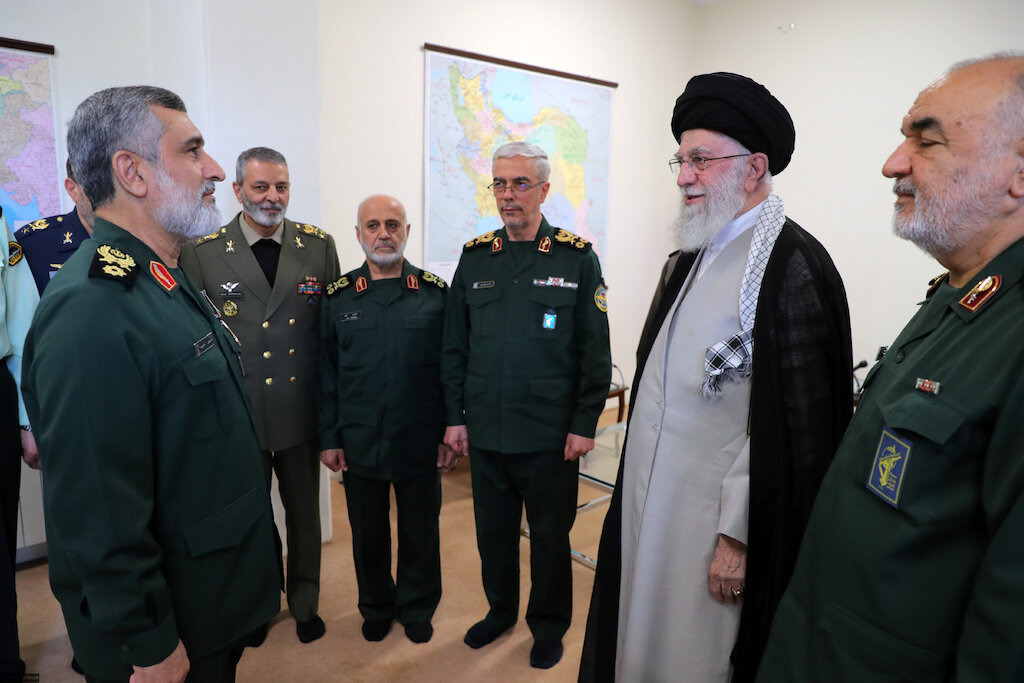
Prezydent Donald Trump zmienił psychologiczną równowagę sił między Waszyngtonem a Teheranem w sposób, na jaki nie odważył się dotąd żaden amerykański przywódca. Po raz pierwszy od ustanowienia Islamskiej Republiki irańscy przywódcy mierzą się z prezydentem USA, który – jak wierzą – jest gotów zrealizować swoje groźby. Reżim w Teheranie po raz pierwszy rozumie, że masowe egzekucje, eskalacja regionalna czy przyspieszony rozwój broni nuklearnej nie spotkają się już z “wyrazami zaniepokojenia”, lecz z odpowiedzią siłową. Na zdjęciu: Najwyższy Przywódca Iranu, ajatollah Ali Chamenei, podczas spotkania z najwyższymi dowódcami Korpusu Strażników Rewolucji Islamskiej w Teheranie, 6 października 2024 roku. (Źródło zdjęcia: Biuro Najwyższego Przywódcy Iranu)

Początek końca dla ajatollahów

Majid Rafizadeh
Tłumaczenie: Andrzej Koraszewski


Dzięki administracji Trumpa i Izraelowi nigdy w swej czterdziestosześcioletniej historii reżim irański nie był słabszy. Nigdy, od rewolucji islamskiej ajatollaha Ruhollaha Chomeiniego w 1979 roku, duchowny system władzy nie stanął w obliczu takiej konwergencji wewnętrznego buntu, gospodarczego załamania, militarnej podatności i psychologicznej porażki. Nigdy ajatollahowie nie byli tak obnażeni i tak przerażeni własnym społeczeństwem. To historyczne osłabienie jest efektem długotrwałej presji i — przede wszystkim — odwagi narodu irańskiego, który powstał przeciw systemowi rządzącemu ich życiem od pokoleń poprzez więzienia i egzekucje.

Fundamenty Islamskiej Republiki — jej roszczenie do boskiej legitymacji, przemoc, mit nietykalności i kontrola nad gospodarką — wszystkie jednocześnie się kruszą. Reżimy rzadko upadają tylko dlatego, że są nielubiane. Upadają, gdy strach zmienia stronę. Dziś strach nie jest już wyłącznie udziałem społeczeństwa — sięgnął sięgnął najwyższych szczebli władzy.

Z tego powodu ten moment nie jest czasem na wahanie czy kompromisy, lecz na intensyfikację presji. Historia pokazuje, że systemy autorytarne często trwają nie dlatego, że są silne, ale dlatego, że ich przeciwnicy zbyt szybko tracą cierpliwość, jedność lub nadzieję. Iran stoi dziś na rozdrożu. Jedna ścieżka prowadzi do transformacji demokratycznej. Druga – do przetrwania jednego z najbardziej brutalnych ideologicznych reżimów współczesności.

Jeśli spojrzeć uczciwie, tylko trzy siły naprawdę planują koniec tego radykalnego systemu i pracują na rzecz wolności w Iranie. Reszta społeczności międzynarodowej, w najlepszym wypadku, obserwuje z dystansu; w najgorszym — umożliwia trwanie reżimu poprzez handel, normalizację dyplomatyczną lub milczącą współwinę. Trzy decydujące siły to: prezydent Donald Trump i jego administracja, rząd Izraela pod przewodnictwem Benjamina Netanjahu oraz sam naród irański.

Trump przełamał wzorzec, który utrwalał się przez dekady. Po raz pierwszy od utworzenia Islamskiej Republiki irańscy przywódcy stanęli wobec amerykańskiego prezydenta, którego obawiają się w sposób realny. To zmiana strategiczna. Trump łączy dwa narzędzia, których dyktatury boją się najbardziej: moralną jasność i gotowość do użycia siły.

W sferze słów Trump złamał obowiązujące tabu. Zwrócił się do Irańczyków jako do politycznych podmiotów, pochwalił ich odwagę, uznał ich walkę za uprawnione dążenie do wolności. Reżimy potrzebują psychicznej izolacji obywateli, by utrzymać władzę. Uznanie z zewnątrz ją podważa.

W sferze działań Trump wzmocnił słowa konkretną presją: sankcje traktowano jak broń ekonomiczną, uderzającą w finansowe arterie reżimu. Urzędnicy odpowiedzialni za represje zostali objęci sankcjami. Co najważniejsze, groźby militarne zostały spełnione.

Rezultat? Realny strach u szczytów władzy. Pojawiły się doniesienia o transferach ogromnych sum pieniędzy za granicę przez elitę władzy — w próbie zabezpieczenia majątku na wypadek upadku reżimu.

Izrael stanowi drugi filar tej bezprecedensowej presji.
Przez lata Teheran kreował się na nietykalne centrum regionalnej osi, osłonięte przez zachodni strach przed eskalacją. Ten mit został obalony. Izraelskie uderzenia w infrastrukturę reżimu – szczególnie związaną z programem nuklearnym – pokazały, że niebo Iranu nie jest nietykalne, jego sekrety są znane, a obrona – bez znaczenia.

Znaczenie tych działań uderza w sam rdzeń mitu Islamskiej Republiki. Reżim przez dekady budował obraz boskiej nietykalności. Gdy izraelskie operacje dotarły w głąb Iranu, ta narracja runęła. Społeczeństwo zobaczyło, że władza nie potrafi ochronić nawet najwrażliwszych instalacji. Elity dostrzegły, że propaganda może zostać obalona w trzy godziny.

To militarne upokorzenie miało efekt psychologiczny, jakiego same sankcje nie mogłyby osiągnąć. Przekazało Irańczykom: Islamska Republika, która rości sobie prawo do pełnej kontroli nad waszym życiem, nie potrafi nawet zadbać o własne bezpieczeństwo.

Najważniejszą siłą w tym historycznym momencie nie była jednak ani Ameryka, ani Izrael. Był nią naród irański.

Przez lata amerykańscy prezydenci woleli postrzegać protesty w Iranie jako niezadowolenie ekonomiczne. Tymczasem najnowsze fale demonstracji ujawniają społeczeństwo, które nie chce już reform. Chce końca reżimu.

Te protesty — wywołane przez utratę siły nabywczej i niemożność dalszego życia w milczeniu, podczas gdy skorumpowana elita się bogaci — szybko przybrały charakter polityczny. Hasła przeszły od cen do odrzucenia całego systemu.

Reżim odpowiedział masakrami i aresztowaniami. Całe dzielnice zostały sterroryzowane. Wyłączano internet, by stłumić koordynację.

Mimo to wiele krajów europejskich i szerzej — Zachód — milczy. To forma współudziału. Europejscy politycy dużo mówią o prawach człowieka, a jednocześnie utrzymują relacje z najbrutalniejszymi reżimami świata. Potępiają represje, ale językiem wyważonym i niekonfrontacyjnym. Martwią się o “stabilność”, ignorując fakt, że to irański reżim destabilizuje region, wspiera wojny, dostarcza broń Rosji do użycia przeciw Ukrainie i organizuje zamachy na europejskiej ziemi.

Ironią losu jest to, że Europa sama cierpi z powodu polityki Iranu – poprzez terroryzm, uchodźców i zagrożenia bezpieczeństwa – a mimo to nie wspiera jedynej siły, która może rozwiązać problem u źródła: irańskiego społeczeństwa. W zamian oferuje deklaracje, konferencje i moralną paplaninę.

Dlatego ekonomiczna presja na Teheran musi być nieustanna. Sankcje nie mogą służyć medialnym nagłówkom, lecz muszą rzeczywiście ograniczać możliwości finansowe służb bezpieczeństwa Iranu, Korpusu Strażników Rewolucji i aparatu represji.

Presja militarna musi pozostać realna: odstraszanie ratuje życie. Gdy reżim wierzy, że może zabić bez konsekwencji – robi to. Gdy boi się odpowiedzi — powstrzymuje się. Groźby Trumpa zmieniły kalkulacje w Teheranie. Gdy Trump się waha, Iran zabija (tak było m.in. tutajtutajtutaj i tutaj). Usunięcie tego strachu byłoby prezentem dla reżimu.

Presja moralna również musi trwać. Irańczycy muszą wiedzieć, że ich walka jest widziana i szanowana. Milczenie zabija nadzieję. Uznanie ją wzmacnia.

Tylko trzy siły naprawdę pchają historię w kierunku wolności: Stany Zjednoczone, Izrael i sam naród irański. Razem stworzyły największe zagrożenie dla Islamskiej Republiki od jej powstania.

Nie wolno zmarnować tej szansy. Reżim irański znalazł się w potrzasku. Odpuścić teraz — to dać mu czas na odbudowę machiny represji. Zachód musi zdecydować: albo stanie po stronie społeczeństwa walczącego z brutalnym, fundamentalistycznym systemem, albo będzie się przyglądał, jak ten system odzyskuje władzę przelewając krew.


Zawartość publikowanych artykułów i materiałów nie reprezentuje poglądów ani opinii Reunion’68,
ani też webmastera Blogu Reunion’68, chyba ze jest to wyraźnie zaznaczone.
Twoje uwagi, linki, własne artykuły lub wiadomości prześlij na adres:
webmaster@reunion68.com


This entry was posted on 2026/02/05, in Ze Swiata.

No Imminent Attack on Iran as Washington Reportedly Deploys Additional Air Defenses


No Imminent Attack on Iran as Washington Reportedly Deploys Additional Air Defenses

i24 News and Algemeiner Staff


A Lockheed Martin Terminal High Altitude Area Defense (THAAD) missile interceptor is seen during the third annual “Made in America Product Showcase” on the South Lawn of the White House in Washington, U.S., July 15, 2019. Photo: REUTERS/Kevin Lamarque – RC1C57519ED0/File Photo

A US military strike on Iran is not expected in the immediate future, Pentagon officials said Sunday to The Wall Street Journal, as Washington focuses on strengthening air defenses across the Middle East to prepare for potential Iranian retaliation and a wider regional conflict.

While the US military is capable of carrying out limited strikes if ordered by President Donald Trump, officials say a broader, decisive attack would likely trigger a substantial response from Tehran.

Such a scenario would require far more extensive defensive coverage to protect American forces, Israel, and key regional allies.

The United States already maintains air defense systems in the region, including naval destroyers equipped to intercept aerial threats.

However, the Pentagon is now reinforcing those defenses by deploying additional Patriot and THAAD missile systems to U.S. Central Command areas.

These systems are expected to be stationed at American bases in Qatar, Saudi Arabia, and Jordan, according to officials familiar with the plans.

Regional partners are also accelerating their own defensive preparations. Gulf states have begun strengthening missile defense capabilities, anticipating that any large-scale US action against Iran could prompt missile launches targeting US installations and Israel.

A senior Gulf official told The Wall Street Journal that Saudi Arabia has already received several THAAD batteries it recently purchased.

The military buildup comes as tensions between Washington and Tehran continue to escalate rhetorically, even as diplomatic channels remain open. Earlier Sunday, Iran’s Supreme Leader Ayatollah Ali Khamenei warned that any American strike would spark a regional war, dismissing threats against Iran as nothing new.

At the same time, President Trump has publicly emphasized diplomacy. Speaking to reporters aboard Air Force One late Saturday, he said Iran is “seriously talking” with the United States and expressed hope that negotiations could lead to a deal that would prevent Tehran from acquiring nuclear weapons.

U.S. officials say this dual-track approach, maintaining military pressure while reinforcing defenses, reflects an effort to deter Iran without rushing into a conflict that could rapidly spiral beyond control.


Zawartość publikowanych artykułów i materiałów nie reprezentuje poglądów ani opinii Reunion’68,
ani też webmastera Blogu Reunion’68, chyba ze jest to wyraźnie zaznaczone.
Twoje uwagi, linki, własne artykuły lub wiadomości prześlij na adres:
webmaster@reunion68.com

Anti-Hamas Militias Step Up Attacks Across Gaza, Targeting Terror Leaders and Expanding Operations


Anti-Hamas Militias Step Up Attacks Across Gaza, Targeting Terror Leaders and Expanding Operations

Ailin Vilches Arguello


The head of an anti-Hamas faction, Hussam Alastal, fires a weapon in the air as he is surrounded by masked gunmen, in an Israeli-held area in Khan Younis, in the southern Gaza Strip, in this screenshot taken from a video released Nov. 21, 2025. Photo: Hussam Alastal/via REUTERS

Anti-Hamas militias across Gaza appear to be taking concrete, coordinated steps to disrupt the ruling terrorist group, carrying out targeted attacks and expanding their operations in a bid to weaken Hamas’s hold on the territory.

This past weekend, the Popular Forces armed group captured Hamas commander Adham al-Akar in Israeli-held Rafah, in southern Gaza, as militia forces ramp up efforts to curb the Islamist group’s influence and prevent it from regaining control in the war-torn enclave.

In a social media video released after the operation, militia leader Ghassan al-Duhaini is seen with Akar, sending a warning to the Palestinian terrorist group that its fighters will be “punished like the victims of the Spanish Inquisition.”

Following a successful operation in southern Gaza, the Popular Forces handed Akar over to Israeli authorities, the Israeli broadcaster Kan News reported.

According to Joe Truzman, senior research analyst at the Foundation for Defense of Democracies (FDD), a Washington, DC-based think tank, this latest development adds to growing evidence that militia forces are carrying out offensive operations against Hamas while seeking to expand their influence in the territory.

“It’s only in the past few months that we’ve started to observe these militias actively carrying out attacks against Hamas,” Truzman told The Algemeiner. “We’re seeing increasing evidence that they are actively going after Hamas, targeting both members and senior leadership with some success.”

Last month, Hussam al-Astal, leader of the Counterterrorism Strike Force – another prominent anti-Hamas militia based in Khan Younis, a city in southern Gaza – claimed responsibility for killing Mahmoud al-Astal, head of the city’s criminal police unit and a senior Hamas member.

The group also took responsibility for an offensive operation in the Abu al-Saber area of Shaboura Camp in Rafah, which left two Hamas members dead and a third in custody.

Even with notable successes against the Palestinian terrorist group, Truzman warned that these militia forces could face significant strategic challenges in the near future.

“My concern is how they will do beyond their current areas of operation. So far, I haven’t seen any indication that these militias are entering Hamas-controlled territory,” Truzman told The Algemeiner.

“At the end of the day, they are making progress, but will it be enough to bring down Hamas? Not in this way,” he continued. “They need much more support — money, weapons, and fighters — to make a real impact against Hamas. I’m skeptical, but I do see that they are making progress.”

With the region preparing to implement the second phase of US President Donald Trump’s Gaza peace plan, the Israel Defense Forces (IDF) will be expected to withdraw slowly from its current positions if Hamas fulfills its obligations to disarm — a step the terrorist group has repeatedly refused to take.

Truzman argued that such Israeli pullbacks would leave anti-Hamas militias — currently operating in Israeli-controlled areas — at a strategic disadvantage.

“In my opinion, these militias are able to survive because they operate under the IDF’s protection, either directly or indirectly,” Truzman told The Algemeiner.

Under Trump’s 20-point Gaza peace plan, a multinational peacekeeping force — the International Stabilization Force (ISF) — is supposed to oversee security in Gaza and replace the IDF’s current role once it forms. However, Truzman warned that this force will not be focused on supporting the anti-Hamas militias, ultimately undermining their position and leaving them more vulnerable to the terrorist group’s violence.

“The situation will allow Hamas and its allies the freedom to operate in territory where they were previously restricted by the ceasefire agreement and the presence of the IDF,” Truzman said.

“This gives Hamas and other terror groups the advantage they need to go after these militias,” he continued.

However, the analyst also expressed skepticism about how the Israel-Hamas ceasefire will play out, noting that much depends on Hamas’s disarmament, which is crucial for the militias and their protection against attacks.

“I don’t think Hamas will give up its arms in any meaningful way,” Truzman told The Algemeiner.

“And if they don’t, the IDF could end up staying in their current positions, which would actually benefit these militias by giving them the cover they need to continue fighting Hamas,” he added.

Some experts have even suggested the possibility of these groups joining the ISF in a post-war Gaza scenario, integrating them into the force and potentially giving them the protection they need against Hamas and its brutal crackdown on dissent.

Even with an uncertain future, anti-Hamas militias across the enclave have recently intensified their offensive operations, shifting their approach with new tactics to fight the Islamist group, including targeting officers in Hamas’s security services and members of its armed wing, the al-Qassam Brigades, near their homes, according to a report by Saudi outlet Asharq Al-Awsat.

In response, Hamas has reportedly increased alert levels and tightened personal security, warning members to remain vigilant, vary their routes, minimize phone use to avoid tracking, and be on the lookout for potential surveillance.

Shortly after the US-backed ceasefire to halt fighting in Gaza took effect last year, Hamas moved to reassert control over the war-torn enclave and consolidate its weakened position by targeting Palestinians who it labeled as “lawbreakers and collaborators with Israel.”

Since then, Hamas’s bloody crackdown has escalated dramatically, sparking widespread clashes and violence as the group moves to seize weapons and eliminate any opposition.

Social media videos widely circulated online have shown Hamas members brutally beating Palestinians and carrying out public executions of alleged collaborators and rival militia members.

As they continue to come under attack, both the Popular Forces and the Counterterrorism Strike Force vowed to unite against the Islamist group, emphasizing that both had “agreed the war on terror will continue.”


Zawartość publikowanych artykułów i materiałów nie reprezentuje poglądów ani opinii Reunion’68,
ani też webmastera Blogu Reunion’68, chyba ze jest to wyraźnie zaznaczone.
Twoje uwagi, linki, własne artykuły lub wiadomości prześlij na adres:
webmaster@reunion68.com


Dlaczego edukacja o Holokauście zawiodła

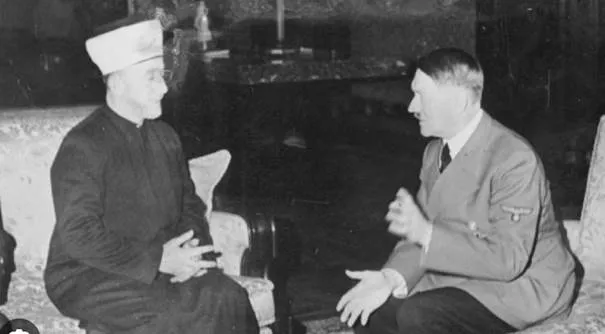
Wielki mufti, Hadżdż Amin al-Husajni, spotyka się z Hitlerem w listopadzie 1941 r.


Dlaczego edukacja o Holokauście zawiodła

Lyn Julius


Należy uczyć o związku między nazizmem a ludobójczym islamizmem

W tym roku, z okazji Dnia Pamięci o Holokauście, edukatorzy załamują ręce z rozpaczy. Jak mówią, po osiemdziesięciu latach edukacji o Zagładzie ponieśliśmy porażkę — antysemityzm szybuje w górę. Liczba szkół w Wielkiej Brytanii obchodzących HMD (Holocaust Memorial Day) dramatycznie spadła, a mniejszość nalega, by równocześnie upamiętniać „ludobójstwo” w Gazie.

Jak do tego doszło?

Problem z edukacją o Holokauście polega na jej uparcie eurocentrycznym podejściu. Niezbędne jest zrozumienie związku — często wymazywanego ze względu na poprawność polityczną — między nazistami, ich arabskimi sympatykami a konfliktem „izraelsko-palestyńskim”. W latach 30. XX wieku Arabowie aktywnie współpracowali z nazistami. Wielki mufti Jerozolimy, Hadżdż Amin al-Husajni, odegrał kluczową rolę w podżeganiu do ludobójstwa Żydów. Mimo licznych prób umniejszania jego znaczenia, spuścizna nazistowsko-inspirowanego antysemityzmu nadal inspiruje dziś palestyńską sprawę.

Mufti pomógł zorganizować pronazistowski zamach stanu w Iraku w 1941 roku i podżegał do antyżydowskiej masakry znanej jako Farhud, nie kryjąc swojego pragnienia eksterminacji Żydów w regionie Bliskiego Wschodu. Jako gość Hitlera w Berlinie, uzyskał jego zgodę na kierowanie zagładą Żydów z regionu MENA (Bliskiego Wschodu i Afryki Północnej), formował muzułmańskie oddziały SS i nadawał pełne jadu audycje antyżydowskie. Ze względów politycznych nigdy nie stanął przed trybunałem norymberskim za zbrodnie wojenne, choć powinien.

Według badacza Matthiasa Kuentzela, mufti był kluczową postacią w „wielkiej wojnie nazistów przeciwko Żydom” i „małej wojnie Arabów przeciwko Izraelowi”. Naziści walczyli ramię w ramię z Arabami podczas wojny w 1948 roku, a także zostali doradcami wojskowymi w Egipcie rządzonym przez Gamala Abdela Nassera. Nasser wykorzystywał Izrael jako zewnętrznego wroga, by zjednoczyć Arabów w jeden organizm polityczny.

Moralna architektura „palestynizmu” została zbudowana w celu dehumanizacji i delegitymizacji syjonistów. To dzieło sowieckich zionologów z lat 50. Kluczową metodą była odwrócona narracja: to Izraelczycy mieli być nowymi nazistami planującymi ludobójstwo. (W rzeczywistości większość państw arabskich i palestyńskie przywództwo nigdy nie porzuciły celu fizycznej lub demograficznej likwidacji Izraela). Czyszczenie etniczne mieli rzekomo przeprowadzić Izraelczycy wobec palestyńskich uchodźców. (W rzeczywistości to rządy arabskie wypędziły 99 procent swoich żydowskich obywateli). Apartheid miało stosować państwo żydowskie. (W rzeczywistości to islam narzuca apartheid kobietom, podporządkowanym im Żydom i innym mniejszościom).

Również w latach 50., za sprawą pism ideologa Bractwa Muzułmańskiego, Sajjida Kutba, w ideologii tego ruchu zakorzenił się zislamizowany antysemityzm, przesiąknięty europejskimi teoriami spiskowymi o żydowskiej kontroli i wpływach. Palestyna stała się centralnym punktem ich kampanii odbudowy kalifatu. Hamas to nic innego jak palestyński odłam Bractwa Muzułmańskiego. Jego ideologia od początku zmierzała do zniszczenia Izraela poprzez terror. Cel ten zawsze miał charakter ludobójczy — niekończący się ciąg masakr na wzór tej z 7 października.

Jedynymi książkami tłumaczonymi z języka arabskiego przez Islamską Republikę Iranu były dzieła Sajjida Kutba. Ajatollahowie nie próbują nawet ukrywać swojego ostatecznego celu: dokonania drugiego Holokaustu przy jednoczesnym zaprzeczaniu pierwszemu.

Z powodu braku zrozumienia antysemityzmu w świecie arabskim przez Zachód, Arabowie są często błędnie przedstawiani jako „niewinni obserwatorzy” Holokaustu, którzy „zapłacili cenę” za europejski problem poprzez powstanie Izraela. W rzeczywistości wielu z nich sympatyzowało z nazizmem i z nim współpracowało.

Izrael był odpowiedzią, a nie przyczyną antysemityzmu na Bliskim Wschodzie i w Afryce Północnej. Tymczasem w edukacji o Holokauście Izrael jest ledwie wspomniany.

Edukacja o Zagładzie musi uczyć o bezpośrednim związku między nazizmem a ludobójczą ideologią Bractwa Muzułmańskiego oraz jego odłamów, takich jak Państwo Islamskie i Hamas.

Nie można wyciągać wniosków z historii, jeśli Holokaust jest przedstawiany w oderwaniu od jego wpływu na dzisiejszą politykę.


Link do oryginału:

Lyn’s Substack
Why Holocaust education has failed
The wartime Mufti, Haj Amin al-Husseini, meeting Hitler in November 1941…
Read more

Lyn’s substack, 27 stycznia 2026

Lyn Julius jest brytyjską dziennikarką, jej rodzice przyjechali z Iraku, jest autorką książki „Uprooted: How 3,000 Years of Jewish Civilization in the Arab World Vanished Overnight” (Vallentine Mitchell, 2018).


Zawartość publikowanych artykułów i materiałów nie reprezentuje poglądów ani opinii Reunion’68,
ani też webmastera Blogu Reunion’68, chyba ze jest to wyraźnie zaznaczone.
Twoje uwagi, linki, własne artykuły lub wiadomości prześlij na adres:
webmaster@reunion68.com


The University of Pennsylvania is gaslighting the courts on antisemitism


The University of Pennsylvania is gaslighting the courts on antisemitism


Jonathan S. Tobin


The Ivy League school is falsely claiming that it is standing up for Jews by stonewalling the Trump administration’s efforts to punish blatant hatred on campus since Oct. 7.

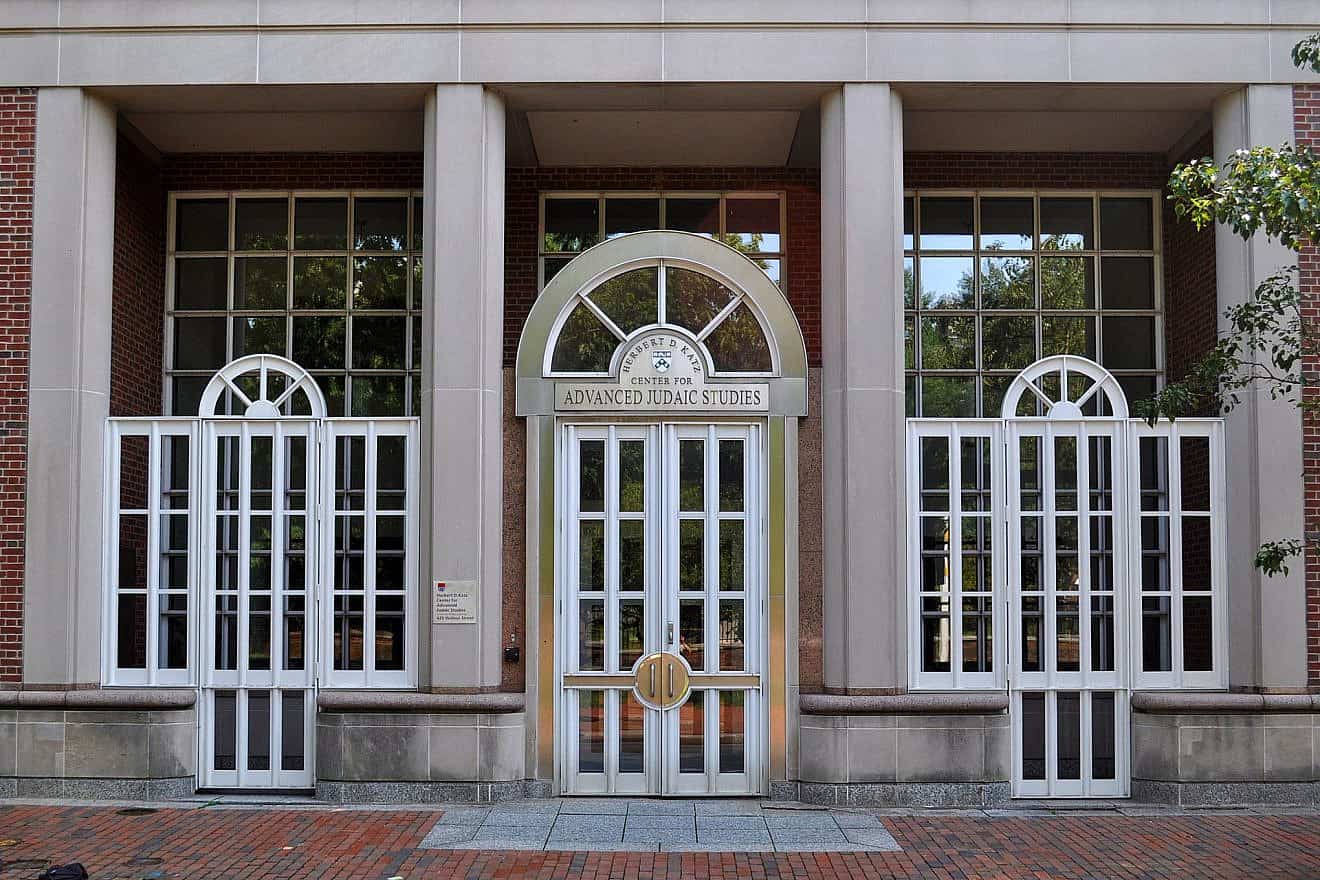
The University of Pennsylvania’s Katz Center for Advanced Judaic Studies. Credit: NM Giovannucci via Wikimedia Commons.

Give credit to the University of Pennsylvania for one thing. It’s not short on chutzpah.

The school has brazenly tolerated and even encouraged widespread and blatant acts of antisemitism on campus since the Hamas-led Palestinian Arab attacks in Israel on Oct. 7, 2023. But when an agency of the federal government sought to probe what had happened, Penn stonewalled requests for cooperation and transparency.

Faced with such intransigence, the U.S. Equal Employment Opportunity Commission (EEOC) issued a subpoena asking for the school’s records, including the identification of employees who could have been exposed to alleged harassment and the names of all employees who complained about the behavior. In its quest to find people potentially affected, the EEOC demanded a list of employees in Penn’s Jewish Studies Program. That was in addition to a list of all clubs, groups, organizations and recreation groups related to the Jewish religion, including points of contact and a roster of members, and the names of employees who lodged antisemitism complaints.

Who is defending the Jews?

But instead of complying with an effort to fight antisemitism, the school again said “no.” It is now alleging that the request is unconstitutional and a violation of the privacy of its employees and students. More than that, as its legal response asserted, it is now claiming to be defending Jewish students, employees and faculty by failing to cooperate with the government investigation.

In this bizarro view of reality, Penn is acting as if it is the government agency that is seeking to investigate antisemitism and defend its victims from behavior the university allowed to happen—that is the party that is targeting Jews. Predictably, corporate liberal media like The New York Times and The Guardian are cheering on the academic institution and claiming that it’s the Trump administration in the wrong.

Just as predictably, this stand is being supported by many members of Penn’s Jewish faculty, many of whom may privately acknowledge that there is antisemitism is present in their ranks but simply don’t want to go on record supporting anything the Trump administration does.

In this way, this drama is playing out in a similar fashion to the arguments about the Trump administration’s efforts to punish universities like Harvard, which is guilty of the same behavior the University of Pennsylvania is being called to account for. Harvard and many other schools have refused government settlement offers that would force them to pay fines and change their policies with respect to the treatment of Jews and the demonization of the State of Israel.

They have stuck to that position even if it means that, as is the government’s obligation under the Title VI provision of the 1964 Civil Rights Act, they will lose hundreds of millions of dollars in federal funding. This shows that they value their right to be antisemitic more than they do their mission to conduct medical research. Instead, Trump’s liberal critics have spun the issue as one revolving around their assertion that the administration is attempting to suppress the free speech and academic freedom of Hamas supporters. Even many in the liberal establishment condemned the government’s stand as harming vital institutions rather than conceding that these schools were morally compromised and needed to be held accountable.

A refusal to act

There may be room for debate about the advisability of the EEOC’s far-ranging subpoena. Indeed, Lori Lowenthal Marcus, the legal director of The Deborah Project, a public interest law firm devoted to fighting antisemitism, who supports the administration’s efforts, said the EEOC’s request was too broad and should have been accompanied by promises of confidentiality. But what is not in doubt is that the University of Pennsylvania is essentially gaslighting the public on the issue. Far from shielding Penn’s Jewish community from potential discrimination, the school’s virtue-signaling about its willingness to stand up to the president is rooted in a refusal to actually roll back an atmosphere of bigotry that it and the rest of the academic establishment have created when it comes to one specific minority in their midst.

As has been the case elsewhere in academia, Jews were harassed and targeted for intimidation by pro-Hamas mobs chanting slogans calling for Jewish genocide (“From the river to the sea”) and terrorism against Jews everywhere (“Globalize the intifada”). Then-president Liz Magill testified before Congress in December 2023 that it depended on “the context” as to whether advocacy for Jewish genocide was against the school’s rules. Just a month before Oct. 7, the school hosted a “Palestine Writes” conference on campus, where Jew-hatred was already rampant, despite complaints by Pennsylvania Gov. Josh Shapiro, who is Jewish.

When the Jewish community and other decent people complained about all this, the university slow-walked or simply failed to provide any accountability for those responsible for the creation of what was clearly a hostile environment for Jewish students and faculty.

So, it was hardly surprising the EEOC sought to investigate what had happened at Penn. The agency was not alone in this regard. Their action followed lawsuits filed in federal courts by Penn students, formal complaints initiated at the U.S. Department of Education, as well as public statements by university board members, donors and alumni, many of whom have disassociated themselves from the university because it failed to counteract or reverse what had become a dismal situation for Jews at the West Philadelphia campus. And it’s not as if the school administration had not acknowledged the problem, as a letter issued by Magill a month after Oct. 7 stated, in which she acknowledged that the school was facing a crisis.

“I am appalled by incidents on our own campus, and I’ve heard too many heartbreaking stories from those who are fearful for their safety right here at Penn,” she said in 2023. “This is completely unacceptable.”

Why are they getting away with it?

Nevertheless, Penn’s response to the EEOC has been to pretend as if none of this has happened and to disingenuously pose as the defenders of the very population it has allowed to be abused. And much of the court of public opinion seems to be buying it.

Why are they getting away with it?

One reason is partisanship. Throughout academia in general, liberals and Democrats dominate.

Within the liberal arts, those who dissent from left-wing ideology have become something of an endangered species. Since the ability to get tenured academic appointments depends on the votes of senior colleagues, this has created a situation in which fewer and fewer professors are anything but liberals. This is especially true at elite schools. While current figures for the ideological or partisan breakdown of professors at Penn are not available, a recent survey at a comparable institution—Yale University—revealed that 82.3% of the 1,666 faculty members examined were registered Democrats or on record supporting Democratic candidates, while only 2.3% were Republicans. Of 43 departments that grant undergraduate degrees, 27 had zero Republican faculty members.

The growing lack of ideological diversity on campuses is having a direct impact on the surge of Jew-hatred. Given the hatred for Trump on the left, these people seem willing to oppose virtually anything his administration does, even when it is fighting something as awful as antisemitism.

More to the point, most so-called “progressives” in academia have bought into the fashionable toxic ideas of critical race theory, intersectionality and settler-colonialism that not only exacerbate racial divisions, but also falsely label Jews and Israel as “white” oppressors. It is this belief system, coupled with the woke catechism of diversity, equity and inclusion (DEI), that fosters indoctrination and punishes dissent, and has made elite campuses like that of Penn places where Jew-hatred has flourished.

This should lead reasonable persons, regardless of their political affiliation, to concede that addressing the problem requires a fundamental shift in how these schools conduct hiring and admissions, as well as to re-evaluate what sort of teaching they tolerate. Yet much of academia—bolstered by the political left and even conventional liberals who just hate Trump—continues to prefer to pretend that the real problem is the president and others who have noticed this scandalous situation.

This is not the first time that the political left has claimed that Trump’s efforts to combat antisemitism, which are more far-reaching and serious than anything his predecessors have attempted, are themselves antisemitic. In 2019, when Trump, following the precedent of rulings handed down by previous administrations, signed an executive order declaring that the Title VI protections of the Civil Rights Act applied to Jews, many on the left treated it as not just wrong but an act of hatred in itself. This was similar to the refusal to comply with the EEOC subpoena. At the time, many on the left said that declaring that being Jewish was a category of persons that deserved protection under the law somehow made Jews vulnerable to official discrimination.

Trump derangement syndrome

It made no sense. But when it comes to this particular issue, it seems that the president’s opponents, including those who are themselves Jewish, are simply too stricken with what is commonly called “Trump derangement syndrome” to be able to think clearly about his actions. This is true even when they might otherwise agree that antisemitism is something that not only shouldn’t be tolerated but ought to be punished, as the law states, with the loss of federal funds.

Marcus sees this as a manifestation of something that goes even deeper than partisan loyalties and attitudes toward Trump. “If you are a Jew and you believe that the University of Pennsylvania is a place where faculty and staff have experienced antisemitism, then what the EEOC is doing is an effort to right a wrong,” Marcus says. “I personally know there are many Jews at Penn who believe there has been and is a hostile environment created or at least condoned by Penn. But because of the way the subpoena was worded, Penn, with the help of the media, was able to successfully manipulate the mass, generational PTSD which most Jews have inherited as the result of the millennia-long persecution of Jews.”

She says this “reflexive response” to the creation of any list of Jews that includes names and identifying information is boiled down to a simple assertion that “the EEOC wants a list of Penn’s Jews.” Marcus thinks the unspoken ending of that phrase is “to round us up.” As a result, these Jews are “circling the wagons” around the very institution that is actually enabling antisemitism and thwarting administration efforts to do something about it.

We can only hope that, as with other aspects of the administration’s necessary and unprecedented push to rid academia of its bias against Jews, the courts won’t ultimately side with the institutions. In the meantime, instead of joining in the efforts to smear efforts to roll back the progressive project that has enabled the current crisis, responsible Jewish academics, organizations and community leaders should be applauding Trump’s stand and labeling Penn’s conduct for what it is: brazen gaslighting that seeks to cover up their guilt.


Jonathan S. Tobin is editor-in-chief of the Jewish News Syndicate, a senior contributor for The Federalist, a columnist for Newsweek and a contributor to many other publications. He covers the American political scene, foreign policy, the U.S.-Israel relationship, Middle East diplomacy, the Jewish world and the arts. He hosts the JNS “Think Twice” podcast, both the weekly video program and the “Jonathan Tobin Daily” program, which are available on all major audio platforms and YouTube. Previously, he was executive editor, then senior online editor and chief political blogger, for Commentary magazine. Before that, he was editor-in-chief of The Jewish Exponent in Philadelphia and editor of the Connecticut Jewish Ledger. He has won more than 60 awards for commentary, art criticism and other writing. He appears regularly on television, commenting on politics and foreign policy. Born in New York City, he studied history at Columbia University.


Zawartość publikowanych artykułów i materiałów nie reprezentuje poglądów ani opinii Reunion’68,
ani też webmastera Blogu Reunion’68, chyba ze jest to wyraźnie zaznaczone.
Twoje uwagi, linki, własne artykuły lub wiadomości prześlij na adres:
webmaster@reunion68.com