Archives

Can Josh Shapiro rescue the Democratic Party from left-wing antisemitism?


Can Josh Shapiro rescue the Democratic Party from left-wing antisemitism?

Jonathan S. Tobin


The Pennsylvania governor’s shocking story about Kamala Harris’s aides asking him if he was an Israeli double agent is the first shot fired in a battle to save his party’s soul.
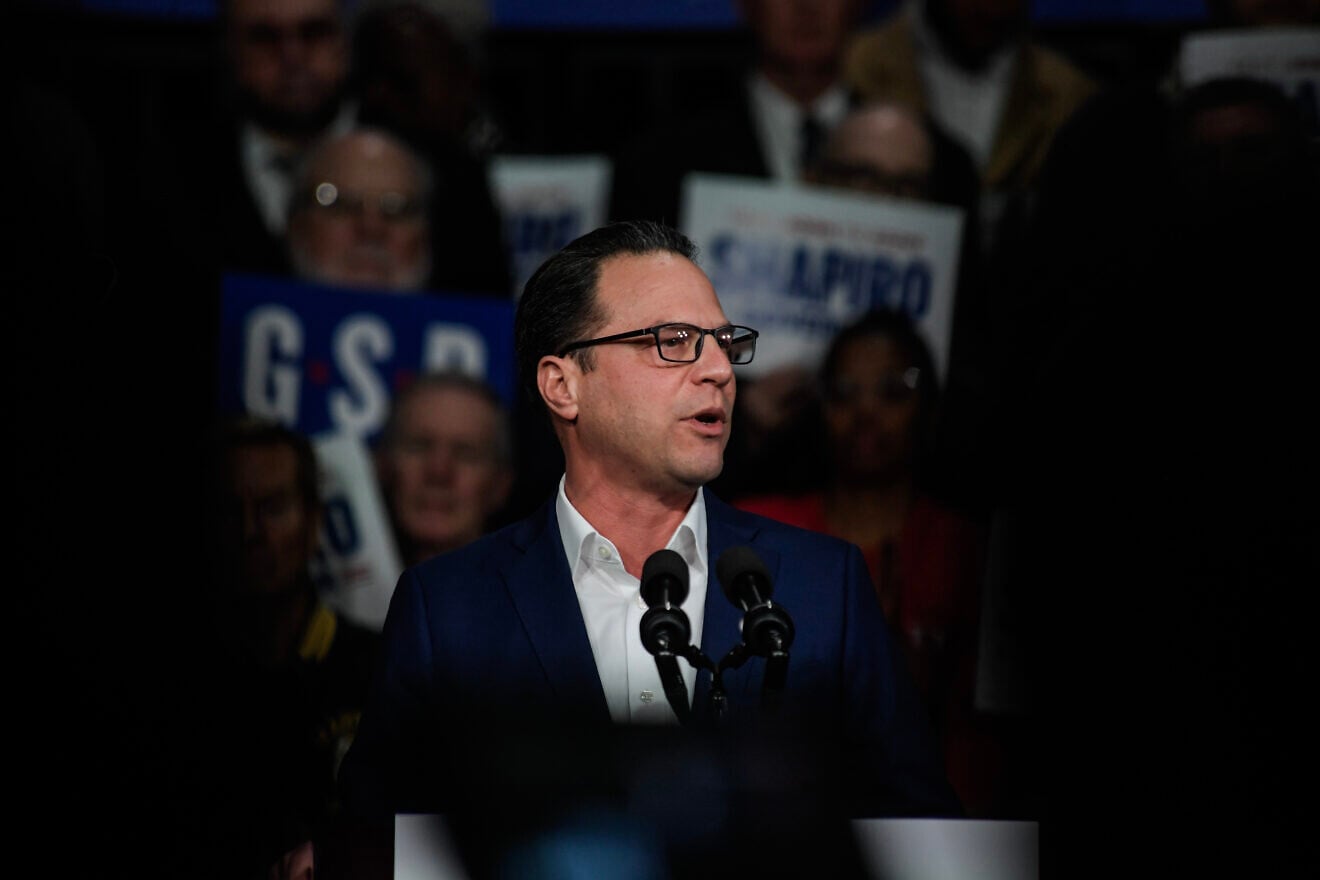
Pennsylvania Gov. Josh Shapiro speaks to supporters at a rally announcing his re-election bid, at the Alan Horwitz “Sixth Man” Center in Philadelphia, on Jan. 8, 2026. Photo by Matthew Hatcher/Getty Images.

The news that a potential presidential candidate has written a book is as unsurprising as that candidate’s public unwillingness to say that he is running in 2028. But one tidbit that has been leaked about Pennsylvania Gov. Josh Shapiro’s soon-to-be-published attempt at keeping his name in the news wasn’t just a bid for publicity. It’s one of the first shots fired in the 2028 Democratic presidential race, which he hopes will kneecap a potential rival in former Vice President Kamala Harris. But more than that, it’s an attempt to pre-emptively disarm those in his party who think that his identity as a Jew and a supporter of Israel, albeit often a half-hearted one, means that he is someone who can’t be nominated by Democrats in 2028.

The story was broken by The New York Times, which obtained a copy of the forthcoming Shapiro memoir, titled Where We Keep the Light, which was obviously leaked to the newspaper by the governor’s staff or his publisher. In a Jan. 18 article, it was reported that the book includes a passage with details of Shapiro’s vetting by staff of then-Vice President Harris, when she was considering him as her running mate.

Too Jewish to be nominated?

It was already well known that the meeting between Harris and Shapiro didn’t go well, and that the two clearly rubbed each other the wrong way. Even then, it was fairly obvious that her decision not to tap the popular governor of a key toss-up state who could have helped her win and instead choose a far less impressive politician—Minnesota Gov. Tim Walz—was not just caused by the clash of two healthy egos. As I noted at the time, the “unmaking” of Shapiro as a potential vice president had more to do with the way their party had come to be dominated by a left-wing faction that opposed the State of Israel and was, at best, soft on antisemitism.

Shapiro may have spent the previous year tripping over himself to show that he opposed Israeli Prime Minister Benjamin Netanyahu and had concerns about the post-Oct. 7 war against Hamas in Gaza. He was clearly worried about running afoul of fashionable elite opinion about the Middle East.  But he was too undeniably Jewish and too much a traditional normative centrist supporter of the Jewish state to appeal to his party’s intersectional base, which falsely believes that Israel is a “genocidal” and “apartheid” state.

Still, Shapiro’s memoir backs up the suspicion that Israel played a key role in Harris’s thinking about him.

He says the vetting session, which every veep candidate goes through, focused intensely on his views about Jerusalem. More than that, he says he was asked “if he had ever been an agent of the Israeli government.” The book describes his incredulous response to a question that he rightly described as “offensive,” but was told, “Well, we have to ask.”

The excerpt says those words were repeated: “Have you ever communicated with an undercover agent of Israel?”

Questioner Dana Remus, a former White House counsel, continued, according to Shapiro, who recounted: “If they were undercover, I responded, how the hell would I know?” Not unreasonably, the governor concluded that the fact that he was even asked such a question “said a lot about some of the people around the VP.”

But the fallout of this story goes beyond an attempt to make a potential 2028 opponent—Harris seems on track to run in 2028, along with a number of other Democrats—look bad. The context is a Democratic debate about Israel that had already turned sour months before Harris decided to choose a running mate who wound up being a liability, rather than one as strong as Shapiro might have been.

The Democrats’ antisemitism problem

The Democrats had cleared the field for Biden’s re-election effort; however, the one problem was the fact that many left-wing Democrats were so unhappy with his equivocal support for Israel’s war against Hamas that they had dubbed him “genocide Joe.” So concerned was he about Arab-American voters in Michigan that he sent Jon Finer, his deputy national security director, and a delegation of other officials to plead for the support of Abdullah Hammoud, the pro-Hamas mayor of Dearborn, Mich.

Throughout the campaign, both Biden and especially Harris made it clear that they were not interested in contradicting the blood libels about Israel and the raw antisemitism being vented by many members of their party in the wake of the Hamas-led Palestinian Arab attack on southern Israel on Oct. 7, 2023.

Harris was apparently anxious about the possibility that Shapiro would hurt her among anti-Israel voters. He was asked during the vetting process whether he would “apologize” for speaking out against incidents of antisemitism that took place at the University of Pennsylvania post-Oct. 7, one of the campuses where pro-Hamas mobs targeted Jewish students for intimidation. The suggestion was itself outrageous, and Shapiro refused. In his book, he wrote that he believed he was being singled out in this manner, as well as being queried about possibly being an Israeli double agent because he was Jewish. He was clearly right to think so.

Harris was riding high in August 2024, when Shapiro’s vetting took place. A coup by various leading Democrats succeeded in forcing the ailing President Joe Biden to drop his bid for re-election after already winning his party’s nomination. Biden’s disastrous performance in a debate with President Donald Trump on June 27 had made his cognitive decline, which leading Democrats and the liberal press had spent years covering up, too obvious to ignore. Rather than conduct a competitive process that might have helped them win, Democrats decided that it was impossible to bypass Harris, a woman of color in a party where identity politics now reigns supreme, and simply acclaimed her as their candidate without letting it be contested.

Relieved to no longer have to pretend that Biden was competent, Democrats and their liberal media cheering section embraced Harris. And for a few weeks, that brief burst of euphoria about her nomination seemed to put her in a strong position to beat Trump. Though she and her apologists subsequently complained that she didn’t have enough time on the campaign trail to win, the truth was just the opposite. The more Americans learned about her—and had an opportunity to see and hear her—the less they thought of her.

A stronger vice-presidential candidate than Walz might have helped, though nothing Shapiro could have done would have made much of a difference. In his book, he now claims that after his disastrous meetings with Harris and her staff, he was disgusted with the process and pulled his name out of consideration. He also says that his wife opposed the move. But he claims that the staffer he communicated this news to said Shapiro would not be allowed to personally convey his decision to Harris because “the VP would not handle bad news well and that I shouldn’t push.”

Shapiro was lucky he wasn’t picked. Staying off the ticket allowed him not only to avoid being part of an epic campaign disaster but also to depict himself as a moderate who wouldn’t repeat Harris’s mistake of tilting to the left in 2028.

The leak of this excerpt is, however, more than an attempt by Shapiro to get even for what sounds like an awful experience that he was put through by Harris and her aides.

It’s also an effort to pre-empt the efforts of left-wing Democrats to label him as someone who is too Jewish and too pro-Israel to lead a party where the majority of voters are, as polls make clear, against the Jewish state. In that sense, he’s not only engaging in a battle to gratify his own outsized ambitions but to save the soul of a party that has been badly compromised by Jew-hatred since Oct. 7.

A party that is too woke

The Democratic base has, in large part, gone woke in recent years. Belief in the toxic myths of critical race theory, intersectionality and settler-colonialism has made it seem as if openly anti-Zionist and anti-Jewish politicians, such as New York City Mayor Zohran Mamdani, are more representative of the opinions of Democratic voters than a conventional liberal like Shapiro. Indeed, the Pennsylvania governor may not like Netanyahu. And he has backpedaled on his youthful enthusiasm for Israel’s security imperatives. But he is too connected to the Jewish community, as well as nominally pro-Israel, to fly with a party base that has fully embraced the left-wing congressional “Squad” and those with views akin to Mamdani.

It’s possible to argue that Shapiro is simply running in the wrong party at the wrong time, when the partisan split over Israel remains too great. Still, if Republicans nominate Vice President JD Vance in 2028 and continue to treat a platformer of Jew-hatred like former Fox News host and current podcaster Tucker Carlson as if he is a party luminary, then it creates an opening for Democrats. The sad truth is that both parties now have a serious antisemitism problem, even if it is more widespread among Democrats than in the GOP.

If nothing else, Shapiro’s memoir is a reminder to Democrats that they shouldn’t be so beguiled by identity politics and support for the woke catechism of diversity, equity and inclusion (DEI) that they once again choose a disastrous candidate like Harris. It also raises the possibility that he will spend the prelude to the 2028 race running as an opponent of his party’s intersectional Jew-haters and anti-Zionists rather than just another hapless politician trying to appease them.

If so, then his candidacy will—win or lose—be a positive contribution to American political culture, rather than just an exercise in egotism on the part of a long-shot candidate with little chance of becoming the nation’s first Jewish president.
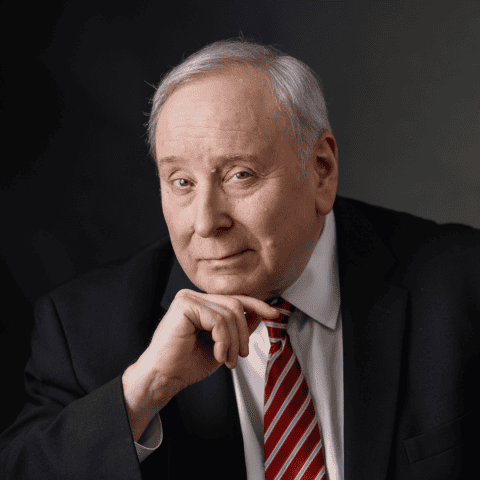

Jonathan S. Tobin is editor-in-chief of the Jewish News Syndicate, a senior contributor for The Federalist, a columnist for Newsweek and a contributor to many other publications. He covers the American political scene, foreign policy, the U.S.-Israel relationship, Middle East diplomacy, the Jewish world and the arts. He hosts the JNS “Think Twice” podcast, both the weekly video program and the “Jonathan Tobin Daily” program, which are available on all major audio platforms and YouTube. Previously, he was executive editor, then senior online editor and chief political blogger, for Commentary magazine. Before that, he was editor-in-chief of The Jewish Exponent in Philadelphia and editor of the Connecticut Jewish Ledger. He has won more than 60 awards for commentary, art criticism and other writing. He appears regularly on television, commenting on politics and foreign policy. Born in New York City, he studied history at Columbia University.


Zawartość publikowanych artykułów i materiałów nie reprezentuje poglądów ani opinii Reunion’68,
ani też webmastera Blogu Reunion’68, chyba ze jest to wyraźnie zaznaczone.
Twoje uwagi, linki, własne artykuły lub wiadomości prześlij na adres:
webmaster@reunion68.com


Iranian Lawmakers Compare Trump to ‘Pharoah,’ Judiciary Chief Vows to ‘Punish’ US President


Iranian Lawmakers Compare Trump to ‘Pharoah,’ Judiciary Chief Vows to ‘Punish’ US President

Ailin Vilches Arguello


Cars burn in a street during an anti-regime protest in Tehran, Iran, Jan. 8, 2026. Photo: Stringer/WANA (West Asia News Agency) via REUTERS

Amid soaring tensions with the United States, Iranian lawmakers on Monday cast President Donald Trump as a modern-day Pharaoh and hailed Supreme Leader Ayatollah Ali Khamenei as Moses, framing the nation’s worst domestic crisis in years as a battle of biblical proportions.

During a parliamentary session, Iranian lawmakers vowed that Khamenei would “make Trump and his allies taste humiliation.”

“Our leader would drown you in the sea of the anger of believers and the oppressed of the world, to serve as a lesson for the arrogant world,” Parliament Speaker Mohammad Bagher Ghalibaf was quoted as saying by local media. 

Ghalibaf also described the widespread anti‑government protests that have swept the country for weeks as an American‑Israeli plot and a “terrorist war,” claiming the unrest was being orchestrated to destabilize the state.

Tensions between Tehran and Washington have surged sharply in recent weeks, as Iranian security forces struggle to quell anti-regime protests and officials face mounting international pressure over the government’s brutal crackdown.

The nationwide protests, which began with a shopkeepers’ strike in Tehran on Dec. 28, initially reflected public anger over the soaring cost of living, a deepening economic crisis, and the rial — Iran’s currency — plummeting to record lows amid renewed economic sanctions, with annual inflation near 40 percent.

With demonstrations now stretching over three weeks, the protests have grown into a broader anti-government movement calling for the fall of Khamenei and Iranian President Masoud Pezeshkian and even a broader collapse of the country’s Islamist, authoritarian system.

On Sunday, Pezeshkian warned that any attempt to target the country’s supreme leader would amount to a declaration of war, accusing the United States of stoking mass protests that have thrown the nation into turmoil amid reports that Washington is weighing moves against the regime’s leadership.

“If there are hardship and constraints in the lives of the dear people of Iran, one of the main causes is the longstanding hostility and inhumane sanctions imposed by the US government and its allies,” the Iranian leader said in a statement.

The regime has escalated its threats following repeated statements by Trump, who has called for an end to Khamenei’s nearly four decades in power, labeled him “a sick man who should run his country properly and stop killing people,” and warned of possible strikes if the government’s brutal crackdown continues.

In response to Trump’s threats and mounting pressure, Iran’s judiciary chief, Gholamhossein Mohseni Ejei, has declared that authorities will seek to prosecute not only individuals accused of fueling the recent unrest but also foreign governments he blames for backing the protests.

“Those who called for it, those who provided financial support, propaganda or weapons — whether the United States, the Zionist regime or their agents — are all criminals and each of them must be held accountable,” Ejei told local media.

He even threatened to target Trump specifically.

“We will not abandon the pursuit and prosecution of the perpetrators of the recent crimes in domestic courts and through international channels,” the judiciary chief posted on the social media platform X. “The president of the United States, the ringleaders of the accursed Zionist regime, and other backers and supporters — both in terms of armaments and propaganda — of the criminals and terrorists behind the recent events are among the perpetrators who, in proportion to the extent and scale of their crimes, will be pursued, tried, and punished.”

Iranian officials have also dismissed Trump’s claims about halting execution sentences for protesters as “useless and baseless nonsense,” warning that the government’s response to the unrest will be “decisive, deterrent, and swift.”

Meanwhile, government officials have hailed victory over what they called one of “the most complex conspiracies ever launched by the enemies of” the country, while expressing deep gratitude to the “smart, noble, and perceptive” Iranian people.

However, the protests have not ceased, with violence continuing and tensions escalating.

The US-based group Human Rights Activists in Iran has confirmed 4,029 deaths during the protests, while the number of fatalities under review stands at 9,049. Additionally, at least 5,811 people have been injured the protests, and the total number of arrests stands at 26,015.

Iranian officials have put the death toll at 5,000 while some reports indicate the figure could be much higher. The Sunday Times, for example, obtained a new report from doctors on the ground, which states that at least 16,500 protesters have died and 330,000 have been injured.

The exact numbers are difficult to verify, as the regime has imposed an internet blackout across the country while imposing its crackdown.

On Monday, National Police Chief Ahmad-Reza Radan issued an ultimatum to protesters involved in what authorities called “riots,” warning they must surrender within three days or face the full force of the law, while urging young people “deceived” into the unrest to turn themselves in for lighter punishment.

Those “who became unwittingly involved in the riots are considered to be deceived individuals, not enemy soldiers, and will be treated with leniency,” Radan was quoted as saying by Iranian media.


Zawartość publikowanych artykułów i materiałów nie reprezentuje poglądów ani opinii Reunion’68,
ani też webmastera Blogu Reunion’68, chyba ze jest to wyraźnie zaznaczone.
Twoje uwagi, linki, własne artykuły lub wiadomości prześlij na adres:
webmaster@reunion68.com

Nawet lepszy plan Trumpa dla Gazy

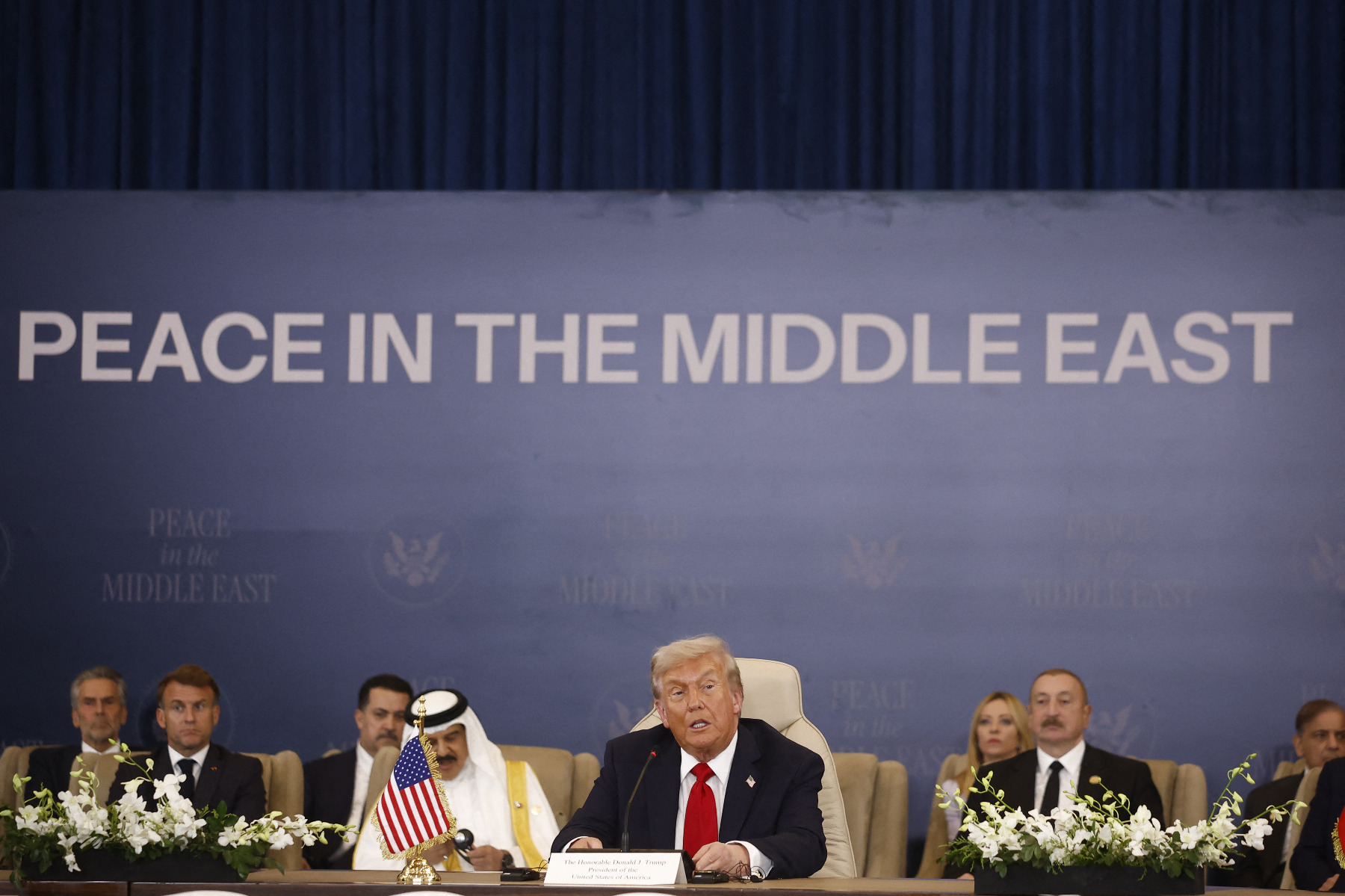
Na zdjęciu: Prezydent USA Donald J. Trump przemawia podczas szczytu pokojowego w Strefie Gazy w Szarm el-Szejk w Egipcie, 13 października 2025 r. (Zdjęcie: Yoan Valat/Pool/AFP via Getty Images)


Nawet lepszy plan Trumpa dla Gazy

Khaled Abu Toameh
Tłumaczenie: Andrzej Koraszewski


Arabskie i muzułmańskie kraje, w tym Pakistan, nie rozbroją Hamasu

Pakistan – który nie uznaje Izraela i nie uważa Hamasu za organizację terrorystyczną – był pierwszym państwem, które w 1979 roku uznało reżim Chomeiniego w Iranie, tak jak Iran był w 1947 roku pierwszym krajem, który uznał niepodległość Pakistanu. Od tamtej pory Pakistan utrzymywał znacznie bliższe relacje z Iranem niż z Izraelem, a po wojnie w Gazie w 2023 roku wielokrotnie wzywał państwa muzułmańskie do “zjednoczenia się przeciwko Izraelowi” (jak np. tutu i tu).

W niedawnym wywiadzie egipski minister spraw zagranicznych Badr Abdelatty został zapytany o kwestię rozbrojenia wspieranej przez Iran organizacji terrorystycznej – zgodnie z drugą fazą 20-punktowego planu pokojowego prezydenta USA Donalda Trumpa, mającego zakończyć wojnę w Strefie Gazy.

Abdelatty odpowiedział:

“Plan Trumpa mówi o ograniczeniu i oddaniu broni, a nie o jej rozbrojeniu. To są kwestie, które zostaną uzgodnione pomiędzy palestyńskimi frakcjami. Uważam, że istnieje możliwość wypracowania – w ramach porozumienia między frakcjami – formuły, która przewidywałaby stopniowe oddanie broni w palestyńskim, wewnętrznym kontekście.”

Jednak plan Trumpa wprost wzywa do całkowitego rozbrojenia Hamasu i wszystkich palestyńskich grup zbrojnych:

“Hamas i inne frakcje zgadzają się nie odgrywać żadnej roli w zarządzaniu Gazą – bezpośrednio, pośrednio ani w jakiejkolwiek innej formie. Cała infrastruktura militarna, terrorystyczna i ofensywna, w tym tunele i zakłady produkcji broni, zostanie zniszczona i nie będzie odbudowywana.”

Wymóg, by Hamas i inne grupy złożyły broń, a Strefa Gazy została “zdemilitaryzowana”, to podstawowy warunek przejścia do drugiej fazy planu:

“Po zwróceniu wszystkich zakładników, członkowie Hamasu, którzy zobowiążą się do pokojowego współistnienia i złożenia broni, otrzymają amnestię.”

Abdelatty najwyraźniej liczy na to, że kolejne zdanie z planu Trumpa daje pewną “furtkę” pozwalającą ominąć nakaz “zniszczenia i zakaz odbudowy” infrastruktury:

“Proces demilitaryzacji Gazy będzie nadzorowany przez niezależnych obserwatorów i obejmie trwałe wycofanie broni z użycia w ramach uzgodnionego procesu rozbrojenia, wspieranego przez międzynarodowo finansowany program wykupu broni i reintegracji, weryfikowany przez niezależnych obserwatorów.”

Warto zauważyć, że dotąd żadne państwo arabskie nie zadeklarowało gotowości do udziału w rozbrojeniu palestyńskich grup terrorystycznych, w tym Hamasu, poprzez proponowane przez Trumpa Międzynarodowe Siły Stabilizacyjne (ISF). Król Jordanii Abdullah II niedawno ostrzegł, że kraje arabskie odrzucą jakiekolwiek próby “wymuszania” pokoju w Strefie Gazy, jeśli miałyby tam być rozmieszczone w ramach planu Trumpa:

“Jaki będzie mandat sił bezpieczeństwa w Gazie? Mamy nadzieję, że będzie to misja pokojowa, bo jeśli będzie to wymuszanie, nikt nie będzie chciał brać w tym udziału. Pokojowa misja oznacza wsparcie dla lokalnych sił policyjnych – Palestyńczyków, których Jordania i Egipt są gotowe szkolić na dużą skalę, ale to wymaga czasu. Jeśli mamy patrolować Gazę z bronią, to nie jest sytuacja, w którą jakiekolwiek państwo chciałoby się zaangażować.”

Innymi słowy, jordański monarcha jasno daje Trumpowi do zrozumienia, że nie powinien liczyć na to, iż Jordania lub inne kraje arabskie wezmą udział w misji mającej konfrontować się z palestyńskimi grupami terrorystycznymi i konfiskować ich broń. Owszem, w połowie 2025 roku cała 22-osobowa Liga Arabska poparła deklarację wzywającą Hamas do rozbrojenia, uwolnienia wszystkich izraelskich zakładników i zakończenia rządów w Strefie Gazy. Jednak co innego wydać oświadczenie, a co innego rzeczywiście wziąć udział w takiej operacji. Arabscy przywódcy obawiają się reakcji ulicy arabskiej, na której antyizraelskie nastroje i sympatia dla palestyńskiego “oporu” – czyli terroryzmu wobec Izraela – wciąż są bardzo silne.

Według sondażu opublikowanego przez mające siedzibę w Dosze Arab Center for Research & Policy Studies, 67% Arabów uważa atak Hamasu na Izrael z 7 października 2023 roku za “legalny akt oporu”. Kolejne 69% respondentów wyraziło solidarność z Palestyńczykami i Hamasem, a 59% stwierdziło, że nie widzi możliwości pokoju z Izraelem.

Egipski minister spraw zagranicznych podziela stanowisko króla Abdullaha w sprawie roli ISF w Strefie Gazy. Zapytany, czy Egipt i inne państwa arabskie dołączą do sił, Abdelatty odpowiedział:

“Prowadzimy poważny i pozytywny dialog ze stroną amerykańską, ponieważ ta misja musi mieć charakter pokojowy, a nie wymuszający pokój – a to ogromna różnica. Pokojowa misja oznacza monitorowanie przestrzegania zawieszenia broni przez obie strony oraz pomoc w obsłudze przejść granicznych. Egzekwowanie prawa i utrzymywanie porządku publicznego to wyłączna odpowiedzialność palestyńskiej policji, która musi zostać rozmieszczona w Strefie Gazy. Egipt zdecydowanie popiera utworzenie sił międzynarodowych i istnieją różne ramy wsparcia logistycznego i technicznego dla tych sił. Bierzemy również udział w operacjach dowodzenia i kontroli – Egipt ma swoich przedstawicieli w Komitecie Cywilno-Wojskowym w Kirjat Gat na południu Izraela, powołanym do monitorowania wdrażania porozumienia z Szarm el-Szejk.”

Stanowisko Egiptu w kwestii rozbrojenia Hamasu nie pozostawia miejsca na wątpliwości. Egipt nie chce brać udziału w takim przedsięwzięciu.

Po pierwsze, Egipt uważa, że sprawa ta powinna zostać rozstrzygnięta “w ramach porozumienia między palestyńskimi frakcjami”. Według egipskiego ministra spraw zagranicznych kraje arabskie nie powinny ingerować w wewnętrzne sprawy Palestyńczyków. Sugeruje on – najwyraźniej całkiem poważnie – że Hamas, Palestyński Islamski Dżihad i inne palestyńskie organizacje terrorystyczne wspierające “zbrojną walkę” powinny spotkać się, by omówić możliwość złożenia broni i zakończenia walki z Izraelem. Do tego doszłoby tylko, gdyby piekło zamarzło.

Po drugie, egipski minister twierdzi, że broń w Strefie Gazy powinna być oddawana “stopniowo”. Abdelatty najwyraźniej nie rozumie “pośpiechu” związanego z rozbrojeniem palestyńskich grup terrorystycznych – których deklarowanym celem jest mordowanie Żydów i zniszczenie Izraela, co udowodniły 7 października. “Stopniowe oddanie broni” to proces, który może trwać latami, pozwalając grupom terrorystycznym na przezbrojenie się, odbudowę zdolności bojowych i przeprowadzenie kolejnego ataku na Izrael.

Po trzecie, choć państwa arabskie popierają rozmieszczenie wojsk międzynarodowych w Strefie Gazy, upierają się, że ich mandat powinien ograniczać się do misji pokojowej: działania jako bufor między izraelską armią a Hamasem, zapewnianie dostaw pomocy humanitarnej, a nie wymuszanie bezpieczeństwa siłą czy rozbrajanie grup terrorystycznych. Arabowie najwyraźniej chcą powtórzyć w Gazie nieudany model Tymczasowych Sił ONZ w Libanie (UNIFIL) z 1978 roku, które nie powstrzymały wspieranego przez Iran Hezbollahu przed militarną ekspansją (150 000 rakiet i pocisków) i umocnieniem się w południowym Libanie.

Tymczasem założenie, że palestyńskie grupy terrorystyczne dobrowolnie oddadzą broń, jest po prostu nierealistyczne.

29 grudnia 2025 roku zbrojne ramię Hamasu ponownie oświadczyło, że nie złoży broni. “Nasz naród się broni i nie porzuci broni, dopóki trwa okupacja” – oświadczył nowy rzecznik grupy w nagraniu wideo.

Równie nierealistyczne jest zakładanie, że Autonomia Palestyńska, kierowana przez Mahmuda Abbasa, ma wolę lub zdolność do rozbrojenia Hamasu. Tak jak arabscy przywódcy, Abbas nie chce być postrzegany jako marionetka Izraela czy USA działająca przeciwko palestyńskiemu “oporowi”. Przypomnijmy: Autonomia Palestyńska rządziła Strefą Gazy w latach 1994–2007, ale nie była w stanie rozbroić Hamasu i innych grup terrorystycznych. Latem 2007 roku Hamas obalił władzę AP, wyrzucił ją z Gazy i przejął pełną kontrolę nad Strefą.

Państwa arabskie, podobnie jak Turcja i Pakistan nie postrzegają Hamasu jako bezpośredniego zagrożenia dla swojego bezpieczeństwa narodowego: Hamas działa wyłącznie przeciwko Izraelowi. To kolejny powód, dla którego sprzeciwiają się udziałowi w rozbrajaniu Hamasu. Przywódcy arabscy i muzułmańscy podejmują działania przeciwko islamskim terrorystom wyłącznie wtedy, gdy ci zagrażają ich reżimom, bezpieczeństwu i stabilności.

Strefa Gazy nie potrzebuje sił pokojowych ani obserwatorów. Prezydent Donald J. Trump sam już wcześniej przedstawił rozwiązanie – podobnie jak w tym tygodniu wobec Wenezueli:

“Będziemy zarządzać tym krajem do czasu, aż będzie można przeprowadzić bezpieczne, właściwe i rozważne przekazanie władzy. Nie chcemy, by ktoś inny przejął stery, a potem sytuacja znów się powtórzy.”

Deweloperzy z entuzjazmem przystąpiliby do realizacji pierwotnej wizji Trumpa: “Riwiera Gazy”:

“Gaza znajdowałaby się pod amerykańskim zarządem powierniczym przez około dziesięć lat, aż zreformowane i zderadykalizowane palestyńskie władze byłyby gotowe przejąć jej administrację.”

Ci Palestyńczycy w Gazie, którzy chcieliby wyjechać, mogliby to zrobić bez obaw o groźby czy represje. USA mogłyby zadbać o to, by terroryści, którzy stanowczo odmówią rozbrojenia, zostali – jak Trump określał “złych typów” w Meksyku – “unieszkodliwieni”. Jeśli istnieją uzasadnione obawy przed narażeniem amerykańskich żołnierzy, być może sąsiadujący z Gazą kraj mógłby pomóc.

Przede wszystkim jednak, Trump – budowniczy – mógłby nadzorować rozwój jednego z najbardziej spektakularnych terenów inwestycyjnych na świecie, jak powiedział o Wenezueli:

“Nasze wielkie amerykańskie koncerny naftowe wejdą, wydadzą miliardy dolarów, naprawią zniszczoną infrastrukturę… i zaczną przynosić krajowi zyski.”

Wystarczy zamienić słowo “ropa” na “inwestycje w nieruchomości”, a Trump dostarczy najbardziej dalekosiężne rozwiązanie pokojowe w historii – po raz drugi – i to w dwóch różnych częściach świata.

Tak jak powiernictwo USA i “bezpieczne, właściwe i rozważne przekazanie władzy” to jedyne rozwiązanie dla Wenezueli, tak samo jest to jedyna realistyczna droga do sukcesu w Gazie.

Państwa arabskie i muzułmańskie mogą się temu sprzeciwić: burzy to ich szanse na łatwiejszy atak na Izrael po odejściu Trumpa. I właśnie dlatego trwała obecność USA lub Izraela w Gazie to jedyny sposób na zapewnienie pokoju w Strefie Gazy, pokoju na Bliskim Wschodzie i świetlanej przyszłości dla pokojowo nastawionych Palestyńczyków, którzy pozostaną.


Khaled Abu Toameh – arabski wielokrotnie nagradzany dziennikarz z Jerozolimy.


Zawartość publikowanych artykułów i materiałów nie reprezentuje poglądów ani opinii Reunion’68,
ani też webmastera Blogu Reunion’68, chyba ze jest to wyraźnie zaznaczone.
Twoje uwagi, linki, własne artykuły lub wiadomości prześlij na adres:
webmaster@reunion68.com


Should College Professors Who Signed BDS Pledges Be Teaching Classes About Israel?


Should College Professors Who Signed BDS Pledges Be Teaching Classes About Israel?

Peter Reitzes


North Carolina State University. Photo: Wiki Commons.

Community members have reached out to express concerns regarding the North Carolina State University course, “History of the Palestinian-Israeli Conflict,” which is scheduled to be taught by Kristen Alff this spring. Classes begin Jan. 12.

Alff signed Palestine and Praxis: Open Letter and Call to Action —using her “NC State University” credentials — which characterized Israel as a “settler colonial state.”

The letter affirmed, “In the classroom and on campus, we commit to pressuring our academic institutions and organizations to respect the Palestinian call for Boycott, Divestment, and Sanctions [BDS] of Israel by instating measures that remove complicity and partnership with military, academic, and legal institutions involved in entrenching Israel’s policies.”

Alff also signed a “Statement on Palestine from North Carolina Academics,” which said, “We acknowledge our complicity in Israel’s oppression of the Palestinians” and “[We] reject the prevalent ‘two-sides’ narrative.”

NC State is a public university and part of the University of North Carolina (UNC) System. It is required by State law and the UNC equality policy to be institutionally neutral “on the political controversies of the day.”

What rationale could NC State possibly have for selecting an instructor who has signed a letter that publicly pledged to advocate for BDS against Israel, “in the classroom and on campus,” to teach a course focused on Israel?

I reached out to Dean Deanna Dannels, copying her executive assistant, inquiring, “Do you have any concerns about institutional neutrality and this course?” I received an automatic “out of office” reply. Additionally, I received an “out of office” message from Traci Brynne Voyles, who is Head of the History Department.

In late December, I asked Alff, “Do you use your classroom at a North Carolina public university to advocate for BDS?” She responded, “I absolutely do not advocate for BSD [sic] in my classroom nor at the university level.”

I asked why she signed the BDS pledge. Alff responded, “I anticipate my students’ thinking to change throughout the semester and their lives. I too am open and change my mind over time.”

I then asked if she was planning to request her name be removed as a signatory from the BDS pledge. Alff did not respond, and her name continues to be included as a signatory.

NC State philosophy student PJ Shaw told me, “The most harmful way for antisemitism and anti-Israel sentiment to be spread is in the classroom. Because, if it is coming through a professor, it is perceived to be the most reputable path.”

Shaw suggested how the university should respond: “It shouldn’t be a ‘wait and see how she does’ situation. It should be a red flag immediately and the school should say, ‘OK, even if you think you can do a neutral job with this, we’re going to find someone else who hasn’t publicly signed a [BDS] pledge.’”

On Dec. 2, the university denied my public records request for Alff’s syllabus, stating, “NC State University considers syllabi to be the intellectual property of our faculty members and protected from disclosure under federal copyright law.”

On Dec. 19, the UNC System issued a new syllabi policy that will take effect in the 2026-27 academic year, following the completion of Alff’s course.

It mandates that instructors include a “list of all course materials (physical and/or electronic) that students are required to purchase” on their publicly available syllabus.

However, many instructors depend on free course materials that can be accessed at no cost through the university. This new policy will permit instructors to have one version of their syllabus for students and a second, redacted version, for the public. This is ridiculous and will continue to allow instructors to hide the content of their courses, biases, and radicalism from the public.

Let’s examine a syllabus from 2021 to further understand how little UNC’s new syllabi policy will help.

In 2021, I reported that UNC-Chapel Hill’s recurring course, “The Conflict over Israel/Palestine,” was being taught by Kylie Broderick, even though she publicly promoted the view that Israel should not exist. At the end of teaching the course, she publicly said, “The notion of objectivity is a tool of colonizers and one that we must completely reject.” Broderick also signed the BDS pledge and later became known for tweeting “F—k Israel.”

I was leaked a copy of Broderick’s syllabus which I reported on extensively at the time.

I do not see a single assigned reading or podcast on Broderick’s 2021 syllabus that indicates it is a required purchase. Under the new UNC syllabi policy, a significant number, if not all, of the materials assigned by Broderick could have been redacted from the publicly accessible version of her syllabus because they did not require a purchase.

I contacted UNC System President Peter Hans about the new syllabi policy he issued. He did not respond. The James G. Martin Center for Academic Renewal wrote to Hans, suggesting the new syllabi policy be changed to include “all required readings and materials, regardless of cost.”

The UNC System has lost the public trust by disregarding institutional neutrality and choosing radical anti-Israel instructors to teach courses about Israel.

It is essential now for the North Carolina General Assembly to intervene and pass a simple bill requiring that all course syllabi be made publicly available without omissions or redactions. The public has the right to be fully informed about what our public universities are teaching.


Peter Reitzes writes about antisemitism in North Carolina and beyond.


Zawartość publikowanych artykułów i materiałów nie reprezentuje poglądów ani opinii Reunion’68,
ani też webmastera Blogu Reunion’68, chyba ze jest to wyraźnie zaznaczone.
Twoje uwagi, linki, własne artykuły lub wiadomości prześlij na adres:
webmaster@reunion68.com

Where Are the So-Called Human Rights Defenders for the People of Iran?


Where Are the So-Called Human Rights Defenders for the People of Iran? The Nauseating Double Standards of the Human Rights Industry

Majid Rafizadeh


  • When it comes to Iran… where ordinary, unarmed people demanding freedom are being beaten, tortured, imprisoned, and gunned down in the streets by their own leaders, this high-minded moral chorus has all but disappeared.
  • The same institutions and voices that were so shrill and relentless when condemning Israel in the name of Palestinian rights are, when courageous Iranian lives are at stake, spectacularly non-existent. This double standard only exposes the bottomless hypocrisy at the heart of much contemporary human rights activism.
  • The Iranian people, after weeks of being massacred in the streets, are still waiting for that “locked and loaded” promise that Trump keeps making but never delivers. To them, once again, as during the term of President Barack Hussein Obama, it must look as if their deaths do not matter, and do not trigger the same “moral reflex” as other conflicts.
  • Is Trump really going to thwart the efforts of these unimaginably courageous people trying to rid themselves of a brutal despotism that has been attacking them for 47 years?
  • The silence tells them that the human rights of the global liberal and leftist establishment are not truly universal at all — but conditional, applied extremely selectively based on being paid and transported by professional organizers, as well as on often fabricated anti-American and anti-Jewish geopolitical narratives.
  • Instead, what we see is — nothing. A few indignant statements are released, carefully worded to be stripped of urgency. There are no mobilizations, no sense that what is happening in Iran represents a deadly emergency. This passivity contrasts with the manufactured energy poured into other causes. The moment outrage is selective, it is no longer moral; it is just political puffery.
  • Women who resist are harassed, tortured, raped in detention or even killed. In recent uprisings, women have openly defied the regime. They have removed their headscarves and called for freedom while daring to imagine a life without fear. Many are today paying with their lives for their courage while the loud, fearless, sanctimonious “defenders of human rights” just shop at the supermarket.
  • These protests are not just about Iran. They are about whether human rights are truly universal or just rhetorical twaddle deployed when one has nothing better to do.

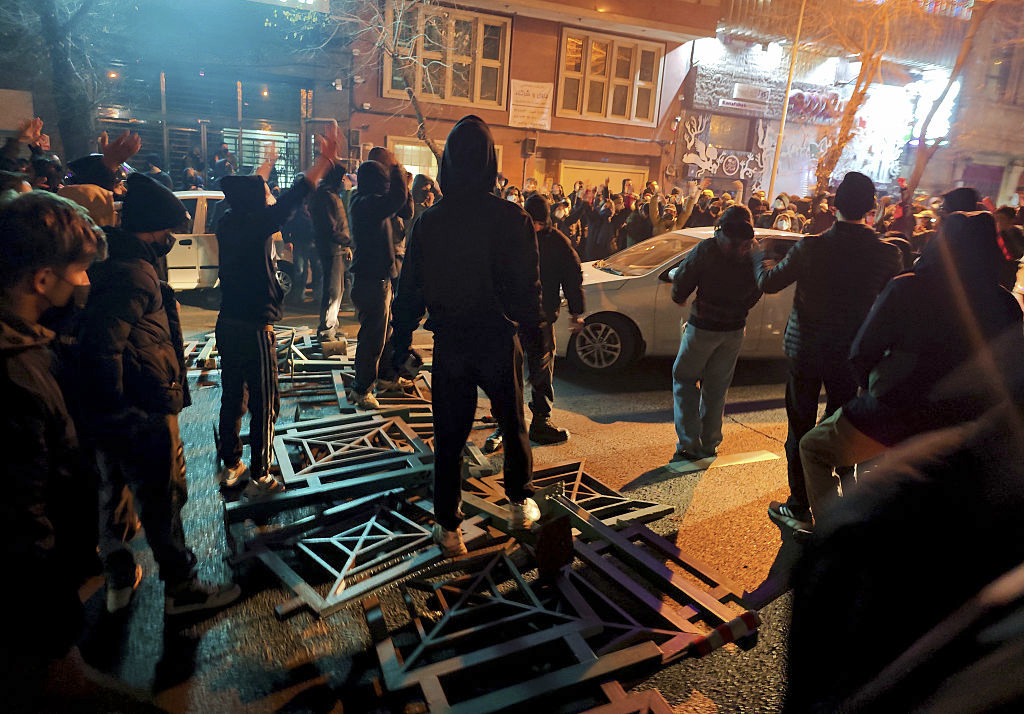
The United Nations, prominent NGOs, liberal politicians, and left-leaning activist networks seemingly love to frame themselves as some kind of elevated moral conscience for the international system. When it comes to Iran, however, where ordinary, unarmed people demanding freedom are being beaten, tortured, imprisoned, and gunned down in the streets by their own leaders, this high-minded moral chorus has all but disappeared. Pictured: Iranians protest against their regime on January 8, 2026 in Tehran, Iran. (Photo by Anonymous/Getty Images)

The United Nations, prominent NGOs, liberal politicians, and left-leaning activist networks seemingly love to frame themselves as some kind of elevated moral conscience for the international system. They speak the language of “justice,” “dignity,” and “universal human rights,” and insist — sometimes with threats and violence — that silence in the face of oppression is “complicity.”

When it comes to Iran, however, where ordinary, unarmed people demanding freedom are being beaten, tortured, imprisoned, and gunned down in the streets by their own leaders, this high-minded moral chorus has all but disappeared.

If the slaughter has stopped, it is reportedly “only because residents are being held hostage in their homes by machine gun-wielding security forces that have flooded the streets.”

The same institutions and voices that were so shrill and relentless when condemning Israel in the name of Palestinian rights are, when courageous Iranian lives are at stake, spectacularly non-existent. This double standard only exposes the bottomless hypocrisy at the heart of much contemporary human rights activism.

Across Iran, protests have erupted in a desperate struggle for survival. People are not marching because they are paid, bored or seeking attention. They are marching because they are being suffocated by an authoritarian system that controls nearly every aspect of their lives. The regime has responded in the only way it knows how: with unremitting brute force. Security forces fire live ammunition into crowds, raid homes at night, arrest protesters, beat detainees behind closed doors, and for all we know, hang them in secret.

Internet access has been deliberately cut to isolate the population, both to prevent images of bloodied streets and grieving families from reaching the outside world and to prevent demonstrators from communicating with one another. Bless Elon Musk for his Starlink. We are witnessing repression in its most classic and savage form. Where is the sustained outrage? Where are the mass demonstrations in Western capitals? Where are the daily headlines, the emergency UN sessions, the endless panel discussions, the moral urgency?

The silence tells Iranians that their suffering is negotiable, as the ayatollahs tried to convince US President Donald J. Trump. He first sounded delighted but then, to his unending credit, backtracked.

The Iranian people, after weeks of being massacred in the streets, are still waiting for that “locked and loaded” promise that Trump keeps making but never delivers. To them, once again, as during the term of President Barack Hussein Obama, it must look as if their deaths do not matter, and do not trigger the same “moral reflex” as other conflicts.

Is Trump really going to thwart the efforts of these unimaginably courageous people trying to rid themselves of a brutal despotism that has been attacking them for 47 years?

The silence tells them that the human rights of the global liberal and leftist establishment are not truly universal at all — but conditional, applied extremely selectively based on being paid and transported by professional organizers, as well as on often fabricated anti-American and anti-Jewish geopolitical narratives.

For people risking their lives — risking literally everything — in the streets of Tehran, Mashhad, Shiraz, and countless smaller cities, this silence means abandonment.

For years now, Iranians have been fighting for their most basic rights: to speak freely, to hear music, to dance, to feel their hair blown by the wind, to choose their leaders freely, to live without fear of arbitrary arrest, and to have a future that is not dictated by a sadistic, sociopathic elite.

The uprisings have come in waves. Each time, the regime has responded with intimidation, mass killings, torture, prison sentences, and countless atrocities. Many thousands, over the years, have been killed unjustly, with nothing even resembling due process. Thousands have disappeared into prisons where torture is routine and confessions are extracted through pain, humiliation, and ferocity.

Every uprising is followed by executions meant to instill terror and crush hope. Even so, each time, the people return to the streets. This persistence alone should command respect and solidarity from anyone who claims to stand for even the tiniest human right.

Instead, what we see is — nothing. A few indignant statements are released, carefully worded to be stripped of urgency. There are no mobilizations, no sense that what is happening in Iran represents a deadly emergency. This passivity contrasts with the manufactured energy poured into other causes. The moment outrage is selective, it is no longer moral; it is just political puffery.

For decades, women in Iran have lived under laws that regulate their bodies, clothing, movement and behavior. Mandatory hijabs are not a cultural choice; they are enforced through surveillance, intimidation and sometimes murder. Women who resist are harassed, tortured, raped in detention or even killed. In recent uprisings, women have openly defied the regime. They have removed their headscarves and called for freedom while daring to imagine a life without fear. Many are today paying with their lives for their courage while the loud, fearless, sanctimonious “defenders of human rights” just shop at the supermarket.

Where are the feminist organizations, the massive street protests, the celebrity campaigns, the nonstop advocacy? The same groups that mobilize instantly for women’s issues such as “glass ceilings” have reduced Iranian women to footnotes, if they mention them at all. The same holds true for all women doctrinally told they are inferiors. The silence is insulting. Iranian women apparently do not fit neatly into preferred narratives, or their struggle is inconvenient, or condemning a theocratic tyranny conflicts with other ideological alignments.

The message this disdain sends to Iran’s regime is that repression has no international cost. When authoritarian rulers see that mass murder provokes only muted pieties, how can they not feel emboldened? Silence is the green light that allows viciousness to continue, normalized and unchecked.

What is striking is that some of the few voices speaking out forcefully have come from unexpected places, such as Trump and leaders of Israel. Regardless of one’s views on their broader politics, their words on Iran have been unambiguous and blunt. They have openly condemned the regime’s violence and framed the protests as a legitimate struggle for freedom. While many so-called human rights defenders hedge their language on Iran and Jews, Trump and pro-Israel voices have shown a willingness to call regimes what they are and to supply consequences.

If the West truly wants to stand with the Iranian people, the continued presence of Iranian embassies and diplomats in Western capitals sends a message of the regime’s legitimacy and acceptance. Closing these embassies and expelling regime representatives would notify the Iranian people and everyone else that the world will no longer recognize or tolerate governments that massacre their own people.

Restoring and protecting internet access to Iranians is also critical. When the regime shuts down communications, it not only prevents coordination — it is hiding crimes. Providing Iranians with tools to stay connected, to share their stories, and to document abuses would be a hugely effective form of support. Amplifying Iranian voices in international media, giving protesters a platform to speak for themselves, and refusing to let their struggle fade from public attention are equally vital.

Finally, authoritarian regimes respond to pressure only when it is real and credible. The possibility of intervention has already somewhat changed the mullahs’ calculations. Pressure consists of making clear that red lines exist, and that crossing them will not be free of cost. Without credibility, no bloodshed will ever stop.

The Iranian people will remember who spoke up, who acted, and who did not. If these so-called human rights defenders, liberals, and leftists who claim to champion justice remain silent now, their credibility may deservedly be gone.

It is time to speak up clearly and consistently and stand with the Iranian people. These protests are not just about Iran. They are about whether human rights are truly universal or just rhetorical twaddle deployed when one has nothing better to do. Supporting the Iranians in their struggle for freedom is supporting freedom itself.


Dr. Majid Rafizadeh, is a political scientist, Harvard-educated analyst, and board member of Harvard International Review. He has authored several books on the US foreign policy. He can be reached at dr.rafizadeh@post.harvard.edu


Zawartość publikowanych artykułów i materiałów nie reprezentuje poglądów ani opinii Reunion’68,
ani też webmastera Blogu Reunion’68, chyba ze jest to wyraźnie zaznaczone.
Twoje uwagi, linki, własne artykuły lub wiadomości prześlij na adres:
webmaster@reunion68.com