Archive | 2016/03/29

Palestyńczycy chca własnego Knesetu

Gatestone InstitutePalestyńczycy chca własnego Knesetu

Khaled Abu Toameh Tłumaczenie: Małgorzata Koraszewska


  • Co mają wspólnego Haneen Zoabi i Nadżat Abu Bakr?
  • Obie te kobiety są mówiącymi bez ogródek posłankami do parlamentu – Zoabi w Izraelu a Abu Bakr na terytoriach palestyńskich.
  • Zoabi, która pochodzi z Nazaretu, jest obywatelką Izraela. Abu Bakr, z miasta Nablus na Zachodnim Brzegu, jest wybraną posłanką do Palestyńskiej Rady Ustawodawczej (PLC), parlamentu, który praktycznie jest sparaliżowany od 2007 r., kiedy Hamas wygnał Autonomię Palestyńską ze Strefy Gazy.


Haneen Zoabi (po lewej) i Nadżat Abu Bakr (po prawej) są mówiącymi bez ogródek posłankami do parlamentu – Zoabi w Izraelu a Abu Bakr na terytoriach palestyńskich. I na tym zasadzie podobieństwa kończą się.

Ale odważne uczestnictwo w debatach parlamentarnych jest w zasadzie tym, na czym kończą się podobieństwa.

Zoabi, która mieszka w Izraelu, ma inne życie niż jej koleżanka, Abu Bakr, która jest obywatelką palestyńską.

Zoabi, posłanka do parlamentu izraelskiego, jest prowokatorką o długim stażu, która regularnie oburza publiczność izraelską. Dołączyła do flotylli “pomocy” dla Strefy Gazy – co rozwścieczyło wielu Izraelczyków.

Przy innych okazjach jej wypowiedzi były także interpretowane jako pokaz solidarności z wrogami Izraela. Ostatnio otrzymała łagodny wyrok po podpisaniu umowy z oskarżeniem, przyznając się do obrażenia Araba pracującego w policji izraelskiej.

W zeszłym miesiącu Zoabi była ponownie na czołówkach gazet – wraz z dwoma arabskimi posłami do Knessetu, Jamalem Zahalką i Baselwm Ghattasem — spotkała się z rodzinami Palestyńczyków, którzy przeprowadzili zamachy terrorystyczne na Izraelczyków.

Mówi się, że ona i pozostali dwaj posłowie do Knessetu otrzymali zaledwie “lekko po łapach”: zostali na kilka miesięcy zawieszeni w uczestnictwie w spotkaniach komisji parlamentarnych.

Mimo że zachowania i retoryka Zoabi są odrażające dla wielu Izraelczyków, włącznie z niektórymi arabskimi obywatelami Izraela, prezydent Izraela, Reuven Rivlin, wraz z innymi Izraelczykami wystąpili przeciwko usunięciu jej i kilku jej kolegów ze Wspólnej Listy Arabskiej z Knessetu.

“Nie możemy pozwolić, by Knesset, którego członkowie są wybrani przez społeczeństwo, niezależnie obalał wybór społeczeństwa” – powiedział Rivlin , odnosząc się do proponowanej ustawy, która pozwoliłaby członkom Knessetu usunąć swoich kolegów wyrażających poparcie dla terroryzmu.

Wróćmy jednak do pytania: jak wiedzie się Haneen Zoabi i Nadżat Abu Bakr, naszym dwóm parlamentarzystkom?

Podczas gdy Zoabi, arabska, muzułmańska obywatelka Izraela swobodnie wykonuje swoje obowiązki – i korzysta z wolności – Abu Bakr była zmuszona szukać schronienia w budynku Palestyńskiej Rady Ustawodawczej w Ramallah.

Krótko mówiąc, te dwie kobiety żyją w różnych światach.

Od zeszłego tygodnia, kiedy prezydent Mahmoud Abbas nakazał jej aresztowanie, Abu Bakr pozostaje na terenie budynku parlamentu Autonomii Palestyńskiej. Jej przestępstwo: poinformowała o korupcji finansowej ministra, blisko związanego z prezydentem Abbasem.

Twierdzi ona, że minister sprzedawał prywatnie wodę Palestyńczykom i nielegalnie wziął ponad 200 tysięcy dolarów z budżetu palestyńskiego.

Nie jest to jednak jej jedyne przestępstwo. Kolejne dotyczy jej publicznego poparcia strajku nauczycieli na Zachodnim Brzegu. Strajk poważnie skompromitował prezydenta Abbasa i kierownictwo Autonomii Palestyńskiej. Abbas nakazał aresztowanie dziesiątków strajkujących nauczycieli i wysłał setki policjantów na posterunki kontrolne, by udaremnić protest organizowany przez nauczycieli, którzy żądają podwyżki płac i lepszych warunków pracy.

Najwyraźniej Abu Bakr zapomniała, że jest posłanką do parlamentu palestyńskiego, nie zaś izraelskiego. Ona i jej koledzy nie mają prawa krytykować prezydenta Abbasa ani żadnego wyższego rangą funkcjonariusza w Ramallah. Taka krytyka uważana jest za “obrażanie”, a nawet akt zdrady.

Członkowie parlamentu Autonomii Palestyńskiej nie mają takich praw, jakie mają arabscy członkowie parlamentu izraelskiego, Knessetu.

Na przykład, immunitet parlamentarny znaczy, że władze nie mogą zatrzymać lub wezwać na przesłuchanie Zoabi i jej kolegów.

Prawdę mówiąc, w parlamencie palestyńskim nic się nie dzieje. Jest sparaliżowany z powodu konfliktu AP z Hamasem i w zasadzie funkcjonuje tylko jako obiekt dowcipów Palestyńczyków.

Nieobecność działającego parlamentu bardzo odpowiada jednak prezydentowi Abbasowi i jego rządowi. Brak parlamentu oznacza, że nikt nie pociąga ich do odpowiedzialności.

Tymczasem Abu Bakr, posłanka, która ośmieliła się otworzyć usta przeciwko prezydentowi oraz wysokiemu dygnitarzowi Autonomii Palestyńskiej, wpada w łapy palestyńskich sił bezpieczeństwa.

Abu Bakr jest obecnie zbiegiem. Zeszły poniedziałek był szóstym dniem jej ukrywania się w budynku parlamentu. Odmówiła opuszczenia tego budynku lub stawienia się na przesłuchanie i żąda, by Abbas unieważnił nakaz jej aresztowania.

Gdzie jest teraz towarzyszka Zoabi? Posłowie Wspólnej Listy Arabskej milczą w sprawie nękania ich koleżanki – posłanki do parlamentu w Ramallah.

Jakże inny obraz widzielibyśmy, gdyby Abu Bakr została na piętnaście minut zatrzymana na punkcie kontrolnym Izraelskiej Armii Obronnej. W jeszcze krótszym czasie niż kwadrans Zoabi wieszałaby psy na Izraelu za łamanie praw członka parlamentu na terytoriach palestyńskich.

Mamy więc dwie posłanki. Jedna musi szukać schronienia we własnym parlamencie przed aresztowaniem przez palestyńskie siły bezpieczeństwa. Druga ma wszystkie prawa i przywileje innych obywateli Izraela, w tym arabskich, mimo jej niezmiernie prowokacyjnego zachowania.

Jest to różnica między krajem praworządnym, a Autonomią Palestyńską, która przez lata funkcjonuje jako mafia.

Nadżat Abu Bakr i wielu Palestyńczyków marzą o dniu, w którym oni także będą mieli Knesset, prawdziwy parlament, który domaga się odpowiedzialności od swoich przywódców. Obecnie – i w przewidywalnej przyszłości – ten dzień jest tylko sennym marzeniem.

Zoabi i inni arabscy obywatele Izraela nie zamierzają jednak pakować walizek i przenosić się do Ramallah. Wygląda na to, że kolejna dyktatura arabska nie jest ich ideałem.


twoje uwagi, linki, wlasne artykuly, lub wiadomosci przeslij do: webmaster@reunion68.com



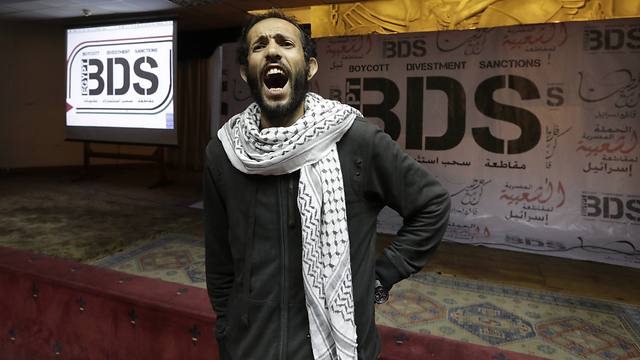
BDS is an existential threat

BDS is an existential threat

Tal Keinan


Op-ed: The Israeli economy is under threat from the BDS movement, with severe implications if it succeeds. In order to address this threat, Israel must understand and answer several questions to create a solid front against this movement.

Let’s be clear on the numbers: The BDS movement is strongest in Europe.
In 2014 – the last year there are full numbers for – 35 percent of Israel’s exports went to Europe. Thirty-two percent of the Israeli GDP is comprised of exports. That means that exports to Europe account for 12 percent of Israeli GDP.

Assume that European governments remain supportive of trade with Israel, but that European consumers do not. Governments cannot force consumers to buy Israeli products. Let’s say that the BDS movement succeeds in getting 25 percent of European consumers to boycott Israeli products. That would represent a 2.8 percent drop in Israeli GDP.

As Israel’s current GDP growth rate is 2.5 percent, this would push Israel into recession. Not the cyclical sort of recession that can be moderated by monetary and fiscal policy until economic imbalances correct themselves, but a secular recession, against which internal tools are ineffective.

Photo: AP

Photo: AP

Income inequality grows. Budgets for education, healthcare, infrastructure and defense shrink. Israeli technology exporters move their operations to the United States, taking with them much of the talent that fuels Israel’s economic engine. Imagine the rest of this story for yourself.

We will not succeed in addressing the BDS threat until we see it clearly, and our view is blocked by five camps within Israel:

1. The “Never Heard of It” Camp: Much of Israel is provincial to an extent that would have shocked our cosmopolitan Jewish forebears. We are so out of touch with the global discourse (which is conducted in English) that we cannot see threats approaching until it is too late. In the long term, we need to reclaim our cosmopolitan Jewish legacy. We can only do that in English, but that is a separate conversation. In the short term, it is our leaders’ responsibility to set the public agenda. They have been irresponsible in neglecting this.

2. The “Intel is Here for Good” Camp: This unfortunate quote is attributable to a worldly Israeli politician who should know better. Read the first paragraph of this article and do the math. Intel doesn’t have to leave in order for Israel to be dealt a crushing blow. Boycotters can keep using their Israel-Inside cellphones and navigation apps, and still hurt us. Hypocrites are people (and consumers) too.

3. The “It’s Not Fair!” Camp: I agree. It’s not fair. The double standards versus other progressive democracies facing similar challenges (see US and British forces in Iraq and Afghanistan) are absurd. Popular fixation on this particular conflict, at the expense of multiple incidences of real genocide, real war crimes, and real human rights abuses around the world, is grotesque. So what? The threat to Israel is no less real, and it is our problem alone.

4. The “anti-Semitism” Camp: It may be true that Israel-bashing is the new anti-Semitism. That does not mean that all critics of Israel are motivated by anti-Semitism. Anybody whose knowledge of this conflict is based on current media framing, anti-Semite, philo-Semite or indifferent, is likely to emerge with an anti-Israel bias. But there is a large population that is open to challenging its own views, whom we should not abandon. The anti-Semitism Camp also often alienates true friends of Israel who happen to disagree with Israeli government policy – as many Israelis do.

5. The “We Deserve It” Camp: This camp contends that moral relativism is not a justification for bad policy, so we should use all means at our disposal to bring Israeli policy in line with Jewish values – including embracing those who would boycott us. This is a problem. The BDS movement is not about helping us to become better versions of ourselves. It is the invention of enemies committed to our destruction. If it achieves even modest success, its effects could be irreversible or, worse, instigate an economic death spiral. Our standards are our own matter. Pretending we are somehow aligned with our enemies is dangerous.

We have risen up to existential challenges before, and we will rise to this one. The first step is identifying the threat clearly. Only after we have done so can we begin posing the right policy questions. Who should be representing Israel in international forums? Political appointees or the best experts in public relations drawn from across the Jewish world? What size budget should be earmarked for branding? Is a positive brand just a nice thing to have or is it an asset critical to our long term survival? To what extent should our brand play a role in our policy decisions? How much, for example, should we be willing to pay in order to continue expanding the Jewish population in Judea and Samaria while publicly advocating two states for two peoples?

Some readers will be irked by the question. I am not suggesting an answer here. Answer it yourself. I am only suggesting that, as citizens, we be crystal clear on the benefits and the costs of the decisions we make. Otherwise, they will be made for us, by somebody who benefits, and we will be left to live with the costs.


Tal Keinan is the CEO of Clarity Capital, a New York and Tel Aviv based investment management firm.


twoje uwagi, linki, wlasne artykuly, lub wiadomosci przeslij do: webmaster@reunion68.com


Argentina’s Jewish Leaders Ask for Israel’s Help in Face of Accelerated Assimilation

Argentina’s Jewish Leaders Ask for Israel’s Help in Face of Accelerated Assimilation

Israel Hayom


Sinagoga de la Congregación Israelita Argentina, a synagogue in Buenos Aires. Credit: GameOfLight via Wikimedia Commons.

JNS.org – Leaders of Argentina’s Jewish community have warned that accelerated assimilation by Jews in the South American nation and worldwide is “placing the Jewish people’s future at risk.” The phenomenon, they said, is akin to “quiet terrorism.”

Buenos Aires is home to one of the largest Jewish communities in the world, numbering nearly 300,000 people. Recent data, however, suggests that more 50 percent of young Jews in the country lose touch with their heritage. Community officials said the issue transcends the “classic assimilation” of mixed marriages, and that it seems young Jews increasingly choose to shun their religion and even distance themselves from the State of Israel.

In a letter sent to Prime Minister Benjamin Netanyahu this week, Argentine Sephardic Rabbi Isaac Saka wrote, “This painful situation will lead to future generations, millions of Jews, who will be oblivious to their Jewish identity, and have no affiliation with the State of Israel. Millions of others might know they are Jewish, but they will lack any understanding of their heritage.”

Saka urged Netanyahu to form a special forum comprising the heads of Jewish communities and organizations worldwide to prevent accelerated assimilation, and suggested an international summit “to discuss this urgent, important, and dramatic issue’s implications on the Jewish people’s future.”


twoje uwagi, linki, wlasne artykuly, lub wiadomosci przeslij do: webmaster@reunion68.com
