Archive | September 2022

Jak Polska wygrała z bolszewikami propagandowo?

Polski plakat propagandowy kolportowany podczas wojny w 1920 r. (fragment) (East News)


Jak Polska wygrała z bolszewikami propagandowo?

Sebastian Pawlina


“Wiesz ty, co czeka twoją matkę, jeśli tu przyjdą hordy czerwone? Czy myślisz, że oni matki ci nie splugawią, nie zamordują?” – pytał 31 lipca 1920 r. “Tygodnik Ilustrowany”

.

W niedzielę 18 lipca 1920 r. plac Saski w Warszawie zapełniły tysiące ludzi. W pełnym słońcu stali nie tylko cywile, ale również duchowni i wojskowi, wśród których prym wiedli legioniści. Na jednym ze zdjęć Władysław Belina-Prażmowski, dowódca m.in. 1. Pułku Ułanów, personifikacja ułańskiej fantazji, siedzi na koniu z szablą niedbale opartą o siodło i patrzy przed siebie, poza kadr. To, co widział, dostrzegamy na innych fotografiach: szeregi wojska, ale też ochotnicy, np. kosynierzy z Niezależnych Stowarzyszeń Robotniczych. Wszyscy uczestniczyli w Święcie Armii Ochotniczej, równie świeżym, co i sama Armia Ochotnicza, powołana do życia 1 lipca. Dzień później „Kurier Warszawski” informował, że „gdy przybył biskup polowy ks. Stanisław Gall, orkiestra dęta powitała go z fanfarą. Przed głównym ołtarzem zasiedli: jenerał Haller, minister jen. por. Józef Leśniewski, komendant miasta jen. Zawadzki i liczni wyżsi oficerowie. Tuż liczni weterani”.

Po mszy i przemówieniach polityków „nastąpiła najuroczystsza chwila obchodu”. Ks. Gall przekazał sztandar Generalnemu Inspektorowi Armii Ochotniczej gen. Hallerowi, który po złożeniu przysięgi „przemówił krótko, po żołniersku, a z mocą, jaką najgorętsza miłość ojczyzny daje. Że ci, co mogą iść bronić ojczyzny i nie idą, i ci, co mogąc dać, nie dają – to zdrajcy ojczyzny. I ci, co porywom dziś przeszkadzają – to zdrajcy. Słuchano tych słów z oddechem zapartym i żłobiły one w sercach nowe moce wewnętrzne”.

Polski plakat propagandowy kolportowany podczas wojny w 1920 r.
Polski plakat propagandowy kolportowany podczas wojny w 1920 r.  EAST NEWS / Muzeum Wojska Polskiego/East News
.

Tłum padł na kolana. Po uroczystości szeregi ochotników wraz z weteranami powstania styczniowego wyruszyli z placu Saskiego w kierunku ul. Mazowieckiej. Ludzie rzucali kwiaty, wznosili okrzyki, zaś autor relacji kończył ją, pisząc, że „cały dzień wczorajszy mocno serca zagrzał, spotężnieje jeszcze niechybnie święty ogień zapału, bez którego nie masz zwycięstwa”.

Przedstawienie na placu Saskim, propagandowy majstersztyk wzbogacony o czysty entuzjazm, odbyło się w ostatniej chwili. Za niecały miesiąc wojska bolszewickie miały znaleźć się pod Warszawą, która jeszcze przed chwilą się tym nie przejmowała, trwając w wiosenno-letnim zawieszeniu.

Odwrót na stronie trzeciej

Czytając ówczesną prasę, można odnieść wrażenie, że wojna z bolszewikami do czerwca 1920 r. była tematem jednym z wielu. 9 czerwca w porannym wydaniu „Kurier Warszawski” podawał na piątej stronie, że „nasza kontrofensywa na froncie między Dźwiną a Berezyną w szybkim tempie postępuje naprzód”. W kolejnych zdaniach autor pisał o przełamywaniu frontu, oskrzydlaniu nieprzyjaciela, braniu do niewoli jeńców. Dopiero na końcu pojawia się zdanie: „Na Ukrainie silne ataki na Hajsyn odparto z powodzeniem. W obszarze między Skwirą a Pohrebyszczami walki trwają”. 

Polski plakat propagandowy kolportowany podczas wojny w 1920 r.
Polski plakat propagandowy kolportowany podczas wojny w 1920 r.  EAST NEWS / Muzeum Niepodleglosci/East News
.

Wymienione miejscowości leżą na południe od Kijowa, zaledwie miesiąc wcześniej odbitego z rąk bolszewików.

Jednak gdy na początku czerwca sytuacja się zmieniła i to Armia Czerwona uzyskała przewagę, prasa rozpoczęła trwające miesiąc czarowanie rzeczywistości.

Pisała, że polskie oddziały odpierają ataki przeważających sił nieprzyjaciela, a jeśli się wycofują, to w sposób zorganizowany. 12 czerwca dopiero na siódmej stronie podano, że „na froncie ukraińskim odbywa się planowe przegrupowanie”.

Prasa odsuwała wojnę na bok, co przyniosło szkodliwy efekt. Stefan Krzywoszewski, pisarz i dziennikarz, pisał, że „dopóki front był daleko, Warszawa tak dalece nie odczuwała wojny, że zapomniano o konieczności agitacji wśród szerokich warstw społecznych (…). Dopiero gdy wróg wtargnął w granice Rzeczypospolitej i zagroził stolicy, podjęta została żywa agitacja”.

„Świnia tresowana w Paryżu”

Dla młodego państwa polskiego wojna była sprawdzianem nie tylko siły militarnej, ale również spoistości społecznej. Nagle kraj pozszywany z trzech zaborów, z różnych systemów miar, wag, walut i mentalności, musiał stawić czoła nowemu zagrożeniu. Dodatkowym utrudnieniem było zmęczenie niedawną wojną i naturalny strach przed śmiercią.

W normalnych warunkach te szczeliny utrudniające tworzenie zwartego społeczeństwa zasypywano by latami, ale gdy wolność została zagrożona, należało to zrobić jak najszybciej. Twórcy polskiej propagandy musieli nie tylko zachęcać ludzi do walki, ale także zjednoczyć Polaków, prowadząc intensywną kampanię patriotyczną i edukacyjną. Tym bardziej że pierwsi propagandowy front uruchomili bolszewicy. W 1920 r. brytyjski poseł w Pradze donosił, że według Tomasa Masaryka, prezydenta Czechosłowacji, „bolszewizm nie da się pobić przy pomocy sił zbrojnych lub zatrzymać poprzez barierę państw takich jak Polska, Czecho-Słowacja i Rumunia. Jedyną skuteczną bronią jest kontrpropaganda”. 

Bolszewicki plakat propagandowy kolportowany podczas wojny w 1920 r.
Bolszewicki plakat propagandowy kolportowany podczas wojny w 1920 r.  EAST NEWS / Zbiory K. Chojnackiego/ East News
.

Moskwa nie żałowała pieniędzy na agitację, projektując ją rękami uznanych artystów, takich jak Michał Czeremnych czy Włodzimierz Majakowski, poeta i dramaturg. Hasła wymyślane przez nich pojawiały się na plakatach i ulotkach, które kolportowała na zajmowanych terenach Rosyjska Agencja Telegraficzna (ROSTA). W lutym 1920 r. „Przegląd Wieczorny” donosił, że bolszewicy „zasypują żołnierzy naszych całymi stosami bibuły komunistycznej, demoralizującej żołnierzy, którzy czytają wcześniej gazety bolszewickie niżeli swoje własne”.

W trakcie wojny powstało co najmniej 200 plakatów, niektóre w nakładzie nawet 100 tys. egzemplarzy. Atakowano na nich Józefa Piłsudskiego, ośmieszano polskie godło, symbole narodowe, wojsko, pisano o „świni tresowanej w Paryżu” czy „jaśnie wielmożnej Polsce – ostatnim psie ententy”. Chłopi dowiadywali się, że jeśli Polska wygra, to zostaną niewolnikami. Teksty dostosowywano do zajmowanego obszaru, przed wejściem w granice Polski atakowano cały kraj, ale gdy zbliżano się do terenów, na których przeważali Polacy, uderzano tylko w „polskich panów”.

Jak Stary Wiarus

Strona polska długo nie rozwijała działań propagandowych, choć już w 1919 r. raporty donosiły o nasilaniu się wrogiej agitacji oraz sugerowały podobne działania. W lutym 1920 r. Piłsudski w wywiadzie dla „Timesa” mówił: „Nie sądzę, ażeby propaganda bolszewików stanowiła niebezpieczeństwo dla tych, którzy ich znają. Lud nasz stykał się z bliska z bolszewizmem od czasu rewolucji rosyjskiej i zdaje sobie sprawę z tego, co on oznacza”. Podobne opinie o polskiej odporności na propagandę bolszewicką zawierały francuskie raporty dyplomatyczne. Być może więc ten brak reakcji należy rozumieć jako subtelną propagandę polegającą na budowaniu poczucia spokoju. 

Polski plakat propagandowy kolportowany podczas wojny w 1920 r.
Polski plakat propagandowy kolportowany podczas wojny w 1920 r.  EAST NEWS / Krzysztof Chojnacki/East News
.

Z czasem jednak zaczęto zachęcać ludzi do walki. „Gazeta Wojenna” z sierpnia definiowała ją w dziewięciu punktach. Zachęcała m.in. do zaciągana się do Armii Ochotniczej, do jej wsparcia – finansowego bądź w naturze i w postaci pracy, do zapisania się do Czerwonego Krzyża, do zakupu Pożyczki Obrony i Odrodzenia Polski, a nawet do informowania innych o tym, co mogą i powinni zrobić.

Działalnością propagandową zajęło się kilka instytucji. Prym wiódł Oddział II Informacyjny Naczelnego Dowództwa z Biurem Prasowym na czele. Jego zadaniem było inspirowanie gazet, aby publikowały odpowiednie treści. Biuro miało wpływ na tytuły tak popularne jak „Tygodnik Ilustrowany” czy „Kurier Polski”. Inne, jak „Wiarus” albo „Rząd i Wojsko”, kolportowano wśród żołnierzy. Organizowano dla nich wykłady, pogadanki, a ze względu na duży odsetek analfabetów – także zbiorowe czytanie gazet w świetlicach.

Wojskiem opiekowała się również Sekcja Propagandy i Opieki nad Żołnierzami, która rozdawała ulotki, broszury, ale też czekoladę i herbatę. Utworzyła zespoły teatralne, redakcyjne, oficerów oświatowych. Istotnym elementem propagandy w wojsku były wizyty polityków z pierwszych stron gazet: Macieja Rataja, Wincentego Witosa czy Ignacego Daszyńskiego. 

Polski plakat propagandowy kolportowany podczas wojny w 1920 r.
Polski plakat propagandowy kolportowany podczas wojny w 1920 r.  EAST NEWS / Muzeum Wojska Polskiego/East News
.

Podobnie jak bolszewicy Polacy zaangażowali artystów. Teksty pisali autorzy tej klasy co Stefan Żeromski, Zofia Nałkowska, Leopold Staff, Maria Dąbrowska czy Jan Kasprowicz. Plakaty projektowali najlepsi wówczas plastycy, jak Władysław Teodor Benda czy Władysław Skoczylas. Z kolei przedstawienia teatralne przygotowywali cenieni Karol Adwentowicz, Arnold Szyfman i Ludwik Solski, znany publiczności z roli Starego Wiarusa z „Warszawianki” Stanisława Wyspiańskiego. W dramacie nie wypowiada on ani słowa. Przekazuje gen. Chłopickiemu meldunek, a jednej z mieszkanek dworu zakrwawioną wstążkę – po czym salutuje i wychodzi. Na tym schemacie opierała się również propaganda operująca z powodzeniem mieszanką wiadomości i patosu.

Biją, rabują, mordują

Przełom w publicznym mówieniu o zagrożeniu bolszewickim nastąpił 1 lipca. Wtedy powstała Rada Obrony Państwa, która na pierwszym posiedzeniu przygotowała odezwę do narodu. Krótki dokument odwoływał się przede wszystkim do strachu oraz odpowiedzialności za Polskę:

„Wrogowie otaczający nas zewsząd skupili wszystkie siły, by zniszczyć wywalczoną krwią i trudem żołnierza polskiego niepodległość naszą. Zastępy najeźdźców, ciągnące się aż z głębi Azji, usiłują złamać bohaterskie wojska nasze, by runąć na Polskę, stratować nasze niwy, spalić wsie i miasta i na cmentarzysku polskiem rozpocząć swoje straszne panowanie”.

Wzbudzanie strachu przed wrogiem stało się jednym z naczelnych haseł propagandy. 5 lipca „Kurier Warszawski” szeroko cytował relację porucznika R. Tytuł artykułu nie pozostawiał wątpliwości: „Bolszewicy mordują jeńców polskich”. Dalej był opis egzekucji. Gdy jeńcy stali i czekali na rozstrzelanie, R. rzucił się do ucieczki. „Jednocześnie rozległ się huk strzałów i dwaj biegnący obok porucznika R. żołnierze polscy padli zabici, on sam zaś, potknąwszy się, wleciał do jakiejś kałuży, gdzie przeleżał kilka godzin bez ruchu, starając się uchodzić za trupa. Słyszał jeszcze jęki dobijanych i widział, jak jeden z kozaków przebiegł tuż nad nim (…). W końcu z kryjówki swojej por. R. był świadkiem sceny układania jeden na drugim trupów, których naliczono 16″.

Autorzy innych tekstów pisali o losie, jaki spotka włościan, chłopów, mieszkańców miast, kościoły, ostrzegano, że wróg rozkradnie wszelkie dobra, w tym ziemię. Że zwycięstwo bolszewików oznaczać będzie koszmar najgorszy z możliwych. Strach starano się wymieszać z odpowiedzialnością za kraj i troską o najbliższych. „Tygodnik Ilustrowany” z 31 lipca pytał:

„Wiesz ty, co czeka twoją matkę, jeśli tu przyjdą hordy czerwone? Czy myślisz, że oni matki ci nie splugawią, nie zamordują… Czy może o żonę ci idzie? A wiesz ty, mężu zatroskany, co robią z kobietami czerwonogwardiejcy? Siedź tu i czekaj, aż tę kobietę, która z tobą pracowała przez całe życie, która ci zaufała, że będziesz jej obrońcą, zhańbią, a później zabiją…”.

Polski plakat propagandowy kolportowany podczas wojny w 1920 r.
Polski plakat propagandowy kolportowany podczas wojny w 1920 r.  EAST NEWS / Zbiory K. Chojnackiego/ East News
.

Propagandziści oferowali i inne „zachęty”, np. ośmieszenie i zawstydzenie. Apele kierowali do mężczyzn, ale też do kobiet, które miały wywierać nacisk na mężów, synów, braci, aby szli walczyć. Niekiedy pisano to w ostrych słowach, innym razem w żartobliwych, ale równie bolesnych. Na jednym z afiszy zawieszonych na murach Warszawy ludzie czytali: „Jedno dziś jest tylko zaszczytne miejsce – front”, a niżej pytano: „Czy ten, którego kochasz, już tam jest?”. Zawstydzanie osiągano także, pokazując postawy właściwe, czyli pisząc o ochotnikach – żywych i martwych. „Kurier Warszawski” przez kilka tygodni w rubryce „Do broni!” podawał przykłady instytucji, które odpowiadając na apele o wstępowaniu do wojska, oddawały się do dyspozycji najwyższych władz. 7 lipca informował np., że „wskutek odezwy naczelnego wodza urzędnicy ministerjum skarbu uchwalili, żeby wszyscy zdrowi i silni urzędnicy stawili się do szeregów, a w ministerjum pozostali na służbie słabsi i obarczeni dużemi rodzinami”. Podobne notki szły w setki. Tak samo jak nekrologi wzbogacane o opisy bohaterskiej śmierci.

Długie trwanie propagandy

Propagandowy front wojny polsko-bolszewickiej był równie ważny jak militarny. Bez szeroko zakrojonej akcji zachęcania ludzi do wstępowania w szeregi wojska czy wspierania go na różne sposoby koszt zwycięstwa mógł być zdecydowanie większy. Była to również okazja do poznania propagandy wroga i przygotowanie się do walki z nią w przyszłości. W dwudziestoleciu międzywojennym pisali o tym różni autorzy, m.in. młody mjr Stefan Rowecki, późniejszy dowódca Armii Krajowej, który w 1940 r., korzystając z tych doświadczeń, rozpoczął przygotowania do akcji „N”.

O tym, że w 1920 r. propaganda odniosła pożądany skutek, świadczą nie tylko końcowy efekt czy liczby – do września do Armii Ochotniczej wstąpiło ponad sto tysięcy ludzi – ale również opowieści żołnierzy. Józef Rybicki, w latach 1943-44 szef Kedywu Okręgu Warszawskiego AK, wspominał, że kilka lat po wojnie polsko-bolszewickiej zapisywał się na studia na Uniwersytecie Wileńskim. Żeby się na niego dostać, trzeba było stanąć przed Komisją Kwalifikacyjną Rady Młodzieży: „Sprawdzano jedną rzecz: jak kandydaci ubiegający się o przyjęcie spełnili obowiązek względem ojczyzny. Nikt, kto był zdrowy, a nie poszedł do wojska, nie miał żadnej szansy”.

Entuzjazm stojący za powstaniem Armii Ochotniczej, o którym pisała prasa po święcie na placu Saskim w Warszawie, ciągle był żywy. Propaganda pomimo zakończonej wojny dalej działała.


Zawartość publikowanych artykułów i materiałów nie reprezentuje poglądów ani opinii Reunion’68,
ani też webmastera Blogu Reunion’68, chyba ze jest to wyraźnie zaznaczone.
Twoje uwagi, linki, własne artykuły lub wiadomości prześlij na adres:
webmaster@reunion68.com



All Together Now

All Together Now

NOMI KALTMANN


In Melbourne, a massive project aims to bring Jewish organizations, museums, communal groups, and restaurants to a new, one-stop destination.

.
TABLET MAGAZINE

.

Melbourne, Australia, is home to a vibrant Jewish community. More than 60 synagogues, 10 Jewish day schools, and a dozen kosher restaurants serve some 60,000 Jews, from Bundist to ultra-Orthodox. There’s a lively Yiddish scene and an eclectic Jewish arts scene, including a Jewish film festival, a Jewish comedy festival, a festival of Jewish books, and a festival of Jewish arts and music.

Each of these Jewish cultural organizations and festivals currently operates independently, often with a small number of staff and volunteers. However, if one of the most ambitious building infrastructure projects in Australia’s history can get off the ground, things in Melbourne may soon be changing.

The proposed Jewish Arts Quarter (JAQ) will create a new, one-stop arts and cultural destination in Melbourne. With an estimated $40 million price tag, the project is centered around the creation of a hub that will include museums, education facilities, food, festivals, and open public spaces. Anchored by the Holocaust Museum, the Kadimah Jewish Cultural Centre and National Library, and the Jewish Museum of Australia, the JAQ will host Jewish theater productions and performances, art exhibitions, street busking, and literary events as well as lectures, film nights, and street festivals.

JAQ will be centred in the suburb of Elsternwick, which has a large Jewish population, and is one of three main Jewish suburbs in Melbourne. Elsternwick already has some Jewish infrastructure, but to date, many buildings have been underutilized, with some sitting on land worth millions of dollars that are only being used five to six hours per week.

“At the moment, many people in our community don’t fully appreciate our facilities because they don’t go there,” said Joe Tigel, a director of JAQ, who is also the president of Kadimah Jewish Cultural Centre and National Library. “When we raised the idea of JAQ with [the local suburban] council, they were excited. The suburban council is looking for evocative spaces and better ways of attending without everyone having to drive everywhere. The council thought it would be great for us to build a great gathering place while preserving culture. We know if we get this right, people will come in from the margins to participate.”

The construction of the JAQ will take place in two phases, with phase one relocating the Jewish Museum of Australia to 7 Selwyn St. in Elsternwick, so that it shares a building with the Kadimah Jewish Cultural Centre and National Library, which has been located in Elsternwick since the 1960s. This phase will involve selling off assets of the Jewish Museum from the space it has occupied since 1995, and rebuilding Kadimah to include both institutions in one combined, refurbished building. As a result of this move, the Jewish Museum will double in size, and Kadimah will have a new performing arts space.

Next door to this new joint museum will be a refurbished Holocaust Museum, which has been located in Elsternwick since 1984 and, independent of the JAQ project, is currently undergoing major renovations. These facilities will cater for increased capacity for educational and communal programs.

The new combined site “will be transformed into a purpose built, multi-use facility—the epicenter for Jewish arts, culture and life in Melbourne,” said Kylie Appel, the head of engagement at JAQ. ”JAQ will increase participation and allow both organizations to reimagine the future of arts and culture in a new state of the art facility to cater for the growing demands and needs of the community.”

Phase two of the project will involve the creation of new restaurants and cafes (some of them kosher) as well as the establishment of a coworking and performing-arts spaces in the streets surrounding the newly refurbished museums. All the organizations that are part of JAQ will continue to remain independent, but the hope is that the proximity of so many organizations and the combination of two museums next door to a refurbished Holocaust Museum will lead to a great deal more collaboration, resource sharing, and joint programs.

An exterior rendering of the proposed Jewish Arts Quarter in Elsternwick, MelbourneAn exterior rendering of the proposed Jewish Arts Quarter in Elsternwick, MelbourneCOURTESY JAQ

“It’s not just about a building, we are creating great spaces for our community and beyond” said Tigel. “When we started this project [about five years ago], we had a vision that you don’t need a ticket to something in order to come to visit JAQ. If we do this right, we will have an environment where people will want to come and be there. That’s a vision that takes belief and discipline.”

So far, the Jewish Arts Quarter has enthusiastic support from the local city council for phase one, as well support from the state and federal government. The state of Victoria, where Melbourne is located, has pledged 5 million Australian dollars. JAQ also has backing from one of Australia’s wealthiest philanthropic families, the Gandels, who have committed a generous grant from their foundation to support phase one of the JAQ infrastructure plan. In addition to these funds, the team at JAQ is looking to raise in excess of AU$30 million through a mix of community fundraising and philanthropy.

The hope is that similar to other ambitious projects like the JW3 in London or the Schwartz/Reisman Centre in Toronto, which are similar in scope to JAQ, the precinct will revolutionize the way Jewish people of all ages gather in Melbourne, offering a full array of programming most nights of the week and on weekends.

“JAQ will provide a place for meaningful connection through the facilitation of Jewish life, arts and cultural experiences in all its forms. Now more than ever we need projects like JAQ to bring people together,” said Appel. “The diversity of Melbourne needs a multicultural beacon to help build bridges and create pathways to tolerance, respect, understanding and sense of community belonging. We hope that JAQ will become a contemporary central hub and go-to place—the cool place to hang. When you have a space that’s welcoming, you embrace the broader community through knowledge and engagement experiences. This is the future of outreach that is inclusive to all.”

After the construction of these buildings finishes, and phase two begins, the idea is that JAQ will continue to exist as an entity that oversees the scheduling of activities in the Jewish Arts Quarter, and manages the tenancies of restaurants, cafes, and the coworking spaces to ensure that the area remains a vibrant hub.

“Having the two museums together is an opportunistic element,” said Tigel. “We will have tens of thousands of students come through, where they will learn about Holocaust studies, and then go to the Jewish Museum and learn more about the Jewish communities in Melbourne.”

Appel added: “Consolidating the key assets makes a lot of sense. Organizations are continually evolving, and we see JAQ providing endless possibilities for collaboration and sharing of resources and facilities.”

If the project is successful, it will represent a major shift that almost no other cultural or religious group in Melbourne, a multicultural city of 5 million people, has been able to achieve.

“In Melbourne we have missed some opportunities to create better places,” said Tigel. “In the 1960s Kadimah was the best attended community center in Melbourne. People who came to Melbourne had immigrated out of trauma, and they needed that sense of place that was not that different from Europe albeit shtetls and towns. [In the 21st century] I don’t think anyone wants to do a segregation model. In the diaspora, we face many challenges, including declining engagement, but you need to create an environment where you feel you are part of it. There are too many facilities that don’t serve their purposes anymore.”

Two groundbreaking studies conducted on the Australian Jewish community—Gen08 and Gen17, facilitated by Monash University—provided some of the most comprehensive data on the Australian Jewish community, seeming to support the idea that new ways of engagement are necessary. In Gen17, the data noted that only 35% of respondents in Melbourne said that they feel “very connected” to their Jewish identity. JAQ aims to change this.

“The vast majority of Jews are quite secular, and we feel that JAQ fills a really important role in our community, for people who don’t go to synagogue, for people that don’t go to a Jewish school but they come to JAQ and feel a sense of belonging,” said Gary Samowitz, the strategy and fundraising director at JAQ.

But an infrastructure project of this scope is not without some criticism or controversy. As one Melbourne community leader who declined to be named on the record said to me, “Why are we building another f–king edifice when we cannot afford Jewish school fees in Melbourne? We are all busy empire-building and we should be empire-deconstructing.”

However, Jeremy Leibler, the president of the Zionist Federation of Australia, which is not part of the JAQ, disagreed with this assessment. “The Jewish Arts Quarter deals with arts and culture. The school’s affordability discussion is not related to this project. The community has capacity to solve the Jewish education crisis and support Jewish arts projects. They are not mutually exclusive.”

While the organizations and businesses that will be participating in phase two are not yet finalized, JAQ is open to speaking with any organization that would like to join the arts precinct. The team at JAQ is keen to get as much community support as possible.

“We meet with all Jewish organizations one on one. We want their buy-in. We want them to feel a sense of ownership. This is a collaborative process. We want over 1,000 people to give feedback in our upcoming survey,” said Samowitz.

Tigel sees the potential for greater inclusion of other faith groups and ethnicities in the JAQ as a bonus. “Non-Jews will be at the JAQ every day, visiting museums, eating at restaurants, coming to festivals,” he said. “We see this project as promoting the Jewish community, stemming the tide of antisemitism, and creating bonds between ethnic communities. It’s a bit simplistic to say build and they will come. But I really believe it. If we build it and have a meaningful cultural vision, the people will come.”


Nomi Kaltmann is Tablet magazine’s Australian correspondent. Follow her on Twitter @NomiKal.


Zawartość publikowanych artykułów i materiałów nie reprezentuje poglądów ani opinii Reunion’68,
ani też webmastera Blogu Reunion’68, chyba ze jest to wyraźnie zaznaczone.
Twoje uwagi, linki, własne artykuły lub wiadomości prześlij na adres:
webmaster@reunion68.com


German Police Fine Jewish Activist For Staging Pro-Israel Counter-Demonstration at Palestinian Rally

German Police Fine Jewish Activist For Staging Pro-Israel Counter-Demonstration at Palestinian Rally

Ben Cohen


(Illustrative) Pro-Palestinian demonstrators clash with German riot police in Berlin on May 15, 2021. Photo: Reuters/Christian Mang

A Jewish communal official in the German city of Hanover has accused the local authorities of “criminalizing” the fight against antisemitism after she was fined for organizing a counter-demonstration at a pro-Palestinian rally where her father-in-law was assaulted for carrying an Israeli flag.

“The fight against antisemitism is being criminalized,” Rebecca Seidler — the director of the Liberal Jewish Community in Hanover — told the Welt news outlet during an extensive interview this week. “We are being made into perpetrators.”

Seidler recalled that on Apr. 23, she and her father-in-law, Michael Höntsch, arrived at the pro-Palestinian rally in downtown Hanover to register their protest and observe the proceedings alongside six other colleagues. When the 67-year-old Höntsch — a former member of parliament in the state of Lower Saxony for the center-left SPD Party — silently waved an Israeli flag, he was violently pushed to the ground by a demonstrator. Police later arrested the 55-year-old assailant and have initiated a criminal prosecution.

Seidler said that after the attack on her father-in-law, who walks with the aid of a cane, she spoke with the local police commander, urging him to de-escalate the increasingly heated situation. Because the official claimed that Seidler had organized her counter-protest without giving advance notice, she “was then informed that there would be a lawsuit against me, which irritated me a lot,” she said.

“I would have liked the police to have protected my father-in-law from attack, instead of underestimating the situation,”  Seidler added. “And I wanted the pro-Palestinian rally to have been shut down after the attack.”

Seidler said she was examining whether to lodge an appeal against the fine of 128.50 Euros (about $125). She noted that despite a notice being read out at the commencement of the pro-Palestinian rally warning against antisemitic slogans, “none of that was complied with.”

A video of the rally showed several inflammatory slogans being chanted at the rally, among them “child murderer Israel” and “Zionism is racism.”

A spokesperson for the Hanover police department told Welt that the rally had been peaceful until the counter-demonstrators had turned up “waving an Israeli flag.” The spokesperson asserted that tensions between the two groups of demonstrators had followed as a result, and that they were consequently separated. He added that “administrative offense proceedings for violating the Lower Saxony Assembly Act” had been initiated against Seidler.

Other German Jewish leaders voiced support for Seidler. “It is a fatal sign for civil society engagement when it is criminalized,” said Elio Adler, the chair of the German-Jewish Values Initiative, an NGO. “The police should have shown more tact at that moment.”


Zawartość publikowanych artykułów i materiałów nie reprezentuje poglądów ani opinii Reunion’68,
ani też webmastera Blogu Reunion’68, chyba ze jest to wyraźnie zaznaczone.
Twoje uwagi, linki, własne artykuły lub wiadomości prześlij na adres:
webmaster@reunion68.com


Ile majątku zagrabili Sowieci na Ziemiach Zachodnich?

Port w Elblągu w 1948 r. (Narodowe Archiwum Cyfrowe)


Ile majątku zagrabili Sowieci na Ziemiach Zachodnich?

Grzegorz Motyka


Krótka historia 57. Dywizji NKWD zdaje się pouczać, że dla Sowietów grabież majątku była równie ważnym zadaniem jak pacyfikowanie oporu.

.

Tuż przed ofensywą styczniową 1945 r. Stalin rozkazał sformować kilka nowych dywizji wojsk NKWD. Posuwające się za Armią Czerwoną wojska NKWD wyszukiwały i niszczyły pozostałych na zapleczu frontu żołnierzy wroga i dywersantów. Kontrolowały ludność na zajętych obszarach, zatrzymując wszelkie „wrogie elementy”, w tym uczestników polskiego podziemia. Enkawudyści ochraniali też mosty, wiadukty, więzienia i obozy dla jeńców.

Zagadka 57. Dywizji
Jednej z dywizji, oznaczonej numerem 57, składającej się z trzech pułków strzeleckich (369, 370 i 371) i liczącej około 6 tys. żołnierzy, powierzono ochronę tyłów 3. Frontu Białoruskiego. W efekcie „zabezpieczała” ona latem 1945 r. obszar od Malborka do Królewca.

Na początku kwietnia dywizja dowodzona przez płk. Grigorija Barładiana dotarła do tego drugiego miasta. Po kapitulacji niemieckiego garnizonu enkawudyści 10 dni „czesali” twierdzę. Jeden z rosyjskich autorów tak podsumował te działania: „De facto był to drugi szturm Królewca”. To oczywiście przesada. Enkawudyści obsadzili ważniejsze urzędy, by przejąć znajdującą się w nich dokumentację, oraz dokonali selekcji ludności.

Wiadomo, że zatrzymali 4250 ludzi, większość z nich (w sumie 2958) stanowili Niemcy, a wśród aresztowanych było też 575 polskich przymusowych robotników. Z nieznanych powodów zamiast wrócić do domu znaleźli się w rękach oficerów śledczych NKWD. Jak wiadomo, w ostatnich tygodniach wojny czerwonoarmiści dokonali masowych rabunków i gwałtów na niemieckiej ludności. W jednostkach NKWD dyscyplina stała na wyższym poziomie, jednak naiwnością byłoby myśleć, że podobne przestępstwa w nich się nie zdarzały.

Obława augustowska jako ostatnia operacja

W lipcu 1945 r. 3. Front Białoruski przeprowadził swoją ostatnią przed rozformowaniem operację wojskową, organizując w powiatach Augustów i Suwałki obławę przeciwko polskiemu podziemiu. W jej trakcie zatrzymano ponad 7 tys. Polaków. W wyniku naprędce przeprowadzonego śledztwa funkcjonariusze kontrwywiadu wojskowego Smiersz wytypowali podejrzanych o związki z podziemiem i bez sądu ich rozstrzelali. Zginęły wówczas co najmniej 592 osoby – ich ciał pochowanych w nieznanym miejscu do dziś nie odnaleziono.

Giby. 70. rocznica Obławy AugustowskiejGiby. 70. rocznica Obławy Augustowskiej  AGNIESZKA SADOWSKA

Zdawałoby się, że 57. Dywizja w sposób naturalny powinna wziąć udział w takiej operacji. Wszak żołnierze NKWD byli przeznaczeni do prowadzenia działań przeciwpartyzanckich i represyjnych. A jednak z nieznanych powodów Sowieci zdecydowali, że obławę augustowską przeprowadzą wyłącznie siłami Armii Czerwonej. Co prawda, nie można wykluczyć, że niektóre pododdziały 57. Dywizji wykorzystano np. do pilnowania zatrzymanych w czasie obławy, lecz większość sił tej jednostki wypełniała inne „czekistowskie” zadania. W lipcu 1945 roku 369. Pułk działał w Olsztynie, Ornecie oraz Elblągu, 370. w Gołdapi i Królewcu, zaś 371. w Kętrzynie, Piszu i Bartoszycach.

Czym zatem zajmowali się enkawudyści, skoro nie powierzono im „zaszczytnego” zadania zwalczania polskiej partyzantki w lasach augustowskich? Ze sprawozdań nie wynika, by prowadzili na większą skalę aresztowania, niemniej zatrzymali przynajmniej 416 Niemców.

W rejonie Kętrzyna mogli ochraniać funkcjonariuszy Smiersz badających kwaterę Hitlera.

Jednak najważniejszym ich zadaniem była zapewne ochrona szlaków komunikacyjnych, by oddziały Armii Czerwonej przed oddaniem terenu polskiej administracji sprawnie wywiozły na wschód wszelkie skonfiskowane dobra. Do obwodu kaliningradzkiego pojechały np. niemal wszystkie maszyny i narzędzia z zakładów przemysłowych Elbląga, w tym stocznia Schichaua.*

Zakłady Schichaua w Elblągu, 1913 r.Zakłady Schichaua w Elblągu, 1913 r.  Picasa

Bolesław Bierut o stratach Polski

Bolesław Bierut 18 sierpnia 1945 r. na posiedzeniu Tymczasowego Rządu Jedności Narodowej podał, że co prawda początkowa wartość instalacji przemysłowych przejętych na całych Ziemiach Odzyskanych wynosiła 1,75 mld dolarów, to jednak do ZSRR wywieziono już z tego majątek obliczany na około 0,5 mld dolarów.

Możemy być pewni, że Bierut podawał liczby oficjalne, a więc minimalne.

Rzeczywiste straty Polski były z pewnością większe. Krótka historia 57. Dywizji NKWD zdaje się pouczać, że dla Sowietów grabież majątku była równie ważnym zadaniem jak pacyfikowanie oporu.


>Grzegorz Motyka – Historyk, politolog, pracownik Instytutu Studiów Politycznych PAN. Specjalizuje się w dziejach stosunków polsko-ukraińskich.


Zawartość publikowanych artykułów i materiałów nie reprezentuje poglądów ani opinii Reunion’68,
ani też webmastera Blogu Reunion’68, chyba ze jest to wyraźnie zaznaczone.
Twoje uwagi, linki, własne artykuły lub wiadomości prześlij na adres:
webmaster@reunion68.com


US, EU should butt out of Israel’s security policies – opinion

US, EU should butt out of Israel’s security policies – opinion

By DAVID M. WEINBERG


Washington and Brussels have no business second-guessing Israel’s security operations.
.

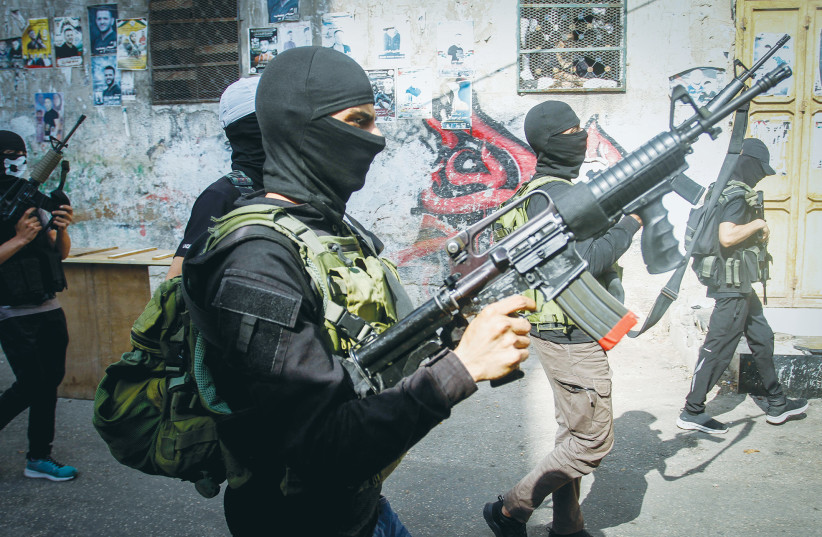
PALESTINIAN GUNMEN from al-Aqsa Martyrs Brigades hold a military parade in the Balata refugee camp, east of Nablus, last week. Israel need not apologize for defending itself against Palestinian terrorist cells, says the writer. / (photo credit: NASSER ISHTAYEH/FLASH90)

Finally, finally we’ve got some pushback against the increasingly vulgar practice of some foreign leaders second-guessing Israel’s security operations. This is long overdue.

The penchant to pronounce judgment on every Israeli counter-terror incident is becoming quite a fun blood sport for the unfriendly-to-Israel crowd, and it extends to non-military matters too.

Prime Minister Lapid and Defense Minister Gantz this week followed the lead of former prime minister and defense minister Naftali Bennett in repulsing the State Department’s call for a change in IDF rules of engagement in Judea and Samaria (the West Bank).

“We’re going to continue to press our Israeli partners to closely review its policies and practices on rules of engagement and consider additional steps to mitigate the risk of civilian harm, protect journalists, and prevent similar tragedies in the future. That is a key goal for us,” State Department Deputy Spokesman Vedant Patel said.

“We’re going to continue to press our Israeli partners to closely review its policies and practices on rules of engagement and consider additional steps to mitigate the risk of civilian harm, protect journalists, and prevent similar tragedies in the future. That is a key goal for us.”US State Department Deputy Spokesman Vedant

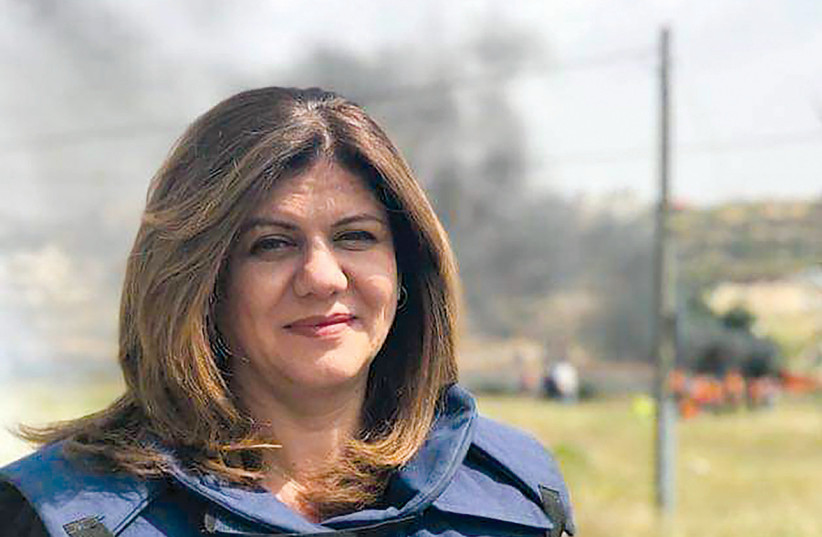
He went on to demand “accountability” from the Israeli military, not just the taking of responsibility by Israel, regarding the shooting of Al Jazeera journalist Shireen Abu Akleh during a firefight between the IDF and Palestinian terrorists in May. This apparently means that Washington wants some Israeli soldiers scalped and impaled on a spike for all to see.

Shireen Abu Akleh (credit: AL JAZEERA)

Bennett made a rare foray out of his self-imposed cone of silence to take a well-deserved whack at Washington. The decision as to when and how IDF soldiers use live fire will be determined only by Israeli army commanders and not the White House, he responded defiantly.

“At any given moment there are Palestinian terrorists trying to murder Israelis, not the other way around,” Bennett added. “Our hand is not light on the trigger, but there is a moral imperative to strike terrorists to save human lives.”

“At any given moment there are Palestinian terrorists trying to murder Israelis, not the other way around. Our hand is not light on the trigger, but there is a moral imperative to strike terrorists to save human lives.”

Naftali Bennett

A day later Lapid added that “no one will dictate our live-fire instructions to us when we are fighting for our lives. I will not let a fighter in the IDF who defended his life under fire from terrorists be prosecuted just so that we will receive applause abroad.”

Indeed, it seems that Israeli friends and foes abroad alike need to be reminded that a series of Palestinian terrorist attacks killed 19 Israelis between March and May, driving the IDF onto the offensive.

IDF fights Palestinian terrorist cells in the West Bank

THE IDF has been forced into nightly operations against terrorist cells across the West Bank, especially in Jenin and Nablus where the Palestinian Authority has lost all control. Israeli troops repeatedly have come under heavy gunfire during these raids in which 1,500 terrorists and terrorist suspects have been arrested and quite a few assailants killed.

“Our test is protecting the citizens of Israel, and our mission is to thwart terrorism. We will reach every city, neighborhood, alley, house or basement for that purpose,” asserted IDF Chief of Staff Lt. Gen. Aviv Kohavi this week. “Our activity will continue, and we are prepared to intensify it as needed.”

Nonetheless, foreign attempts to interfere in Israel’s security posture and operations continue. Secretary of State Antony Blinken personally has pressed Israeli officials about IDF rules of engagement, and the US Embassy in Israel reportedly is “investigating” the record of the IDF Netzach Yehuda battalion (which has been embroiled in several problematic shooting and beating incidents, including the death of another Palestinian-American dual citizen, 78-year-old Omar As’ad).

Acting with similar chutzpah, diplomats from 19 European countries last month insolently demanded explanations from Israel regarding an IDF raid on the offices of seven Palestinian non-governmental organizations that Israel has classified as terror groups affiliated with the Popular Front for the Liberation of Palestine.

The European diplomats impudently declared they did not accept Israel’s terror designation, barking that they had not received “any evidence” to validate that claim.

Apparently, the plucky, expert and high-minded European diplomats know better than Israel about the inner workings and plotting of Palestinian terrorist-supporting groups. Therefore, they are insistently going to continue bankrolling these agencies. So there, Israel!

US, Europe criticizing Israeli operations against Palestinians 

US and European diplomats likewise have taken to more-loudly-than-ever judging and criticizing Israel’s security and settlement operations in eastern Jerusalem, in places like Shimon Hatzadik (Sheikh Jarrah), Ir David (Silwan), and of course, Har Habayit (the Temple Mount) itself.

With regards to the latter holy site, the brave foreign critics have had a lot to say about Israeli police response to Arab rioters, but very little to say about the Wakf/Palestinian Authority’s turning of the site into an armed camp for open warfare against Israel (not to mention regular incitement against Jews and Israel).

The Biden administration also seems to have opened a new front against Israel regarding foreign travel restrictions to the West Bank. Washington is upset by new regulations scheduled to take effect next month allowing Israel’s Coordinator of Government Activities in the Territories (COGAT) to further control the entry of foreign students and lecturers to the West Bank, and of foreign spouses married to Palestinians.

The criticism ignores the fact that 99% of such applications to visit and spend time in Palestinian towns and institutions generally are approved by COGAT, with only a handful of visas disallowed to prevent the arrival of known anti-Israel agitators and troublemakers.

But US Ambassador to Israel Tom Nides this week said that he “expects” (!) the government of Israel to make “necessary adjustments” to COGAT’s rules to ensure “fair and equal treatment of all US citizens and other foreign nationals traveling to the West Bank.” This is code for saying: Israel can forget about being accepted into the US visa waiver program (something promised by President Biden) unless it eases its West Bank security protocols for Palestinians.

All this takes me back to the super-quick global criticism of Israel whenever the IDF gets into actual combat with the likes of Hamas and Islamic Jihad. The temerity and hypocrisy of such critics are simply astounding.

I ask: Just who exactly has the right to tell Israel how to defend its borders?

Perhaps the EU or UN Security Council – neither of which has done diddly-squat about the 11-year-long civil war slaughter in Syria, or Iran’s subversive muckraking across the Middle East.

I say: Butt out! None of you have the right to jeer Israel’s defensive actions in the territories and along its borders, nor Israeli military operations beyond its borders – even if the IDF were to use devastating and indiscriminate force, which it isn’t.

Israel need not apologize for defending itself against Palestinian terrorist cells, Palestinian terror attack tunnels, Palestinian rocket barrages, and yes, pro-terrorist anti-Israel NGOs. By the same token, Israel need not apologize for striking recurrently at Iranian commando posts and armament depots in Syria and Lebanon.

Israel also must never apologize for repeatedly reminding the world that Jews are not foreigners in their ancestral homeland. Israel is not an occupying force in the Sharon plains, or the sand dunes of the Negev adjoining Gaza, or the hilltops of Judea and Samaria, or in Jerusalem. It has a right to defend its homeland without being subjected to cheeky censure and supercilious second-guessing.

The nations of the world ought to be exceedingly circumspect in telling Israel what to do, how to conduct its politics, where to erect its security fences, how to conduct its military campaigns, where to draw its borders and how to defend them, or what ancestral lands to trade away – if at all.

Having failed the Jewish people throughout history all the way through to the Holocaust; and having been so wrong with Pollyannaish hopes for the Oslo Accords, the Arab Spring, and the JCPOA nuclear deal with Iran – the nations of the world ought to give Israeli leaders the benefit of the doubt. They ought to respect Israeli decision-making, not sneer at it, when Israel’s leaders proceed cautiously in the diplomatic arena or act resolutely in the security sphere.

As former prime minister Menachem Begin once challenged and chastised the German chancellor, “Are we a vassal state? And would you prefer a weak Israel?”


The writer is a senior fellow at The Kohelet Forum and in the research department of Israel’s Defense and Security Forum (Habithonistim). The views expressed here are his own. His diplomatic, defense, political and Jewish world columns over the past 25 years are archived at davidmweinberg.com


Zawartość publikowanych artykułów i materiałów nie reprezentuje poglądów ani opinii Reunion’68,
ani też webmastera Blogu Reunion’68, chyba ze jest to wyraźnie zaznaczone.
Twoje uwagi, linki, własne artykuły lub wiadomości prześlij na adres:
webmaster@reunion68.com