Archives

“Izrael działał sam”. Netanjahu został zapytany o atak na irańskie pola gazowe

Premier Izraela Beniamin Netanjahu przemawia na konferencji prasowej w Jerozolimie, 19 marca 2026 r. (Fot. REUTERS/Ronen Zvulun)


“Izrael działał sam”. Netanjahu został zapytany o atak na irańskie pola gazowe

Agnieszka Nowak


Netanjahu zdementował “fałszywą informację”, jakoby Izrael wciągnął USA w konflikt z Iranem. Przyznał przy tym, że w niedawnym ataku na irańskie pola gazowe kraj “działał sam”.

Netanjahu stwierdził, że po 20 dniach wojny Iran nie ma już możliwości ani wzbogacania uranu, ani produkcji rakiet balistycznych. – Całkowicie ich zniszczymy – powiedział. – Iran chciał zburzyć tysiące budynków w Izraelu, ale zamiast tego burzone są w Libanie i Iranie. Obiecuję, że zmienimy Bliski Wschód – dodał.

“Zmienimy Bliski Wschód”

W bezpośrednim przesłaniu do Izraelczyków, którzy pytają, jak długo potrwa jeszcze wojna na Bliskim Wschodzie, Netanjahu odparł: “Potrwa tyle, ile to będzie konieczne. Razem wygramy”. Podał trzy cele, jakie Izrael i Stany Zjednoczone, działające z “wielką determinacją”, chcą osiągnąć w wojnie z Iranem: usunięcie zagrożenia nuklearnego, usunięcie zagrożenia rakietami balistycznymi oraz stworzenie warunków, w których Irańczycy mogą “uchwycić swoją wolność”.

Izraelski premier wyjaśnił, że wojsko pracuje obecnie nad zniszczeniem w Iranie arsenału rakietowego i dronowego, wyrzutni rakietowych oraz infrastruktury nuklearnej. Stwierdził, że Izrael niszczy irański przemysł w sposób, “którego wcześniej nie robił”, ale “wciąż jest wiele pracy do wykonania”.

Izrael “nie wciągnął” USA w wojnę

Netanjahu zdementował “fałszywą informację”, jakoby Izrael wciągnął USA w konflikt z Iranem. – Czy ktoś naprawdę myśli, że może mówić prezydentowi Trumpowi, co ma robić? – pytał retorycznie. Jak stwierdził, Trump “zawsze podejmuje decyzje na podstawie tego, co uważa za dobre dla Ameryki” i “przyszłych pokoleń”.

Podczas konferencji premier Izraela został zapytany o to, co ma się stać, żeby wojna została zakończona. Przyznał, że USA i Izrael mają wytyczone “osiągalne cele”, ale nie będzie opowiadał o pełnych planach bitewnych. – Gdy te cele zostaną osiągnięte, muszą powstać alternatywne trasy ropy i gazu poza Cieśniną Ormuz – zaznaczył, opowiadając się za rurociągami naftowymi i gazowymi prowadzącymi na zachód przez Półwysep Arabski, aby “na zawsze zlikwidować wąskie gardła”.

Stwierdził, że USA przy wsparciu Izraela intensywnie pracują nad otwarciem Cieśniny Ormuz. – Jeśli im się uda, a myślę, że tak, ceny ropy spadną – powiedział, i dodał, że w przypadku uległości wobec irańskiego reżimu “będziesz szantażowany w sposób, którego nawet nie potrafisz sobie wyobrazić”.

“Nikogo nie wprowadziłem w błąd”

Zapytany, czy Izrael poinformował Trumpa o niedawnym ataku na irańskie pola gazowe, Netanjahu odpowiedział, że “Izrael działał sam”. – Prezydent Trump poprosił nas, byśmy wstrzymali się z kolejnymi atakami – i tak robimy – powiedział i stwierdził, że “nikogo nie wprowadził w błąd”, odpowiadając na pytanie o zaangażowanie USA na początku wojny.

Netanjahu stwierdził, że nie musiał przekonywać prezydenta USA do konieczności powstrzymania Iranu przed rozwojem programu nuklearnego, a jego partnerstwo z Trumpem to “jedyny sposób, by uniknąć tej katastrofalnej sytuacji”.

Zapytany o swoje plany wobec Hezbollahu w Libanie, Netanjahu odpowiedział, że Izrael stworzył “korytarz bezpieczeństwa”, który uniemożliwia ich siłom inwazję. – I mamy plany na przyszłość. Jeśli [irański] reżim odejdzie, odejdzie Hezbollah – dodał.

Netanjahu stwierdził, że na szczycie irańskiego przywództwa istnieją rozłamy i napięcia wewnętrzne. Dodał, że “autorytet i władza”, którą miał poprzedni najwyższy przywódca, “nie zostaną przekazane nikomu”. Mówił, że “dostrzega pęknięcia w irańskim reżimie” i uważa, że “reżim może się zmienić, ale nie jest to pewne”. – To od narodu irańskiego zależy to, czy wykorzysta warunki stworzone przez Izrael – skwitował.


Redagowała Kamila Cieślik


Zawartość publikowanych artykułów i materiałów nie reprezentuje poglądów ani opinii Reunion’68,
ani też webmastera Blogu Reunion’68, chyba ze jest to wyraźnie zaznaczone.
Twoje uwagi, linki, własne artykuły lub wiadomości prześlij na adres:
webmaster@reunion68.com


Stopping Tehran’s apocalyptic goals is more important than thwarting Trump


Stopping Tehran’s apocalyptic goals is more important than thwarting Trump

Jonathan S. Tobin


Critics assert that the price America is paying to force the Islamic Republic to give up its nuclear ambitions and zeal for terrorism is too high. But the alternatives are far worse.
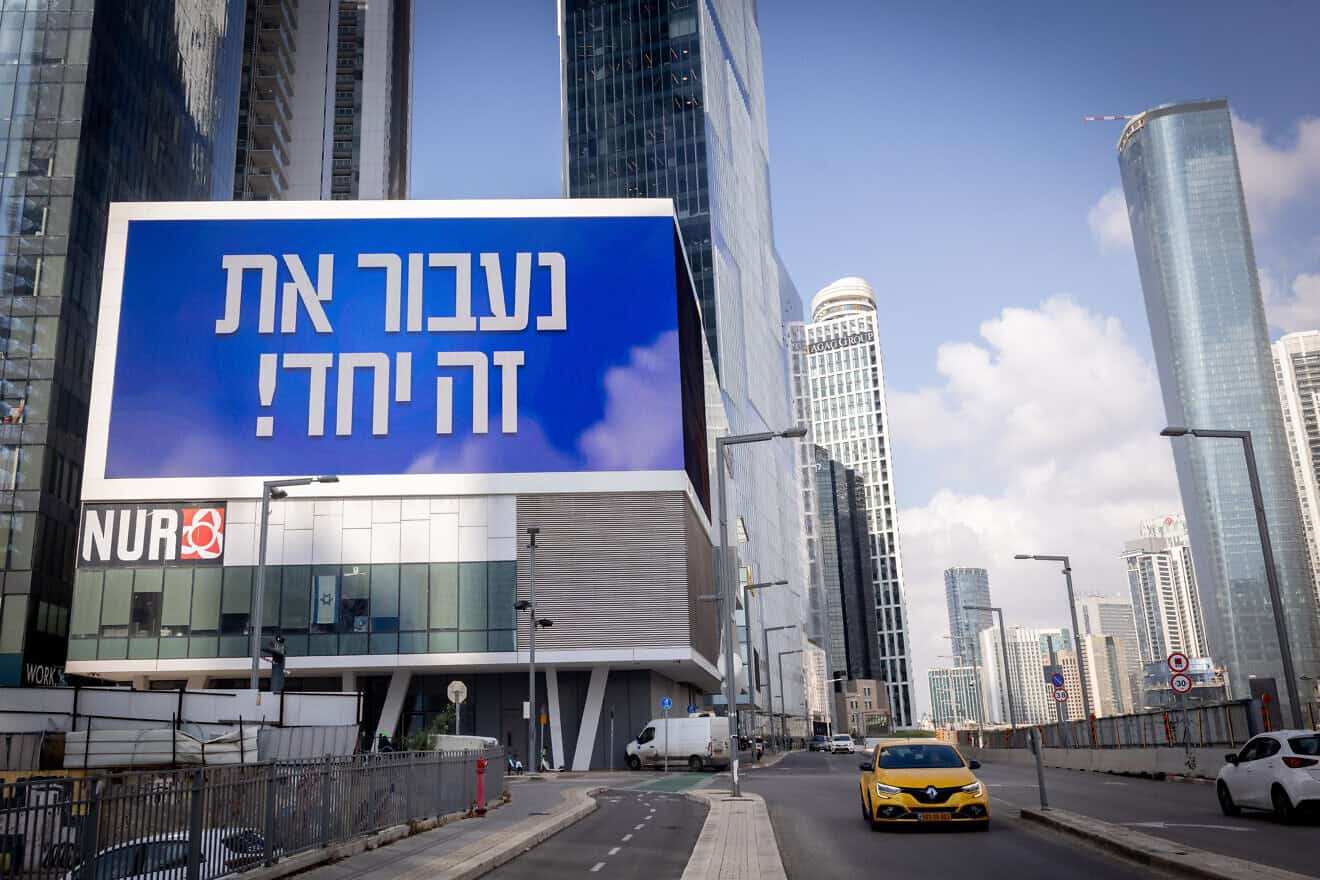
A large billboard on Ayalon Highway in Tel Aviv reading “We will get through it togethern” during the joint U.S.-Israel military operations against Iran, March 16, 2026. Photo by Miriam Alster/Flash90.

Two weeks after the start of the U.S.-Israeli offensive against Iran, naysayers about the wisdom of the operation remain pervasive and loud. The arguments against the war are based on a variety of concerns. The motivations of many of those denouncing the decisions of President Donald Trump are clearly partisan, ideological, and, in the case of a considerable percentage of those on the far right and left, connected to prejudice. 

Regardless of the validity of those complaints—and many, if not most, deserve to be dismissed—there is no avoiding the main question to be answered about such a conflict. Is it worth the cost in blood, money and political capital, both at home and abroad, that the administration is expending on a fight with no definite endpoint in sight?

And to that question, there are no easy answers. There is good reason to worry about whether the unintended negative consequences of the war will, in the long run, be viewed as more significant than the issues policymakers are currently obsessing about. 

Kicking the can down the road

Nevertheless, even the most reasonable skeptics of the effort, not to mention the deafening chorus of those partisans and ideologues predicting doom for Trump’s war plans, are largely failing to address another equally important question that must be answered. Is the cost of allowing the pre-war status quo to continue higher than those associated with the uncertainties of war? 

Iran was steadily rebuilding its nuclear program with an imminent option to race to a bomb, expanding missile production and continuing to orchestrate an “axis of resistance” dedicated to fomenting chaos and war. That’s more than enough to justify the risks of potential disaster that are an inevitable part of all wars. 

Like the question about the cost of war, the answer will only be clear after the fact. Yet even now, with the outcome of the campaign still somewhat in doubt, it’s obvious that continuing a policy of kicking the can down the road that Trump’s predecessors chose—either out of bad judgment, an unjustifiable sympathy for Tehran, cowardice or just plain apathy—would have been as colossal a mistake as even the costliest military blunder. 

The dangers that lie ahead are not limited to the short-term question of whether Washington and Jerusalem will achieve their objectives, which are aligned with each other but not identical. 

The first purpose of the campaign is the eradication of Iran’s nuclear and ballistic-missile programs, in addition to its support and active participation in international terrorism. Washington and Jerusalem are committed to those objectives, which they rightly see as not only crucial to their own countries but integral to the security of the West as a whole. Those are widely seen as achievable goals to one degree or another. 

Both governments have also stated that they favor regime change in Iran. That’s something Israel believes is absolutely necessary to achieve. The Trump administration would like it to happen, but could live without it, as long as the ayatollahs were stripped of their nukes and missiles, and had their terrorist option foreclosed. 

It’s far from clear whether the goal of toppling the Islamist government in Tehran can or will be accomplished. If a successful domestic uprising doesn’t happen, both countries are wisely reluctant to commit to a ground incursion on the scale required to install a new government. 

Economic and strategic problems

Still, the problems that are being generated by the war don’t only involve Iran retaining nuclear capability or whether the theocrats can cling to power. Just as important is whether the economic consequences of the war or its impact on equally important strategic problems faced elsewhere by the West will wind up overshadowing what happens in the Persian Gulf or the Middle East. 

With respect to economics, it’s obvious that Trump and his team—contrary to the false narratives about the war being impulsively decided on a presidential whim or as the result of sinister Israeli or Jewish pressure—were fully cognizant of the implications of combat in the region on the price of oil. That Iran might seek to stop its flow through the Strait of Hormuz was always a likely possibility. And it was a given that the price of oil, and consequently, the price of gas at the pump in the United States, would go up once the war started. 

A long-term jump in oil prices would harm the global economy, set back Trump’s objectives for American prosperity, and impact domestic politics and his party’s chances of retaining control of Congress in the midterm elections this fall. You don’t have to be an isolationist who opposes any foreign interventions to understand that any one of those things might be considered a good enough reason for an American president to hold off on efforts against Iran. 

The China factor

Added to that is the impact of the conflict on the international stage, where the United States is—whether many Americans fully understand it or not—locked in a geostrategic rivalry/conflict with Iran’s allies: Russia, and even more importantly, China. As historian Niall Ferguson, who supports action against Iran, has pointed out, this war must be seen in the context of a second Cold War in which the United States is facing off against what may prove to be a Chinese opponent that’s far more formidable than the Soviet Union was in the first such conflict in the 20th century. 

Removing the Iranian threat is a blow to China in terms of its strategic quest to dominate the globe and because it is an important source of oil to Beijing. But should the United States be embroiled in an unsuccessful war in the Middle East, this would help the Chinese elsewhere. And Russia is benefiting from the way the current war is increasing its oil and gas revenue, and serves as a distraction from its stalemated efforts to wear down Ukraine in that four-year-old war. 

As Ferguson writes this week in The Free Press, blocking the Strait of Hormuz for any appreciable period of time would be a disaster for Washington, as well as something that could set an unfortunate precedent for the ability of China and its allies to do the same thing in other important choke points, such as the Strait of Taiwan. It almost goes without saying that, as the analyst argues, “the longer the war lasts, the greater the domestic pressure on Trump; the heavier the costs for U.S. allies in Asia and Europe; the more money for Russia; and the greater the temptation for China.” 

Those risks are real. But to assume the sort of military failure or stalemate in Iran, as most of Trump’s critics do, that would generate that sort of scenario in which China profits from the war is not persuasive. 

While the success of the U.S.-Israeli offensive won’t be able to fully evaluated until after the conflict is over, it’s clear that both militaries have not been thwarted during the first two weeks of the joint campaign. To the contrary, they have systematically eliminated Iran’s military capabilities, hunted down its missile-launchers and done more damage to its nuclear program. 

The fact that a country as large as Iran is not completely defeated in two weeks is not a reason to believe the war has so far been a failure. If the armed forces of the two allies are allowed to continue their military efforts, the already devastating results for Iran will likely become even more impressive. It could possibly go a long way toward rendering the regime harmless to its neighbors and/or unable to resist the desire of its population for a new government. There is no reason to believe that the war is already a “quagmire,” other than the wish on the part of Trump’s opponents that this is what it will turn out to be. 

Even if the results are not everything the two governments would wish for, the arguments that say the United States would have been better off delaying action or even appeasing Iran, as the Obama and Biden administrations did, ring false. 

Partisan folly

The policy of enriching and empowering Tehran that was the consequence of former President Barack Obama’s signature foreign-policy achievement—the 2015 nuclear deal—was disastrous for the Middle East and for America. It led to a stronger and more aggressive Islamist regime. It encouraged its adventurism, hegemonic ambitions and willingness to start wars against Israel from Gaza and Lebanon via its terrorist proxies, Hamas and Hezbollah, as well as the way its Houthi allies in Yemen sought to interdict international shipping in the Horn of Africa. 

More than that, letting Iran get a nuclear weapon, as Obama’s pact guaranteed, or race to one, as became an increasingly likely scenario in the last year, would have done far more damage to U.S. interests than even a permanent hike in gas prices or an emboldened Beijing. Economic and strategic thinkers are right to ponder what may follow the current campaign, and whether some or all of the fallout from it will be problematic or wind up working out in ways that we cannot foresee. But letting a tyrannical regime ruled by religious fanatics bent on imposing their version of fanatical Islam on the Middle East and the rest of the world get a nuclear weapon to blackmail and intimidate opponents would be a nightmare. 

And that would have been the inevitable result if the United States hadn’t prepared to act at some point in the near future. While Washington could have waited until the threat was so imminent that averting it would have been as catastrophic as waiting for it to happen, Trump wisely decided that forestalling that scenario was worth the risk. 

While the calculus involved in determining that acting in 2026 was far less costly and dangerous than waiting until some point in the future, what cannot be debated is that stopping Iran was in almost everyone’s interests. To treat the need to stop the apocalyptic implications of an Iranian bomb as somehow less important than short-term increases in the price of fuel or theoretical advantages that might fall to Beijing is like comparing fatal cancer to a broken limb. The latter is painful and can impair one’s lifestyle. The former is to envision a chronic global catastrophe carried out by theocrats with no compunction about slaughtering innocents. 

The failure to acknowledge this basic premise is what makes so much of the criticism of the administration unpersuasive. 

And that brings us back to the motivations of the critics. As was apparent from the first days of the war, most of those opposing Trump on Iran are doing so for partisan reasons. 

While polls show that a majority of Americans oppose the war, those who drill down into public opinion on the issue also show that far larger majorities agree with Trump on the nature of the threat from Iran and the necessity to deal with it. However, when simply asked about whether they favor the president’s policies, their replies are in keeping with the hyper-partisan nature of contemporary American society. 

Democrats are united against the president’s decision to an extent unprecedented in the history of opposition parties at a time of war. Having committed themselves to a view of Trump as a complete villain (and a fascist authoritarian at that), few among his foes seem willing, as previous generations of Americans had done, to let politics stop at the water’s edge, even when vital American interests are at stake. 

As veteran Democratic lawyer David Boies wrote last week in The Wall Street Journal, every previous president of the last quarter-century agreed that Iran posed a threat that needed to be addressed. Yet virtually the entire Democratic Party has been opposed to acting on that imperative, and they’re not doing so because they are worried about oil prices or thinking China might find a way to gain from it. The only reason for their opposition is that Trump is doing it.  

The other reason for opposing action against Iran is, if possible, even more contemptible. 

An argument rooted in hate

For many on the left and on the noisy yet less numerous far right, the reason not to stop the mullahs is that doing so might help Israel in the process. 

As sober analysts, as well as Trump and his team, have pointed out, the Jewish state and its leaders didn’t strong-arm or even really persuade the United States to do something that was just as much an American imperative as an Israeli one. 

The fact that since the Iranian Revolution of 1970, the Islamic Republic has sought the elimination of the one Jewish state on the planet—the “Little Satan” and the “Great Satan” of the United States—was an argument against restraining them for those ideologues on the left and the right who sympathize with that goal. 

The antisemitic tropes and conspiracy theories that have been floated in recent months and weeks about Israeli and Jewish influence over American policy weren’t so much based on false conceptions about U.S. interests as it was in hostility to the safety or existence of Jews. That those, like podcaster Tucker Carlson, who traffic in Jew-hatred, didn’t want Washington to act with Jerusalem to prevent the genocide of its population, even if it also meant buttressing American security, isn’t surprising. But as Carlson’s confession about his communications with the Islamist regime in the run-up to the war makes clear, the loyalty of extremists who hate Israel and Jews is more with those who share their vile beliefs than it is to the United States, let alone Trump. 

Americans can and should be conducting a conversation about the cost/benefits of the war. Given the uncertainty involved in any military conflict, there is always the possibility that the fight will lead to results that will ultimately determine that the risk wasn’t worth it. 

Yet alongside that discussion must be one about the costs of letting Iran go on seeking, and ultimately acquiring, the nukes and missiles that would transform the world for the worse. Preventing a terrorist Islamist regime from gaining such power will always be a higher priority than even sensible efforts to keep oil prices down or conserve U.S. resources just to be able to deal with other threats posed by China and Russia. 

Instead, all we’re hearing from Trump’s opponents is partisan bile or antisemitic invective. That is not a debate that has anything to do with American interests or costs; it’s an irresponsible and hateful agenda that deserves no respect. 
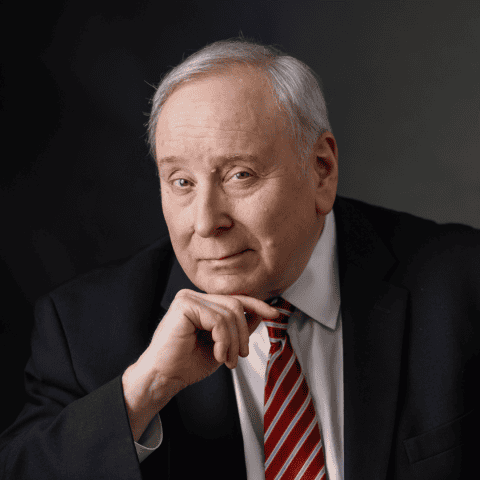

Jonathan S. Tobin is editor-in-chief of the Jewish News Syndicate, a senior contributor for The Federalist, a columnist for Newsweek and a contributor to many other publications. He covers the American political scene, foreign policy, the U.S.-Israel relationship, Middle East diplomacy, the Jewish world and the arts. He hosts the JNS “Think Twice” podcast, both the weekly video program and the “Jonathan Tobin Daily” program, which are available on all major audio platforms and YouTube. Previously, he was executive editor, then senior online editor and chief political blogger, for Commentary magazine. Before that, he was editor-in-chief of The Jewish Exponent in Philadelphia and editor of the Connecticut Jewish Ledger. He has won more than 60 awards for commentary, art criticism and other writing. He appears regularly on television, commenting on politics and foreign policy. Born in New York City, he studied history at Columbia University.


Zawartość publikowanych artykułów i materiałów nie reprezentuje poglądów ani opinii Reunion’68,
ani też webmastera Blogu Reunion’68, chyba ze jest to wyraźnie zaznaczone.
Twoje uwagi, linki, własne artykuły lub wiadomości prześlij na adres:
webmaster@reunion68.com


FIFA COO Says World Cup ‘Too Big’ to Be Postponed by Israel-Iran War


FIFA COO Says World Cup ‘Too Big’ to Be Postponed by Israel-Iran War

Shiryn Ghermezian


Soccer Football – FIFA Club World Cup – Group D – Esperance de Tunis v Chelsea – Lincoln Financial Field, Philadelphia, Pennsylvania, US – June 24, 2025, General view of the FIFA logo before the match. Photo: REUTERS/Lee Smith

FIFA Chief Operating Officer Heimo Schirgi said the 2026 World Cup is “too big” to postpone and will proceed as planned despite the ​ongoing conflict in the Middle East.

Schirgi made the comments while speaking on Monday outside construction of the International Broadcast Center, which is located inside the Kay Bailey Hutchison Convention Center and will serve as a hub for international coverage of the World Cup. Schirgi was asked about Iran as it remains unclear if the country will participate in World Cup, after the US and Israel launched joint airstrikes against the Islamic Republic that led to the killing of Iranian Supreme Leader Ayatollah Ali Khamenei and several other high-ranking Iranian officials. Iran has retaliated with strikes against Israel and civilian areas across the Middle East.

“At some stage, we will have a ​resolution, and the World Cup will go on, obviously,” Schirgi replied, according to ⁠NBC 5 in Dallas. “The World Cup is too big, and ​we hope that everyone can participate that has qualified.”

FIFA Secretary General Mattias Grafstrom previously said the organization is closely monitoring the situation in the Middle East ahead of the World Cup in June. Schirgi added that FIFA has been in contact with Iran’s soccer ​federation, but did not provide details ⁠about what was discussed, according to Reuters.

The FIFA ​World Cup will take place across cities in the US, Mexico, and Canada from June 11 to July 19. Iran qualified for the tournament through its participation in the ‌Asian ⁠Football Conference. It is set to compete in Group G at the World Cup and is scheduled to face New Zealand on June 15 and Belgium on June 21, both in Los Angeles, before going head-to-head against Egypt on June 26 in Seattle. Soccer fans from Iran are already barred from entering the United States for the World Cup as part of a travel ban that the Trump administration announced in June.

The 2026 World Cup will have 48 nations competing, making it the largest in history.

Zawartość publikowanych artykułów i materiałów nie reprezentuje poglądów ani opinii Reunion’68,
ani też webmastera Blogu Reunion’68, chyba ze jest to wyraźnie zaznaczone.
Twoje uwagi, linki, własne artykuły lub wiadomości prześlij na adres:
webmaster@reunion68.com


Dlaczego Europejczycy boją się przeciwstawić mułłom


Dlaczego Europejczycy boją się przeciwstawić mułłom

Giulio Meotti


Europejczycy są przerażeni perspektywą walki w tej wojnie. Ponieważ już przegrali ją u siebie.


Senator Lindsey Graham powiedział wprost:
„To żałosne. Jak bardzo Zachodnia Europa upadła. Do naszych europejskich sojuszników: w sposób żałosny zmiękliście i utraciliście zapał do konfrontowania się ze złem — najwyraźniej chyba kiedy stoi ono u waszych drzwi. Co za wstyd.”

Graham się myli: nawet nie wtedy, gdy stoi u naszych drzwi. 

Kraje takie jak Hiszpania były „niechętnymi partnerami” nawet w koalicji przeciwko ISIS, które rzuciło pod nasze progi ciała zabitych.

Bo, jak ujął to Michel Houellebecq w Jerozolimie, „my, ludzie Zachodu, utraciliśmy wolę życia i obawiam się, że nawet wojna by nas nie obudziła”.

A oto znów jesteśmy w kolejnej wojnie.

Donald Trump jest wściekły z powodu odmowy brytyjskiego premiera Keira Starmera, który nie chce wesprzeć Ameryki brytyjskimi zasobami powiedział: „on nie jest Churchillem”. Ale Wielka Brytania nie jest na Starym Kontynencie wyjątkiem, zwłaszcza w Europie Zachodniej.

Kilka godzin po rozpoczęciu ataków na Iran hiszpański socjalistyczny premier Pedro Sánchez napisał na X:
„Odrzucamy jednostronną akcję militarną Stanów Zjednoczonych i Izraela.”

Izraelski minister spraw zagranicznych Gideon Sa’ar nie miał trudności z oskarżeniem hiszpańskiego rządu o „opowiedzenie się po stronie Iranu”. A Iran podziękował Hiszpanii.

Krótko po dżihadystycznych zamachach w 2004 roku, które skłoniły Madryt do wycofania wojsk z Iraku, wybory wygrał socjalista José Luis Rodríguez Zapatero.

CNN opublikowało dokumenty opisujące cele Al-Kaidy w wojnie przeciwko Zachodowi:
„Uważamy, że rząd hiszpański nie wytrzyma nawet dwóch ataków, nie mówiąc o trzech. A nawet w takim przypadku zwycięstwo Partii Socjalistycznej będzie zagwarantowane, a wycofanie wojsk hiszpańskich stanie się jej hasłem wyborczym.”

Po zamachu na Atocha terroryści ogłosili:
„Zawieszamy operacje militarne na ziemi Al-Andalus, dopóki nie poznamy kierunku nowego rządu socjalistycznego (który obejmie władzę za kilka dni — przyp. red.), który obiecał wycofanie hiszpańskiej armii z Iraku.”

Romano Prodi natychmiast dał do zrozumienia, w którą stronę wieje wiatr:
„Jest jasne, że użycie siły nie jest odpowiedzią na rozwiązanie konfliktu z terrorystami.”

Emmanuel Macron martwi się „eskalacją” w Iranie i każe swojemu ministrowi spraw zagranicznych zadzwonić do Chin (Chin, które kupują niemal całą irańską ropę). Jego niepokój podziela przewodnicząca Komisji Europejskiej Ursula von der Leyen, która powiedziała, że jest „głęboko zaniepokojona” atakiem i wezwała wszystkie strony do „zachowania maksymalnej powściągliwości”.

Brzmi to jak błagania pacjenta w stanie terminalnym. Europa wydaje się pozbawiona woli istnienia jako aktor geopolityczny.

Spróbujmy teraz wyobrazić sobie, co Trump myśli o tych Europejczykach, którzy nieustannie narzekają na „kryzys NATO” lub brak entuzjazmu Białego Domu w obronie Europy.

Europa? Właśnie trwa największa wojna na Bliskim Wschodzie od 20 lat, a Europa jest w niej mniej obecna niż małe arabskie emiraty.

„Macron, wygodnie oddający się rytualnemu potępianiu ‘międzynarodówki reakcyjnej’, reprezentowanej przez duet Trump–Netanjahu, nigdy nie mówi ani słowa o międzynarodówce islamistycznej, otwarcie chronionej przez La France Insoumise” — pisze Ivan Rioufol. „Tymczasem to egzystencjalne zagrożenie jest dla Francji o wiele bardziej niebezpieczne.”

Szacuje się, że w Europie mieszka 46 milionów muzułmanów, czyli 6 procent całej populacji. Mimo niezliczonych masowych demonstracji na rzecz arabskich Palestyńczyków w miastach Europy Zachodniej od 2023 roku do dziś, uliczne protesty popierające Irańczyków były znikome. Zaledwie kilka pikiet irańskiej diaspory. Dlaczego?

Z tego samego powodu, dla którego europejskie rządy niechętnie wspierają amerykańsko-izraelskie ataki na Iran: obawiają się, że konflikt przeniesie się na ich ulice.

Premier Starmer przyjął setki muzułmanów na zakończenie Ramadanu w historycznej Westminster Hall:
„Nie uczestniczyliśmy w ataku na Iran, więc prosimy — nie nienawidźcie nas! Poza tym uznajemy Gazę i Palestynę!”

Nie tylko uliczne protesty martwią europejskie rządy; obawiają się także perspektywy zamachów terrorystycznych.

W latach 1985–1986 seria zamachów terrorystycznych w Paryżu została przeprowadzona przez agentów Iranu, którzy byli również odpowiedzialni za ataki w Hiszpanii, w tym w restauracji El Descanso w Madrycie, gdzie zabili 18 osób.

Dokąd uciekł terrorysta, który w Szwecji zamordował irackiego chrześcijańskiego uchodźcę Salwana Momikę? Oczywiście do Iranu.

Weźmy Shahida Butta — skazanego terrorystę, który planował atak na brytyjski konsulat w Jemenie oraz na kościół anglikański.

Dziś startuje on w wyborach w Birmingham, w okręgu wyborczym, w którym 91 procent mieszkańców stanowią mniejszości etniczne, a 70 procent to muzułmanie.

Prawdopodobnie wygra.

Skazany islamski terrorysta ma duże szanse zostać wybrany na urząd publiczny w Wielkiej Brytanii.

Dlatego właśnie Europejczycy boją się walczyć w tej wojnie. Ponieważ już mają ją u siebie.

W 1989 roku, kiedy ajatollah Chomeini wydał fatwę przeciwko Salmanowi Rushdiemu, tysiące muzułmanów wyszło na ulice w Wielkiej Brytanii i Francji, domagając się śmierci pisarza. Gdy Chomeini ogłosił fatwę przeciw Rushdiemu, polski dysydent Adam Michnik napisał:
„Świat, w którym fanatyk rządzący Iranem może opłacać zabójców na całym świecie, jest światem, w którym nikt nie jest bezpieczny.”

Dokładnie dwadzieścia lat temu Rushdie poprosił Unię Europejską o zawieszenie relacji z Iranem.

Europa zareagowała jednak jak królik oślepiony światłami nadjeżdżającego samochodu wobec nowego islamskiego ekstremizmu.

Nic się nie zmieniło. Niech nie maskują swojej odmowy udziału w tym historycznym momencie odwołaniami do „prawa międzynarodowego”, „dyplomacji”, „roztropności” i „pokoju”.

To nic innego jak strach przebrany w szlachetne słowa.

To nie dotyczy Iranu. Chodzi o nas, Europejczyków. I o fakt, że jesteśmy starzy, przerażeni, coraz bardziej bezużyteczni i coraz bardziej ulegli.


Link do oryginału: https://www.israelnationalnews.com/news/423459?utm_source=substack&utm_medium=email

Israel National News, 6 marca2026

Giulio Meotti – Włoski publicysta, autor książki „A New Shoah: The Untold Story of Israel’s Victims of Terrorism”.


Zawartość publikowanych artykułów i materiałów nie reprezentuje poglądów ani opinii Reunion’68,
ani też webmastera Blogu Reunion’68, chyba ze jest to wyraźnie zaznaczone.
Twoje uwagi, linki, własne artykuły lub wiadomości prześlij na adres:
webmaster@reunion68.com


Israel Ramps Up Strikes on Iran’s Leadership, Repression Apparatus


Israel Ramps Up Strikes on Iran’s Leadership, Repression Apparatus

Ailin Vilches Arguello


Smoke rises following an explosion, amid the US-Israeli conflict with Iran, in Tehran, Iran, March 7, 2026. Picture taken with a mobile phone. Photo: Majid Asgaripour/WANA (West Asia News Agency) via REUTERS

Israel has intensified a sweeping campaign targeting Iran’s leadership and internal security machinery, in what officials say is a bid to destabilize the regime and lay the groundwork for its potential collapse.

On Tuesday night, the Israel Defense Forces (IDF) killed Iranian Intelligence Minister Ismail Khatib in Tehran during a precision airstrike carried out with a narrow window of real-time intelligence.

According to Israeli officials, the strike followed rapidly obtained intelligence pinpointing Khatib’s hideout, allowing the Air Force to divert jets mid-mission and eliminate the target within minutes.

Emerging reports indicate that Iranian civilians are increasingly supplying Israel with real-time intelligence — including the locations of checkpoints and security forces — providing critical insight that enables faster, more precise Israeli strikes.

Shortly after the attack, Iranian President Masoud Pezeshkian confirmed Khatib’s death, condemning it as a “cowardly assassination” and warning that those responsible would be held accountable.

Appointed in 2021, Khatib led Iran’s Ministry of Intelligence, a central pillar of the regime’s repression apparatus, overseeing espionage, covert operations, and intelligence activities targeting both domestic dissent and foreign adversaries, including Israeli and US targets.

He also played a central role during the regime’s brutal crackdown on internal dissent, including the latest nationwide anti-government protests, which security forces violently crushed, with thousands of demonstrators tortured and killed.

Khatib’s assassination is the latest in a wave of targeted killings of senior Iranian officials in recent days, further weakening the regime’s leadership and operational networks.

“The intensity of the attacks in Iran is increasing. We are in the midst of a decisive victory,” Israeli Defense Minister Israel Katz said in a statement after announcing Khatib’s death.

“Israel’s policy is clear and unequivocal: No one in Iran has immunity and everyone is in the crosshairs,” he continued.

Katz also said Israeli forces now have the “green light” to carry out targeted assassinations, signaling a new phase in their operations.

“Prime Minister Benjamin Netanyahu and I have authorized the IDF to thwart any senior Iranian official who is surrounded, intelligence and operational, without the need for additional authorization. We will continue to thwart and hunt them all,” the Israeli official said.

“Significant surprises are expected in all arenas that will escalate the war we are waging against Iran and Hezbollah in Lebanon,” he continued, referring to Iran’s chief terrorist proxy.

Earlier this week, the Air Force also killed Ali Larijani, secretary of Iran’s National Security Council, in what was the most significant assassination since the killing of former Supreme Leader Ayatollah Ali Khamenei at the start of the campaign. Larijani was widely believed to be running the country following Khamenei’s death.

Gholam Reza Soleimani, commander of the Basij forces, was also killed during the strike. He led the paramilitary units used by the regime to violently suppress protests and crush political opposition across the country.

“We are undermining this regime in the hope of giving the Iranian people a chance to remove it,” Netanyahu said in a statement after announcing the operation’s successful outcome.

“It won’t happen all at once; it won’t happen easily. But if we persist in this — we will give them a chance to take their fate into their own hands,” the Israeli leader continued.

With the conflict now stretching over more than two weeks, Israel is now taking a strategic turn, with the Air Force on Wednesday hitting a gas processing facility in the country’s southern region.

Located in the Persian Gulf, the South Pars gas field targeted in the attack is the world’s largest natural gas reservoir, shared between Iran and Qatar, and supplies roughly 70 percent of the country’s total natural gas output.

According to Michael Doran, an American analyst specializing in Middle Eastern politics, this latest operation reflects a widening of the campaign beyond military objectives to pressure other key parts of the regime.

“Strategically, this marks a shift toward targeting economic lifelines, not just military assets, with the goal of weakening regime stability,” Doran wrote in a post on X.

.

Following the strike, Iran’s Islamic Revolutionary Guard Corps (IRGC) warned they could retaliate by targeting energy infrastructure across the Gulf, including facilities in Qatar, Saudi Arabia and the United Arab Emirates, raising the threat of wider disruptions to the global energy market.

Meanwhile, Netanyahu delivered another speech addressing the Iranian people ahead of Nowruz, the Persian New Year marking the start of spring, urging them to celebrate and seize the moment to challenge the regime.

“Israeli aircraft are striking terrorist operatives in the field — on the roads and in the squares. Go out and celebrate, and have a happy Nowruz holiday — we are watching from above,” the Israeli leader said in a video statement.
.

According to a new Washington Post report, Israel’s campaign is increasingly focused on dismantling Iran’s internal repression systems, aiming to create a leadership vacuum and logistical breakdown that could hinder the regime’s ability to respond if mass protests erupt again.

Israeli forces have carried out targeted strikes on senior Basij and IRGC officers, destroyed infrastructure used to suppress protests, and launched cyber operations to disrupt internal security communications and coordination, crippling the regime’s ability to redeploy its forces effectively.

So far, Israel says it has launched thousands of strikes on a wide range of targets linked to the IRGC, Basij, and other internal security forces, with thousands of personnel reportedly killed or wounded.

Late Tuesday night into Wednesday morning alone, around 300 Basij commanders and field officials were killed in a wave of strikes on key command and operational centers, according to Iran International.

So far, Israel says it has dropped some 10,000 munitions on targets linked to the IRGC, Basij, and other internal security forces, delivering a devastating blow to the regime’s security apparatus.

Even with Israel’s military strikes inflicting heavy damage, Iranian security forces remain in control of the streets and continue threatening protesters with gunfire, though Israeli officials believe mounting economic strain, sustained military pressure, and rising public anger are pushing the regime closer to potential collapse, even if it’s not imminent.

“The Iranians are starting to understand in recent days what happened to them,” the IDF’s Intelligence Directorate chief, Maj. Gen. Shlomi Binder, said in a recent closed-door security discussion, according to Israel’s Channel 12. “They are now discovering how bare the command line is and what damage has been done to them. What they shoot is what they manage to shoot. They simply can’t do any more than that.”

Binder reportedly noted that the while the Iranian people are currently “afraid to come out because of the presence of our planes and the Americans,” Israel is progressively destroying Iran’s ability to launch missiles and mount offensive operations. 

“They are in distress,” he said.


Zawartość publikowanych artykułów i materiałów nie reprezentuje poglądów ani opinii Reunion’68,
ani też webmastera Blogu Reunion’68, chyba ze jest to wyraźnie zaznaczone.
Twoje uwagi, linki, własne artykuły lub wiadomości prześlij na adres:
webmaster@reunion68.com