
Archives

Don’t blame Israel for America defending itself against Iran


Don’t blame Israel for America defending itself against Iran

Jonathan S. Tobin


The Islamist terror regime, now allied to China and Russia, has been waging war against the United States for 47 years. But to Israel-bashers, it’s simply another Jewish plot.
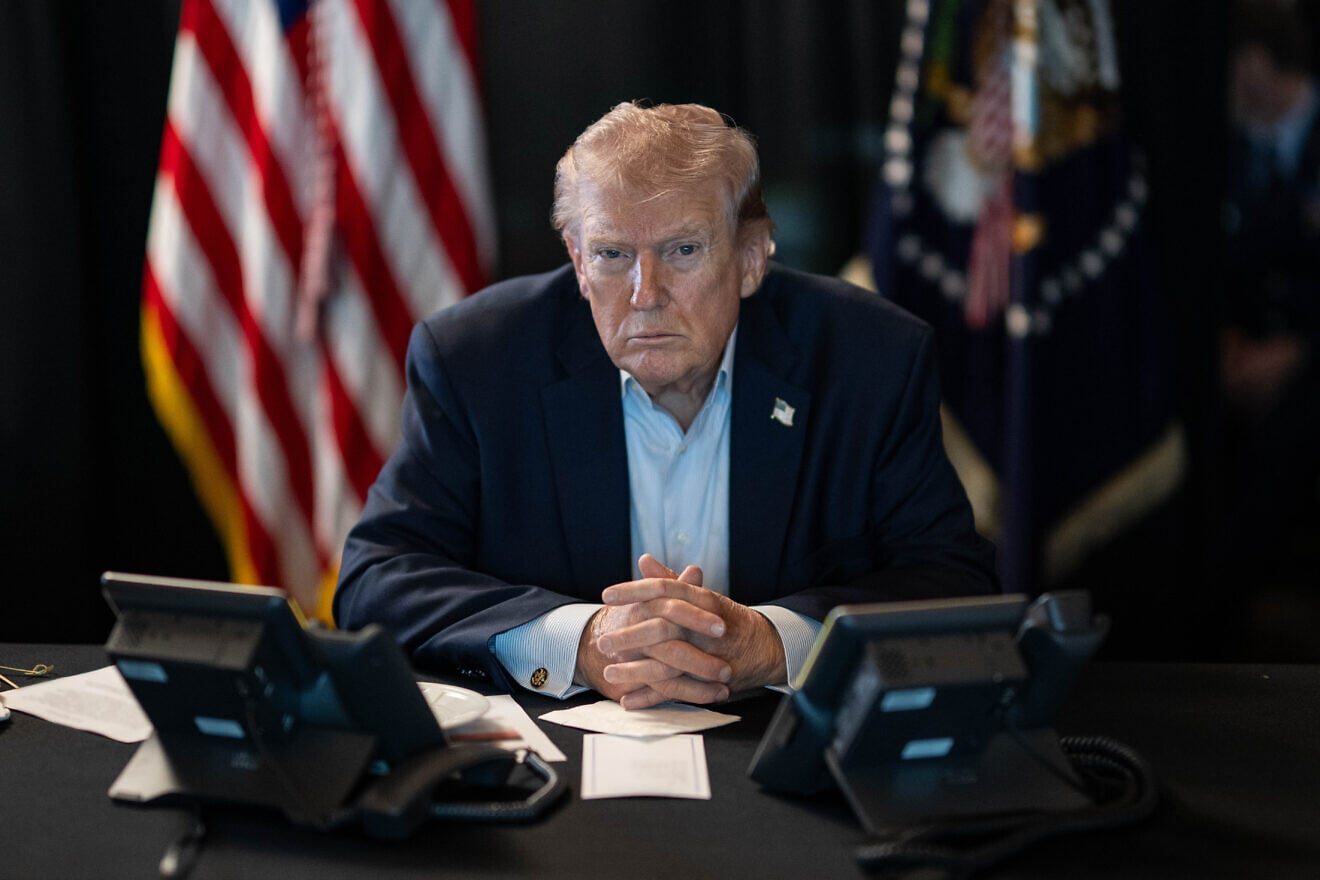
U.S. President Donald Trump oversees “Operation Epic Fury” at Mar-a-Lago, Palm Beach, Fla., March 1, 2026. Credit: Daniel Torok/White House.

When it comes to the reason why Washington has taken action against Iran’s terrorist regime, who are you going to believe? President Donald Trump—the man who ordered the strikes—or California Gov. Gavin Newsom, the writers at The New York Times, and media personalities Tucker Carlson and Megyn Kelly? 

Liberal and leftist publications, pundits and politicians have joined with far-right podcasters to oppose Trump on military strikes on Iran, which the president hopes will lead to the collapse of the regime’s Islamist government. In fact, they disagree on a lot. What they do seem to agree on is that the effort to put an end to Iran’s nuclear and missile programs, and its sponsorship of international terrorism, is a bad idea. More than that, they agree that the primary culprit for these actions is the State of Israel, which they say dragged Trump into starting a war for its own interests and not those of the United States. 

Trump declares his motivation

Trump is having none of it. He’s been explicit in declaring that it wasn’t the Israelis who pushed him into making his decision. At the White House, the president explained this week that the attempt to portray him as the catspaw of the Israelis was simply wrong. 

“We were having negotiations with these lunatics, and it was my opinion that they were going to attack first,” Trump said. “They were going to attack if we didn’t do it. They were going to attack first. I felt strongly about that. If anything, I might have forced Israel’s hand, but Israel was ready, and we were ready.” 

U.S. Secretary of State Marco Rubio and U.S. Secretary of War Pete Hegseth agree. The Islamic government and its mullahs have been quite explicit about the fact that they are waging a religious war against both the “great Satan” of the United States and the “little Satan” of Israel for 47 years.

Nevertheless, opponents of various stripes insist that Trump is being pushed around by Israeli Prime Minister Benjamin Netanyahu.

By accusing Israel of strong-arming Trump into doing something that costs American lives and doesn’t make the United States safer, critics of Washington and Jerusalem have initiated charges going far beyond those of ordinary debate about foreign policy.

Of course, like any decision a president makes, the current military action is fair game for debate. So, too, are Israeli policy choices.

Scapegoating Israel

But scapegoating Israel, and by extension, its Jewish supporters, in this particular way is redolent of traditional antisemitic tropes about Jews of dual loyalty, buying political power in the halls of Washington, D.C., and exercising other nefarious behind-the-scenes influence. Indeed, it is difficult, if not impossible, to separate such wild distortions about the truth of the U.S.-Israel alliance and threat to both countries from Iran, and the equally inflammatory blood libels hurled at the Jewish state since Oct. 7, 2023. Those include accusations that Israel is committing “genocide” against Palestinians in the Gaza Strip or is an “apartheid” state, which have fueled a surge of antisemitism around the globe.

The particular motivations of those beating the drum for blaming Israel may differ, though all seem motivated by a mix of ideology and personal ambition.

The base of the Democratic Party has embraced toxic left-wing ideas like critical race theory, intersectionality and settler-colonialism that label Israel and Jews as “white” oppressors over people of color, who are the oppressed. They want to use opposition to the war to defeat Republicans in the midterm elections this November. Newsom, who understands that he is viewed as too centrist by many of his party’s primary voters, is aiming for the Democratic presidential nomination in 2028 by tilting to the left and smearing Israel with the “apartheid” libel.

On the right, Carlson wants to seize control of the GOP from Trump as part of an isolationist and antisemitic paleo-conservative movement that may not have very much support among party activists and officeholders, but has a broad audience on social media and the internet.

By framing the debate about Trump’s decision as one of Jerusalem pushing Washington into fighting a war adverse to America’s interests, liberal politicians like Newsom and far-right hatemongers such as Carlson aren’t just critiquing Trump. By choosing this particular angle to oppose administration policy, they are seeking to exploit the surge of anti-Zionism and openly antisemitic invective spreading throughout U.S. public discourse since the Hamas-led Palestinian Arab terror attacks on Israel on Oct. 7.

It is entirely true that Netanyahu has long advocated for the West to take action against Tehran, repeatedly warning of the threat that its nuclear ambitions pose to the world. Indeed, there is a cross-party consensus on the issue within the State of Israel, as the overwhelming majority of its citizens understand that the Islamist regime is bent on the destruction of their country as a first step toward the imposition of Islam on the West. A poll conducted by the left-leaning Israel Democracy Institute published this week showed that fully 93% of Jewish Israelis support the airstrikes taking place right now.

Yet the notion that the United States had to be manipulated by its small ally into taking this step is a pernicious myth. While Americans may debate the timing of the military campaign—with polls showing that Republicans support the president’s decision, and most Democrats and independents opposing it—the need to stop Iran from getting a nuclear weapon and opposing its exporting of violence has been a position held by every American president in the 21st century.

Taking Rubio out of context

Trump’s opponents jumped on a statement lifted out of remarks uttered by Rubio that made it seem as if joining the attacks happened because the Israelis had decided to go in anyway, and Washington feared Iranian retaliation and chose not to wait to be hit.

Taken out of context, that bolstered the claim that the joint effort was primarily Israel’s doing. In the same statement, however, Rubio had made it clear that the primary reason for the initiation of the strikes on Iran was that its nuclear program and missile production is a threat to “the safety and security of the world,” and not only to Israel. What’s more, the timing of the decision was as much a sober evaluation of the futility of trying to expect a rational self-interested policy from a clerical regime that refuses to “make geopolitical decisions; they make decisions on the basis of theology—their view of theology, which is an apocalyptic one.”

What those harping on Israel’s role in this drama also forget is that Iran has become a key ally of America’s chief geostrategic foe: China. Beijing has kept the Iranian regime afloat when Western sanctions threatened to bring Tehran to its knees by cutting it off from the global economy. China buys up to 90% of Iran’s oil, which consists of as much as 13% of its oil imports, playing a crucial role in its ability to compete with the West while also undermining efforts to force the Islamist regime to give up its nuclear ambitions and terrorism.

The Iranians are also a strategic partner of Russia, another ally of China. The drones they supply to Moscow have been a key factor in allowing it to continue its war against Ukraine, which Trump has tried in vain to end via negotiations.

Still, nothing Trump or Rubio can say is stopping the groundswell of incitement coming from the left and the right that pins the responsibility for the conflict on the Jewish state.

Antisemitic conspiracy-mongering

The Times constructed a narrative in an article published two days after the latest chapter in the long struggle between the United States and Iran’s government, in which Netanyahu plays the featured role of instigator of the conflict. That dovetails with the claims aired by former Fox News personalities Carlson and Kelly on their popular programs, not to mention what was being said by even more extreme figures like podcaster Candace Owens and neo-Nazi groyper Nick Fuentes.

In an effort to make the current fighting sound like a rerun of the 2003 U.S. invasion of Iraq ordered by President George W. Bush, Carlson said the decision to strike Iran was based on “lies,” and that “this happened because Israel wanted it to happen. This is Israel’s war. This is not the United States’ war.” Going further—and doubling down on antisemitic tropes about Jewish manipulation of America—he falsely claimed that the Islamic Republic’s attacks on Arab countries in the region were actually the nefarious work of Mossad agents.

Kelly, who has abandoned her stance as a mainstream figure to appeal to a more extreme audience that clicks on content related to attacks on Jews and Israel, agreed. She said that any U.S. servicemen who were killed in the conflict were “dying for Israel,” not America.

They were, of course, outdone by the increasingly unhinged Owens, who said the war was enabled by a mythical Israeli assassination of Turning Point USA leader Charlie Kirk last September. Fuentes said Trump’s decision was further evidence that “organized Jewry” runs the country. “The United States is Israel’s bitch,” he said. “We all know that Israel is the boss, that Israel controls our country. Now you know it for a fact.” He concluded his rant by advising his audience to vote for the Democrats in the midterm elections.

While most Democrats weren’t echoing their antisemitic talking points, they, too, were declaring that the war was not merely illegal or wrong, but also linked to Israel. Newsom wasn’t the only one blaming it on Netanyahu. And it isn’t an accident that this comes at a time when growing numbers of members of the Democratic congressional caucus are refusing to accept donations from pro-Israel sources and attacking the AIPAC lobby. Indeed, Sen. Chris Van Hollen (D-Md.) denounced AIPAC this week at the left-wing J Street conference as “anti-American” for advocating for the U.S.-Israel alliance and pushing for action on Iran. 

American national interests

All of the incitement against Israel and its supporters ignores the basic fact that every American president, including both Democrats and Republicans, for the past quarter-century has made it clear that preventing a nuclear Iran was a key national security goal. The only differences between them have been about how to stop them. Presidents Barack Obama and Joe Biden thought appeasement would work. But rather than preventing Iran from getting a weapon, with its sunset clauses, the 2015 nuclear pact would have guaranteed that they would eventually get one.

Trump has tried negotiating with Tehran, but rather than seeing an agreement, however weak and ineffectual, as a goal in and of itself, he believed that if a deal didn’t end its nuclear program (the objective that Obama promised in his 2012 foreign-policy debate with presidential opponent Mitt Romney), it was worthless. And instead of allowing the mullahs to prevaricate and delay until they got their way, he was prepared to act to stop them before it was too late.

Though his decision to strike now brings risks, the cost of continuing to wait would be far higher. Stripping the regime of its ability to inflict mayhem in the region via its own military might and its terrorist auxiliaries isn’t just in America’s interests. Doing so now to prevent the mullahs and their minions from using more time to build up their missile program and/or potentially race to a nuclear weapon with whatever material was left after last summer’s 12-day Israeli-American bombing campaign was an imperative.

That doing so helps Israel is not in question. Iran’s leaders have explicitly said they consider a genocidal effort to destroy the Jewish state—calling it a “one-bomb country”—would be worth it, even if it meant catastrophic retaliation from Jerusalem or other parts of the world.

Preventing such a catastrophe (and understanding that Israel is far from the only intended target of Iranian nuclear weapons and missiles) isn’t solely in the interest of the Jewish state. If Iran can achieve its objective of mass murder in Israel, it can do the same with allied Arab countries and those in the West.

At best, that would mean nuclear blackmail being conducted by religious fanatics, furthering the efforts of China and Russia to undermine the West.

At worst, it would present the possibility of nuclear war involving the entire world.

This goes beyond the fact that the alliance with Israel is not merely consonant with American societal norms rooted in the Western tradition, faith and common democratic values. It is also a function of American national interests. The United States never treated Israel as a strategic ally until after its victory in the Six Day-War in June 1967, when it proved it could be an asset to the West rather than a liability. And it wouldn’t be acting in close cooperation with the Israeli military against a common foe unless doing so was in defense of shared strategic interests.

It doesn’t require pressure from Israel or some sort of nefarious plot straight out of the antisemitic forgery The Protocols of the Elders of Zion to convince Americans to take the Iranian threat seriously. Only an American leader who cared nothing about defending his nation’s security interests or preventing a jihadist regime from dominating the Middle East and threatening Europe and Asia would ignore such a threat.

But for leftists and right-wing antisemites who hate Israel, as well as those like Carlson, who clearly seem to be under the influence of the Islamist regime in Qatar, the fact that Iran seeks the elimination of the one Jewish state on the planet seems to be an argument in favor of either appeasing or actively aiding them.

You don’t have to be an antisemite to embrace the notion that presidents ought to wait for congressional approval for the use of military force. But no president—and that includes Democrats like Bill Clinton, Obama or Biden—has hesitated to act without a Declaration of War or a direct authorization from Capitol Hill when they believed it to be in America’s best interest, as Trump has done now. Advocates for appeasement of Iran can also cling to the belief in that approach even though doing so has only enriched and empowered a dangerous regime to launch wars, spread terror and move closer to its nuclear goal.

But those who embrace a narrative that efforts to stop Iran can only be the result of an underhanded Israeli plot or Jewish efforts to bribe Congress and the executive branch to ignore American interests and fight an unnecessary “war of choice” are doing something else. They aren’t just distorting the truth about the alliance between the two countries, which is both close and mutually beneficial. They are crossing the line between a rational debate about a crucial policy choice and one that is inextricably linked to traditional tropes of Jew-hatred.
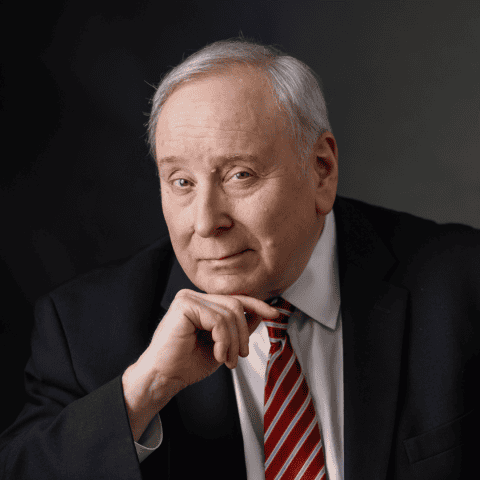

Jonathan S. Tobin is editor-in-chief of the Jewish News Syndicate, a senior contributor for The Federalist, a columnist for Newsweek and a contributor to many other publications. He covers the American political scene, foreign policy, the U.S.-Israel relationship, Middle East diplomacy, the Jewish world and the arts. He hosts the JNS “Think Twice” podcast, both the weekly video program and the “Jonathan Tobin Daily” program, which are available on all major audio platforms and YouTube. Previously, he was executive editor, then senior online editor and chief political blogger, for Commentary magazine. Before that, he was editor-in-chief of The Jewish Exponent in Philadelphia and editor of the Connecticut Jewish Ledger. He has won more than 60 awards for commentary, art criticism and other writing. He appears regularly on television, commenting on politics and foreign policy. Born in New York City, he studied history at Columbia University.


Zawartość publikowanych artykułów i materiałów nie reprezentuje poglądów ani opinii Reunion’68,
ani też webmastera Blogu Reunion’68, chyba ze jest to wyraźnie zaznaczone.
Twoje uwagi, linki, własne artykuły lub wiadomości prześlij na adres:
webmaster@reunion68.com


Trump Awards Medal of Honor to ‘Righteous Among the Nations’ World War II Soldier With ‘Unsurpassed Courage’


Trump Awards Medal of Honor to ‘Righteous Among the Nations’ World War II Soldier With ‘Unsurpassed Courage’

Shiryn Ghermezian


US President Donald Trump speaks during a visit at Fort Bragg, North Carolina, US, Feb. 13, 2026. Photo: REUTERS/Elizabeth Frantz

President Donald Trump bestowed the Medal of Honor to three former US Army soldiers on Monday at a White House ceremony and they included a World War II veteran who was recognized by Yad Vashem as “Righteous Among the Nations.”

Trump posthumously awarded the Medal of Honor to Master Sgt. Roderick (Roddie) W. Edmonds, who refused to single out the Jewish servicemen he fought alongside when he was held by Germans in a prisoner-of-war (POW) camp during World War II. The president said the three US soldiers receiving the Medal of Honor — only one of whom is still living – demonstrated “unsurpassed courage.”

In 1941, Edmonds enlisted in the US Army and soon became one of the youngest master sergeants in the military, Trump said. The native of South Knoxville, Tennessee, led a unit that fought in Europe during World War II and they were captured by German forces on Dec. 19, 1944. Edmonds was held with other American POWS, including Jews, at Stalag IX-B in Bad Orb, Germany. Germans tried to separate Jewish POWs and many of them were sent to Nazi extermination camps or killed. Edmonds was in charge of the American barracks in Stalag IXA, according to the US Army, but refused to help single out Jewish POWs.

“On January 26, 1945, a Nazi SS officer issued an order over the camp loudspeaker, loud and strong, he said that only American Jews were to show up to roll call. Following this morning, he added ‘all who disobey this order will be shot immediately,’” Trump explained at the Medal of Honor ceremony. “There were more than 200 Jewish American soldiers in the camp, and Roddie knew their separation from the group would mean certain death. So that night he summoned his team and devised a plan. The next morning, all 1,200 American men fell in line together, shoulder to shoulder.”

“Enraged, the Nazi commandant rushed forward, drew his Luger pistol, and pressed the barrel between Sgt. Edmond’s eyes,” the president added. “He barked at Roddie, ‘They cannot all be Jews!’ He screamed loud and again and again. And, staring straight back into the raging face of evil, Sgt. Edmonds replied fearlessly, ‘We are all Jews here.’ The Nazi officer lowered his weapon and the soldiers erupted in cheers.”

The president noted that “with total disregard for his own life, Roddie had saved over 200 of his fellow service members.” Stalag IXA was liberated two months later.

Edmonds died on Aug. 8, 1985, in Knoxville. His son, Chris, accepted his Medal of Honor on Monday at the White House ceremony. Trump also posthumously awarded the Medal of Honor to Staff Sgt. Michael H. Ollis and Command Sergeant Major Terry P. Richardson.

Yad Vashem recognized Edmonds as Righteous Among the Nations in 2015. A year later, a ceremony was held at the Israeli embassy in Washington, DC, and the Righteous medal and certificate of honor was presented to Edmond’s son.


Zawartość publikowanych artykułów i materiałów nie reprezentuje poglądów ani opinii Reunion’68,
ani też webmastera Blogu Reunion’68, chyba ze jest to wyraźnie zaznaczone.
Twoje uwagi, linki, własne artykuły lub wiadomości prześlij na adres:
webmaster@reunion68.com


Humanitarny spektakl sezonu


Humanitarny spektakl sezonu

Anna Grabowska (Anne Goldschmid)


Podczas gdy wszyscy są zajęci aferą Epsteina, bo media mówią o tym na okrągło, proszę państwa, jest nowy news. Nowa Flotylla do Gazy. Sto łodzi, tysiąc aktywistów. Wielkie słowa o największej humanitarnej interwencji w historii. Na razie są tylko zapowiedzi, liczby i hasła. Twarze pojawią się później, kiedy ruszą kamery. Kiedy będzie można zrobić zdjęcia z pokładu i pokazać światu, że moralność znów wypłynęła w morze. A dopiero gdzieś na końcu tej opowieści, na jej brudnym, nieatrakcyjnym marginesie, jest rzeczywistość. Ta, której nikt nie chce fotografować, bo nie nadaje się na symbol, nie ma jednego winnego i nie daje prostego scenariusza, w którym można wystąpić w roli bohatera. Bo w tym samym czasie, gdy planuje się tę flotyllę, na wschodzie Europy ludzie marzną w nieogrzewanych mieszkaniach. Ukraińskie dzieci uczą się spać w ubraniach, żeby nie zamarznąć w nocy przy minus dwudziestu stopniach. I nikt nie organizuje dla nich statków. Nikt nie wzywa celebrytów, ani nie robi transmisji z ruin bloków i z korytarzy szpitalnych, gdzie od miesięcy czuć zapach wilgoci i strachu.

Tak, Palestyńczykom żyje się ciężko. Nie mieszkają w pałacach, tylko w namiotach, pod plandekami i w prowizorycznych schronieniach. Ale mają dostęp do pomocy humanitarnej, do koców, do żywności. Do konwojów z pomocą, o których mówi się w każdej telewizji świata. I to nie są tylko wrażenia czy obrazy z mediów. W najnowszych apelach humanitarnych ONZ na 2026 rok sama Gaza i terytoria palestyńskie pochłaniają około 12–13 % całego globalnego budżetu pomocy, więcej niż jakikolwiek pojedynczy kryzys na świecie. Sudan, gdzie toczy się jedna z najkrwawszych wojen w Afryce, dostaje około 8–9 %. Syria podobnie. A Ukraina, mimo milionów ludzi bez domów i zniszczonej infrastruktury, w ostatnich latach mieści się zwykle w przedziale około 10–15 procent globalnych potrzeb humanitarnych. Cała Afryka razem wzięta, ze wszystkimi swoimi wojnami, suszami i epidemiami, dostaje około 35–45 procent pomocy, ale rozbitej na dziesiątki krajów i setki milionów ludzi. Gaza jest więc jednym z najlepiej finansowanych pojedynczych kryzysów na świecie. Tymczasem dzieci w Ukrainie marzną przy minus dwudziestu stopniach. Giną od bomb i rakiet. A jednak nie budzą światowej moralności. W tym samym czasie w Afryce dzieci, kobiety i starcy umierają z głodu, z chorób lub chociażby z braku wody. Z powodu rzeczy tak elementarnych, że aż trudnych do opisania. I tam też nie ma flotylli, konwoju łodzi, nie ma tysiąca kamer. Nie ma “błogosławionych świadków historii”. Tam jest cisza i zwykła śmierć. Bez transparentów i bez triumfalnej opowieści o moralności, którą wycierają sobie gębę selektywnie gwiazdki współczucia. Taki to jest rynek pomocy-przedstawienia. Współczesny aktywizm wybiera swoje bitwy jak producent telewizyjny – prime time. Nie według skali tragedii, tylko według jakości scenariusza. Według tego, czy da się opowieść uprościć do plakatu, bądź wskazać jednego winnego. Czy da się z tego zrobić serię wideo z mocnym finałem lub wyprodukować emocję, która będzie miała zasięg.

Flotylla do Gazy ma wszystko, co potrzebne do widowiska. Statki, hasła, konfrontację z marynarką. Dramatyczne krzykliwe apele, zatrzymanie, wywiady, i łzy. Kadry, które obiegną świat. I jeszcze jeden element, bez którego ta historia nie miałaby takiej siły rażenia. Konflikt, który dla części Zachodu stał się wygodnym lustrem do przeglądania własnych kompleksów. Palestyna jako symbol, nie jako ludzie. Symbol, którym można uderzać w Zachód, w kapitalizm, w kolonializm, w system, w cokolwiek akurat jest na liście wrogów sezonu. Przecież dziś i tak łatwo nienawidzi się Żydów i zgania się wszystko na nich. Więc taka opowieść sprzedaje się bez wysiłku sama. Bez żadnych wątpliwości ani refleksji. A flotylla do Mariupola? Nie istnieje. Flotylla do Charkowa, Chartumu, Sahelu też nie. Flotyli do Iranu również nie było. A powód? Bo tam nie ma jednego wygodnego symbolu, którego można obarczyć winą i powiesić jak gwiazdę Dawida na szubienicy. I dlatego tysiące ludzi gotowych jest wejść na pokład w tej sprawie, a niewielu z nich byłoby gotowych spędzić miesiąc w ukraińskim szpitalu polowym, gdzie dzieciom amputuje się nóżki przy świetle agregatów i nikt nie pyta o hashtagi, albo pół roku w obozie dla uchodźców w Sudanie, gdzie nie ma kamer, nie ma mikrofonów, nie ma nawet stabilnego sygnału, żeby zrobić relację na żywo. Bo tam nie ma romantycznej rewolucji. Tam jest pot, błoto, infekcje i brak leków. Monotonne cierpienie, które nie nadaje się do transmisji. W ten sposób z cierpienia robi się poręczny rekwizyt. Taki polityczny spektakl na pierwsze strony gazet. Recrptura gotowa, z moralności robi się kostium i zakłada na weekendowy rejs. A potem wraca się do domu z wystudiowanym cierpieniem na twarzy, publikuje kilka zdjęć i pisze setki gniewnych postów. O tak później zbiera się brawa od własnego plemienia i ogłasza, że oto ludzkość została uratowana. Podczas gdy ludzkość, ta prawdziwa, bez transparentów i bez kamer, dalej leży gdzieś w ruinach, w zimnie i bez leków. W wioskach bez wody.

I dlatego ta selektywna moralność budzi we mnie odrazę. Zwyczajną, fizyczną odrazę. Bo to nawet nie jest już hipokryzja, lecz rodzaj ideologicznej estetyki, w której cierpienie jednych staje się scenografią, a cierpienie innych nie zasługuje nawet na spojrzenie. Bo zwyczajnie brzydzi mnie ta selektywna moralność. Zwyczajnie brzydzi.


Zawartość publikowanych artykułów i materiałów nie reprezentuje poglądów ani opinii Reunion’68,
ani też webmastera Blogu Reunion’68, chyba ze jest to wyraźnie zaznaczone.
Twoje uwagi, linki, własne artykuły lub wiadomości prześlij na adres:
webmaster@reunion68.com


Solution to Iran crisis is regime change, ousting Khamenei, Saudi royal family source tells N12


Solution to Iran crisis is regime change, ousting Khamenei, Saudi royal family source tells N12

JAMES GENN

A crowd gathers for a mass funeral of protests killed by the Iranian regime’s violent clampdown of anti-regime protesters, in Tehran, January 14, 2026; illustrative. / (photo credit: Stringer/Getty Images)

The solution for Iran is no longer a limited military move, but a large, fundamental change, including the ousting of Supreme Leader Ayatollah Ali Khamenei, a Saudi royal family source told N12 News on Sunday.

Khamenei and the regime “must be eliminated one by one,” and “the only solution is to change the regime in Iran in one way or another,” the source said.

“If the regime in Iran is overthrown, a strong government must rise that knows how to concentrate power in a strong and secure way, and not repeat the model of a weak technocratic government such as exists in Iraq,” the source added.

“After the [anti-regime Iranian] protesters lost faith in [US President Donald] Trump, the solution is to eliminate the top leadership one by one, starting with Khamenei, so that there will be no leaders left, and then hold elections,” they continued.

Crown Prince Reza “Pahlavi is apparently not acceptable to the majority of the public inside Iran,” the source said.

Anti-regime protesters hold banners in support of Crown Prince Reza Pahlavi, denouncing the Islamic Regime as murderers, during a protest on the sidelines of US-Iran nuclear talks, Geneva, Switzerland, February 17, 2026; illustrative. (credit: Sedat Suna/Getty Images)

There is a feeling of missed opportunity on the streets of Iran, which has stemmed from not only the intense repression by the Islamic Regime, but also the lack of external support, according to the source.

“Trump missed the opportunity to eliminate the heads of the regime’s security apparatus who suppressed the past protests, and by doing so, he lost the trust of the protesters,” the source said.

Saudi royal source discusses US, Israel’s strategic mistake

This was “the strategic mistake of the US and Israel – the lack of understanding of the social dimension inside Iran and the failure to build an alternative to the regime,” the source added.

“If Trump wants to fulfil his promise to protect the protesters – how will he do that if he doesn’t eliminate those who killed them? A surgical action is required to hit essential infrastructure, alongside the security commanders who acted against protesters,” the source stated.

“The protests currently happening in Iran are economic in motivation and limited in nature. If pressure increases, they will grow, but will also be suppressed. They are not as large as the media presents,” the source believes.

“We see the regime as a regional threat. If Iran does not produce nuclear weapons within five years, it will do so afterwards,” they continued.

Iran builds ‘target bank’ of US, allies, facilities, infrastructure in region – report

N12 noted that an ultra-conservative Iranian news outlet, Vatan-e-Emrooz (Homeland Today), presented a list of US targets and Iran’s plan for escalation, including a “target bank” that includes US bases, economic infrastructure, and other Middle East countries, including Jordan.

An Iranian response will be “rapid and coordinated,” according to the local outlet cited by N12. It would be executed in multiple arenas simultaneously, aiming to create a situation where the confrontation will rapidly expand. This expansion will include Iran’s proxy axis involvement, damage to shipping routes, and threats to oil and energy facilities, according to the report.


Zawartość publikowanych artykułów i materiałów nie reprezentuje poglądów ani opinii Reunion’68,
ani też webmastera Blogu Reunion’68, chyba ze jest to wyraźnie zaznaczone.
Twoje uwagi, linki, własne artykuły lub wiadomości prześlij na adres:
webmaster@reunion68.com

China Played Key Role in Iran’s Digital Crackdown on Protesters, Report Shows


China Played Key Role in Iran’s Digital Crackdown on Protesters, Report Shows

Ailin Vilches Arguello


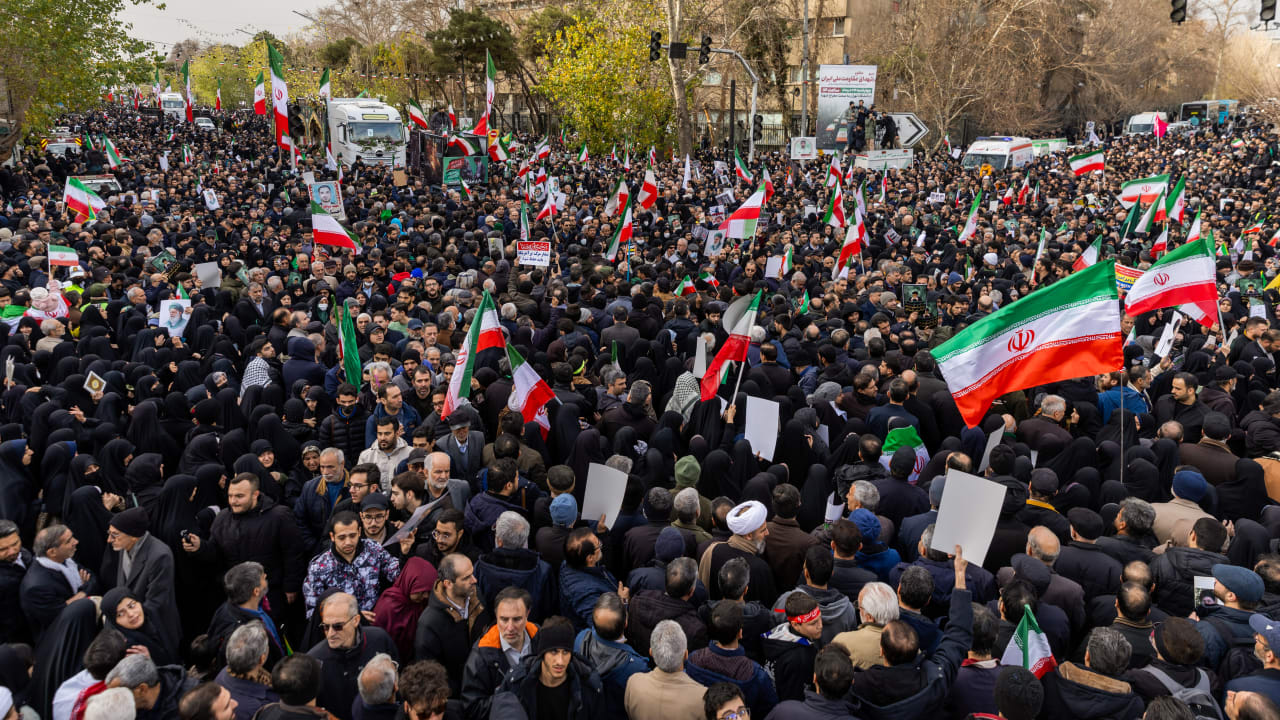
Protesters march in downtown Tehran, Iran, Dec. 29, 2025. Photo: Screenshot

The Iranian regime used Chinese and Russian technology to silence dissent during recent nationwide anti-government protests, imposing near-total internet shutdowns and disrupting satellite communications to suppress public scrutiny, according to a new study.

On Monday, the international human rights organization Article 19 released a new report examining digital cooperation between China and Iran, detailing Beijing’s role in expanding Tehran’s digital repression apparatus.

“In its pursuit of total control over the digital space, Iran borrows directly from the Chinese digital authoritarian playbook,” Michael Caster, head of Article 19’s Global China Program, said in a statement.

“From Chinese companies embedded inside Iran’s infrastructure, to Iran’s support for China’s ‘cyber sovereignty’ principles based on censorship and surveillance, both countries align in their ambition to disconnect their populations from the open, global internet,” he continued.

According to the report, China has provided material and technical support to Iran since at least 2010, bolstering its surveillance and censorship capabilities as Chinese firms including ZTE, Huawei, Tiandy, and Hikvision continue operating in the country despite international sanctions.

“Emulating China’s infrastructure of oppression helps Iran entrench power, sidestepping accountability and exercising full control over the information environment,” Article 19’s head of resilience, Mo Hoseini, said in a statement. “That way, dissent is not just silenced, it is prevented from ever surfacing.”

The study also explains that Iran is seeking to replicate China’s “Great Firewall” through its National Information Network, a system designed to restrict access to the global internet while centralizing censorship and embedding surveillance deep within national infrastructure.

As international scrutiny over the regime grows, new estimates show that tens of thousands of people were killed by Iranian security forces during an unprecedented crackdown on nationwide protests last month.

Two senior Iranian Ministry of Health officials told Time magazine that as many as 30,000 people could have been killed in the streets of Iran on Jan. 8 and 9 alone. Some reports have put the figure even higher, suggesting the regime could have perpetrated one of the deadliest crackdowns in modern history — all under cover of digital darkness.

With authorities enforcing an internet blackout for weeks, the actual number of casualties remains difficult to verify. Activists fear the internet shutdown is being used to conceal the full extent of the crackdown on anti-regime protests.

According to Craig Singleton, a Stanford professor and senior fellow at the Foundation for Defense of Democracies (FDD), a Washington, DC-based think tank, surveillance technology supplied by Chinese exporter Tiandy Digital Technology Co. has strengthened Iranian security forces’ ability to identify and track protesters.

The equipment, including network video recorders, has been deployed during both the current unrest and previous waves of nationwide protests.


China expressed support for the Iranian regime last month amid the protests, hoping Tehran would “overcome” the unrest and “uphold stability.”

If the regime in Iran was seriously weakened or potentially collapsed, it would present a problem for a strategic partner of Beijing.

China, a key diplomatic and economic backer of Tehran, has moved to deepen ties with the regime in recent years, signing a 25-year cooperation agreement, holding joint naval drills, and continuing to purchase Iranian oil despite US sanctions.

China is the largest importer of Iranian oil, with nearly 90 percent of Iran’s crude and condensate exports going to Beijing

Iran’s growing ties with China come at a time when Tehran faces mounting economic sanctions from Western powers, while Beijing itself is also under US sanctions.

According to some media reports, China may be even helping Iran rebuild its decimated air defenses following the 12-day war with Israel in June.

The extent of China’s partnership with Iran may be tested as the latter comes under increased international scrutiny over its violent crackdown on anti-regime protests.

However, as The Algemeiner previously reported, Iran’s relationship with China has proven weaker than official statements from both countries would suggest, filled with limits and skepticism even as Tehran faces unprecedented military challenges from both the US and Israel.


Zawartość publikowanych artykułów i materiałów nie reprezentuje poglądów ani opinii Reunion’68,
ani też webmastera Blogu Reunion’68, chyba ze jest to wyraźnie zaznaczone.
Twoje uwagi, linki, własne artykuły lub wiadomości prześlij na adres:
webmaster@reunion68.com