
Archives

Żydowski biblista Isaac Kalimi o antysemityzmie Marcina Lutra


Żydowski biblista Isaac Kalimi o antysemityzmie Marcina Lutra

Stanisław Obirek


Tę mała książeczkę przeczytałem jednym tchem. O chrześcijańskim antysemityzmie wiem sporo, a przygotowując się do naszych rozmów z Arturem Nowakiem dowiedziałem się jeszcze więcej. Nie miałem jednak świadomości jak ważnym ogniwem w rozwoju i utwierdzeniu chrześcijańskiej nienawiści do Żydów i judaizmu odegrał jeden z głównych reformatorów zachodniego chrześcijaństwa. Owszem na temat Lutra i luteranizmu istnieje obszerna biblioteka książek, wiele z nich jest też dostępnych w polskim tłumaczeniu. Rocznica 500-lecia wystąpienia Lutra w 2017 roku przyniosła nową falą tych publikacji, jednak dominował w nich, uzasadniony zresztą, podziw dla jego odwagi i bezkompromisowości w walce ze skompromitowanym papiestwem. Pokazały się też publikacje (głównie polskich autorów) odgrzewające stare antyluterańskie uprzedzenia i ostrzegające przed protestantyzacją katolicyzmu. To jednak egzotyka na którą nie warto zwracać w ogóle uwagi, bo więcej mówi o ignorancji i zacietrzewieniu autorów tych publikacji niż o historii czy samym Lutrze.

Jednak antysemityzm Lutra został taktownie przemilczany zarówno przez jego apologetów jak i przeciwników (którzy akurat w tym aspekcie byliby zmuszeni go pochwalić, bo nierzadko sami są antysemitami). I to w kontekście apologetycznej recepcji niemieckiego reformatora (do której włączyli się również papieże, najpierw w 1983 Jan Paweł II, a w 2017 Franciszek) należy odczytać skromną rozmiarami, ale doniosłą w treści książkę Isaaca Kalimi’ego opublikowaną przez prestiżowe wydawnictwo Routledge w 2025 roku. Jej tytuł „Martin Luther, Jews, and Judaism. A Re-Examination” (Marcin Luter, Żydzi i judaizm. Ponowna analiza) doskonale oddaje jej treść. Nim jednak o książce pozwolę sobie kilka słów powiedzieć o jej autorze.

Otóż Isaac Kalimi urodził się w 1952 roku w Iranie, ale większość swojego życia zawodowego spędził w Izraelu, USA i Europie Zachodniej, głównie w Niemczech. Zdobył stopień doktora na Uniwersytecie Hebrajskim w Jerozolimie, gdzie później także wykładał. Isaac Kalimi jest obecnie profesorem na Uniwersytecie Johannesa Gutenberga w Moguncji, jest także starszym pracownikiem badawczym na Uniwersytecie Chicagowskim (USA). Jego prace naukowe koncentrują się na literaturze biblijnej, historiografii starożytnego Bliskiego Wschodu, historii Izraela i Żydów oraz metodologii studiów biblijnych i judaistycznych. Jest autorem ponad 30 książek, a cały jego dorobek naukowy i dydaktyczny znacząco wpłynął na rozwój badań biblijnych, czyniąc go jednym z najbardziej cenionych ekspertów w swojej dziedzinie. W polskim przekładzie są dostępne dwie jego książki, „Spór o Biblię. Żydowskie tradycje, heterodoksje i polemiki. Od Świątyni przez Talmud do współczesności” oraz „Starożytny Historyk Izraelski. Studium o Kronikarzu, jego epoce, miejscu działalności i dziele„. W pierwszej z nich Kalimi przedstawia różnorodne interpretacje i kontrowersje związane z Biblią, głównie w tradycji żydowskiej. Analizując żydowskie źródła od okresu Drugiej Świątyni po późne średniowiecze i początek nowożytności, ukazuje, jak badania nad Biblią wypełniały pustkę po zniszczeniu Drugiej Świątyni i wpływały na historię żydowskiego życia. Spór o Biblię to w istocie fascynująca narracja o relacjach między trzema religiami Abrahamowymi – judaizmem, chrześcijaństwem i islamem. Jednak najcenniejszym wkładem autora jest ukazanie jak dalece chrześcijańska interpretacja Biblii Hebrajskiej była próbą jej zawłaszczenia do własnych apologetycznych celów. Rozpoczęło się to już w pierwszych wiekach pod piórem Ojców Kościoła, jednak punktem kulminacyjnym tego zawłaszczania była działalność translatorska, kaznodziejska i teologiczna Marcina Lutra (1483-1546).

I to właśnie Lutrowi poświęcił swoje najnowsze dzieło Isaac Kalimi. Książka „Martin Luther, Jews, and Judaism. A Re-Examination” analizuje stosunek Marcina Lutra do Żydów i judaizmu, uwzględniając jego podejście w kontekście historycznym, religijnym, teologicznym i kulturowym późnego średniowiecza w Europie. W trakcie swojej kariery, zwłaszcza w późniejszym okresie, Luter wielokrotnie wypowiadał się w sposób zjadliwy i pisał agresywne antysemickie traktaty. Analizując te wypowiedzi i pisma, autor książki twierdzi, że postawy Lutra nie można usprawiedliwić jako reakcji na problemy rodzinne, zdrowotne lub związane z wiekiem, ani jako integralnej części ówczesnych norm społecznych. Autor argumentuje, że judeofobia Lutra miała swoje źródło w lekturze Starego i Nowego Testamentu oraz w chrześcijańskiej tradycji antyżydowskiej, edukacji i fundamentalnym teologicznym światopoglądzie na temat Żydów i judaizmu, który postanowił wzmocnić. Inne omawiane czynniki to obawy Lutra przed trwającym wpływem intelektualnym Żydów i „żydowską mocą magiczną”, a także jego głębokie rozczarowanie odrzuceniem przez Żydów jego nowo zreformowanego Kościoła. Książka, przedstawiająca nieocenioną perspektywę na stanowisko Marcina Lutra, powinna trafić do badaczy religii, teologii, historii, antysemityzmu i stosunków żydowsko-chrześcijańskich.

Książka składa się z wprowadzenia, sześciu rozdziałów i wniosków końcowych. Najpierw mowa jest o postrzeganie Żydów i judaizmu przez Lutra oraz jego „judeofilia”. Jego domniemana życzliwość do Żydów słusznie została wzięta w cudzysłów, gdyż wczesny okres działalności reformatora łączył się z nadzieją ich nawrócenia na jego wersję zreformowanego chrześcijaństwa. Gdy jego nadzieje okazały się płonne, ta pozorna życzliwość przerodziła się w żywiołową niechęć przechodzącą stopniowo w pogardę i nienawiść. Stąd w kolejnych rozdziałach mowa jest przede wszystkim o judeofobii Lutra, jej przyczynach i wskazanie na kluczowe hasło „Krzyż, albo wygnanie i śmierć” pozwalające rozumieć judeofobię Lutra. W ostatnich trzech rozdziałach Kalimi omawia dodatkowe czynniki judeofobii Lutra i jej podstawy. Ostatni rozdział omawia wpływ judeofobii Lutra na późniejsze pokolenia, zwłaszcza w Niemczech. Kulminacją tej swoistej Wirkungsgeschichte (historii oddziaływania) jest oczywiście wielki renesans antysemickich idei Lutra w okresie nazizmu, a właściwie już od końca wieku XIX gdy narodził się antysemityzm i wyrazistych cechach rasistowskich.

Na koniec powiedzmy to jasno. Martin Luter zajmował się tematem „Żydzi i judaizm” przez całe swoje życie, od najwcześniejszych dzieł aż po ostatnie. Głównym kontekstem jego zainteresowania tym tematem była interpretacja Pisma Świętego, szczególnie w licznych i obszernych wykładach na temat ksiąg Starego Testamentu, począwszy od „Dictata supra Psalterium”, jego pierwszego wykładu na temat Psalmów (1513‒1515), aż po „Wykład na temat Księgi Rodzaju” (1535‒1545). Ponadto napisał kilka traktatów na temat tego, jak społeczeństwo chrześcijańskie powinno odnosić się do Żydów żyjących pośród chrześcijan. Najważniejsze to „Jezus Chrystus urodził się Żydem” (1523) przez wielu uznawane za wyraz jego judeofilii, i „O Żydach i ich kłamstwach” (1543) najbardziej zjadliwy antysemicki paszkwil. Pisma te były jednak w dużej mierze również dziełami egzegetycznymi. Ogólnie rzecz biorąc, stosunek Lutra do Żydów i judaizmu charakteryzuje się jednocześnie ciągłością i radykalną zmianą. Ciągłość jest oczywista w jego teologicznych wypowiedziach na temat judaizmu, które opierały się na pewnej hermeneutyce Starego Testamentu skoncentrowanej na mesjańskim charakterze misji Jezusa Chrystusa. Zmiana dotyczyła jego wymagań dotyczących traktowania współczesnych Żydów, które we wcześniejszych latach były zgodne z jego koncepcją dwóch królestw, podczas gdy w późniejszych czasach powrócił do tradycyjnego ideału corpus Christianum. Zmiana ta doprowadziła do sprzecznych interpretacji jego wypowiedzi na ten temat w ciągu historii. Książka Isaaca Kalimi’ego usuwa wszelkie dwuznaczności i niedopowiedzenia. Marcin Luter od początku był antysemitą, a jego nienawiść do Żydów z upływem lat jedynie się wzmacniała.


Stanisław Obirek – (ur. 21 sierpnia 1956 w Tomaszowie Lubelskim) – teolog,historyk, antropolog kultury, profesor nauk humanistycznych, profesor zwyczajny Uniwersytetu Warszawskiego, były jezuita.


Zawartość publikowanych artykułów i materiałów nie reprezentuje poglądów ani opinii Reunion’68,
ani też webmastera Blogu Reunion’68, chyba ze jest to wyraźnie zaznaczone.
Twoje uwagi, linki, własne artykuły lub wiadomości prześlij na adres:
webmaster@reunion68.com

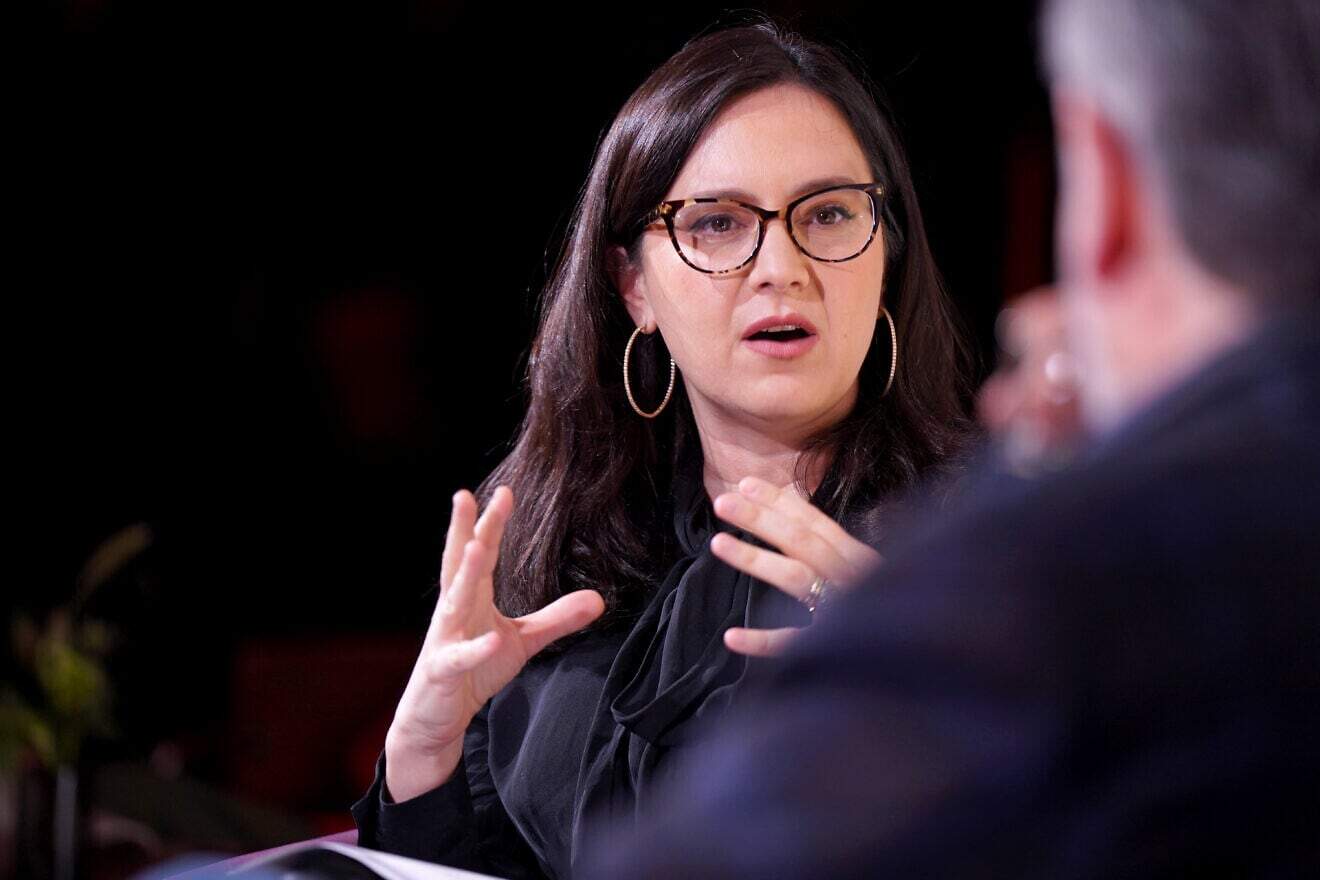
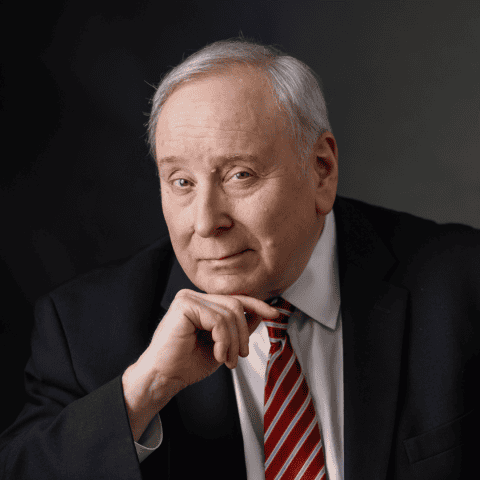
Can Bari Weiss save the mainstream media from woke journalists?


Can Bari Weiss save the mainstream media from woke journalists?

Jonathan S. Tobin


The “Free Press” founder is under fire for attempting to steer “CBS News” back toward the center. Those who think their job is to indoctrinate audiences will never forgive her.

Journalist Bari Weiss hosts Sen. Ted Cruz (R-Texas) on on “The Free Press” podcast, “Honestly with Bari Weiss,” presented by Uber and X in Washington, D.C., Jan. 18, 2025. Photo by Leigh Vogel/Getty Images for Uber, X and “The Free Press.”

How does a rigidly ideological institution out of touch with mainstream opinion and laboring under the burden of its declining appeal and finances react to efforts to bring it back to the mainstream? It fights like hell to do everything to smear and sabotage the efforts of those trying to save it.

That’s the story of what is happening at CBS News in a nutshell.

Bari Weiss, 41, has been under fire since being named editor-in-chief of CBS News in October. Since then, she’s been the subject of withering criticism in a snide profile published in The New Yorker (titled “Inside Bari Weiss’s Hostile Takeover of CBS News”) and a host of other stories published elsewhere in liberal media, in which scores of anonymous disgruntled CBS News employees have been quoted depicting her as an ignorant, biased wrecking ball, determined to destroy a great institution.

No more a ‘Tiffany Network’

She’s been tasked with the job of leading CBS News from a position as the least-watched broadcast news outlet back to relevance. That won’t be easy, given that the outfit she was given command of has seemed at times to best represent the damage that progressive ideology has done to journalism.

The staff of CBS News is probably no more rigidly left-wing than that of NBC, ABC, The New York Times, The Washington Post or any other pillar of corporate media. But it has continued to act as if it is still “The Tiffany Network.” That was the nickname it got during the heyday of early television in the 1950s and ’60s, when giants like Edward R. Murrow, Walter Cronkite and others established it as the most prestigious television news outlet. At the heart of that reputation was the notion of its objectivity and reliability that Cronkite helped create with his sober, knowledgeable demeanor, even if he and everyone else at CBS leaned to the left politically.

The problem is that no one really believes that myth about the current version of CBS or any of the other liberal outlets that similarly still pretend to be practitioners of down-the-middle journalism. Like the rest of what is still considered the mainstream media, CBS has become a bastion of ideological liberalism in which dissenting views are rarely, if ever, heard.

Challenging Ta-Nehisi Coates

A key moment for CBS came in September 2024, when author Ta-Nehisi Coates was interviewed on its morning show to discuss his latest book, The Message. It’s an appalling leftist diatribe that, among other things, described his 10-day visit to “Palestine” (by which he meant Israel, and Judea and Samaria) and his false assertion that Israel is an “apartheid” state that resembles the Jim Crow South. Added to that is his belief that it should be destroyed. Though the book was published a year after the Hamas-led Palestinian terror attacks in southern Israel on Oct. 7, 2023, it never once mentioned the words terrorism or Hamas.

Coates had been treated like royalty, and his screed went largely unchallenged throughout his book tour. But that morning, Tony Dokoupil, one of the CBS morning hosts, mildly challenged Coates on the extremist nature of his writing, as well as his unwillingness to even try to listen or take into account other points of view other than his pre-existing prejudice against the Jewish state. For that offense, Dokoupil was roundly denounced by many fellow CBS staffers and forced to apologize in a struggle session-like meeting. In tapes of leaked internal meetings, executives said Dokoupil’s decision to challenge rather than fawn upon Coates didn’t meet their journalistic “standards.”

Dokoupil’s temerity went against the grain for most members of the mainstream media press. They are not only overwhelmingly liberal and opposed to President Donald Trump. They have been indoctrinated in the toxic myths of critical race theory, intersectionality and settler-colonialism that label Israel and Jews as “white” oppressors in the elite schools where most of them were educated. Like Coates, they, too, are uninterested in even pretending to be objective and have long since replaced journalism with ideologically motivated activism. That explains why most of the corporate media, like Coates, mimicked Hamas propaganda since Oct. 7.

That’s also why any idea that these outlets could be turned around and made to return to what used to pass for journalistic standards seemed like fantasy. Indeed, the Times not only has fully surrendered to woke politics; that is now part of its business plan, as it has monetized its ideological rigidity by appealing solely to the credentialed elites that now dominate the political left.

But it’s a business plan that wouldn’t work for a broadcast network like CBS. By definition, it must appeal—as it used to in its salad days when Murrow and Cronkite hosted the day’s news on camera—to broader audiences that cut across all demographic boundaries to get the ratings that would make it successful again.

The Coates-Dokoupil confrontation would be remembered when, after a corporate shake-up, ownership of the network changed hands.

Salvaging a declining network

In 2025, Paramount Global, the parent company of CBS, merged with Skydance Media, a company controlled by David Ellison, the son of billionaire Larry Ellison, founder of the Oracle technology company. As part of the process by which he won regulatory approval for the merger, Ellison promised that he would promulgate “a diversity of viewpoints from across the political and ideological spectrum.”

That was considered by some a nod to the Trump administration. But it turned out that Ellison meant it. And he proved it by tapping Weiss as editor-in-chief of the news division while also purchasing The Free Press for a staggering $150 million (instantly making Weiss a rich woman), which was folded into the same corporate umbrella as CBS.

In many ways, she is the ideal person to attempt to salvage a network mired in a historic slump, sitting in last place in the ratings wars among broadcast networks. She has a glittering résumé, including stops at The Wall Street Journal and The New York Times, before she exhibited her unmatched entrepreneurial talent by founding The Free Press in 2021, which quickly assumed a position as one of the most interesting independent outlets in the media sphere.

In the bifurcated American landscape of the 21st century where virtually everything seems to fall under the category of right-wing or left-wing, Weiss is hard to characterize neatly. She is neither. She’s a centrist who has been skeptical of President Donald Trump while also appalled by the dead hand of woke leftist ideology. She’s also a proud Jew and a supporter of the State of Israel. At the same time, she’s a gay, married woman with two children and who holds liberal views on social issues that don’t fit the stereotype of a traditional conservative.

In contemporary journalism, that still marks her as an exponent of ideas that the overwhelming majority of people who work for mainstream media despise.

Weiss had first gained notoriety as a pro-Israel activist when she was a student at Columbia University. She celebrated her bat mitzvah at Tree of Life*Or L’Simcha Synagogue in the heavily Jewish Squirrel Hill neighborhood of Pittsburgh, where a mass shooting during Shabbat-morning services in October 2018 left 11 worshippers dead. It became the entry point for How to Fight Antisemitism, a book published in 2019.

She became a symbol of the problem with contemporary journalism after she resigned from the Times in 2020. It happened following a disgraceful scandal when the editor of the opinion section was fired for publishing a piece by Sen. Tom Cotton (R-Ark.), in which he advocated for the use of federal troops to put down violent riots by Black Live Matters supporters. The leftist-dominated newsroom of the Times revolted over the idea that their newspaper had published a view that they disagreed with.

In her published letter of resignation, Weiss said the paper was run by a mob on Twitter that had been harassing her because of her willingness to write and champion articles that challenged their assumptions. She not unreasonably came to the conclusion that, given the publishers’ acquiescence to this state of affairs, staying and fighting was futile.

So she started her own popular Substack, which eventually morphed into The Free Press run by her; her journalist wife, Nellie Bowles; and her younger sister, Suzy. It became a beacon of independent thinking that challenged the shibboleths of right and left, but because it wasn’t rigidly woke has been considered conservative by liberals.

A promotion for Dokoupil

Ellison has given her the power to transform CBS into an outlet that could be considered watchable by persons other than those who are ideological leftists. As a novice to broadcast news after a long run in print and online journalism, as well as someone who was parachuted into the leadership of the organization against the will of its employees, Weiss has encountered the sort of hostility that would intimidate a less determined person. But in her characteristically bold style, she has plunged ahead, albeit with a target on her back.

Unsurprisingly, the same newsroom that was ready to pillory Dokoupil is outraged because Weiss named him to sit in Cronkite’s old chair as the anchor of the network’s nightly news program. They were also angered by her decision to bring on other non-liberal voices, like historian Niall Ferguson and podcast host Coleman Hughes, as regular commentators.

A recent decision to hold a segment on a prison in El Salvador, where illegal immigrants deported from the United States were sent, that was scheduled to run on the network’s “60 Minutes” news magazine show, turned into a major kerfuffle. The notion that asking the producers to do more reporting, including interviews with Trump administration officials, was controversial would, in any other context, be considered absurd. The same is true for her reported skepticism about the network’s DEI-like “Race and Culture” standards commissars. But every move that Weiss makes is interpreted by liberal critics as evidence that she is a right-wing hack and that Ellison is forcing the network to appease Trump to pay for the merger approval.

As someone who has never shied away from the spotlight and who has been on an astonishing ascent to the heights of her profession at a very young age, it’s understandable that Weiss would be the focus of the drama at CBS. But the importance of what is happening there far transcends her personal story. The question of whether she succeeds or fails in her current position will speak volumes about whether or not just CBS but the mainstream media as a whole can be rescued.

Partly, this is a business story. As Weiss told CBS staffers in a town hall meeting, unless they are able to speak to a broader audience than the narrow segment that exists on the left, their future as a platform is in doubt. If they don’t change, as Weiss put it, they are “toast.” The same is probably true of NBC and ABC, as well as any other liberal outlet that hasn’t found a way to monetize its ideological stance in the long run.

At a moment when institutions have become bastions of left-wing ideology, there seemed little hope that the network could be reimagined in a way that would lead them back to the center of American discourse. But Ellison’s decision to put Weiss in charge of CBS is an opportunity that provides a blueprint for how that might happen.

If it does, it will happen with virtually all of the existing staff there kicking and screaming—and with other liberals decrying it as merely corporate appeasement of Trump.

The idea that on Weiss’s watch, CBS has become an outlet for Trump is ludicrous. But that’s the point about the current culture of American journalism. Any deviation from leftist orthodoxy, like the Times publishing a critic of BLM riots or someone challenging the antisemitic rants of Ta-Nehisi Coates, is considered not merely wrong but an expression of heresy that is indistinguishable from fascism.

Left-wing resistance and antisemitism

It is also significant that all of the criticisms of Ellison and Weiss are linked to the issue of Israel and Jewishness. The stories trashing them never fail to note that they are Jewish, support Israel and concerned about antisemitism. The Free Press’s stand opposing the horrors that took place on Oct. 7, taking a dim view of Hamas propaganda and a willingness to treat Israel’s existence as not up for debate was viewed by the people who ran Weiss out of the Times—and wished to do the same to Dokoupil (whose children from his first marriage live in Israel with their mother) at CBS—is evidence that it was a reactionary and racist outlet. The fact that she has also been attacked by right-wing Israel-hater Tucker Carlson, the former Fox News host now platforming Holocaust deniers and neo-Nazis on his podcast, illustrates how the extremes unite in their Jew-hatred.

At stake is more than just the career of Weiss or whether American society will reject the surge of antisemitism enabled by the mainstream media that has happened post-Oct. 7. It is also linked to the future of American democracy, which is already being damaged by a bifurcated media environment in which most citizens no longer read, listen or watch the same media (if they pay any attention to the news at all). As a result, they confront every issue with not just different perspectives, but dissimilar sets of facts and treat any disagreement with their pre-existing opinions as unacceptable. This is the reason why our discourse has become so extreme and intolerant of differences.

Given the uniformity of views among most of the people with jobs at elite journalistic outlets, it’s far from clear that Weiss can succeed. The opprobrium being rained down on her from other mainstream media is part of a campaign that seeks to make an example of her so as to deter other corporate owners from trying the same thing. 

Still, that’s the key to understanding why her struggles at CBS have garnered so much attention. If Weiss can push CBS back to the center, the same can happen elsewhere. That will outrage the left while not pleasing many on the right, who are just as interested in avoiding views that challenge their ideas as their counterparts on the other end of the political spectrum. But it will likely make for a healthier society and political system, as well as one which will be less friendly to the sort of woke antisemitism that is routine in mainstream outlets today.


Jonathan S. Tobin is editor-in-chief of the Jewish News Syndicate, a senior contributor for The Federalist, a columnist for Newsweek and a contributor to many other publications. He covers the American political scene, foreign policy, the U.S.-Israel relationship, Middle East diplomacy, the Jewish world and the arts. He hosts the JNS “Think Twice” podcast, both the weekly video program and the “Jonathan Tobin Daily” program, which are available on all major audio platforms and YouTube. Previously, he was executive editor, then senior online editor and chief political blogger, for Commentary magazine. Before that, he was editor-in-chief of The Jewish Exponent in Philadelphia and editor of the Connecticut Jewish Ledger. He has won more than 60 awards for commentary, art criticism and other writing. He appears regularly on television, commenting on politics and foreign policy. Born in New York City, he studied history at Columbia University.


Zawartość publikowanych artykułów i materiałów nie reprezentuje poglądów ani opinii Reunion’68,
ani też webmastera Blogu Reunion’68, chyba ze jest to wyraźnie zaznaczone.
Twoje uwagi, linki, własne artykuły lub wiadomości prześlij na adres:
webmaster@reunion68.com


New York Is Right to Keep Antisemitic Protests Away From Synagogues


New York Is Right to Keep Antisemitic Protests Away From Synagogues

Joel M. Margolis


Nov. 19, 2025, New York, New York, USA: Anti-Israel protesters rally outside of Park East Synagogue. Photo: ZUMA Press Wire via Reuters Connect

Hamas’ October 7 massacre, and the subsequent war against Israel, motivated sympathizers of the terrorist group to persecute Jews worldwide, even though the practice of blaming Jews for the actions of Israel is a globally recognized form of antisemitism.

In the US, dozens of these antisemitic campaigns targeted synagogues.

In recent months, the bigoted rallies grew especially menacing at two New York synagogues that hosted events for a non-profit corporation called Nefesh B’Nefesh (NBN). NBN conducts information fairs that promote “aliyah” (immigration) to Israel, and it guides interested parties through the naturalization process.

During the NBN gatherings, congregants could not enter or exit the synagogues without encountering harassment and intimidation by hundreds of angry demonstrators.

The haters obstructed the entrances while screaming antisemitic obscenities and incitements such as “Intifada revolution” and “Resistance you make us proud; take another settler out.” At one of the synagogues, the protestors endorsed antisemitic terrorism by chanting, “Say it loud, say it clear, we support Hamas here.” Meanwhile, a member of the crowd repeatedly shouted, “We need to make them scared.”

On January 13, 2026, New York Governor Kathy Hochul (D) pledged to curb such synagogue-focused hostility by legislating protest-free buffer zones for all houses of worship. Each buffer zone would form a 25-foot perimeter around the property of the religious institution. Outside the boundary, demonstrators could freely exercise their First Amendment right to scream and shout. Inside the line, worshipers could safely enter and exit the facility, engage in their freedoms of speech and religion, and enjoy their right of privacy to avoid the rowdy mob.

Pro-Palestinian organizations oppose the New York buffer zone proposal. The advocates claim that NBN illegally sells “stolen” Palestinian land. In their view, the slated law would not only “censor” their free speech right to denounce the alleged NBN crimes, but make New York State “complicit” in the supposed wrongdoing. They call the information fairs “non-religious political events.”

New York City Mayor Zohran Mamdani (D), who is openly pro-Palestinian, remains noncommittal on the buffer zone scheme. But he opposes NBN, arguing that “sacred spaces” should not be used to breach international law.

The mayor and buffer zone opponents misconstrue the applicable law. The 1994 Freedom of Access to Clinic Entrances (FACE) Act prohibits close-range harassment, intimidation, and physical interference at houses of worship, as well as reproductive health clinics.

Within this Federal framework, states and municipalities have enacted buffer zones to separate potentially dangerous protestors from those who frequent the protected sites. The Supreme Court has upheld the use of buffer zones to balance the adversarial rights involved. Based on subsequent case law, a thin, 25-foot buffer zone, such as the one designed for New York, is valid because it is “narrowly tailored” to meet its Constitutional goals.

Demonstration organizers cannot credibly portray NBN presentations as non-religious political events. In Judaism, “making aliyah” means “going up” to settle in the Biblical Promised Land. The ascent is a religious rite that Jews have performed for millennia. That is why NBN extends its outreach to synagogues. Even if NBN’s operations were purely political, they would deserve just as much First Amendment protection as any religious affair.

Another misconception is that NBN sells land. In reality, the outfit merely provides guidance on how to find housing.

The broader accusation that Israel illegally builds settlements on occupied Palestinian land is also untrue. The territories claimed by Palestinians have already been lawfully allocated to the state that became Israel, pursuant to the 1920 San Remo Treaty and 1922 British Mandate for Palestine. Occupation law applies when a state captures foreign land, but not when it settles its own land. A temporary exception to Israel’s sovereign reach was established when Israel and the Palestinians negotiated interim spheres of territorial control — called “Areas A, B and C” — in the Oslo Accords of the 1990s. Those limits are strictly observed by Israelis.

The International Court of Justice ruling referenced by the protest partisans to claim NBN is selling or promoting settlement on stolen land was an “advisory opinion,” which means it had no legally binding effect. It’s just as well. A dissenting judge on the court rightly rebuked the decision for failing to recognize Israel’s territorial rights. The US government recognizes Israel’s territorial rights. Any buffer zone objectors who dispute that US position should lobby the Trump administration, not Governor Hochul, because the Constitution reserves matters of international relations exclusively for the Federal government.

Regardless of whether Israeli settlements comply with international law, nothing in that legal realm can supersede the Constitutional safeguards planned for New York’s synagogues. The US government is legally barred from accepting any international obligation inconsistent with the Constitution.

The current trend of unbridled antisemitism has trampled on Jewish civil rights. Some of the worst offenders are those who harass Jews at the entrances to their synagogues. A buffer zone is the bare minimum needed to keep that threat at bay.


Joel M. Margolis is the legal commentator of the American Association of Jewish Lawyers and Jurists, the US affiliate of the International Association of Jewish Lawyers and Jurists.


Zawartość publikowanych artykułów i materiałów nie reprezentuje poglądów ani opinii Reunion’68,
ani też webmastera Blogu Reunion’68, chyba ze jest to wyraźnie zaznaczone.
Twoje uwagi, linki, własne artykuły lub wiadomości prześlij na adres:
webmaster@reunion68.com


Iść, żuć gumę i nie myśleć, czyli anatomia ideologicznego odruchu


Iść, żuć gumę i nie myśleć, czyli anatomia ideologicznego odruchu

Anna Grabowska (Anne Goldschmid)


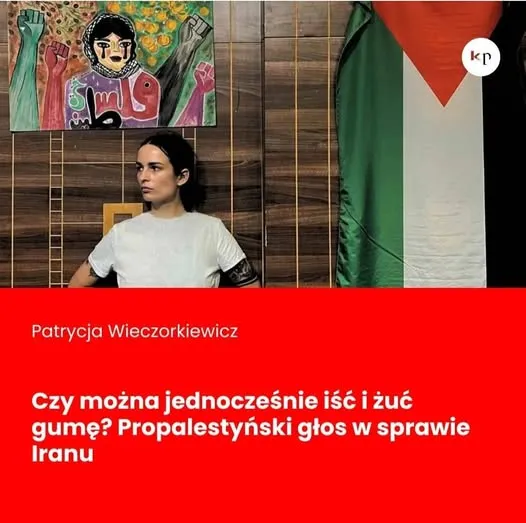
Wystarczyło, że zobaczyłam sam tytuł. Nawet nie musiałam czytać tekstu, nie znałam jeszcze nazwiska autorki, a już wiedziałam, kto go napisał. “Czy można jednocześnie iść i żuć gumę?” – pytanie pozorne, retoryczne ale oczywiście z tezą wpisaną w samą konstrukcję zdania. Bo po co pytać, łatwiej ustawić rozmowę od pierwszej linijki, czyli: jedni potrafią myśleć wielowątkowo, inni wcale. Jedni są “świadomi”, inni prymitywni a co najmniej moralnie podejrzani. Ten ton, ta pewność, to intelektualne samozadowolenie podszyte moralnym potępieniem znałam aż za dobrze. Znałam je, bo wcześniej już się z nimi zderzyłam. Jeszcze w czasie słynnej “humanitarnej” flotylli do Gazy, gdy skrytykowałam jeden z tekstów Patrycji Wieczorkiewicz. Spokojnie, rzeczowo, bez inwektyw i bez personalnych wycieczek. W odpowiedzi zostałam nazwana “fanatyczką mordowania dzieci”. Gdy zapytałam, na jakiej podstawie, nie padł żaden cytat, żaden argument, żadne odniesienie do treści mojej wypowiedzi. Jedynym “dowodem winy” zdaniem Wieczorkiewicz była flaga Izraela w moim zdjęciu profilowym.

I w tym momencie wszystko stało się jasne. Nie chodziło o poglądy ani argumenty. Nie chodziło nawet o spór. Pani Patrycji chodziło o znak. Flaga wystarczyła, by uruchomić cały repertuar gotowych reakcji – automatycznych i bezrefleksyjnych, jak ślinotok u psa Pawłowa. Bodziec zadziałał. Ideologiczny odruch został wyzwolony. Nie było już potrzeby myślenia, słuchania, rozróżniania. Nastąpiła sekwencja: dehumanizacja, moralne potępienie, zamknięcie rozmowy. Czyli jak zwykle, nie była to reakcja kogoś, kto się nie zgadza, tylko reakcja ideologii, która rozpoznaje wroga po symbolu, a nie po treści.

Dokładnie ten sam mechanizm działa w tekście Patrycji Wieczorkiewicz opublikowanym przez Krytykę Polityczną. Już w leadzie czytamy: “Gdzie są ci od ‘wolnej Palestyny’, kiedy w Iranie władza morduje demonstrantów? – pytają osoby, które do dziś usprawiedliwiają izraelskie zbrodnie w Gazie”. To zdanie nie jest niewinnym pytaniem, tylko od razu zbiorowym oskarżeniem. Nie pada ani jedno nazwisko, ani jeden cytat, ani jedno konkretne zdanie, które miałoby owo “usprawiedliwianie zbrodni” dokumentować. A więc, najpierw tworzy się figurę moralnie skażonego przeciwnika, a potem – z pełną powagą – rozprawia się z jego rzekomą hipokryzją. Jeśli unieważni się rozmówcę moralnie, nie trzeba już z nim rozmawiać.

Autorka pisze dalej: “Gdy na początku 2024 roku zaangażowałam się w sprawę palestyńską, sprzeciwiając się zbrodniom popełnianym przez Izrael w Strefie Gazy, niektórzy zarzucili mi hipokryzję”. W jednym zdaniu zawarte są trzy skróty myślowe; po pierwsze, Izrael zostaje nazwany sprawcą “zbrodni” bez żadnego rozróżnienia między kontekstem wojny, intencją, Hamasem, tarczami ludzkimi. Po drugie, każdy, kto pyta o Iran, zostaje zredukowany do kogoś, kto “zarzuca hipokryzję”, a więc działa w złej wierze. Po trzecie, znika pytanie zasadnicze: czy można jednocześnie potępiać śmierć cywilów w Gazie i mówić o roli Iranu jako sponsora Hamasu? W tym tekście – nie można. To już byłby dysonans.

Wieczorkiewicz pisze też, że jej krytycy twierdzą, iż “wspiera islamski zamordyzm”. To kolejna figura zastępcza. Krytycy nie imputują intencji. Wskazują fakt: Iran finansuje, zbroi i ideologicznie wspiera Hamas od lat 90. To nie jest wyssana z palca opinia, tylko udokumentowana rzeczywistość. Ale w tym tekście fakt natychmiast zamienia się w “nagonkę”, bo fakt burzy “świętą” konstrukcję ideologiczną.

Widać to aż nadto jaskrawie we fragmencie poświęconym Adamowi Szostkiewiczowi, który – jak pisze autorka – “od lat zajmuje się dbaniem o pozytywny wizerunek Izraela w Polsce”. Czyli znowu, żadna polemika z argumentem, a przypisanie intencji. Jeśli ktoś nie mówi tego, co trzeba, ergo, tego co mówi Wieczorkiewicz, to znaczy, że “dba o wizerunek”, “relatywizuje” I oczywiście “uprawia hasbarę”. Słowo “hasbara” pojawia się tu jak wytrych: “Czy wynika on z intelektualnego lenistwa, czy jest cynicznym graniem hasbarą?”. Pytanie pozorne, bo odpowiedź przecież już została zasugerowana. Hasbara w tym tekście nie jest pojęciem opisowym, jest epitetem, po którym nie trzeba już niczego dowodzić.

Dalej czytamy: “To klasyczny whataboutism: nieautentyczna troska, której celem nie jest pomoc ofiarom, lecz zdyskredytowanie innych ofiar”. To zdanie ewidentnie ironiczne, bo dokładnie to samo robi autorka. Kiedy tylko pojawia się Iran, natychmiast rosną jak grzyby po deszczu: Arabia Saudyjska, Emiraty, CIA z 1953 roku, Zachód, imperializm. Whataboutism owszem, zostaje potępiony – pod warunkiem, że stosuje go ktoś inny.

Kiedy Wieczorkiewicz pisze: “Protest jest formą nacisku, więc jeśli nie ma być czysto symboliczny, potrzebne jest miejsce podatne na nacisk” – próbuje nadać swojej bierności pozór realizmu. Według niej skoro “nie mamy wpływu na Iran”, to protesty w jego sprawie są rzekomo bezsensowne. Chciałoby się powiedzieć: litości, to zdanie rozpada się przy pierwszym kontakcie z historią. Według tej logiki bezsensowne były protesty przeciw apartheidowi, solidarność z dysydentami w ZSRR i demonstracje w obronie kobiet w Afganistanie. Protest nie jest tylko narzędziem nacisku, ale narzędziem delegitymizacji reżimu. Irańczycy wiedzą to doskonale – dlatego ryzykują życie, wiedząc, że świat patrzy.

I w tym miejscu trzeba nazwać rzecz po imieniu. To, z czym mamy do czynienia, nie jest “ostrą krytyką Izraela”, lecz antysemityzmem symbolicznym. Formą uprzedzenia, która nie potrzebuje już Żyda z imienia i nazwiska. Wystarczy znak, flaga lub symbol, który uruchamia cały aparat potępienia. Kiedy autorka pisze o “apologetach izraelskich zbrodni”, o “hasbarze”, o “relatywizowaniu”, nie odnosi się przecież do konkretnych tez czy wypowiedzi. Odnosi się do przynależności symbolicznej. Flaga Izraela w zdjęciu profilowym staje się dowodem winy i substytutem argumentu. To ta sama logika, która pozwala mówić: nie wiem, co powiedział, ale na bank wiem, kim jest.

Antysemityzm symboliczny próbuje być elegancki. Mówi rzekomym językiem wrażliwości i praw człowieka, a jednocześnie odbiera prawo do głosu tym, którzy zostali oznaczeni znakiem. W tej logice nie ma znaczenia, czy ktoś krytykuje rząd Netanjahu, czy popiera rozwiązanie dwupaństwowe, czy sprzeciwia się ofiarom cywilnym. Jeśli ma izraelską flagę, jeśli broni prawa Izraela do istnienia, zostaje zredukowany do “fanatyka”, “propagandysty”, “współwinnego”. Doświadczenie, w którym za spokojną krytykę tekstu pada oskarżenie o “fanatyzm mordowania dzieci” – z uzasadnieniem sprowadzającym się do flagi – nie jest incydentem. Jest po prostu modelem działania.

Antysemityzm symboliczny zawsze ma alibi: “krytykuję państwo, nie ludzi”. Tyle że w praktyce to nie państwo dostaje etykietę “fanatyka”. Dostaje ją konkretna osoba, która nie schowała się w bezpiecznej strefie “ani-ani”. Ideologia boi się widzialności, bo widzialność przypomina o czymś niewygodnym: że Żydzi mają państwo, sprawczość i prawo do obrony – i nie muszą tłumaczyć się z istnienia żadnym Paniom Wieczorkiewicz.

W dalszej części tekstu pojawia się galeria memów i groteskowych obrazów: “dwa dumne lwy”, “Netanjahu w rycerskiej zbroi”, “Greta Thunberg z Chameneim”. To taka walka z chochołem, zamiast zmierzyć się z realnymi argumentami, autorka wybiera internetowy folklor. Pewnie, to taka łatwizna dla zwolenników memów, bo pozwala nie mówić o roli Iranu jako sponsora Hamasu ani o sprzężeniu antysyjonizmu z antysemityzmem.

Gdy wreszcie pada zdanie: “Czasem solidarność polega na uznaniu, że nie każda tragedia świata musi zostać rozwiązana według naszych wyobrażeń i kompasu moralnego”, brzmi jak bardzo mądra puenta, a w istocie jest to usprawiedliwienie bezczynności. Solidarność, która nic nie kosztuje, nie wymaga wyboru i nie pociąga za sobą żadnego ryzyka, nie jest solidarnością. Jest dobrym samopoczuciem.

Patrycja Wieczorkiewicz pisze, że “nie płakałaby po ajatollahach”, ale jednocześnie robi wszystko, by każda realna próba osłabienia ich władzy została uznana za imperialistyczną zbrodnię. Odrzuca interwencję, presję, odpowiedzialność. Zostaje estetyczna pozycja “ani-ani”. Czyli jaka to polityka? Żadna. To komfort obserwatora, który zawsze stoi po właściwej stronie historii, bo nigdy nie musi podejmować decyzji.

Ten tekst nie jest analizą Iranu. Jest niewdzięczna formą ideologicznego tłumaczenia, że czarne jest białe. Jest świadectwem ideologii działającej jak odruch warunkowy. Wystarczy flaga, nazwisko i wystarczy bodziec. Reszta dzieje się sama. Ideologia zastępuje myślenie. Patrycja Wieczorkiewicz po raz kolejny udowadnia, że ideologia, która nie potrzebuje dowodu, nie potrzebuje też prawdy. 


Link do artykułu P. Wieczorkiewicz: https://krytykapolityczna.pl/…/iran-protesty-gdzie…/

Anna Grabowska – urodzona i mieszkająca we Francji wspaniała syjonistka z solidnymi polskimi i żydowskimi korzeniami. Autorka udzieliła pozwolenia na publikację niektórych wpisów z jej Facebooka w „Listach z naszego sadu”.


Zawartość publikowanych artykułów i materiałów nie reprezentuje poglądów ani opinii Reunion’68,
ani też webmastera Blogu Reunion’68, chyba ze jest to wyraźnie zaznaczone.
Twoje uwagi, linki, własne artykuły lub wiadomości prześlij na adres:
webmaster@reunion68.com

Israel Issues Veiled Warning to Turkey as Countries Clash Over Gaza Role


Israel Issues Veiled Warning to Turkey as Countries Clash Over Gaza Role

Ailin Vilches Arguello


Turkish President Tayyip Erdogan attends a press conference with German Chancellor Friedrich Merz at the Presidential Palace in Ankara, Turkey, Oct. 30, 2025. Photo: REUTERS/Umit Bektas

Israeli Defense Minister Israel Katz on Tuesday warned regional powers — in an apparent swipe at Turkey — to abandon any ambitions of restoring an empire, as tensions mount over postwar reconstruction in Gaza and competing efforts to assert regional influence.

At a joint press conference with Greek Defense Minister Nikos Dendias in Athens, Katz said Israel was determined “not to allow actors seeking to undermine regional stability to establish a foothold through terrorism, aggression, or military proxies — in Syria, in Gaza, in the Aegean Sea, or in any other arena.”

“Those who dream of dragging the region backward, establishing control through terror, or rebuilding empires at the expense of sovereign states will encounter a resolute alliance of free, strong nations capable of defending themselves,” Katz continued.

Last week, US President Donald Trump announced the establishment of the “Gaza Board of Peace” as part of his administration’s 20-point peace plan intended to end the war in Gaza and advance the process into phase two.

Despite vocal opposition from Israel, Trump has invited Turkey — along with Egypt, Argentina, and several other countries — to take part in his newly created initiative.

Israeli officials have repeatedly rejected any Turkish role in Gaza’s postwar reconstruction, warning that Ankara’s push to expand its regional influence could bolster Hamas’s terrorist infrastructure. Turkey has been a longtime backer of Hamas, the Palestinian terrorist group that ruled Gaza before the war and currently controls just over 40 percent of the enclave’s territory.

Beyond now holding a seat on the Board of Peace, Turkey, a NATO ally, is also seeking a role in a multinational force expected to be deployed to the war-torn enclave to oversee reconstruction efforts, prompting Israeli warnings that Ankara could use its position to shield Hamas from disarmament.

Multiple media outlets reported that Turkish President Tayyip Erdogan has yet to decide whether to accept Trump’s invitation to join the US-led initiative in Gaza, with the country’s participation in the international force still uncertain.

On Monday, Israeli Prime Minister Benjamin Netanyahu vowed that neither Turkish nor Qatari forces would be allowed in Gaza under the US-backed postwar reconstruction bodies, acknowledging a “certain dispute” with Washington over the issue.

“Turkish or Qatari soldiers will not be in the Strip,” the Israeli leader said in a speech to the Knesset. 

Qatar and Turkey “are barely members of an advisory committee of one of the three commissions, in which they don’t have any authority or any influence or any soldiers,” Netanyahu continued. 

Even as talks advance on phase two of Trump’s peace plan, Netanyahu stressed that Israel is still awaiting the return of slain hostage Ran Gvili’s remains, as stipulated in the first stage of the agreement.

“Phase two means one simple thing: Hamas will be disarmed, and Gaza will be demilitarized,” he said. “We are committed to these goals, and they will be achieved, either the hard way or the easy way.”

Under Trump’s Gaza peace plan, the international board of peace would oversee an interim technocratic Palestinian government in the enclave, supported for at least two years by an International Stabilization Force (ISF).

The ISF — comprising troops from multiple participating countries — will oversee the Gaza ceasefire between Israel and Hamas, train local security forces, secure Gaza’s borders with Israel and Egypt, and protect civilians while maintaining humanitarian corridors.

In addition, the ISF would seemingly be expected to take on the responsibility of disarming Hamas — a key component of Trump’s peace plan to end the war in Gaza which the Palestinian terrorist group has repeatedly rejected.

Earlier this month, Erdogan warned that the ISF would fail to earn the trust of the Palestinian people without Turkey’s involvement, signaling Ankara’s determination to assert influence over Gaza’s postwar future.

“It would be impossible for any mechanism to gain the trust of the Palestinian people without Turkey’s involvement,” the Turkish leader said. 

“We are in a key position for such a mission due to our deep historical ties with the Palestinian side, the security and diplomacy channels we have maintained with Israel in the past, and our regional influence as a NATO member country,” he continued.


Zawartość publikowanych artykułów i materiałów nie reprezentuje poglądów ani opinii Reunion’68,
ani też webmastera Blogu Reunion’68, chyba ze jest to wyraźnie zaznaczone.
Twoje uwagi, linki, własne artykuły lub wiadomości prześlij na adres:
webmaster@reunion68.com