Archives

‘If the Bad Guys Start Shooting, It Comes Over Greenland’ vs. Europe’s Strategic Myopia


‘If the Bad Guys Start Shooting, It Comes Over Greenland’ vs. Europe’s Strategic Myopia

Pierre Rehov
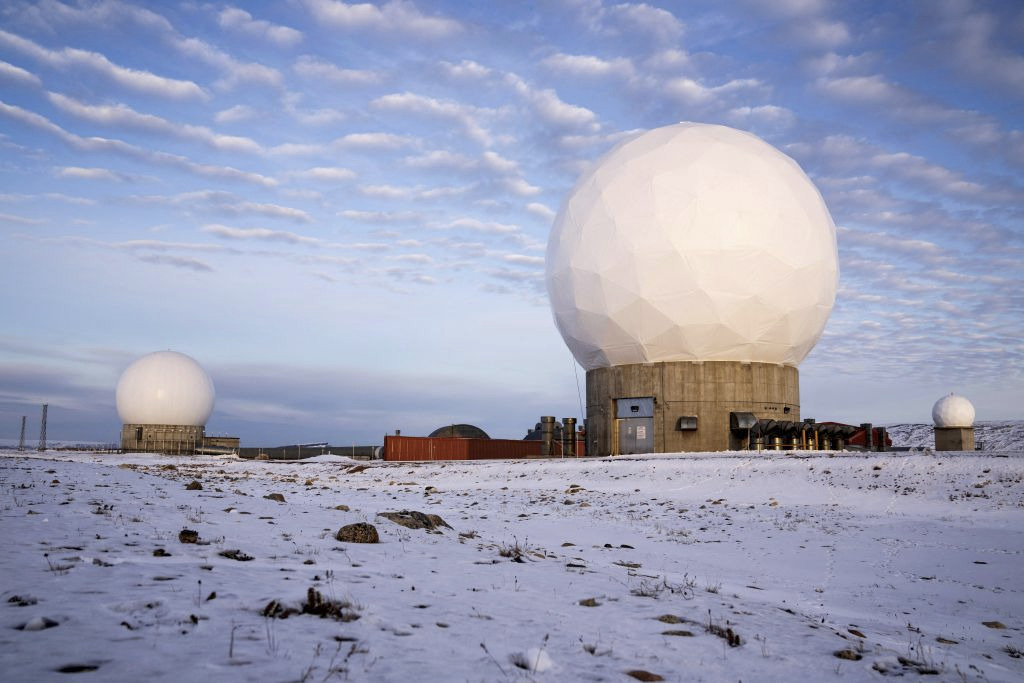

President Donald J. Trump saw what Europe could not, or perhaps would not: that Greenland is not a quaint curiosity; in the 21st century, it is an essential security asset and industrial necessity for the West. Pictured: The US Space Force’s Pituffik Space Base, in Greenland, photographed on October 4, 2023. (Photo by Thomas Traasdahl/Ritzau Scanpix/AFP via Getty Images)


  • President Donald J. Trump saw what Europe could not, or perhaps would not: that Greenland is not a quaint curiosity; in the 21st century, it is an essential security asset and industrial necessity for the West.
  • From the Arctic flight path of Russian and Chinese intercontinental ballistic missiles to the Arctic shipping lanes increasingly packed with Russian warships, Greenland’s importance has surged.
  • The European Union, sadly, still seems to be having trouble emerging from doctrinaire fantasies about its military preeminence, green transitioning, and the illusion that the “Great Replacement” of Europeans and their values — by immigrants and their values — is merely a “conspiracy theory.” Instead, Europe is continuing to betray its industrial base and toss away strategic opportunities.
  • Trump’s push, no matter how undiplomatically articulated, was consistent with a straightforward reality: You cannot safeguard Western security or technological superiority if the strategic routes by land, sea and sky, as well as essential raw materials, are controlled by your adversaries.
  • The great European flaw — from which it hopefully will soon recover — is that its political, economic and industrial policies are rooted in wishful thinking rather than in hard material realities.
  • Europe’s best move would be to allow the United States, which has both the will and the capability, to secure a foothold in Greenland that allows it, along with its allies, to shape and protect the future of the West.
  • China’s dominance in rare earth processing is not a theoretical risk — it is a concrete vulnerability for Western economies. Greenland offers a chance to diversify the supply and break dependence on a self-declared enemy.
  • Europe’s leaders, meanwhile, chase their vainglorious dreams…. just as these leaders still keep believing — or pretending to — that millions of immigrants from a totally different culture will adopt the laws and values of the West.
  • Europe’s dismissive reaction is more than incomprehension; it is symptomatic of a terrifying atrophy.
  • In the Arctic, and beyond, Trump is right — and Europe, once again, is too vain to learn.

For decades, the world treated Greenland as a sentimental footnote in Arctic mythology rather than a linchpin in global security and modern technology. This was strategic negligence with real consequences.

By contrast, President Donald J. Trump saw what Europe could not, or perhaps would not: that Greenland is not a quaint curiosity; in the 21st century, it is an essential security asset and industrial necessity for the West. “Everything comes over Greenland. If the bad guys start shooting, it comes over Greenland,” he said.

From the Arctic flight path of Russian and Chinese intercontinental ballistic missiles to the Arctic shipping lanes increasingly packed with Russian warships, Greenland’s importance has surged.

The US purchase of Alaska from Russia in 1867 was also ridiculed as a “folly.”

The European Union, sadly, still seems to be having trouble emerging from doctrinaire fantasies about its military preeminence, green transitioning, and the illusion that the “Great Replacement” of Europeans and their values — by immigrants and their values — is merely a “conspiracy theory.” Instead, Europe is continuing to betray its industrial base and toss away strategic opportunities.

Greenland’s geopolitical significance was obvious to Trump before it became fashionable to talk about the Arctic as a new theater of great-power competition. Unlike the Brussels bureaucrats who mock and ignore both President Trump and the potential danger, Trump recognized three facts early:

  • Greenland constitutes a strategic military platform for defending both the Western Hemisphere and Europe, and for monitoring adversaries across the Arctic.
  • Melting Arctic ice will open up sea routes that could redefine maritime aggression as well as opportunities for global commerce.
  • Greenland sits atop some of the world’s richest deposits of rare earth elements and critical minerals — materials essential for everything from electric vehicles to missiles and microchips.

In 2019, Trump formally raised the idea of acquiring Greenland from Denmark — not as an offbeat real estate idea, but as a strategic imperative for the United States and the West. Even if the political optics are clumsy, the logic is sound: keeping these assets out of Chinese or Russian hands — as well as their ability to use the Arctic for nuclear and ballistic missile attacks on the West, not to mention integrating Greenland’s assets into the Western supply chain — is vital.

According to multiple sources, Greenland has deposits of rare earth minerals among the largest outside China, and hosts 25 of the 34 minerals deemed “critical raw materials” by the European Commission. Rare earth elements — neodymium, dysprosium, terbium — are essential for permanent magnets in electric motors, smart electronics, and defense systems such as radar and precision guidance of air assets. Today, China controls roughly 70% of global rare earth production and 90% of processing capacity, giving Beijing disproportionate leverage over the global tech supply chain.

Trump’s push, no matter how undiplomatically articulated, was consistent with a straightforward reality: You cannot safeguard Western security or technological superiority if the strategic routes by land, sea and sky, as well as essential raw materials, are controlled by your adversaries.

Europe’s positive response is most welcome. Prior to this week, for example, while the US had moved to secure mining investment — the Trump-era Export-Import Bank considered a $120 million loan to fund the Tanbreez rare earth mine in Greenland — European politicians were negotiating memoranda of understanding and long-term value chains that only delay real production.

The great European flaw — from which it hopefully will soon recover — is that its political, economic and industrial policies are rooted in wishful thinking rather than in hard material realities.

It was not always so. Europe for centuries led the way in upholding civil liberties, equal justice under law, and the values of individual liberty that spring from the Judeo-Christian tradition, the Reformation and the Enlightenment. Europe was once a leader in heavy industry: cars, steel, coal, and defense manufacturing. Today, Europe struggles to keep up with global competitors in sectors that require strategic minerals. Instead, the technocrats in Brussels fixate on ideological goals — often at odds with cultural and economic viability as well as industrial competitiveness.

The European Union’s decision to phase out combustion engines by 2035 epitomizes this disconnect. In Brussels, electric vehicle (EV) mandates were hailed as a triumph of green policy. For many policymakers in France and Germany, it was a moral high ground: a cleaner planet, fewer emissions. What could possibly go wrong?

The scientific reality, alas, tells a more nuanced story. Electric vehicles produce zero tailpipe emissions, yet their environmental footprint is not the utopian “silver bullet” that most Europeans assume. EVs require extensive mining, processing, and battery production — all of which consume energy and raw materials, the application of which can be just as damaging to the planet even if sourced from half a world away.

Moreover, the claim that EVs solve particulate pollution is overstated: they still emit particles from tire and brake wear — and because they are heavier than traditional cars, non-tailpipe particulate concerns persist.

The European Parliament’s own studies acknowledge the “environmental challenges throughout the life cycle of battery electric vehicles,” noting that carbon footprints depend heavily on raw material extraction, production methods, and electricity sources.

Europe traded industrial strength for half-baked environmental virtue signaling, and now must source more and more critical materials — such as those found in Greenland — just to keep its green fantasies alive.

This disconnect highlights two core challenges:

  • Europe lacks secure supply chains. Dependence on Chinese rare earth elements undermines strategic autonomy.
  • Europe’s industrial policies, driven by environmental ideology rather than material science, risk hollowing out its manufacturing base.

Meanwhile, Trump’s America is not afraid to focus on where security for the West, chips for the West and rare earths for the West actually lie.

Today, international news outlets highlight Greenland’s burgeoning role in great-power politics. Melting sea ice will open Arctic shipping lanes, and both Russia and China are increasing their Arctic presence. Greenland’s geographic position — guarding the gateway between the Arctic and Atlantic — makes it invaluable for missile interception, military surveillance, and future naval operations.

Western analysts confirm what Trump grasped years earlier: Greenland is not remote; it is central. It lies at the intersection of climate change’s strategic effects, great-power competition, and the global scramble for critical minerals.

Rather than laugh or dismiss Trump’s interest as “absurd,” European leaders might have asked a more serious question: Why was Trump so intent on it? Today we have answers — and they vindicate Trump’s instinct.

From a geopolitical lens, the competition for Arctic influence is real. China, although at its closest point is 900 miles from the Arctic, quixotically brands itself a “near-Arctic state” and has sought a presence through scientific expeditions and infrastructure investments. Russia maintains military facilities. Europe’s best move would be to allow the United States, which has both the will and the capability, to secure a foothold in Greenland that allows it, along with its allies, to shape and protect the future of the West.

Many Europeans, sadly, will remain content with soft power and diplomatic protests. In 2026, US Treasury Secretary Scott Bessent even suggested that European “weakness” justified increased American presence in Greenland — a statement that, for all its bluntness, reflected Europe’s default strategic vacuum.

Critics of Trump’s Greenland policy often frame it as brash or impractical. Viewed objectively, it is grounded in three hard realities:

  • Control of strategic geography matters in a multipolar world.
  • Critical minerals are national security assets.
  • Policies divorced from reality — including the erosion of Western values by migrants, many of whom at best are conflicted about assimilating — invite decline.

These are principles that any serious global power must recognize. Europe has yet to fully grasp them.

Rare earth elements power wind turbines, electric vehicle motors, fiber-optic communication, defense systems, and advanced semiconductors. China’s dominance in rare earth processing is not a theoretical risk — it is a concrete vulnerability for Western economies. Greenland offers a chance to diversify the supply and break dependence on a self-declared enemy.

Trump’s effort to involve the U.S. Export-Import Bank in financing Greenland’s Tanbreez rare earth mine is evidence of an administration that connects mineral security to national security — a connection Brussels bureaucrats still struggle to make.

Europe’s leaders, meanwhile, chase their vainglorious dreams. As their economies sink, these leaders still insist on green regulations, assuming that the raw materials their regulations require will be plentiful, without even first securing them, just as these leaders still keep believing — or pretending to — that millions of immigrants from a totally different culture will adopt the laws and values of the West.

To sustain EV production at scale, batteries require lithium, cobalt, nickel, and rare earth elements — yet Europe, lacking domestic sources, keeps relying on foreign supply chains that are increasingly unreliable.

This view appears to be a genuine strategic blind spot. While American policymakers debate hard choices over Greenland, European policymakers debate emission targets and bureaucratic carbon accounting. Those matters are not unimportant, but they are insufficient when divorced from the physical realities of production and supply.

Europe’s obsession with ideology over industry has consequences:

  • Loss of auto industry competitiveness as EV mandates make production more expensive and dependent on imported materials.
  • Increased reliance on foreign sources, especially China, for critical inputs like rare earth elements.
  • A strategic deficit in Arctic influence at a time when climate change may begin to reshape global trade routes. 

Compare this with Trump’s approach: bold, unapologetically strategic, and grounded in material interest. Trump did not simply call Greenland “important”— he acted. Whether through investment, diplomatic pressure, or territorial negotiation, his policy treats Greenland as what it is: a linchpin in the emerging Arctic century.

Greenland is not a romantic artifact from some explorer’s diary. It is a geographic chokepoint with defense implications, a repository of minerals that will power future technologies, and a strategic fulcrum in the Arctic’s geopolitical contest. Trump’s focus on Greenland is not whimsy — it is realism.

Europe’s dismissive reaction is more than incomprehension; it is symptomatic of a terrifying atrophy. While Brussels applauds itself for lofty climate goals and soft power diplomacy, Trump identifies what truly matters: power, resources, geography, and readiness to act.

In a world where strategic competition between the US, China, and Russia intensifies, Europe’s fixation on ideological policies rather than material security reveals a profound misunderstanding of the geopolitical game. Trump saw past the fog of political correctness; Europe sadly still remains lost in it.

History will remember this period not for what Europeans dreamed, but for what was accomplished by those who understood the stakes. In the Arctic, and beyond, Trump is right — and Europe, once again, is too vain to learn.


Pierre Rehov, who holds a law degree from Paris-Assas, is a French reporter, novelist and documentary filmmaker. He is the author of six novels, including “Beyond Red Lines”, “The Third Testament” and “Red Eden”, translated from French. His latest essay on the aftermath of the October 7 massacre ” 7 octobre – La riposte ” became a bestseller in France. As a filmmaker, he has produced and directed 17 documentaries, many photographed at high risk in Middle Eastern war zones, and focusing on terrorism, media bias, and the persecution of Christians. His latest documentary, “Pogrom(s)” highlights the context of ancient Jew hatred within Muslim civilization as the main force behind the October 7 massacre.


Zawartość publikowanych artykułów i materiałów nie reprezentuje poglądów ani opinii Reunion’68,
ani też webmastera Blogu Reunion’68, chyba ze jest to wyraźnie zaznaczone.
Twoje uwagi, linki, własne artykuły lub wiadomości prześlij na adres:
webmaster@reunion68.com


Reprezentuje wręcz staroświeckie zasady. Zachwyt Amal Clooney ustąpił miejsca napięciu

Amal Clooney w Cannes (Fot. REUTERS/Stephane Mahe)


Reprezentuje wręcz staroświeckie zasady. Zachwyt Amal Clooney ustąpił miejsca napięciu

Krystyna Romanowska


Kolejna celebrytka postanowiła pouczać Amerykę”. Amal Clooney lansuje się, nie ponosząc kosztów?

Jednego dnia argumentuje przed Trybunałem w Hadze, a drugiego jest na okładce “Vogue’a”. Mówi językiem prawa międzynarodowego o ludobójstwie, jurysdykcji uniwersalnej i odpowiedzialności państw, a jednocześnie staje się bohaterką nagłówków o zbyt wygładzonych zmarszczkach na okładce magazynu modowego.

Tyle że Amal Clooney pojawia się w przestrzeni publicznej nie jako celebrytka, która „postanowiła być mądra”, lecz jako ekspertka, która – ku zaskoczeniu mediów – wygląda jak ktoś, kogo łatwo byłoby sprowadzić do roli ikony stylu. Zonk.

W maju przyjedzie do Polski. 13 i 14 maja wystąpi na konferencji Impact’26 w Poznaniu, gdzie – jak zapowiadają organizatorzy – ma mówić o tym, dlaczego łamanie praw człowieka przestaje być wyłącznie problemem moralnym, a staje się realnym zagrożeniem dla bezpieczeństwa państw i globalnej gospodarki. Clooney zamierza odwołać się do własnych doświadczeń z międzynarodowych trybunałów, pokazując, że bez praworządności nie ma stabilnych inwestycji ani długofalowego rozwoju.

Amal Clooney. Edukacja – model transatlantycki

Kiedy pojawia się w kadrze, wszystko wokół lekko zwalnia. Kilka kroków, prosty gest, twarz skupiona na tym, co za chwilę zostanie powiedziane. Ten obraz ma w sobie coś znajomego – reporterską ciszę znaną z archiwalnych ujęć Jacqueline Kennedy Onassis, dyplomatyczną powściągliwość Queen Ranii of Jordan. Mocne spojrzenie, proporcje, które dobrze znoszą naturalne światło i bliskie ujęcie. Taka twarz pracuje oszczędnie: drobny ruch brwi, lekki uśmiech. To uroda, która dobrze starzeje się wraz z doświadczeniem. Z czasem zyskuje głębię: rysy nabierają charakteru, spojrzenie staje się bardziej przenikliwe.

George i Amal Clooney pozują na czerwonym dywanie podczas 83. dorocznej gali Złotych Globów w Beverly Hills w Kalifornii, 11 stycznia 2026 r. Fot. REUTERS/Daniel Cole

To skupienie nie wzięło się znikąd. Jest zapisem biografii – wielowarstwowej, naznaczonej napięciem między wspólnotami, językami i porządkami świata.

Amal Alamuddin urodziła się w rodzinie łączącej druzyjskie i sunnickie tradycje – jest córką dziennikarki i libańskiego przedsiębiorcy, też wykładowcy akademickiego. Było to małżeństwo nietypowe dla zamkniętej wspólnoty druzyjskiej, ale społecznie dopuszczalne.

Podczas wojny domowej w Libanie rodzina zdecydowała się na emigrację do Wielkiej Brytanii. Amal tu skończyła szkołę średnią, a potem studiowała prawo na Oksfordzie. Ten brytyjski etap formacji – oparty na rygorze argumentu i pracy z precedensem – uzupełniła później w Stanach Zjednoczonych, zdobywając tytuł magistra prawa na New York University School of Law.

Jej edukacja od początku przebiegała więc transatlantycko: między brytyjską tradycją prawa a amerykańskim modelem jego międzynarodowego i publicznego zastosowania. W 2002 roku została dopuszczona do nowojorskiej adwokatury. Przez trzy lata pracowała w kancelarii Sullivan & Cromwell w Nowym Jorku, gdzie uczestniczyła między innymi w sprawach dotyczących Enronu czy firmy Arthur Andersen.

Następnie zdobywała doświadczenie w organach międzynarodowych – w 2004 roku odbyła staż w Międzynarodowym Trybunale Sprawiedliwości w Hadze, pracując u boku sędziów między innymi z Rosji, Egiptu i Wielkiej Brytanii. Później była zatrudniona w haskim Trybunale ONZ do spraw zbrodni w byłej Jugosławii (ICTY) oraz jako prokuratorka w Specjalnym Trybunale dla Libanu powołanym do osądzenia zabójców premiera Rafica Haririego.

W 2010 roku Alamuddin wróciła do Londynu i została przyjęta do palestry Anglii i Walii (Inn of Court Inner Temple). Jej reputacja była już na tyle ugruntowana, że gdy przyszła złożyć wizytę w Chambers Doughty Street, prestiżowej londyńskiej kancelarii adwokatów procesowych, aby doradzić w kwestii prawa libańskiego, otrzymała tam ofertę pracy praktycznie od ręki.

Zanim została panią Clooney

Wszystko to osiągnęła, zanim ktokolwiek o niej usłyszał i nazwisko Alamuddin pojawiło się w mediach.

 – Lubię ludzi ciężko pracujących. Sam mam za sobą wiele lat pracy w międzynarodowej kancelarii i doskonale wiem, jak wygląda ta droga od środka – ile kosztuje wysiłku, determinacji i odporności psychicznej. Dlatego patrzę na jej karierę nie przez pryzmat medialnego wizerunku. Urodzić się w rodzinie imigranckiej i dojść do światowej czołówki prawa międzynarodowego to jest po prostu ekstremalnie trudne i budzi mój autentyczny podziw – mówi Tomasz Chmal, adwokat, partner w Trzeciak|Chmal.

– Jej ścieżka nie jest łatwa ani bezpieczna. To sprawy wymagające odwagi: stawianie się potężnym państwom, udział w sporach o wielkim ciężarze politycznym i moralnym, a także gotowość do ponoszenia konsekwencji medialnych i reputacyjnych. Nie każdy prawnik chce i potrafi funkcjonować w takiej przestrzeni.

Pierwsze znaczące wzmianki medialne o Amal Alamuddin pojawiły się na początku drugiej dekady XXI wieku, zanim jeszcze stała się postacią z pierwszych stron gazet. Jednym z takich wczesnych wydarzeń była jej rola w sprawie założyciela WikiLeaks – Juliana Assange’a.

24 listopada 2011 roku fotoreporterzy uchwycili Alamuddin wychodzącą z londyńskiego sądu u boku Assange’a po rozprawie ekstradycyjnej. W tym czasie oficjalnie dołączyła do zespołu jego obrońców, reprezentując go w walce przeciw ekstradycji do Szwecji. Było to prawdopodobnie pierwsze pojawienie się jej nazwiska i wizerunku w międzynarodowych mediach informacyjnych.

Kolejna wzmianka medialna nastąpiła niedługo potem, w związku ze sprawą byłej premier Ukrainy Julii Tymoszenko. W listopadzie 2012 roku Alamuddin uczestniczyła w działaniach prawnych na rzecz uwolnienia Tymoszenko. Opublikowano między innymi fotografię, na której ją widać obok wybitnego brytyjskiego adwokata Geoffreya Robertsona oraz Jewgienii Tymoszenko, córki uwięzionej polityczki.

Jej współpracownicy już wtedy podkreślali, że Amal znajduje się „w centrum najbardziej głośnej batalii o prawa człowieka” tamtego okresu i że „jest przyzwyczajona do bycia w blasku fleszy”.

Jedna z najwcześniejszych oficjalnych wzmianek dotyczących jej pracy prawniczej to publikacja naukowa z końca 2010 roku. Wówczas 15 listopada ukazał się artykuł współautorstwa Amal Alamuddin (wraz z doktor Philippą Webb) w prestiżowym czasopiśmie „Journal of International Criminal Justice”. Artykuł nosił tytuł „Expanding Jurisdiction over War Crimes under Article 8 of the ICC Statute” i dotyczył poszerzenia jurysdykcji Międzynarodowego Trybunału Karnego w zakresie zbrodni wojennych.

Tomasz Chmal: – Ona bardzo świadomie wybrała swoją ścieżkę kariery. W prawie istnieje kilka różnych „szczytów”. Jednym z nich jest kariera stricte finansowa – partnerstwo w największych międzynarodowych kancelariach, praca przy wielomiliardowych transakcjach. Innym jest kariera polityczna. Jeszcze innym – i to jest droga, którą wybrała Amal Clooney – jest prawo międzynarodowe i prawa człowieka, występowanie przed międzynarodowymi trybunałami w sprawach o fundamentalnym znaczeniu.

Ślub, który zmienia wszystko

W 2014 roku Amal bierze ślub z George’em Clooneyem. To staje się punktem zwrotnym nie tyle w jej karierze, bo ta toczy się dalej tak, jak sobie ją Amal zaprojektowała. Przed 2014 rokiem, gdy funkcjonowała jako Amal Alamuddin, jej dorobek – jakkolwiek wpisujący się w nurt liberalnego prawa międzynarodowego – nie wywoływał w USA żadnych istotnych kontrowersji.

Goerge Clooney z żoną Amal fot. instagram.com

Po ślubie z Clooneyem, od lat kojarzonym z amerykańskim liberalnym establishmentem i jednoznaczną krytyką republikańskich prezydentów, narracja się radykalnie zmieniła. Amal Clooney przestała być postrzegana wyłącznie jako ekspertka prawa międzynarodowego, a zaczęła funkcjonować w konserwatywnych narracjach jako element tego samego świata kulturowego co Hollywood, ONZ i liberalne elity opiniotwórcze.

Gdy w 2018 roku publicznie skrytykowała retorykę Donalda Trumpa wobec mediów, konserwatywne media zareagowały nie na treść jej argumentów, lecz na fakt, że głos ten pochodził od osoby kojarzonej z Hollywood.

Komentatorka Fox News Tomi Lahren zarzucała jej „straszenie Amerykanów upadkiem demokracji”, a Ben Shapiro ironizował, że „kolejna celebrytka powiązana z ONZ postanowiła pouczać Amerykę o wolności słowa”.

Czy Amal to rusza?

– Często pojawia się też pytanie o komfort, w jakim rzekomo działa. Że jako osoba uprzywilejowana, doskonale wykształcona, funkcjonująca w elitarnych kręgach Zachodu, nie ponosi kosztów swojej działalności. To uproszczenie. Amal Clooney jest obiektem bardzo intensywnego hejtu, szczególnie ze strony środowisk fundamentalistycznych i skrajnie antyliberalnych, które przedstawiają ją jako narzędzie ideologicznej dominacji liberalnych elit. Różnica polega na tym, że ma ona większą odporność instytucjonalną i osobistą, by ten hejt udźwignąć  i nie wycofać się z działania – ocenia Maciej Nowicki, szef Helsińskiej Fundacji Praw Człowieka.

Amal Clooney. Są większe hejty

Prof. Magdalena Grzyb, prawniczka z Uniwersytetu Jagiellońskiego, z dystansem podchodzi do krytyki konserwatystów wobec Amal, zestawiając ją z inną, ważną szczególnie w kontekście praw kobiet, prawniczką Reem Alsalem.

Pochodząca z Jordanii, specjalna sprawozdawczyni ONZ ds. przemocy wobec kobiet i dziewcząt, ma wiele cech podobnych do Amal. Obie działają na poziomie międzynarodowym, opierają swój autorytet na prawie i zajmują się ochroną praw kobiet, co naturalnie wciąga je w ostre spory publiczne.

– Reprezentowanie ofiar przed międzynarodowymi trybunałami karnymi oznacza konieczność wysłuchania dziesiątek, a czasem setek historii. I umiejętność „przetłumaczenia” ludzkiego cierpienia na język dowodów, argumentów i norm prawnych, które będą zrozumiałe i przekonujące dla sędziów. To ogromna odpowiedzialność i ciężar emocjonalny i psychiczny, które trwają latami.

Editor’s Notes: Future of Jewish Diaspora should follow spirit of ‘October 8 Jewry’


Editor’s Notes: Future of Jewish Diaspora should follow spirit of ‘October 8 Jewry’

ZVIKA KLEIN


For world Jewry, October 7, 2023, was that violent intrusion. The worst massacre of Jews since the Holocaust. What followed on October 8 was something nobody predicted: a mass awakening.

‘WHAT ARE the effects, in Israel, in the US, and the rest of the world, of the perceived opinions of American Jewry?’ / (photo credit: REUTERS)

History doesn’t wait for an invitation. It storms in unannounced.

For world Jewry, October 7, 2023, was that violent intrusion. The worst massacre of Jews since the Holocaust. What followed on October 8 was something nobody predicted: a mass awakening.Jews who hadn’t thought about their Judaism in years suddenly couldn’t think about anything else. Synagogues were packed. Relief convoys organized. Flights to Israel are booked solid with volunteers. College students who’d kept their Jewish identity quiet were wearing Stars of David like armor.

The data is incredible: 43% of American Jews increased their Jewish engagement in the immediate aftermath. Eighteen months later, after the news cycle moved on, after the social media storms quieted, 31% were still more engaged.

Nearly a third of American Jews fundamentally changed their relationship to their identity, and it stuck. This doesn’t happen. Communal energization fades. People return to their lives. Except this time they didn’t.

We are living through a once-in-a-generation rupture. The question is whether Jewish leadership has the imagination and guts to meet it.

The awakening nobody saw coming

October 7 revealed that the world we thought we lived in was a mirage.

Liberal Jews discovered that their progressive allies had no solidarity to offer when Jews were slaughtered. The movements they’d marched with, the causes they’d funded, and the friends they’d made. Worse: many celebrated it. Many justified it. Many immediately pivoted to blaming the victims.

The social psychologists have a term for this: “traumatic invalidation.” When your suffering gets denied. When the worst thing that’s happened to your people in 80 years is met with “yes, but” and “context” and “what about.”

It was enlightening.

New York Times columnist Bret Stephens coined the phrase “October 8th Jew” for those who suddenly understood that Jewish life is precarious, that assimilation offers no protection, that there are no permanent allies, only permanent interests. And our interest is survival.

Israeli-American actress Noa Tishby felt it viscerally: “The Jewish DNA has woken up.” Even she, a lifelong liberal Zionist, felt something primal shift: “Until October 7, I’ve always been a Zionist, but never militaristic. Until October 7.”

That “until” is doing a lot of work. It’s the sound of scales falling from eyes.

The data tells the story

Seventy-three percent of American Jews now say they want to learn more about Israel and Jewish history. Want to learn. Actively seeking it out.

Seventy-nine percent are deeply concerned about rising antisemitism. And they should be: the US recorded 9,354 antisemitic incidents in 2024, the highest number ever. In the UK, 35% of Jews now feel unsafe, up from 9% before the war. In Brazil, anti-Jewish attacks surged 1,000%.

Meanwhile, 40% of Jewish parents with kids in non-Jewish private schools are reconsidering their choices. Day school applications are up. Birthright saw applications for volunteer programs flood in. To work, to harvest crops for Israeli farmers whose workers were called up, to rebuild devastated communities. Seven thousand young Jews from 50 countries have already gone. Hundreds more apply every week.

North American aliyah jumped 12%. French aliyah doubled.

These represent significant tectonic shifts. And here’s the thing: this window won’t stay open forever. “The Surge continues,” one Jewish Federation report warned, “but is not going to last forever. If we are going to meet people’s needs, we must respond now.”

So. What’s the response?

Think bigger

For decades, Jewish institutional strategy has been incremental. A new program here, a modest initiative there, and a committee to study the declining engagement numbers.

That timidity ends now. It has to. This moment demands the kind of bold, generational thinking that built the infrastructure of Jewish life after the Holocaust, after 1948, after 1967.

Here’s what audacity looks like.

A Jewish Learning Corps. Seventy-three percent of Jews want to learn, so teach them. Create a Teach for America model for Jewish education. Recruit 500 young Israeli graduates and Diaspora Jewish studies majors. Give them intensive training and a living stipend.

Deploy them for two years to cities where Jewish infrastructure is thin. Phoenix, Charlotte, Omaha. They teach Hebrew, history, texts to adults and kids, in living rooms and community centers. Cost: maybe $50 million a year. That’s a rounding error in Jewish philanthropic capacity. The return on investment? Immeasurable.

Netflix for Jewish Education. If people want to learn, make learning irresistible. Fund a streaming platform with world-class production values and compelling storytelling.

Ken Burns on Jewish history. A thriller-style documentary series on Mossad. An animated show teaching Hebrew to kids that’s actually good. Make it free or close to it. Pour $100 million into production. If you build it well, they will come.

Service Year as Jewish Rite of Passage. Birthright changed a generation by sending young Jews to Israel for ten days. The post-October 7 volunteer phenomenon proved something deeper. This generation wants to contribute.

Make service the defining experience of young Jewish adulthood. Real, meaningful, difficult work. Create structured tracks: agricultural work in Israeli border communities, teaching in struggling Diaspora Jewish schools, supporting immigrant absorption, campus advocacy training. Fund it properly. Triple Birthright’s volunteer budget to $75 million. Welcome any Jew between 18 and 30 who wants to spend weeks or months serving the Jewish people.

The Jews who come back from these experiences don’t drift away. They’ve invested sweat equity. They’ve felt what it means to be part of something larger than themselves. That bond doesn’t break.

Peoplehood Labs. Thousands of newly awakened Jews feel politically homeless. They’ve abandoned progressive spaces that abandoned them first. They don’t fit easily into traditional Jewish institutions either. They’re looking for something new.

So build it. Launch experimental community spaces in major cities. Think co-working spaces meets cultural centers. Beautiful design. Great coffee. No membership dues the first year. Offer serious Jewish learning, host Israeli artists and thinkers, and provide space for organizing. Make them places where the October 8th generation can build the Jewish future on their own terms.

The October 8th Innovation Fund. A $100 million venture fund for bold Jewish experiments. Back 100 ideas at $1 million each. Expect half to fail. Fund the other half to scale. This is how you get innovation: through creative destruction, through taking risks.

The Global Imperative

The post-October 7 era revealed something profound. Diaspora Jews and Israeli Jews need each other in ways we’d forgotten.

When young Americans landed in Israel to volunteer, Israelis wept. “We thought we were alone,” they said. When Diaspora Jews faced exploding antisemitism on campuses and city streets, Israel became family.

This bond needs architecture. Convene a Global Jewish Assembly. Make it flexible, urgent, driven by the October 8th generation. Make it a rapid-response network: when a synagogue in France needs emergency security, funds flow immediately. When Jewish students face expulsion for Zionism, legal teams deploy. When a community is under threat anywhere, Jews everywhere mobilize.

Create exchange programs for mid-career professionals: a Brazilian educator teaching in London, an American tech worker supporting Ethiopian immigrants in Israel, an Israeli trauma counselor working with French Jews facing harassment. Build the bonds that make “all Jews are responsible for one another” more than a slogan.

This era is about whether we have the courage to believe that this moment is what it feels like: a hinge point in Jewish history.

Tishby said the Jewish DNA woke up. She’s right. But DNA doesn’t determine destiny. Choices do.

We can watch this awakening slowly fade as memory dims and comfort returns. We can go back to incremental thinking and committee meetings. We can let the October 8th Jews drift back into disengagement because we had nothing worthy of their energy to offer.

Or we can meet this moment with the ambition it deserves.

Build institutions that reflect the vitality of the awakening. Fund programs at a scale that matches the hunger for meaning. Welcome home, the Jews who discovered they’ve been in exile from their own identity.

Ten years from now, we should look back and see twice as many kids in Jewish day schools. A generation of young leaders who found their purpose in service. Communities that are safe and proud. A global Jewish people that proved stronger than the forces that tried to break it.

This is our 1967. Our 1948.

What will we build?


If you have ideas, feel free to shoot me an email with it. Let’s rebuild our Jewish communities together. zvika@jpost.com


Zawartość publikowanych artykułów i materiałów nie reprezentuje poglądów ani opinii Reunion’68,
ani też webmastera Blogu Reunion’68, chyba ze jest to wyraźnie zaznaczone.
Twoje uwagi, linki, własne artykuły lub wiadomości prześlij na adres:
webmaster@reunion68.com


Texas Joins Legal Action Against American Muslims for Palestine as Move to ‘Counter Hamas Terrorism’


Texas Joins Legal Action Against American Muslims for Palestine as Move to ‘Counter Hamas Terrorism’

David Swindle


Texas Attorney General Ken Paxton speaks during AmericaFest, the first Turning Point USA summit since the death of Charlie Kirk, in Phoenix, Arizona, US, Dec. 20, 2025. Photo: REUTERS/Cheney Orr

Texas Attorney General Ken Paxton on Tuesday announced the state would join Virginia and Iowa in the filing of a legal brief against the nonprofit activist group American Muslims for Palestine (AMP) and other organizations which he characterized as “radical” in order “to combat Hamas terrorism.”

“Radical Islamic terrorist groups like Hamas must be decimated and dismantled, and that includes their domestic supporting branches,” Paxton posted on the social media platform X.

“Terrorism relies on complex networks and intermediaries, and the law must be enforced against those who knowingly provide material support,” Texas’s top legal officer added in a statement. “My office will continue to defend Americans who have been brutally affected by terrorism and ensure accountability under the law.”

In November, Texas began more aggressive legal efforts against organizations long alleged by researchers and law enforcement to be part of a domestic Hamas support network in the United States. Gov. Greg Abbott announced on Nov. 18, the designation of the Muslim Brotherhood and the Council on American-Islamic Relations (CAIR) as terrorist organizations.

A month later, Paxton filed a motion defending the designation in court, countering a suit by the Dallas-Fort Worth and Austin chapters of CAIR. “My office will continue to defend the governor’s lawful, accurate declaration that CAIR is an FTO [foreign terrorist organization], as well as Texas’s right to protect itself from organizations with documented ties to foreign extremist movements,” Paxton said at the time.

In its latest statement, Paxton’s office described how on Oct. 8, 2023, one day after Hamas’s invasion of and massacre across southern Israel, the groups AMP and National Students for Justice in Palestine (NSJP) “declared that they were ‘part of’ a ‘Unity Intifada’ under Hamas’s ‘unified command.’”

“Those who have been victimized by Hamas’s terrorism brought claims against the radical groups under the federal Anti-Terrorism Act,” the statement continued. “Attorney General Paxton’s brief is in support of the victims and was filed to ensure terrorist supporters are brought to justice.”

The legal brief references the “unity intifada” and “unified command” sentiments before stating, “They should be taken at their word. And just like their predecessor organizations — convicted or admitted material supporters of Hamas — they should be held accountable.”

The brief charges, “Defendants here are alleged to have provided material support for Hamas, the brutal terrorist regime that not only oppresses millions in Gaza but that also murdered more than a thousand innocents and kidnapped hundreds more. States have an interest in ensuring that valid claims brought under material support statutes are allowed to be litigated in court and that any violators are held accountable.”

Last year, Virginia’s Attorney General Jason Miyares — whose name appears at the lead of the brief — sought to press AMP to reveal its funding sources, which a judge ruled it needed to do May 9, 2025.

The latest brief provides a history lesson about how AMP and NSJP “did not begin their material support for Hamas on Oct. 8, 2023; rather, their material support has been going on for decades — both as the current organizations and through predecessor entities. Indeed, AMP was founded after a predecessor organization and five of its board members were convicted of providing material support for Hamas.” The brief describes the network beginning when “first, the Muslim Brotherhood founded the ‘Palestine Committee’ in 1988 to fund the terrorist organization Hamas.”

This network included “several organizations providing Hamas financial, informational, and political support,” the legal document explained. “Among those organizations were the Holy Land Foundation for Relief and Development and the Islamic Association for Palestine (IAP), organizations founded and controlled by senior members of Hamas leadership.”


Zawartość publikowanych artykułów i materiałów nie reprezentuje poglądów ani opinii Reunion’68,
ani też webmastera Blogu Reunion’68, chyba ze jest to wyraźnie zaznaczone.
Twoje uwagi, linki, własne artykuły lub wiadomości prześlij na adres:
webmaster@reunion68.com


Prezydent Izraela w Davos: Pokój między Izraelczykami i Palestyńczykami jest konieczny

Prezydent Izraela Icchak Herzog. (Fot. REUTERS/Romina Amato)


Prezydent Izraela w Davos: Pokój między Izraelczykami i Palestyńczykami jest konieczny

Anna Wyrwik


Prezydent Izraela Icchak Herzog skomentował też apel Donalda Trumpa o prewencyjne ułaskawienie premiera Benjamina Netanjahu.

W czwartek podczas porannej sesji na Światowym Forum Ekonomicznym w Davos odbyła się rozmowa z prezydentem Izraela Icchakiem Herzogiem. Spotkanie prowadził Fareed Zakaria, politolog, współpracujący m.in. z „Newsweekiem”, „Washington Post” i telewizją CNN. Tematem były ostatnie wydarzenia na Bliskim Wschodzie – bombardowania Iranu przez USA i Izraela, irańskie protesty czy sytuacja w Strefie Gazy.

– Czy uważa pan, że Izrael jest w bezpieczniejszej i lepszej sytuacji niż w ciągu ostatnich dekad? – zapytał Zakaria. 

Herzog odparł, że owszem, ale, jak dodał, “wciąż wiszą nad nami ciemne chmury”. Odniósł się w ten sposób do wciąż istniejącego zagrożenia ze strony Iranu i Hezbollahu. Skomentował też protesty Irańczyków.

– Naród irański pragnie zmian. Naród irański zasługuje na zmiany. Zasługuje na godne życie – powiedział. Dodał, że irański reżim „zniszczył życie tysiącom rodzin”.

– I wiesz, co mnie zadziwia? Gdzie są wszyscy ci, którzy atakowali nas za to, że się bronimy? (…) Gdzie są ci wszyscy ludzie? Dlaczego nie widzimy ich demonstrujących przed irańskimi ambasadami lub na ulicach miast na całym świecie? (…) To pokazuje wielką hipokryzję, która nas otacza – powiedział. 

W rzeczywistości takie protesty się odbyły – m.in. w Wielkiej Brytanii, Szwajcarii czy we Francji.

Herzog o Strefie Gazy: Mieszkańcy Gazy zasługują na dobre życie

Herzog podkreślił też „niesamowity wysiłek dyplomatyczny prezydenta Trumpa” włożony w to, by osiągnąć pokój w Strefie Gazy. Docenił 20-punktowy plan Trumpa.

– Realnym testem [Rady Pokoju Trumpa] będzie opuszczenie Gazy przez Hamas – powiedział Herzog. – A także oczywiście jak najszybszy powrót naszego zakładnika Rana Gviliego.

Chodzi o ciało sierżanta policji izraelskiej, ostatniego zakładnika przetrzymywanego w Strefie Gazy. 

Prezydent Izraela mówił też o Palestyńczykach w Strefie Gazy.

– Mieszkańcy Gazy, dzieci Gazy zasługują na dobre życie – powiedział. – Powinni mieć dobre życie, tak jak my wszyscy. Zasługują na dobre życie w regionie, ale nie pod karabinami terrorystów – dodał.

wojennych zażądają większych praw i własnej państwowości.

– Rezolucja Rady Bezpieczeństwa [ONZ] i 20-punktowy plan stworzyły horyzont do osiągnięcia tego celu – powiedział Herzog. – Myślę, że to bardzo ważne, ale kwestią jest, czy po stronie palestyńskiej będą reformy oraz jak zapewnić pokój i bezpieczeństwo Izraelczykom.

Herzog wspomniał, że Izrael wszedł w rok wyborczy (wybory parlamentarne są zaplanowane na październik), co sprawia, że w kraju na pewno będzie burzliwa debata. Podkreślił, że jako prezydent nie angażuje się w tę walkę i pozostaje ostrożny w komentowaniu, ale zaznaczył, że po 7 października 2023 roku „wśród Izraelczyków nastąpiło wiele przemyśleń i analiz na temat najlepszego sposobu współżycia z naszymi sąsiadami”.

– Uważam, że konieczne jest zbudowanie przyszłości opartej na koegzystencji i pokoju między Izraelczykami a Palestyńczykami – dodał.

Proces Netanjahu. Herzog zapytany o ułaskawienie

Herzoga zapytano też o toczące się od 2020 roku przeciwko premierowi Izraela postępowania. Netanjahu zarzuca się łapówkarstwo, oszustwo i nadużycie zaufania w trzech oddzielnych sprawach karnych. 

– Prezydent Trump zwrócił się do pana z bezpośrednią prośbą o ułaskawienie premiera Netanjahu z góry za wszelkie popełnione przez niego przestępstwa. Czy ułaskawi Pan premiera Netanjahu? – spytał Zakaria na koniec rozmowy.

– Zgodnie z naszym prawem i wytycznymi każdy taki wniosek musi przejść przez określoną procedurę – odpowiedział Herzog. I dodał: – Muszę działać zgodnie z przepisami. Wielokrotnie powtarzałem, że ogromnie szanuję prezydenta Trumpa, ale mamy oczywiście własny system prawny, a ja będę działał w jego ramach.

Prezydent dodał, że wielokrotnie podkreślał, iż sprawa sądowa, w której centrum znajduje się Netanjahu, powinna zostać rozstrzygnięta polubownie.


Zawartość publikowanych artykułów i materiałów nie reprezentuje poglądów ani opinii Reunion’68,
ani też webmastera Blogu Reunion’68, chyba ze jest to wyraźnie zaznaczone.
Twoje uwagi, linki, własne artykuły lub wiadomości prześlij na adres:
webmaster@reunion68.com