Archives

Izrael zostaje w Eurowizji. Hiszpania, Irlandia, Holandia i Słowenia rezygnują

Protest przed studiami RTE (Radio Telefis Eireann), irlandzkiej telewizji publicznej, wzywający do bojkotu Konkursu Piosenki Eurowizji 2026 przez Irlandię, jeśli w konkursie wezmą udział przedstawiciele Izraela, 1 listopada 2025 r. (Fot. REUTERS/Clodagh Kilcoyne)


Izrael zostaje w Eurowizji. Hiszpania, Irlandia, Holandia i Słowenia rezygnują

Emilia Dłużewska


Izrael będzie mógł wziąć udział w nadchodzącej Eurowizji – zdecydowała Europejska Unia Nadawców. Na pewno rezygnują z niej Holandia, Irlandia, Słowenia i Hiszpania. Kto jeszcze?

Spór o dopuszczenie Izraela do udziału w nadchodzącej edycji Eurowizji trwa od miesięcy.

Muzycy, widzowie i aktywiści domagali się wykluczenia tego kraju z konkursu ze względu na ludobójcze działania Izraela w Strefie Gazy. Nie byłaby to decyzja bezprecedensowa – po inwazji na Ukrainę w 2022 r. z Eurowizji błyskawicznie wyrzucono Rosję.

Przedstawiciele części europejskich krajów od miesięcy zapowiadali, że jeśli Izrael będzie mógł wystawić swojego reprezentanta, zrezygnują z udziału w Eurowizji. Takie deklaracje złożyły Irlandia, Holandia, Słowenia i Hiszpania. Wszystkie cztery podtrzymały je w czwartek wieczorem, już po tym, jak organizator Eurowizji, Europejska Unia Nadawców (EBU), potwierdził, że Izrael weźmie udział w konkursie.

Yuval Raphae podczas wielkiego finału Konkursu Piosenki Eurowizji 2025 w Bazylei w Szwajcarii, 17 maja 2025 r. Fot. REUTERS/Denis Balibouse

Ostateczna decyzja była wynikiem głosowania, jakie w czwartek odbyło się w Genewie. Pod głosowanie nie poddano samego uczestnictwa Izraela, lecz zmiany wprowadzone w regulaminie konkursu. Jak wyjaśnia portal Eurovision World, mają one ograniczyć skuteczność zorganizowanych kampanii wspierających kandydatów, “zwłaszcza prowadzonych przez rządy lub państwowe agencje”.

W czwartek spytano członków Europejskiej Unii Nadawców, czy uważają zmiany za wystarczające, by kolejna edycja odbyła się zgodnie z planem. Większość z nich odpowiedziała “tak”. To oznacza również, że udział w konkursie mogą wziąć wszystkie państwa, które uczestniczyły w nim do tej pory. W tym Izrael.

“Znaczna większość naszych Członków zgodziła się, że nie ma potrzeby dalszego głosowania nad listą uczestników i że przygotowania do Eurowizji 2026 będą nadal przebiegać zgodnie z planem, z dodatkowymi zabezpieczeniami” – czytamy w oświadczeniu EBU.

Jak dodaje organizator, nadawcy z poszczególnych państw mają teraz oficjalnie potwierdzić uczestnictwo w konkursie. Pełna lista uczestników ma pojawić się jeszcze przed świętami.

Eurowizja 2026. Czy Polska weźmie udział w konkursie?

Czy Eurowizja 2026 odbędzie się tylko bez wspomnianych czterech krajów? To okaże się w najbliższych tygodniach. O wykluczenie Izraela wnioskowali też m.in. przedstawiciele Islandii. 27 listopada zarząd RÚV (mediów publicznych Islandii) skierował w tej sprawie oficjalne pismo do EBU. Prezes Stefán Jón Hafstein stwierdził, że decyzja o ewentualnym bojkocie zostanie podjęta po głosowaniu w Genewie.

Polskim przedstawicielem w EBU jest telewizja TVP. Jej władze nie zajmowały dotąd stanowiska. W połowie września ministra kultury, Marta Cienkowska, mówiła jednak w radiu TOK FM: “Bardzo bym nie chciała, żeby to było wydarzenie polityczne. Natomiast wypowiem swoje osobiste zdanie: uważam, że nie powinniśmy brać udziału w Eurowizji, jeśli będzie w niej brał udział Izrael”.

Póki co Telewizja Polska zakończyła przyjmowanie zgłoszeń od potencjalnych kandydatów. Lista muzyków zakwalifikowanych do preselekcji będzie znana 14 stycznia.

70. jubileuszowy Konkurs Piosenki Eurowizji odbędzie się w Wiener Stadthalle w Wiedniu: 12 i 14 maja (półfinały) oraz 16 maja 2026 roku (finał).


Redagował Krzysztof Nowak

Emilia Dłużewska – Zaczynała w warszawskiej “Wyborczej”, od 2017 r. w dziale Kultura. Pisze o popkulturze, sztukach wizualnych, książkach, feminizmie, języku i przemianach obyczajowych. Autorka książki “Jak płakać w miejscach publicznych”.


Zawartość publikowanych artykułów i materiałów nie reprezentuje poglądów ani opinii Reunion’68,
ani też webmastera Blogu Reunion’68, chyba ze jest to wyraźnie zaznaczone.
Twoje uwagi, linki, własne artykuły lub wiadomości prześlij na adres:
webmaster@reunion68.com


Merz in Israel for first visit as German chancellor


Merz in Israel for first visit as German chancellor

JNS Staff


The European leader said following a meeting with Israeli President Isaac Herzog in Jerusalem that his country “will always stand by your side.”

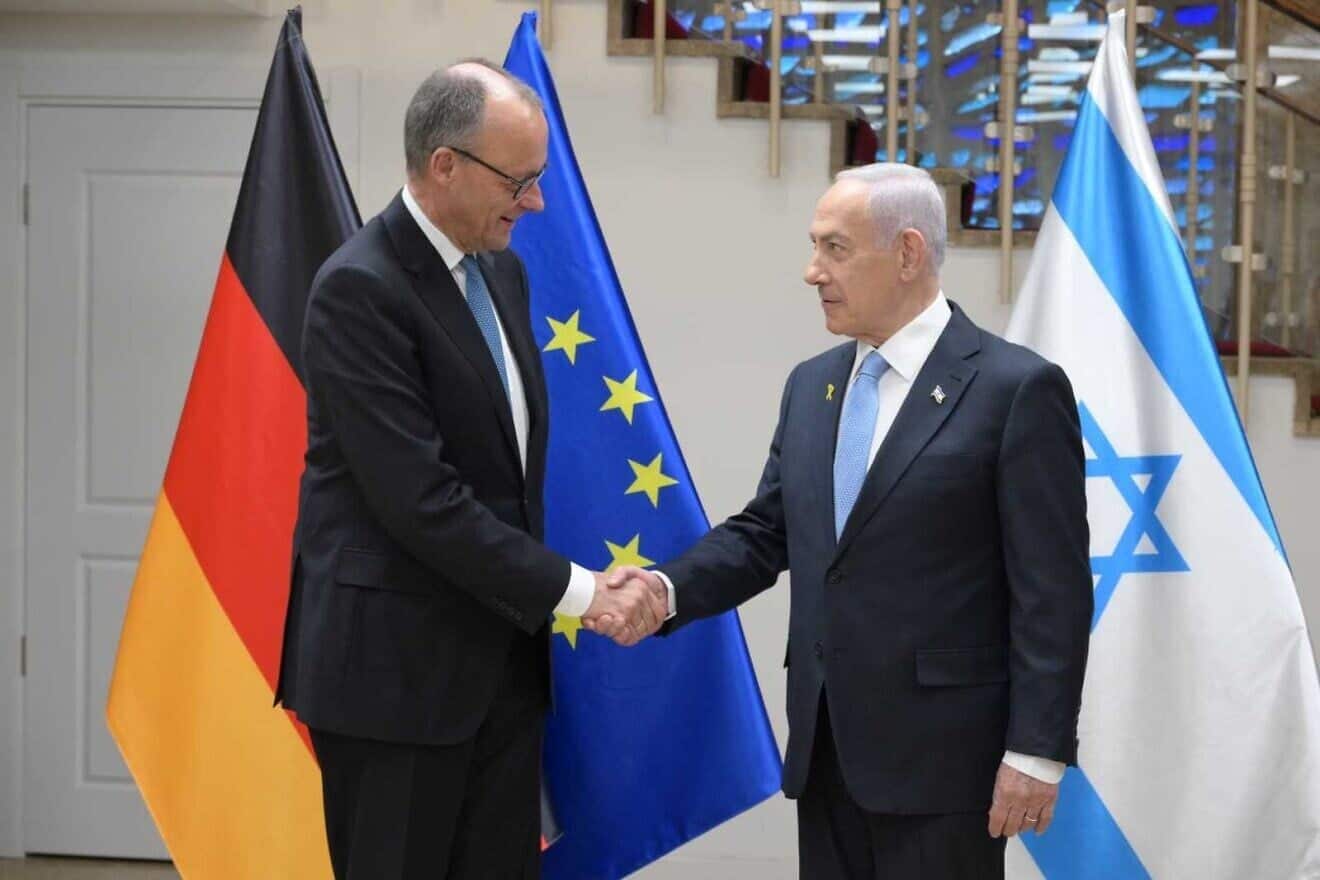
German Chancellor Friedrich Merz meets with Israeli Prime Minister Benjamin Netanyahu at the Prime Minister’s Office in Jerusalem, Dec. 7, 2025. Photo by Amos Ben-Gershom/GPO

German Chancellor Friedrich Merz met with Israeli Prime Minister Benjamin Netanyahu at his office in Jerusalem on Sunday after arriving in Israel on Saturday night for his first visit to the Jewish state since the conservative party leader took office in May.

President Isaac Herzog hosted Merz on Saturday at his official residence in the Israeli capital on Saturday, with Herzog following their meeting calling the two countries “true friends” and strategic allies.

“During our meeting this evening, we discussed the importance of implementing President [Donald] Trump’s plan, approved by the United Nations Security Council, and emphasized that Hamas must be removed from Gaza and disarmed,” Herzog stated. “In addition, Hamas must uphold the agreement and release the last remaining Israeli hostage still being held in Gaza, Ran Gvili.”

He added: “We also discussed ways to further deepen our vital partnership, in the hope of a better future.”

Writing in Hebrew on X, Merz said that “I come here with deep faith and as a friend of Israel, @Isaac_Herzog. We will always stand by your side. The very fact that our countries established diplomatic relations within such a short time after the Holocaust remains a miracle, as does the fact that the friendship between us has deepened so profoundly.”

Israeli Foreign Minister Gideon Sa’ar met the 70-year-old leader of the Christian Democratic Union on the Ben Gurion Airport tarmac when he landed after a brief stop in Jordan, calling the chancellor a “friend,” describing Germany as an “important partner,” and saying bilateral relations between Berlin and Jerusalem are “on an upward trend.”

“This trend is reflected in the removal of the partial embargo, Germany’s clear opposition to all types of boycotts against Israel, and its abstention at the UN from supporting the extension of UNRWA’s mandate,” said Sa’ar.

“Last week, an Israeli Arrow battery for defense against ballistic missiles was deployed in Germany for the first time. Germany is an important friend, and I am convinced that the Chancellor’s visit will contribute to the strengthening of the special relations between the countries,” the minister continued.

Merz wrote on X Saturday night that “the ceasefire in Gaza is stabilizing. Now we must successfully move into the second phase. This means permanently removing the basis for Hamas’s terror and ensuring that the precarious humanitarian situation of Gaza’s civilian population improves quickly and noticeably.”

Hours before taking off to Israel, Merz spoke by phone on Saturday with Palestinian Authority head Mahmoud Abbas and urged him to implement “urgently necessary reforms” in the P.A., AFP reported.

The P.A. could “play a constructive role in a post-war order,” German government spokesman Stefan Kornelius was cited as saying.

Merz expressed support for the Trump administration’s peace plan for the Mideast, welcoming what the German leader called the P.A.’s “cooperative attitude,” AFP reported.

The chancellor added that Berlin still views a two-state solution as the ultimate path toward peace and security for Israelis and Palestinians alike, the government spokesperson said.

Merz spoke with Netanyahu on Nov. 16, shortly after declaring in a speech that Berlin must “stand with Israel” as part of a renewed “Western alliance.”

A day earlier, Merz referenced Israel in a speech to the Junge Union Deutschlands—the youth wing of his Christian Democratic Union party—in Rust, near Stuttgart in western Germany.

“The position of the Federal Republic of Germany must be clear, where we stand. In the Western alliance,” said Merz. “At Israel’s side, dear friends. I have not forgotten that,” he added, to thunderous applause.

Successive German governments have described a commitment to Israel’s security as a core principle of their foreign policy, rooted in the legacy of the Nazi regime’s near annihilation of European Jewry. At the same time, Berlin has funneled millions of dollars to Palestinian and other organizations that work to undermine Israel’s legitimacy and oppose Jewish statehood.

Germany’s government has adopted a friendlier posture toward Israel than many other European countries since Hamas’s Oct. 7, 2023, massacre.

However, there have been tensions as exemplified by Merz announcing a ban on exporting “offensive” weapons to the Jewish state on Aug. 8, hours after Netanyahu’s Cabinet voted to expand the Israel Defense Forces’ operations against the Hamas terror group.

On Dec. 3, Israel Defense Ministry officials handed over the first operational Arrow 3 missile defense system to the German Army at a ceremony at a German Air Force base near Berlin.

The development “marks a significant step in implementing the defense export contract signed between the two nations approximately two years ago, and is considered the largest defense export deal in Israel’s history,” according to an Israeli Defense Ministry statement.


Zawartość publikowanych artykułów i materiałów nie reprezentuje poglądów ani opinii Reunion’68,
ani też webmastera Blogu Reunion’68, chyba ze jest to wyraźnie zaznaczone.
Twoje uwagi, linki, własne artykuły lub wiadomości prześlij na adres:
webmaster@reunion68.com


Africa Becomes Center of Global Terrorism Amid ISIS Revivals, Al Qaeda Alliances


Africa Becomes Center of Global Terrorism Amid ISIS Revivals, Al Qaeda Alliances

David Swindle


Islamic State – Central Africa Province released documentary entitled “Jihad and Dawah” covering group’s campaigns in northeastern Democratic Republic of Congo and battles against Congolese and Ugandan armies. Photo: Screenshot

Both independent analysts and the United States government have identified rising Islamist terrorist threats across Sub-Saharan Africa as a growing concern, now positioning the region at the center of attention regarding global jihadist terrorism.

Gen. Dagvin Anderson, commander of US Africa Command (AFRICOM), has started a series of visits to African partners, starting with Ethiopia, Somaliland, and Puntland.

“The whole reason I came here is because we have shared threats,” Anderson said. “I’m not new to this region; I understand what the issues are, and we’re here to help empower our African partners to address these threats in a united way.”

Just last week, AFRICOM coordinated with the government of Somalia to strike Islamic State (ISIS) and al-Shabaab targets.

“As we face the growing security threats, including the rise of terrorist activities in East Africa, the Sahel, and West Africa’s coastal regions, the collective efforts are more important than ever,” Anderson said. “Together we can build a more prosperous and secure future for the United States, for Africa, and most importantly, for our children.”

Anderson’s trip came after the Combating Terrorism Center at West Point released a report last month showing that, last year, 86 percent of all terrorism-related deaths occurred in just 10 countries, with seven of them in Africa and five in the continent’s Sahel region.

The report explained how the Sahel — a belt that runs across the African continent and is also called the Sahelian acacia savanna — dominates the map of terrorism deaths today.

“Where once the global terror threat was concentrated in the Middle East and North Africa, today it is centered in the Sahel, specifically in the tri-border region between Burkina Faso, Mali, and Niger,” the report’s four authors wrote before noting that, according to the 2025 Global Terrorism Index, the region comprised more than half of all terrorism-related deaths last year.

“The data shows that while countries such as Pakistan, Afghanistan, Syria, Somalia, and Nigeria have been largely steady when it comes to significant impact by terrorism over recent years, Sahelian countries (Burkina Faso, chief among them) have experienced a steep increase,” the analysts assessed. “In 2023 and 2024, Burkina Faso was most impacted by terrorism globally.”

Regarding the specific groups responsible for these slayings in the Sahel, the Africa Center for Strategic Studies primarily blamed an al-Qaeda-affiliate, Jama’a Nusrat ul-Islam wa al-Muslimin (JNIM), which it identified as being responsible for 83 percent of deaths in the region.

In August, a report from the Observer Research Foundation argued that “the African continent remains the principal theater of global jihadist activity.”

Colin Clarke and co-author Anoushka Varma, both of the Soufan Group, described the threat of JNIM. The group “has entrenched its position as the deadliest terrorist group in the Sahel, escalating attacks across Burkina Faso, Mali, and Niger, while making inroads into Benin, Ghana, and Togo — countries that had largely avoided jihadist violence until now,” they wrote. “In the first half of 2025, JNIM claimed to have carried out at least 280 attacks in Burkina Faso — double the number recorded during the same period in 2024 — and was responsible for approximately 8,800 fatalities across the Sahel that year.”

Another region of the continent drawing the concern of counter-terrorism analysts is the Horn of Africa (HOA), where the West Point researchers identified the “critical case” of the “the triangular confluence that has developed between the Houthis, al-Qaeda in the Arabian Peninsula (AQAP), and al-Shabaab.”

Despite the Houthis being backed by Shi’ite Iran and operating primarily out of Yemen, the West Point report noted that “there is even evidence that the Houthis have collaborated with Islamic State Somalia [a Sunni group], coordinating on intelligence and procurement of drones and technical training.”

Clarke and Varma also explained the unique threats operating in the HOA in their analysis, explaining that “both the Islamic State-Somalia Province (IS-Somalia) and al-Qaeda’s Somali affiliate, al-Shabaab, remain key drivers of regional instability.”

In April 2025, they wrote, al-Shabaab “launched a renewed offensive in Middle Shabelle, regaining territorial control not seen since the Somali federal government’s counteroffensive in 2022.” The analysts also identified that “IS-Somalia has attracted foreign fighters from Ethiopia, Djibouti, Kenya, and even among the Somali diaspora in the West.”

In addition to the increased violence in the HOA and Sahel African regions, two other alarming trends in terrorism that West Point’s researchers named are the wide involvement of Iran with organized crime gangs and the decreasing ages of first-time terrorist suspects.

The report stated that over the last five years, Iran has conducted 157 foreign operations, with 22 involving criminal groups and 55 involving terrorist groups. These range from “Hell’s Angels gang members in Canada to the Kinahan Cartel in Ireland.”

Likewise, the age range of terrorism offenders has transformed.

The authors stated that many analysts have identified “a new wave of extremism among children” and that “across Europe as a whole, nearly two-thirds of Islamic State-linked arrests in 2024 involved teenagers. This included the infamous August 2024 plot by three males aged 17 to 19 targeting a Taylor Swift concert in Vienna, Austria.”

In 2024, the United Kingdom reported that 20 percent of its terrorism suspects were legally classified as minors.


Zawartość publikowanych artykułów i materiałów nie reprezentuje poglądów ani opinii Reunion’68,
ani też webmastera Blogu Reunion’68, chyba ze jest to wyraźnie zaznaczone.
Twoje uwagi, linki, własne artykuły lub wiadomości prześlij na adres:
webmaster@reunion68.com


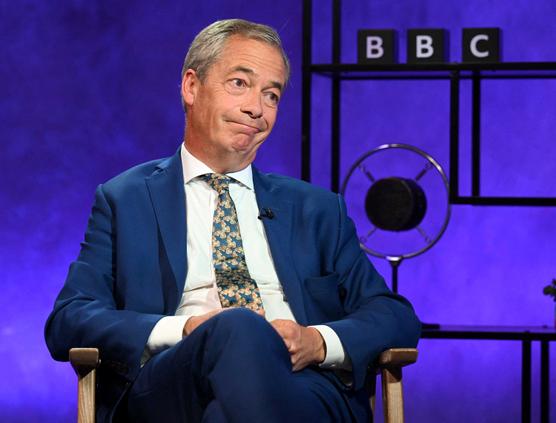
Oszałamiająca hipokryzja BBC w sprawie antysemityzmu

Nigel Farage


Oszałamiająca hipokryzja BBC w sprawie antysemityzmu

Brendan O’Neill


BBC współpracuje z dziennikarzami, którzy dosłownie mówią „Żydzi do gazu”, a mimo to uważa, że może pouczać Nigela Farage’a? Serio?

Nareszcie, w głównym wydaniu wiadomości BBC o 22:00, poruszono temat plagi antysemityzmu w Wielkiej Brytanii. Na czym się skupiono? Na tych sobotnich orgiach izraelofobii, podczas których zamożni lewicowcy i szaleni islamiści tłumnie domagają się zniszczenia państwa żydowskiego? Na ohydnym nowym trendzie organizowania „pro-palestyńskich” protestów pod synagogami? Na haniebnym zakazie wstępu dla izraelskich Żydów na mecz piłki nożnej w Birmingham – zakazie, który, jak się okazuje, oparto na całej serii „fałszywych twierdzeń”? Nie – BBC postanowiła skupić się na tym, co 13-letni chłopiec być może powiedział, a być może nie powiedział, na szkolnym podwórku pięćdziesiąt lat temu.

Tak, BBC wreszcie zauważyła, że antysemityzm to problem – ale tylko wtedy, gdy chodzi o rzekomy antysemityzm w elitarnej szkole, do której uczęszczał Nigel Farage, w literalnym roku 1977. Zapomnijcie o uczniach Jewish Free School w Londynie, którym już dwa lata temu pozwolono zdejmować marynarki w drodze do szkoły i z powrotem, by nie rzucać się w oczy ulicznym antysemitom. Nieważna 16-letnia Żydówka ze wschodniego Londynu, która trafiła do szpitala po tym, jak rzucono w nią szklaną butelką w zeszłym roku. Nie liczy się żydowski chłopiec pobity i któremu grożono nożem w brutalnym „rasistowskim ataku” w londyńskim metrze zaledwie sześć miesięcy temu. Nie – jedyny uczeń, którym BBC się interesuje, to 61-letni dziś mężczyzna oskarżony o wypowiedzenie antysemickich słów pół wieku temu.

Entuzjastyczne podchwycenie przez BBC historii o „rasistowskich latach szkolnych Farage’a” to jedno z najbardziej cynicznych i obłudnych działań tej rozgłóśni w ostatnim czasie. A to naprawdę coś znaczy. Gdy tylko Guardian opublikował swoje – liczne – doniesienia o rzekomych rasistowskich wybrykach Farage’a w Dulwich College, BBC już przygotowywała obszerny materiał do głównych wiadomości. Czy Farage wypowiadał antysemickie treści w szkole? – zastanawiał się prezenter z zatroskaną miną. Nie wiemy. Ale wiecie co wiemy? Że jeszcze w 2024 roku BBC korzystała z usług reportera na Bliskim Wschodzie, który powiedział Żydom: „Spalimy was tak jak Hitler”.

Serio – za kogo oni się mają? Obcujesz z neofaszystą wspierającym Hamas, śniącym o podpalaniu Żydów, a potem z oburzeniem reagujesz na niesprawdzone zarzuty dotyczące trzynastolatka z epoki sprzed Thatcher? Niektórzy dawni koledzy Farage’a twierdzą, że wypowiadał okropne rzeczy. Jeden z nich, Żyd, pamięta, jak miał powiedzieć: „Hitler miał rację” i „gazujcie ich”. To rzeczywiście potworne słowa. Ale trzy szybkie uwagi. Po pierwsze, nie mamy dowodu, że Farage to powiedział. Po drugie, miał wtedy 13 lat. Po trzecie – BBC współpracuje dziś z ludźmi, którzy mówią dokładnie to samo. Ten sam współpracownik BBC mówił: „Rozstrzelajcie Żydów – to wszystko załatwia”. Nie w 1977, tylko w 2022 roku.

Czy ja zwariowałem? W jakim moralnym wszechświecie BBC ma prawo pouczać kogokolwiek o antysemityzmie – tym bardziej chłopca z zamierzchłych lat 70.? To przecież ta sama stacja publiczna, która tak chętnie powielała kłamstwa Hamasu o państwie żydowskim, że w ciągu ostatnich dwóch lat była zmuszana do korekty średnio dwóch materiałów o Gazie tygodniowo. To ta sama korporacja, którą 208 jej własnych pracowników i współpracowników oskarżyło o „systemowe problemy z antysemityzmem i stronniczością”. To ten sam medialny gigant, który transmitował występ Boba Vylana na Glastonbury, podczas którego skandował: „Śmierć, śmierć IDF” – slogan, który dziś skanduje każdy wykształcony faszysta w kefiji. To ta sama BBC, na której antenie arabski dziennikarz chwalący Hitlera wystąpił 244 razy, a inny, który nazywał Żydów „diabłami” – 522 razy. A teraz BBC uważa, że może moralizować o rzekomym rasizmie przy  stojaku na rowery sprzed pół wieku? Trudno o lepszy przykład przysłowiowej belki i drzazgi.

Ale nie tylko BBC. Guardian także nie ma moralnego prawa oskarżać kogokolwiek o antysemityzm. Być oskarżonym o nienawiść wobec Żydów przez Guardian to jak zostać nazwanym grubym przez Giant Haystacksa. To ta sama gazeta, w której dwóch rysowników zostało upomnianych za antysemityzm. Jeden – Steve Bell – został zwolniony po tym, jak w październiku 2023 roku przedstawił Benjamina Netanjahu wycinającego z własnego brzucha „funt ciała” w kształcie Gazy. Motyw „funta ciała” w XXI wieku! Drugi – Martin Rowson – dostał reprymendę po rysunku Richarda Sharpa, żydowskiego byłego przewodniczącego BBC, z groteskowo przerysowanymi rysami twarzy, skrzynką pełną złotych monet i pacynką przedstawiającą premiera Rishiego Sunaka. Żydzi kochają pieniądze i kontrolują politykę, tak? Ten rysunek „wpisuje się w tradycję antysemicką”, jak stwierdziła jedna z organizacji żydowskich. Kiedy to było? Nie w 1977 – w 2023.

Jestem głęboko przekonany, że to właśnie BBC i Guardian, ze swoimi bredniami o jedynym żydowskim państwie na świecie i z przymykaniem oka na współczesny antysemityzm, przyczyniły się do rozwoju obecnego kryzysu nienawiści wobec Żydów. To, że teraz pozwalają sobie na moralizowanie o rzekomych antysemickich komentarzach wypowiedzianych na szkolnym podwórku 50 lat temu, to coś zdumiewającego. To świadectwo ich moralnej ślepoty i próżności. Są tak przekonani o swojej etycznej doskonałości, że myślą, iż mogą jednego dnia obrażać Żydów, a następnego płakać nad rzekomym obrażaniem Żydów przez dziecko w latach 70. Otóż nie – nie mogą. I warto im przypomnieć, że BBC dziś współpracuje z ludźmi, którzy mówią „Żydzi do gazu”.

Absurd afery wokół Farage’a doskonale podsumowuje interwencja Owena Jonesa. Ten główny brytyjski nienawistnik Izraela nagrał kolejny rozhisteryzowany filmik na YouTube o tym, jak Farage został „PRZYTŁOCZONY” przez ten skandal (to jego wielkie litery). Czy to ten sam Owen Jones, który w młodości z zapałem edytował hasła na Wikipedii dotyczące Izraela, pisząc m.in., że „koncepcja żydowskiej etniczności to kłamstwo”? Co za ohyda. Jones później się z tego wycofał, twierdząc, że był „zupełnie niedoinformowany”. Miał wtedy 19 lat. Osoby, które to później przypomniały, nazwał „obsesyjnymi” i „wściekłymi”. W porządku. A jak nazwać ludzi, którzy dziś grzebią w tym, co trzynastolatek rzekomo powiedział 50 lat temu? W przeciwieństwie do sprawy Farage’a, mamy dowody na to, co napisał Jones – i nie był wtedy w szkole, tylko na  Oxford University.

Rzadko kiedy mieliśmy tak klarowny obraz obłudy i samozadowolenia mieszczańskich mediów. Wielka Brytania została w ostatnich dwóch latach dotknięta falą antysemityzmu. Atakowano uczniów, oblegano synagogi. Tłumy wpływowych osób, owładniętych osobliwą nienawiścią wobec jedynego żydowskiego państwa, maszerowały ulicami, nazywając Żydów „nazistami”. W takiej sytuacji skupianie się na rzekomych słowach wypowiedzianych w Dulwich College w latach 70. to nie tylko absurd – to brutalne, niewybaczalne odwracanie uwagi od realnego problemu nienawiści wobec Żydów we współczesnej Wielkiej Brytanii. Guardian i BBC nie mówią dziś o antysemityzmie dlatego, że zależy im na Żydach, tylko dlatego, że boją się klasy pracującej i możliwości, że ludzie będą głosować na Reform UK. Nie chodzi im o koniec nienawiści rasowej – chodzi im o koniec populizmu. 


Link do oryginału: https://www.spiked-online.com/2025/11/30/the-bbcs-staggering-hypocrisy-on-anti-semitism/

Brendan O’Neill – brytyjski dziennikarz, publicysta magazynu „Spiked” , autor głośnej książki  A Heretic’s Manifesto: Essays on the Unsayable.


Zawartość publikowanych artykułów i materiałów nie reprezentuje poglądów ani opinii Reunion’68,
ani też webmastera Blogu Reunion’68, chyba ze jest to wyraźnie zaznaczone.
Twoje uwagi, linki, własne artykuły lub wiadomości prześlij na adres:
webmaster@reunion68.com

How to regulate synagogue protests? Marginalize anti-Israel blood libels


How to regulate synagogue protests? Marginalize anti-Israel blood libels

Jonathan S. Tobin


If Jewish houses of worship are now as controversial as abortion clinics, then antisemitism has reached a tipping point that requires a stronger response than mere buffer zones.
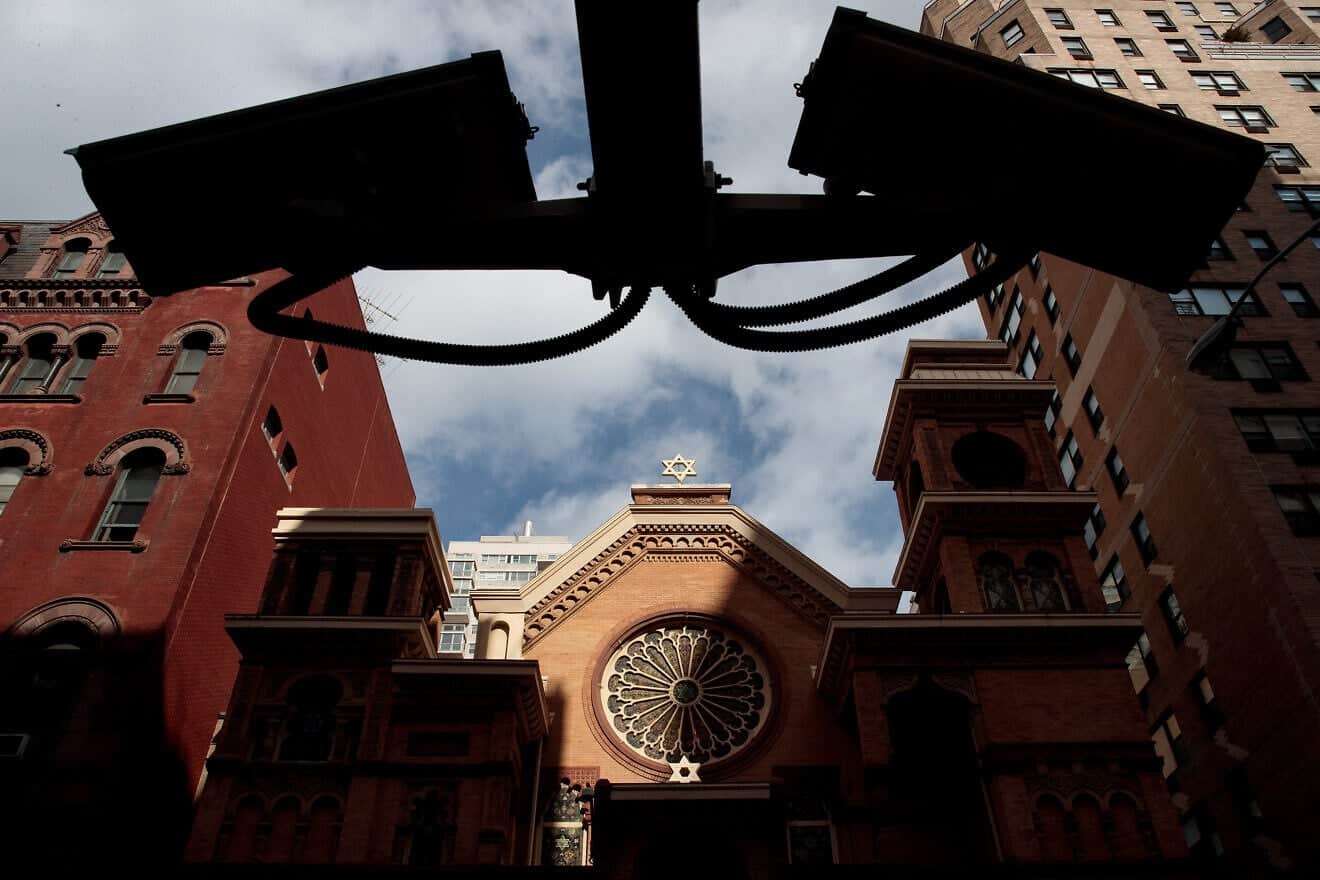
Security cameras hang across the street from the Park East Synagogue in New York City, which has been a target of antisemitic activity, and of late, anti-Israel protesters, , March 3, 2017. Photo by Drew Angerer/Getty Images.

When faced with a problem, the political class always knows what to do: They pass a law that, while not always useless, is usually more about dealing with appearances than substance.

That’s the best way to understand legislation proposed in the New York state legislature to regulate the protests outside of synagogues, which are the latest manifestation of the surge of antisemitism that has made itself felt across the nation since the Hamas-led Palestinian Arab attacks in southern Israel on Oct. 7, 2023.

The bill, which seeks to create a 25-foot buffer zone around houses of worship within which protesters may not enter, is the most tangible response yet to what happened last month when raging pro-Hamas demonstrators laid siege to Park East Synagogue on Manhattan’s usually quiet Upper East Side because of a Nefesh B’Nefesh program held there with information on how to go about moving to Israel. But after this week’s equally shocking assault on individuals entering a pro-Israel event at the Wilshire Boulevard Temple in Los Angeles’s Koreatown neighborhood, we may expect similar attempts to use the law to protect Jewish congregations across the country.

The impulse behind such efforts may be laudable, and the law may ease the plight of Jews who find themselves being accosted by antisemitic mobs in such circumstances. Nevertheless, the problem can’t be fixed simply by a state regulation.
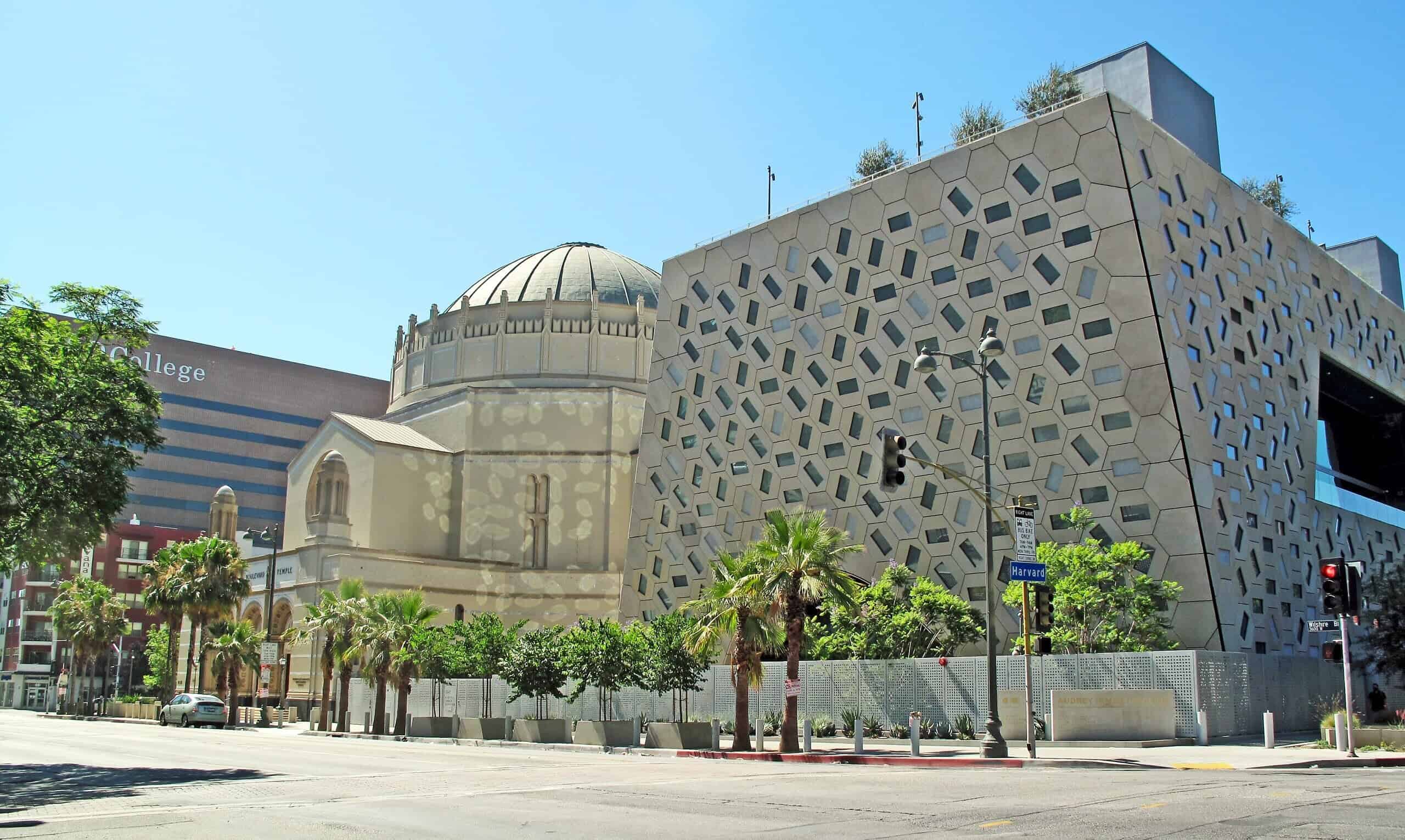
Wilshire Boulevard Temple and Irmas Pavilion, June 2022. Credit: Downtowngal via Wikimedia Commons.

Justifying harassing Jews

What needs to be recognized is that if synagogues are now as controversial and as much a focus of aggressive protest as abortion clinics once were, it’s no longer possible to pretend that Jew-hatred in the United States hasn’t reached a tipping point.

The analogy isn’t arbitrary.

The New York bill is, in fact, an attempt to amend existing legislation that creates buffer zones around abortion clinics to make it possible for medical personnel and patients to enter and exit without harassment from pro-life protesters. Politicians aim to do the same when it comes to houses of worship.

But those appalled by what happened at both Park East and Wilshire Boulevard need to recognize that a law in place essentially to force police officers to do what they failed to do in those instances isn’t the real problem. Yes, it may be necessary to make it harder for protesters to achieve their goal—which, as one of the leaders of the mob at Park East made clear, is to make Jews “scared” and intimidate them into no longer hosting anything connected to the Jewish state. But even if the task of these anti-Zionists is made more difficult—as the buffer zones around abortion clinics similarly impeded aggressive pro-lifers— the issue is the way that mainstream media and much of America’s political class have essentially legitimized the reason why these thugs are turning out to harass Jews in the first place.

After Oct. 7, the proverbial Overton Window of acceptable discourse has been moved to accommodate the pro-Hamas crowds. Not too long ago, support for the cause of destroying the one Jewish state on the planet was considered a sure sign not merely of hatred and bigotry, but of the sort of extremism that ought to be confined to the fever swamps of the far left or far right. These days, advocacy for such a genocidal goal is seen as a legitimate political and societal discussion.

This was best illustrated by mayor-elect Zohran Mamdani’s reaction to the Park East incident, when he stated that he opposed demonstrations outside synagogues that aim to intimidate people but still chided the congregation, saying that “these sacred spaces should not be used to promote activities in violation of international law.”

The reference was to the event being held there that night by the 20-plus-year-old Nefesh B’Nefesh group that promotes immigration to Israel. Doing so is actually protected by international law. Later, his stand was justified in a piece published by the left-wing Forward newspaper. It said the argument behind Mamdani’s comment was an assertion based on the issue that since some Jews who make aliyah wind up in the heart of the ancient Jewish homeland in Jerusalem, or in Judea and Samaria (which Israel-bashers think ought to be Judenrein), and are therefore “settlers,” the shul was essentially facilitating the creation of international criminals.

That’s an outrageous smear. But similar justifications were presented on behalf of the thugs who sought to disrupt the Los Angeles event because it was organized by the Israeli Consulate to discuss security strategies with a focus on AI innovations and included the Elbit Systems firm. Elbit is an Israeli technology company that is under fire because of its role in developing tools used by the Israel Defense Forces to defend the country from terrorism.

The ‘genocide’ blood libel

The problem isn’t what Elbit or the IDF does. It’s the fact that the bizarre red-green alliance of leftists and Islamists that oppose Israel’s existence defines such efforts to protect Jews from the horrors of Oct. 7-style terrorist attacks—incorporating rape, torture, murder and kidnappings—as not merely illegitimate but “genocide.”

That’s why the focus on the narrow issue of impeding the ability of threatening mobs—who chant slogans about wiping out the Jews and their state to inspire fear in everyday citizens—by making synagogues no-go zones misses the point why these outrages are happening. What those who are concerned by these incidents need to address is the way such vile arguments about “genocide,” which are nothing more than modern blood libels about the Jews, have been legitimized by educators, union members, journalists and politicians who would never be seen shouting a rude remark or getting into a shoving match with a person entering a synagogue.

What those who want to respond to these incidents should be doing is not merely denouncing the vulgarians—who are, to no small extent, succeeding in scaring American Jews—for going overboard in expressing their hostility to Israel. Rather, they should stop treating the claims about “genocide” and famine in Gaza and “apartheid” inside the Jewish state as reasonable assertions any more worthy of debate than the claims of latter-day Nazis like “groyper” leader Nick Fuentes about the Jews controlling banks, the weather and the world.

The ability of Hamas to get respectable liberal publications like The New York Times and outlets like CNN or MSNBC (now known as MS NOW) to legitimize their lies about Israeli actions has been an astonishing success. A generation of young people who get all their news from TikTok and other social-media feeds is an ideal audience for these falsehoods. They’ve been convinced to believe that the exaggerated casualty figures—in which all the Palestinian dead in the fighting with Israel, including terrorists, are counted as women and children—are accurate. And they either don’t know about or don’t believe the truth about the Palestinian atrocities committed on Oct. 7 or just think the Israeli victims had it coming. They’ve been conditioned by their educational experiences and what they read or hear from opinion leaders to think that Jews have no rights. They have been taught to believe that Jews are “white” oppressors, no different from the bad guys in the Jim Crow South or apartheid-era South Africa, rather than a mix of citizens from all parts of the world, including Middle Eastern countries that kicked them out long ago.

There are consequences when the Times treats advocacy for the “genocide” blood libel as a defensible opinion. The same is true when Democratic and Republican politicians listen to claims that the Jews are purposefully seeking to wipe out an entire people, rather than being the intended victims of Palestinian attempts at Jewish genocide. Their failure to push back against such outrageous falsehoods sends a message to the entire country that transcends any effort to regulate the most unruly protesters.
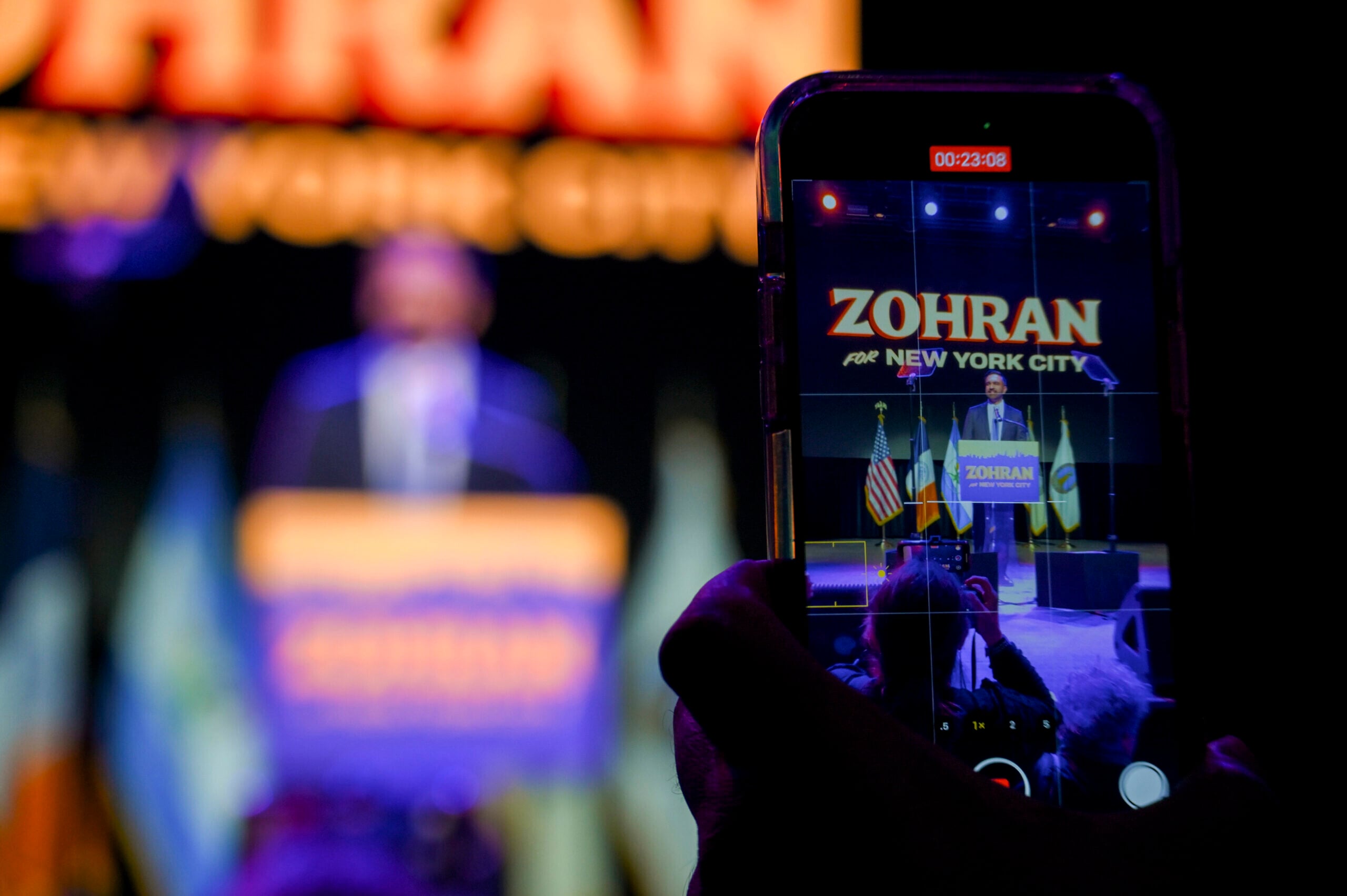
New York City mayor-elect Zohran Mamdani speaks on Election Night during a campaign rally in Brooklyn, N.Y., after winning the race, Nov. 4, 2025. Photo by Liri Agami/Flash90.

Normalizing Mamdani

The willingness to normalize Mamdani is the most obvious symptom of what has gone on.

That a person for whom the destruction of the one Jewish state on the planet is the driving force of a burgeoning political career—he is, after all, 34, and the mayoralty will be his first significant political position—and the organizing principle of his advocacy is an appalling turn of events. But rather than treat him as a pariah, as the chattering classes would behave if someone like Fuentes or David Duke, leader of the Ku Klux Klan, were elected to any office, he’s been feted and fussed over by leaders on both sides of the aisle. That not only includes leading Democrats, but President Donald Trump and Vice President JD Vance.

While they aren’t wrong to praise his skill as a manipulator of the media, treating his antisemitic beliefs as merely a curious eccentricity or merely a questionable aspect of his appeal to young voters is to normalize such abhorrent views. Instead, they are treating anyone who dares to call him out as an “enemy of the Jewish people”—as Benjamin Tisch, the brother of New York City Police Commissioner Jessica Tisch, rightly did—as the problem. That Commissioner Tisch publicly apologized for her brother’s accurate comment undermines the notion that she will be an effective check on the mayor-elect’s excesses. It also sends Mamdani, his Jew-hating advisers and members of the pro-Hamas mobs besieging synagogues, the message that they are legitimate actors.

The question isn’t, as the sponsors of the New York synagogue buffer zone legislation said, how they can protect the free-speech rights of protesters without making the lives of synagogue-goers hell. Rather, it is how leading liberal opinion leaders, including many left-wing Jews who never miss an opportunity to bash the Israeli government or to bolster arguments that strip Jews of rights that no one would deny to any other people, now fail to treat antisemitism as a disqualifying character flaw. More than that, such sentiments should deem them unfit for office or a position of influence in academia or journalism.

We should welcome efforts to protect synagogue-goers. But what we should really be pushing back against is a cultural climate in which Israel and the expression of normative Jewish beliefs are now considered illegitimate. As long as that is true of mainstream American public discourse, the safety of worshippers or any other action of an identifiable Jew will always be in question.

Jonathan S. Tobin is editor-in-chief of the Jewish News Syndicate, a senior contributor for The Federalist, a columnist for Newsweek and a contributor to many other publications. He covers the American political scene, foreign policy, the U.S.-Israel relationship, Middle East diplomacy, the Jewish world and the arts. He hosts the JNS “Think Twice” podcast, both the weekly video program and the “Jonathan Tobin Daily” program, which are available on all major audio platforms and YouTube. Previously, he was executive editor, then senior online editor and chief political blogger, for Commentary magazine. Before that, he was editor-in-chief of The Jewish Exponent in Philadelphia and editor of the Connecticut Jewish Ledger. He has won more than 60 awards for commentary, art criticism and other writing. He appears regularly on television, commenting on politics and foreign policy. Born in New York City, he studied history at Columbia University.


Zawartość publikowanych artykułów i materiałów nie reprezentuje poglądów ani opinii Reunion’68,
ani też webmastera Blogu Reunion’68, chyba ze jest to wyraźnie zaznaczone.
Twoje uwagi, linki, własne artykuły lub wiadomości prześlij na adres:
webmaster@reunion68.com