Archives

Defending the Judeo-Christian tradition 60 years after ‘Nostra Aetate’


Defending the Judeo-Christian tradition 60 years after ‘Nostra Aetate’
onathan S. Tobin


Tucker Carlson, Nick Fuentes and their enablers aren’t really arguing about foreign policy or “gatekeeping.” Their focus is on splitting Jews from their Christian allies.

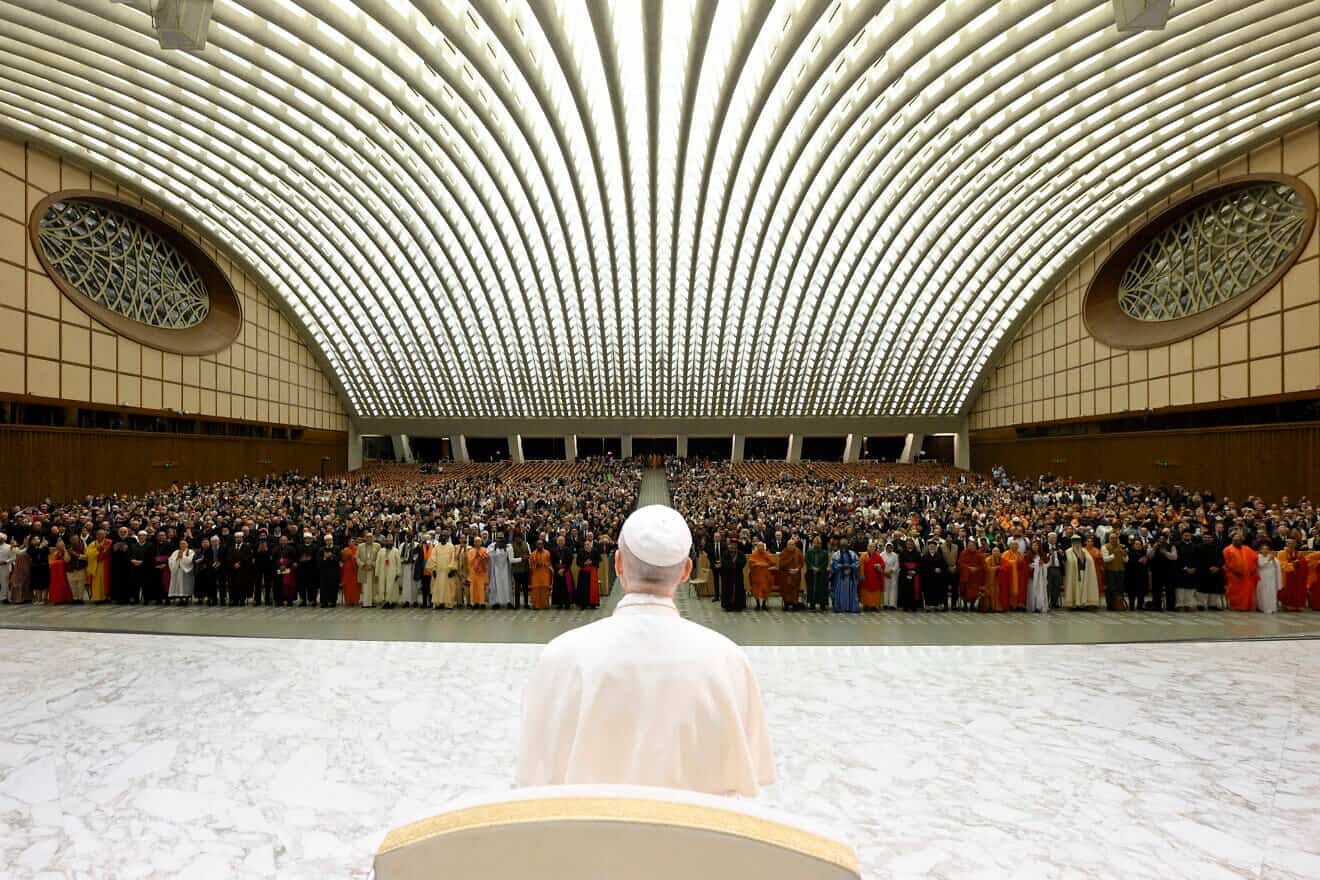
Pope Leo XIV presides at “Walking Together in Hope,” a celebration of 60 years of “Nostra Aetate,” the Second Vatican Council’s Declaration on Interreligious Dialogue at Paul VI Hall on Oct. 28, 2025 in Vatican City, Vatican. Photo by Simone Risoluti, Vatican Media via Vatican Pool/Getty Images.
At a time when antisemitism is surging across the globe, it’s unsurprising that the anniversary of the publication of a crucial document that sought to end many centuries of Christian discrimination and persecution of Jews passed largely without notice in the general media. Nostra Aetate (Latin for “In Our Time”) or the “Declaration on the Relation of the Church with Non-Christian Religions” was promulgated by the Second Vatican Council under the authority of Pope Paul VI on Oct. 28, 1965.

For the first time in the history of the Catholic Church, its central governing authority had issued a definitive statement about relations between its adherents and the Jewish people. It sought to change it from one of perennial antagonism to one of understanding and fellowship. Most specifically, it rejected the age-old accusation that Jews bore collective guilt for the death of Jesus and affirmed the spiritual bond between Christianity and Judaism. In a single stroke, the Church went from being an institution that had long been a bulwark of antisemitism to its avowed opponent. It sought to create the foundation not merely for a new age of interfaith dialogue but also for undermining the kind of mass support for Jew-hatred that had made the Holocaust possible only two decades beforehand.

More relevant than ever

In 2025, however, Nostra Aetate is more than just a glorious historical achievement that deserves to be remembered and celebrated. Sadly, it is as relevant today as it was in 1965 because—though it seemed to have suffered a decisive and perhaps fatal blow 60 years ago—antisemitism isn’t merely on the rise. It has become normalized in the very countries where it was thought to be dying out at the time of the document’s publication.

Equally important, the institution that took this important stand now finds itself in a morally compromised position. At the same time, it is publicly opposing hate against Jews, while also helping fuel it through often unfair and even outrageous stands about the ongoing war being waged against Israel by those who seek its destruction and the genocide of the Jews.


Jonathan S. Tobin is editor-in-chief of the Jewish News Syndicate, a senior contributor for The Federalist, a columnist for Newsweek and a contributor to many other publications. He covers the American political scene, foreign policy, the U.S.-Israel relationship, Middle East diplomacy, the Jewish world and the arts. He hosts the JNS “Think Twice” podcast, both the weekly video program and the “Jonathan Tobin Daily” program, which are available on all major audio platforms and YouTube. Previously, he was executive editor, then senior online editor and chief political blogger, for Commentary magazine. Before that, he was editor-in-chief of The Jewish Exponent in Philadelphia and editor of the Connecticut Jewish Ledger. He has won more than 60 awards for commentary, art criticism and other writing. He appears regularly on television, commenting on politics and foreign policy. Born in New York City, he studied history at Columbia University.


Zawartość publikowanych artykułów i materiałów nie reprezentuje poglądów ani opinii Reunion’68,
ani też webmastera Blogu Reunion’68, chyba ze jest to wyraźnie zaznaczone.
Twoje uwagi, linki, własne artykuły lub wiadomości prześlij na adres:
webmaster@reunion68.com


Jewish Band Reacts to UK Music Hall Admitting ‘Mistake’ to Cancel Gig After Pressure From Anti-Israel Activists


Jewish Band Reacts to UK Music Hall Admitting ‘Mistake’ to Cancel Gig After Pressure From Anti-Israel Activists

Shiryn Ghermezian


Demonstrators hold Israeli and British flags outside the Law Courts, during a march against antisemitism, after an increase in the UK, during a temporary truce between the Palestinian Islamist terrorists Hamas and Israel, in London, Britain, Nov. 26, 2023. Photo: REUTERS/Susannah Ireland

The British band Oi Va Voi said on Wednesday it welcomed an apology from the music hall Strange Brew in the United Kingdom in which the venue admitted it “made a mistake” in canceling the band’s gig following pressure from activist groups.

The modern folk klezmer band from London, which is comprised of British Jews and non-Jews, said it also welcomed how the venue in Bristol “accepted that it treated Oi Va Voi differently due to our Jewish heritage” when it made the abrupt decision to cancel their show on May 21 with Israeli singer Zohara as a guest performer. Oi Va Voi added that it believes the “intimidation” by activist groups who pressured the venue to cancel the concert “would never be tolerated against any other minority, either in the music industry or elsewhere. Anti-Jewish racism is racism, and racism is injustice, wherever it comes from.”

Strange Brew explained this week that it made a “last-minute decision” to cancel the May 21 show due to “complaints” from activist groups, including criticism of the cover art on Zohara’s 2024 solo album “Welcoming The Golden Age.” The album cover features the Israeli musician naked and holding onto a wheelbarrow full of watermelons while standing in a field of watermelons. In May, Strange Brew said in the now-deleted Instagram post, cited by BristolLive, that activist groups claimed the artwork contained “politically loaded symbolism related to the people of Palestine.” The watermelon has become a symbol of Palestinian solidarity and resistance since it shares the same colors as the Palestinian flag.

Now, months later, Strange Brew apologized for canceling the May 21 show and said it has “resolved the situation amicably” with Oi Va Voi.

“We recognize that Oi Va Voi was likely only subjected to this level of scrutiny, and Zohara’s album artwork interpreted negatively, because they are a Jewish band performing with an Israeli singer,” the venue said in an Instagram post on Wednesday. “Oi Va Voi are musicians, not activists. They have no political affiliations and, as far as we are aware, have never made any political statements, be it in their music or otherwise. We are an inclusive venue, and it was not in line with our values to exclude Oi Va Voi and Zohara from performing on the basis of conjecture by another group about their views.”

The venue added that in light of the incident, it has enforced “compulsory antisemitism training for all our senior management” and made a donation to the Community Security Trust (CST), a British charity that aims to protect British Jews from terrorism and antisemitism. Strange Brew also urged other music venues to “not hold Jewish artists, wherever they may be from, to a higher standard by demanding they account for the actions of others or let the current conflict [in the Middle East] effectively exclude Jewish acts from our venues.”

“Jewish people have greatly enriched the UK’s music and arts scenes, helping shape its sounds and stories,” the venue said. “Losing this vital source of creativity would be a real loss for the country.”

Oi Va Voi acknowledged Strange Brew’s donation to the CST and commitment to enforce antisemitism training in the band’s statement on Wednesday. It called complaints from activist groups about the band, its music, and Zohara’s album artwork “untrue and misguided claims.”

“The only reason we received a level of scrutiny that would lead to such false accusations is because of our heritage and the nationality of one of our performers,” the group stated. The band then expressed disappointment in “the lack of solidarity” from fellow musicians and the “deafening” silence from the “wider music industry” after their gig was canceled

“The readiness of venues, promoters, and festivals to cave in to demands that exclude Jewish artists, and the lack of attention from the music press when this does happen, has contributed to an environment which has allowed anti-Jewish racism in Britain to persist largely unchallenged,” Oi Va Voi wrote. “This episode has had an immense personal and emotional impact on us. It has also led to financial loss, reputational damage and a barrage of hate, the like of which we had never experienced before.”

Immediately after the May 21 concert was abruptly canceled, Oi Va Voi responded to the move by saying that criticism about the band from activists and claims about the political intentions of Zohara’s album artwork are both “untrue” and “misguided.”

“Anyone who knows Oi Va Voi knows that we sing songs which are socially conscious, humanitarian, and speak to audiences across divides,” the band said at the time. “We are a non-political band who plays to bring people together, not to polarize them. And we are proud of it.”

In her own statement released in May, Zohara defended her album cover and said, “This discussion is secondary to the only thing that truly matters: ending the starvation in Gaza, bringing all the hostages home, stopping Israel’s bombardments.”

She explained that the image of her “gathering fruit in a field” was not meant to have any political implications, and in fact, she “didn’t know” originally that watermelons were a symbol of Palestinian solidarity. She added that after learning about the connection, her artwork feels more “meaningful” to her because of her own Moroccan heritage and how “for many years,” the Moroccan culture “was silenced where I grew up.”

“Boycotting artists over imagined narratives doesn’t serve justice,” she said in conclusion. “It silences the very people working to create better futures.”


Zawartość publikowanych artykułów i materiałów nie reprezentuje poglądów ani opinii Reunion’68,
ani też webmastera Blogu Reunion’68, chyba ze jest to wyraźnie zaznaczone.
Twoje uwagi, linki, własne artykuły lub wiadomości prześlij na adres:
webmaster@reunion68.com


Dylematy edukacji i problemy z ponowoczesnością

Auschwitz launches a virtual film set of its grounds, and sparks an ethical debate
‘Picture from Auschwitz,’ a brick-by-brick digital reproduction of the Nazi camp created by the memorial, earns praise despite fears of AI-fueled distortion of Holocaust content


Dylematy edukacji i problemy z ponowoczesnością

Andrzej Koraszewski


Ludzie kochają martwych Żydów, chętnie łącząc to z nienawiścią do jeszcze żywych. Zagłada odpływa do odległej historii, umierają ostatni świadkowie największego koszmaru w dziejach naszego gatunku – przemysłowego unicestwiania całego narodu. Amerykańska pisarka Dara Horn napisała wstrząsającą książkę pod tytułem People Love Dead Jews, pokazując w niej, do jakiego stopnia nawet edukacja o Holokauście może być wykorzystywana do nakręcania antysemityzmu w postaci jego najnowszej formy – nienawiści do Izraela i pragnienia jego zniszczenia.

Jak pisał w maju 2020 roku amerykański dziennikarz Jonathan S. Tobin:

Zwolennicy zniszczenia Izraela nie zawsze mówią równie otwarcie o tym celu, jak to robią przywódcy irańskiego rządu lub terroryści Hamasu. Niektórzy, jak redakcja The Harvard Crimson, po prostu mówią o swoim pragnieniu „wolnej Palestyny” i swoim poparciu dla antysemickiego ruchu BDS, nie wspominając, że celem tych wysiłków jest likwidacja państwa żydowskiego. Inni w społeczności międzynarodowej, jak wiele tzw. grup obrony praw człowieka lub Rada Praw Człowieka ONZ, która powołała stałą komisję śledczą mającą na celu poparcie kłamstwa, że Izrael jest „państwem apartheidu”, zaciemniają swoje ostateczne cele, robiąc wszystko, co w ich mocy, aby odizolować Izrael w nadziei, że się rozpadnie.

Siódmy października 2023 roku pokazał wyraźnie, że nie jest to tylko jakaś nadzieja na „rozpad” Izraela, ale nadzieja na kolejną Zagładę. Reakcja na tę masakrę zarówno świata muzułmańskiego, jak i świata zachodniego pokazuje, że można doskonale łączyć demonstrację miłości do już martwych Żydów z pragnieniem zagłady jeszcze żywych.

Można się długo zastanawiać nad pytaniem, czy mamy dziś na świecie więcej łajdackich kreatur w rodzaju Grzegorza Brauna, czy sierot po Andropowie i Kurcie Waldheimie, wspieranych przez sieroty po Jewsekcji?

„Gazeta Wyborcza” opublikowała 21 listopada pełen oburzenia artykuł jakiegoś Mikołaja Woźniaka z atakiem na prezydenta Poznania Jacka Jaśkowiaka, który odważył się publicznie powiedzieć, że oskarżanie Izraela o ludobójstwo jest nadużyciem. Ten „dziennikarz” tak zaczyna swoją tyradę:

Działania Izraela w Gazie to zbrodnie wojenne, które spełniają prawne kryteria działań ludobójczych – nie ma wątpliwości prof. Radosław Fiedler, zajmujący się polityką na Bliskim Wschodzie. Odpowiada na słowa Jacka Jaśkowiaka wypowiedziane podczas radiowej audycji.

Mało prawdopodobne, żeby utrzymujący się z „informowania” osobnik znał nazwiska i opinie takich autorów jak wykładowca z West Point, uważany za najlepszego dziś na świecie specjalistę od wojen w miastach – John Spencer, brytyjski emerytowany pułkownik Richard Kemp, sędzia Międzynarodowego Trybunału Sprawiedliwości Julia Sebutinde czy profesor prawa międzynarodowego Eugene Kontorovich. Pod tym odrażającym popisem (gazety, a nie tylko jednego „dziennikarza”) napisałem w komentarzu:

No cóż, definicja ludobójstwa jest jasna – sporządził ją, nawiasem mówiąc, polski prawnik Rafał Lemkin i znajdujemy ją w konwencji ONZ. Definicja zawiera stwierdzenie o intencji eksterminacji całości lub części narodu lub grupy etnicznej. „Gazeta Wyborcza” wkracza na grząski grunt, albo raczej raz jeszcze pokazuje, że jest wierna radzieckiej tradycji propagowania idei, że syjonizm to rasizm. Wierność nakazuje poszukiwanie specjalisty, który potwierdzi nieprawdę. Dziś o taki gatunek „specjalistów” łatwo, a obowiązek wierności jest nadrzędny nad uczciwością. Jaśkowiak nie powiedział niczego nowego. Tak, oskarżanie Izraela o ludobójstwo jest nadużyciem, antysemickim nadużyciem, a brak informacji, jak ta sprawa wygląda w debacie między prawdziwymi specjalistami, to zamierzona praktyka propagandystów antysemickiej nienawiści. Można by tylko dodać, że Jaśkowiak zupełnie niepotrzebnie wprowadza tu wątek izraelskich Arabów. Oskarżenia dotyczą sposobu prowadzenia wojny z nazistowską twierdzą Hamasu w Gazie. Jak dotąd żadna armia zachodnia w żadnym konflikcie zbrojnym nie wykazała takiej troski o życie cywilnej populacji wroga jak armia izraelska. Jest to rażąco sprzeczne z definicją ludobójstwa i zamiarem eksterminacji całości lub części jakiejś populacji. Ergo – oczywiste nadużycie, motywowane wyłącznie rasizmem i podpierane „specjalistami” do wynajęcia.

Wielu autorów zastanawia się nad pytaniem, czy obecne tsunami antysemityzmu można zatrzymać przez lepszą edukację o Holokauście. Prawdopodobieństwo skuteczności jest znikome. Sceptycyzm – uzasadniony.

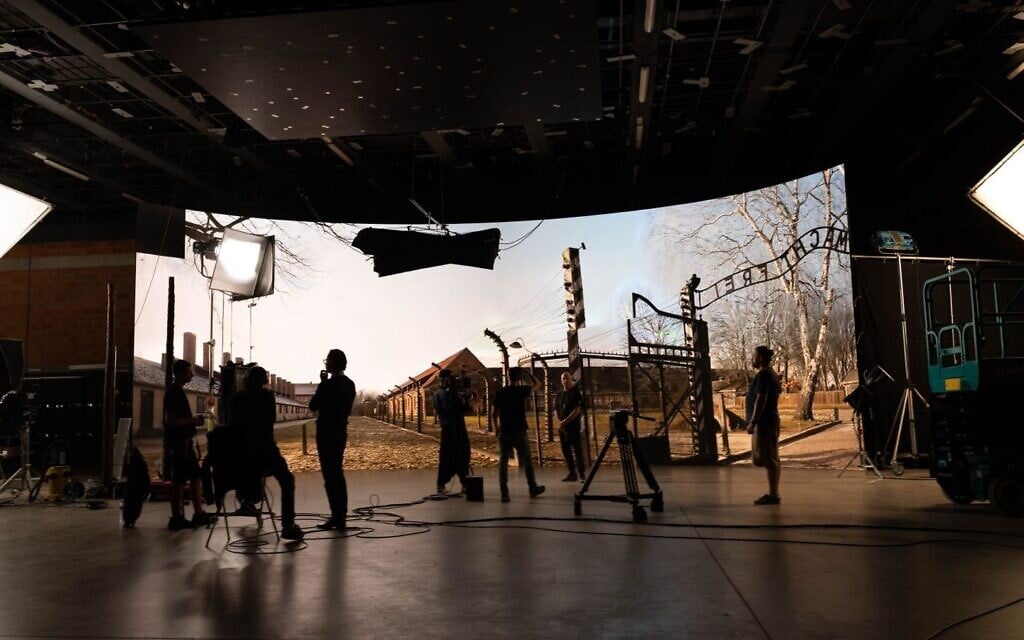
Muzeum Auschwitz-Birkenau udostępnia wyprodukowany przez ATM Virtual Studio film odtworzonej przy pomocy sztucznej inteligencji realnej scenerii tego obozu. Jak pisze dziennikarz „Times of Israel” Matt Lebovic:

Każda cyfrowa cegła to realne, utracone życie. Muzeum Auschwitz udostępnia wirtualny plan filmowy swojego terenu i wywołuje tym debatę etyczną. „Obraz z Auschwitz”, cyfrowa rekonstrukcja obozu stworzona cegła po cegle przez muzeum, zdobywa uznanie, ale budzi też obawy przed zniekształceniem treści o Zagładzie przez sztuczną inteligencję.

Mam wrażenie, że w tym przypadku to nie sama sztuczna inteligencja jest istotna, ale uzasadnione mogą być obawy, jak świetny materiał zostanie wykorzystany przez naturalną ćwierćinteligencję różnych artystów.

Lebovic pisze dalej:

Przez dekady na terenie byłego niemieckiego nazistowskiego obozu koncentracyjnego Auschwitz-Birkenau obowiązywał zakaz realizacji filmów fabularnych. Zakazu tego nie złamano nawet dla Stevena Spielberga podczas kręcenia „Listy Schindlera” w 1993 roku. Inni filmowcy również spotykali się z odmową.

Teraz jednak muzeum zaprasza producentów i reżyserów do realizowania filmów w tych budynkach – tyle że nie na terenie muzeum. Udostępnia bowiem szczegółową cyfrową replikę obozu, dostosowaną do potrzeb filmowych, której premiera odbyła się na początku tego roku.

Chętni masowo się zgłaszają, a to, jak wykorzystają udostępniony materiał, to pytanie, które warto dziś postawić – nawet jeśli mamy pewność, że użyją go również sieroty po Andropowie i Kurcie Waldheimie.

Książka Dary Horn nie znalazła zainteresowania żadnego polskiego wydawcy. Wzmiankę o jej angielskim wydaniu w „Gazecie Wyborczej” znalazłem tylko w refleksjach Joanny Tokarskiej-Bakir o tsunami antysemityzmu pod płaszczykiem antysyjonizmu (opatrzonej ostrzeżeniem redakcji: [Opinie publikowane w serwisie wyrażają poglądy osób piszących i nie zawsze muszą odzwierciedlać stanowiska całej redakcji]).

Ta znakomita autorka przedstawiła przegląd artystycznego przerabiania pamięci o Holokauście w oskarżenia jeszcze żywych Żydów. Cytuje wiele przykładów i nieliczne głosy sprzeciwu. Przywołuje między innymi słowa dziennikarki „Sunday Timesa” Hadley Freeman:

„Dzień Pamięci o Zagładzie (Holocaust Remembrance Day) przypada co roku 27 stycznia, w rocznicę wyzwolenia Auschwitz-Birkenau przez Sowietów. A jednak nie dotyczy on już 6 milionów Żydów zabitych w Holokauście, ale »wszystkich ofiar ludobójstwa«, a każdy Żyd na tyle głupi, by zakwestionować tę zmianę, jest przywoływany do porządku za wykluczanie. Prawdziwy problem z Zagładą polegał niestety na tym, że była ona niewystarczająco inkluzywna”.

Wróciłem dziś do tamtego artykułu Joanny Tokarskiej-Bakir, mając żywo w pamięci inny fragment czytanego przed rokiem tekstu, jakby wyjęty prosto z książki Dary Horn:

W Ameryce spędziłam ubiegły rok akademicki. Mój punkt widzenia chętnie nazwałabym uprzywilejowanym, skoro było nim Muzeum Holocaustu w Waszyngtonie. Tej jesieni był to jeden z bardziej niefortunnych adresów.

Przed gmach z piaskowca położony przy waszyngtońskim Mallu – zielonym obszarze z ważnymi instytucjami i pomnikami, stanowiącym pomnik amerykańskiej tożsamości sam w sobie – nadal tłumnie zajeżdżały szkolne wycieczki. A jednak na początku października budynek przypominał dom, w którym straszy. Windy muzeum, zaprojektowane tak, by przypominały komory gazowe, psuły się częściej niż zwykle.

Cień, jaki padł na tę instytucję po 7 października, wyraził się w czuwaniu dla uczczenia zabitych i porwanych przez Hamas. Wzięła w nim udział garstka przezroczystych starców, ocalałych z Zagłady. Po raz pierwszy w historii muzeum – amerykańskiej instytucji narodowej, ufundowanej w 1993 roku w celu „dokumentacji, badań i interpretacji dziejów Holocaustu” – z obawy o bezpieczeństwo podano tylko inicjały uczestników czuwania, jakby byli sprawcami, nie ofiarami.

Izraelski dziennikarz cytuje głosy zaniepokojenia. Wirtualna wersja scenerii obozu zachowuje i promuje historycznie ugruntowany obraz, nie może jednak zapewnić jego etycznego wykorzystania. Prawdopodobnie ta odtworzona sceneria będzie pojawiać się w wielu filmach, a dzień dzisiejszy skłania do ponurych refleksji na temat tego, jakie będą proporcje między uczciwością i propagandą antysemityzmu maskowanego fałszywym współczuciem, ignorancją i odwiecznymi uprzedzeniami.

Edukacja o Holokauście bywa ponowoczesna i często zawiera ukryty lub otwarty przekaz: więcej, więcej, więcej.


Zawartość publikowanych artykułów i materiałów nie reprezentuje poglądów ani opinii Reunion’68,
ani też webmastera Blogu Reunion’68, chyba ze jest to wyraźnie zaznaczone.
Twoje uwagi, linki, własne artykuły lub wiadomości prześlij na adres:
webmaster@reunion68.com


Netanyahu renews call for Beirut to disarm Hezbollah


Netanyahu renews call for Beirut to disarm Hezbollah

JNS Staff


“I expect the government of Lebanon to fulfill its commitment to disarm Hezbollah,” said the Israeli premier.

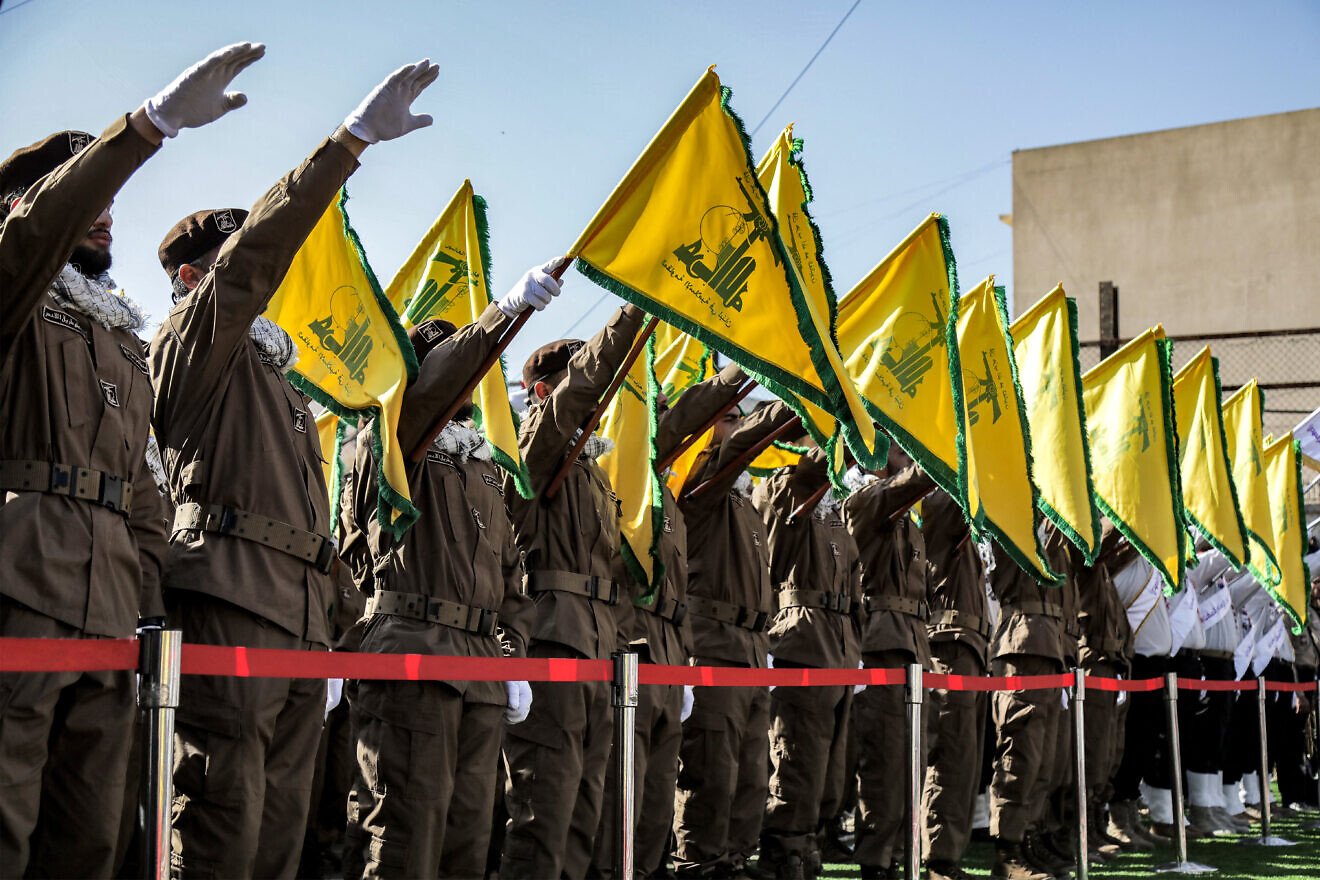
Hezbollah terrorists salute and raise the group’s yellow flag during a funeral in Chehabiyeh in Southern Lebanon, April 17, 2024. Photo by AFP via Getty Images.

Israeli Prime Minister Benjamin Netanyahu on Sunday urged Beirut to disarm Hezbollah, speaking after an Israel Defense Forces strike in the Lebanese capital killed the Iran-backed terror group’s “chief of staff.”

“I expect the government of Lebanon to fulfill its commitment to disarm Hezbollah,” said Netanyahu as he confirmed the death of Haytham Ali Tabatabai, the group’s No. 2 after Secretary-General Naim Qassem.

Only through Beirut fulfilling its commitments under the Nov. 26, 2024, ceasefire understandings with Jerusalem, Netanyahu said, “can a better future be made possible for every citizen in Lebanon—and only in this way can good and secure neighborly relations be established,” he said.

The premier in his remarks congratulated the IDF on the “professional, accurate and successful” strike and vowed that, “under my leadership, the State of Israel will not allow Hezbollah to rebuild its power and we will not allow it to pose a threat to the State of Israel again.”

Netanyahu noted that Tabatabai was a “mass murderer” whose hands were “soaked in the blood of many Israelis and Americans, and it is not for nothing that the U.S. put a bounty of five million dollars on his head.”

The slain Hezbollah commander led the terror group’s Radwan Force, which has been preparing “to conquer the Galilee and slaughter many of our citizens,” said Netanyahu.

In recent months, he was in charge of Hezbollah’s efforts to rearm, after the “heavy blows” it suffered during a year of fighting with the IDF.

Tabatabai, who reportedly survived two previous IDF assassination attempts, was killed on Sunday when Israeli Air Force fighter jets dropped precision munitions on his hideout apartment on the fourth floor of a building in Beirut’s southern Dahiyeh district, Israel’s Channel 12 News reported.

Hezbollah confirmed the assassination of its chief of staff in a statement, describing Tabatabai with the epithet “commander of the great jihad,” a title reserved for the Shi’ite terrorist organization’s most senior leaders.

The organization confirmed that four terrorists were slain alongside Tabatabai, identifying them as Ibrahim Ali Hussein, Rifaat Ahmed Hussein, Mustafa Asaad Barrou and Qassem Hussein Barjawi.

Hezbollah said Tabatabai had become “a martyr for Lebanon following the treacherous Israeli attack” in Beirut.” However, Sunday’s statement stopped short of issuing or hinting at any threat of retaliation.

Although there is currently no change in the instructions for civilians on the Israeli home front, residents of the north are concerned about possible retaliation by the terror group, and Jerusalem already has battle plans in place in case there is a response from Hezbollah, according to Channel 12.

Israeli President Isaac Herzog stated on Sunday night that, “The State of Israel will continue to act as required to eliminate the threat on the northern border and strengthen the security of the residents of the area and all citizens of the State of Israel.”

The Israeli head of state commended “the prime minister, the defense minister, the IDF chief of staff, the Cabinet, the security forces and all those involved in the elimination of Hezbollah’s chief of staff.”

On Nov. 26, 2024, Jerusalem and Beirut signed a ceasefire deal aimed at ending more than a year of cross-border fighting between the IDF and Hezbollah. The Iranian-backed terrorists began attacking the Jewish state in support of Hamas in the wake of the Oct. 7, 2023, massacre.

Since the truce, the IDF has conducted frequent raids to stop Hezbollah from rebuilding terror infrastructure in Lebanon, in violation of the deal.

A senior Israeli official told Israel Hayom on Thursday that Jerusalem has not seen the Lebanese army dismantling Hezbollah, as required under the truce, and that only the IDF could disarm the terrorists.

Israeli ground forces over the past year carried out some 1,200 incursions into Southern Lebanon, Ynet reported on Monday.

The IDF’s moves included overt and covert patrols, ambushes targeting terrorists and the destruction of structures or tunnel shafts that were not uncovered during “Operation Northern Arrows” in late 2024, it said.

The military operations spanned Israel’s entire 87-mile border with the Land of the Cedars, and included three to five raids daily within 1.9 to 3.1 miles of the frontier, according to Monday morning’s Ynet report.


Zawartość publikowanych artykułów i materiałów nie reprezentuje poglądów ani opinii Reunion’68,
ani też webmastera Blogu Reunion’68, chyba ze jest to wyraźnie zaznaczone.
Twoje uwagi, linki, własne artykuły lub wiadomości prześlij na adres:
webmaster@reunion68.com


Netanyahu Praises IDF After Killing Top Hezbollah Leader


etanyahu Praises IDF After Killing Top Hezbollah Leader

i24 News and Algemeiner Staff


Israeli Prime Minister Benjamin Netanyahu speaks to the press on Capitol Hill, Washington, DC, July 8, 2025. REUTERS/Evelyn Hockstein

Just hours after the killing of Ali Tabatabai, Hezbollah’s number two and a key commander of the Radwan Force, Israeli Prime Minister Benjamin Netanyahu addressed the nation Sunday evening in a firm, resolute statement.

Netanyahu described Tabatabai as “one of the most dangerous strategists” within the Lebanese Shiite terrorist group, alleging that he had intended to “invade Galilee and massacre Israeli citizens.”

The Prime Minister also noted that the senior official had been actively working to “rebuild and rearm” Hezbollah following strikes that destroyed much of its missile arsenal and after the elimination of Hassan Nasrallah.

Praising the IDF and Israeli security services for their “professional, precise, and successful” operation, Netanyahu vowed: “Under my leadership, Israel will not allow Hezbollah to rebuild its strength. We will not let this organization once again become a threat to the State of Israel.”

He further urged the Lebanese government to “honor its commitment to disarm Hezbollah,” calling this the only path toward “a better Lebanon” and “secure, neighborly relations between Israel and Lebanon.”

In closing, Netanyahu congratulated former US President Donald Trump for declaring the Muslim Brotherhood illegal, describing it as a movement “that destabilizes the Middle East and beyond” and reiterating that Israel has long classified the organization as terrorist.


Zawartość publikowanych artykułów i materiałów nie reprezentuje poglądów ani opinii Reunion’68,
ani też webmastera Blogu Reunion’68, chyba ze jest to wyraźnie zaznaczone.
Twoje uwagi, linki, własne artykuły lub wiadomości prześlij na adres:
webmaster@reunion68.com