 Israel: land of milk, honey and medical cannabis
Brian Blum
Breath of Life’s huge new facility, the largest medical cannabis facility in the world, can store enough medical marijuana to supply the entire United States.
 A Breath of Life employee harvesting cannabis in Israel. Photo: courtesy
In August, a joint feasibility committee of the Health and Finance ministries submitted a recommendation that Israel open its booming medical marijuana business to international exports. The market could be worth as much as $4 billion a year in revenue.
In the expectation that the proposal will be approved by legislators, an Israel company – Breath of Life Pharma (BOL) – is positioning itself to become the world’s largest medical cannabis facility.
BOL’s new production, research and development campus in central Israel has a 35,000-square-foot plant, an 8,000-square-foot storage room, 30,000 square feet of grow rooms and labs, and a million square feet of cultivation fields.
BOL CEO Dr. Tamir Gedo says his firm can store enough medical marijuana to supply the entire United States. Gedo estimates that BOL will produce 80 tons of medical cannabis per year.
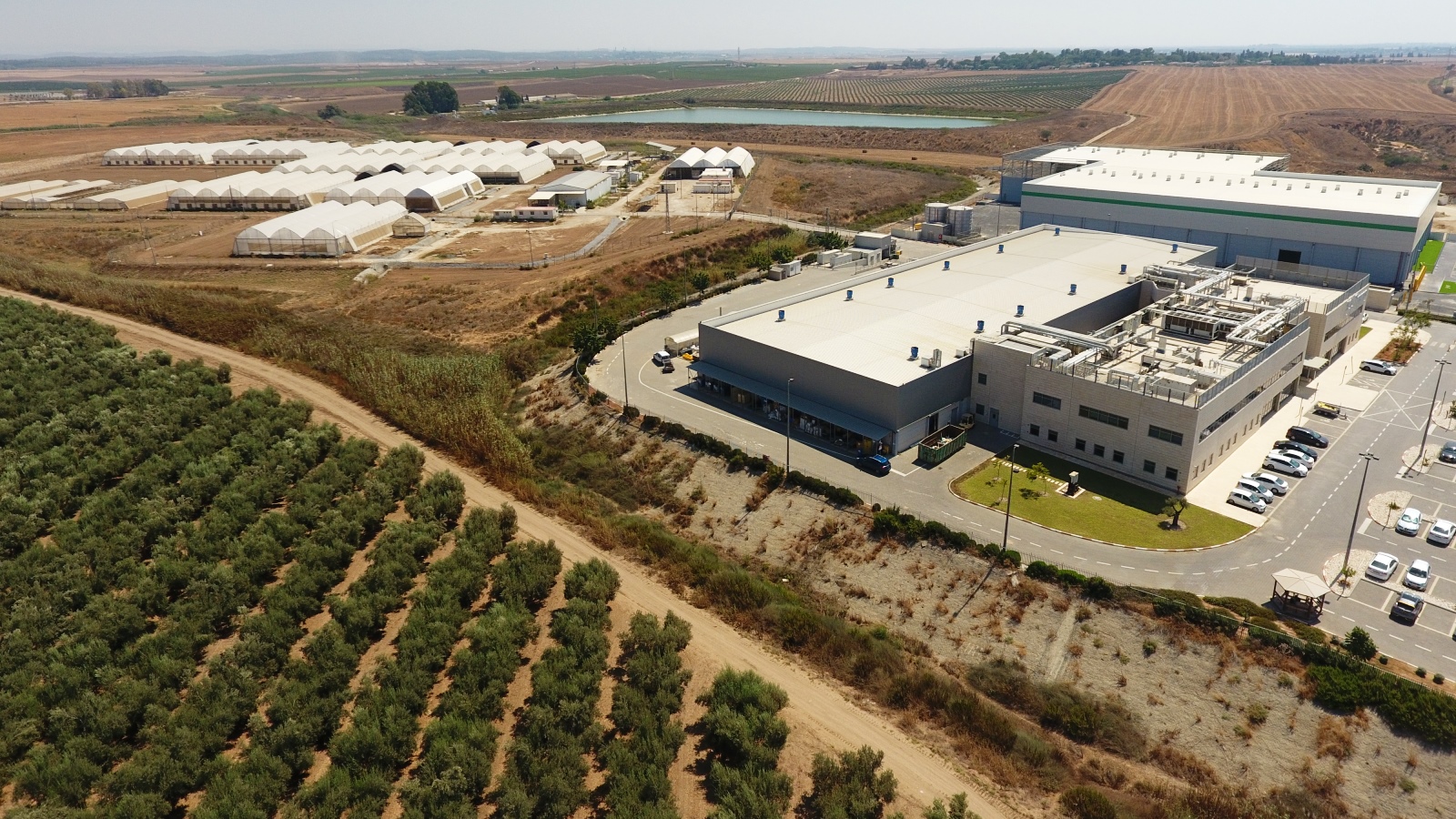 Breath of Life’s new facility in central Israel. Photo: courtesy
“Just don’t call it ‘marijuana,’” Gedo told a group of visiting journalists under high security (marijuana is, after all, a controlled substance in much of the world, including Israel).
The word “marijuana” was used by US drug enforcement agents in the 1930s to make it sound foreign and dangerous. Gedo, like most in his industry, prefers to use the plant’s real name, cannabis. He refers to BOL’s business as the growing, packaging and distribution of “medical-grade cannabis” (MGC for short).
BOL has no interest in pushing the legalization of recreational cannabis, Gedo says. Rather, BOL works toward bringing pharmaceutical-grade quality and delivery systems to purified extracts of the plant.
Because the chemical composition of cannabis flowers from different branches is not at all consistent, companies in the medical cannabis space don’t use the whole plant but instead isolate specific molecules and turn those into controlled, consistent drugs.
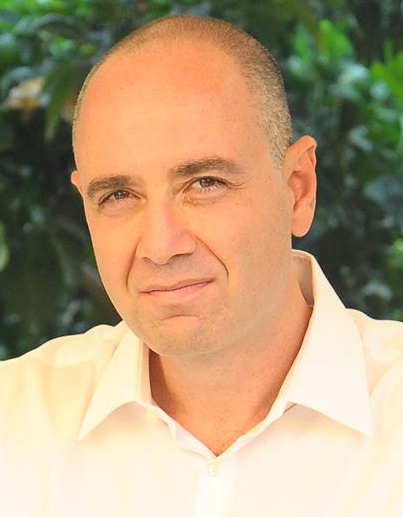 Breath of Life CEO Tamir Gedo. Photo: courtesy
That can be quite a challenge: Cannabis has 142 different cannabinoids – active components – and each targets different illnesses.
The two best known cannabinoids are THC and CBD. The former is the psychoactive component responsible for marijuana’s “high.” It also helps with pain and nausea, which has made it a much sought-after medication for patients undergoing chemotherapy.
CBD, on the other hand, works on the autoimmune system and acts as an anti-inflammatory. It is being tested on inflammatory bowel diseases (including Crohn’s and ulcerative colitis) and has shown to be effective with conditions as diverse as autism, epilepsy, diabetes and heart disease. Moreover, you can’t get high from CBD.
In order to get FDA approval, a company like BOL, which was founded in 2007, must conduct the same kind of double-blind clinical trials any drug would go through. Some 120 trials are currently under way in Israel – more than in any other country.
Gedo says that if even 10 percent of trials underway at his facility result in a patentable drug, BOL could be the Pfizer of MGC. BOL’s autism trial, under the supervision of Dr. Adi Aran, director of the neuropediatric unit of Shaare Zedek Medical Center in Jerusalem, will go to the FDA in 2018. If it’s approved, a commercial drug could be available as early as 2021.
Medical cannabis drugs are delivered via pills you swallow, delayed-release gel capsules, sublingual tablets, drops, ointments, transdermal patches and metered inhalers. You don’t smoke MGC because that destroys the CBD and other components aside from THC.
Cannabis-friendly
read more: Israel: land of milk, honey and medical cannabis
twoje uwagi, linki, wlasne artykuly, lub wiadomosci przeslij do: webmaster@reunion68.com