Archives

Humanitarny spektakl sezonu


Humanitarny spektakl sezonu

Anna Grabowska (Anne Goldschmid)


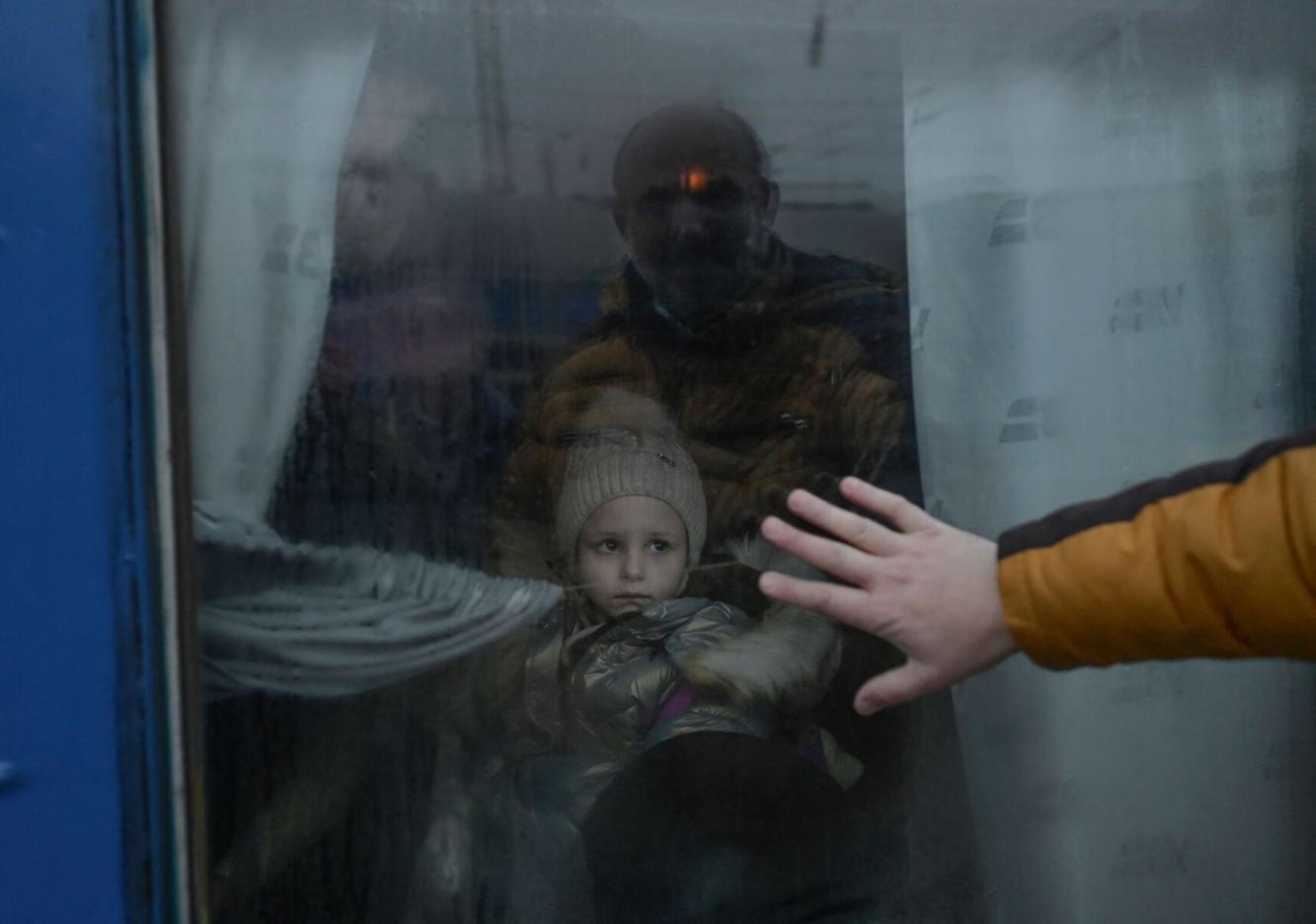
Podczas gdy wszyscy są zajęci aferą Epsteina, bo media mówią o tym na okrągło, proszę państwa, jest nowy news. Nowa Flotylla do Gazy. Sto łodzi, tysiąc aktywistów. Wielkie słowa o największej humanitarnej interwencji w historii. Na razie są tylko zapowiedzi, liczby i hasła. Twarze pojawią się później, kiedy ruszą kamery. Kiedy będzie można zrobić zdjęcia z pokładu i pokazać światu, że moralność znów wypłynęła w morze. A dopiero gdzieś na końcu tej opowieści, na jej brudnym, nieatrakcyjnym marginesie, jest rzeczywistość. Ta, której nikt nie chce fotografować, bo nie nadaje się na symbol, nie ma jednego winnego i nie daje prostego scenariusza, w którym można wystąpić w roli bohatera. Bo w tym samym czasie, gdy planuje się tę flotyllę, na wschodzie Europy ludzie marzną w nieogrzewanych mieszkaniach. Ukraińskie dzieci uczą się spać w ubraniach, żeby nie zamarznąć w nocy przy minus dwudziestu stopniach. I nikt nie organizuje dla nich statków. Nikt nie wzywa celebrytów, ani nie robi transmisji z ruin bloków i z korytarzy szpitalnych, gdzie od miesięcy czuć zapach wilgoci i strachu.

Tak, Palestyńczykom żyje się ciężko. Nie mieszkają w pałacach, tylko w namiotach, pod plandekami i w prowizorycznych schronieniach. Ale mają dostęp do pomocy humanitarnej, do koców, do żywności. Do konwojów z pomocą, o których mówi się w każdej telewizji świata. I to nie są tylko wrażenia czy obrazy z mediów. W najnowszych apelach humanitarnych ONZ na 2026 rok sama Gaza i terytoria palestyńskie pochłaniają około 12–13 % całego globalnego budżetu pomocy, więcej niż jakikolwiek pojedynczy kryzys na świecie. Sudan, gdzie toczy się jedna z najkrwawszych wojen w Afryce, dostaje około 8–9 %. Syria podobnie. A Ukraina, mimo milionów ludzi bez domów i zniszczonej infrastruktury, w ostatnich latach mieści się zwykle w przedziale około 10–15 procent globalnych potrzeb humanitarnych. Cała Afryka razem wzięta, ze wszystkimi swoimi wojnami, suszami i epidemiami, dostaje około 35–45 procent pomocy, ale rozbitej na dziesiątki krajów i setki milionów ludzi. Gaza jest więc jednym z najlepiej finansowanych pojedynczych kryzysów na świecie. Tymczasem dzieci w Ukrainie marzną przy minus dwudziestu stopniach. Giną od bomb i rakiet. A jednak nie budzą światowej moralności. W tym samym czasie w Afryce dzieci, kobiety i starcy umierają z głodu, z chorób lub chociażby z braku wody. Z powodu rzeczy tak elementarnych, że aż trudnych do opisania. I tam też nie ma flotylli, konwoju łodzi, nie ma tysiąca kamer. Nie ma “błogosławionych świadków historii”. Tam jest cisza i zwykła śmierć. Bez transparentów i bez triumfalnej opowieści o moralności, którą wycierają sobie gębę selektywnie gwiazdki współczucia. Taki to jest rynek pomocy-przedstawienia. Współczesny aktywizm wybiera swoje bitwy jak producent telewizyjny – prime time. Nie według skali tragedii, tylko według jakości scenariusza. Według tego, czy da się opowieść uprościć do plakatu, bądź wskazać jednego winnego. Czy da się z tego zrobić serię wideo z mocnym finałem lub wyprodukować emocję, która będzie miała zasięg.

Flotylla do Gazy ma wszystko, co potrzebne do widowiska. Statki, hasła, konfrontację z marynarką. Dramatyczne krzykliwe apele, zatrzymanie, wywiady, i łzy. Kadry, które obiegną świat. I jeszcze jeden element, bez którego ta historia nie miałaby takiej siły rażenia. Konflikt, który dla części Zachodu stał się wygodnym lustrem do przeglądania własnych kompleksów. Palestyna jako symbol, nie jako ludzie. Symbol, którym można uderzać w Zachód, w kapitalizm, w kolonializm, w system, w cokolwiek akurat jest na liście wrogów sezonu. Przecież dziś i tak łatwo nienawidzi się Żydów i zgania się wszystko na nich. Więc taka opowieść sprzedaje się bez wysiłku sama. Bez żadnych wątpliwości ani refleksji. A flotylla do Mariupola? Nie istnieje. Flotylla do Charkowa, Chartumu, Sahelu też nie. Flotyli do Iranu również nie było. A powód? Bo tam nie ma jednego wygodnego symbolu, którego można obarczyć winą i powiesić jak gwiazdę Dawida na szubienicy. I dlatego tysiące ludzi gotowych jest wejść na pokład w tej sprawie, a niewielu z nich byłoby gotowych spędzić miesiąc w ukraińskim szpitalu polowym, gdzie dzieciom amputuje się nóżki przy świetle agregatów i nikt nie pyta o hashtagi, albo pół roku w obozie dla uchodźców w Sudanie, gdzie nie ma kamer, nie ma mikrofonów, nie ma nawet stabilnego sygnału, żeby zrobić relację na żywo. Bo tam nie ma romantycznej rewolucji. Tam jest pot, błoto, infekcje i brak leków. Monotonne cierpienie, które nie nadaje się do transmisji. W ten sposób z cierpienia robi się poręczny rekwizyt. Taki polityczny spektakl na pierwsze strony gazet. Recrptura gotowa, z moralności robi się kostium i zakłada na weekendowy rejs. A potem wraca się do domu z wystudiowanym cierpieniem na twarzy, publikuje kilka zdjęć i pisze setki gniewnych postów. O tak później zbiera się brawa od własnego plemienia i ogłasza, że oto ludzkość została uratowana. Podczas gdy ludzkość, ta prawdziwa, bez transparentów i bez kamer, dalej leży gdzieś w ruinach, w zimnie i bez leków. W wioskach bez wody.

I dlatego ta selektywna moralność budzi we mnie odrazę. Zwyczajną, fizyczną odrazę. Bo to nawet nie jest już hipokryzja, lecz rodzaj ideologicznej estetyki, w której cierpienie jednych staje się scenografią, a cierpienie innych nie zasługuje nawet na spojrzenie. Bo zwyczajnie brzydzi mnie ta selektywna moralność. Zwyczajnie brzydzi.


Zawartość publikowanych artykułów i materiałów nie reprezentuje poglądów ani opinii Reunion’68,
ani też webmastera Blogu Reunion’68, chyba ze jest to wyraźnie zaznaczone.
Twoje uwagi, linki, własne artykuły lub wiadomości prześlij na adres:
webmaster@reunion68.com


Solution to Iran crisis is regime change, ousting Khamenei, Saudi royal family source tells N12


Solution to Iran crisis is regime change, ousting Khamenei, Saudi royal family source tells N12

JAMES GENN

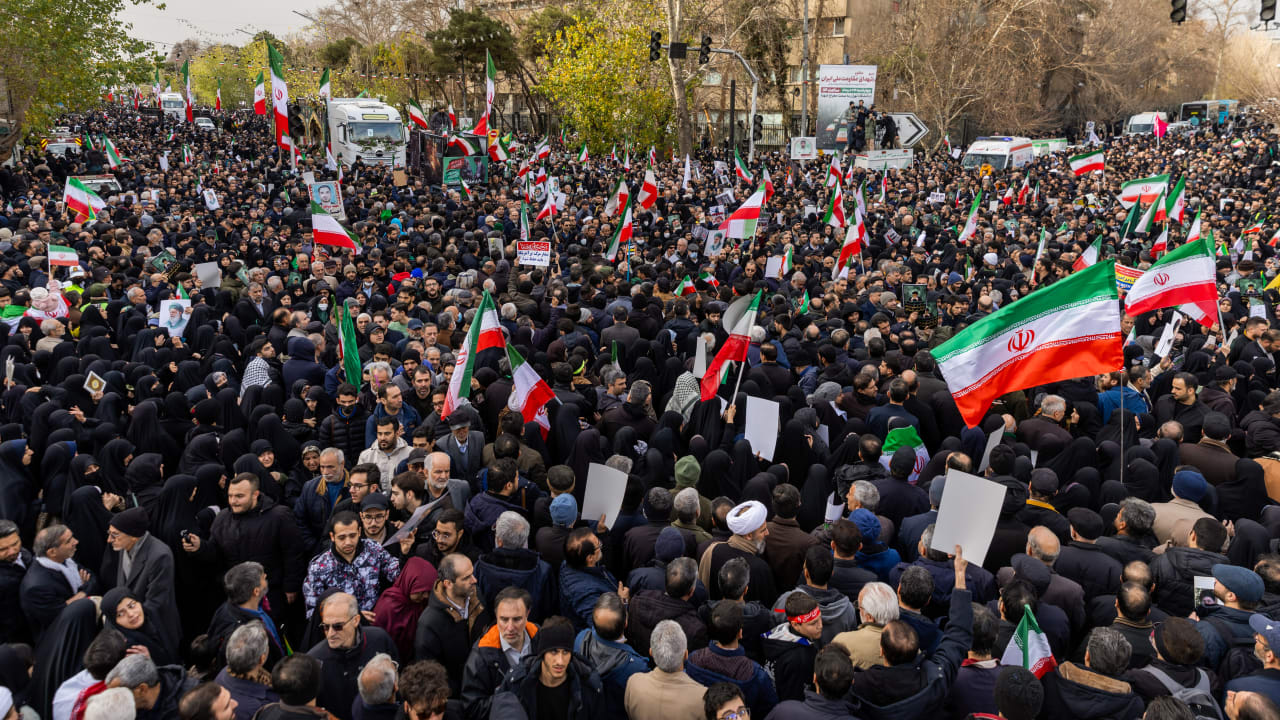
A crowd gathers for a mass funeral of protests killed by the Iranian regime’s violent clampdown of anti-regime protesters, in Tehran, January 14, 2026; illustrative. / (photo credit: Stringer/Getty Images)

The solution for Iran is no longer a limited military move, but a large, fundamental change, including the ousting of Supreme Leader Ayatollah Ali Khamenei, a Saudi royal family source told N12 News on Sunday.

Khamenei and the regime “must be eliminated one by one,” and “the only solution is to change the regime in Iran in one way or another,” the source said.

“If the regime in Iran is overthrown, a strong government must rise that knows how to concentrate power in a strong and secure way, and not repeat the model of a weak technocratic government such as exists in Iraq,” the source added.

“After the [anti-regime Iranian] protesters lost faith in [US President Donald] Trump, the solution is to eliminate the top leadership one by one, starting with Khamenei, so that there will be no leaders left, and then hold elections,” they continued.

Crown Prince Reza “Pahlavi is apparently not acceptable to the majority of the public inside Iran,” the source said.

Anti-regime protesters hold banners in support of Crown Prince Reza Pahlavi, denouncing the Islamic Regime as murderers, during a protest on the sidelines of US-Iran nuclear talks, Geneva, Switzerland, February 17, 2026; illustrative. (credit: Sedat Suna/Getty Images)

There is a feeling of missed opportunity on the streets of Iran, which has stemmed from not only the intense repression by the Islamic Regime, but also the lack of external support, according to the source.

“Trump missed the opportunity to eliminate the heads of the regime’s security apparatus who suppressed the past protests, and by doing so, he lost the trust of the protesters,” the source said.

Saudi royal source discusses US, Israel’s strategic mistake

This was “the strategic mistake of the US and Israel – the lack of understanding of the social dimension inside Iran and the failure to build an alternative to the regime,” the source added.

“If Trump wants to fulfil his promise to protect the protesters – how will he do that if he doesn’t eliminate those who killed them? A surgical action is required to hit essential infrastructure, alongside the security commanders who acted against protesters,” the source stated.

“The protests currently happening in Iran are economic in motivation and limited in nature. If pressure increases, they will grow, but will also be suppressed. They are not as large as the media presents,” the source believes.

“We see the regime as a regional threat. If Iran does not produce nuclear weapons within five years, it will do so afterwards,” they continued.

Iran builds ‘target bank’ of US, allies, facilities, infrastructure in region – report

N12 noted that an ultra-conservative Iranian news outlet, Vatan-e-Emrooz (Homeland Today), presented a list of US targets and Iran’s plan for escalation, including a “target bank” that includes US bases, economic infrastructure, and other Middle East countries, including Jordan.

An Iranian response will be “rapid and coordinated,” according to the local outlet cited by N12. It would be executed in multiple arenas simultaneously, aiming to create a situation where the confrontation will rapidly expand. This expansion will include Iran’s proxy axis involvement, damage to shipping routes, and threats to oil and energy facilities, according to the report.


Zawartość publikowanych artykułów i materiałów nie reprezentuje poglądów ani opinii Reunion’68,
ani też webmastera Blogu Reunion’68, chyba ze jest to wyraźnie zaznaczone.
Twoje uwagi, linki, własne artykuły lub wiadomości prześlij na adres:
webmaster@reunion68.com


China Played Key Role in Iran’s Digital Crackdown on Protesters, Report Shows


China Played Key Role in Iran’s Digital Crackdown on Protesters, Report Shows

Ailin Vilches Arguello


Protesters march in downtown Tehran, Iran, Dec. 29, 2025. Photo: Screenshot

The Iranian regime used Chinese and Russian technology to silence dissent during recent nationwide anti-government protests, imposing near-total internet shutdowns and disrupting satellite communications to suppress public scrutiny, according to a new study.

On Monday, the international human rights organization Article 19 released a new report examining digital cooperation between China and Iran, detailing Beijing’s role in expanding Tehran’s digital repression apparatus.

“In its pursuit of total control over the digital space, Iran borrows directly from the Chinese digital authoritarian playbook,” Michael Caster, head of Article 19’s Global China Program, said in a statement.

“From Chinese companies embedded inside Iran’s infrastructure, to Iran’s support for China’s ‘cyber sovereignty’ principles based on censorship and surveillance, both countries align in their ambition to disconnect their populations from the open, global internet,” he continued.

According to the report, China has provided material and technical support to Iran since at least 2010, bolstering its surveillance and censorship capabilities as Chinese firms including ZTE, Huawei, Tiandy, and Hikvision continue operating in the country despite international sanctions.

“Emulating China’s infrastructure of oppression helps Iran entrench power, sidestepping accountability and exercising full control over the information environment,” Article 19’s head of resilience, Mo Hoseini, said in a statement. “That way, dissent is not just silenced, it is prevented from ever surfacing.”

The study also explains that Iran is seeking to replicate China’s “Great Firewall” through its National Information Network, a system designed to restrict access to the global internet while centralizing censorship and embedding surveillance deep within national infrastructure.

As international scrutiny over the regime grows, new estimates show that tens of thousands of people were killed by Iranian security forces during an unprecedented crackdown on nationwide protests last month.

Two senior Iranian Ministry of Health officials told Time magazine that as many as 30,000 people could have been killed in the streets of Iran on Jan. 8 and 9 alone. Some reports have put the figure even higher, suggesting the regime could have perpetrated one of the deadliest crackdowns in modern history — all under cover of digital darkness.

With authorities enforcing an internet blackout for weeks, the actual number of casualties remains difficult to verify. Activists fear the internet shutdown is being used to conceal the full extent of the crackdown on anti-regime protests.

According to Craig Singleton, a Stanford professor and senior fellow at the Foundation for Defense of Democracies (FDD), a Washington, DC-based think tank, surveillance technology supplied by Chinese exporter Tiandy Digital Technology Co. has strengthened Iranian security forces’ ability to identify and track protesters.

The equipment, including network video recorders, has been deployed during both the current unrest and previous waves of nationwide protests.


China expressed support for the Iranian regime last month amid the protests, hoping Tehran would “overcome” the unrest and “uphold stability.”

If the regime in Iran was seriously weakened or potentially collapsed, it would present a problem for a strategic partner of Beijing.

China, a key diplomatic and economic backer of Tehran, has moved to deepen ties with the regime in recent years, signing a 25-year cooperation agreement, holding joint naval drills, and continuing to purchase Iranian oil despite US sanctions.

China is the largest importer of Iranian oil, with nearly 90 percent of Iran’s crude and condensate exports going to Beijing

Iran’s growing ties with China come at a time when Tehran faces mounting economic sanctions from Western powers, while Beijing itself is also under US sanctions.

According to some media reports, China may be even helping Iran rebuild its decimated air defenses following the 12-day war with Israel in June.

The extent of China’s partnership with Iran may be tested as the latter comes under increased international scrutiny over its violent crackdown on anti-regime protests.

However, as The Algemeiner previously reported, Iran’s relationship with China has proven weaker than official statements from both countries would suggest, filled with limits and skepticism even as Tehran faces unprecedented military challenges from both the US and Israel.


Zawartość publikowanych artykułów i materiałów nie reprezentuje poglądów ani opinii Reunion’68,
ani też webmastera Blogu Reunion’68, chyba ze jest to wyraźnie zaznaczone.
Twoje uwagi, linki, własne artykuły lub wiadomości prześlij na adres:
webmaster@reunion68.com


Hamas obala narrację o „ludobójstwie”


Hamas obala narrację o „ludobójstwie”

Seth Mandel


Hamas zakończył właśnie najnowszą rewizję danych dotyczących ofiar w wojnie w Strefie Gazy — i jasno pokazuje ona, dlaczego krytycy Izraela miotają się od zakończenia konfliktu.

Lista zawiera wystarczające informacje, by wskazać 68 800 zgonów. Hamas stracił 25 000 bojowników, co pozostawia 44 000 ofiar wojennych do wyjaśnienia. Wśród tych 44 000 znajduje się około 10 000 zgonów naturalnych. Pozostałe 34 000 obejmuje cywilów zabitych przez Izrael oraz tych, którzy zginęli z rąk Hamasu i powiązanych z nim grup zbrojnych — w wyniku egzekucji, nieudanych odpaleń rakiet, walk wewnętrznych i tym podobnych.

W efekcie, nawet przy przyjęciu danych Hamasu, stosunek ofiar cywilnych do bojowników po stronie Izraela wynosi blisko 1:1 — co w warunkach wojny miejskiej jest osiągnięciem bez precedensu, nie mówiąc już o sytuacji, w której znaczna część terytorium została przekształcona przez Hamas w żywe tarcze. Biorąc pod uwagę, że to Hamas rozpoczął wojnę, odmówił kapitulacji i prowadził ostrzał Izraela z domów cywilnych, straszliwa tragedia utraconych istnień mieszkańców Gazy obciąża Hamas.

Na tym etapie rozważanie oskarżenia o „ludobójstwo” wydaje się dość niedorzeczne, ale to kolejna okazja, by zauważyć, że Hamas wyprowadził swoich obrońców na manowce, a następnie sam odciął gałąź, na której stali. O ile wielu działających w złej wierze oskarża Izrael o ludobójstwo od początku wojny i jest tym samym odpornych na fakty, jestem pewien, że istnieje też sporo przyzwoitych ludzi, którzy wpadli w pułapkę „ludobójstwa”, podążając za trendem w imię „praw człowieka”. Nie zazdroszczę im upokorzenia, którego teraz doświadczają, ale nie budzą też mojej szczególnej sympatii. Powinni czuć się źle z powodu tego, co mówili i robili — i mam nadzieję, że tak właśnie jest.

Powody, dla których ludzie byli skłonni w to uwierzyć, są dwa. Po pierwsze, jest to modelowy przykład Wielkiego Kłamstwa. Według przekonania Hitlera wielkość kłamstwa nie tylko nadaje mu wiarygodność, lecz także sprawia, że oddziałuje ono na emocje, a nie na rozum. Gdy obserwujemy, jak izraelskie firmy zalewają Gazę słodyczami i napojami z okazji Ramadanu, nie możemy utrzymać żadnej racjonalnej, świadomej interpretacji innej niż ta, że Izrael wygrał wojnę obronną, chroniąc cywilów w stopniu dotąd niespotykanym. Ale ci, którzy kształtują swoje przekonania w oparciu o podświadome impulsy emocjonalne? Kto wie, jakie sprzeczności są w stanie utrzymywać.

Drugi powód to — tak — antysemityzm. Skłonność opinii publicznej do wierzenia w najgorsze rzeczy o Żydach nie jest niczym nowym i nie jest przypadkowa. Ci, którzy uczestniczyli w rozpowszechnianiu Wielkiego Kłamstwa o „ludobójstwie”, nie popełnili uczciwego błędu. Być może był to błąd — ale nie uczciwy.

Dla każdego, kto chce zabezpieczyć się na przyszłość przed próbami wciągnięcia w kolejne wielkie oszustwo ze strony zwolenników Hamasu, najważniejszym elementem nowego raportu jest wykres demograficzny. Udział kobiet wśród ofiar jest w dużej mierze zgodny z ich udziałem w całej populacji, a w młodszych grupach wiekowych nawet niższy. Natomiast mężczyźni w wieku poborowym stanowią znacznie większy odsetek zabitych, niż wynikałoby to z ich udziału w populacji.

To oznacza, że kolejny kluczowy element antyizraelskiej narracji jest jednoznacznym nonsensem. Chodzi o skupienie krytyków Izraela na „kobietach i dzieciach” — narrację, według której Żydzi są „zabójcami dzieci”. Gdy Alexandria Ocasio-Cortez mówi, że sprzeciwia się Izraelowi, ponieważ „zależy jej na umierających małych dzieciach”; gdy Rashida Tlaib odczytuje do protokołu Kongresu to, co — jak twierdzi — są nazwiskami „niemowląt zamordowanych przez rząd Izraela”; gdy Elizabeth Warren mówi podczas spotkania z wyborcami, że Izrael dopuszcza się ludobójstwa i że należy „spojrzeć na dzieci” — karmieni jesteśmy tropem „zabójców dzieci” przez wybranych polityków.

To kłamstwo — i to złośliwe. Po raz kolejny własne dane Hamasu miażdżą fałsze, których zachodni antysyjoniści trzymają się z powodu błędnie pojmowanej dumy. Rzadko spotyka się bowiem ludzi, którzy mieliby mniej powodów do dumy.


Link do oryginału: https://www.commentary.org/seth-mandel/hamas-debunks-the-genocide-narrative/?utm_source=substack&utm_medium=email


Zawartość publikowanych artykułów i materiałów nie reprezentuje poglądów ani opinii Reunion’68,
ani też webmastera Blogu Reunion’68, chyba ze jest to wyraźnie zaznaczone.
Twoje uwagi, linki, własne artykuły lub wiadomości prześlij na adres:
webmaster@reunion68.com


Who Will Become the Biggest Beneficiary of the Billions of Dollars About To Be Invested in the Gaza Strip? The Terrorist Group Hamas


Who Will Become the Biggest Beneficiary of the Billions of Dollars About To Be Invested in the Gaza Strip? The Terrorist Group Hamas

Khaled Abu Toameh


  • Although Hamas has expressed its willingness to hand over its government institutions to the NCAG [Palestinian National Committee for the Administration of Gaza], there are indications that the terror group seeks to control the new committee and turn it into a Hamas puppet.
    .
  • The NCAG is already under pressure from the terror group to incorporate thousands of Hamas terrorists into a newly established Palestinian police force in the Gaza Strip. Hamas, in addition, is seeking to ensure that its civil servants be placed on the payroll of the NCAG.
    .
  • “There is a prevailing sense within the committee and other parties that Hamas is determined, by all means, to keep its members within the new administrative framework overseeing the Gaza Strip.” — Asharq al-Awsat, quoting “sources close to” NCAG, February 14, 2026.
    .
  • What we are currently witnessing are direct and indirect efforts by Hamas to continue governing the Gaza Strip even after the establishment of Trump’s “Board of Peace” and the NCAG.
    .
  • Hamas… sees itself as an essential part of the post-war arrangements in the Gaza Strip. In the viewpoint of Hamas, the role of bodies such as the “Board of Peace” and NCAG should be limited only to paying salaries, funding reconstruction and ensuring the entry of aid supplies into the Gaza Strip. Meanwhile, the terror group will focus its efforts on rearming, regrouping, rebuilding its terror infrastructure, and planning more attacks on Israel.
    .
  • Anyone who believes that the NCAG will be able to operate as an independent governing body in the Gaza Strip is abysmally uninformed. Its members will undoubtedly be at the mercy of Hamas and its masked thugs.
    .
  • “The image promoted by some international parties that the committee is a means to remove Hamas from power seems far removed from reality. The facts on the ground indicate that Hamas still maintains military, organizational, and ideological control within Gaza, and that any new administrative body cannot operate independently of its will or outside its sphere of influence. Real power remains in the hands of those who possess weapons, organizational networks, and the capacity for sustained popular mobilization.” — Mahdi Mubarak, Arab political analyst, rumonline.net, February 16, 2026
    .
  • Hamas should have been asked to end its rule over the Gaza Strip and hand over all its weapons before, and not after, the formation of the NCAG. Since that has not happened, Hamas will become the largest beneficiary of the billions of dollars that are about to be invested in the Gaza Strip.
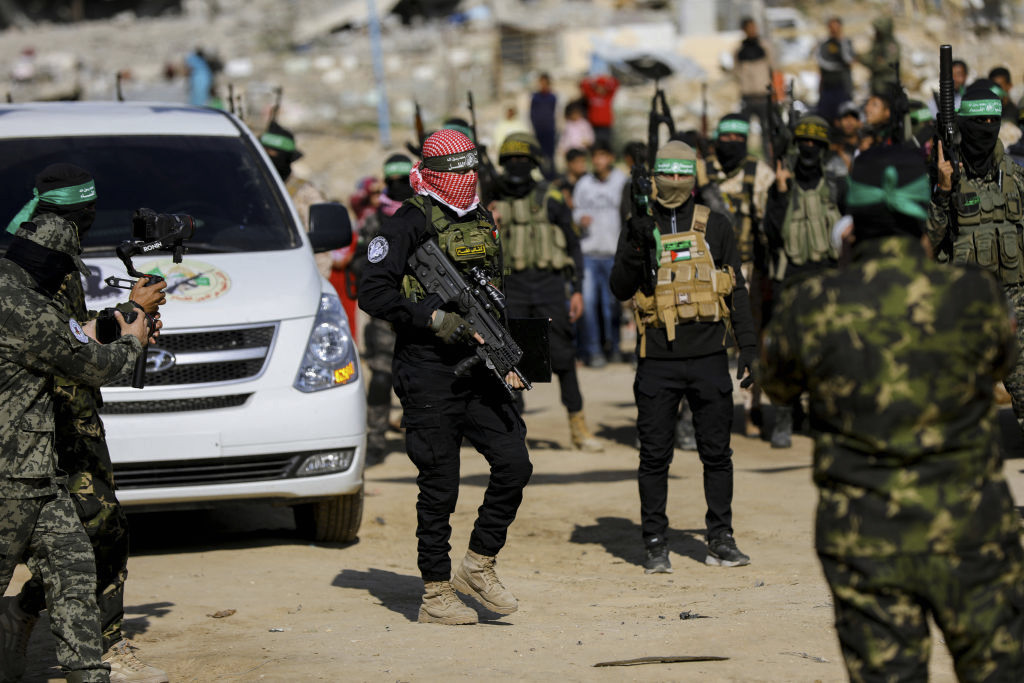
What we are currently witnessing are direct and indirect efforts by Hamas to continue governing the Gaza Strip even after the establishment of Trump’s “Board of Peace” and the Palestinian National Committee for the Administration of Gaza (NCAG). Pictured: Hamas terrorists in Gaza on February 15, 2025. (Photo by Moiz Salhi/Middle East Images/AFP via Getty Images)

The Palestinian National Committee for the Administration of Gaza (NCAG), established last month in accordance with US President Donald J. Trump’s plan to end the Israel-Hamas war, is about to assume its responsibilities in the Gaza Strip.

The NCAG’s main mission is to manage the day-to-day operations of the civil service and administration in the Gaza Strip in the aftermath of the war, which erupted after the October 7, 2023 Hamas-led invasion of Israel.

The committee, whose members are described as “independent technocrats,” is headed by Ali Shaath, a top official of the Fatah faction headed by Palestinian Authority (PA) President Mahmoud Abbas. Shaath previously held several positions in the PA, including Deputy Minister of Planning and International Cooperation, and Undersecretary at the Ministry of Transport.

The NCAG is expected to start operating in the Gaza Strip even though Hamas continues to control nearly half of it, with more than 90% of the population still under the terror group’s jurisdiction. The other half is controlled by the Israel Defense Forces (IDF).

Although Hamas has expressed its willingness to hand over its government institutions to the NCAG, there are indications that the terror group seeks to control the new committee and turn it into a Hamas puppet.

The NCAG is already under pressure from the terror group to incorporate thousands of Hamas terrorists into a newly established Palestinian police force in the Gaza Strip. Hamas, in addition, is seeking to ensure that its civil servants be placed on the payroll of the NCAG.

Sources close to the NCAG revealed that Hamas “continues to insist that its security personnel remain in service within the agencies that will operate under the committee’s [NCAG] leadership,” according to the London-based newspaper, Asharq Al-Awsat.

“The sources said this issue further complicates the committee’s ability to assume its duties in an orderly manner, explaining that Hamas, by insisting on certain demands related to its security employees and police forces, seeks to impose its presence in one way or another within the committee’s work. There is a prevailing sense within the committee and other parties that Hamas is determined, by all means, to keep its members within the new administrative framework overseeing the Gaza Strip.”

The news about the newly established Palestinian governance committee’s preparations to enter the Gaza Strip coincided with reports that Hamas is reasserting its power in areas under its control. According to a February 18 BBC report:

“Gazans say Hamas is again extending its control over security, tax revenue, and government services, raising questions about its long-term strategy, and whether it is prepared to give up its weapons and authority, as now required under the second stage of Donald Trump’s peace plan.”

Mohammed Diab, an activist in the Gaza Strip, noted that Hamas “regained control of more than 90% of the areas where it is present.”

“Its police and security agencies have returned, and are now present in the streets, controlling crime and pursuing those it labels as collaborators and people with opinions. Citizens must go to the Hamas authorities for identity cards or health procedures, and it is also reasserting control over the judiciary and courts.”

Such reports prove that Hamas is lying when it says that it is ready to hand over its governing power to NCAG. Hamas’s actions on the ground demonstrate that the terror group plans to maintain its control over the Gaza Strip in violation of Trump’s plan, which states: “Hamas and other factions agree to not have any role in the governance of Gaza, directly, indirectly, or in any form.” What we are currently witnessing are direct and indirect efforts by Hamas to continue governing the Gaza Strip even after the establishment of Trump’s “Board of Peace” and the NCAG.

Hamas, whose members murdered, tortured, mutilated, raped and kidnapped thousands of Israelis and foreign nationals on October 7, sees itself as an essential part of the post-war arrangements in the Gaza Strip. In the viewpoint of Hamas, the role of bodies such as the “Board of Peace” and NCAG should be limited only to paying salaries, funding reconstruction and ensuring the entry of aid supplies into the Gaza Strip. Meanwhile, the terror group will focus its efforts on rearming, regrouping, rebuilding its terror infrastructure, and planning more attacks on Israel.

According to the Meir Amit Intelligence and Terrorism Information Center:

“[D]espite Hamas’ alleged willingness to transfer governance to the committee, it will have to rely on tens of thousands of employees who remain loyal to Hamas after nearly two decades of absolute Hamas control in the Strip. In such a situation, the committee will at best be able to carry out limited assistance and reconstruction activities, but most likely not to resolve core issues of control, security and demilitarization.”

Needless to say, Hamas has repeatedly made it clear that it has no intention of laying down its weapons or abandoning its Jihad (holy war) to eliminate Israel.

Under current circumstances, where Hamas is quickly reasserting its control over the Gaza Strip, it is hard to see how the “Board of Peace” or the NCAG could succeed in ending the terror group’s rule and implement Trump’s vision, specifically that “Gaza will be a deradicalized terror-free zone that does not pose a threat to its neighbors.”

So long as Hamas and thousands of its terrorists are roaming the streets, collecting taxes, intimidating the residents, and recruiting new fighters, the security and economic situation in the Gaza Strip will never improve. Anyone who believes that the NCAG will be able to operate as an independent governing body in the Gaza Strip is abysmally uninformed. Its members will undoubtedly be at the mercy of Hamas and its masked thugs.

Arab political analyst Mahdi Mubarak wrote:

“The committee’s formation did not occur in a political vacuum, but rather in an environment dominated by Hamas, which ruled the Gaza Strip for many years and established a deep military, organizational, and social presence. Therefore, any realistic assessment of the committee’s future cannot ignore the existing balance of power on the ground. No matter how professional the civil administration may be, its influence remains limited if it lacks the tools of actual power or if it operates within a framework defined by a more powerful party.

“The image promoted by some international parties that the committee is a means to remove Hamas from power seems far removed from reality. The facts on the ground indicate that Hamas still maintains military, organizational, and ideological control within Gaza, and that any new administrative body cannot operate independently of its will or outside its sphere of influence. Real power remains in the hands of those who possess weapons, organizational networks, and the capacity for sustained popular mobilization.

“From this, it can be said that Hamas was the biggest beneficiary of the formation of the committee, not because it relinquished its influence, but because it cleverly repositioned itself. Instead of appearing at the forefront of the scene and bearing the cost of political, security, and economic confrontation before the international community, Hamas left space for a civilian body to manage day-to-day affairs, while it retained the keys to strategic influence. The military force is still in Hamas’s hands, its organizational structure has not been dismantled, and the social networks it built over the years are still active.

“If the new security apparatus relies on elements formed within an organizational environment close to Hamas, then the separation between civilian administration and Hamas’s influence becomes more theoretical than practical. And if the professional cadres—engineers, doctors, and employees—work within a social system that has been influenced by Hamas for years, its indirect influence will persist even in its formal absence from the forefront.”

Hamas appears to be on its way to attempting to impose the model of Lebanon, where Iran’s terror proxy, Hezbollah, has for the past few decades been able to operate as a “state within a state.”

Hamas should have been asked to end its rule over the Gaza Strip and hand over all its weapons before, and not after, the formation of the NCAG. Since that has not happened, Hamas will become the largest beneficiary of the billions of dollars that are about to be invested in the Gaza Strip.


Khaled Abu Toameh is an award-winning journalist based in Jerusalem.

Zawartość publikowanych artykułów i materiałów nie reprezentuje poglądów ani opinii Reunion’68,
ani też webmastera Blogu Reunion’68, chyba ze jest to wyraźnie zaznaczone.
Twoje uwagi, linki, własne artykuły lub wiadomości prześlij na adres:
webmaster@reunion68.com